
Sushidokoro Amano
Sushi · Tennōji, Osaka
Restaurant in Osaka, Japan
 Book with Pearl
The Read
Temperature-Calibrated Nigiri
Price
$300–500per person
Dress
Smart Casual
Why go
A Michelin-starred sushi counter in Osaka's Tennoji Ward, Sushidokoro Amano is built around classical Edomae technique: precise knife work, body-temperature rice, and nigiri formed with minimal movement. At ¥¥¥¥ it earns its place, but booking is genuinely hard. Start four to six weeks out and use a concierge or specialist service to secure a seat.
About Sushidokoro Amano
Verdict
Sushidokoro Amano holds a Michelin star and sits in Osaka's Tennoji Ward, a neighbourhood better known for temples than top-tier sushi counters. That address alone tells you something: this is not a restaurant built for foot traffic or visibility. You book here because you have done the research and you know what you are after. At a ¥¥¥¥ price point, Amano earns its place against Osaka's serious sushi options, but securing a seat is genuinely hard. If you are planning a trip around it, start the booking process well before you land.
The Experience
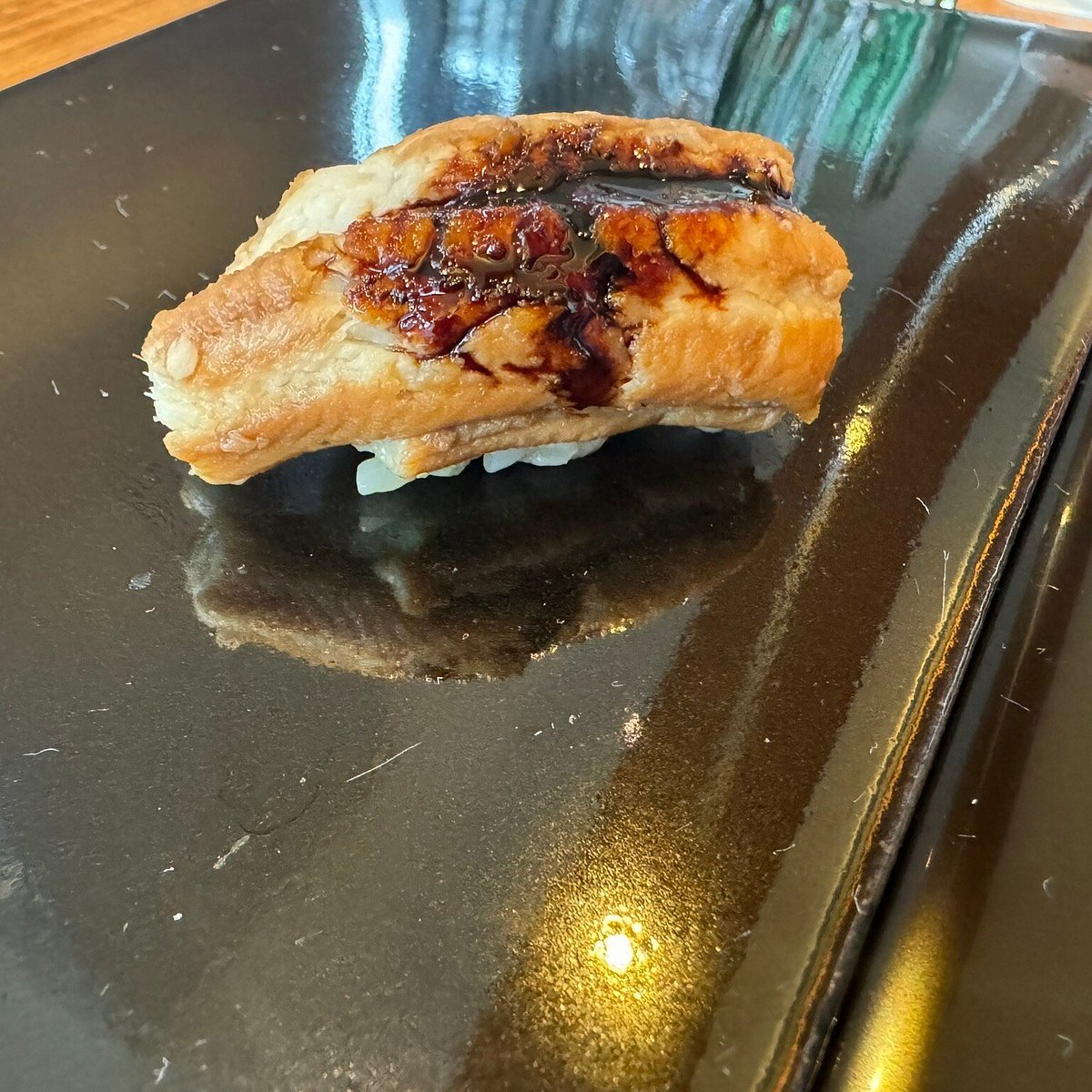
The Michelin inspectors' notes on Amano are unusually specific, and that specificity is worth taking seriously. They describe the owner-chef's knife technique as informed by a deep understanding of the characteristics of each fish, and note that sushi rice is changed frequently to maintain the temperature of the human body. Rice gathered in the palm as if capturing air, wasabi applied with the index finger in exactly the right proportion, nikiri balanced to the fish rather than the formula. These are not marketing flourishes: they are the vocabulary of classical Edomae sushi executed at a level that justifies the price and the effort to get there.
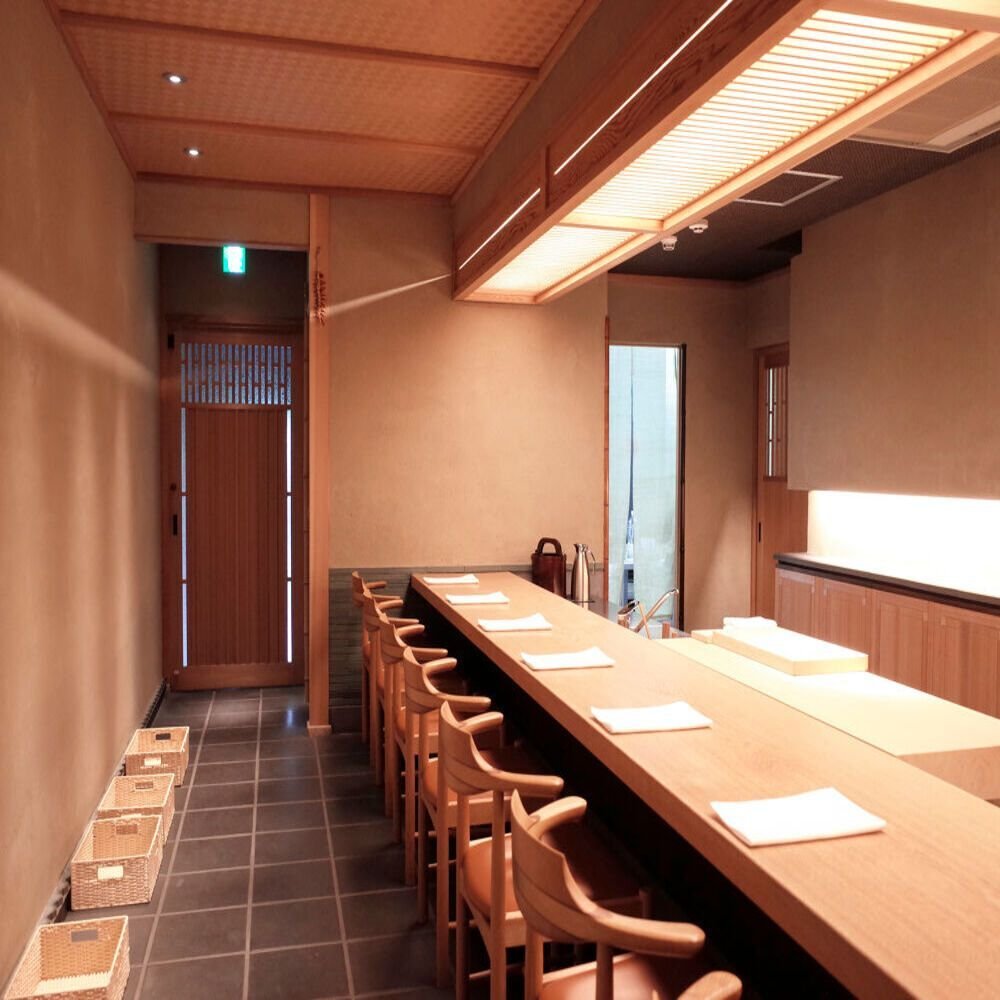
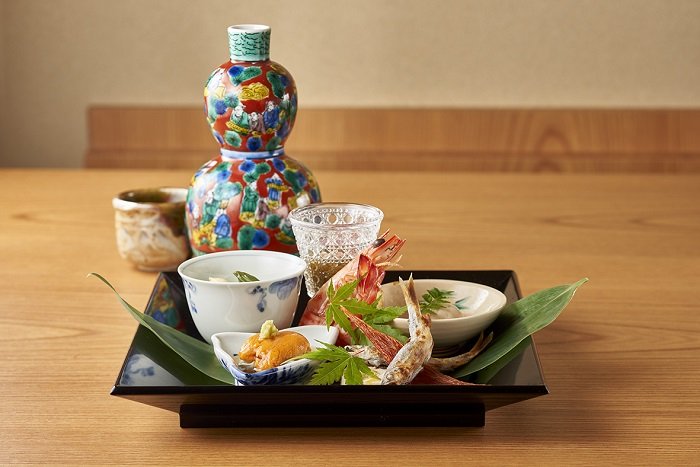
Visually, what you watch at this counter is as considered as what you eat. The economy of the chef's movements is the first thing you notice: no wasted motion, no theatrical flourish, just the kind of precision that comes from years of repetition narrowed down to its essential form. Each nigiri arrives formed to hold together for exactly the right number of seconds. The side dishes carry the same attention: this is not a counter where small plates exist to fill time between sushi courses.
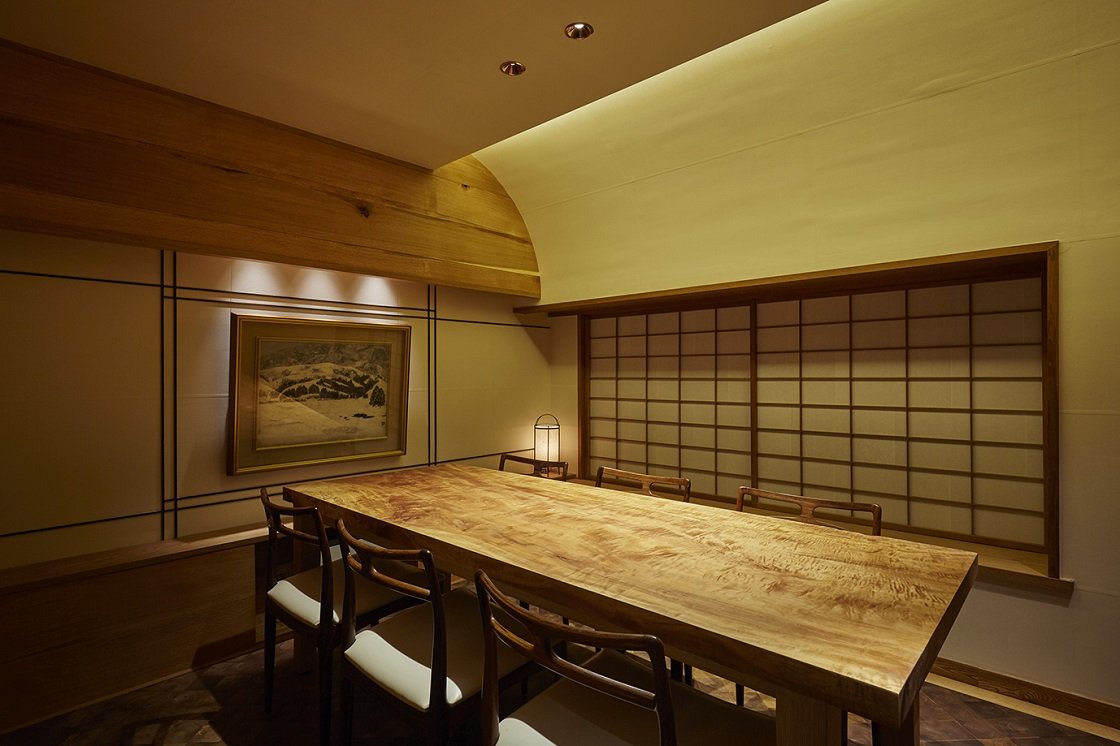
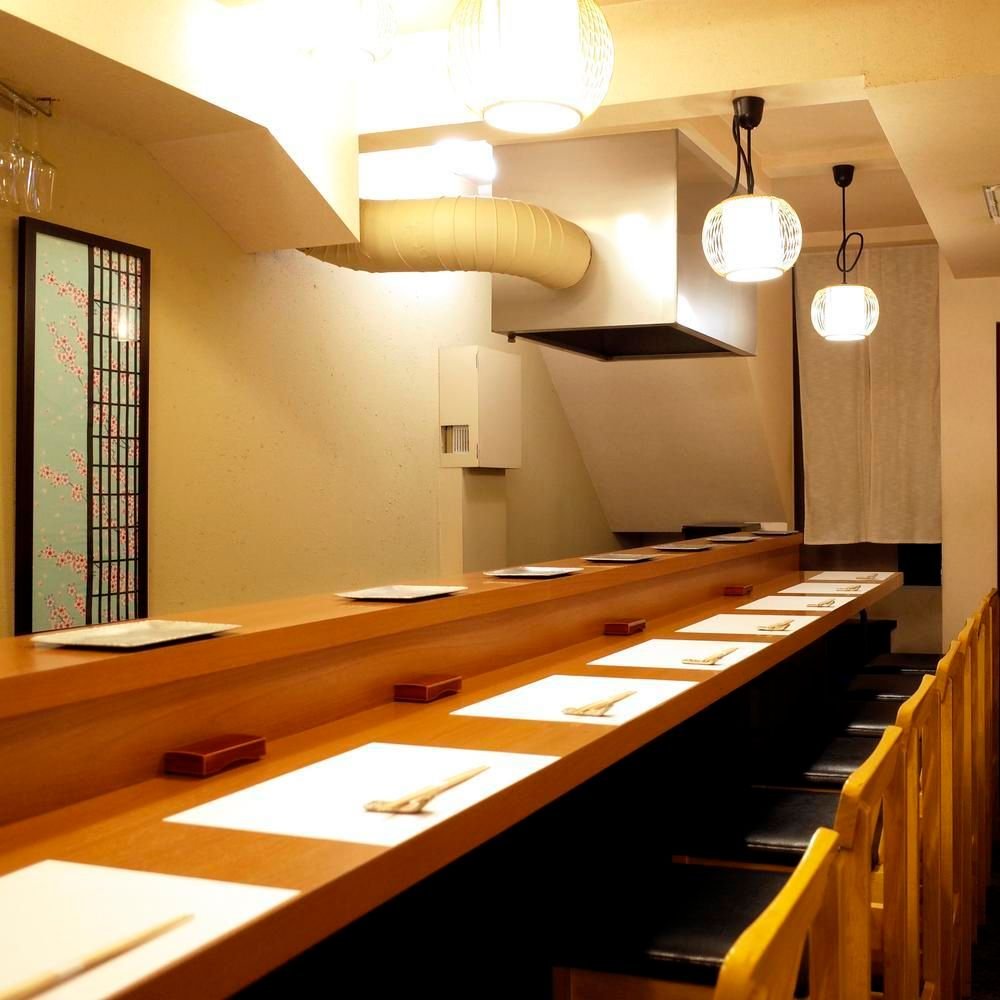
The room itself, located on the ground floor of a residential building in Shitennoji, keeps the focus on the counter and the craft. There is no view to compete with the food, no ambient energy to manage. If you are travelling from central Osaka, Tennoji Ward is direct to reach by rail, and the address, a quiet residential block near Shitennoji temple, rewards those who seek it out rather than stumbling across it.
Lunch vs Dinner: How the Two Sittings Compare
At ¥¥¥¥ pricing, the question of lunch versus dinner matters more than it does at more casual counters. In Osaka's serious sushi segment, lunch sittings typically run a shorter course at a lower price point, which can represent the better entry for first-time visitors who want to assess the quality before committing to a full dinner spend. Dinner at this level tends to mean longer courses, more seasonal fish, and more room for the chef to sequence the experience. If Amano follows the pattern common to Michelin-starred sushi counters in Japan's major cities, the evening sitting is likely the fuller, more deliberate experience, but the lunch option, if available, is how you justify a return visit or test the waters before a larger commitment.
For food enthusiasts travelling through the Kansai region, lunch at a counter like Amano also fits cleanly into a day that might include Kyoto or Nara. Gion Sasaki in Kyoto and akordu in Nara are both within reasonable reach by rail, and pairing a focused sushi lunch in Osaka with an evening kaiseki or tasting menu elsewhere is a practical way to cover the region's range without doubling up on format.
If you are making a special trip specifically for Amano, book dinner. The counter experience at this tier is designed for an unhurried pace, and the evening sitting gives the meal the time it needs.
Booking
This is a hard booking. One Michelin star in a city with serious dining competition, a small counter, and no phone or website listed in public directories means your leading route is through a concierge at a major Osaka hotel, a specialist restaurant booking service, or a Japanese-language reservation platform. Do not assume a same-week booking is possible. For dinner, four to six weeks minimum is a reasonable working assumption; for peak travel seasons in spring (sakura) or autumn, extend that further. If Osaka is the main reason for your trip, lock in Amano before you book flights.
For comparable sushi in Osaka while you are researching alternatives, Sushi Harasho, Matsuzushi, Sushi Hoshiyama, Sushi Murakami Jiro, and Sushi Sanshin are worth keeping in the plan. If Amano is full, these are not consolation prizes, they are strong counters in their own right.
Regional Context
Amano sits in a region with an unusually dense concentration of serious dining. For sushi at a comparable international level, Harutaka in Tokyo gives you a useful reference point for what classical Edomae execution looks like at the leading end. Further afield, Sushi Shikon in Hong Kong and Shoukouwa in Singapore show what the format exports to, which helps you calibrate Amano's value proposition: you are eating in the source market, at the chef's own counter, with the fish and the rice that the format was built around. That is worth something that does not show up in a price comparison.
For a fuller picture of what Osaka's dining scene offers beyond sushi, see our full Osaka restaurants guide. For where to stay, our full Osaka hotels guide covers the city's range. Bars, wineries, and experiences are covered in our full Osaka bars guide, our full Osaka wineries guide, and our full Osaka experiences guide.
For reference points elsewhere in Japan, Goh in Fukuoka, 1000 in Yokohama, and 6 in Okinawa represent the country's range of serious dining outside its two main cities.
Quick reference: Michelin 1 Star (2024) · Sushi · ¥¥¥¥ · Tennoji Ward, Osaka · Hard to book · Concierge or specialist service recommended.
Planning details
- Location
- Japan, 〒543-0051 Osaka, Tennoji Ward, Shitennoji, 1 Chome−13−2 夕陽丘マンション 1階
- Website
- guide.michelin.com/jp/ja/osaka-region/osaka/restaurant/sushidokoro-amano
- Phone
- +81 6-6796-7575
The take
The Take
The Vibe
Sushidokoro Amano presents a minimalist, counter-focused sushi experience. The ground-floor, residential setting is compact and spare by design, letting the chef and the nigiri command attention. The room feels less like a stage and more like a laboratory of technique: rice is managed for body temperature, wasabi is applied with calibrated fingers, and nikiri soy is brushed with deliberation. That technical restraint produces an understated, classic sushi atmosphere that rewards close attention. The Michelin recognition underscores the precision here, but the service remains quietly dedicated to the fundamentals rather than theatrical ornamentation.
Best For
This is a venue built for serious omakase diners who value technical precision and focused tasting. It suits date nights and special occasions where intimacy and quiet concentration matter, and it’s equally appropriate for solo diners who want an uninterrupted counter dialogue with a single chef. The restaurant operates within Osaka’s top-tier sushi tier, Michelin-starred and deliberately local in clientele, so diners come prepared to experience nigiri crafted to specific temperatures and calibrations rather than a casual, multi-course spectacle.
Ordering Tips
Expect an omakase counter: the service model centers on the chef’s sequence and temperature-sensitive construction of each piece. Because the space is compact and run by a single chef with a largely local, referral-based clientele, reservations or early planning are prudent. Trust the chef’s calibrations, wasabi, nikiri and rice temperature are applied with intent, and allow the pacing of the meal to dictate when pieces arrive. The experience emphasizes subtle technical detail over showmanship, so approach it ready to taste the differences that temperature and proportion make.
Venue details
Ambiance
Quiet refinement with soft lighting, low wooden L-shaped counter, handcrafted Yoshino cedar chairs, and warm inviting decor focused on the chef's craft.
Tags
Vibe
Best For
Experience
Sourcing
At the Table
- Dress Code
- Smart Casual
- Noise Level
- Quiet
- Service Style
- Omakase Bar
- Meal Pacing
- Leisurely
- Capacity
- Intimate
- Kitchen
- Traditional
- Menu Format
- Omakase, Counter dining
- Drinks Focus
- Sake program
- Dietary
- Allergy accommodating
Signature Dishes
- miso-marinade sujiko
- toro nigiri
- uni nigiri
Know before you go
Know Before You Go
- Getting there
- Japan, 〒543-0051 Osaka, Tennoji Ward, Shitennoji, 1 Chome−13−2 夕陽丘マンション 1階
Planning details
Location
Japan, 〒543-0051 Osaka, Tennoji Ward, Shitennoji, 1 Chome−13−2 夕陽丘マンション 1階 · Directions
guide.michelin.com/jp/ja/osaka-region/osaka/restaurant/sushidokoro-amano
Recognition and awards
Also consider
Also Consider
- HAJIME: French, Innovative, ¥¥¥¥
- La Cime: French, ¥¥¥¥
- Kashiwaya Osaka Senriyama: Japanese, ¥¥¥
- Taian: Kaiseki, Japanese, ¥¥¥
- Fujiya 1935: Innovative, ¥¥¥¥
Restaurant context
How It Compares
At ¥¥¥¥, Sushidokoro Amano sits in the same price tier as HAJIME, La Cime, and Fujiya 1935, but the formats are entirely different. If you are trying to decide between Amano and one of Osaka's top French or innovative tables, the question is whether you want classical Japanese craft or a more contemporary tasting menu experience. HAJIME and Fujiya 1935 both operate in the innovative space and offer a broader sensory range across a longer menu; Amano is narrower in scope and more demanding of your attention. For a single special meal in Osaka where the cooking format matters, choose based on that distinction rather than price.
For value, Kashiwaya Osaka Senriyama and Taian both sit at ¥¥¥ and deliver serious Japanese dining: kaiseki at Kashiwaya, and a format at Taian that has its own Michelin recognition. If the spend at Amano is a stretch, either of these gives you a rigorous Japanese meal at a lower price point, though you are trading the sushi counter format for a different structure entirely. For sushi specifically, there is no direct like-for-like at a lower price tier that matches Amano's Michelin credentials in Osaka's current dining scene.
On booking difficulty, La Cime is generally considered somewhat more accessible than Amano or HAJIME, making it a practical fallback if your dates are fixed and your primary booking does not come through. HAJIME, like Amano, requires serious lead time and is best approached through a hotel concierge. If you are building a multi-day Osaka itinerary and want to hedge, book Amano and La Cime simultaneously: they are different enough in format that eating at both on the same trip makes sense rather than feeling repetitive.
Explore Osaka
Around this place
Discover more on Pearl
Unlock the full Sushidokoro Amano guide in Pearl, including awards, comparisons, FAQs, planning details, and nearby places.
Compare Sushidokoro Amano
| Venue | Cuisine | Price | Booking Difficulty | Awards |
|---|---|---|---|---|
| Sushidokoro Amano | Sushi | ¥¥¥¥ | Hard | Michelin Guide Kyoto Osaka 20262026 Michelin 1 Star2024 Michelin 1 Star |
| HAJIME | French, Innovative | ¥¥¥¥ | Unknown | Star Wine Lists 2026 · #12026 Tabelog Bronze · #922026 OAD Top Restaurants in Japan Ranked · #98Michelin Guide Kyoto Osaka 20262026 La Liste Top RestaurantsTabelog 100 - Innovative / Creative cuisine - 2025 · #692025 Asia's 50 Best Restaurants · #832025 OAD Top Restaurants in Japan Ranked · #87We're Smart World Top Restaurants 2025 |
| La Cime | French | ¥¥¥¥ | Unknown | 2026 Asia's 50 Best Restaurants · #132026 OAD Top Restaurants in Japan Ranked · #1492026 Tabelog Bronze · #231Michelin Guide Kyoto Osaka 20262026 La Liste Top Restaurants2025 Asia's 50 Best Restaurants · #82025 World's 50 Best Restaurants · #44Tabelog 100 - French - WEST - 2025 · #932025 OAD Top Restaurants in Japan Ranked · #123 |
| Kashiwaya Osaka Senriyama | Japanese | ¥¥¥ | Unknown | 2026 Tabelog Bronze · #1682026 OAD Top Restaurants in Japan Recommended2026 Relais Chateaux RestaurantsMichelin Guide Kyoto Osaka 20262026 La Liste Top RestaurantsTabelog 100 - Japanese cuisine - WEST - 2025 · #772025 OAD Top Restaurants in Japan Ranked · #1552025 Relais Chateaux Award2025 Michelin 3 Stars |
| Taian | Kaiseki, Japanese | ¥¥¥ | Unknown | 2026 OAD Top Restaurants in Japan RecommendedMichelin Guide Kyoto Osaka 20262026 La Liste Top Restaurants2025 OAD Top Restaurants in Japan Ranked · #2042025 La Liste Top Restaurants2025 Michelin 3 Stars2024 OAD Top Restaurants in Japan Ranked · #1912024 Michelin 3 Stars2023 OAD Top Restaurants in Japan Highly Recommended |
| Fujiya 1935 | Innovative | ¥¥¥¥ | Unknown | 2026 Tabelog Bronze · #752026 OAD Top Restaurants in Japan RecommendedMichelin Guide Kyoto Osaka 20262026 La Liste Top Restaurants2025 Michelin 2 Stars2025 Tabelog Silver2025 La Liste Top Restaurants2024 OAD Top Restaurants in Japan Ranked · #2392024 Michelin 2 Stars |










What to weigh when choosing between Sushidokoro Amano and alternatives.
FAQ
Frequently Asked Questions
Is Sushidokoro Amano worth the price?
At ¥¥¥¥ pricing with a Michelin star, Amano sits in serious-sushi territory and the inspectors' notes justify the spend: the knife technique, rice temperature control, and nigiri construction are cited with specific precision, not generic praise. If you're comparing against Osaka's other high-end counters, Amano's location in Tennoji Ward rather than a prestige dining district means lower foot-traffic competition for reservations, not lower quality. Worth it for sushi purists; less compelling if you want a multi-course kaiseki narrative alongside the fish.
Can I eat at the bar at Sushidokoro Amano?
Amano operates as a sushi counter, so the bar format is the format: sitting at the counter watching the owner-chef work is the entire point. The Michelin inspectors specifically highlight the chef's hand movements as worth observing, which means a counter seat isn't just preferable, it's the experience. There's no reported table alternative.
What should I order at Sushidokoro Amano?
Amano is an omakase counter, so ordering isn't the model: you eat what the chef serves, built around the day's fish. The Michelin citation specifically notes the chef's knife technique and his read of each fish's characteristics as defining the flavour, so trust the sequence. No specific dishes are documented, and inventing menu items would be guesswork.
What are alternatives to Sushidokoro Amano in Osaka?
Within Osaka at a comparable serious-dining level, Kashiwaya Osaka Senriyama and Taian represent the kaiseki end of the spectrum if you want more format variety alongside the fish. For sushi specifically at a Michelin-recognised level, Amano has limited direct local competition, which is part of what makes the Tennoji location notable. If you're willing to travel to Tokyo, Harutaka operates at an internationally comparable sushi counter level.
Is the tasting menu worth it at Sushidokoro Amano?
At ¥¥¥¥, the omakase format at Amano is priced at the upper end of the Osaka sushi market, and the Michelin star substantiates that positioning. The inspectors' notes are unusually specific about execution, rice temperature held at body warmth, wasabi apportioned with one finger, nigiri formed with practiced economy, which signals a kitchen where the tasting sequence has been refined deliberately, not assembled for volume. If omakase is your format, the evidence supports booking.
Is Sushidokoro Amano good for a special occasion?
A Michelin-starred sushi counter in Osaka works well for a two-person special occasion where the focus is on craft and precision rather than occasion theatrics. The counter setting and omakase format aren't suited to large group celebrations, and the Tennoji Ward location is quieter than Osaka's main dining districts, which suits an intimate dinner rather than a night-out event. Book early and treat it as a focused meal, not a party venue.