
Konoha
Japanese · Chūō, Osaka
Restaurant in Osaka, Japan
 Book with Pearl
The Read
Ritual Tempura Kaiseki
Price
$150–200per person
Dress
Smart Casual
Why go
Konoha delivers tempura kaiseki in Osaka's Chuo Ward with a level of ritual and seasonal care that makes it a strong choice for a special occasion dinner. At ¥¥¥, it sits below the city's top-tier price ceiling while offering a ceremony-led format, incense welcome, one-piece tempura service, handmade closing sweets, that most comparable restaurants do not match. Booking is straightforward; two to three weeks ahead is typically enough.
About Konoha
Is Konoha Worth Booking for a Special Occasion in Osaka?
Yes: if tempura kaiseki is on your list and you want a meal built around ceremony as much as cooking. Konoha, in Osaka's Chuo Ward, opens with a ritual welcome: staff sprinkle water to banish defilement and burn incense to purify the space before you sit down. That is not theatre for tourists. It signals exactly what kind of meal follows: one governed by precision, seasonality, and a considered sense of occasion. At ¥¥¥, it is priced below the Osaka fine-dining ceiling set by venues like HAJIME or Fujiya 1935, which makes it a genuinely strong option for a celebration dinner where you want formal Japanese structure without the highest-tier price commitment.
The Experience
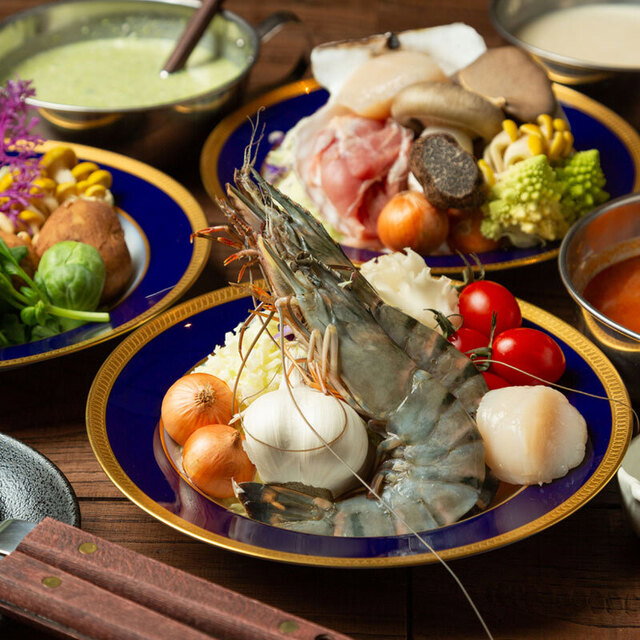
The incense greeting is the first sensory note, and it sets the register for everything that follows. Konoha's format is tempura kaiseki, a structure that layers orthodox Japanese progression (wanmono broth course, sashimi, assorted side dishes) with tempura served one piece at a time, freshly fried, thinly battered. The kitchen uses an egg-yolk-enriched coating to build a slightly richer texture than standard tempura, while keeping the batter light enough that the ingredient stays central. The ma-kombu kelp dashi used for soups and stocks is a consistent thread across the meal, a classic base that Japanese kaiseki kitchens have used for generations and one that rewards diners who know what to look for.
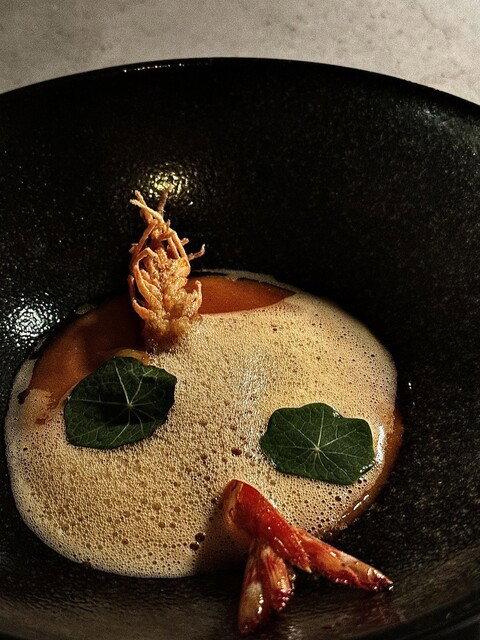
Serving vessels change with the seasons: the choice of ceramics and lacquerware is part of how the kitchen communicates the time of year, not decoration. This is a meaningful distinction from restaurants that use seasonal language loosely. At Konoha, the ingredient selection and the tableware work together to express the same seasonal moment. The meal closes with handmade sweets and tea, a proper kaiseki ending, not an afterthought dessert course.
For a special occasion, that completeness matters. A birthday dinner, a milestone anniversary, or a serious business meal all benefit from a format where the meal has a clear arc: the ritual opening, the seasonal progression, the quiet close. Konoha delivers that arc. It is a better fit for those occasions than a la carte Japanese restaurants that offer equal ingredient quality but less structural ceremony.
Lunch vs Dinner at Konoha
Specific service times are not published in available data, so confirm directly when booking. That said, the kaiseki format at Konoha, with its layered progression and ritual opening, is built for extended time at the table. In the context of Osaka kaiseki more broadly, lunch seatings at comparable venues tend to offer the same menu structure at a lower price point, making lunch the sharper value choice if your priority is the cooking itself. Dinner typically commands higher pricing and carries more of the formal-occasion weight, appropriate when the meal is the centrepiece of an evening rather than part of a day's itinerary. If you are booking Konoha for a celebration, dinner is the natural choice. If you are primarily interested in the tempura kaiseki format and want to manage spend, ask specifically about lunch availability and pricing when you make contact.
Booking Konoha
Booking difficulty is rated as easy relative to Osaka's competitive kaiseki tier. That is meaningful context: venues like Taian and Kashiwaya Osaka Senriyama can be harder to secure at short notice. For weekend evenings or specific celebration dates, book further out to be safe. Direct contact via the address, プルミエール南本町 1F, 2 Chome-6-22 Minamihonmachi, Chuo Ward, Osaka, is the practical starting point. If you are travelling from outside Japan, having your hotel concierge make contact in Japanese will reduce friction considerably.
Know Before You Go
- Location: プルミエール南本町 1F, 2 Chome-6-22 Minamihonmachi, Chuo Ward, Osaka 〒541-0054
- Cuisine: Tempura kaiseki, orthodox Japanese meal structure with tempura served one piece at a time
- Price range: ¥¥¥ (mid-to-upper tier; below the ¥¥¥¥ ceiling of HAJIME or La Cime)
- Booking difficulty: Easy, two to three weeks ahead is generally sufficient; weekend celebrations warrant more lead time
- Dress code: Not formally stated; smart casual at minimum is appropriate for the format and price tier
- Format note: The meal opens with a ritual water-sprinkling and incense welcome; the experience is ceremony-led from the start
- Leading for: Special occasions, anniversary or birthday dinners, first-time kaiseki experiences at a below-ceiling price point
How Konoha Fits into Osaka's Dining Scene
Osaka has a strong cluster of kaiseki and Japanese fine dining worth knowing before you commit. Miyamoto, Oimatsu Hisano, Tenjimbashi Aoki, and Yugen are all operating in adjacent territory. Konoha's specific identity within that group is its tempura kaiseki format and the ritual quality of its opening sequence, that combination is not universal across Osaka's kaiseki offerings and gives it a clear point of difference for diners who want more than a progression of seasonal courses.
If you are building a broader Japan itinerary, Gion Sasaki in Kyoto offers a comparable traditional-Japanese framework in a different city context. In Tokyo, Azabu Kadowaki and Myojaku operate at a similar register. For regional comparison, akordu in Nara is worth considering if your itinerary takes you east. See our full Osaka restaurants guide for broader context, and our Osaka hotels guide if you are planning an overnight stay around the meal.
Planning details
- Hours
- Monday: 5:30–10 PM · Tuesday: 5:30–10 PM
- Location
- Japan, 〒541-0054 Osaka, Chuo Ward, Minamihonmachi, 2 Chome−6−22 プルミエール南本町 1F
- Reservations
- Book on the venue's website
- Website
- konoha-hommachi.jp
- Phone
- +81 6-6243-0228
The take
The Take
The Vibe
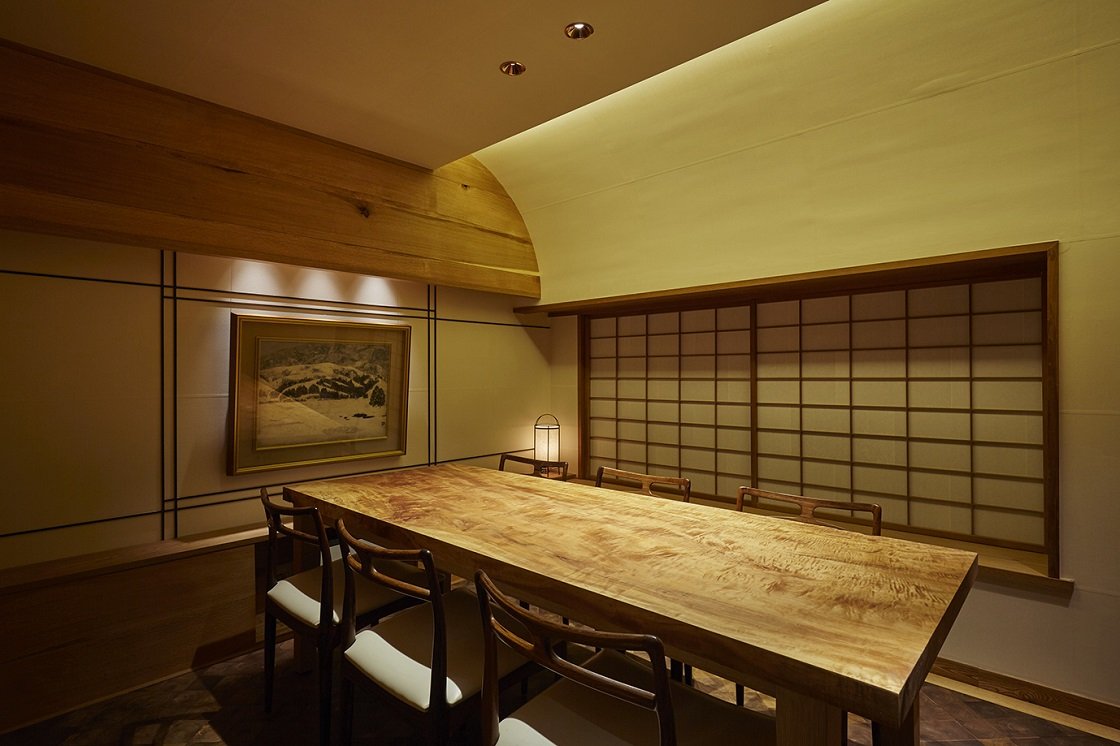
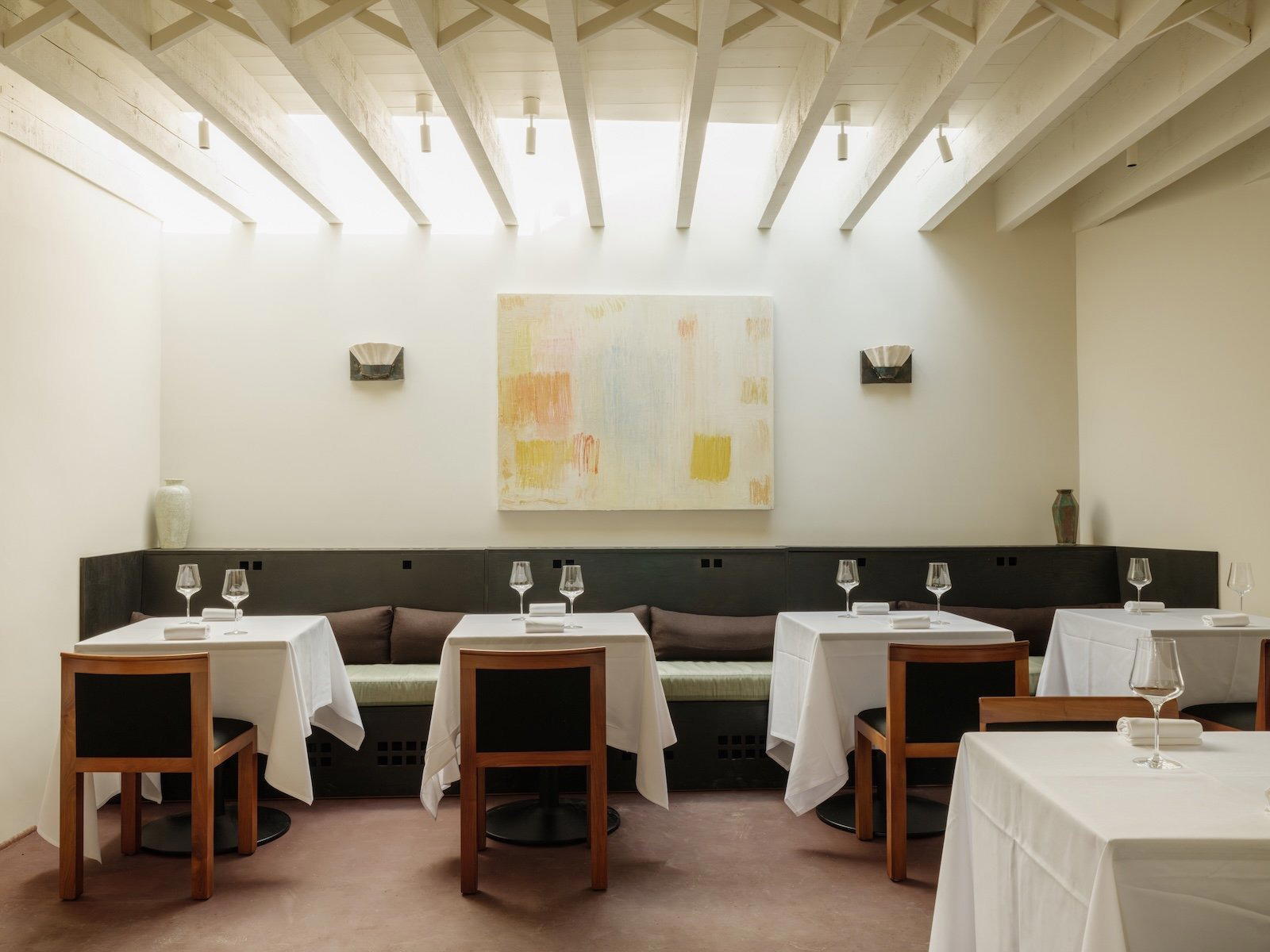
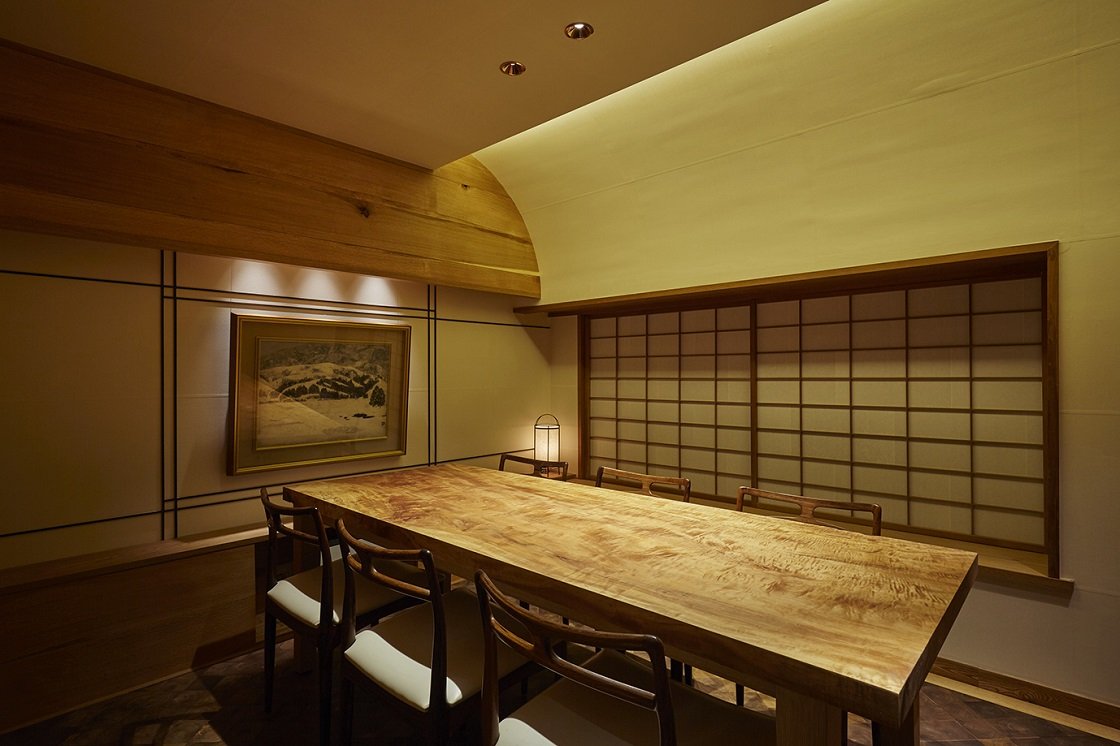
Konoha reads as a quietly refined kaiseki room where ceremony and subtlety set the tone. The staff open the experience with water and incense, and every element, from serving vessels to seasonal ingredients, is calibrated to a moment on the calendar. The address itself is deliberately understated: a first-floor unit on a working block that hides its drama indoors. Expect a contemplative, low-key atmosphere that privileges ritual, restraint and the quiet choreography of service rather than theatrical dining-room flourishes.
Best For
This is a place for deliberate, formal dining occasions. The restaurant's location in a commercial district and the emphasis on ritualized arrival and orthodox kaiseki sequencing make it well suited to business dinners and other special occasions where ceremony and attention to detail matter. Guests come for the full progression of courses, appetizers, wanmono soup, sashimi and the defining tempura departure, presented with seasonally chosen vessels and a service style that underscores formality and focus.
Ordering Tips
Treat the meal as an integrated ceremony rather than a la carte selections. The progression follows orthodox kaiseki structure, opening with starters, moving through a wanmono (soup) course and sashimi before arriving at tempura, a defining departure. Pay attention to seasonality: serving vessels and ingredients are chosen to reflect the calendar. The kitchen relies on a ma-kombu kelp dashi to keep early courses light and let primary ingredients shine, so savor the subtlety and sequencing rather than expecting bold, competing flavors.
Venue details
Ambiance
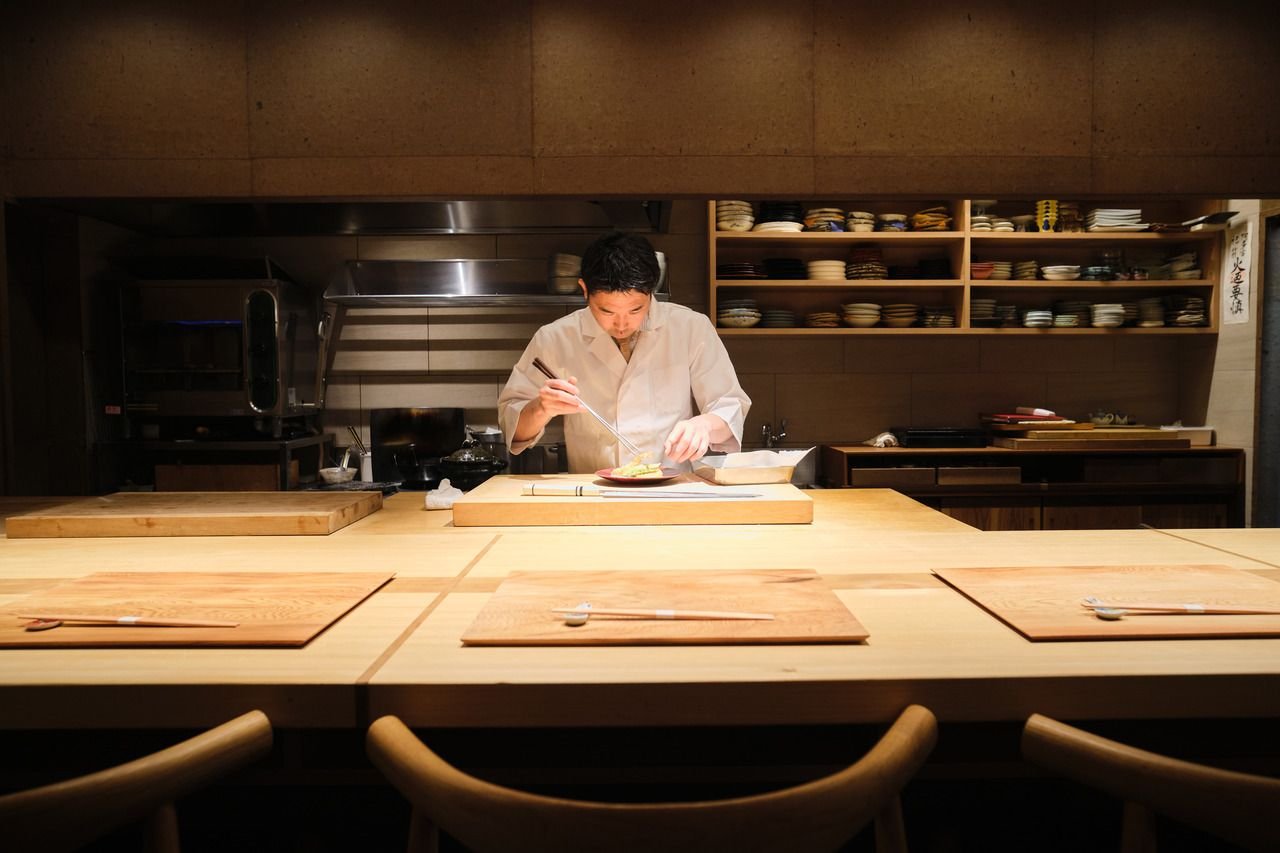
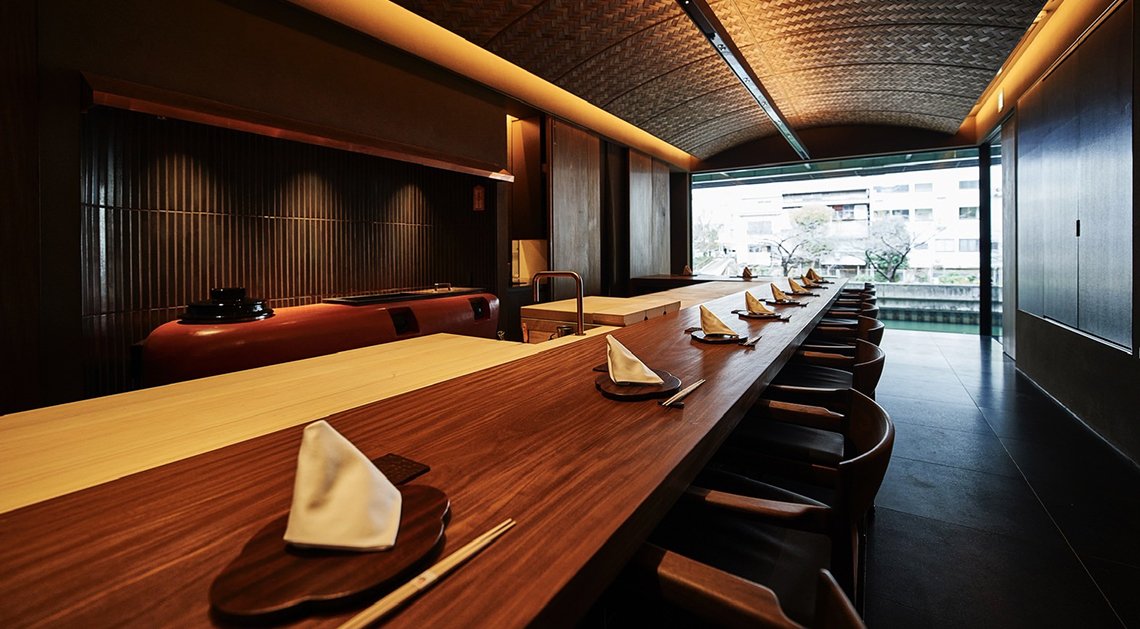
Warm and relaxing ambiance centered around the main counter where guests enjoy the chef's elegant movements.
Tags
Vibe
Best For
Experience
At the Table
- Dress Code
- Smart Casual
- Noise Level
- Quiet
- Service Style
- Formal
- Meal Pacing
- Leisurely
- Capacity
- Intimate
- Kitchen
- Traditional
- Menu Format
- Counter dining
- Private Dining
- Available
Know before you go
Know Before You Go
- Getting there
- Japan, 〒541-0054 Osaka, Chuo Ward, Minamihonmachi, 2 Chome−6−22 プルミエール南本町 1F
Planning details
Hours
- Monday
- 5:30–10 PM
- Tuesday
- 5:30–10 PM
- Wednesday
- 5:30–10 PM
- Thursday
- 5:30–10 PM
- Friday
- 5:30–10 PM
- Saturday
- 11:30 AM–2 PM, 5:30–10 PM
- Sunday
- Closed
Location
Japan, 〒541-0054 Osaka, Chuo Ward, Minamihonmachi, 2 Chome−6−22 プルミエール南本町 1F · Directions
Recognition and awards
Also consider
Also Consider
- HAJIME: French, Innovative, ¥¥¥¥
- La Cime: French, ¥¥¥¥
- Kashiwaya Osaka Senriyama: Japanese, ¥¥¥
- Taian: Kaiseki, Japanese, ¥¥¥
- Fujiya 1935: Innovative, ¥¥¥¥
Restaurant context
At ¥¥¥, Konoha sits in the same price tier as Kashiwaya Osaka Senriyama and Taian, but the format is different enough to make a direct comparison awkward. Taian and Kashiwaya operate in more conventional kaiseki territory; Konoha's specific angle is tempura kaiseki with a ceremonial opening sequence. If you want orthodox kaiseki progression with a ritual welcome and the tempura format at the centre, Konoha is the clearer choice. If you want kaiseki with more flexibility or a stronger sake programme, Taian or Kashiwaya may serve you better: and both are worth checking availability against before you commit.
HAJIME, La Cime, and Fujiya 1935 are all ¥¥¥¥ and operate in French or French-influenced innovative territory: a different category entirely. If the question is whether to spend up to that tier or book Konoha at ¥¥¥, it comes down to what you want from the meal: French technique and avant-garde plating sit at those venues; Japanese seasonal ceremony and tempura craftsmanship sit at Konoha. They are not substitutes for each other. For a first-time fine dining meal in Osaka that is distinctly Japanese in format, Konoha at ¥¥¥ is easier to book and easier to justify on price than the ¥¥¥¥ tier above it.
On booking difficulty, Konoha is the most accessible option across this peer group. HAJIME in particular can require significant lead time given its profile. Konoha's suggests a kitchen with genuine quality but without the reservation pressure that makes some Osaka fine dining impractical for visitors with fixed travel dates. For special occasion diners who need a reliable booking window, that accessibility is a practical advantage worth factoring into the decision.
Explore Osaka
Around this place
Discover more on Pearl
Unlock the full Konoha guide in Pearl, including awards, comparisons, FAQs, planning details, and nearby places.
Compare Konoha
| Venue | Price | Awards |
|---|---|---|
| Konoha | ¥¥¥ | Michelin Guide Kyoto Osaka 20262026 Michelin 1 Star2024 Michelin 1 Star |
| HAJIME | ¥¥¥¥ | Star Wine Lists 2026 · #12026 Tabelog Bronze · #922026 OAD Top Restaurants in Japan Ranked · #98Michelin Guide Kyoto Osaka 20262026 La Liste Top RestaurantsTabelog 100 - Innovative / Creative cuisine - 2025 · #692025 Asia's 50 Best Restaurants · #832025 OAD Top Restaurants in Japan Ranked · #87We're Smart World Top Restaurants 2025 |
| La Cime | ¥¥¥¥ | 2026 Asia's 50 Best Restaurants · #132026 OAD Top Restaurants in Japan Ranked · #1492026 Tabelog Bronze · #231Michelin Guide Kyoto Osaka 20262026 La Liste Top Restaurants2025 Asia's 50 Best Restaurants · #82025 World's 50 Best Restaurants · #44Tabelog 100 - French - WEST - 2025 · #932025 OAD Top Restaurants in Japan Ranked · #123 |
| Kashiwaya Osaka Senriyama | ¥¥¥ | 2026 Tabelog Bronze · #1682026 OAD Top Restaurants in Japan Recommended2026 Relais Chateaux RestaurantsMichelin Guide Kyoto Osaka 20262026 La Liste Top RestaurantsTabelog 100 - Japanese cuisine - WEST - 2025 · #772025 OAD Top Restaurants in Japan Ranked · #1552025 Relais Chateaux Award2025 Michelin 3 Stars |
| Taian | ¥¥¥ | 2026 OAD Top Restaurants in Japan RecommendedMichelin Guide Kyoto Osaka 20262026 La Liste Top Restaurants2025 OAD Top Restaurants in Japan Ranked · #2042025 La Liste Top Restaurants2025 Michelin 3 Stars2024 OAD Top Restaurants in Japan Ranked · #1912024 Michelin 3 Stars2023 OAD Top Restaurants in Japan Highly Recommended |
| Fujiya 1935 | ¥¥¥¥ | 2026 Tabelog Bronze · #752026 OAD Top Restaurants in Japan RecommendedMichelin Guide Kyoto Osaka 20262026 La Liste Top Restaurants2025 Michelin 2 Stars2025 Tabelog Silver2025 La Liste Top Restaurants2024 OAD Top Restaurants in Japan Ranked · #2392024 Michelin 2 Stars |










Key differences to consider before you reserve.
FAQ
Frequently Asked Questions
How far ahead should I book Konoha?
Book at least two to three weeks out. Konoha is rated easier to secure than Osaka's hardest tables, Taian and Kashiwaya Osaka Senriyama can require months of lead time, but that relative accessibility won't hold if you leave it to the week of travel.
What should I wear to Konoha?
The opening ritual of sprinkled water and incense signals a formal, considered register: dress accordingly. Neat, understated clothing is appropriate; the kind of outfit you'd wear to a serious omakase counter rather than a casual izakaya. Avoid anything loud or casual that would clash with the ceremonial pace of a kaiseki meal.
What should a first-timer know about Konoha?
Konoha's format is tempura kaiseki: not a standard kaiseki, and not a standalone tempura restaurant. Tempura is served one piece at a time, lightly battered, alongside orthodox courses including wanmono soup, sashimi, and handmade sweets. The meal is paced and seasonal, so arrive without time pressure and expect the full sequence to take two-plus hours.
Is Konoha good for a special occasion?
Yes, it's a strong choice. The meal opens with a purification ritual, incense and sprinkled water, which gives it a ceremonial weight that most ¥¥¥ restaurants in Osaka don't attempt. For a birthday or anniversary where atmosphere matters as much as the food itself, Konoha delivers that framing without requiring the months-out booking that Taian or Kashiwaya demand.
Is Konoha worth the price?
At the ¥¥¥ tier, Konoha is priced below Osaka's Michelin-heavy kaiseki establishments and easier to book than most of them: that combination makes it reasonable value for the format. The differentiation is the tempura kaiseki structure: thinly battered tempura served piece by piece, ma-kombu dashi stock, and seasonal serving vessels add up to a coherent meal philosophy rather than a generic tasting menu. If you want a more decorated room, Hajime or Fujiya 1935 carry stronger award credentials at a higher price point.