
Kaishoku Shimizu
Japanese · Kita, Osaka
Restaurant in Osaka, Japan
 Book with Pearl
The Read
Agriculture-Rooted Kaiseki
Price
¥¥¥
Dress
Smart Casual
Why go
A Michelin-starred (2024) Japanese restaurant in Osaka's Dojimahama district, Kaishoku Shimizu is built around chef Toshihiro Shimizu's ingredient-first philosophy; seasonal pairings of seafood and vegetables, house-made soba with rotating toppings. At the ¥¥¥ tier, it delivers serious creative cooking below the price of Osaka's multi-star kaiseki rooms. Booking is hard; use Pocket Concierge or a hotel concierge.
About Kaishoku Shimizu
Is Kaishoku Shimizu worth booking in Osaka?
Yes; but only if you are prepared to work for it. Kaishoku Shimizu holds a Michelin 1 Star (2024) and sits in Dojimahama, Kita Ward, one of Osaka's more composed business-district addresses. At the ¥¥¥ price tier, it occupies a genuinely competitive position: this is serious Japanese cooking at a price point that undercuts most of Osaka's multi-star kaiseki rooms, with a creative philosophy that makes it worth the booking effort for anyone who cares about ingredient provenance and seasonal precision.
The name itself signals intent. 'Kaishoku' is a coined word expressing the wish that guests will delight in dining with all their hearts; a framing that sounds sentimental until you see what it demands in practice. Chef Toshihiro Shimizu studied agriculture to understand ingredients from the source outward, then taught himself to craft a menu built entirely on that knowledge. A single dish may pair seafood with vegetables specifically to explore contrasts in flavour. House-made soba arrives with toppings such as dried mullet roe or mixed tempura fritters calibrated to express the character of each season. This is not a kitchen applying technique to whatever is available; it is a kitchen that traces ingredients backward to their origin before a dish is conceived.
What you are looking at when you sit down
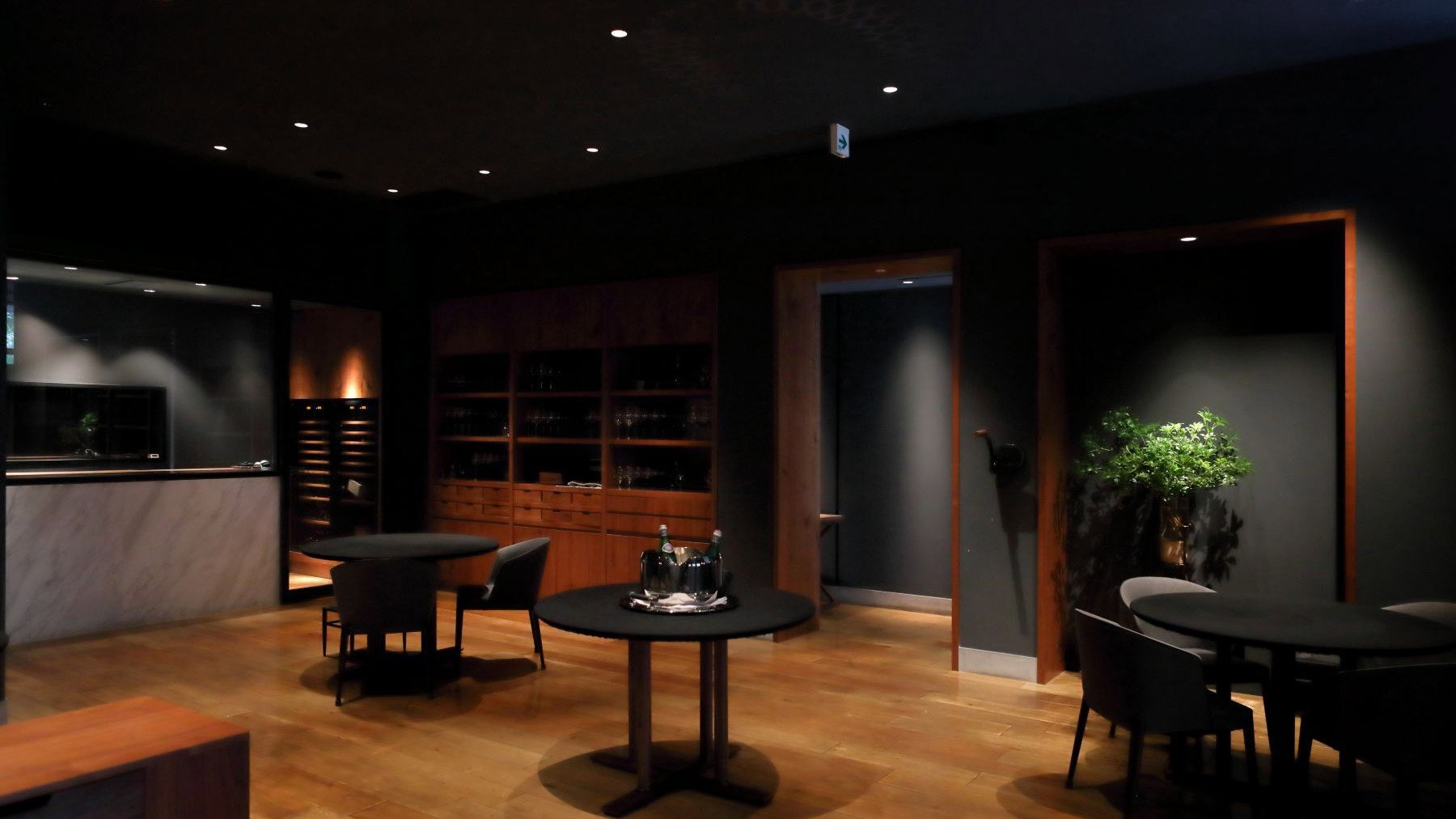
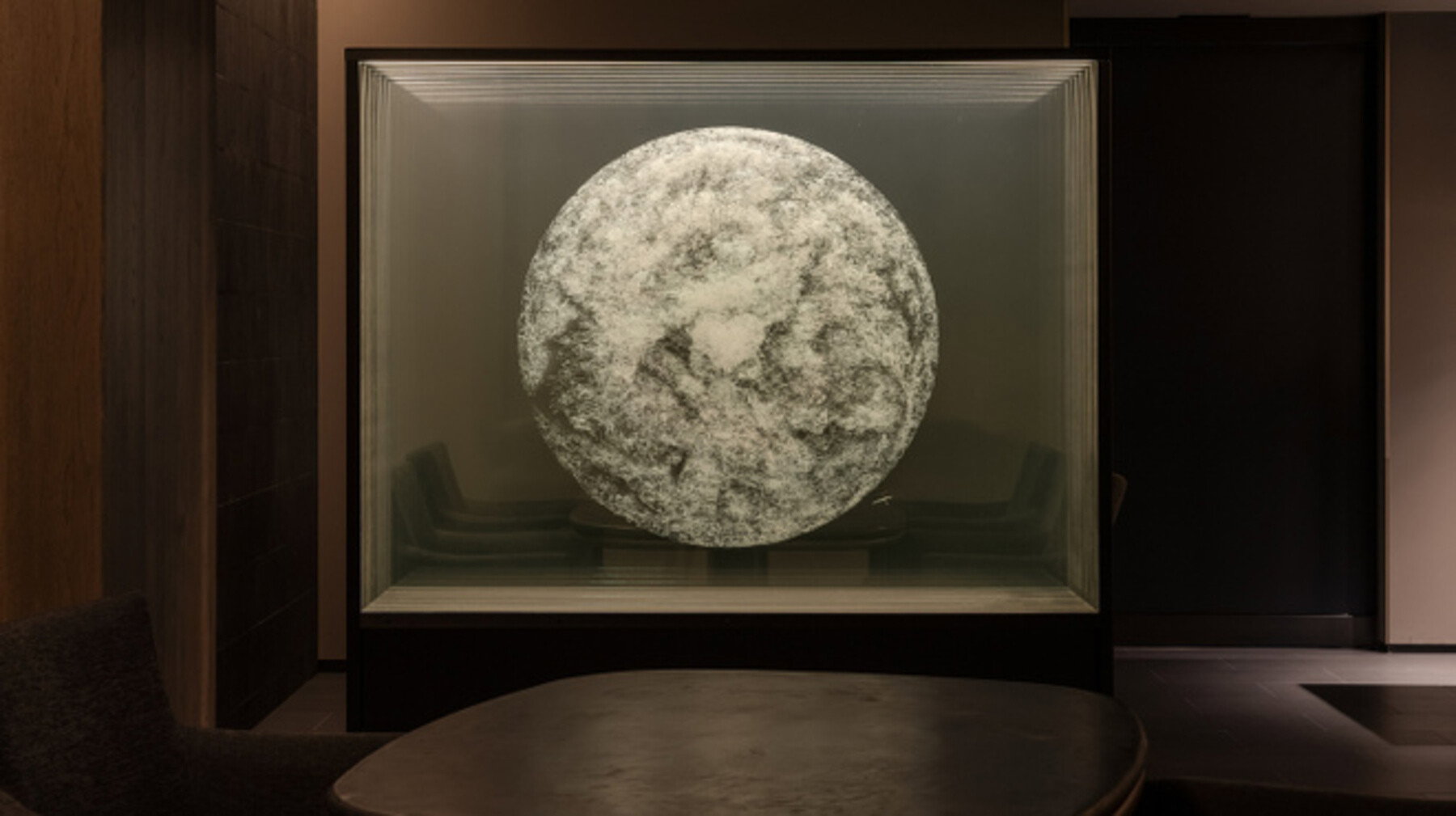
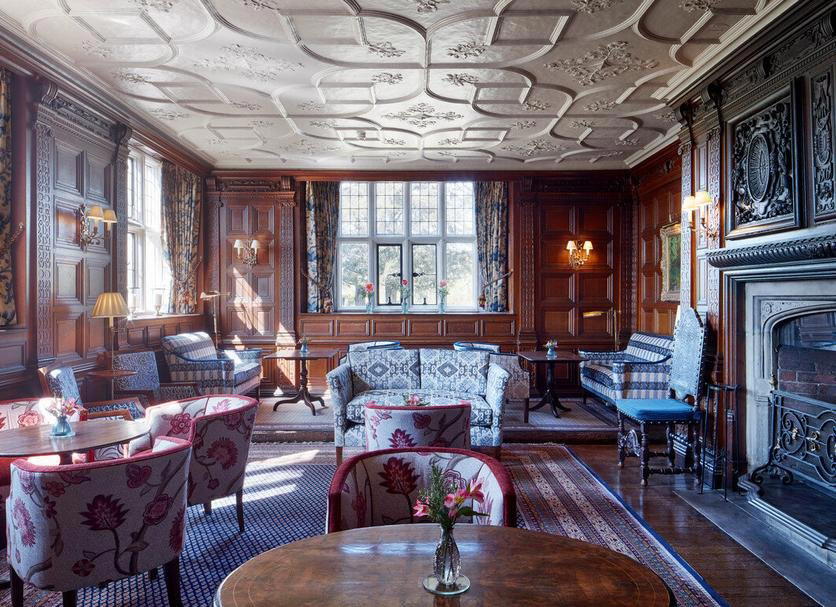
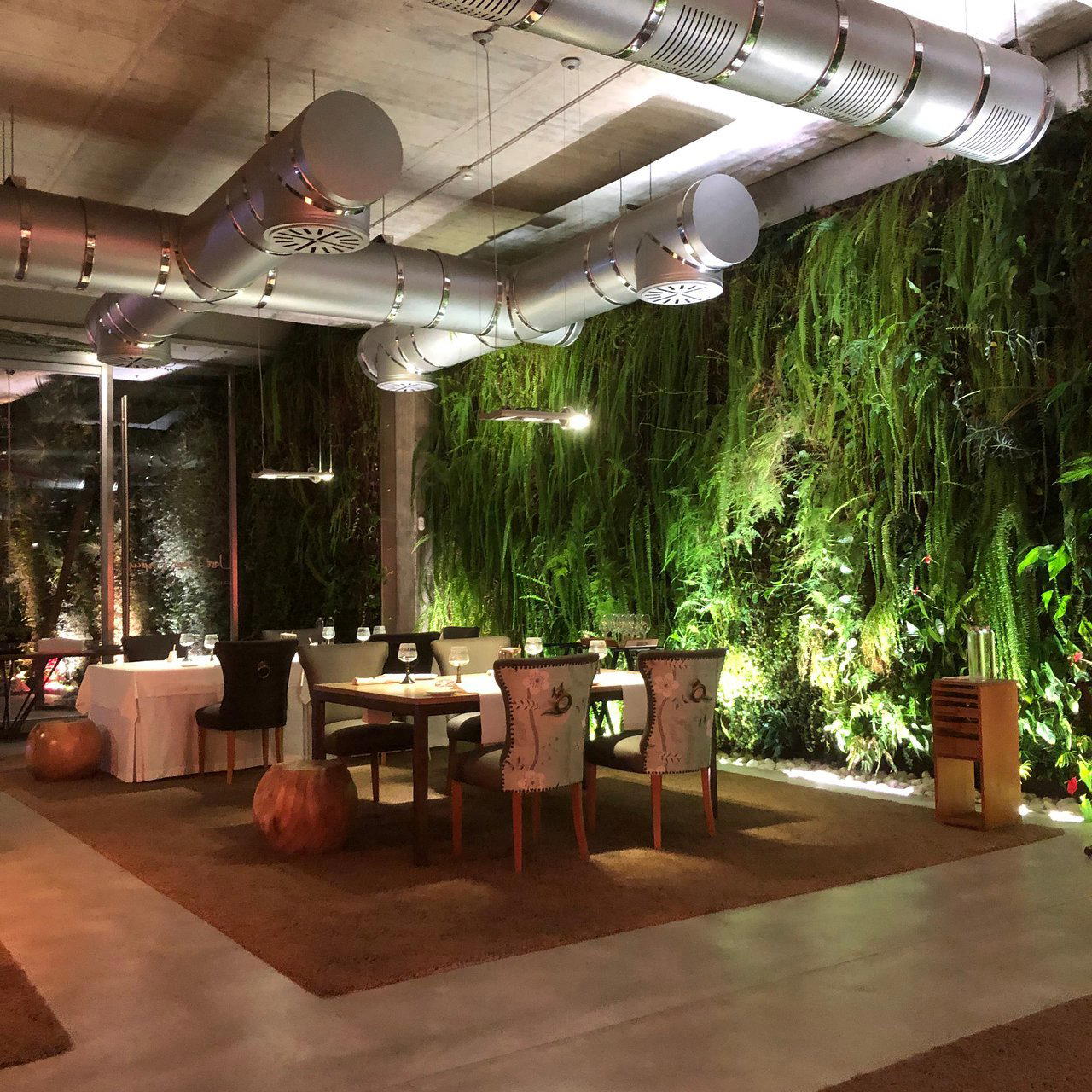
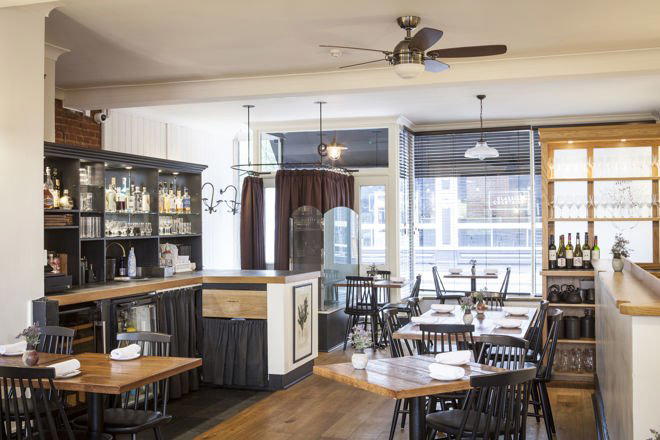
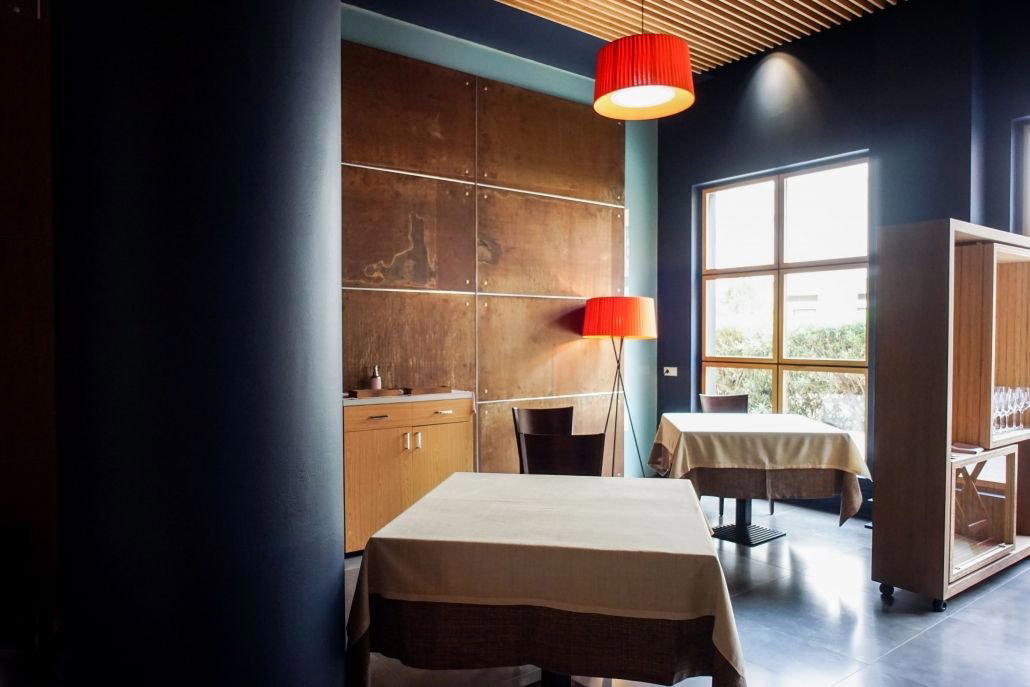
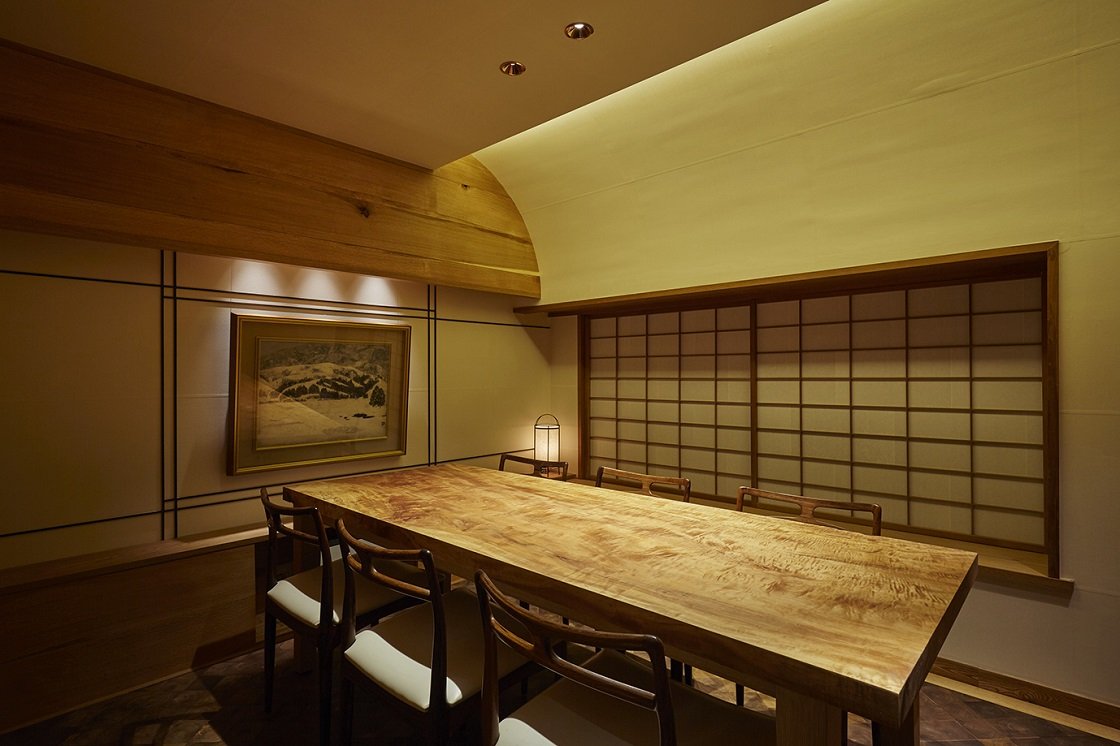
The visual register at Kaishoku Shimizu is restrained in the way that serious Japanese dining rooms tend to be: the plate is the focal point, not the room. What arrives in front of you reflects the agricultural curiosity that drives the kitchen, expect compositions where the contrast between a seafood element and a seasonal vegetable is visible before you taste it. The soba, house-made rather than sourced, is plated with the kind of attention that makes it clear the toppings are chosen for flavour logic, not decoration. For a food-focused traveller coming from the louder visual energy of Osaka's street-food districts, this restraint reads as deliberate confidence, not absence of ambition.
Does the food travel? A note on takeout and off-premise
Bluntly: no. Kaishoku Shimizu is not a venue to approach with delivery or takeout in mind. The core of the menu, house-made soba with precision toppings, seafood-and-vegetable pairings designed around textural and flavour contrast, seasonal tempura fritters, depends on timing and temperature in ways that do not survive transit. The soba in particular is a format where degradation begins within minutes of plating. If your situation requires food that travels, Osaka has excellent options in other categories. If you are considering Kaishoku Shimizu, plan to eat here, at the table, in the sequence the kitchen intends. That is the only format in which the cooking makes full sense.
Booking and timing
Booking is hard. With a Michelin star, a focused menu, a kitchen driven by a single chef's research-led philosophy, seats at Kaishoku Shimizu are not abundant and do not sit unclaimed. No phone number or direct website is listed in current public records, which means access typically runs through third-party reservation platforms covering Osaka's Japanese fine-dining tier, services such as Tableall, Omakase, or Pocket Concierge. For visitors travelling from outside Japan, engaging a hotel concierge with Osaka connections is the most reliable path. Book as far in advance as your plans allow; for travel during sakura season (late March to early April) or autumn foliage season (mid-November), add additional lead time. Walk-in possibilities at this level are effectively zero.
For context on the broader Osaka dining scene, see our full Osaka restaurants guide. If you are building an itinerary around the Kansai region, Gion Sasaki in Kyoto and akordu in Nara are worth adding to your research. For Tokyo comparisons in the Japanese fine-dining register, Harutaka in Tokyo, Myojaku, and Azabu Kadowaki occupy adjacent territory.
Peer comparisons at a glance
| Venue | Cuisine | Price | Booking Difficulty | Leading For |
|---|---|---|---|---|
| Kashiwaya Osaka Senriyama | Japanese | ¥¥¥ | Hard | Classic kaiseki depth |
| Kaishoku Shimizu | Japanese | ¥¥¥ | Hard | Ingredient-led seasonal creativity |
| Yugen | Japanese | ¥¥¥ | Hard | Refined Osaka Japanese |
| Taian | Kaiseki | ¥¥¥ | Hard | Traditional kaiseki rigour |
| HAJIME | French/Innovative | ¥¥¥¥ | Very Hard | Conceptual ambition, higher spend |
For other Osaka Japanese dining at the ¥¥¥ tier, Miyamoto, Oimatsu Hisano, and Tenjimbashi Aoki are worth considering. Further afield, Goh in Fukuoka, 1000 in Yokohama, and 6 in Okinawa represent comparable dedication to Japanese ingredient cooking in different regional registers.
Ratings
- Michelin: 1 Star (2024)
- 4.3 / 5 (57 reviews)
Practical details
- Address: 1 Chome-2-1 Dojimahama, Kita Ward, Osaka, 530-0004, Japan
- Price tier: ¥¥¥
- Cuisine: Japanese (seasonal, ingredient-led, house-made soba)
- Booking: Hard, use Pocket Concierge, Tableall, Omakase, or hotel concierge
- Phone / website: Not publicly listed
- Hours: Not publicly listed, confirm at time of booking
If you are planning the wider Osaka trip around this booking, see our full Osaka hotels guide, our full Osaka bars guide, our full Osaka wineries guide, and our full Osaka experiences guide.
FAQ
Is Kaishoku Shimizu good for solo dining?
Yes, it may actually be the format that suits this kitchen leading. Japanese restaurants at the ¥¥¥ Michelin-starred tier in Osaka typically seat solo diners at a counter, which gives direct sight lines to the kitchen and a more focused experience of a research-driven tasting menu. At this price point, solo dining is a legitimate choice, not an awkward one. If counter availability is limited on your preferred date, ask specifically when booking rather than assuming a table for one will be accommodated automatically.
Can Kaishoku Shimizu accommodate groups?
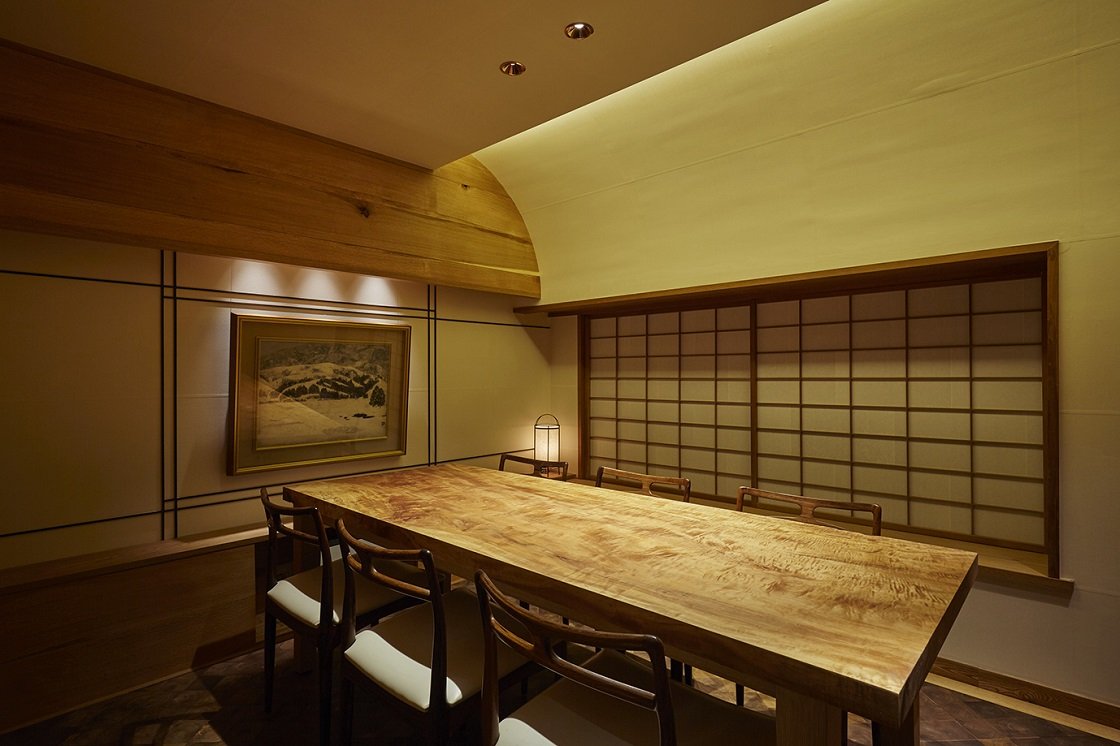
Group bookings at Michelin-starred restaurants in this tier in Osaka are possible but require early coordination. With no phone or website listed publicly, group enquiries need to go through a reservation platform or hotel concierge. Parties of four or more should confirm whether a private room or dedicated seating area is available, do not assume the main dining room can flex to larger groups without advance notice. Booking 6 to 8 weeks out is a reasonable minimum for groups; for key travel dates, longer.
Does Kaishoku Shimizu handle dietary restrictions?
No specific dietary accommodation policy is on public record. The menu is seasonal and ingredient-driven, with dishes built around specific pairings of seafood and vegetables, a soba course that is integral to the progression. Strict vegetarian, vegan, or severe allergy requirements may be difficult to accommodate at a kitchen of this format. Communicate any restrictions clearly at the time of booking, not on arrival, confirm the kitchen can work around them before you commit. If flexibility is a priority, a more à la carte format may be a safer choice.
What should I wear to Kaishoku Shimizu?
No formal dress code is published, but the context is clear: a Michelin-starred Japanese dining room in a Kita Ward business-district address. Smart casual at minimum, clean, considered clothing with no sportswear. For men, a collared shirt and trousers work without requiring a jacket. Osaka's fine-dining tier is generally less rigid than Tokyo's on dress formality, but turning up under-dressed at a room of this calibre will feel out of place. When in doubt, err toward the more composed end of your wardrobe.
What should I order at Kaishoku Shimizu?
The menu is set, this is not an à la carte room. The kitchen's signature approach pairs seafood with seasonal vegetables to explore flavour contrasts, the house-made soba course, finished with toppings such as dried mullet roe or mixed tempura fritters, is central to the experience. Follow the sequence as offered. The chef's agricultural research underpins every course, so asking for substitutions or skipping elements defeats the logic of the meal. If the soba course is your primary interest, know that it is positioned as a seasonal expression, not a fixed anchor dish, the toppings change with the time of year.
Planning details
- Location
- 1 Chome-2-1 Dojimahama, Kita Ward, Osaka, 530-0004, Japan
- Website
- shimizu.myconciergejapan.net
- Phone
- +81 6-6343-3140
The take
The Take
The Vibe
Kaishoku Shimizu occupies a calm, riverfront pocket of Kita Ward and delivers a restrained, scenic form of fine dining. The room leans away from theatrical spectacle and toward precision: it’s a Michelin one-star address that signals importance through quiet choreography rather than fanfare. The restaurant frames its own intent as a warm, heartfelt approach to Japanese multi-course dining, so the atmosphere feels considered without being forbidding. Expect a composed, scenic evening where the Okawa’s proximity and the subdued neighborhood set a reflective, occasion-focused tone for the meal.
Best For
This is a destination for diners marking milestones and deliberate evenings: anniversaries, celebrations and those who book with the intent to savour a full, focused meal. Its positioning—one star at a ¥¥¥ price point along a quieter riverside—suits guests who want the seriousness of Michelin-level technique without the formal rigidity of higher-tier ritual. It’s ideal for couples or small groups seeking an elevated, scenic dinner experience where service and attention to detail underscore the sense that the evening is special.
Venue details
Ambiance
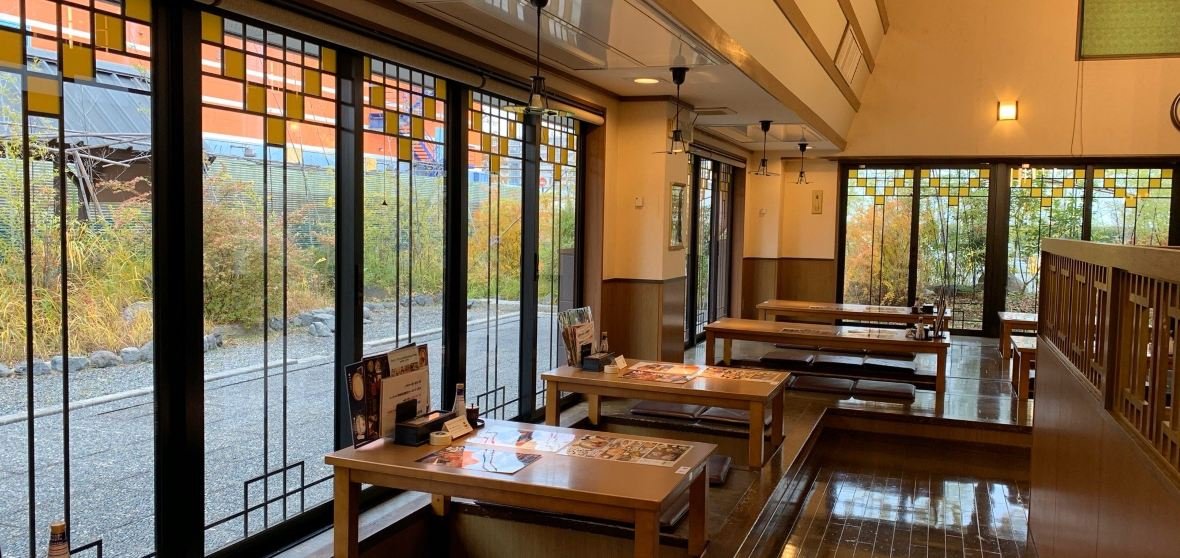
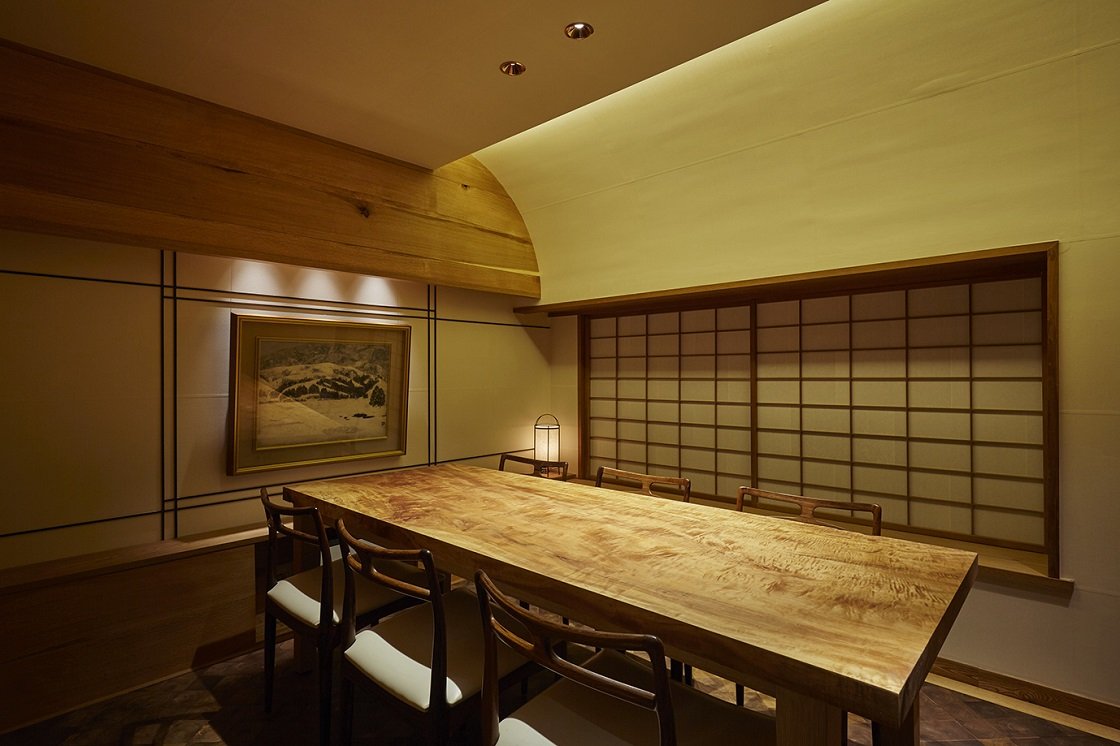
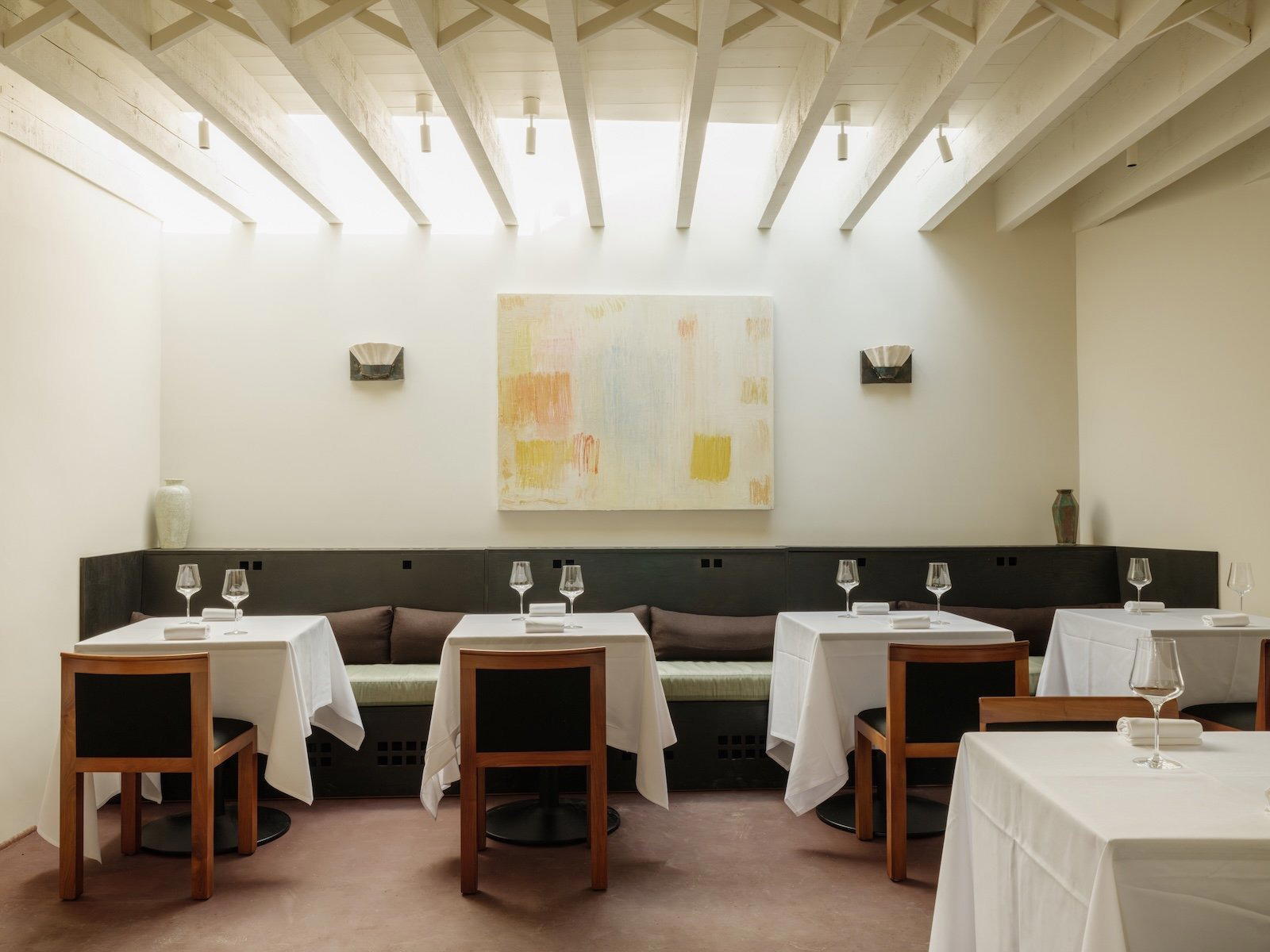
Intimate counter seating and private tatami rooms create a refined, serene atmosphere focused on the culinary artistry.
Tags
Vibe
Best For
Experience
At the Table
- Dress Code
- Smart Casual
- Noise Level
- Quiet
- Service Style
- Formal
- Meal Pacing
- Leisurely
- Capacity
- Intimate
Planning details
Location
1 Chome-2-1 Dojimahama, Kita Ward, Osaka, 530-0004, Japan · Directions
Recognition and awards
Also consider
Also Consider
- HAJIME; French, Innovative, ¥¥¥¥
- La Cime; French, ¥¥¥¥
- Kashiwaya Osaka Senriyama; Japanese, ¥¥¥
- Taian; Kaiseki, Japanese, ¥¥¥
- Fujiya 1935; Innovative, ¥¥¥¥
Restaurant context
Within Osaka's ¥¥¥ Japanese fine-dining tier, Kaishoku Shimizu's closest direct comparison is Kashiwaya Osaka Senriyama and Taian. Both are Michelin-recognised kaiseki rooms at a comparable price point, but they come from a more classical kaiseki tradition. If rigorous seasonal structure and ceremonial kaiseki progression matter to you, Kashiwaya or Taian may be the stronger fit. If you are more interested in a chef's personal research into ingredients; an agricultural curiosity translated directly into the menu; Kaishoku Shimizu offers something the kaiseki format does not typically foreground. The house-made soba and flavour-contrast pairings give it a distinct character within the tier.
At the ¥¥¥¥ level, HAJIME, La Cime, and Fujiya 1935 are the Osaka options for diners who want conceptual ambition and are prepared to spend more. HAJIME in particular operates at a different level of formal intensity; three Michelin stars, a highly structured tasting format, a price to match. If your trip budget allows one serious splurge, the decision between Kaishoku Shimizu and HAJIME comes down to whether you want a chef's ingredient philosophy or a chef's conceptual architecture. They are not the same thing, neither is a substitute for the other.
For value within the Michelin-starred Japanese tier in Osaka, Kaishoku Shimizu and Taian are the two rooms to consider first. Both deliver credentialed cooking without the ¥¥¥¥ commitment. If booking difficulty is your main constraint and you cannot secure Kaishoku Shimizu, Yugen is worth investigating as an alternative in the same city and price band.
Explore Osaka
Around this place
Discover more on Pearl
Unlock the full Kaishoku Shimizu guide in Pearl, including awards, comparisons, FAQs, planning details, and nearby places.
Compare Kaishoku Shimizu
| Venue | Cuisine | Awards | Booking Difficulty |
|---|---|---|---|
| Kaishoku Shimizu | Japanese | 2026 Michelin 1 StarMichelin Guide Kyoto Osaka 20262024 Michelin 1 Star | Hard |
| HAJIME | French, Innovative | Star Wine Lists 2026 · #12026 Tabelog Bronze · #922026 OAD Top Restaurants in Japan Ranked · #98Michelin Guide Kyoto Osaka 20262026 La Liste Top RestaurantsTabelog 100 - Innovative / Creative cuisine - 2025 · #692025 Asia's 50 Best Restaurants · #832025 OAD Top Restaurants in Japan Ranked · #87We're Smart World Top Restaurants 2025 | Unknown |
| La Cime | French | 2026 Asia's 50 Best Restaurants · #132026 OAD Top Restaurants in Japan Ranked · #1492026 Tabelog Bronze · #231Michelin Guide Kyoto Osaka 20262026 La Liste Top Restaurants2025 Asia's 50 Best Restaurants · #82025 World's 50 Best Restaurants · #44Tabelog 100 - French - WEST - 2025 · #932025 OAD Top Restaurants in Japan Ranked · #123 | Unknown |
| Kashiwaya Osaka Senriyama | Japanese | 2026 Tabelog Bronze · #1682026 OAD Top Restaurants in Japan Recommended2026 Relais Chateaux RestaurantsMichelin Guide Kyoto Osaka 20262026 La Liste Top RestaurantsTabelog 100 - Japanese cuisine - WEST - 2025 · #772025 OAD Top Restaurants in Japan Ranked · #1552025 Relais Chateaux Award2025 Michelin 3 Stars | Unknown |
| Taian | Kaiseki, Japanese | 2026 OAD Top Restaurants in Japan RecommendedMichelin Guide Kyoto Osaka 20262026 La Liste Top Restaurants2025 OAD Top Restaurants in Japan Ranked · #2042025 La Liste Top Restaurants2025 Michelin 3 Stars2024 OAD Top Restaurants in Japan Ranked · #1912024 Michelin 3 Stars2023 OAD Top Restaurants in Japan Highly Recommended | Unknown |
| Fujiya 1935 | Innovative | 2026 Tabelog Bronze · #752026 OAD Top Restaurants in Japan RecommendedMichelin Guide Kyoto Osaka 20262026 La Liste Top Restaurants2025 Michelin 2 Stars2025 Tabelog Silver2025 La Liste Top Restaurants2024 OAD Top Restaurants in Japan Ranked · #2392024 Michelin 2 Stars | Unknown |










Side-by-side comparison to help you decide where to book.
FAQ
Frequently Asked Questions
Is Kaishoku Shimizu good for solo dining?
Yes. The research-led, single-chef format at Kaishoku Shimizu suits solo diners who want to focus on the food without managing a table dynamic. A Michelin 1 Star (2024) kitchen with a tightly composed menu around house-made soba and seasonal pairings rewards attentive eating. If you are solo and booking is difficult, prioritise it: solo seats are often easier to secure than tables for two or more.
What should I wear to Kaishoku Shimizu?
Dress neatly. This is a Michelin-starred restaurant in Kita Ward, Osaka, operating at ¥¥¥, so the room will be composed and the clientele dressed accordingly. There is no evidence of a strict dress code, but turning up in casual or beachwear would be out of step with the setting. Err toward clean, understated clothing rather than formal attire.
What should I order at Kaishoku Shimizu?
The house-made soba is the throughline of the menu, served with seasonal toppings such as dried mullet roe or mixed tempura fritters. Shimizu's approach pairs seafood with vegetables to explore contrasting flavours, so the most considered way to eat here is to follow the seasonal menu rather than pick around it. At ¥¥¥ with a Michelin 1 Star, this is a trust-the-kitchen situation rather than an à la carte exercise.