
Iroha
Japanese · Kita, Osaka
Restaurant in Osaka, Japan
 Book with Pearl
The Read
Seasonal-Calendar Kaiseki
Price
¥¥¥
Dress
Smart Casual
Why go
Iroha holds a 2024 Michelin star in Osaka's Sonezakishinchi district and operates at ¥¥¥ pricing; making it one of the strongest value cases among the city's decorated Japanese restaurants. The counter is where the meal works best, with multi-technique sashimi and a genuinely rotating seasonal menu. Book four to six weeks out minimum; availability is tight.
About Iroha
Is Iroha worth booking for dinner in Osaka?
Yes; if you can get a seat. Iroha holds a Michelin star (2024) and operates on a philosophy that dinner here should happen once, done properly, rather than become a habit. That framing shapes everything: the chef constructs an extensive seasonal menu with the kind of focus you associate with chefs who are cooking to leave an impression, not to fill covers. At ¥¥¥ pricing, it sits in a more accessible tier than Osaka's ¥¥¥¥ heavyweights, which makes the quality-to-cost ratio one of the stronger arguments for booking it over pricier alternatives.
What makes the counter experience at Iroha worth prioritising
The counter seating at Iroha is where the meal makes the most sense. The chef's approach; searing skin, boiling skin, kombu pickling, is technique-forward in a way that rewards proximity. Watching the preparation of the arranged sashimi dish, with its layered methods applied to the same fish, is the kind of process detail that reads as abstract on a menu but becomes legible in front of you. Counter dining at this level of Japanese cooking is not about performance for its own sake; it is about context. When you see the kombu pickling as part of a sequence rather than just an outcome on the plate, you understand why the dish is constructed the way it is. For a food enthusiast visiting Osaka with serious intent, counter seating here competes favourably with the counter experiences at venues like Miyamoto and Tenjimbashi Aoki, both of which offer skilled Japanese cooking in Osaka but at different register and price points.
The seasonal decoration detail is also worth noting practically, not just aesthetically. Iroha takes its name from the Japanese word for coloured leaves, dishes are dressed with leaves corresponding to the current season. This is not ornamental filler; it is a signal that the menu is genuinely rotating with what is available, which means what you eat in autumn will differ substantially from a spring visit. For a traveller planning a single visit to Osaka, timing matters: the menu in peak autumn, when the namesake imagery is most literal, is worth targeting if your travel window allows it.
The menu: what the Michelin recognition actually reflects
2024 Michelin star signals technical competence across a range of preparations rather than a single signature trick. The sashimi work, skin searing, skin boiling, kombu pickling applied in sequence, is the kind of multi-technique approach that inspires the star designation, because it demonstrates that the kitchen is operating at a level of intentionality above simple quality sourcing. The beef cutlets, described as a hearty punctuation point in the menu, ensure the meal does not become an exercise in restraint alone. This matters for guests who find high-end Japanese omakase-style menus sometimes tip too far toward the cerebral at the expense of satisfaction. Iroha's reputation for ensuring guests leave full is a practical consideration, particularly at ¥¥¥ pricing where the value case rests partly on portion completeness as well as technique.
Menu is extensive by Michelin-starred Japanese restaurant standards at this price tier. For context, Michelin one-star kaiseki and Japanese tasting restaurants in Osaka range from tightly focused short menus to longer processions of seasonal courses. Iroha leans toward the latter, which reinforces the chef's stated intent that this should be a complete, singular occasion rather than a light tasting.
Booking, location, logistics
Iroha sits in Sonezakishinchi in Kita Ward, Osaka's established hospitality district north of the Dotonbori area, well connected and walkable from central Osaka accommodation. This is a practical advantage: you are not travelling to a suburban location the way you would for some of Osaka's kaiseki venues outside the city core. For hotel options near the area, see our full Osaka hotels guide.
Booking is hard. The combination of a Michelin star, a small room implied by the counter-forward format, the chef's own framing of this as a once-in-a-lifetime experience creates genuine scarcity. Plan at least four to six weeks ahead for a weekend booking, consider targeting weekday sittings for better availability. No online booking details are publicly confirmed, so direct contact with the restaurant is the reliable path. No phone number is listed in current public records; approach through a concierge or hotel front desk in Osaka for the leading chance of securing a reservation, particularly if you are visiting from outside Japan.
Solo diners should specifically request counter seating at the time of booking. Groups of two to four are well suited to this format. Large groups should confirm capacity in advance given the implied intimacy of the room.
How Iroha fits into a broader Osaka and Japan itinerary
If you are building a serious food itinerary across Japan, Iroha works as your Osaka anchor at the ¥¥¥ tier. Pair it with Yugen or Oimatsu Hisano for contrast within the city. Across the Kansai region, Gion Sasaki in Kyoto and akordu in Nara represent strong alternatives for evenings outside Osaka. For Japanese counter dining benchmarks in Tokyo, Harutaka, Myojaku, and Azabu Kadowaki offer comparison points for the level of technique and seasonal commitment Iroha represents. Further afield, Goh in Fukuoka, 1000 in Yokohama, and 6 in Okinawa extend the map for serious diners building a full Japan circuit.
For everything else in Osaka, see our full Osaka restaurants guide, our full Osaka bars guide, our full Osaka wineries guide, and our full Osaka experiences guide.
The bottom line
Iroha is one of the stronger cases for spending your one serious dinner in Osaka at the ¥¥¥ tier rather than escalating to ¥¥¥¥. The Michelin star is earned through real technique across the menu, the counter seating amplifies the value of that technique, the seasonal commitment means the meal you eat is specific to the moment you are there. Book hard, book early, get the counter.
Can I eat at the bar at Iroha?
Counter seating is the recommended way to experience Iroha. The chef's multi-technique preparations, particularly the sashimi work involving skin searing, skin boiling, kombu pickling, are most legible from the counter, where you can follow the sequence directly. Request counter seating explicitly when booking.
What should I order at Iroha?
The arranged sashimi dish is the technical anchor of the menu and the preparation most cited in Michelin recognition, order it without hesitation. The beef cutlets are the recommended counterpoint if you want substantive protein alongside the more delicate courses. Beyond that, the menu is extensive and seasonal, so what is available will depend on when you visit.
Is Iroha good for a special occasion?
Yes, the chef frames it explicitly as a once-in-a-lifetime occasion. At ¥¥¥ pricing with a 2024 Michelin star, it delivers the occasion quality of more expensive venues without requiring a ¥¥¥¥ budget. It works better for two than for a large group, given the counter-forward format and implied room size.
Is Iroha good for solo dining?
Counter seating makes Iroha a strong solo choice. Solo diners at Japanese Michelin-starred restaurants often get the most from counter positions, Iroha's technique-forward cooking rewards focused attention. Request the counter when booking and go on a weekday for the leading chance of securing a seat.
What are alternatives to Iroha in Osaka?
At the same ¥¥¥ price tier, Kashiwaya Osaka Senriyama and Taian are the direct comparisons for Japanese and kaiseki cooking. If you are willing to step up to ¥¥¥¥, HAJIME and La Cime offer French-influenced approaches at higher price and ambition. For a broader view of the city's options, see our full Osaka restaurants guide.
Is the tasting menu worth it at Iroha?
At ¥¥¥ pricing, the extensive seasonal menu represents one of the better value propositions among Michelin-starred Japanese restaurants in Osaka. The menu is long by the standard of this price tier, the chef's stated commitment to satisfaction, reinforced by the substantive beef cutlets, means you are not paying for restraint alone. Worth it if Japanese tasting formats are your preference; if you want French-influenced innovation at higher spend, look at HAJIME or Fujiya 1935 instead.
Is Iroha worth the price?
Yes, with the caveat that the value is strongest if you are eating at the counter and engaging with the seasonal menu as the chef intends. At ¥¥¥, Iroha undercuts the ¥¥¥¥ Osaka Michelin tier while delivering technique and seasonal depth that competes above its price point. If your priority is pure value per course at Michelin level in Osaka, this is one of the clearer recommendations in the city.
Planning details
- Location
- 1 Chome-3-19 Sonezakishinchi, Kita Ward, Osaka, 530-0002, Japan
- Website
- kappou-iroha.com
- Phone
- +81 6-6344-7355
The take
The Take
The Vibe
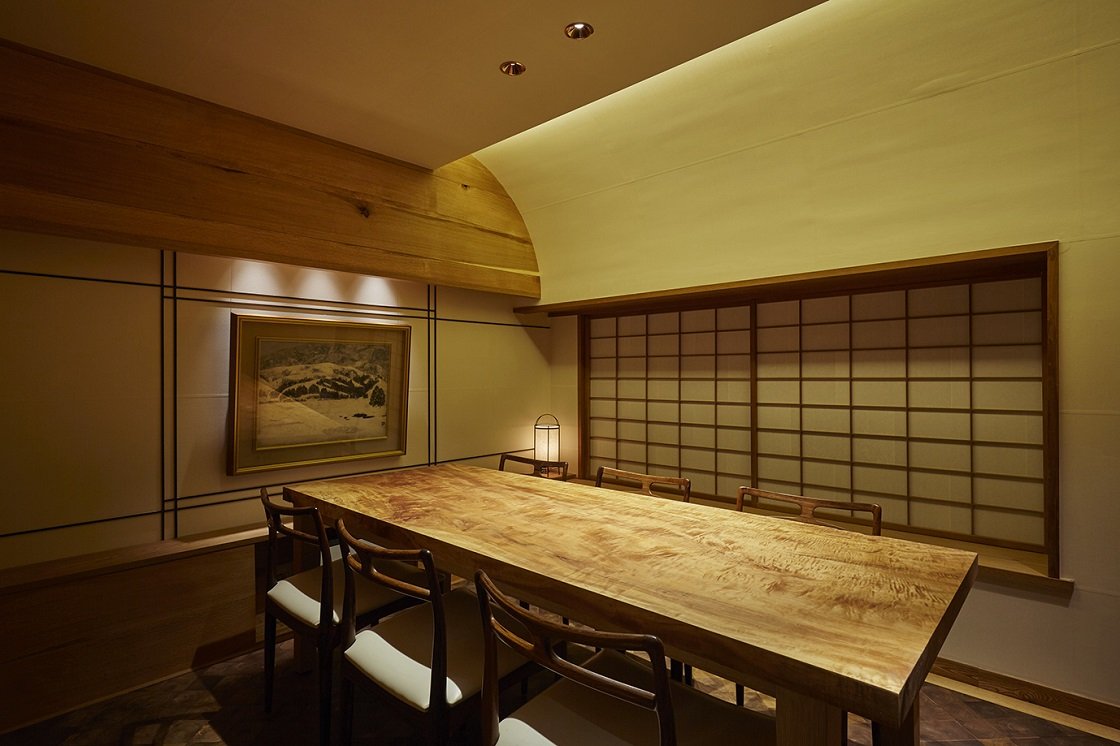
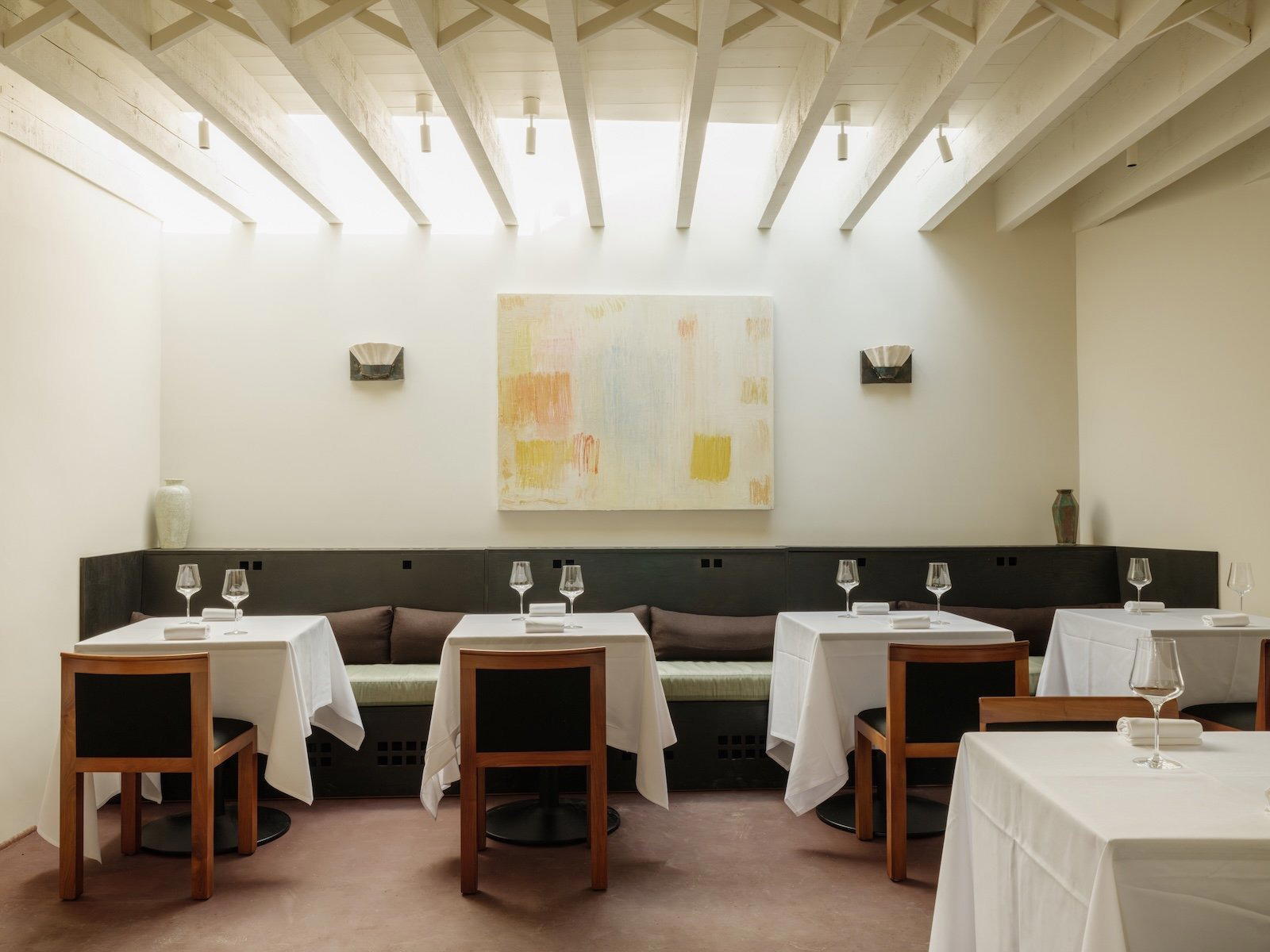
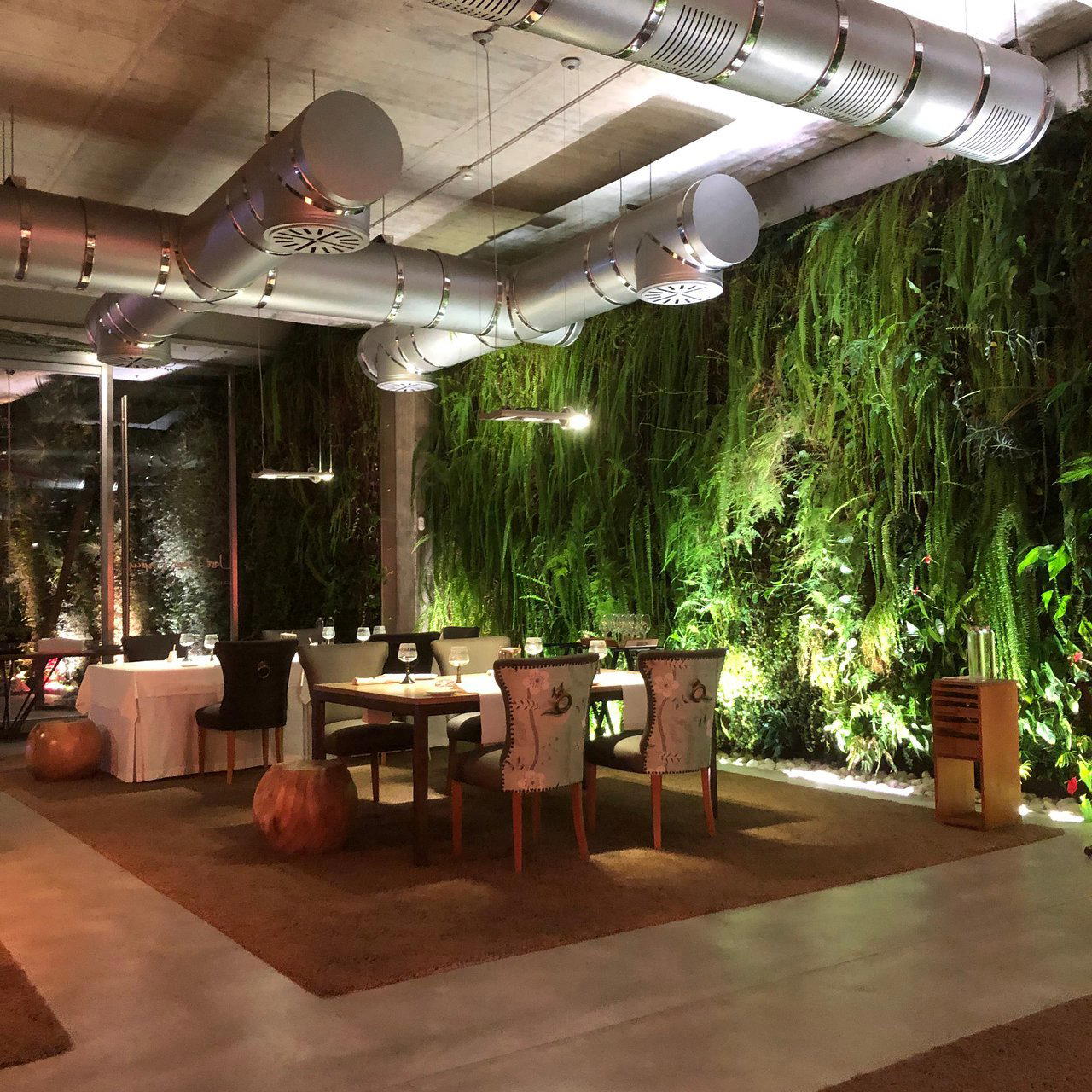
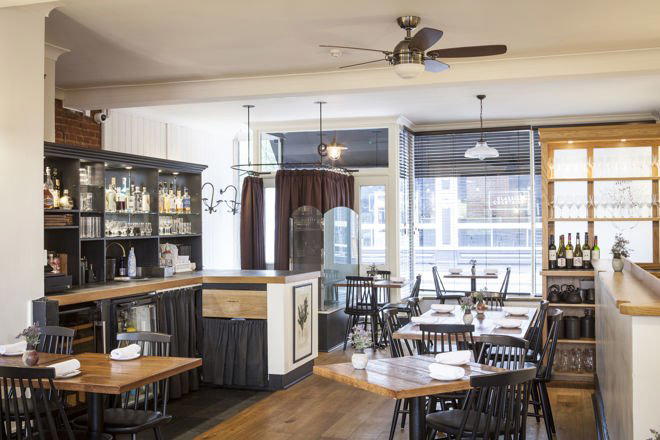
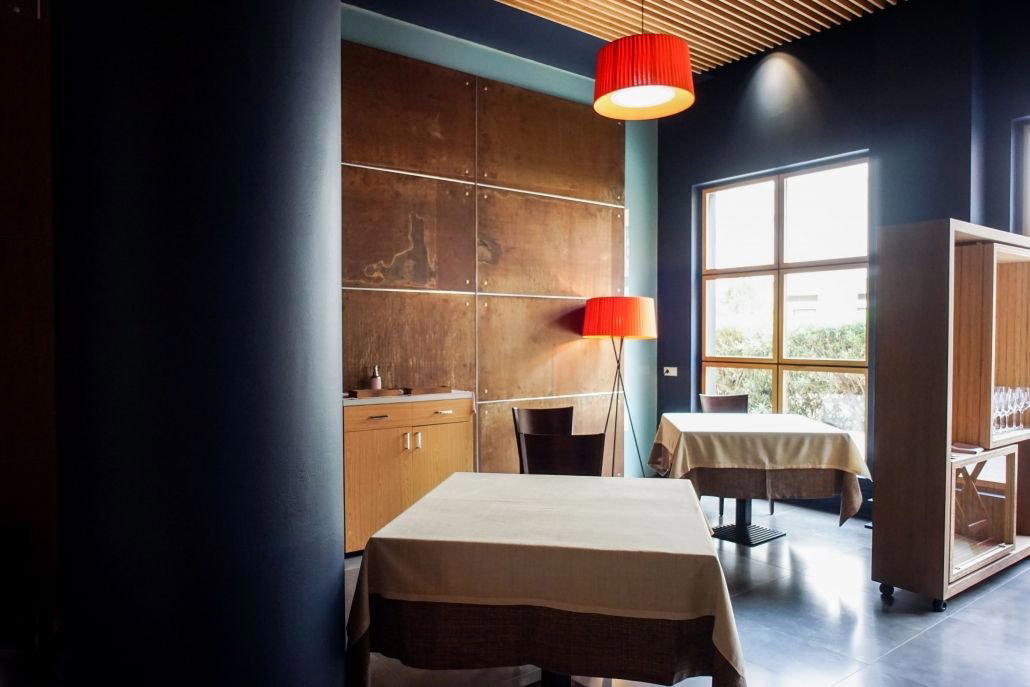
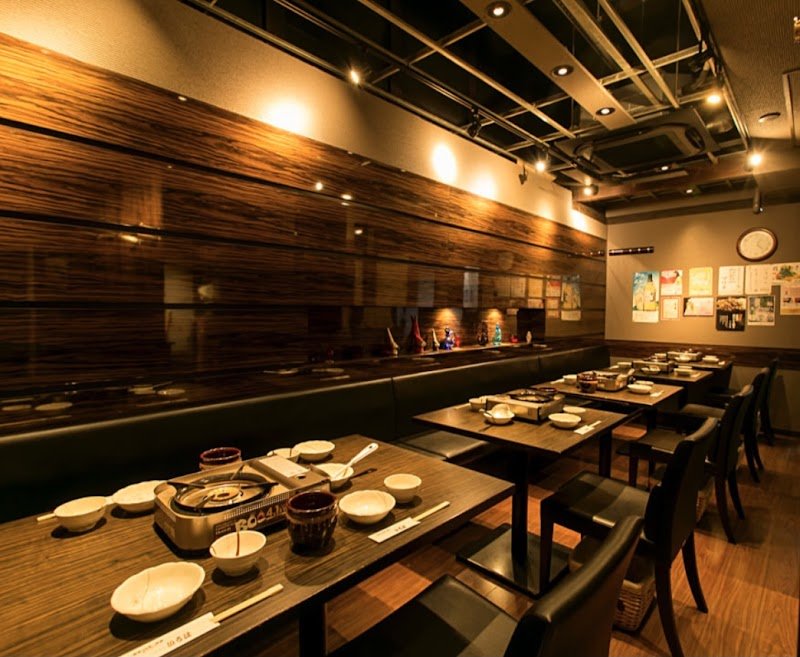
Iroha sits discreetly in Sonezakishinchi's tight-knit lanes, offering a restrained, tradition-steeped kaiseki experience that stands apart from the surrounding retail and office bustle. The restaurant's Michelin one-star reflects a focus on craft and seasonal precision rather than showy presentation. The dining room reads as inward-facing and composed, where the rhythm of courses and the weight of provenance matter more than spectacle. Expect a refined, quietly assured atmosphere that rewards attention to detail and an appreciation for a deeply seasonal approach to Japanese fine dining.
Best For
Iroha is best enjoyed as an evening destination: a dinner-only kind of place that suits date nights, business dinners and other special occasions. Its location a short walk from Umeda makes it accessible for visitors and locals who want serious kaiseki without the full-blown theatre of larger, pricier houses. The Michelin nod and the kitchen's commitment to seasonal structure make it a go-to for anyone seeking an elevated, course-led meal where timing and ingredient quality are the main attractions.
Ordering Tips
The kitchen positions seasonality as the organising principle, so plan to experience a multi-course kaiseki menu that changes with availability. The menu spans a wide range of courses, and signature highlights to look for include Saga wagyu sukiyaki, awabi abalone and artistically arranged sashimi. Let the season guide your choices rather than insisting on one-off dishes: the strength here is in the curated sequence of plates that mark a particular moment in the year.
Venue details
Ambiance
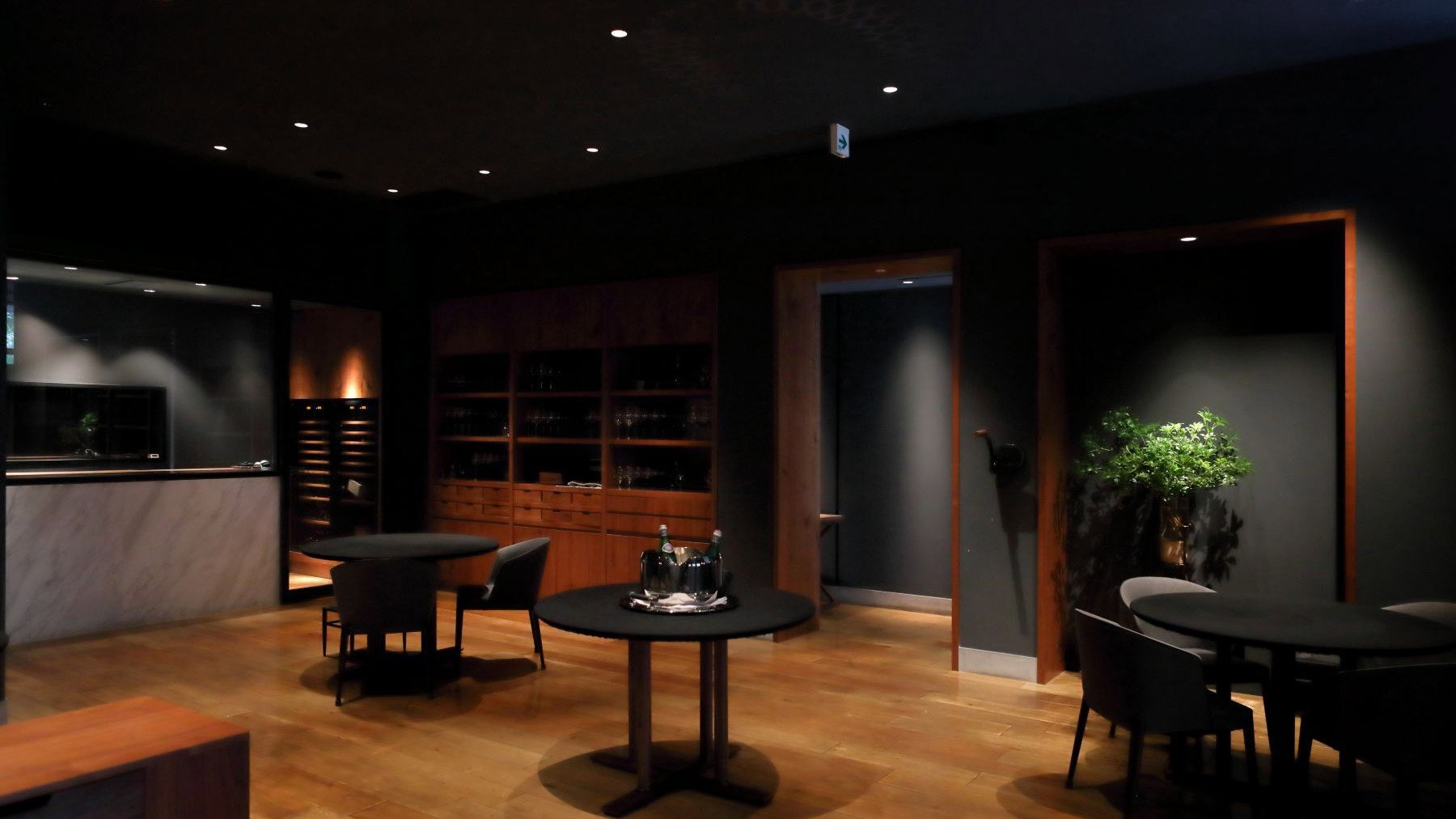
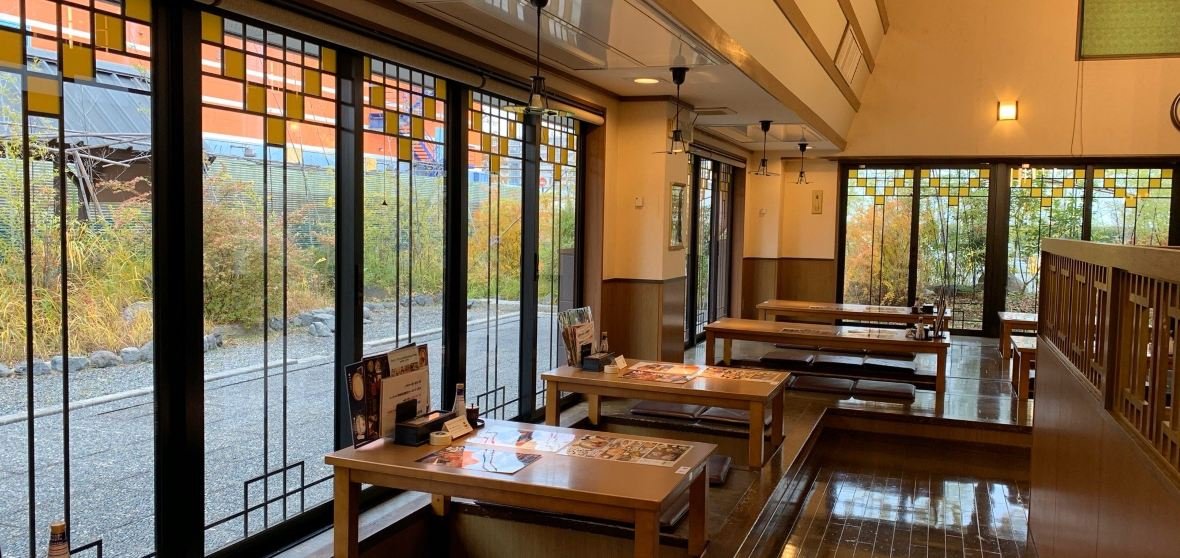
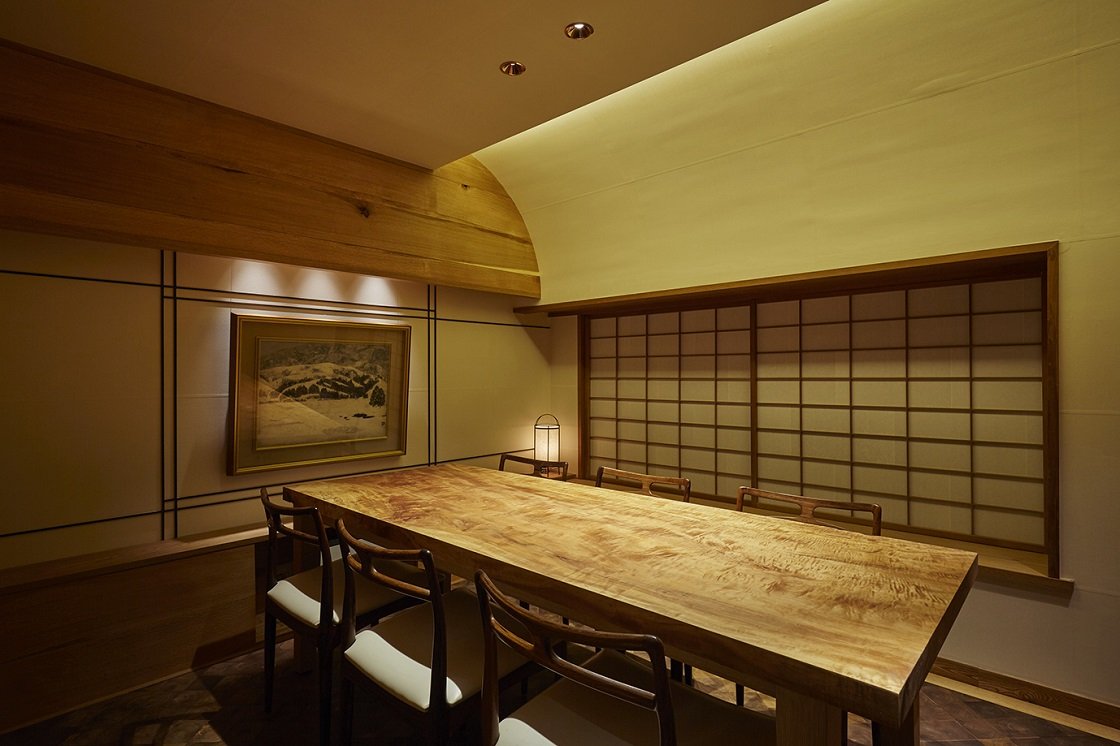
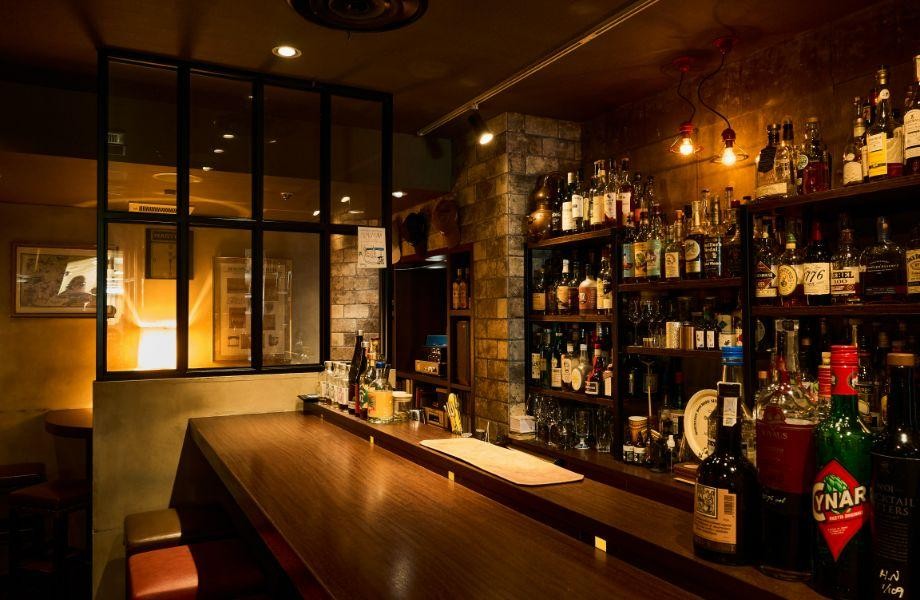
Cozy counter and tatami seating with meticulous chef preparation in an intimate, welcoming atmosphere.
Tags
Vibe
Best For
Experience
At the Table
- Dress Code
- Smart Casual
- Noise Level
- Quiet
- Service Style
- Upscale Casual
- Meal Pacing
- Leisurely
- Capacity
- Intimate
Signature Dishes
- Saga wagyu beef sukiyaki
- awabi abalone
- arranged sashimi
Planning details
Location
1 Chome-3-19 Sonezakishinchi, Kita Ward, Osaka, 530-0002, Japan · Directions
Recognition and awards
Also consider
Also Consider
- HAJIME; French, Innovative, ¥¥¥¥
- La Cime; French, ¥¥¥¥
- Kashiwaya Osaka Senriyama; Japanese, ¥¥¥
- Taian; Kaiseki, Japanese, ¥¥¥
- Fujiya 1935; Innovative, ¥¥¥¥
Restaurant context
Iroha's clearest competition within Osaka's Michelin-starred Japanese tier sits at Kashiwaya Osaka Senriyama and Taian, both ¥¥¥ kaiseki and Japanese restaurants with strong reputations. Kashiwaya offers a more formal kaiseki structure with deep seasonal grounding; Taian is widely regarded for its precision within the kaiseki format. Iroha differentiates through an emphasis on multi-technique fish preparation and a counter experience that invites direct engagement with the cooking process. For a diner choosing between the three at the same price tier, Iroha is the better pick if counter proximity and technique variety matter more to you than strict kaiseki formalism.
If you are weighing whether to step up to ¥¥¥¥, the comparison shifts. HAJIME and La Cime both operate in the French-influenced innovative space at higher spend, Fujiya 1935 brings a similar innovative approach. These venues justify the premium through a different ambition; conceptually driven tasting menus with European technique applied to Japanese ingredients. Iroha does not compete on those terms, does not need to: it is a different offer at a lower price. Unless you specifically want that French-Japanese fusion register, spending more at the ¥¥¥¥ tier is not automatically the better decision.
For booking difficulty, Iroha and Taian are both hard to secure at short notice following Michelin recognition. HAJIME and La Cime at ¥¥¥¥ can sometimes be easier to book for international visitors through hotel concierge channels, which is worth factoring in if your Osaka window is short. If availability is your primary constraint, Kashiwaya Osaka Senriyama may offer more flexibility than the others in this set.
Explore Osaka
Around this place
Discover more on Pearl
Unlock the full Iroha guide in Pearl, including awards, comparisons, FAQs, planning details, and nearby places.
Compare Iroha
| Venue | Cuisine | Awards | Booking Difficulty |
|---|---|---|---|
| Iroha | Japanese | Michelin Guide Kyoto Osaka 20262026 Michelin 1 Star2024 Michelin 1 Star | Hard |
| HAJIME | French, Innovative | Star Wine Lists 2026 · #12026 Tabelog Bronze · #922026 OAD Top Restaurants in Japan Ranked · #98Michelin Guide Kyoto Osaka 20262026 La Liste Top RestaurantsTabelog 100 - Innovative / Creative cuisine - 2025 · #692025 Asia's 50 Best Restaurants · #832025 OAD Top Restaurants in Japan Ranked · #87We're Smart World Top Restaurants 2025 | Unknown |
| La Cime | French | 2026 Asia's 50 Best Restaurants · #132026 OAD Top Restaurants in Japan Ranked · #1492026 Tabelog Bronze · #231Michelin Guide Kyoto Osaka 20262026 La Liste Top Restaurants2025 Asia's 50 Best Restaurants · #82025 World's 50 Best Restaurants · #44Tabelog 100 - French - WEST - 2025 · #932025 OAD Top Restaurants in Japan Ranked · #123 | Unknown |
| Kashiwaya Osaka Senriyama | Japanese | 2026 Tabelog Bronze · #1682026 OAD Top Restaurants in Japan Recommended2026 Relais Chateaux RestaurantsMichelin Guide Kyoto Osaka 20262026 La Liste Top RestaurantsTabelog 100 - Japanese cuisine - WEST - 2025 · #772025 OAD Top Restaurants in Japan Ranked · #1552025 Relais Chateaux Award2025 Michelin 3 Stars | Unknown |
| Taian | Kaiseki, Japanese | 2026 OAD Top Restaurants in Japan RecommendedMichelin Guide Kyoto Osaka 20262026 La Liste Top Restaurants2025 OAD Top Restaurants in Japan Ranked · #2042025 La Liste Top Restaurants2025 Michelin 3 Stars2024 OAD Top Restaurants in Japan Ranked · #1912024 Michelin 3 Stars2023 OAD Top Restaurants in Japan Highly Recommended | Unknown |
| Fujiya 1935 | Innovative | 2026 Tabelog Bronze · #752026 OAD Top Restaurants in Japan RecommendedMichelin Guide Kyoto Osaka 20262026 La Liste Top Restaurants2025 Michelin 2 Stars2025 Tabelog Silver2025 La Liste Top Restaurants2024 OAD Top Restaurants in Japan Ranked · #2392024 Michelin 2 Stars | Unknown |










Side-by-side comparison to help you decide where to book.
FAQ
Frequently Asked Questions
Can I eat at the bar at Iroha?
Counter seating is available and, based on the chef's technique-forward approach; skin searing, kombu pickling; it is the format that makes the most sense at Iroha. You will see the preparation more clearly at the counter than at a table. Specific booking policies for counter seats are not publicly documented, so confirm availability when reserving.
What should I order at Iroha?
The arranged sashimi dish is the clearest expression of the chef's technique, prepared using skin searing, skin boiling, kombu pickling across a single service. The beef cutlets are cited in the restaurant's own framing as the crowd-pleasing anchor of the menu. The format is an extensive set menu built around seasonal produce, so ordering is largely guided rather than à la carte.
Is Iroha good for a special occasion?
Yes, it is framed that way by the restaurant itself; the chef's stated position is that dinner at Iroha should be a once-in-a-lifetime occasion, treated as such. The 2024 Michelin star gives it the credential to back that framing. At ¥¥¥, it is a serious dinner without requiring the budget of a ¥¥¥¥ booking, which makes it a practical choice for a milestone meal in Osaka.
Is Iroha good for solo dining?
Counter seating makes Iroha a reasonable choice for solo diners; this format is common in Japanese kaiseki and omakase settings, the technique-driven service gives a solo diner plenty to engage. At ¥¥¥, the spend per head is meaningful but not extreme for a Michelin-starred dinner. Confirm counter availability at the time of booking.
What are alternatives to Iroha in Osaka?
For a comparable ¥¥¥-tier Osaka dinner with Michelin credentialing, La Cime offers a French-influenced perspective that contrasts with Iroha's Japanese seasonal focus. If you want to escalate, Hajime and Kashiwaya operate at a higher tier and a higher price point. Taian and Fujiya 1935 are worth considering if the format or cuisine type is a closer fit for your group.
Is the tasting menu worth it at Iroha?
At ¥¥¥, the extensive seasonal menu reflects genuine technical range; the 2024 Michelin star is awarded across a spread of preparations rather than one signature dish, which is a reasonable proxy for consistency. If you want a focused, shorter format rather than an extensive progression, Iroha may not be the right fit. For guests who prefer breadth and seasonal variety, the format earns its price.
Is Iroha worth the price?
At ¥¥¥ with a 2024 Michelin star, Iroha sits in a range where the credential and the price are broadly aligned. It is a stronger value case than escalating to a ¥¥¥¥ Osaka booking if a single serious dinner is what you are after. The seasonal menu and the sashimi technique work justify the spend; provided an extensive set-menu format is what you are looking for rather than a shorter, tighter omakase.