
Sushi Saint
Japanese · Downtown, Orlando
Restaurant in Orlando, United States
 Book with Pearl
The Read
Lounge-Format Temaki
Price
$50–100per person
Chef
Michael Collantes
Dress
Smart Casual
Why go
Sushi Saint is downtown Orlando's strongest case for $$ Japanese dining, earning a Michelin Bib Gourmand (2024) for temaki built on carefully sourced rice and nori. Chef Michael Collantes brings the same sourcing standards from his omakase project Soseki to a lounge-friendly format where hand rolls and sharp small plates deliver well above their price point.
About Sushi Saint
Is Sushi Saint Worth Booking in Orlando?
Yes, and the Michelin Bib Gourmand (2024) tells you why: this is the rare downtown Orlando spot where the quality-to-price ratio is genuinely hard to beat. At $$, Sushi Saint delivers hand rolls built on carefully sourced rice and nori, small plates with real technique behind them, and a room that feels current without trying too hard. If you are looking for a Japanese meal in Orlando that does not require a $$$$ commitment, this is where you book first.
What Sushi Saint Is Right Now
The most relevant fact about Sushi Saint's recent trajectory is who is behind it. Chef Michael Collantes built his reputation at Soseki, his omakase project that put Orlando on the map for serious Japanese dining. Sushi Saint is a deliberate step sideways: a temaki-focused, more accessible format that applies the same sourcing discipline to a walk-in-friendly, lounge-style setting. The result is a restaurant that does not feel like a casualised spin-off. It feels like a considered second act, with its own identity.
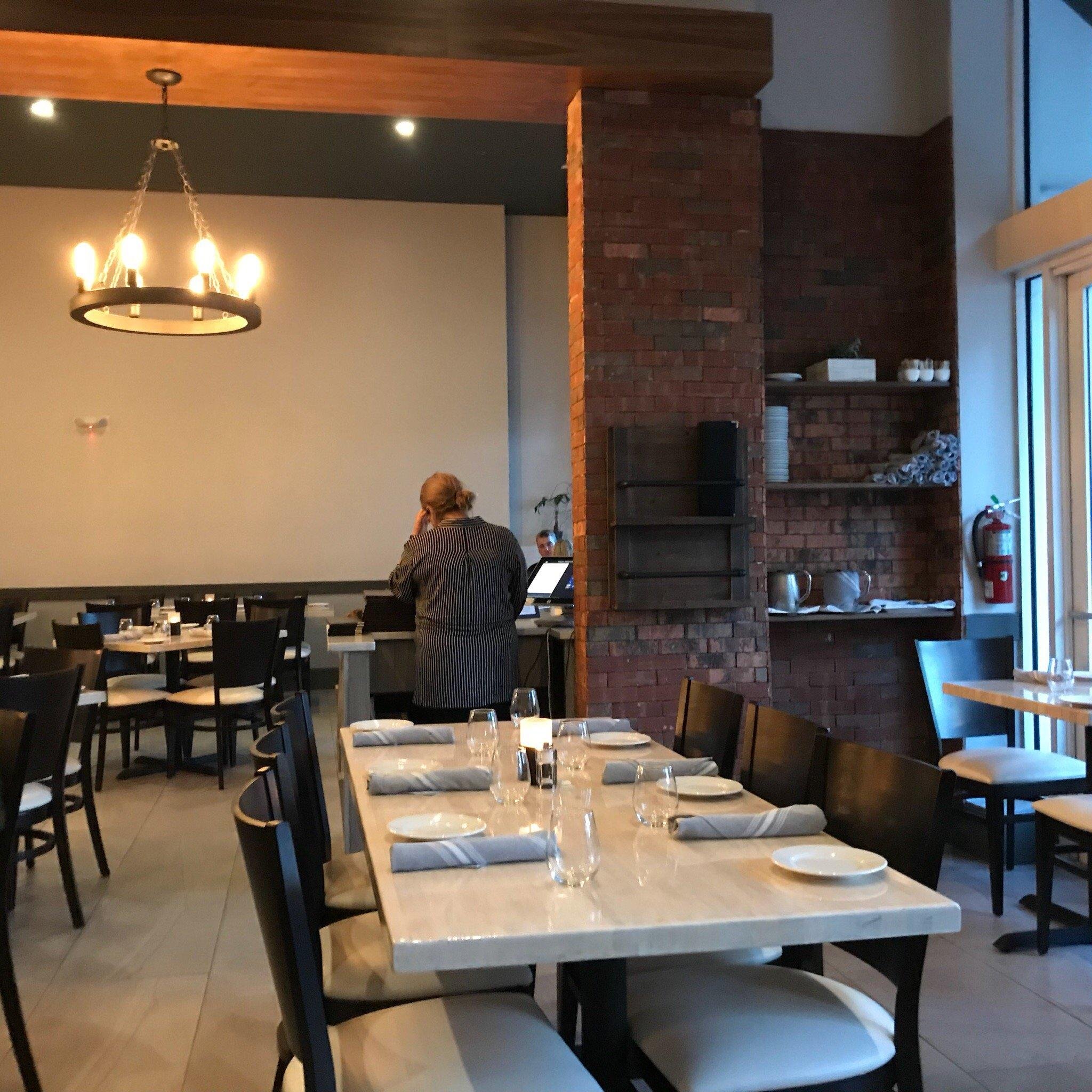
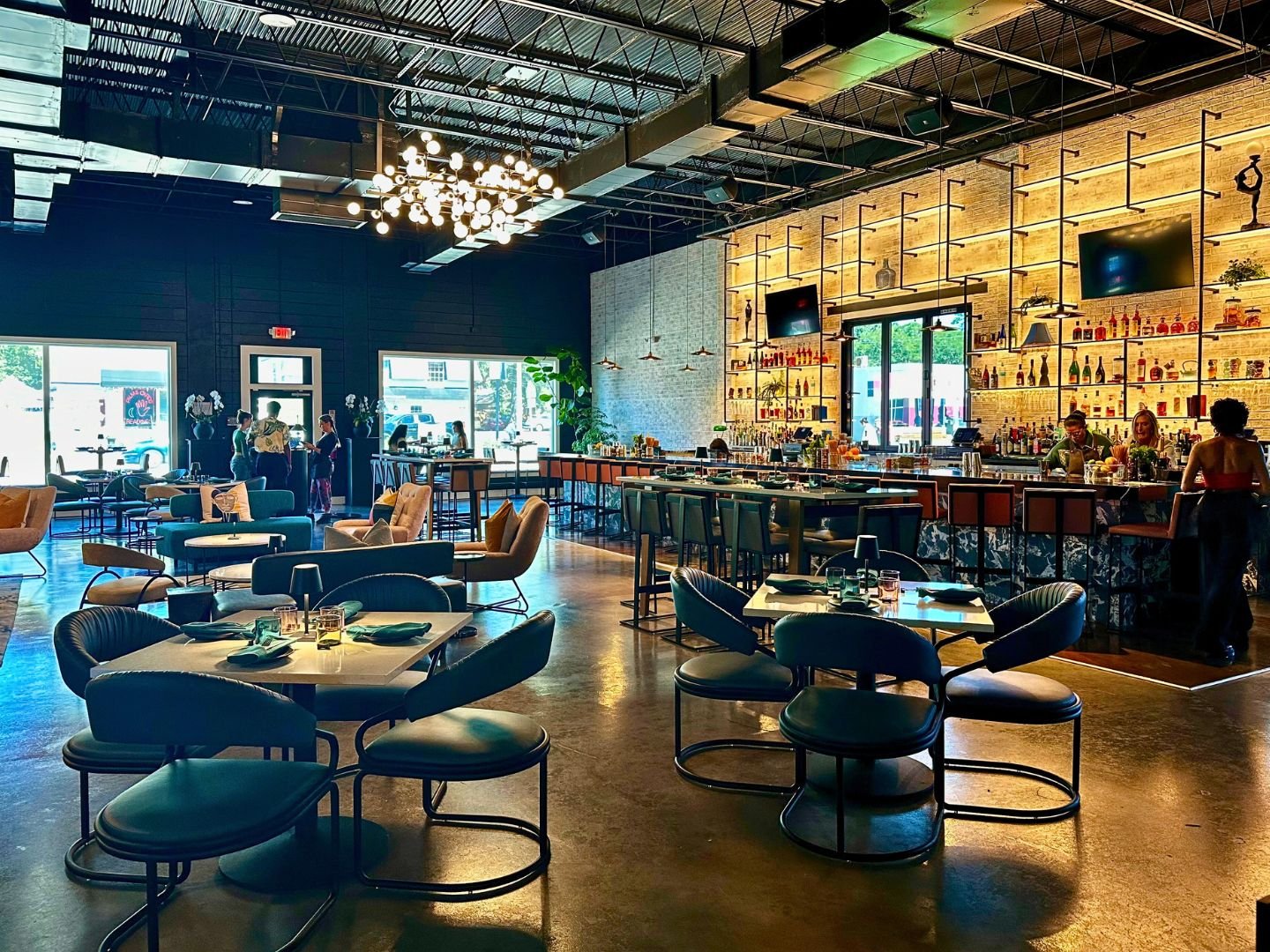
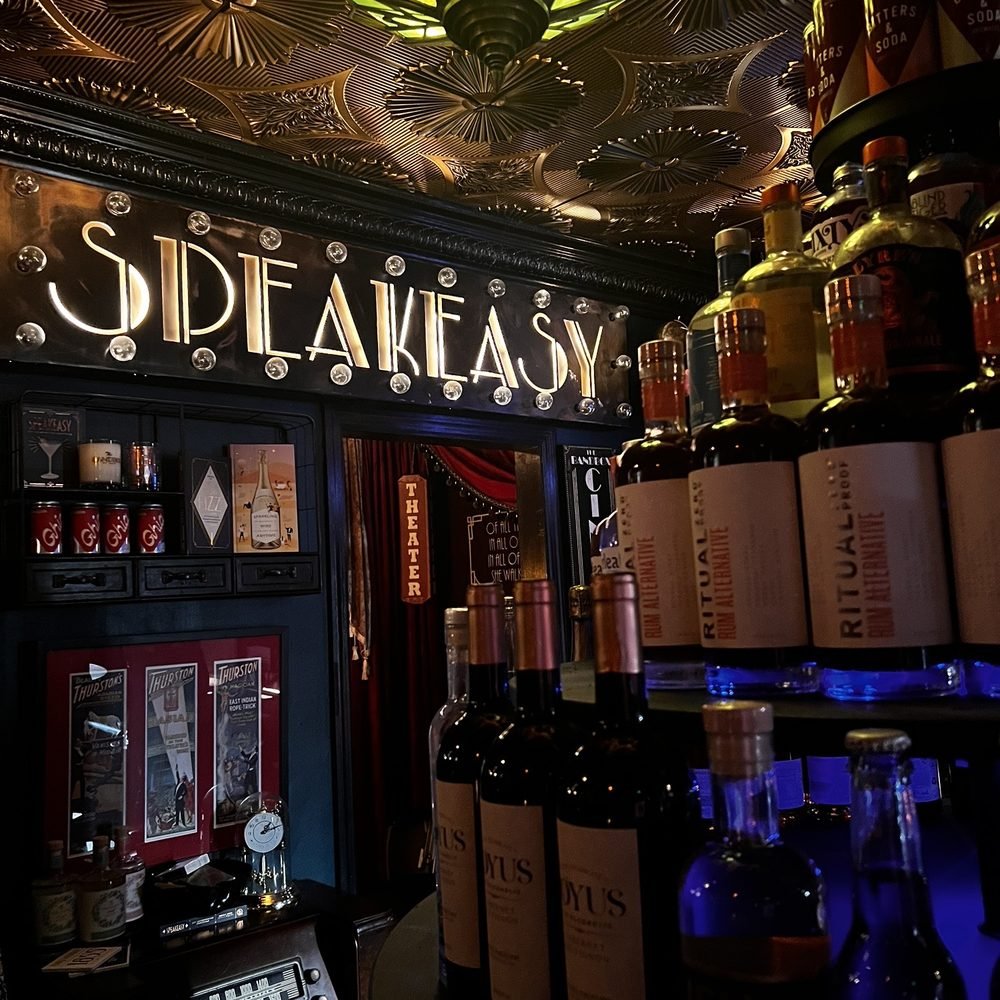
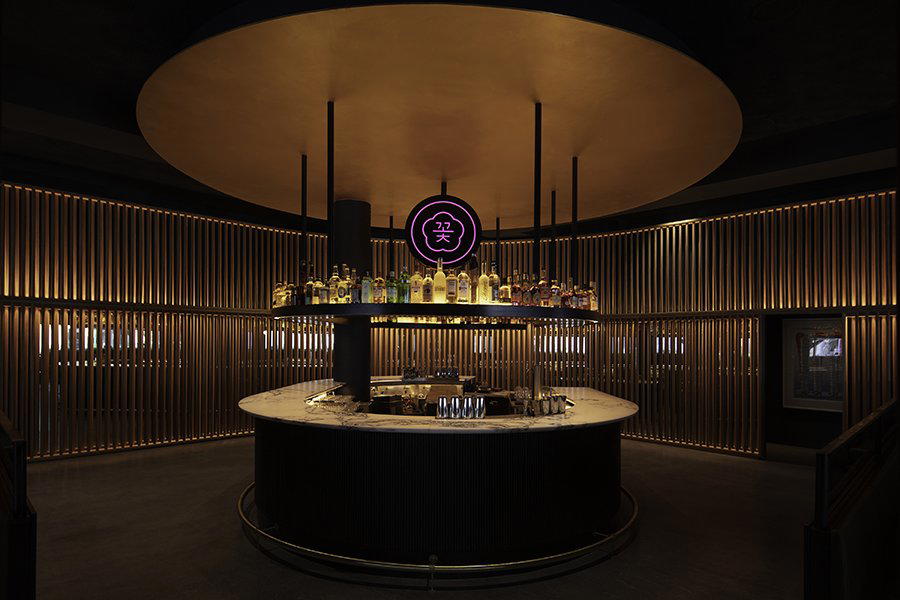
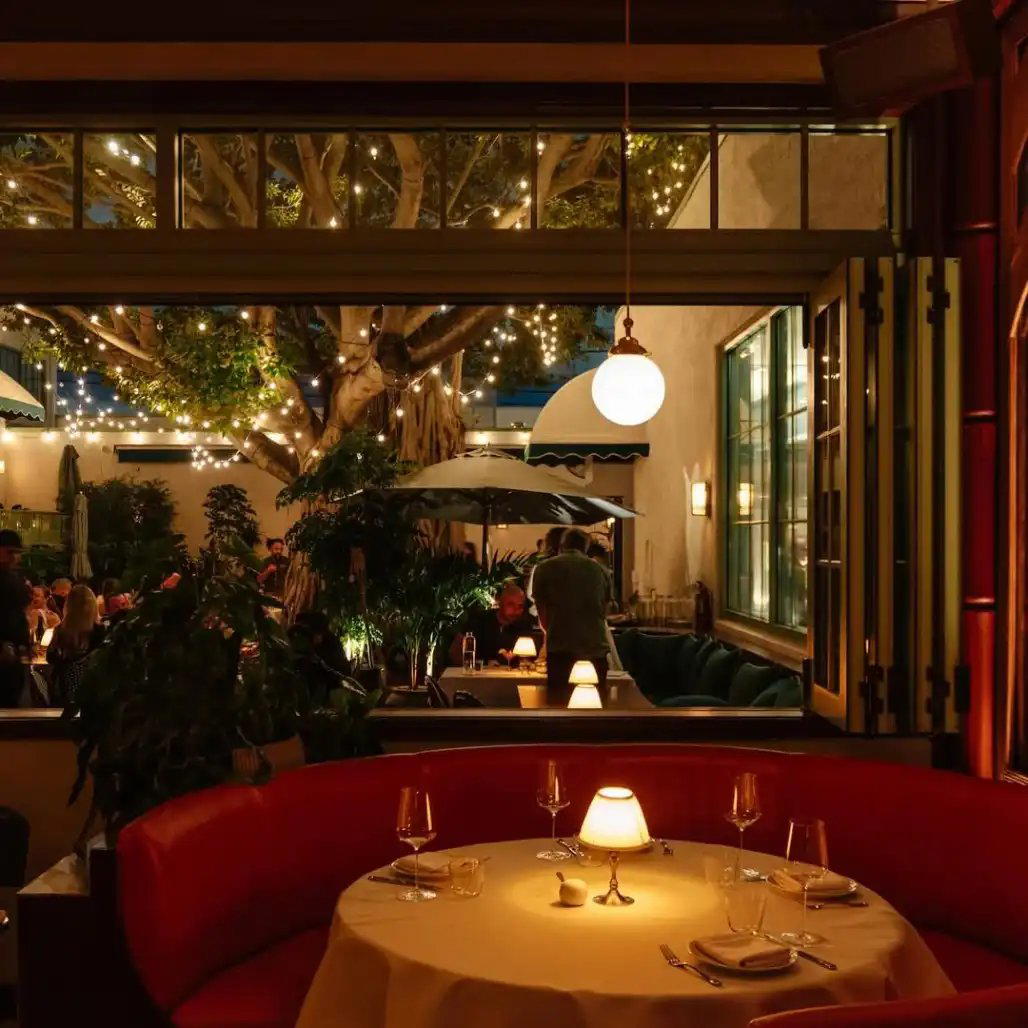
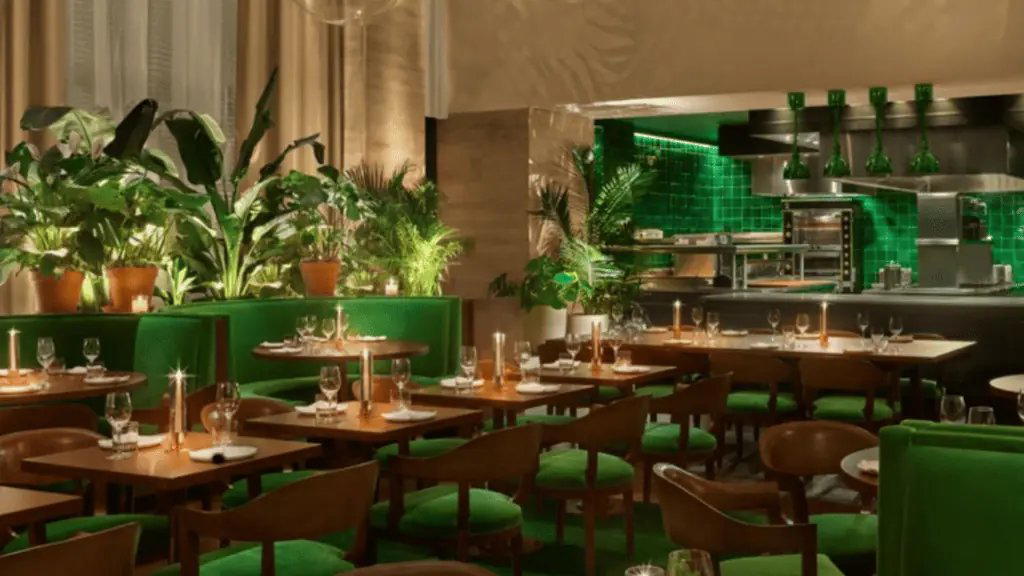
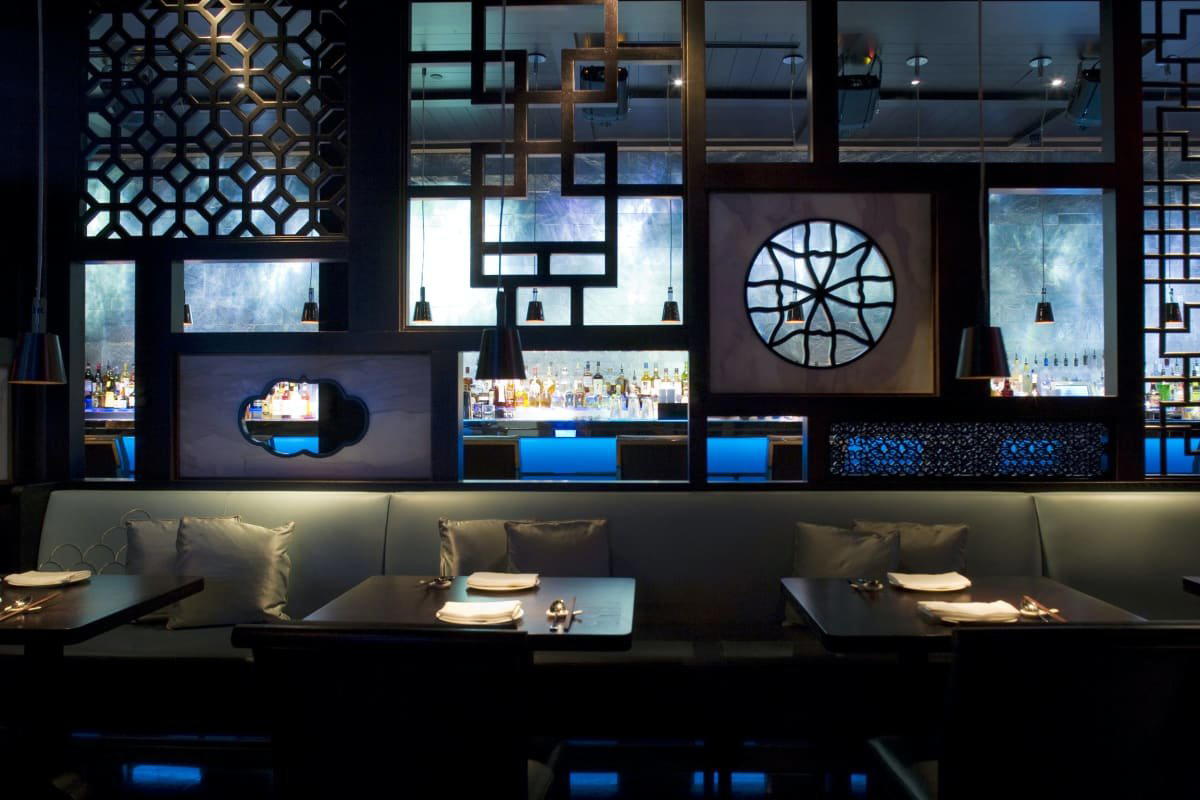
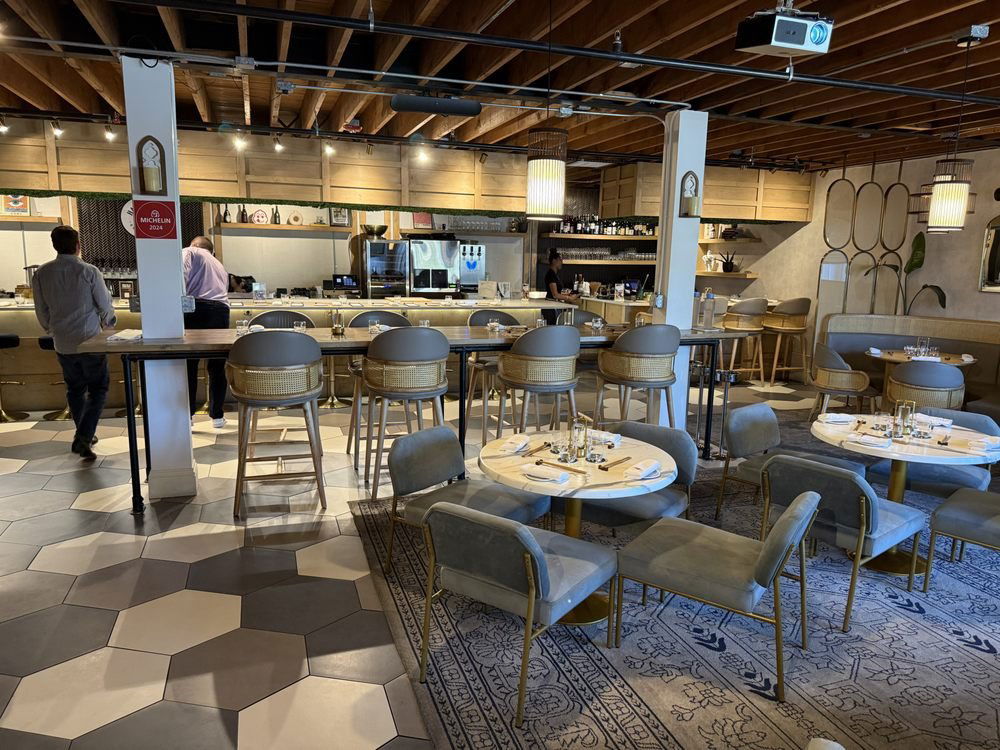
The physical setup reinforces that. Sushi Saint shares a building with a brewery but enters through a separate door on Pittman Street in downtown Orlando, which means the energy inside reads as its own thing: contemporary design, lower lighting, a vibe that sits comfortably between date-night and solo counter meal.
The Food: Where the Money Goes
Temaki format keeps things focused. Cone-shaped hand rolls are the core of what Sushi Saint does, and the kitchen takes the sourcing seriously enough that rice and nori are treated as primary ingredients rather than neutral wrappers. The Michelin inspectors who awarded the Bib Gourmand specifically called out the ingredient quality, noting offerings that run from avocado with serrano lime miso through to aburi-style scallop with brown butter and shredded snow crab with truffle, cucumber, and finger lime. That last combination reads more like a $$$$ tasting menu course than a $$ hand roll, which is the point.
Small plates are worth your attention alongside the hand rolls. Sichuan cucumbers with chili crunch represent the kind of side that signals a kitchen paying attention to the whole table. If you are visiting as a group, ordering across both the temaki menu and the small plates gives you a fuller picture of what the kitchen can do.
Solo Dining and Counter Experience
Sushi Saint works well as a solo dining destination. The lounge-forward design and temaki format make it easy to eat alone without the awkward formality of a traditional omakase counter or the social pressure of a large table. Solo diners should note that the format lends itself to ordering progressively: a couple of small plates first, then two or three hand rolls, then a final one if the quality warrants it. The price tier keeps this kind of exploratory ordering affordable without requiring a fixed spend commitment.
Groups and the Private Experience
The restaurant's contemporary design and lounge atmosphere make it a functional group venue for parties who want a shared, interactive format: temaki and small plates are easy to share and naturally create a communal table experience. Groups of four to six will find the format particularly well-suited to a social meal where everyone eats differently but still eats well. Larger parties should book ahead; at $$ pricing with a 4.7 rating, demand is steady and walk-in availability for groups cannot be relied upon.
Booking and Logistics
Booking is rated Easy, which reflects the accessibility of the format and price point. This is not a counter with a six-week waitlist or a timed reservation system. Booking a few days in advance for a weekend dinner is the sensible approach. For a weeknight visit, same-day booking should be workable. The address is 400 Pittman St Suite A in downtown Orlando, direct to reach from the city centre. No dress code is specified, consistent with the casual-contemporary positioning.
How It Compares
For Sorekara or Kadence comparisons and broader Japanese dining options in Orlando, see the relevant Pearl pages. If you want a wider view of where Sushi Saint fits in the city's current dining scene, our full Orlando restaurants guide maps the field. For drinks before or after, our full Orlando bars guide has current options nearby. Internationally, the temaki and focused Japanese formats at Sushi Saint sit closer in philosophy to accessible neighbourhood spots in Tokyo than to destination counters like Myojaku or Azabu Kadowaki, which is not a criticism. It is a different category doing its job well. For those curious about how chef-driven casual formats work at the highest level nationally, Lazy Bear in San Francisco offers a useful reference point for the ambition behind a Bib Gourmand-level casual concept. Additional Orlando context is available across our full Orlando hotels guide, our full Orlando wineries guide, and our full Orlando experiences guide.
FAQs: Sushi Saint, Orlando
- Is Sushi Saint good for solo dining? Yes. The temaki format and lounge-style room suit solo diners well. At $$, you can order progressively across small plates and hand rolls without committing to a fixed menu. It is a more comfortable solo experience than a formal omakase counter and more interesting than most casual Japanese options in the city.
- Is the tasting menu worth it at Sushi Saint? Sushi Saint operates a temaki format rather than a traditional tasting menu, but the Michelin Bib Gourmand (2024) confirms the kitchen delivers strong value at its price point. Chef Michael Collantes brings Soseki-level sourcing discipline to a $$ context, which means the per-roll quality punches well above what the price range normally delivers. If you are asking whether to spend up at a $$$$ option instead, the answer depends on format preference: Sushi Saint is the right call if temaki suits your evening.
- Can I eat at the bar at Sushi Saint? Specific seating configurations are not confirmed in the available data. The lounge-style design suggests counter or bar-adjacent seating is likely. The format and vibe are well-suited to informal seating arrangements regardless.
- What are alternatives to Sushi Saint in Orlando? For Japanese at a higher price tier, Sorekara and Kadence are the relevant comparisons. Natsu and Gyukatsu Rose offer different Japanese formats at accessible price points. If you want to compare across cuisines at a similar casual-to-mid level, Juju is worth considering. Sushi Saint sits at the intersection of quality and accessibility that few of its peers match at $$.
- What should a first-timer know about Sushi Saint? Three things. First, it is a temaki spot, not a traditional sushi restaurant or omakase counter. Come expecting hand rolls, not nigiri-focused menus. Second, the small plates are worth ordering alongside the rolls; they show what the kitchen does beyond the headline format. Third, this carries a Michelin Bib Gourmand (2024), which means the recognition is for consistent quality at fair pricing. Book a few days ahead for weekends. The address is 400 Pittman St Suite A, with a separate entrance from the attached brewery.
Planning details
- Location
- 400 Pittman St Suite A, Orlando, FL 32801
- Reservations
- Book on OpenTable
- Website
- sushisaint.com
- Phone
- (689) 323-3028
The take
The Take
The Vibe
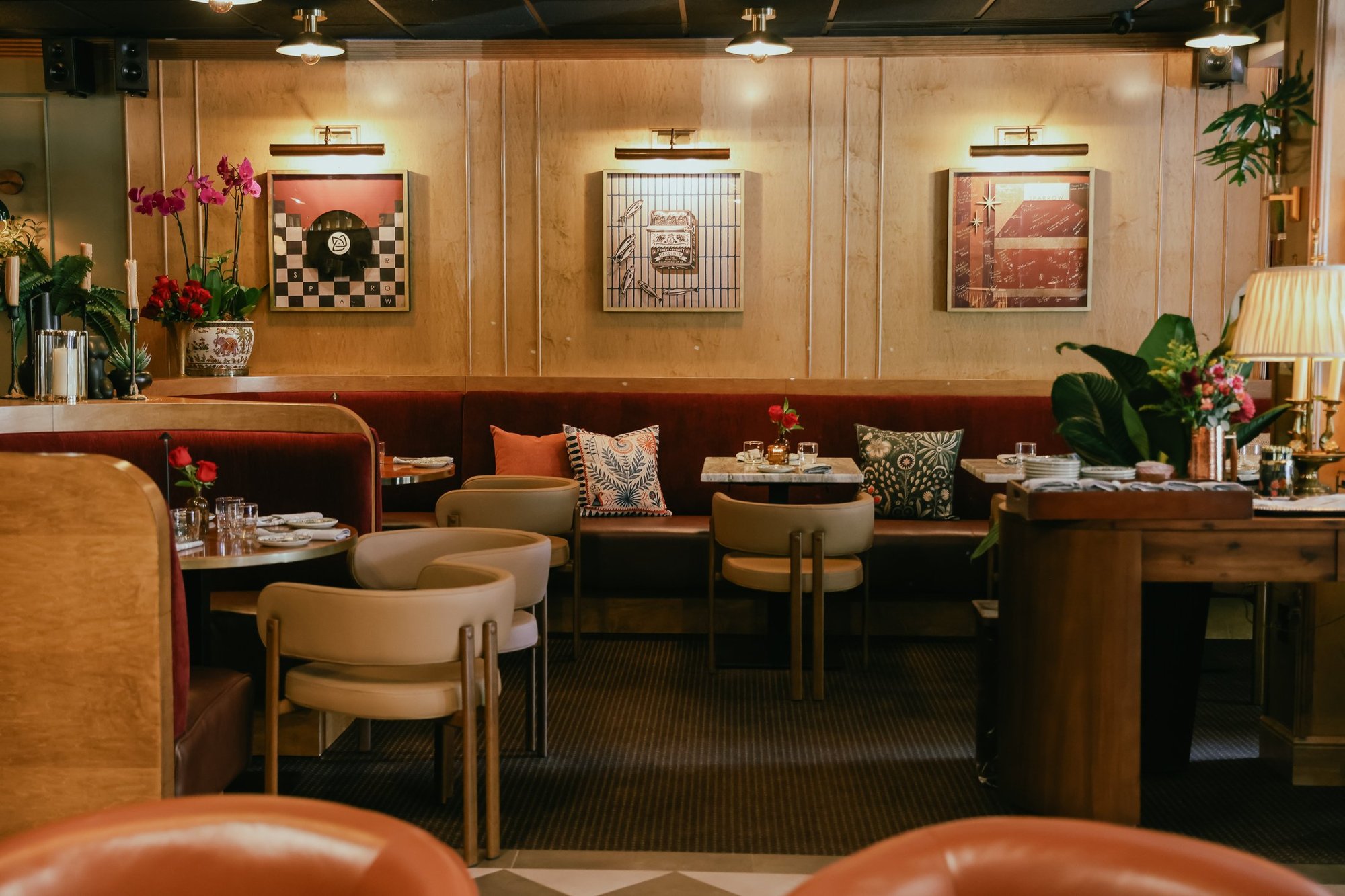
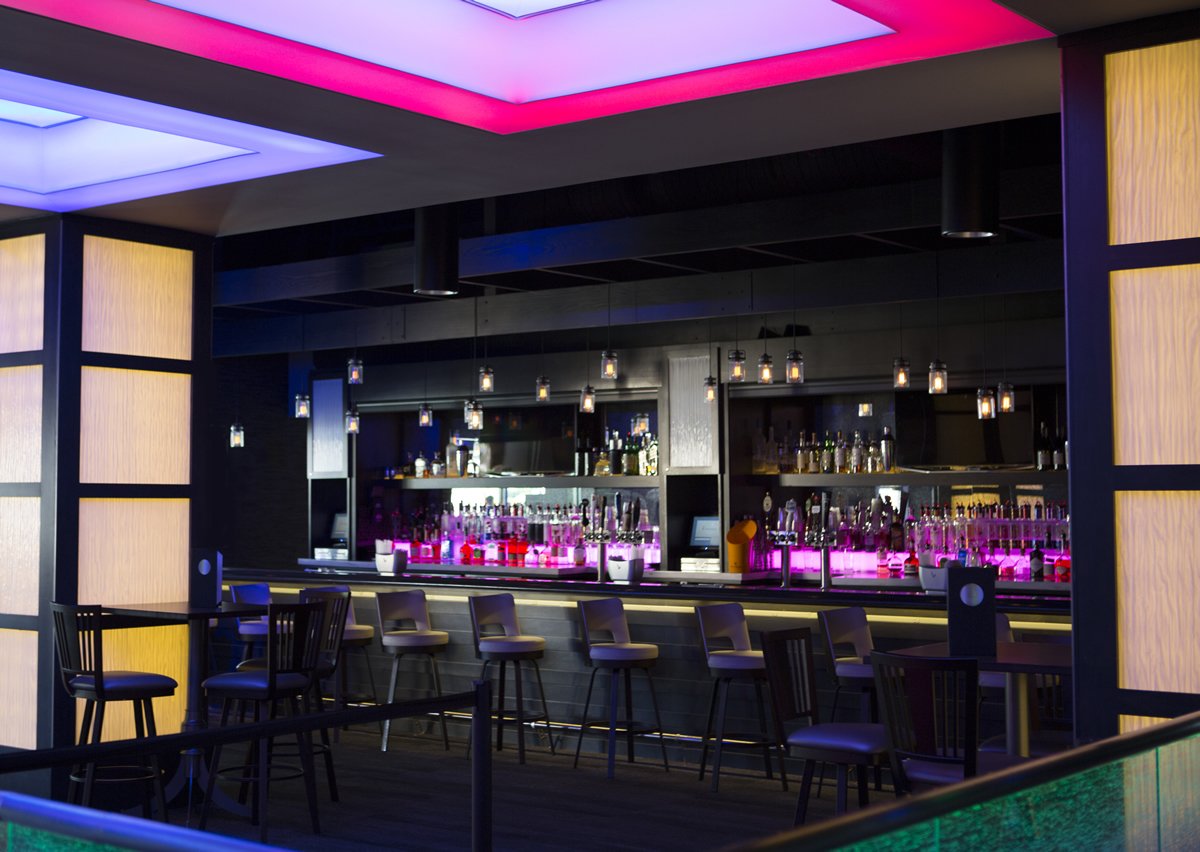
Sushi Saint presents a polished, lounge-forward take on temaki that leans sophisticated without feeling precious. The dining room favors contemporary design and a relaxed register, it signals intent but doesn't demand formal dress, and sits in downtown Orlando with a separate entrance from the brewery it shares a building with. The Michelin Bib Gourmand nod underscores the kitchen's focus on technique and value rather than theatrical tasting-menu theater. Overall the place feels intentional and refined, an approachable spot where careful execution of simple things is the point of pride.
Best For
This is a go-to for dinner-oriented evenings when you want food-forward quality in a comfortable setting. The hand-roll format and lounge-forward room make it especially well suited to date nights and modest celebrations: the cooking is exacting enough to feel special while the atmosphere stays inviting and not overformal. Located in downtown Orlando and often full most nights, it also works well for after-work gatherings where the mood is elevated but relaxed. The Bib Gourmand recognition reinforces that you’re getting considered technique at accessible prices.
Ordering Tips
Temaki is the central act here, so lean into hand rolls rather than expecting a theatrical omakase. The menu highlights signature cones such as the Avocado Serrano Lime Miso Handroll, Truffle Mushroom Jam Handroll and The Trinity Handroll: sampling a few different rolls is the clearest way to experience the kitchen’s range. Temaki requires attention to rice temperature, crisp nori and filling ratios, so eat each roll soon after it arrives to enjoy the nori at its crispiest and the rice at the right temperature.
Venue details
Ambiance
Lively yet intimate atmosphere with contemporary design, nice decor, and a relaxed modern lounge vibe.
Tags
Vibe
Best For
Experience
At the Table
- Dress Code
- Smart Casual
- Noise Level
- Conversational
- Service Style
- Upscale Casual
- Meal Pacing
- Leisurely
- Capacity
- Intimate
- Kitchen
- Modern
- Menu Format
- A la carte, Omakase, Counter dining
- Drinks Focus
- Sake program, Craft cocktails
- Dietary
- Vegetarian friendly, Gluten-free options
- Private Dining
- Available
Signature Dishes
- Avocado Serrano Lime Miso Handroll
- Truffle Mushroom Jam Handroll
- The Trinity Handroll
Know before you go
Know Before You Go
- Getting there
- 400 Pittman St Suite A, Orlando, FL 32801
Planning details
Location
Recognition and awards
Also consider
Also Consider
- Sorekara: Japanese, $$$$
- Camille: Vietnamese, $$$$
- Capa: Steakhouse, $$$$
- Papa Llama: Peruvian, $$$$
- Victoria & Albert's: New American, Contemporary, $$$$
Restaurant context
Sushi Saint is the value call in Orlando's current Japanese and fine-dining conversation. At $$, it operates in a different price tier from Sorekara and other $$$$ options, which means the comparison is less about competition and more about what you are in the mood to spend. If your evening requires the full ceremony of a high-end Japanese counter, Sorekara is the right booking. If you want Michelin-recognised quality at roughly half the price, Sushi Saint is the practical answer.
Against Orlando's broader $$$$ field, the contrast sharpens. Victoria and Albert's and Capa deliver serious splurge-tier experiences with the service depth and room presence that justify their pricing. Camille and Papa Llama offer distinct cuisine profiles at the higher end. Sushi Saint does not compete with any of these on ambition or spend, but it beats all of them on ease of booking and value per dollar. For a group that includes diners with different appetite levels or budget sensitivities, Sushi Saint's temaki and small-plates format is also more flexible than a fixed tasting menu structure.
The clearest recommendation: if you are in downtown Orlando and want a dinner that delivers real quality without the $$$$ commitment, Sushi Saint is the first booking to make. Reserve the $$$$ tier for occasions when the full experience, service, and setting are part of what you are paying for.
Explore Orlando
Around this place
Discover more on Pearl
Unlock the full Sushi Saint guide in Pearl, including awards, comparisons, FAQs, planning details, and nearby places.
Compare Sushi Saint
| Venue | Cuisine | Price | Booking Difficulty | Awards |
|---|---|---|---|---|
| Sushi Saint | Japanese | $$ | Easy | Michelin Guide Florida 20262025 Michelin Bib Gourmand2024 Michelin Bib Gourmand |
| Sorekara | Japanese | $$$$ | Unknown | Michelin Guide Florida 20262026 La Liste Top Restaurants2025 Michelin 2 Stars |
| Camille | Vietnamese | $$$$ | Unknown | Michelin Guide Florida 20262025 Michelin 1 Star2024 Michelin 1 Star |
| Capa | Steakhouse | $$$$ | Unknown | 2026 Forbes RecommendedMichelin Guide Florida 20262026 Wine Spectator Best of Award of Excellence2025 Wine Spectator Best of Award of Excellence2025 Forbes Recommended2025 Michelin 1 Star2024 Michelin 1 Star |
| Papa Llama | Peruvian | $$$$ | Unknown | Michelin Guide Florida 20262025 Michelin 1 Star2024 Michelin 1 Star |
| Victoria & Albert's | New American, Contemporary | $$$$ | Unknown | 2026 Forbes 5-StarAAA Diamonds Top 10 Restaurants 20262026 Wine Spectator Best of Award of Excellence2026 La Liste Top Restaurants2025 Wine Spectator Best of Award of Excellence2025 AAA 5 Diamond Restaurant2025 Forbes 5-Star2025 La Liste Top Restaurants2025 Michelin 1 Star |









How Sushi Saint stacks up against the competition.
FAQ
Frequently Asked Questions
Is Sushi Saint good for solo dining?
Yes, it is one of the better solo options in downtown Orlando. The lounge-forward design and temaki format mean you are not anchored to a formal multi-course pace, and eating alone here does not feel awkward. The Michelin Bib Gourmand recognition at the $$ price point makes it easy to justify a solo visit without over-committing.
Is the tasting menu worth it at Sushi Saint?
Sushi Saint is a temaki spot, not a tasting menu format, so the comparison point shifts. The value question is really whether the hand rolls justify the spend, and the Michelin Bib Gourmand (2024) is a direct endorsement of that ratio. Ordering across the temaki range plus a small plate or two is the move here: the kitchen sources its rice, nori, and ingredients with enough care to make that a satisfying meal.
What are alternatives to Sushi Saint in Orlando?
For omakase format at a higher price point, Soseki (also from chef Michael Collantes) is the natural comparison. Kadence is another Orlando Japanese option worth considering if you want a counter-driven, chef-led experience. Sushi Saint is the stronger choice when value and accessibility matter more than formality.
What should a first-timer know about Sushi Saint?
Temaki, not omakase, is the format here: cone-shaped hand rolls with quality sourcing are the focus, with small plates on the side. It is attached to a brewery but has a separate entrance, so the vibe is casual and lounge-y rather than reverent. Booking is easy relative to other Michelin-recognised spots in Florida, and the $$ price range means you can order widely without the bill becoming a commitment.