SOPARNIK.eu To Go - Tugare
Tugare, Omis
Restaurant in Omis, Croatia
 Book with Pearl
The Read
Dress
Casual
Why go
SOPARNIK.eu To Go - Tugare is worth considering for a casual regional-food stop near Omiš, especially if soparnik is part of the reason for exploring inland from the coast. Treat it as a flexible takeaway-style stop, not a full restaurant booking or dressed-up dinner plan.
About SOPARNIK.eu To Go - Tugare
For a food-focused stop in Omis, SOPARNIK.eu To Go - Tugare is best planned around posted opening hours and a casual dress code. Use it as a direct option to check against your schedule.
A casual Omis stop with limited detail
SOPARNIK.eu To Go - Tugare is listed in Omis, with casual dress noted.
Use it as one point in an Omis food plan alongside other documented options such as Arsana Tasting House, Konoba Kala, Konoba Vinotoka, Nikola, or Otok. Choose based on the kind of meal you want and the latest details available from each venue, rather than assuming SOPARNIK.eu To Go - Tugare has a particular service format or menu.
Check the hours before fitting it into an Omis food plan
The hours are Monday 10 AM–8 PM, Tuesday 10 AM–8 PM, Wednesday 9 AM–8 PM, Thursday 10 AM–8 PM, Friday 10 AM–9 PM, Saturday 10 AM–9 PM, and Sunday 9 AM–8 PM. For a first-timer, this works well when paired with the full Omis restaurants guide so you can compare timing and decide where it fits in the day.
There are no awards, chef details, cuisine category, seat count, price, or dietary notes listed. The dress code is casual.
Planning details
- Location
- Put Čažina doca 1, 21252, Tugare, Croatia
- Website
- soparnik.eu
- Phone
- +385921889146
The take
The Take
The Vibe
SOPARNIK.eu To Go in Tugare sits squarely in the realm of rural, small‑scale food culture. The venue reads like an outpost of Poljica life: limestone plateaus, fig trees, volunteer Swiss chard and a centuries‑old flatbread that carries UNESCO and national heritage credentials. It is unpretentious and local-first, the kind of roadside stop where the landscape and agricultural logic set the tone rather than design flourishes. Visitors encounter a direct, workmanlike operation that channels a long tradition of subsistence cooking into a portable, humble offering: quietly charming, scenic and rooted in history.
Best For
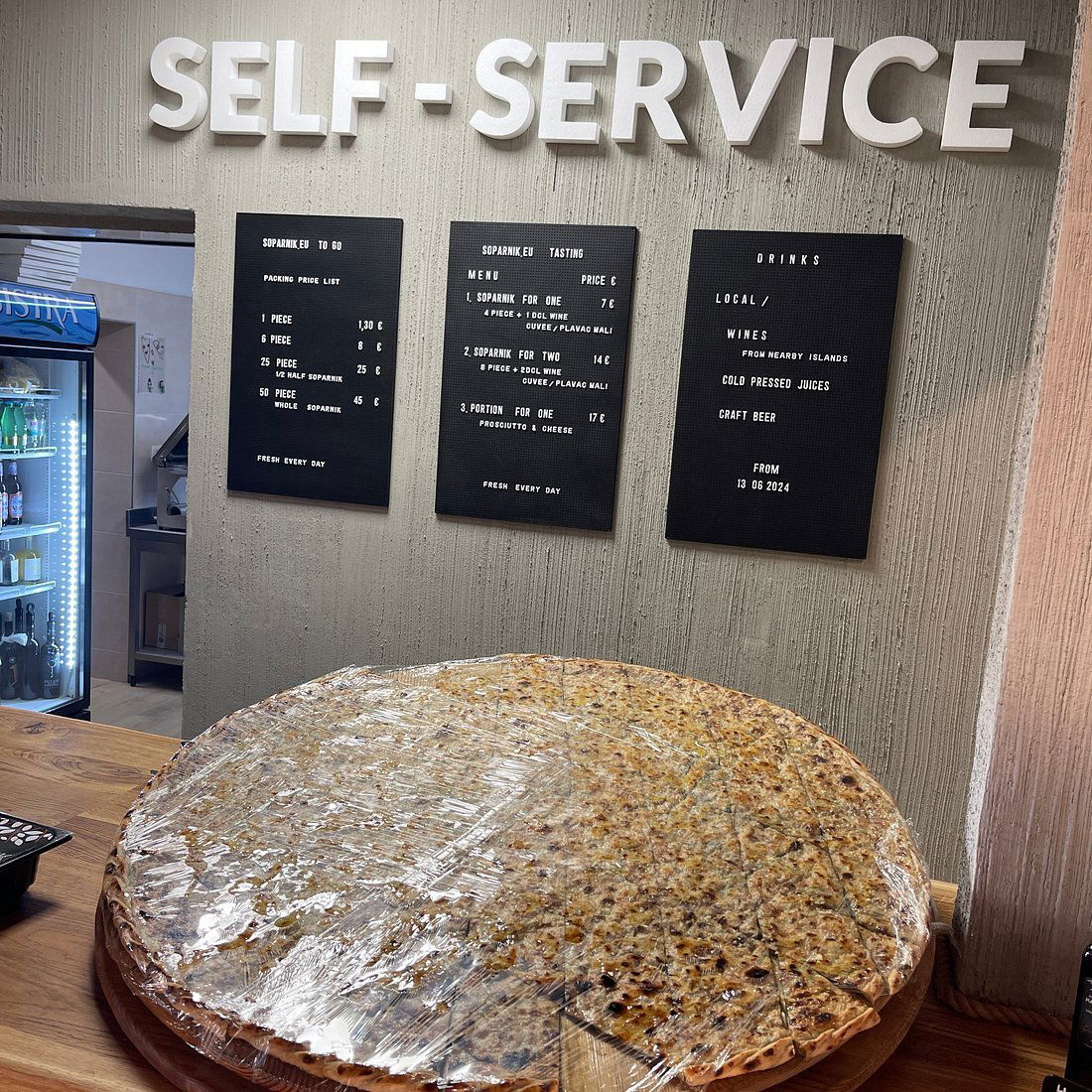
This is a destination for someone looking to experience a regional specialty rather than a full-service meal. As a takeaway point, it suits travelers passing through the Omiš hinterland, locals seeking a traditional snack or anyone curious about Poljica’s culinary heritage. The single-dish focus, soparnik made from chard, garlic and olive oil, makes it especially appropriate for solo visits or casual family stops, and for daytime eating when roadside tourism and local agriculture intersect. Don’t expect table service; expect authenticity.
Ordering Tips
Treat SOPARNIK.eu To Go as a takeaway counter: the operation is positioned for pick-up rather than dining in. Prioritize the soparnik itself, which has protected traditional status and a simple, ingredient-driven preparation, and eat it shortly after collection when flatbread textures and finishing oil are freshest. Because the venue is embedded in a small village setting, come prepared for minimal service amenities and focus on the food and the surrounding landscape rather than on a sit-down experience.
Venue details
Ambiance
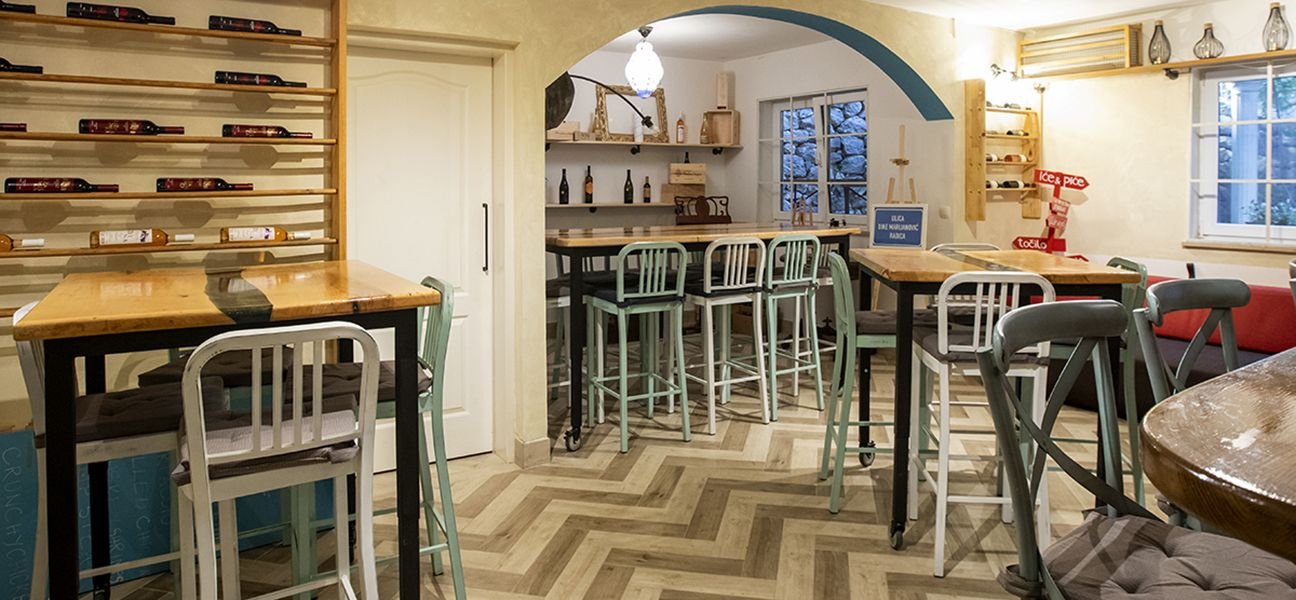
Rustic and authentic with live preparation demonstrations evoking traditional Croatian village atmosphere.
Tags
Vibe
Best For
Experience
Sourcing
At the Table
- Dress Code
- Casual
- Noise Level
- Conversational
- Service Style
- Casual
- Meal Pacing
- Quick Bite
- Capacity
- Small
- Kitchen
- Traditional
- Menu Format
- A la carte
- Dietary
- Vegetarian friendly
- Private Dining
- Available
Signature Dishes
Poljički soparnik
Know before you go
Know Before You Go
- Getting there
- Put Čažina doca 1, 21252, Tugare, Croatia
Planning details
Location
Also consider
Where to go if this does not fit the plan
For a fuller Croatian meal, choose Otok if €€ feels right, or Konoba Kala if the group wants a higher-spend konoba-style dinner.
For a more structured Omiš-area food stop, Arsana Tasting House is the cleaner alternative to plan around.
Restaurant context
Choose SOPARNIK.eu To Go - Tugare when value and flexibility matter more than a seated restaurant experience. Compared with Arsana Tasting House, it is the lower-commitment call: better for a quick local-food stop, weaker for anyone who wants a planned meal with more structure.
Konoba Kala is the stronger pick for a Croatian restaurant meal at a higher €€€ tier, while Otok is the better middle-ground option for Croatian food at €€. SOPARNIK.eu To Go - Tugare is easier to fit around a day in or near Omiš, but it should not be treated as the same category of experience.
If the group wants ambiance and a longer table, look at Konoba Kala, Otok, Nikola, or Konoba Vinotoka instead. If the priority is a simple regional stop with minimal planning friction, SOPARNIK.eu To Go - Tugare is the easier bet.
Explore Omis
Around this place
Discover more on Pearl
Unlock the full SOPARNIK.eu To Go - Tugare guide in Pearl, including awards, comparisons, FAQs, planning details, and nearby places.
Compare SOPARNIK.eu To Go - Tugare
| Venue | Location | Cuisine | Price | Awards |
|---|---|---|---|---|
| SOPARNIK.eu To Go - Tugare | Omis | , | , | No published awards |
| Arsana Tasting House | Omis | , | , | No published awards |
| Nikola | Split | , | , | No published awards |
| Konoba Kala | Supetar | Croatian | €€€ | Michelin Guide Croatia 20262026 Michelin Plate2025 Michelin Plate2024 Michelin Plate |
| Otok | Supetar | Croatian | €€ | Michelin Guide Croatia 20262026 Michelin Plate2025 Michelin Plate2024 Michelin Plate |
| Konoba Vinotoka | Supetar | , | , | No published awards |

.png?width=1200&quality=80)
How SOPARNIK.eu To Go - Tugare, Omis: Hours & Planning Notes compares with similar nearby venues.
FAQ
Frequently Asked Questions
What should a first-timer know about SOPARNIK.eu To Go - Tugare?
Plan around the hours and the casual dress code. The hours are Monday 10 AM–8 PM, Tuesday 10 AM–8 PM, Wednesday 9 AM–8 PM, Thursday 10 AM–8 PM, Friday 10 AM–9 PM, Saturday 10 AM–9 PM, and Sunday 9 AM–8 PM.
Does SOPARNIK.eu To Go - Tugare handle dietary restrictions?
Dietary and allergy details are not included. Ask the venue directly before you go, and compare other options such as Nikola or Arsana Tasting House if you need a different dining plan.
What should I wear to SOPARNIK.eu To Go - Tugare?
Casual clothing is the dress code for SOPARNIK.eu To Go - Tugare in Omis. There is no award, tasting-menu, or formal-service information listed.
What are alternatives to SOPARNIK.eu To Go - Tugare?
Other options to compare include Arsana Tasting House, Nikola, Konoba Kala, Konoba Vinotoka, and Otok. Use the latest details from each venue to decide which one best fits your schedule and preferred dining style.
Is lunch or dinner better at SOPARNIK.eu To Go - Tugare?
Opening hours are listed, not separate lunch or dinner service. It is open during the day and into the evening, with Friday and Saturday closing at 9 PM and the other days closing at 8 PM.