Restaurant in Okayama, Japan
Western Honshu Seasonal Precision
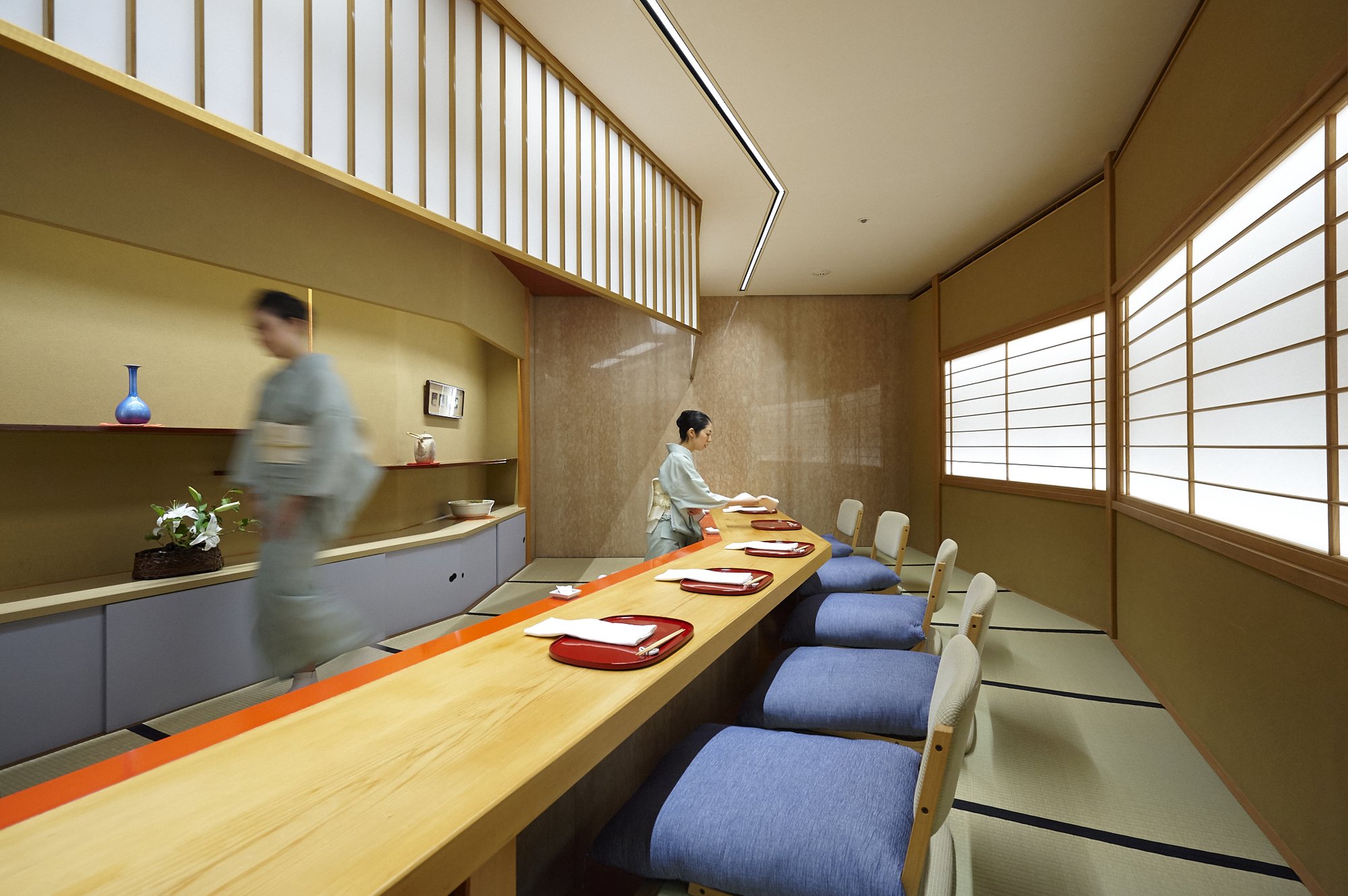
穂浪 in Okayama's Kita Ward makes a case for regional kaiseki on its own terms, not as a substitute for Kyoto. The intimate room and locally grounded seasonal menu reward returning visitors more than first-timers. Booking is more accessible than comparable tasting-menu venues in Osaka or Tokyo, which is a genuine advantage for travelers planning a San'yo region itinerary.
The assumption with lesser-known kaiseki venues in regional Japan is that you're settling for something beneath what you'd find in Kyoto or Tokyo. At 穂浪, located at 7-31 Banzancho in Kita Ward, Okayama, that assumption is worth revisiting. Okayama's dining scene is quieter than Osaka's or Kyoto's, which works in your favor here: less competition for seats, a more grounded pace, and a room that rewards the returning visitor who knows what they're walking into.
The space itself sets the tone before the first course arrives. Kita Ward's low-rise residential character shapes the approach — this is not a venue designed to announce itself. Inside, the spatial arrangement prioritizes intimacy at a scale that keeps service personal without being theatrical. If you've visited once and found the room understated, that's intentional. The counter or table configuration is built for focus on the progression of the meal, not on ambient spectacle. For a second visit, choose your seat with that in mind: positions that face the kitchen or preparation area typically offer more engagement with the sequence of the meal.
On the question of tasting menu architecture, the format at a venue like 穂浪follows the logic of kaiseki: each course exists in deliberate relationship to the next, with seasonal produce from the San'yo region anchoring the progression. Okayama's agricultural output , Pione grapes, white peaches, Hiruzen dairy , gives kitchens in this city a distinct local larder to work from. If you're visiting in the current season, the menu's middle courses tend to be where that local specificity is most visible, bridging the lighter opening preparations and the more substantial rice or noodle closing sequence. For a returning guest, the shift in those middle courses between seasons is the clearest signal of how the kitchen is thinking.
Booking is direct by the standards of Japan's tasting-menu circuit. Where venues like Gion Sasaki in Kyoto or Harutaka in Tokyo require planning weeks or months ahead and often favor Japanese-speaking callers, Okayama's relative profile means access is more realistic for visitors without an agent or hotel concierge doing the work. That said, approach booking with lead time rather than spontaneity , walk-ins are not the format here.
For context on where 穂浪sits in a broader Japan itinerary: it occupies a different register than destination restaurants such as HAJIME in Osaka or akordu in Nara, both of which carry significant critical weight and price points to match. 穂浪is better framed as the kind of venue that makes an Okayama stopover worthwhile on its own terms , not a compromise, but a different kind of argument for why regional Japan dining repays attention.
If you're building an itinerary around the region, Pearl's full Okayama restaurants guide covers the wider field, and the Okayama hotels guide is useful for pairing accommodation without overcomplicating logistics. The Okayama bars guide and experiences guide round out the picture if you're spending more than a night.
Quick reference: Kita Ward, Okayama , tasting menu format , booking recommended in advance , intimate room, focus-forward layout.
Keep this venue in your Pearl passport, rate it after you visit, and track it alongside every other place you collect.
