
Zandunga
Mexican · 2006700010929, Oaxaca
Restaurant in Oaxaca, Mexico
 Book with Pearl
The Read
Open-Roof Masa Tradition
Price
$20–30per person
Dress
Casual
Why go
A Michelin Plate-recognized courtyard restaurant in Oaxaca's Centro serving grounded regional cooking at mid-range prices. Zandunga is the practical entry point for traditional Oaxacan food before spending more elsewhere: garnachas, mole negro tamales, and a sampler platter that covers the menu efficiently. At $$, the value case is strong.
About Zandunga
Should You Book Zandunga?
If you have eaten at Zandunga once, a return visit will tell you two things quickly: the courtyard still earns its reputation, and the kitchen keeps its focus on traditional Oaxacan regional cooking without drifting toward trend-chasing. That consistency is the reason to come back. For a first-timer weighing options on Calle García Vigil, Zandunga is the cleaner call than spending more at Casa Oaxaca before you have a baseline for what Oaxacan cooking actually tastes like at its most grounded. The Michelin Plate recognition it received in 2024 is a useful trust signal: it means the guide found the kitchen executing reliably, not just serving photogenic food in a pretty room.
The Room and the Atmosphere
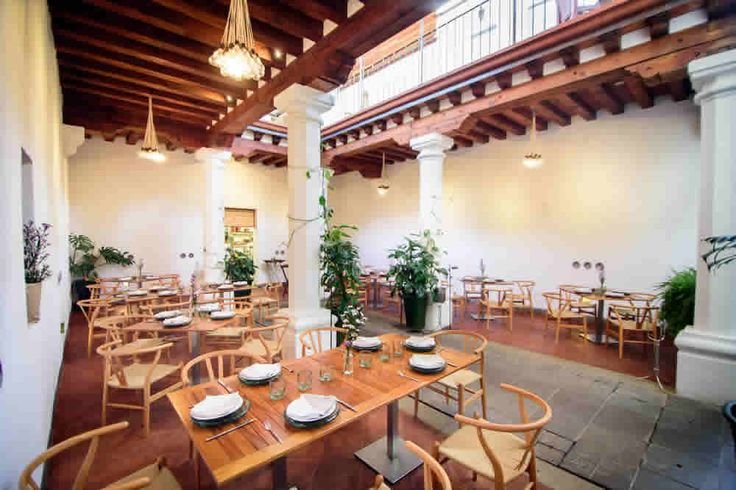
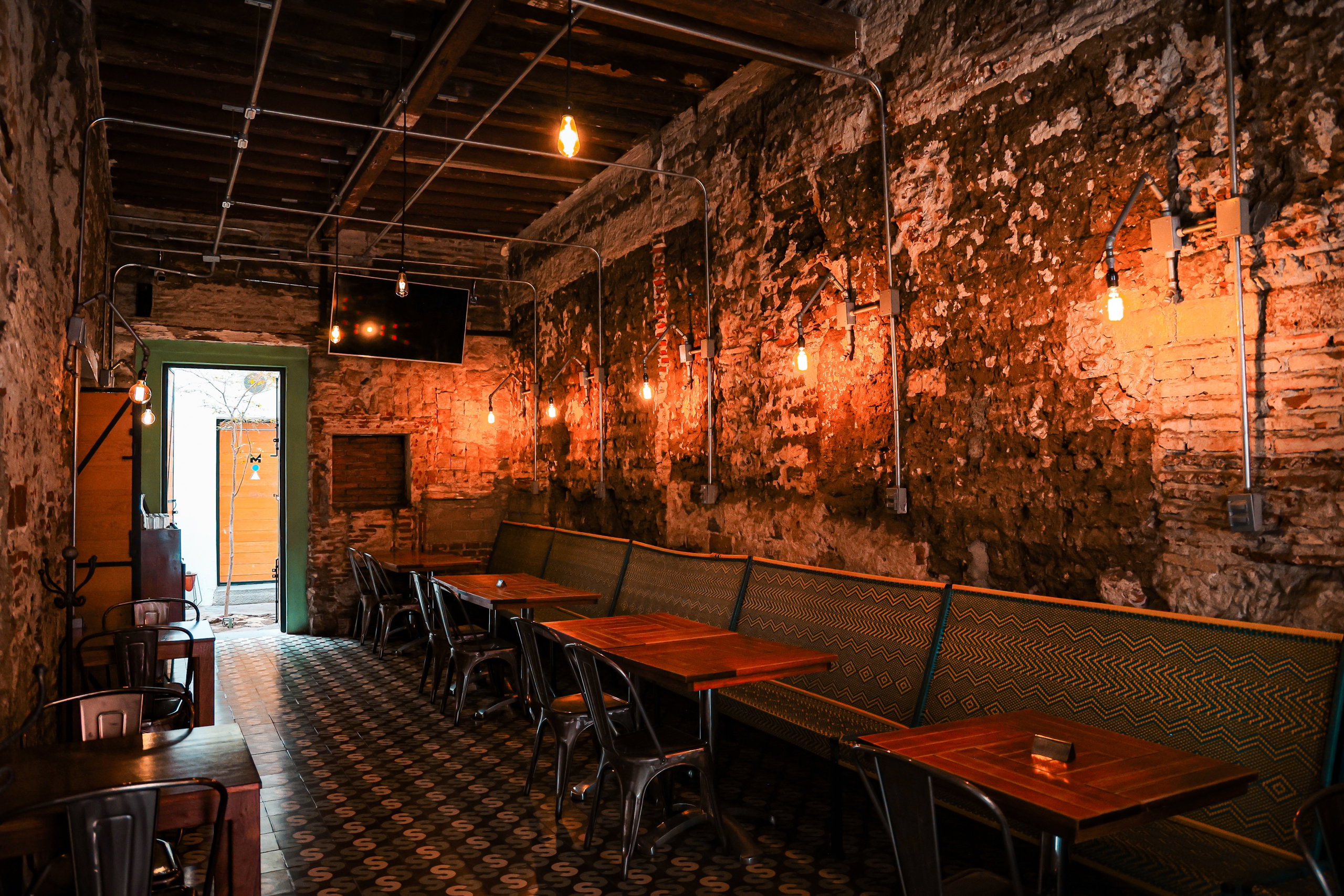
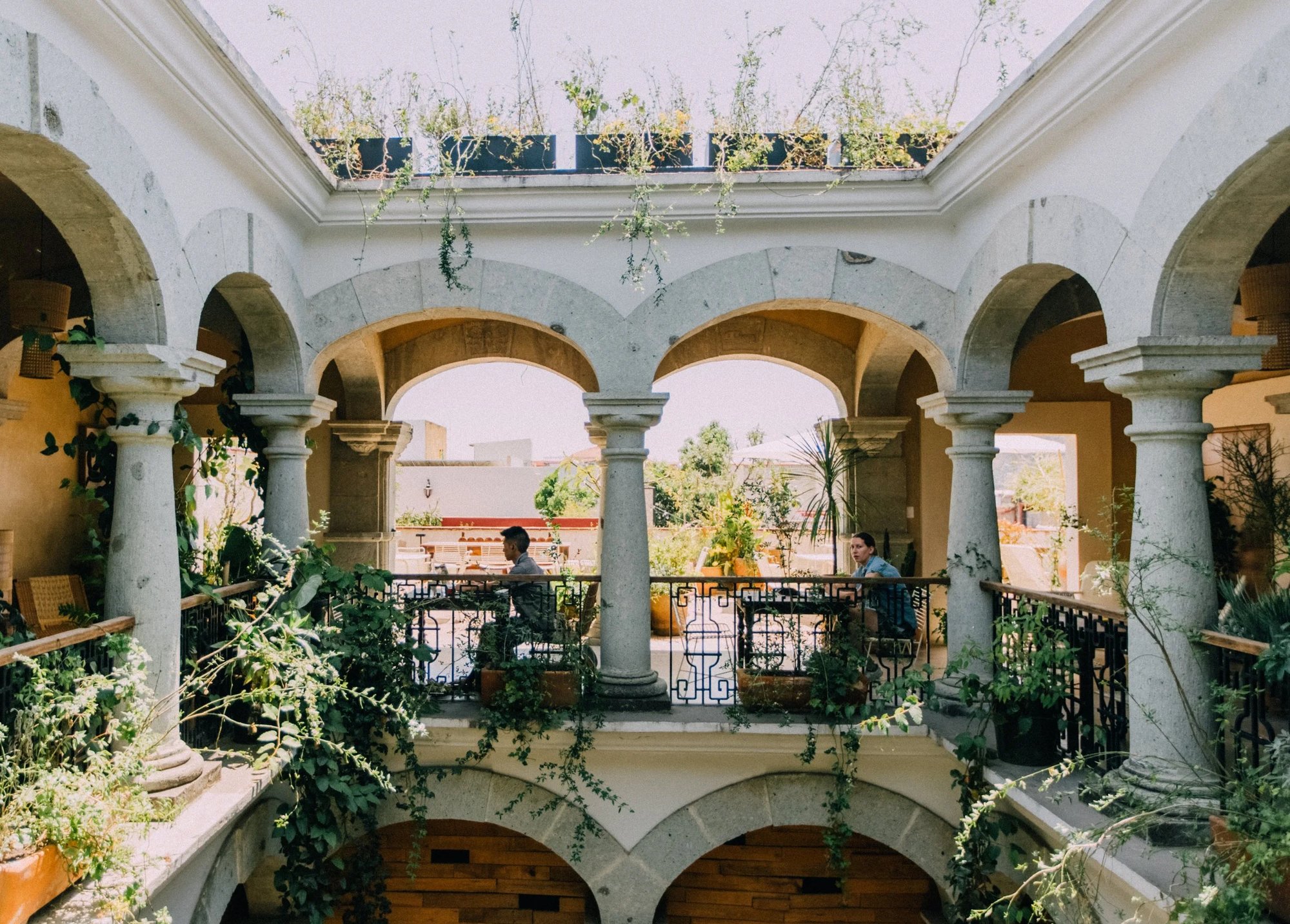
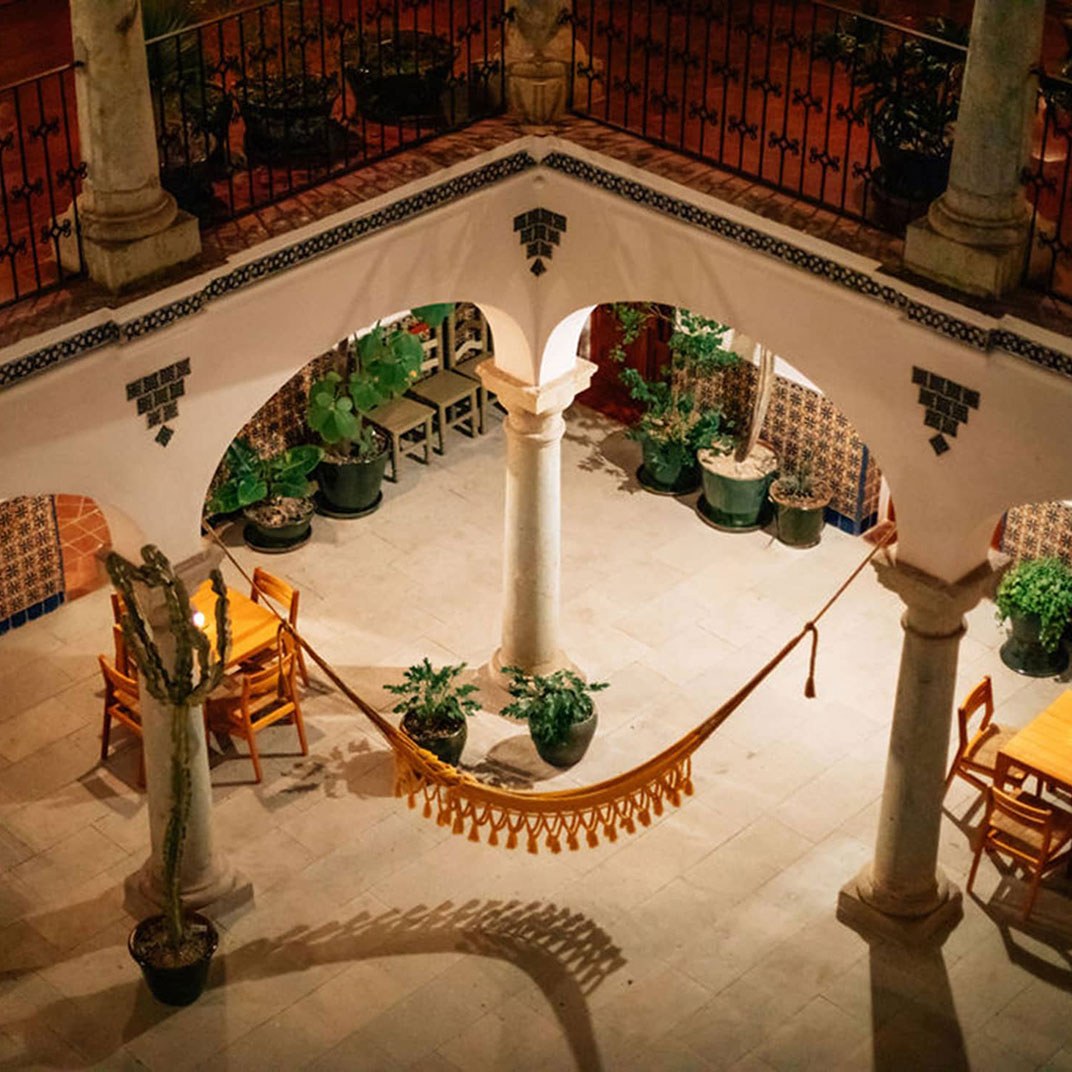
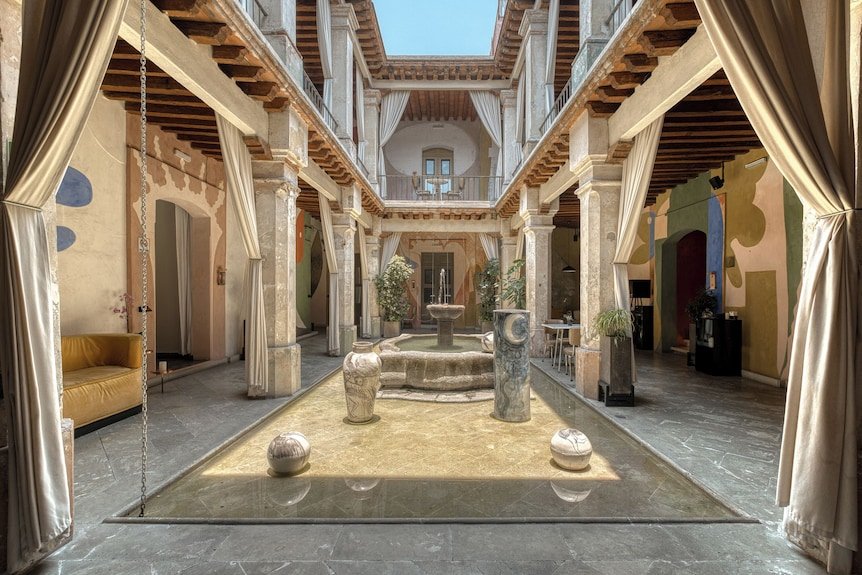
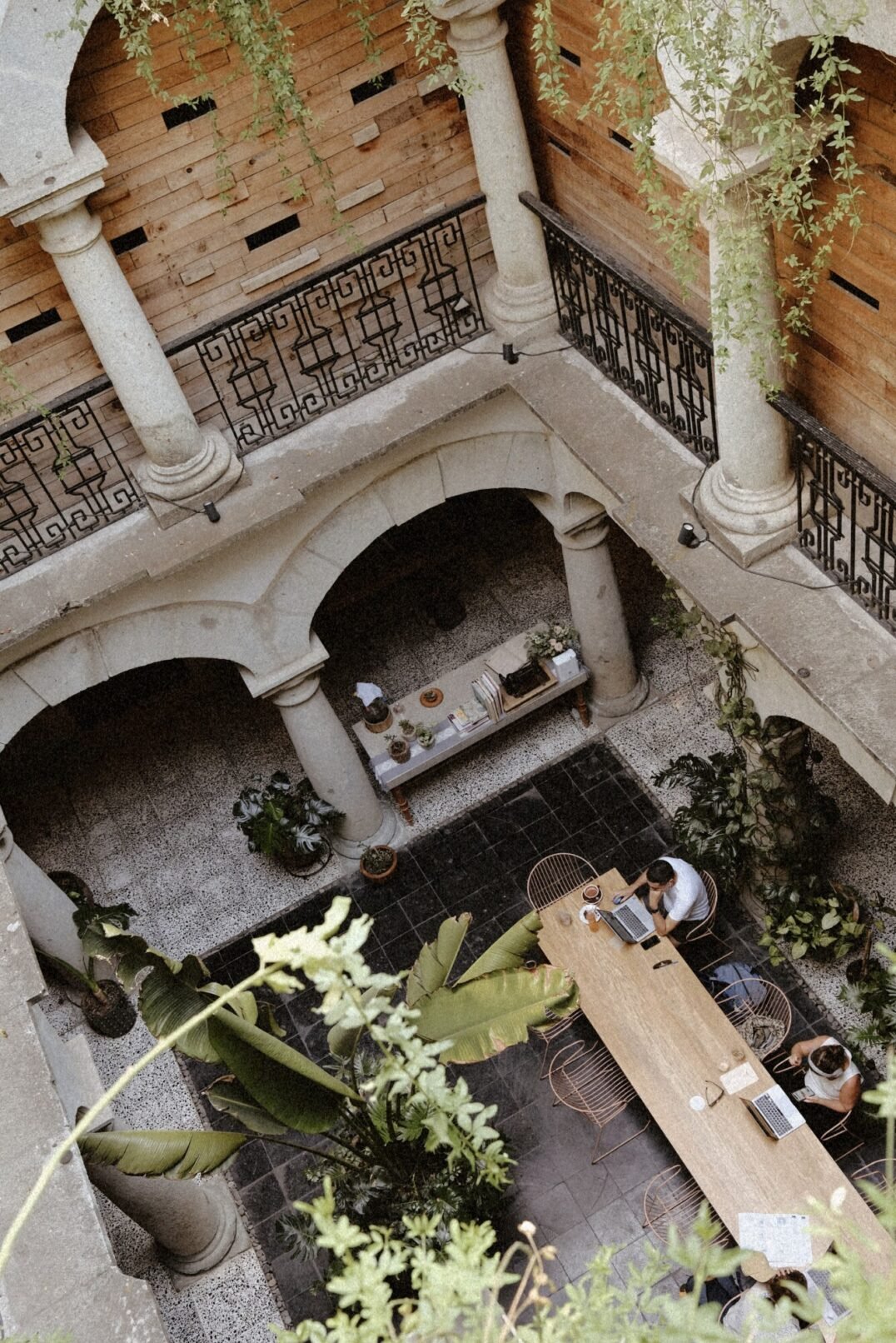
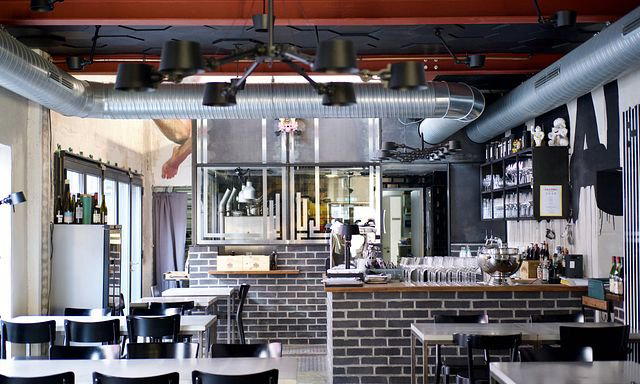
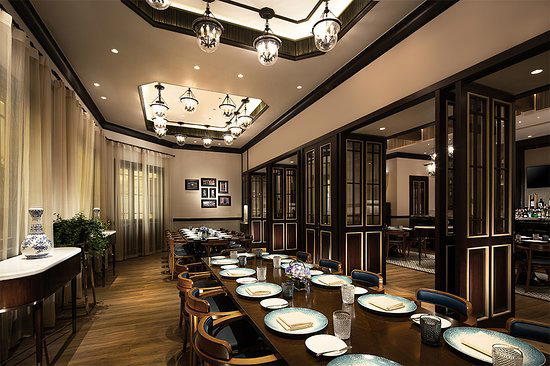
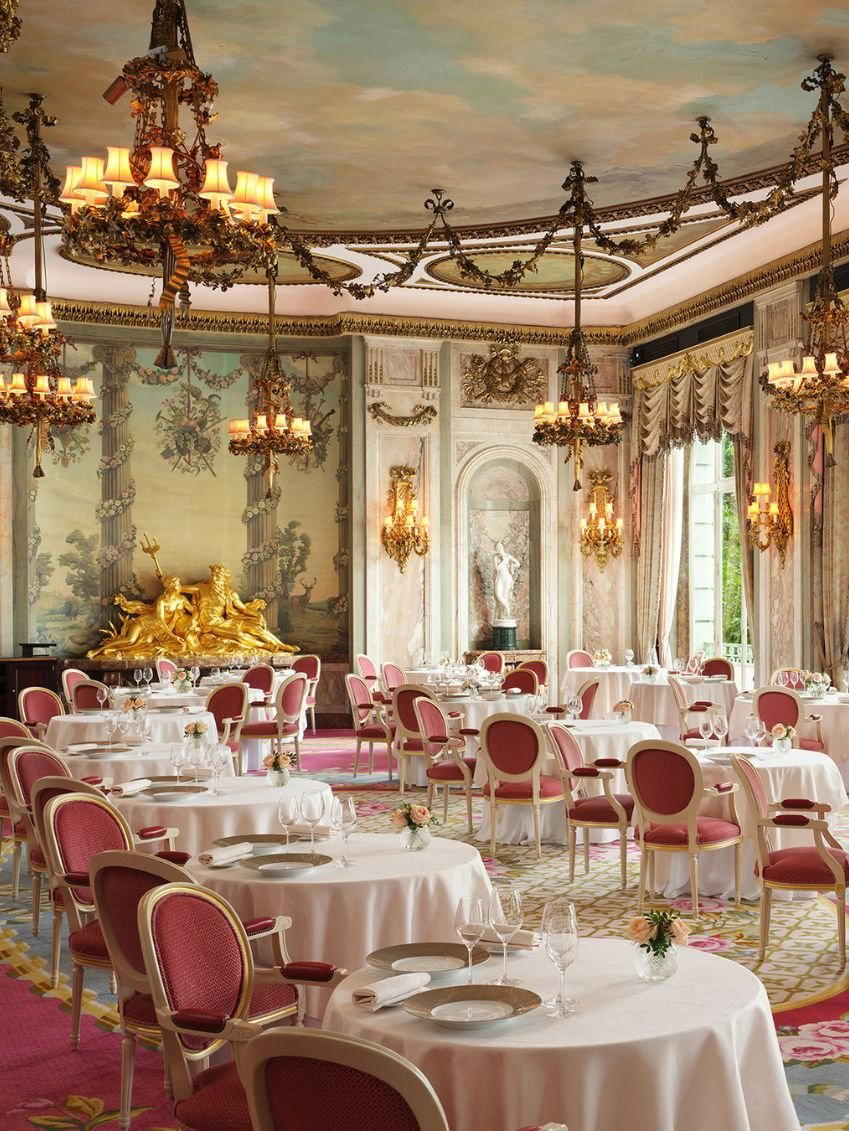
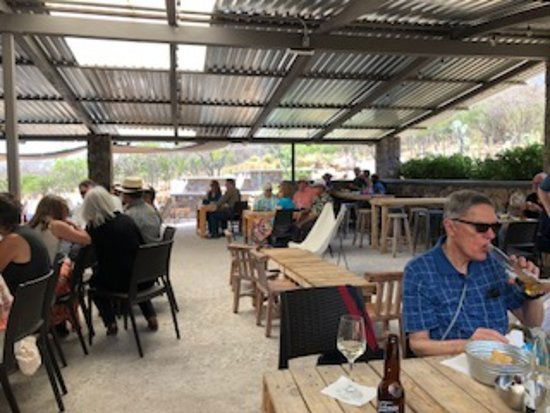
The courtyard format shapes everything about dining here. An open roof lets light fall through at angles that shift from bright midday white to something warmer in the late afternoon, and the ambient noise level sits at a comfortable conversational pitch for most of the service period. Pottery, textiles, and paintings by Oaxacan artists cover the walls, which gives the room a density of local craft that does not feel staged. The wooden tables are substantial and well-spaced. This is not a loud, electric room the way some Centro spots get after 8 PM; the mood is relaxed without being dull. If atmosphere matters to your decision, the open-air courtyard format makes Zandunga a better daytime-to-early-evening option than a late-night one.
What to Order and When It Matters
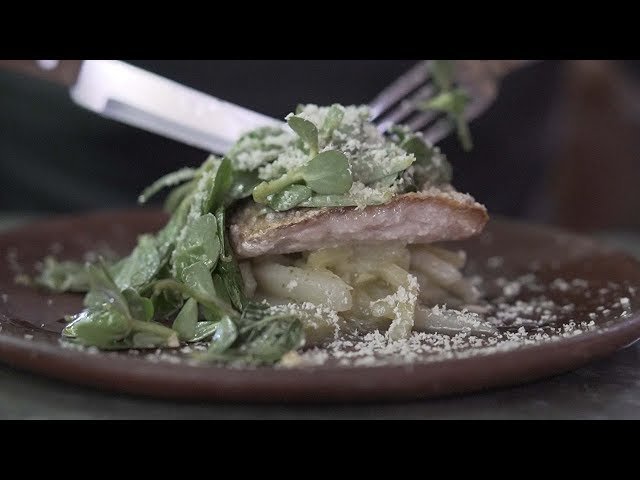
The menu at Zandunga is anchored in traditional Oaxacan preparations, and the most practical way to approach it, especially on a first visit or when dining with people who want range, is the sampler platter. It covers the dishes the kitchen does consistently well: garnachas topped with shredded beef and pickled cabbage, crispy plantains stuffed with cheese and crema, and tamales prepared with mole negro, sweet corn, or raisins. The combination of masa-forward dishes with the plantain preparation shows two different textural registers that work well together.
Seasonal angle matters here because Oaxaca's produce calendar affects what regional tamale and mole preparations are at their most expressive. Corn-based preparations, including tamales, are generally at their leading during and just after the summer harvest season, roughly July through September, when local masa is freshest. If you are visiting in that window, the sweet corn tamale in particular is worth prioritizing. Outside that period, the mole negro tamale is the more reliable anchor, since Oaxacan black mole is a preparation that does not depend on seasonal produce in the same direct way. The garnachas are a consistent order year-round given the preparation relies on preserved and braised components rather than highly seasonal ingredients.
For the price tier, Zandunga sits at $$, which in Oaxaca's Centro context means you can eat a full meal with multiple dishes for a fraction of what the tasting-menu format at Criollo would cost. The value-per-dish ratio is one of the better ones in the Centro corridor, and the sampler platter format specifically gives you coverage across the menu without having to order six separate items.
Booking and Logistics
Zandunga is easy to book by Oaxaca standards. No advance reservation system is on record, and the courtyard's capacity means walk-in access is generally realistic, though arriving ahead of the midday and early-evening peaks reduces wait time. The address is C. de Manuel García Vigil 512-E in Centro, direct to reach on foot from most of the central accommodation options covered in our full Oaxaca hotels guide.
Know Before You Go
- Price range: $$ — mid-range for Oaxaca Centro; full meals with multiple dishes are accessible without budget stress
- Recognition: Michelin Plate (2024)
- Booking difficulty: Easy, walk-in generally viable; arrive before peak lunch or early dinner to avoid waits
- Address: C. de Manuel García Vigil 512-E, Centro, Oaxaca de Juárez
- Leading timing: July to September for corn-based preparations at peak; year-round for mole negro and garnachas
- Format: Open-air courtyard; works better for daytime and early evening than late-night dining
- Group approach: Sampler platter is the practical move for tables wanting range without over-ordering
How It Compares
See the comparison section below for how Zandunga sits against Levadura de Olla Restaurante, Los Danzantes Oaxaca, Alfonsina, Almú, and Ancestral Cocina Tradicional in the broader Oaxaca dining picture.
Pearl's Verdict
Zandunga is the right call if you want traditional Oaxacan regional cooking in a room that earns its atmosphere without charging for it. For Mexican cooking elsewhere in the country, Pujol in Mexico City, Expendio de Maíz in Mexico City, and Le Chique in Puerto Morelos each represent different price points and formats worth knowing. But for what Zandunga is doing, which is grounded, recognizable Oaxacan food served in a courtyard worth sitting in, it is difficult to argue against booking it. Check our full Oaxaca restaurants guide if you are building a broader itinerary, and pair it with a look at our Oaxaca bars guide for mezcal options nearby. If you are extending the trip regionally, Animalón in Valle de Guadalupe, KOLI Cocina de Origen in Monterrey, and Lunario in El Porvenir are worth the research. HA' in Playa del Carmen and Escondido in Seoul round out the Mexican cooking picture if you are tracking the format globally.
Planning details
- Location
- C. de Manuel García Vigil 512-E, RUTA INDEPENDENCIA, Centro, 68000 Oaxaca de Juárez, Oax., Mexico
- Reservations
- Book on the venue's website
- Website
- zandungasabor.com
- Phone
- +52 951 516 2265
The take
The Take
The Vibe
Zandunga presents itself through a courtyard-first aesthetic: an open roof funnels daylight into a communal space anchored by wooden tables and walls hung with pottery, textiles and paintings sourced from local artists. The setting reads like a neighborhood courtyard rather than a formal dining room, and that informality is part of the appeal. The kitchen leverages Oaxacan regional cooking, delivering reliably good plates — a 2024 Michelin Plate and a strong Google rating underscore a consistent, homegrown quality. Overall, the place feels warm and grounded, steeped in local craft and the long tradition of courtyard dining in Centro Histórico.
Best For
Zandunga suits mid-price dinners with a social bent: groups, casual hangouts and modest celebrations find the courtyard format congenial. The room’s communal rhythm and shareable Oaxacan plates make it easy to order across a few dishes and pass plates around, so it’s well matched to small gatherings and visitors exploring Centro Histórico. It’s not a tasting-menu destination; instead it offers a reliable, regionally focused meal that rewards anyone looking for authentic Oaxacan flavors without the upper-tier formality that comes with destination fine dining.
Ordering Tips
Approach the menu as a progression rather than a single tasting sequence: the write-up notes that garnachas ‘anchor the opening move’ — a crisp masa base layered with shredded beef and pickled cabbage — so start there. From that opening, move to heartier traditional items: the signature cochito horneado, tamales and enchiladas de mole negro are highlighted in the venue’s roster and exemplify the Oaxacan focus. Expect to share plates and build a sequence of starters and mains; the kitchen aims for thoughtful execution over experimental formality, so order what looks authentic and let the progression evolve naturally.
Venue details
Ambiance
Colorful, spacious courtyard with sunlight through open roof, adorned with local pottery, textiles, and art; warm, vibrant, and welcoming atmosphere.
Tags
Vibe
Best For
Experience
Accessibility
At the Table
- Dress Code
- Casual
- Noise Level
- Conversational
- Service Style
- Upscale Casual
- Meal Pacing
- Standard
- Capacity
- Medium
- Kitchen
- Traditional
- Menu Format
- A la carte, Family style, Small plates
- Wine Program
- Curated
- Drinks Focus
- Mezcal
- Dietary
- Vegetarian friendly, Vegan options, Gluten-free options
Signature Dishes
- cochito horneado
- garnachas
- tamales
- enchiladas de mole negro
Know before you go
Know Before You Go
- Getting there
- C. de Manuel García Vigil 512-E, RUTA INDEPENDENCIA, Centro, 68000 Oaxaca de Juárez, Oax., Mexico
Planning details
Location
C. de Manuel García Vigil 512-E, RUTA INDEPENDENCIA, Centro, 68000 Oaxaca de Juárez, Oax., Mexico · Directions
Recognition and awards
Also consider
Also Consider
- Casa Oaxaca, Oaxacan, $$$
- Criollo, Mexican, $$$$
- Itanoní, Mexican, $
- Levadura de Olla Restaurante, Mexican, $$
- Labo Fermento, Asian, $$
Restaurant context
Zandunga and Levadura de Olla Restaurante occupy the same price tier (both $$) and share a commitment to traditional Oaxacan technique, but they read differently as experiences. Levadura de Olla has a more fermentation-forward and research-driven kitchen identity, which makes it the better call if you want to see where the tradition is being reinterpreted. Zandunga is the more accessible entry point if you want the cooking presented straightforwardly without a conceptual frame around it. For a first visit to Oaxaca, Zandunga's sampler platter and courtyard format give you better orientation value at the same spend.
Criollo operates at $$$$ and represents a considerably higher spend for a tasting-menu format. It is worth it if you want a structured progression through Oaxacan ingredients with more technical ambition, but it is not the right starting point before you have a grounding in what the baseline cooking looks like. Zandunga at $$ is a sensible precursor. Itanoní at $ goes even further toward the utilitarian end: it is a masa and corn-focused operation with minimal atmosphere and maximum focus on the ingredient. If your primary interest is corn variety and tortilla craft rather than a full meal in a room worth sitting in, Itanoní is the more pointed choice. For the combination of atmosphere, menu range, price, and Michelin recognition, Zandunga is the easiest recommendation for a value-conscious diner who wants more than a quick snack stop.
Labo Fermento is an outlier in this set, bringing an Asian-influenced approach at the same $$ price point. It is worth knowing about if you want something outside the Oaxacan tradition during a longer stay, but it is not a substitute for Zandunga if the goal is understanding regional Mexican cooking. For that, Zandunga with its 2024 Michelin Plate remains the most broadly defensible option in the $$ category.
Explore Oaxaca
Around this place
Discover more on Pearl
Unlock the full Zandunga guide in Pearl, including awards, comparisons, FAQs, planning details, and nearby places.
Compare Zandunga
| Venue | Cuisine | Price | Booking Difficulty | Awards |
|---|---|---|---|---|
| Zandunga | Mexican | $$ | Easy | Michelin Guide Mexico 20262025 Michelin Plate2024 Michelin Plate |
| Casa Oaxaca | Oaxacan | $$$ | Unknown | 2026 OAD Top Restaurants in North America Ranked · #80Michelin Guide Mexico 20262026 La Liste Top Restaurants2025 OAD Top Restaurants in North America Ranked · #682025 Michelin Plate2025 La Liste Top Restaurants2024 OAD Top Restaurants in North America Ranked · #452024 Michelin Plate2023 OAD Top Restaurants in North America Ranked · #61 |
| Criollo | Mexican | $$$$ | Unknown | 2026 OAD Casual in North America Ranked · #40Michelin Guide Mexico 20262026 La Liste Top Restaurants2025 OAD Casual in North America Ranked · #352025 La Liste Top Restaurants2025 Michelin Plate2024 OAD Casual in North America Ranked · #322024 Michelin Plate2023 OAD Casual in North America Ranked · #114 |
| Itanoní | Mexican | $ | Unknown | 2026 OAD Cheap Eats in North America Ranked · #81Michelin Guide Mexico 20262025 OAD Cheap Eats in North America Ranked · #1392025 Michelin Plate2024 OAD Cheap Eats in North America Ranked · #462024 Michelin Plate2023 OAD Cheap Eats in North America in Ranked · #39 |
| Levadura de Olla Restaurante | Mexican | $$ | Unknown | 2026 OAD Casual in North America Ranked · #85Michelin Guide Mexico 20262025 Michelin 1 Star2024 Michelin 1 Star |
| Labo Fermento | Asian | $$ | Unknown | Michelin Guide Mexico 20262025 Michelin Bib Gourmand |
.png?width=1200&quality=80)




What to weigh when choosing between Zandunga and alternatives.
FAQ
Frequently Asked Questions
Is Zandunga good for solo dining?
Yes. The open courtyard format with individual wooden tables means solo diners are not confined to a bar counter or awkward corner. At $$, the sampler platter is particularly practical for a solo visit — it lets one person work through garnachas, plantains, and tamales without over-ordering. The daytime light through the open roof also makes it a comfortable place to sit alone without feeling rushed.
Does Zandunga handle dietary restrictions?
The menu is anchored in traditional Oaxacan preparations — masa, mole negro, plantains, queso — so vegetarian options exist across the menu without special requests. That said, the kitchen's focus is on regional authenticity rather than dietary customisation, and specific allergy protocols are not documented. If you have serious dietary restrictions, flag them when you arrive rather than assuming the menu will be labelled.
Can Zandunga accommodate groups?
The courtyard is spacious enough to handle groups comfortably, and the room's layout with large wooden tables suits parties better than many smaller Centro restaurants. The sampler platter format is well suited to shared dining. No private dining or advance group booking system is on record, so larger parties should arrive early or during off-peak hours to secure adequate space.
What should a first-timer know about Zandunga?
Zandunga holds a Michelin Plate (2024) and prices at $$, which puts it in the range where the value is genuinely good for what you get. Walk-in access is generally manageable given the courtyard's capacity. The room — open-roofed, decorated with local pottery, textiles, and paintings — is part of the experience, so dining at midday, when light comes through the open roof, is worth timing if you can.
What should I order at Zandunga?
The sampler platter is the most efficient first-visit order: it covers garnachas (fried masa with shredded beef and pickled cabbage), crispy plantains stuffed with queso and crema, and tamales prepared with mole negro, sweet corn, or raisins. If you are ordering individually, start with the garnachas — the masa preparation is the kitchen's clearest signal of what it does with traditional technique.