.png?width=1200&quality=80)
Octo
Asian Contemporary · Midtown South-Flatiron-Union Square, New York City
Restaurant in New York City, United States
 Book with Pearl
The Read
Junghwa Counter Cooking
Price
$50–100per person
Chef
Segeun Song
Dress
Smart Casual
Why go
Octo is worth booking for an easy Midtown Asian Contemporary meal when convenience matters as much as culinary credibility. The $$ price point, broad hours, and Michelin Plate recognition make it a practical lunch, Sunday daytime, or casual special-occasion choice, while Korean-focused peers make more sense for barbecue or a louder group night.
About Octo
Book Octo if the goal is an Asian Contemporary meal in New York City with a $$ price point, broad opening hours, smart casual dress, and a Michelin Plate marker for 2025. The strongest reasons to consider it are practical: it is open daily and has a chef/owner, Segeun Song, attached to an Asian Contemporary format.
Because public details are limited, Octo is best framed carefully: not as a restaurant defined by a specific dish, seating format, tasting menu, drinks program, or neighborhood hook, but as a New York City option with clear basic planning information. The Asian Contemporary category gives diners a general sense of the kitchen's direction, while the $$ price level helps set expectations before visiting.
A New York City choice with broad hours, not a tasting-menu night
The clearest planning advantage is the schedule. Octo is listed as open from 11:30 AM to 10:30 PM Monday through Thursday, 11:30 AM to 2 AM on Friday and Saturday, and 11 AM to 10 PM on Sunday. That makes it easier to consider for daytime, evening, or late-night weekend plans without assuming a specific meal format beyond the posted hours.
At $$, the value equation is direct: Octo can make sense when the table wants Asian Contemporary cooking in New York City without moving into a higher-priced splurge category. The Michelin Plate recognition adds a trust signal, but it should not be confused with a tasting-menu structure, a particular service style, or a named signature dish. If the plan is to compare Octo with another named option, Hyun is one relevant point of reference. Dons Bogam is another option to weigh.
Current menu details are not available, so the safest approach is to review the current menu before visiting and choose based on the table's appetite, budget, and timing. The Asian Contemporary label is directional rather than proof of any specific dish, course format, or beverage focus.
Where it sits among other dining options
Octo is easiest to recommend when the priority is a New York City Asian Contemporary restaurant with clear practical basics: chef/owner Segeun Song, $$ pricing, smart casual dress, daily hours, and Michelin Plate recognition for 2025. HOWOO, Tosokchon NYC, and Soju Haus may be worth comparing when the group is considering other named options, while Hyun and Dons Bogam provide additional points of reference.
For a broader New York City dining plan, compare Octo with other unnamed dining rooms across the city based on cuisine, price, timing, and how formal the group wants the meal to feel. The full New York City restaurants guide can help decide whether Octo fits the itinerary or whether another New York City restaurant is a better match.
The practical verdict: choose Octo for Asian Contemporary cooking in New York City, a $$ price point, smart casual dress, broad weekly hours, and a 2025 Michelin Plate. Compare Hyun, Dons Bogam, HOWOO, Tosokchon NYC, or Soju Haus if another named option better matches the meal you want.
Planning details
- Location
- 1 E 33rd St, New York, NY 10016
- Reservations
- Book on Resy
- Website
- octo.nyc
- Phone
- (646) 833-7864
The take
The Take
The Vibe
Octo sits at the intersection of Koreatown energy and Murray Hill ease, presenting Korean-Chinese (Junghwa) cuisine in an approachable package. The restaurant reads as neighborhood-minded rather than theatrical: family ownership and a mid-price, à la carte format keep the focus squarely on food and familiar comforts. The kitchen, led by Chef Segeun Song, leans on Chinese technique and Korean flavor frameworks, which gives the dining room a quietly confident, warm presence. It’s polished without being precious — a place that feels welcoming to regulars and curious visitors alike.
Best For
Octo is best for groups and informal business dinners that want solid, flavor-forward cooking without the formality of a tasting menu. The menu’s Korean-Chinese crossover works well for shared tables or multi-course à la carte ordering, so it’s a natural pick for group dining. Its accessible price point and straightforward service also make it a comfortable option for casual hangouts after work or casual meals with friends. The family-backed operation and kitchen-led approach keep the experience reliably centered on the food.
Ordering Tips
Order à la carte and concentrate on the kitchen’s signature hallmarks: the Peking black duck, beef tangsuyuk, cumin pork back ribs and handmade dumplings are all highlighted specialties. Given Octo’s Korean-Chinese focus, balance richer plates (like the duck and ribs) with lighter, textural dishes such as the dumplings to vary flavors and pacing. The à la carte format invites mixing small and larger plates so diners can sample multiple specialties — plan for a few shared plates to get a rounded sense of the menu.
Venue details
Ambiance
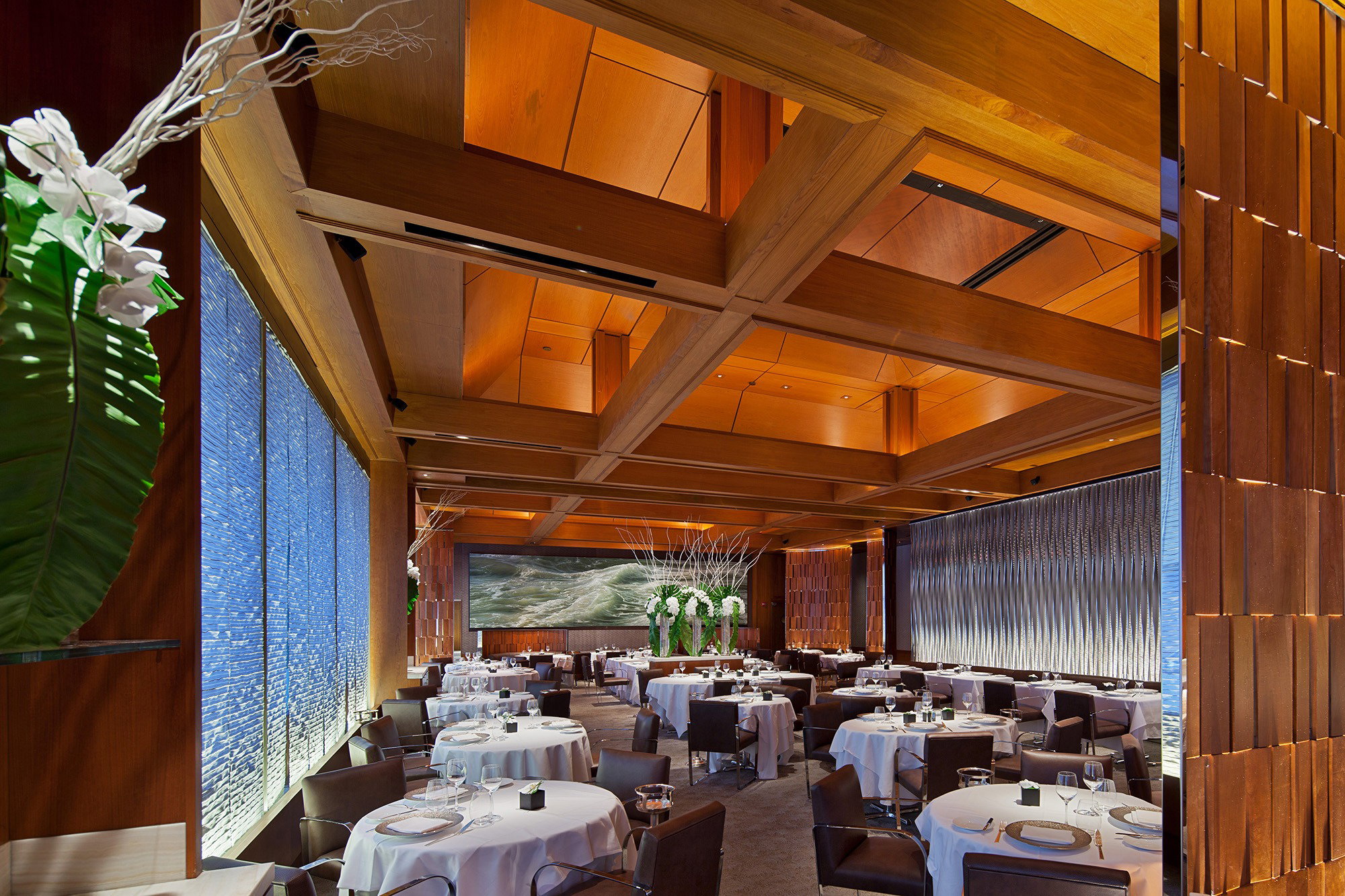
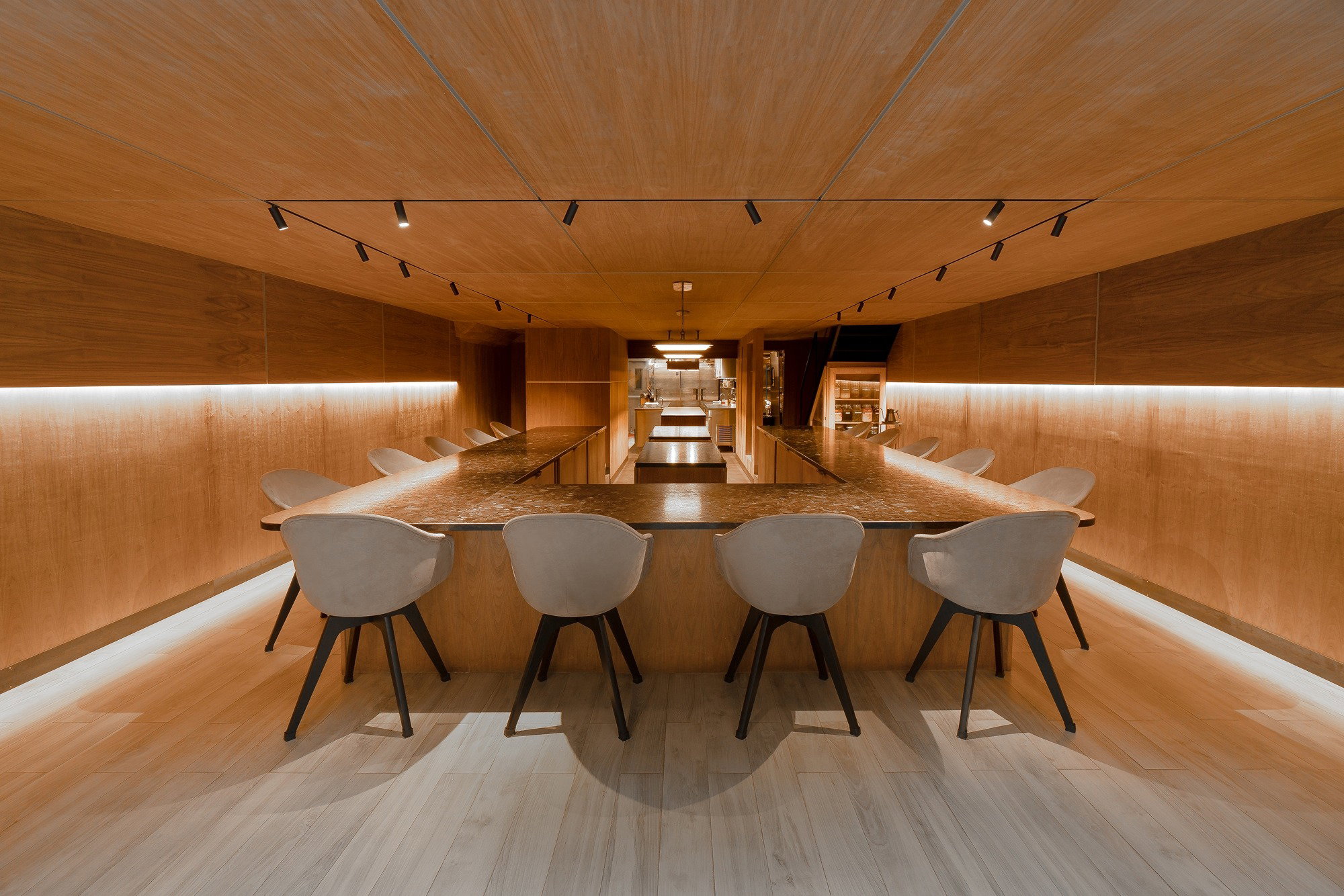
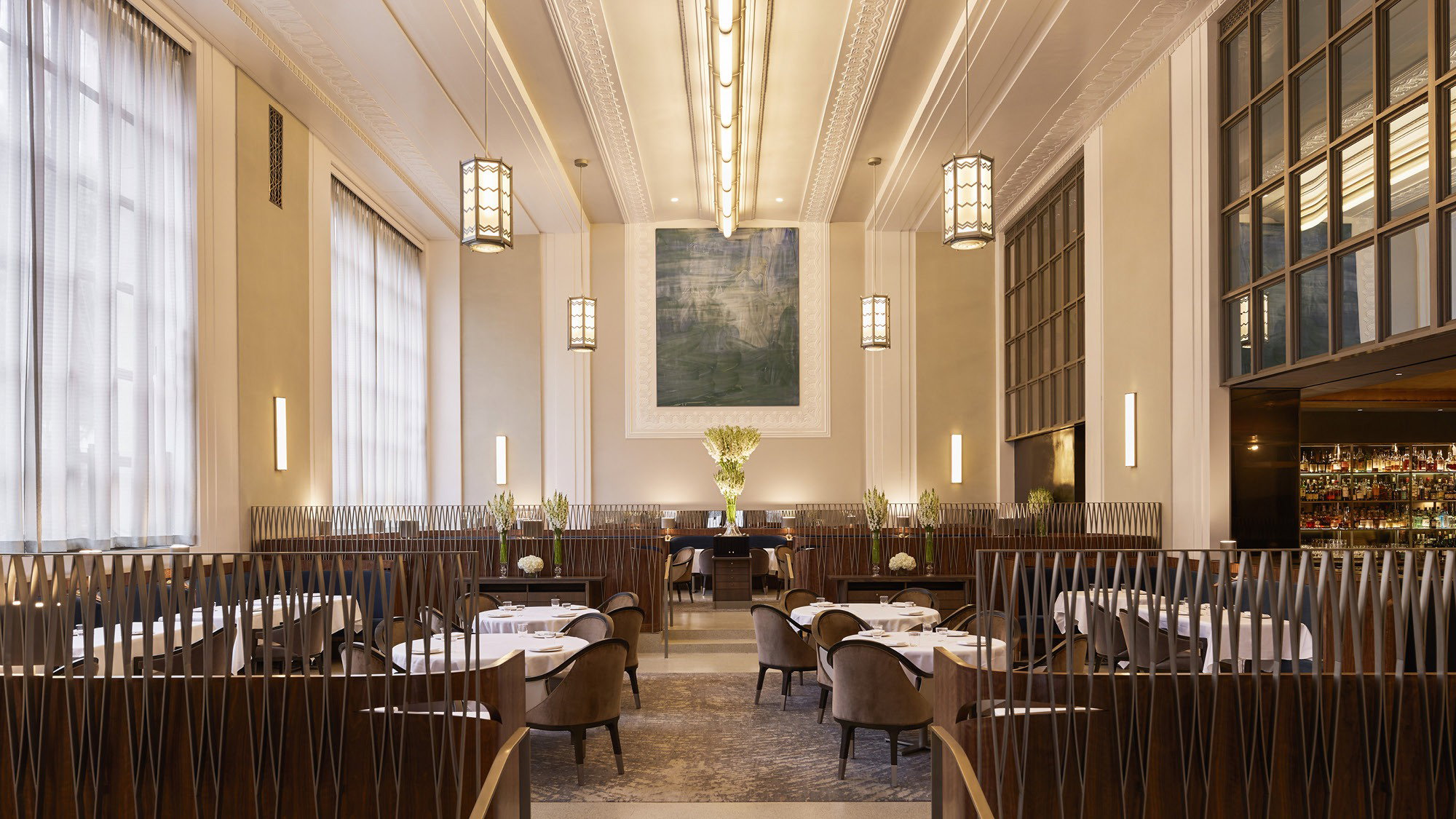
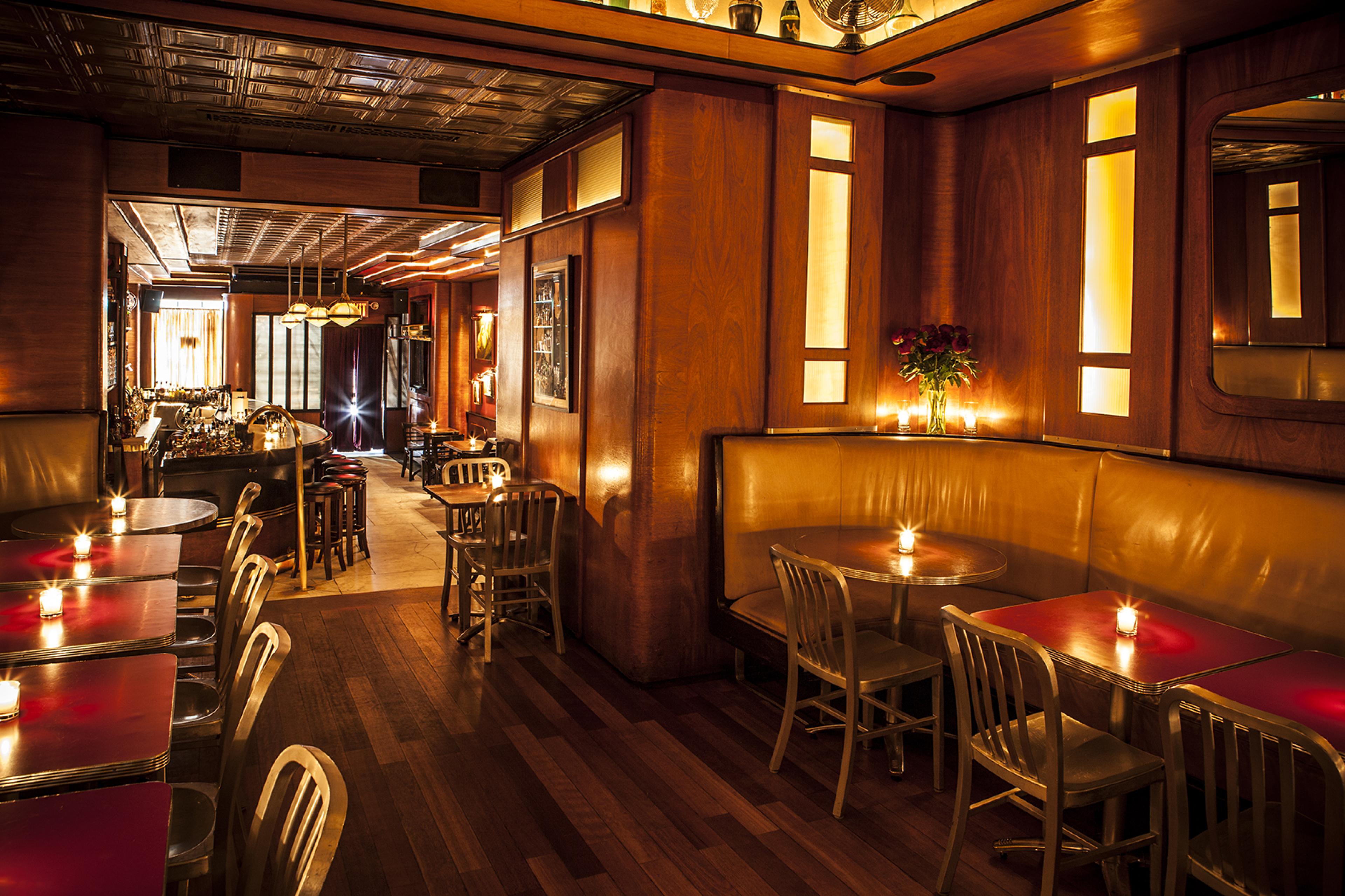
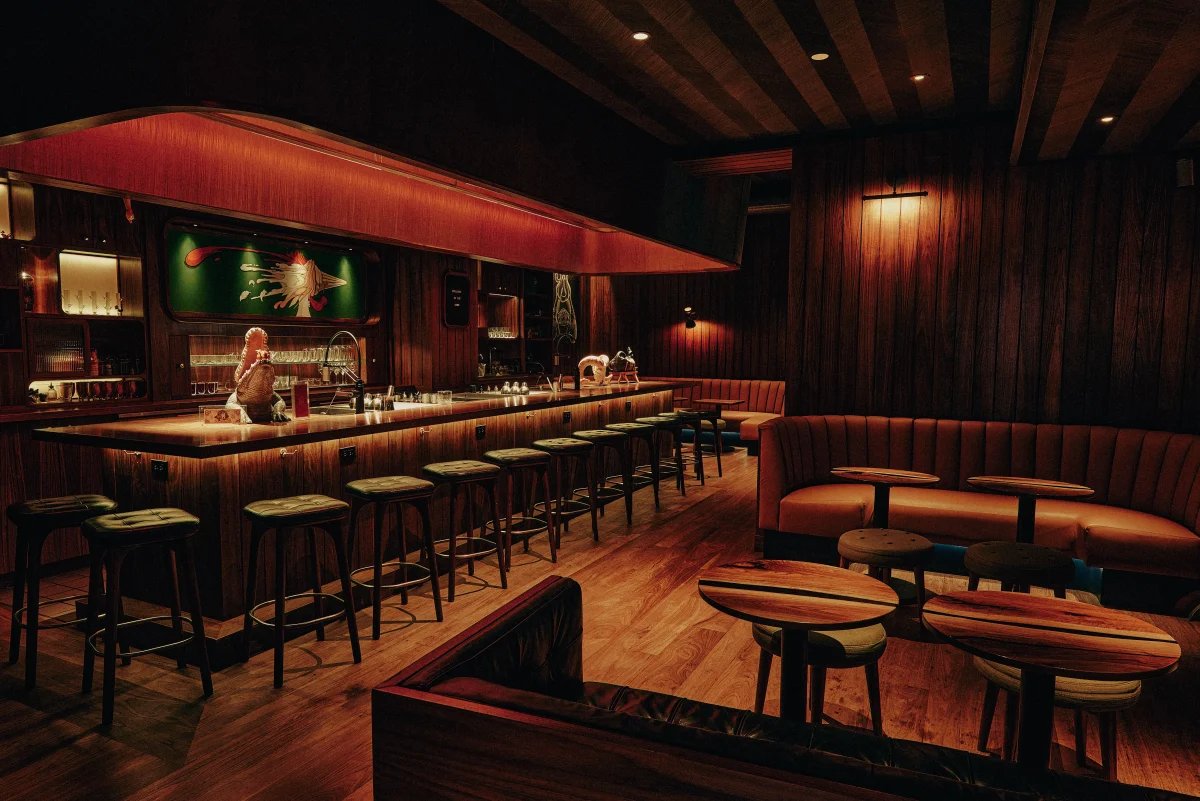
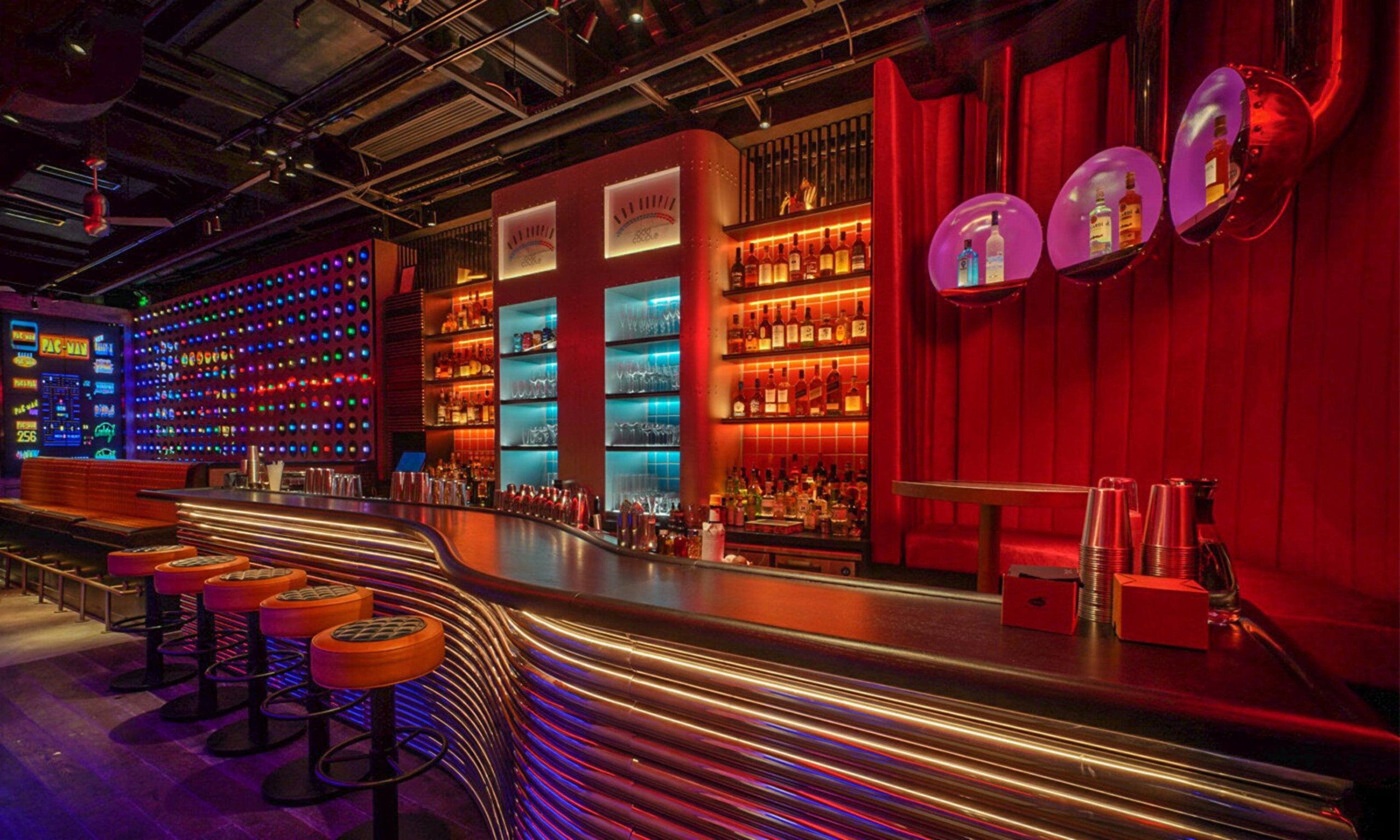
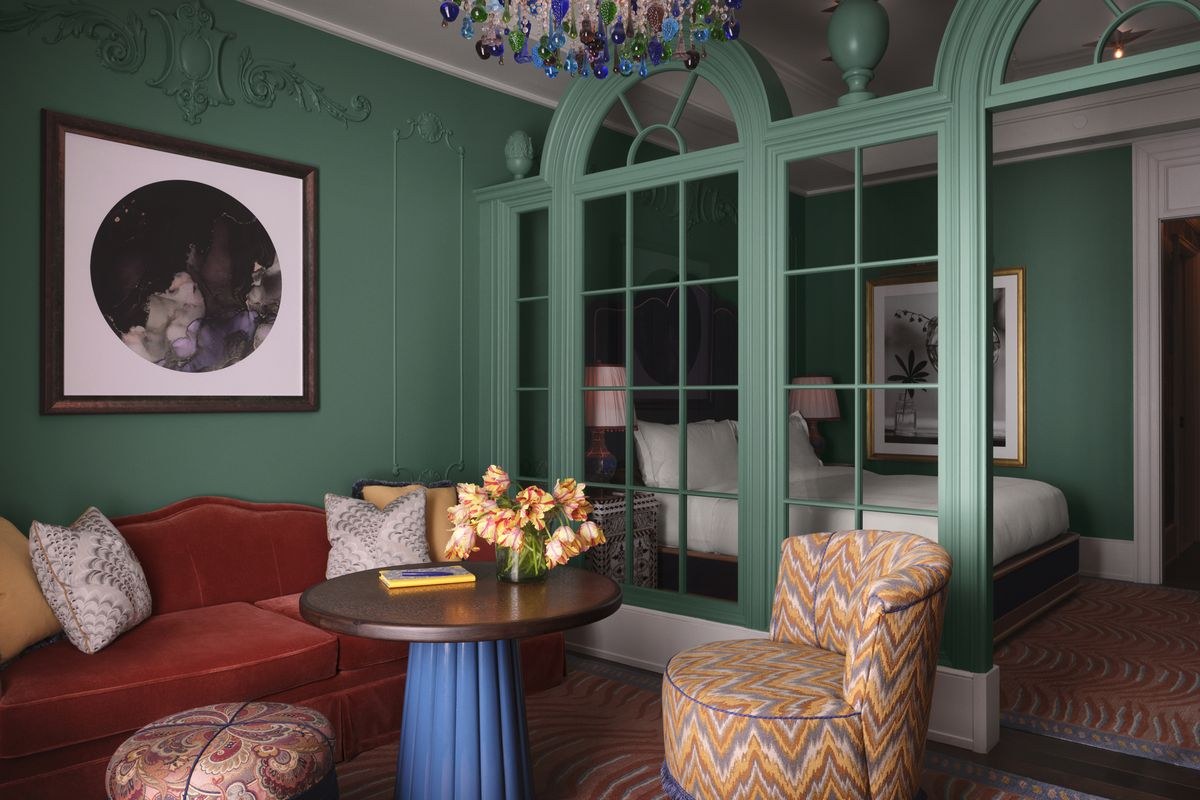
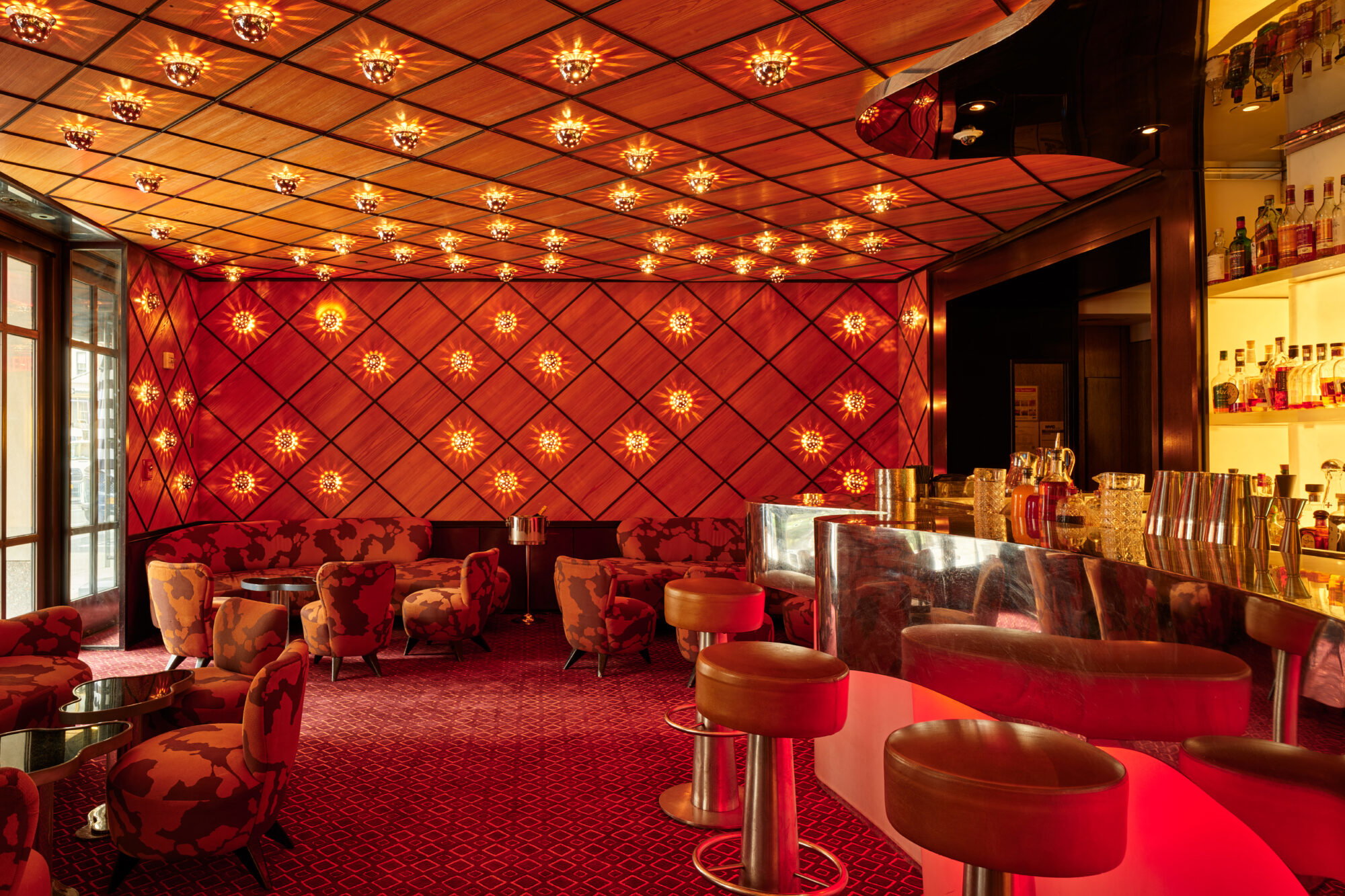
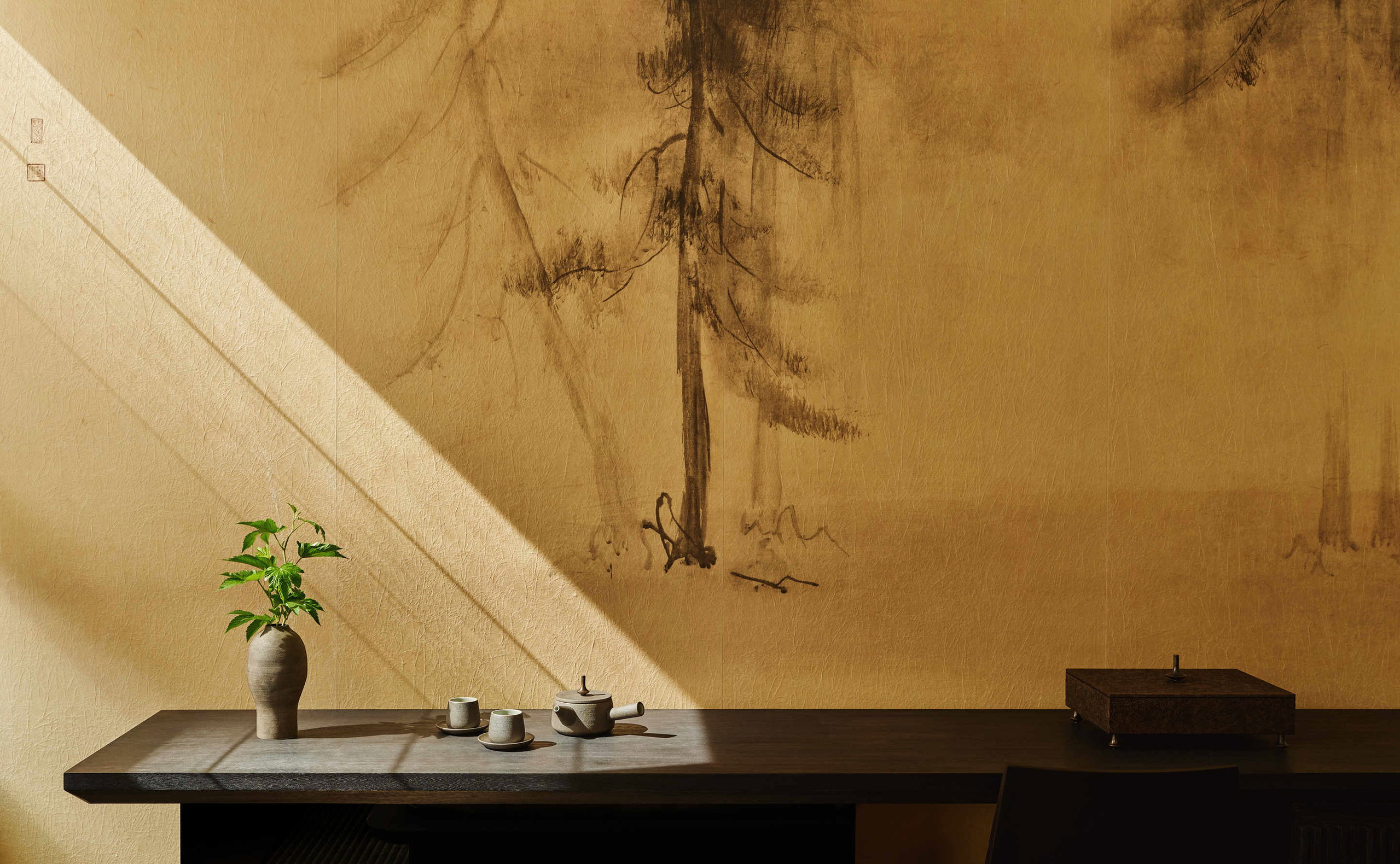
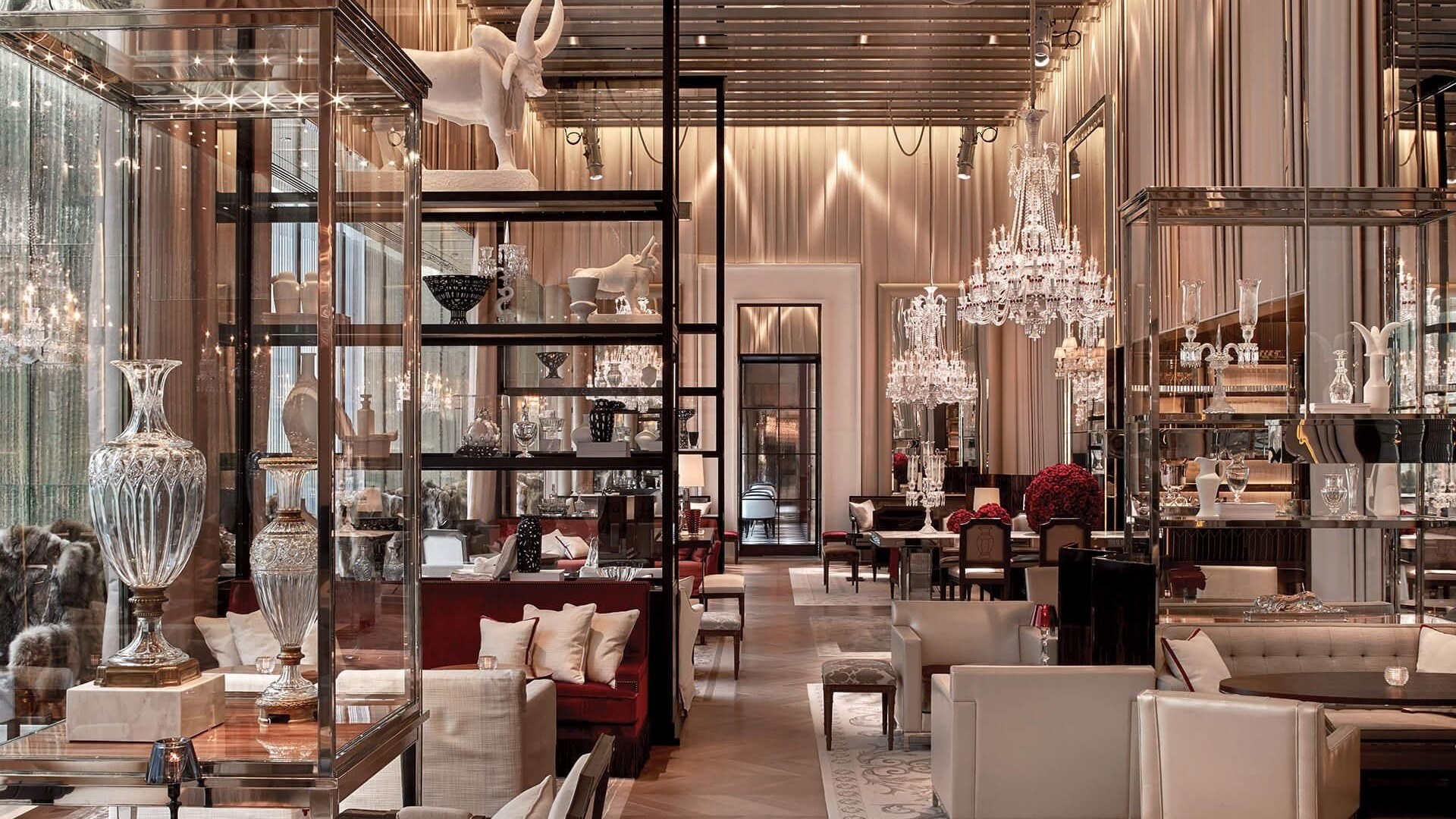
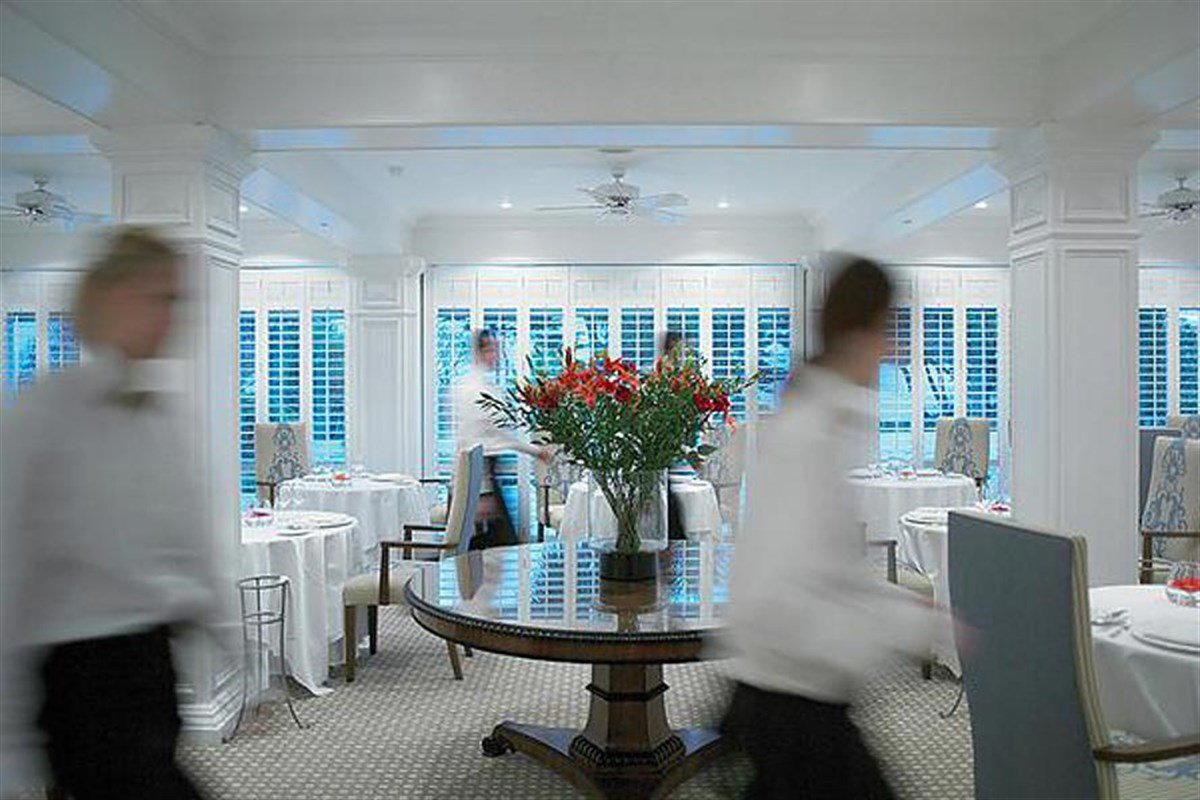
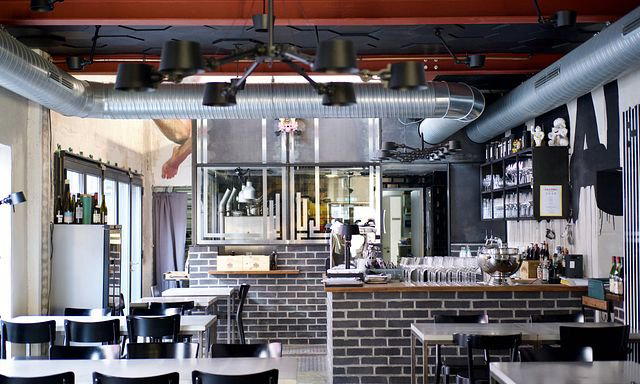
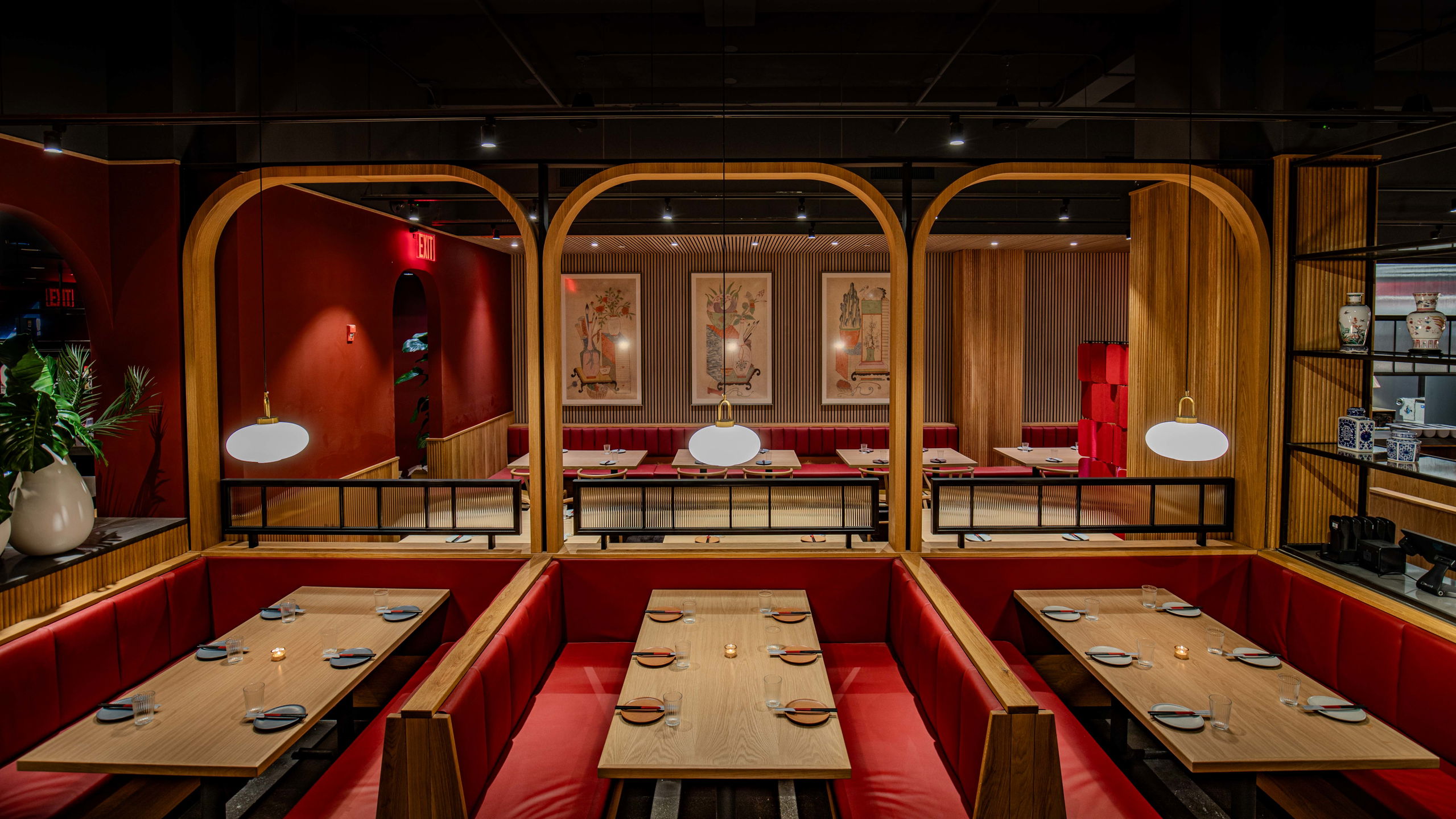
Warm and welcoming ultra-large dining room with lofty ceilings, oversized elegant Asian art, red leather booths, and visible open kitchen.
Tags
Vibe
Best For
Experience
At the Table
- Dress Code
- Smart Casual
- Noise Level
- Conversational
- Service Style
- Upscale Casual
- Meal Pacing
- Standard
- Capacity
- Large
- Kitchen
- Modern
- Menu Format
- A la carte, Small plates, Family style
- Wine Program
- Curated
- Private Dining
- Available
Signature Dishes
- Peking black duck
- beef tangsuyuk
- cumin pork back ribs
- handmade dumplings
Know before you go
Know Before You Go
- Getting there
- 1 E 33rd St, New York, NY 10016
Planning details
Location
Recognition and awards
Also consider
Also Consider
- Hyun, Korean BBQ, Korean BBQ
- HOWOO, Notable alternative
- Tosokchon NYC, Notable alternative
- Dons Bogam, Korean, $$
- Soju Haus, Notable alternative
Restaurant context
How Octo compares in Midtown
Octo is the better pick when the table wants Asian Contemporary flexibility at a $$ level rather than a single-format Korean barbecue meal. Hyun is the stronger choice for diners who want a more focused Korean BBQ experience and are ready to make the meal the main event. Octo is easier to slot into a Midtown day because the format is broader and the booking pressure is lower.
Against Dons Bogam, the decision is about range versus familiarity. Dons Bogam is the cleaner answer for Korean cooking at a similar $$ signal, while Octo works better for a mixed group that wants Asian Contemporary cooking without choosing a grill-centered dinner. HOWOO and Tosokchon NYC are better cross-shops when the craving is specifically Korean rather than broadly Asian.
For a social night, Soju Haus is the more obvious move if drinks and group energy matter more than a composed meal. Octo is the safer recommendation for lunch, Sunday daytime dining, and an easier special occasion where the room needs to work for different appetites without pushing the spend too high.
Explore New York City
Around this place
Discover more on Pearl
Unlock the full Octo guide in Pearl, including awards, comparisons, FAQs, planning details, and nearby places.
Compare Octo
| Venue | Location | Cuisine | Awards | Price |
|---|---|---|---|---|
| Octo | New York City | Asian Contemporary | 2025 Michelin Plate | $$ |
| Hyun | New York City | Korean BBQ | 2026 OAD Top Restaurants in North America Recommended2025 OAD Top Restaurants in North America Ranked · #2632025 Michelin Plate2024 OAD Top Restaurants in North America Ranked · #2592023 OAD Top Restaurants in North America Highly Recommended | , |
| HOWOO | New York City | No published awards | , | , |
| Tosokchon NYC | New York City | No published awards | , | , |
| Dons Bogam | New York City | Korean | 2025 Michelin Plate | $$ |
| Soju Haus | New York City | No published awards | , | , |

How Octo New York City compares with similar nearby venues.
FAQ
Frequently Asked Questions
Does Octo handle dietary restrictions?
Dietary-accommodation details are not available. If anyone in the party has an allergy or strict restriction, contact Octo directly before visiting and confirm what the restaurant can safely provide.
Is Octo worth the price?
Octo can be worth considering if you want an Asian Contemporary restaurant in New York City at a $$ price point with a Michelin Plate for 2025. Specific menu value, portion size, or tasting-menu format are not available.
Is lunch or dinner better at Octo?
Hours show that Octo opens at 11:30 AM Monday through Saturday and 11 AM on Sunday, with later closing times on Friday and Saturday. Choose the time that best fits your schedule, and confirm current availability directly with the restaurant.
What should I order at Octo?
Specific dishes are not available. Use the Asian Contemporary cuisine description as a general guide, then check the current menu before visiting or ask the restaurant for recommendations when you arrive.
Can Octo accommodate groups?
Group-accommodation details are not available. For larger parties, contact Octo directly to ask about current availability, seating, and any requirements.
What are alternatives to Octo in New York City?
Hyun, HOWOO, Tosokchon NYC, Dons Bogam, and Soju Haus are relevant named options to compare with Octo. Octo differs by being listed as Asian Contemporary with a $$ price point and a Michelin Plate for 2025.
Is Octo good for a special occasion?
Octo may work for a special occasion if the group wants Asian Contemporary cooking in New York City, smart casual dress, $$ pricing, and broad hours. For any occasion-specific needs, confirm details directly with the restaurant before visiting.