

Dept of Culture
Nigerian · Bedford-Stuyvesant (West), New York City
Restaurant in New York City, United States
 Book with Pearl
The Read
Neighbourhood-Rooted Nigerian
Chef
Ayo Balogun
Dress
Casual
Why go
Dept of Culture is worth booking for diners who want a focused Nigerian dinner in Brooklyn, not a flexible group night. Ayo Balogun's restaurant has 2025 James Beard Semi Finalist recognition and an Opinionated About Dining Casual in North America nod, which makes the planning effort easier to justify.
About Dept of Culture
Dept of Culture is a New York City restaurant centered on Nigerian cuisine from chef/owner Ayo Balogun. It is best considered by diners who are specifically seeking Nigerian cooking and who can plan around a limited weekly dinner schedule, rather than those looking for the most flexible or last-minute option in the city.
The clearest trust signals are its James Beard Award Semi Finalist recognition for 2025 and its 2025 Opinionated About Dining Casual in North America recognition. Those details, combined with its Nigerian focus, make Dept of Culture a distinctive choice for a planned dinner in New York City. The recognition matters because it gives outside validation to a restaurant whose appeal is already quite defined: this is not a vague neighborhood pick, but a focused place to choose with intention.
Nigerian cooking is the draw, not a side note
For an explorer-style diner, the case is direct: Dept of Culture is a fit when Nigerian cuisine is the reason for the night. The restaurant's value is in specificity. The cuisine type is not incidental to the recommendation; it is the point of choosing it. That clarity is useful in a city with countless dinner possibilities, because it helps narrow the decision to a particular culinary point of view rather than a general desire to eat out.
That also means the right guest matters. Diners who want a broader choice of restaurants may want to compare it with other options. Readers choosing between this and Tatiana by Kwame Onwuachi should treat the decision as occasion and preference first: Dept of Culture is the Nigerian option, while Tatiana may suit a different kind of night out. The comparison is less about which restaurant is better in the abstract and more about what the evening is meant to feel like.
Plan around the dinner schedule
Without a specific dish list to anchor a recommendation, do not over-plan the meal around a specific named item. The smarter move is to choose Dept of Culture for Ayo Balogun's Nigerian lens and let the restaurant's current offering guide the visit. That approach keeps expectations aligned with the restaurant's focus, while still giving diners a clear reason to be there.
This is also why it works well for diners who are comfortable choosing a restaurant for its cuisine focus rather than for a long list of menu details. If the night needs a different plan, Ursula Brooklyn or Pilar Cuban Eatery works as separate options. In that context, Dept of Culture is not the catch-all answer; it is the answer when the constraints and the craving line up.
Who should choose it, who should cross-shop
Choose Dept of Culture when the priority is Nigerian cuisine in New York City. The award attention gives the restaurant additional credibility, but the most important reason to go is still its clear culinary identity. It is strongest for diners who appreciate a focused premise and are willing to let that premise shape the night.
For another kind of plan, Barker Cafeteria is not trying to solve the same problem. Valentine's Pizza is a separate kind of choice. For another dinner comparison, Tatiana by Kwame Onwuachi is a natural cross-shop. Dept of Culture is the sharper choice when the brief is Nigerian cooking from Ayo Balogun, planned around its Wednesday through Saturday evening hours.
Planning details
- Location
- 327 Nostrand Ave, Brooklyn, NY 11216
- Reservations
- Book on Resy
- Website
- deptofculturebk.com
The take
The Take
The Vibe
Dept of Culture presents a focused, neighborhood-rooted take on Nigerian cooking that reads intimate and cozy while feeling undeniably of-the-moment. Chef Ayo Balogun centers techniques and spice logic familiar to Bed-Stuy and Crown Heights, applying a deliberate culinary framework that elevates long-cooked proteins and layered stews without distancing the food from its community context. The room and service lean into warmth rather than spectacle: it’s a close-knit, trend-aware spot where authenticity and refinement coexist. The result is a polished, approachable place that feels both anchored in the block and visible to the broader New York dining conversation.
Best For
This is a strong choice for a date night or special occasion when you want something distinctive but not fussy. The restaurant’s recognition in a casual category signals that it balances serious cooking with an approachable price point and neighborhood sensibility, making it well suited for celebrations that favor authenticity over formality. It also works as a casual hangout for diners who want to experience centered Nigerian cuisine in a setting that values local context. Expect a service style and pacing that complements sustained, convivial meals rather than quick turnover.
Ordering Tips
Focus on the dishes called out as signatures and on preparations that showcase the restaurant’s emphasis on traditional spice logic and long-cooked techniques. Standouts to try include the pepper soup, wara and dodo, which are explicitly noted as signature items. The menu rewards attention to layered stews and slow-cooked proteins mentioned in the profile; ask servers for recommendations that highlight those elements. Because the kitchen frames familiar flavors in a more deliberate culinary framework, ordering several dishes to share will give a fuller sense of the chef’s approach.
Venue details
Ambiance
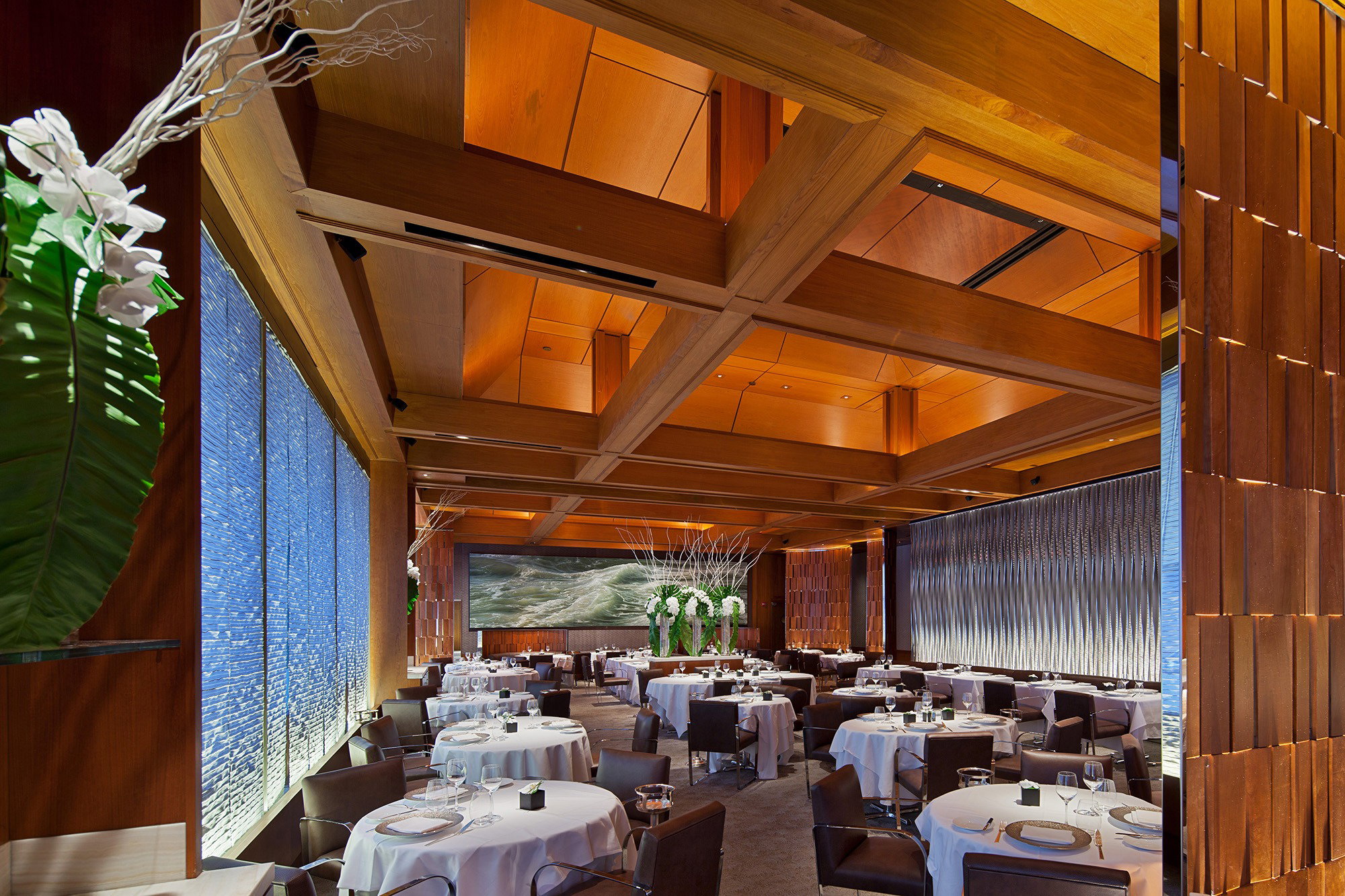
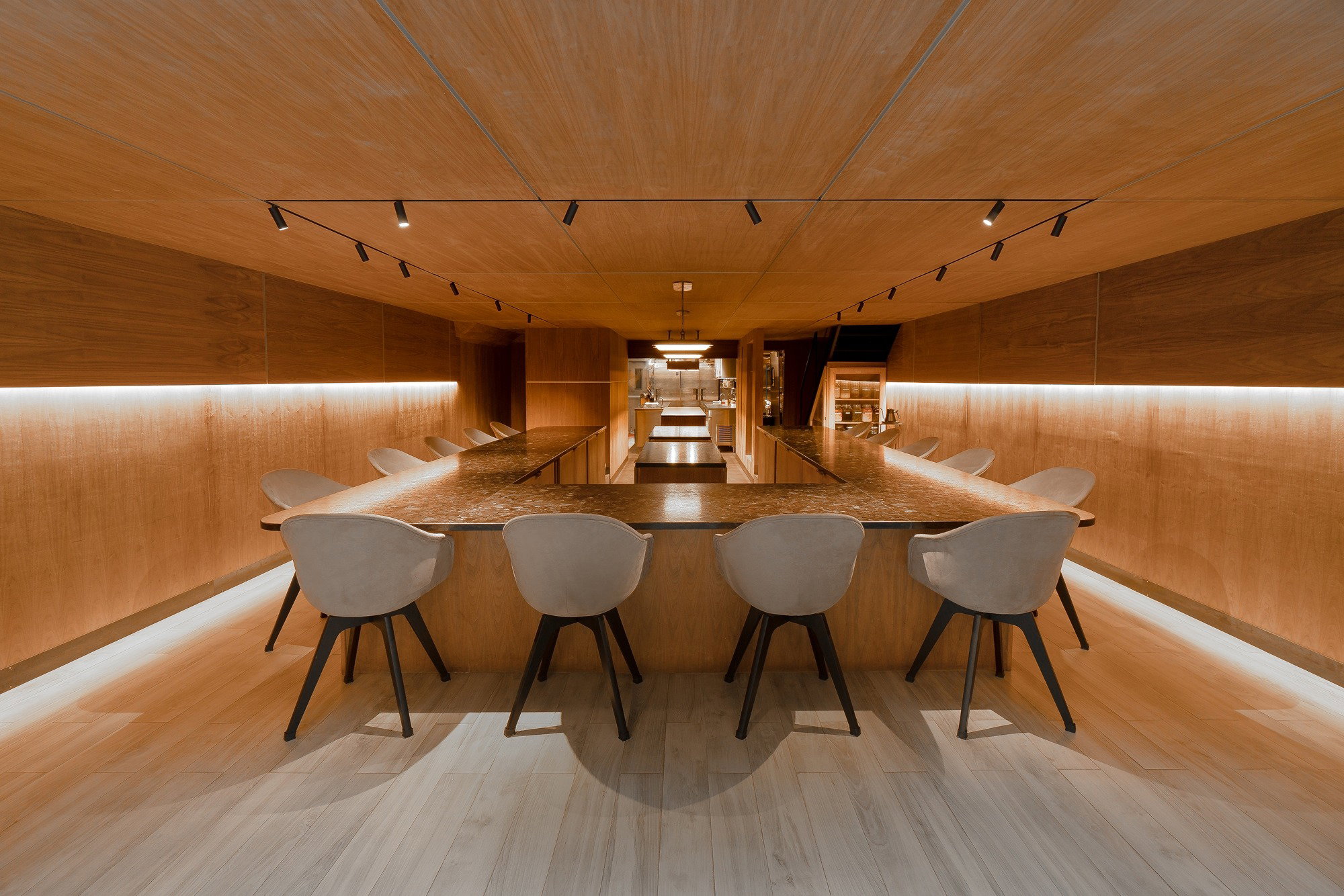
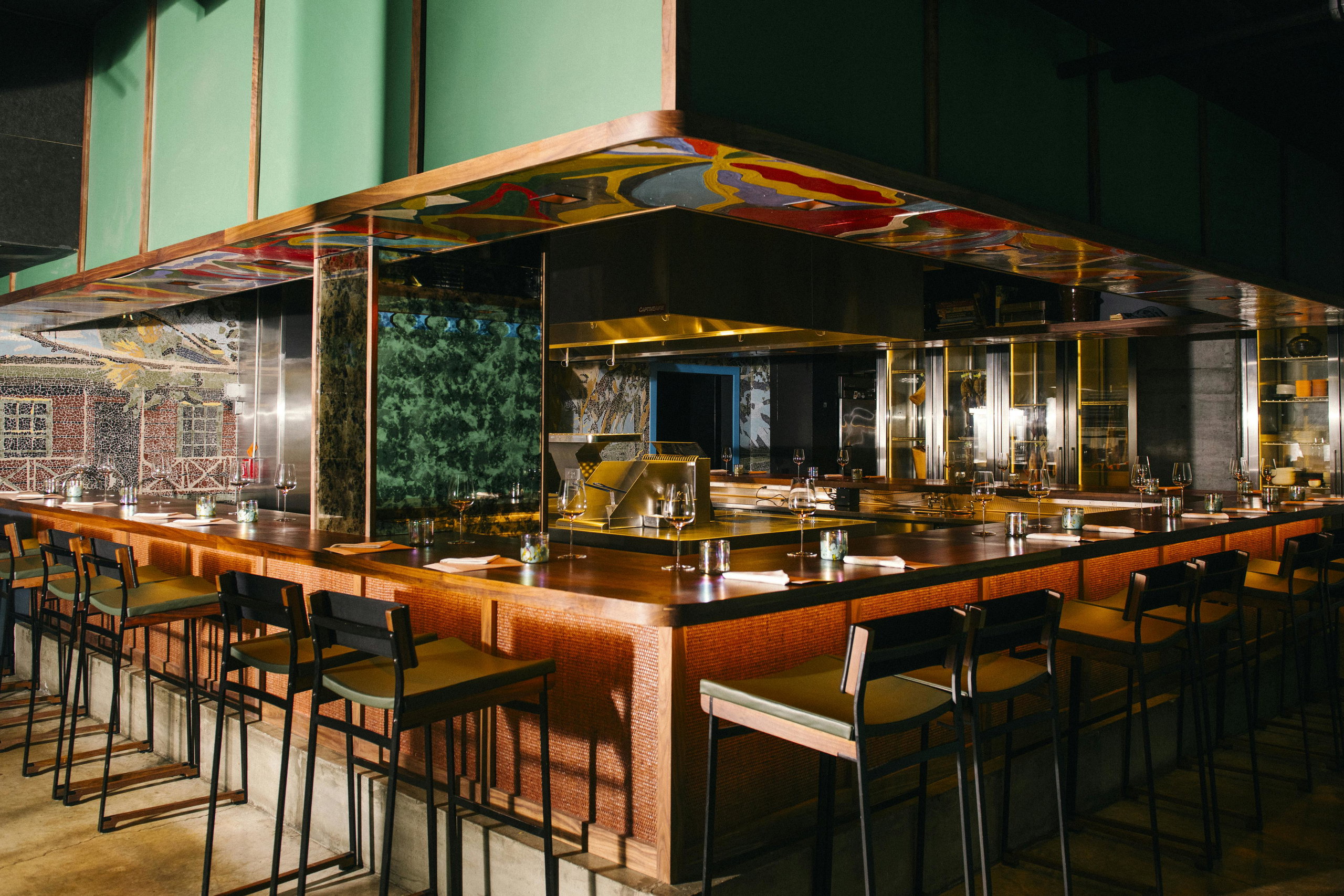
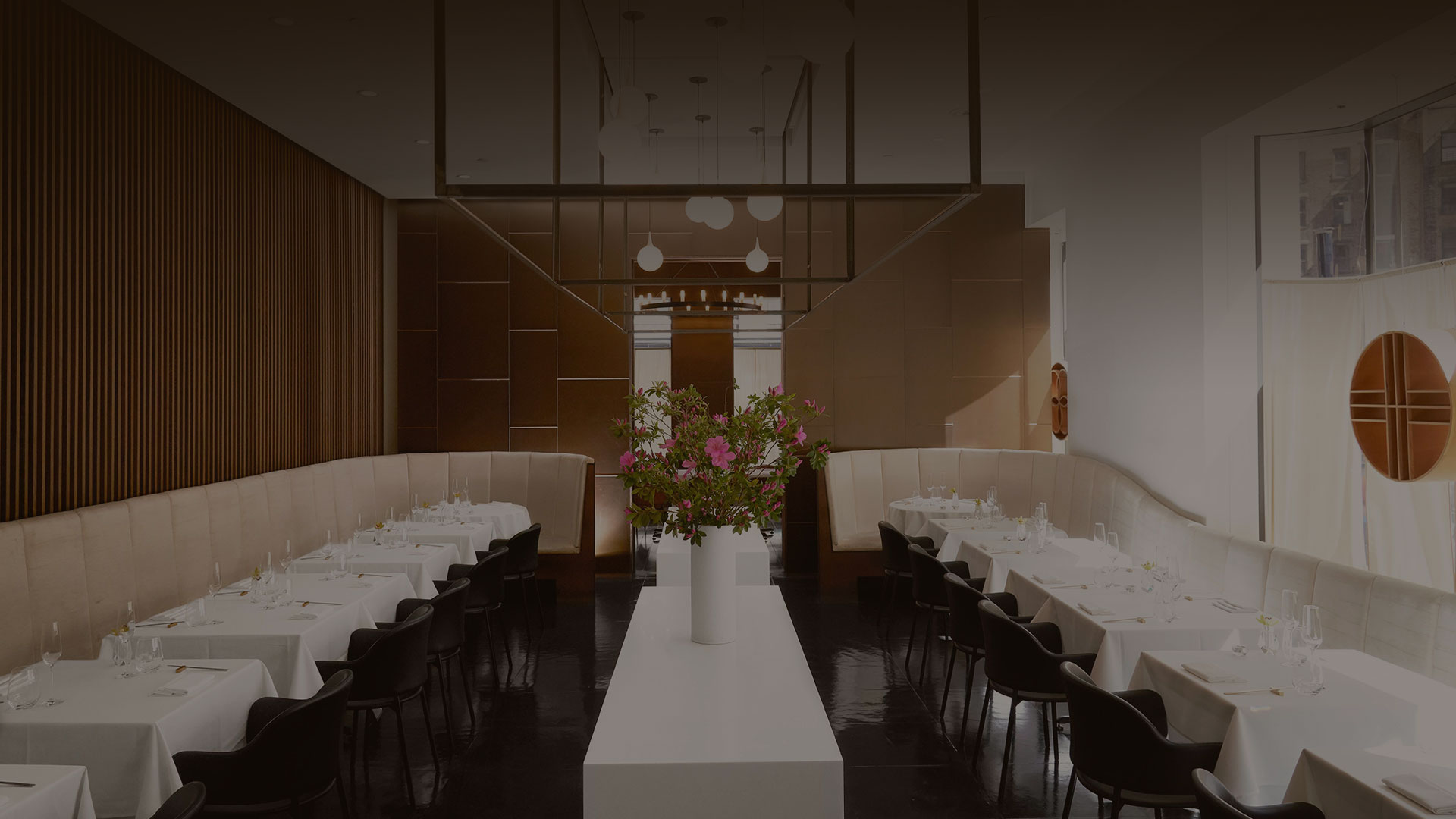
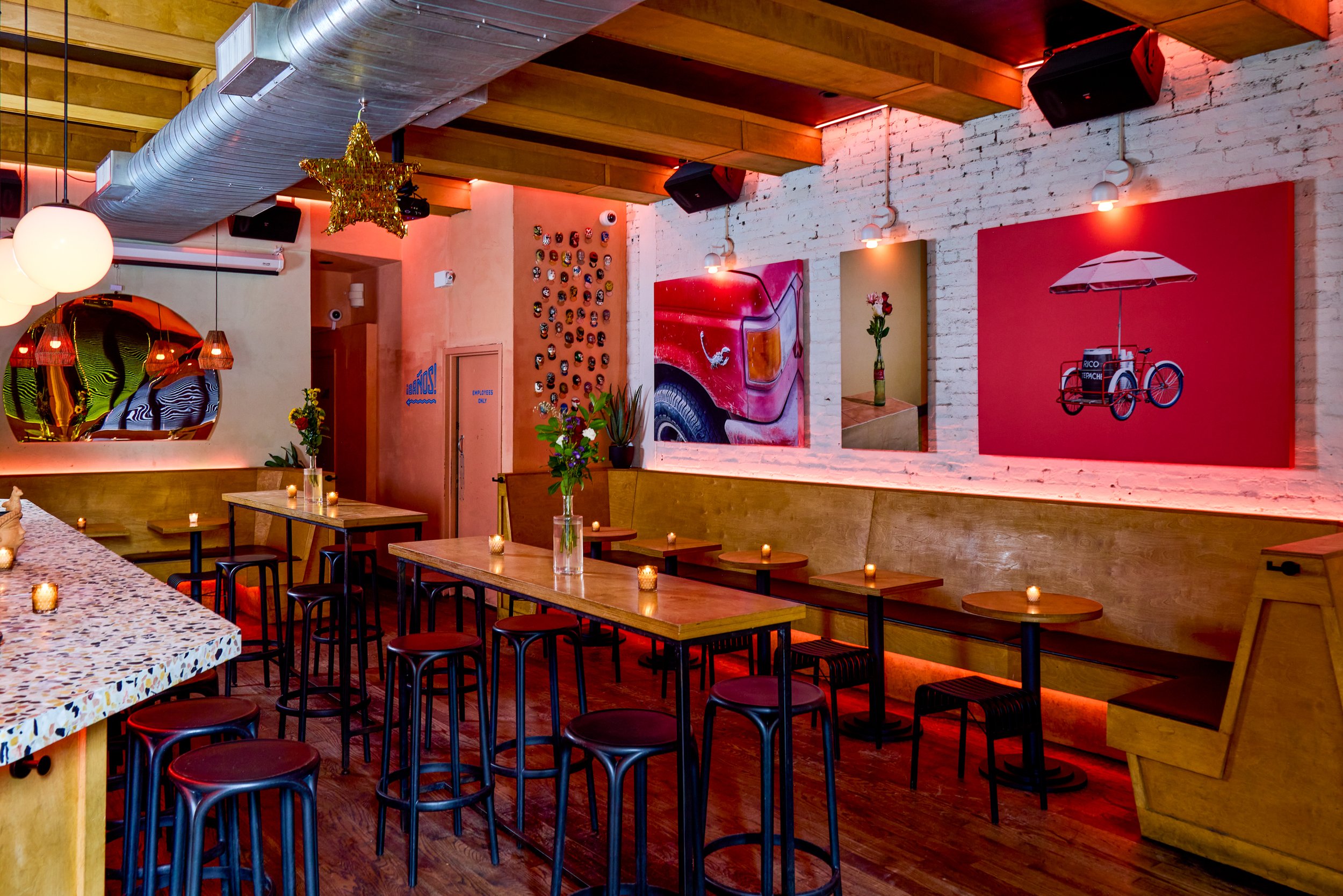
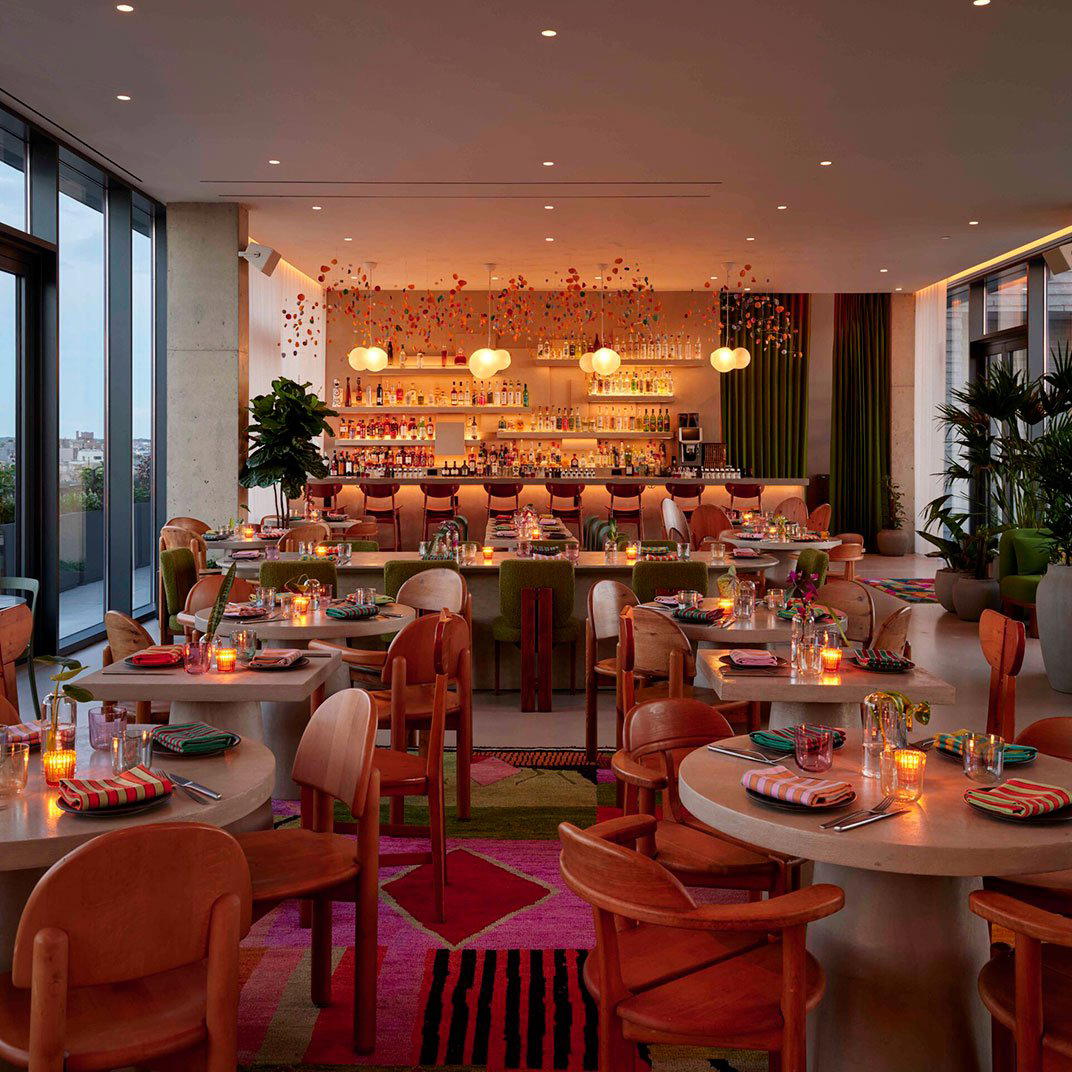
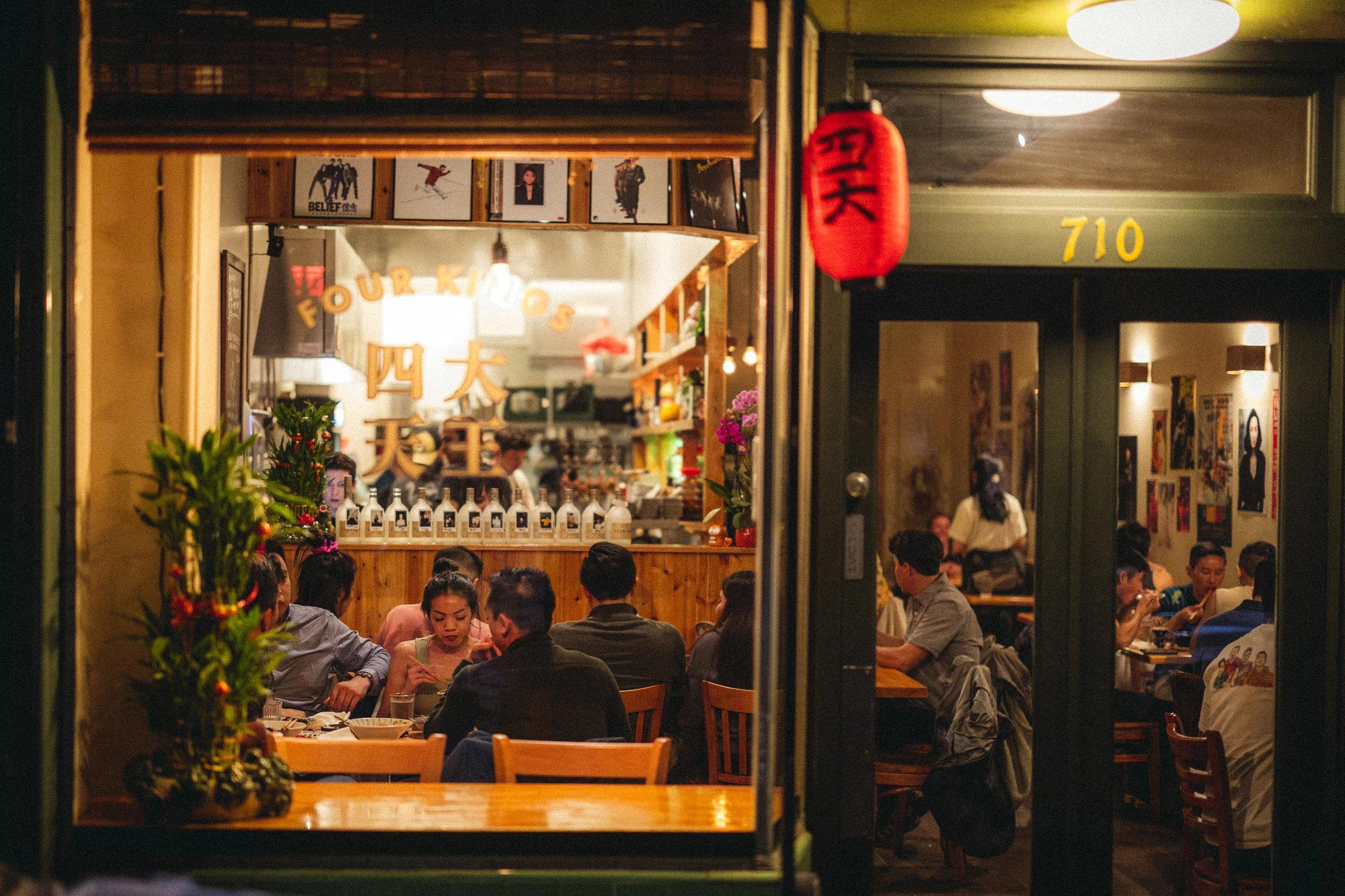
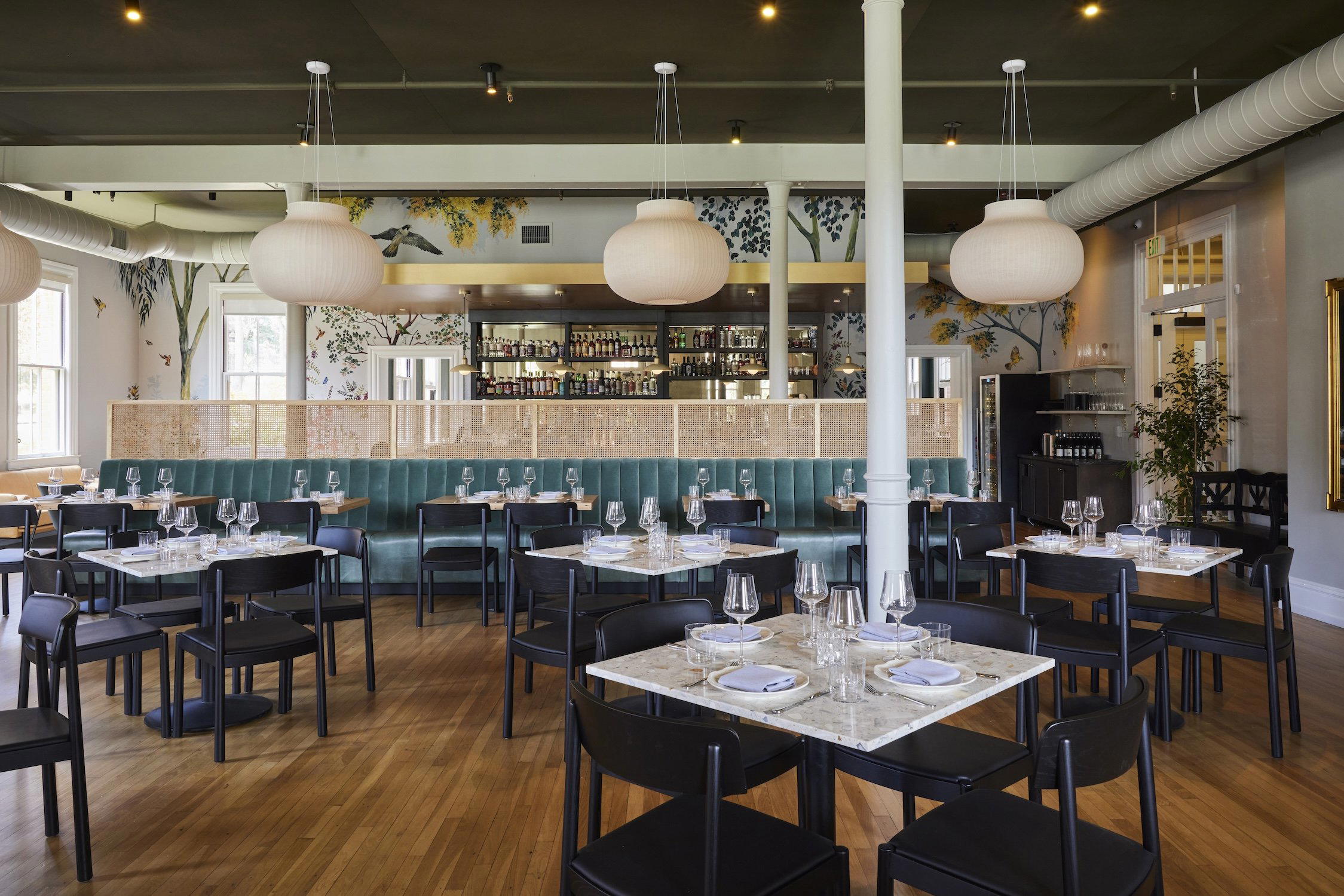
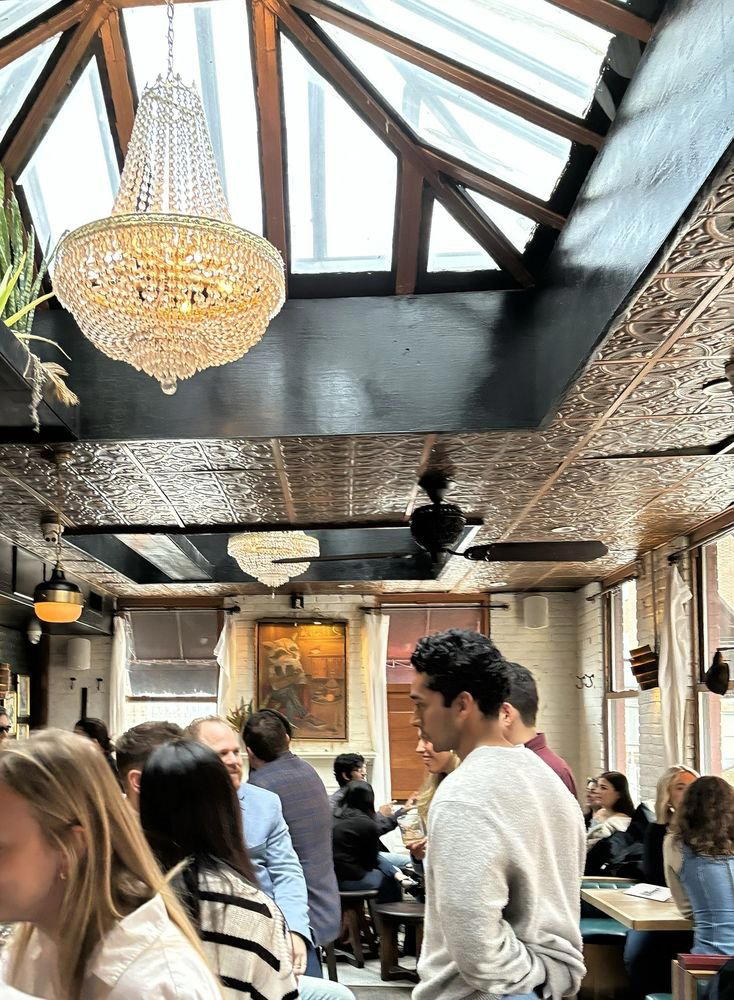
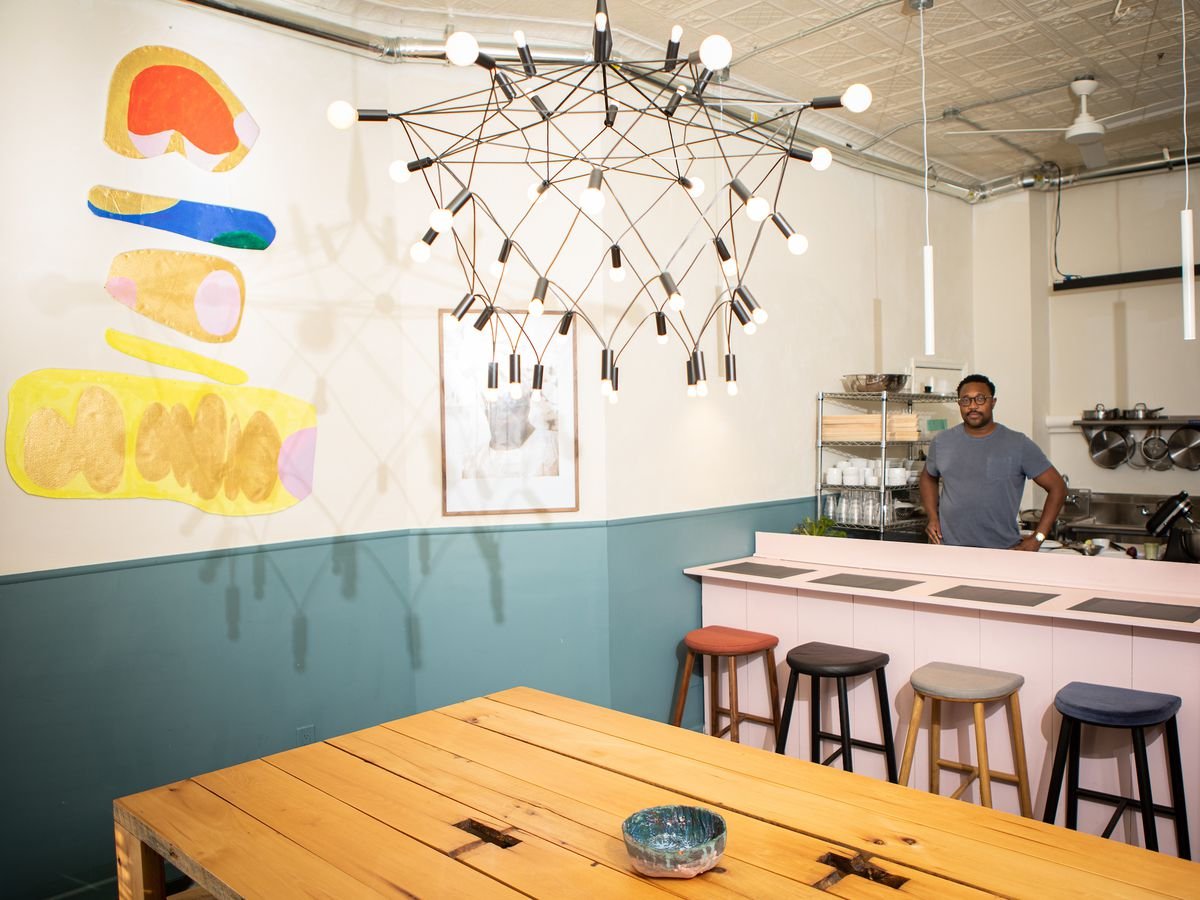
Small, comfortable space with family photos, open kitchen, and a welcoming, communal dinner party atmosphere.
Tags
Vibe
Best For
Experience
At the Table
- Dress Code
- Casual
- Noise Level
- Conversational
- Service Style
- Upscale Casual
- Meal Pacing
- Leisurely
- Capacity
- Intimate
Signature Dishes
- pepper soup
- wara
- dodo
Planning details
Location
Recognition and awards


Also consider
What to book if this is full
If the Nigerian angle is the reason for the night, try Tatiana by Kwame Onwuachi, especially for a higher-production occasion dinner.
If the group needs something easier and more flexible, look at Ursula Brooklyn or Pilar Cuban Eatery instead.
Restaurant context
How Dept of Culture compares in New York City
Against Tatiana by Kwame Onwuachi, Dept of Culture is the more intimate-feeling Brooklyn choice for diners who want Nigerian cooking without the same big-night production. Tatiana is the clearer splurge pick, with a $$$ signal and a broader occasion profile; Dept of Culture is better when the priority is focus and the booking itself is part of the plan.
Ursula Brooklyn and Pilar Cuban Eatery are easier cross-shops for mixed groups because they read as more flexible neighborhood meals. Choose them when the group wants a less cuisine-specific night. Choose Dept of Culture when everyone is aligned on Nigerian food and a tighter dining format.
Valentine's Pizza and Barker Cafeteria solve different problems: pizza and daytime sandwiches are lower-commitment choices, not substitutes for a destination dinner. They make sense when availability, budget control, or casual timing matters more than award-recognized cooking.
Explore New York City
Around this place
Discover more on Pearl
Unlock the full Dept of Culture guide in Pearl, including awards, comparisons, FAQs, planning details, and nearby places.
Compare Dept of Culture
| Venue | Location | Cuisine | Awards | Price |
|---|---|---|---|---|
| Dept of Culture | New York City | Nigerian | 2025 James Beard Award Semifinalists2025 OAD Casual in North America | ; |
| Ursula Brooklyn | New York City | No published awards | ; | ; |
| Valentine’s Pizza | New York City | No published awards | ; | ; |
| Barker Cafeteria | Brooklyn | Daytime sandwiches / cafeteria | No published awards | ; |
| Pilar Cuban Eatery | New York City | No published awards | ; | ; |
| Tatiana by Kwame Onwuachi | New York City | Nigerian | 2026 New York Times Best Restaurants in New York City · #122026 North America's 50 Best Restaurants · #392026 OAD Top Restaurants in North America Ranked · #118Star Wine Lists 20262026 Wine Spectator Award of Excellence2026 Michelin Plate2026 La Liste Top Restaurants2025 New York Times Best Restaurants in New York City · #102025 OAD Top Restaurants in North America Ranked · #175 | $$$ |




.png?width=1200&quality=80)

How Dept of Culture compares with similar nearby venues.
FAQ
Frequently Asked Questions
What should I wear to Dept of Culture?
Dept of Culture lists a casual dress code. Its James Beard Award Semi Finalist recognition for 2025 and Opinionated About Dining Casual in North America recognition for 2025 may make it feel occasion-worthy, but formalwear is not required.
Can Dept of Culture accommodate groups?
For group needs, plan around its Wednesday through Saturday 6–8:30 PM service window and confirm directly with the restaurant.
What should a first-timer know about Dept of Culture?
Go for Nigerian cuisine and plan around the limited dinner schedule in New York City. Dept of Culture is closed Monday, Tuesday, Sunday, is open Wednesday through Saturday from 6–8:30 PM.
Is Dept of Culture good for a special occasion?
Yes, if the occasion is centered on Nigerian cuisine. Its 2025 James Beard Award Semi Finalist recognition and 2025 Opinionated About Dining Casual in North America recognition are useful trust signals, while the dress code remains casual.
Is lunch or dinner better at Dept of Culture?
Plan for dinner. Dept of Culture is open Wednesday through Saturday from 6–8:30 PM.
What are alternatives to Dept of Culture?
For another dinner comparison, Tatiana by Kwame Onwuachi is a clear option. Pilar Cuban Eatery, Ursula Brooklyn, Barker Cafeteria, Valentine's Pizza may also be worth considering depending on the kind of meal you want.
What should I order at Dept of Culture?
Go for Nigerian cuisine and choose based on what is current when you visit, or ask the restaurant for guidance that night.