.png?width=1200&quality=80)
Cha Kee
Asian · Chinatown-Two Bridges, New York City
Restaurant in New York City, United States
 Book with Pearl
The Read
Sino-Japanese Family Format
Price
$$
Dress
Casual
Why go
Cha Kee is a practical Chinatown pick for an easy Asian meal at a moderate price, with Michelin Plate recognition adding useful confidence. It is better for lunch, early dinner, or a casual small-group stop than for a formal occasion. Cross-shop Chick Chick for another $$ Asian option, or Batard if the night needs a more polished room.
About Cha Kee
Cha Kee is a New York City restaurant with Asian cuisine, a $$ price point, casual dress, and daily hours from 8 AM to 10 PM. It also has Michelin Plate recognition for 2025, making it a practical choice for diners seeking a casual Asian meal at a moderate spend.
For planning, keep the brief simple: use Cha Kee when the goal is a casual Asian meal in New York City with a moderate spend. It is an easy, practical choice rather than a detailed promise about menu format, seating, reservations, takeout, delivery, or a particular dining-room experience.
Use it for casual New York City dining, not an unverified format
The case for Cha Kee is direct: Asian cuisine, $$ pricing, casual dress, and daily hours. Compared with OKO Rye, it should be considered only on the basis of your own plans and preferences. Compared with Batard, it is a different kind of decision because Cha Kee points to a casual, moderate-price Asian restaurant, not to a more specific format.
Because Cha Kee is open daily from 8 AM to 10 PM, it can fit a wide range of plans, but it does not confirm a specific lunch program, dish list, reservation policy, or service format. Mei Lai Wah may be part of a broader planning conversation; Chick Chick is also worth comparing if you are deciding among familiar dining options.
Who should choose it, and who should compare elsewhere
Choose Cha Kee if you want a $$ Asian restaurant in New York City with casual dress and Michelin Plate recognition in 2025. That recognition is useful signal, but it should not be stretched into claims about a white-tablecloth experience, a tasting menu, a particular chef, or a signature dish.
Skip it if the occasion specifically requires details that are not part of the Cha Kee profile, such as a tasting-menu structure, a particular beverage program, or a defined service format. In that case, Batard may be a useful comparison for a different kind of booking. If the brief remains casual Asian dining at an approachable spend, Chick Chick belongs in the same decision set. If the reader is mapping a wider trip, Our full New York City restaurants guide is the better place to compare this against other meals.
The verdict: consider Cha Kee for a casual, moderate-price Asian meal in New York City. Do not overbuild the occasion around specifics. Its confirmed appeal is simple: Asian cuisine, $$ pricing, casual dress, daily 8 AM to 10 PM hours, and Michelin Plate recognition in 2025.
Planning details
- Location
- 43 Mott St, New York, NY 10013
- Website
- cha-chan-tang.com
- Phone
- (212) 577-2888
The take
The Take
The Vibe
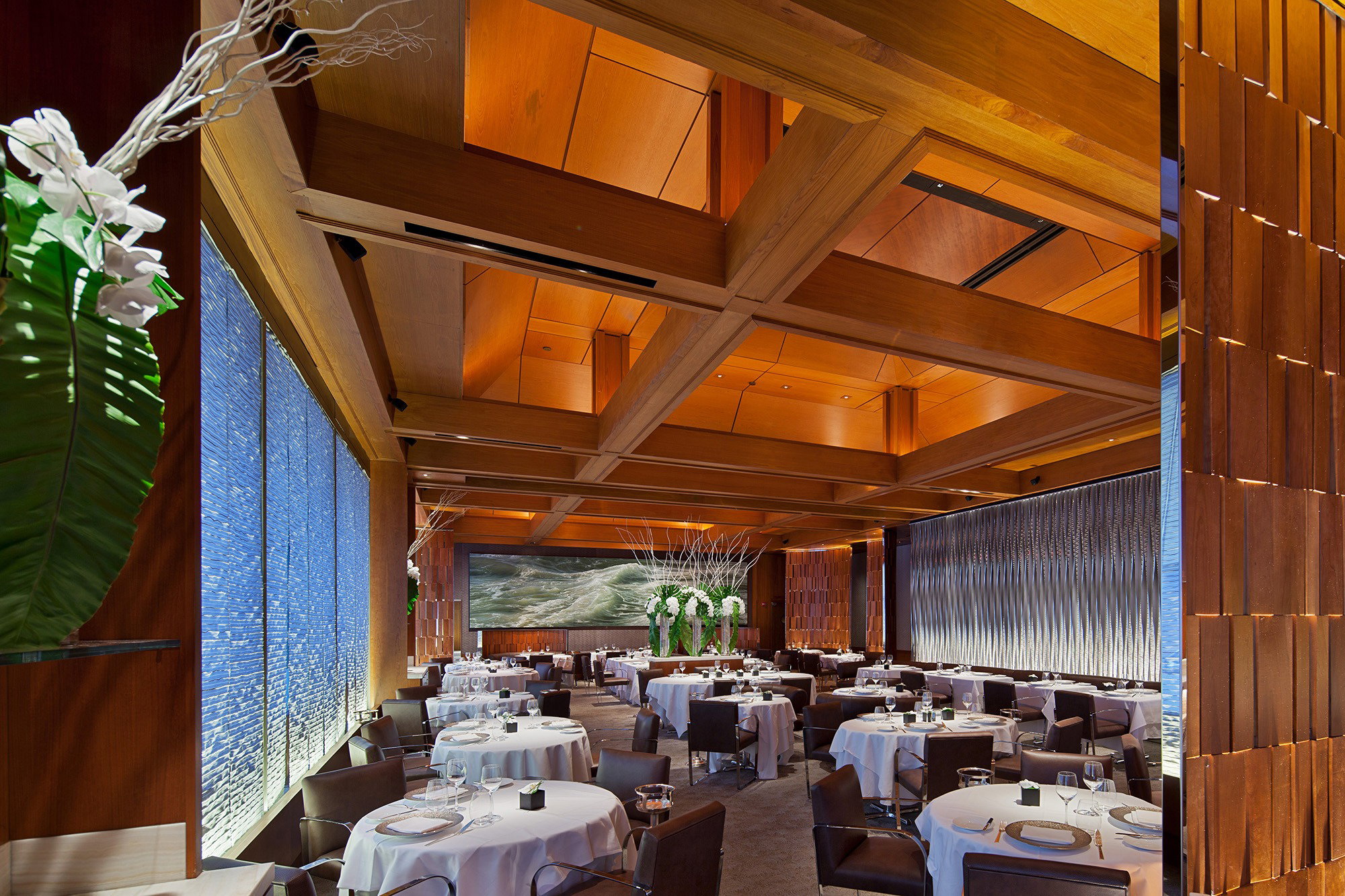
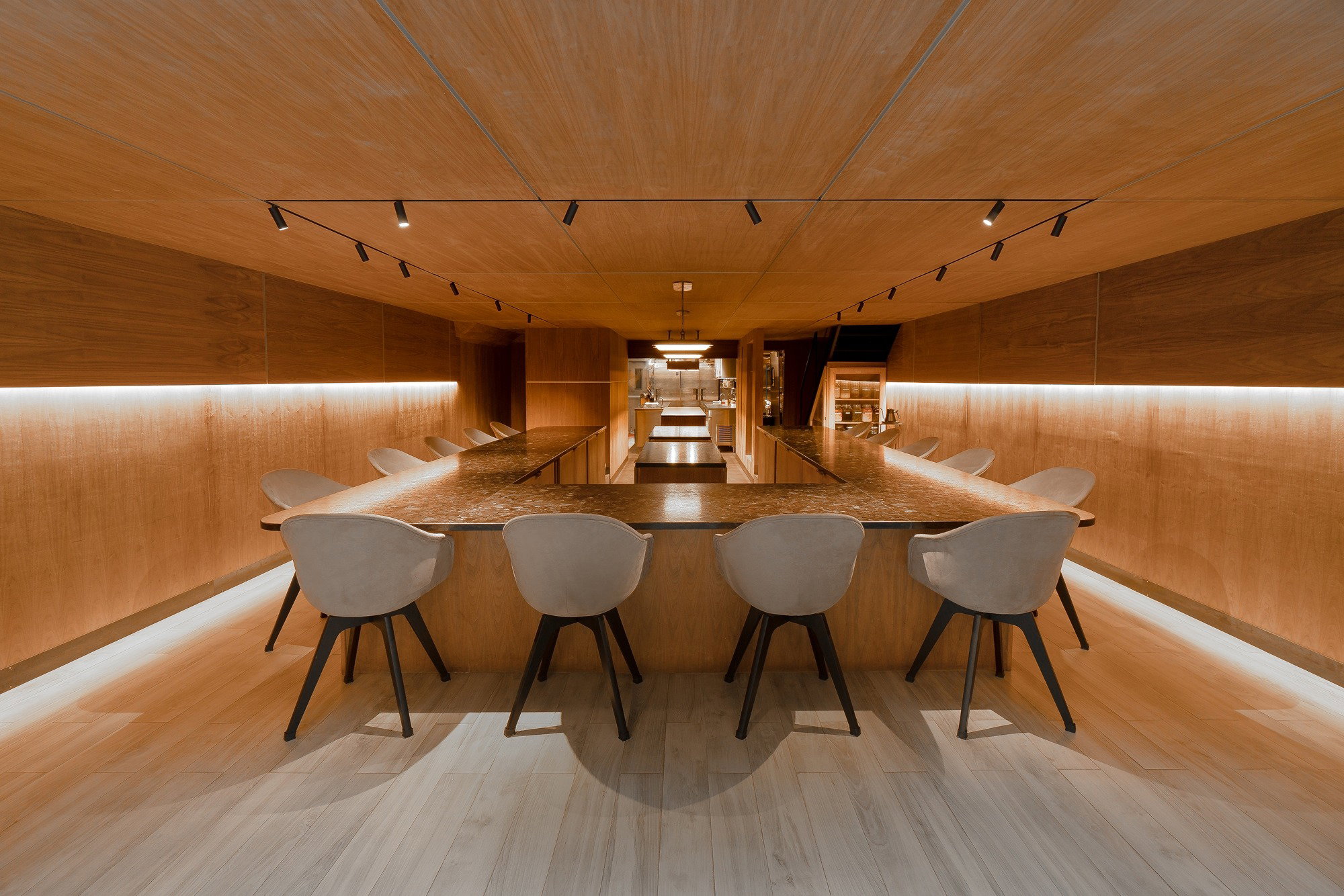
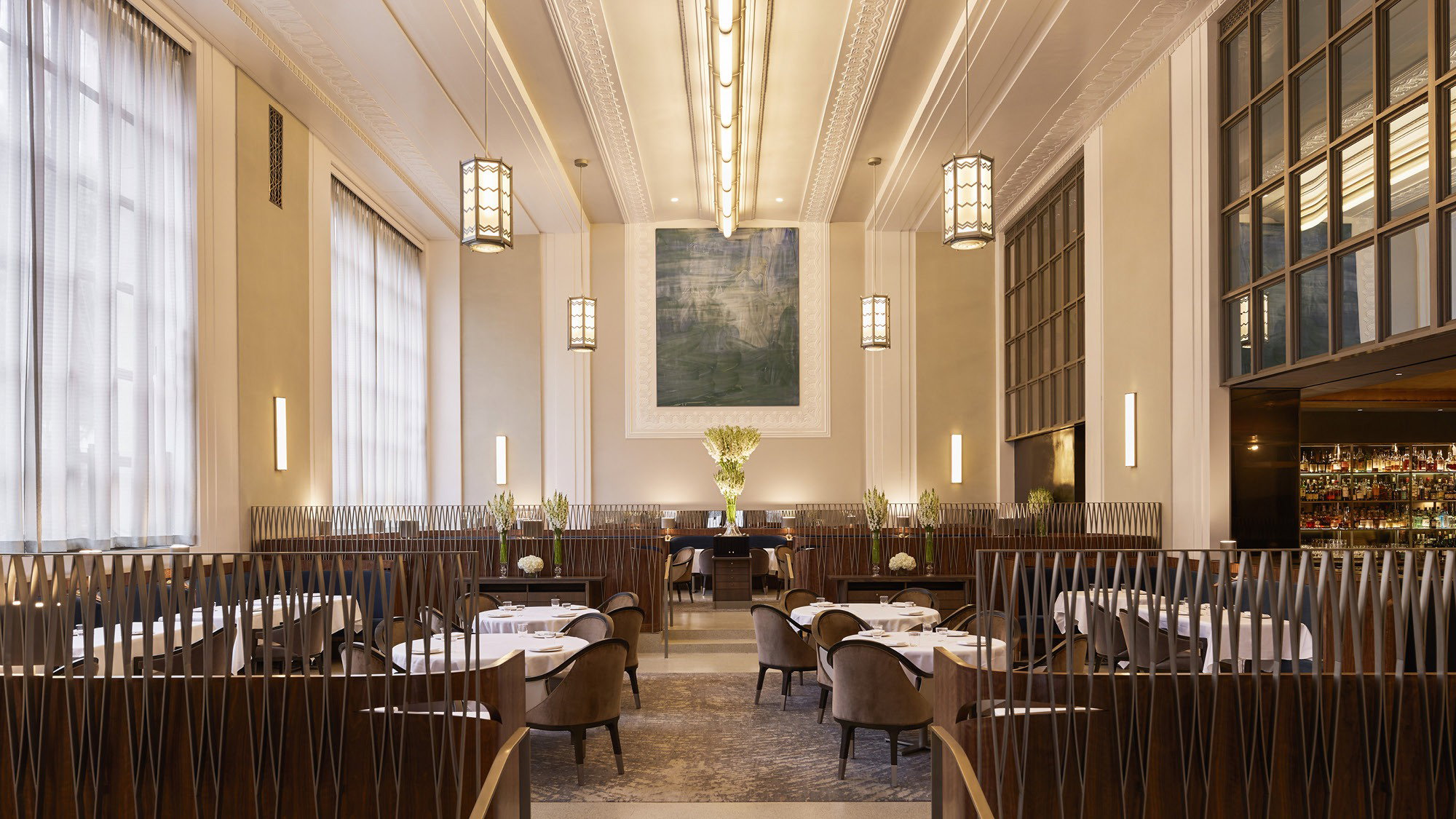
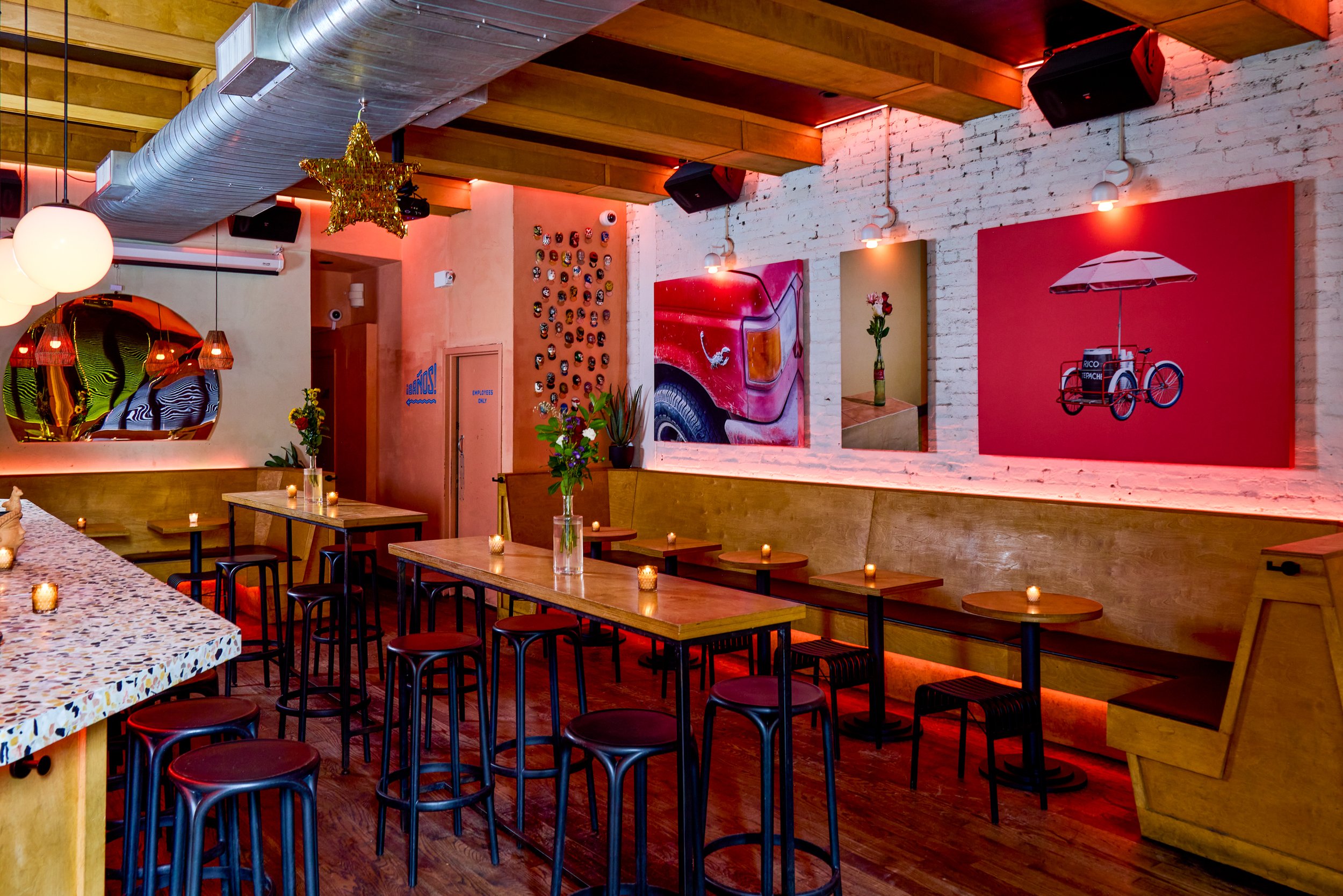
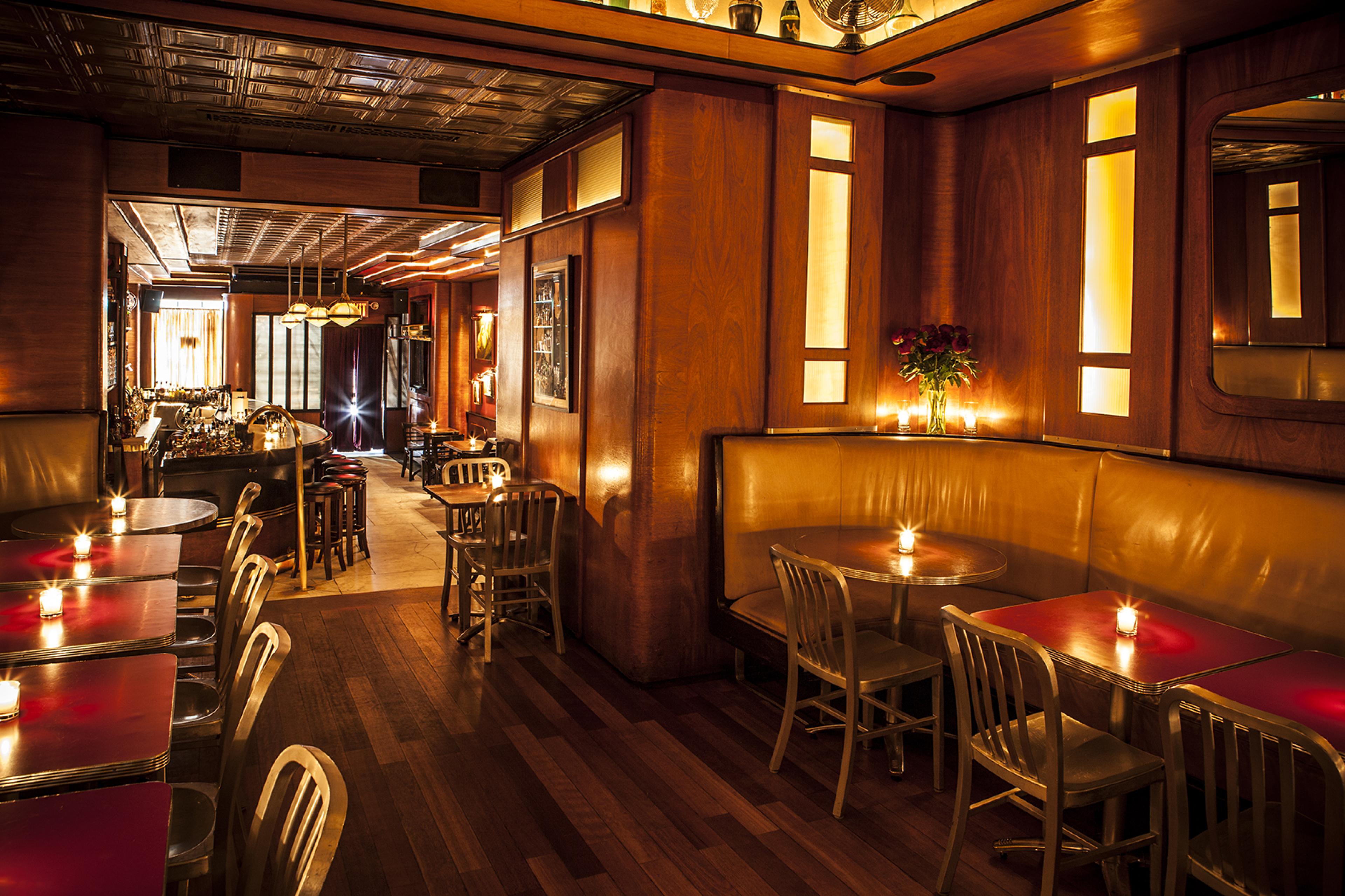
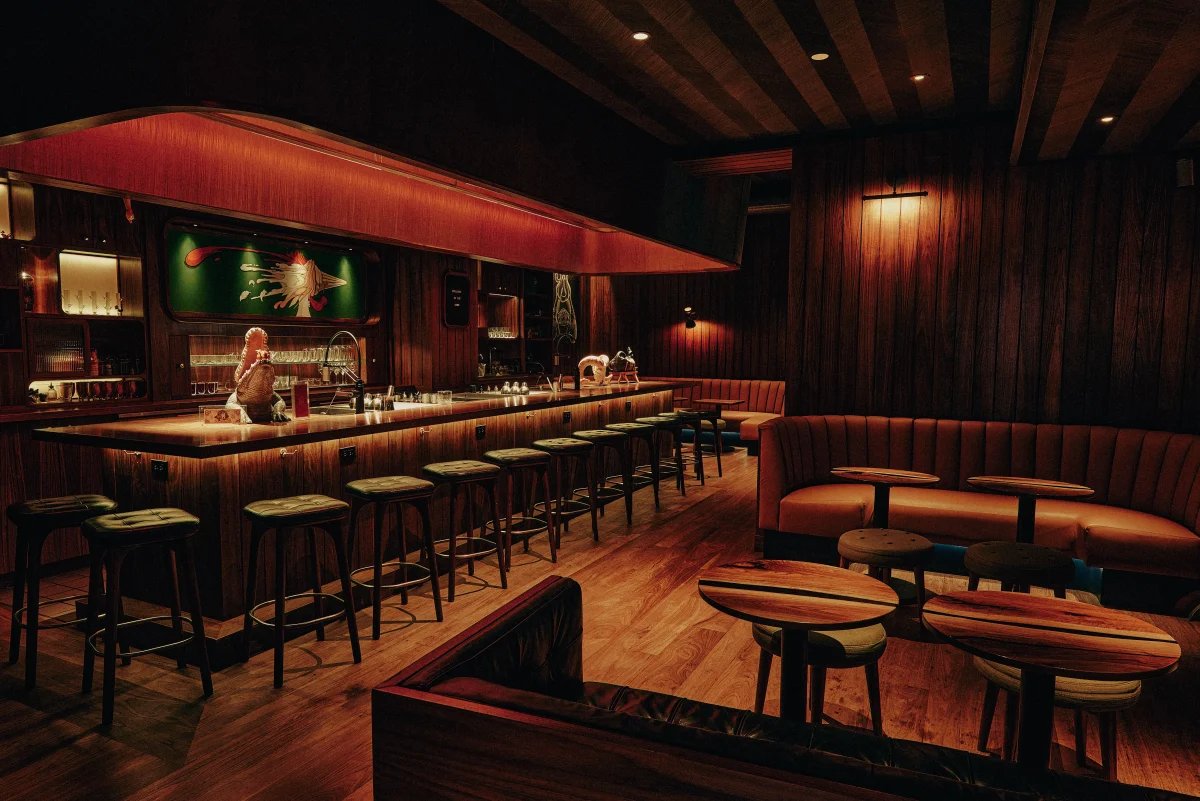
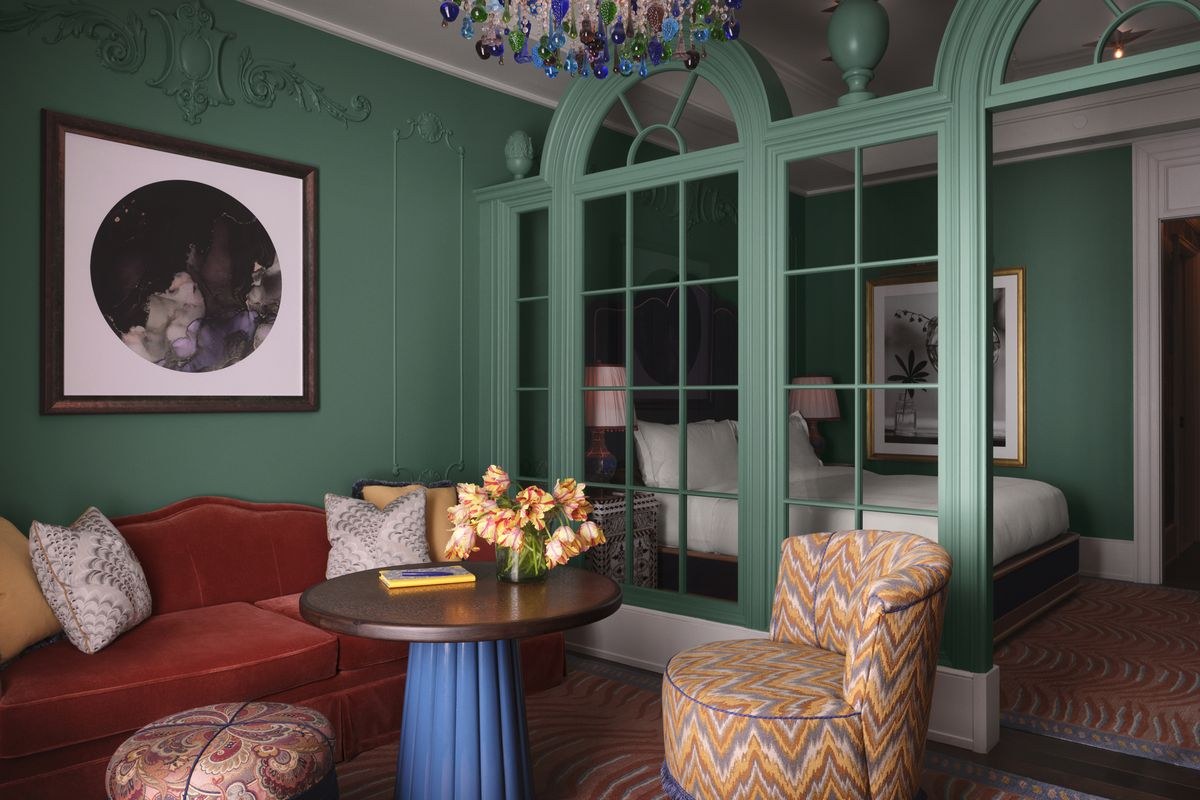
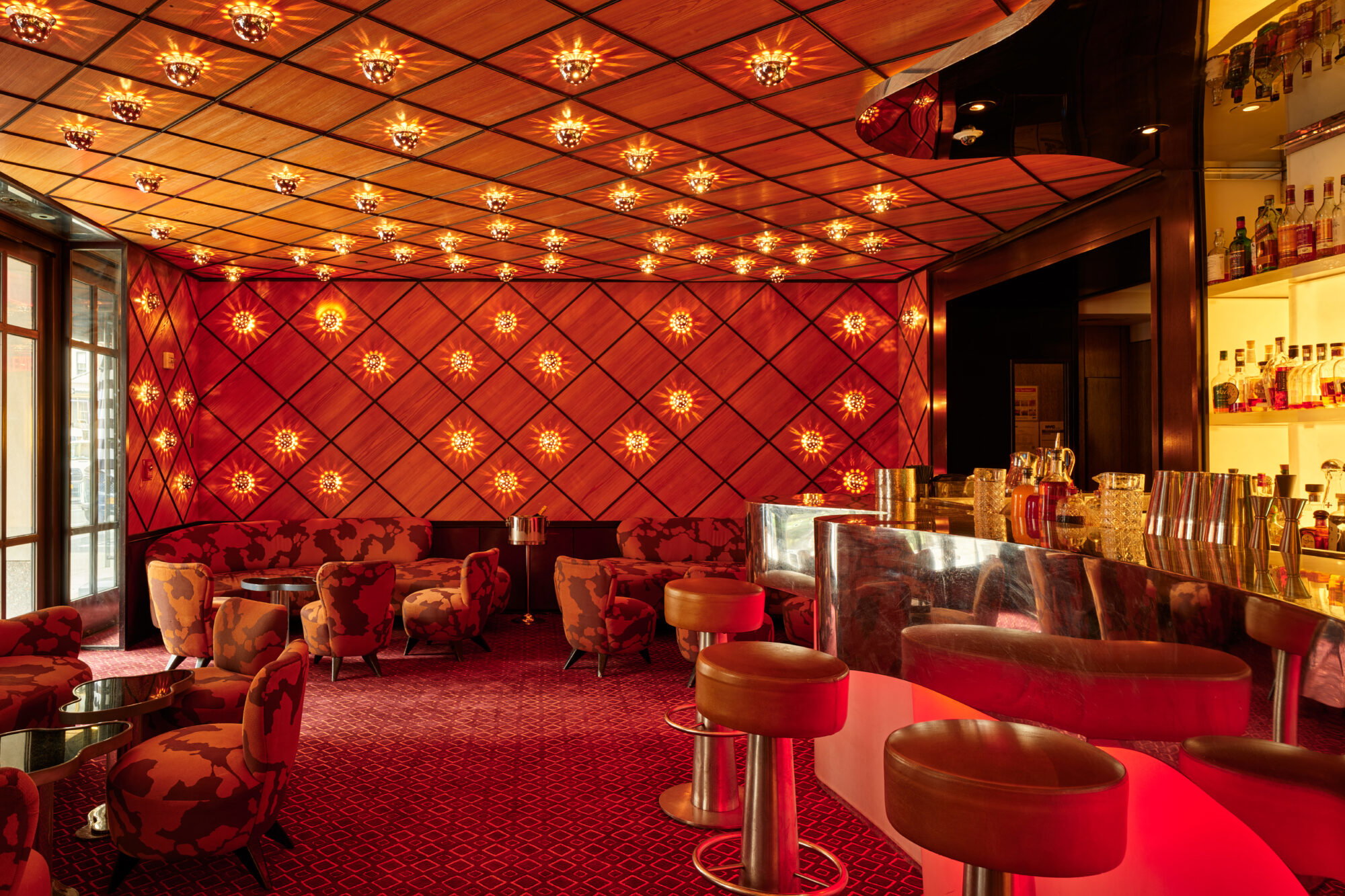
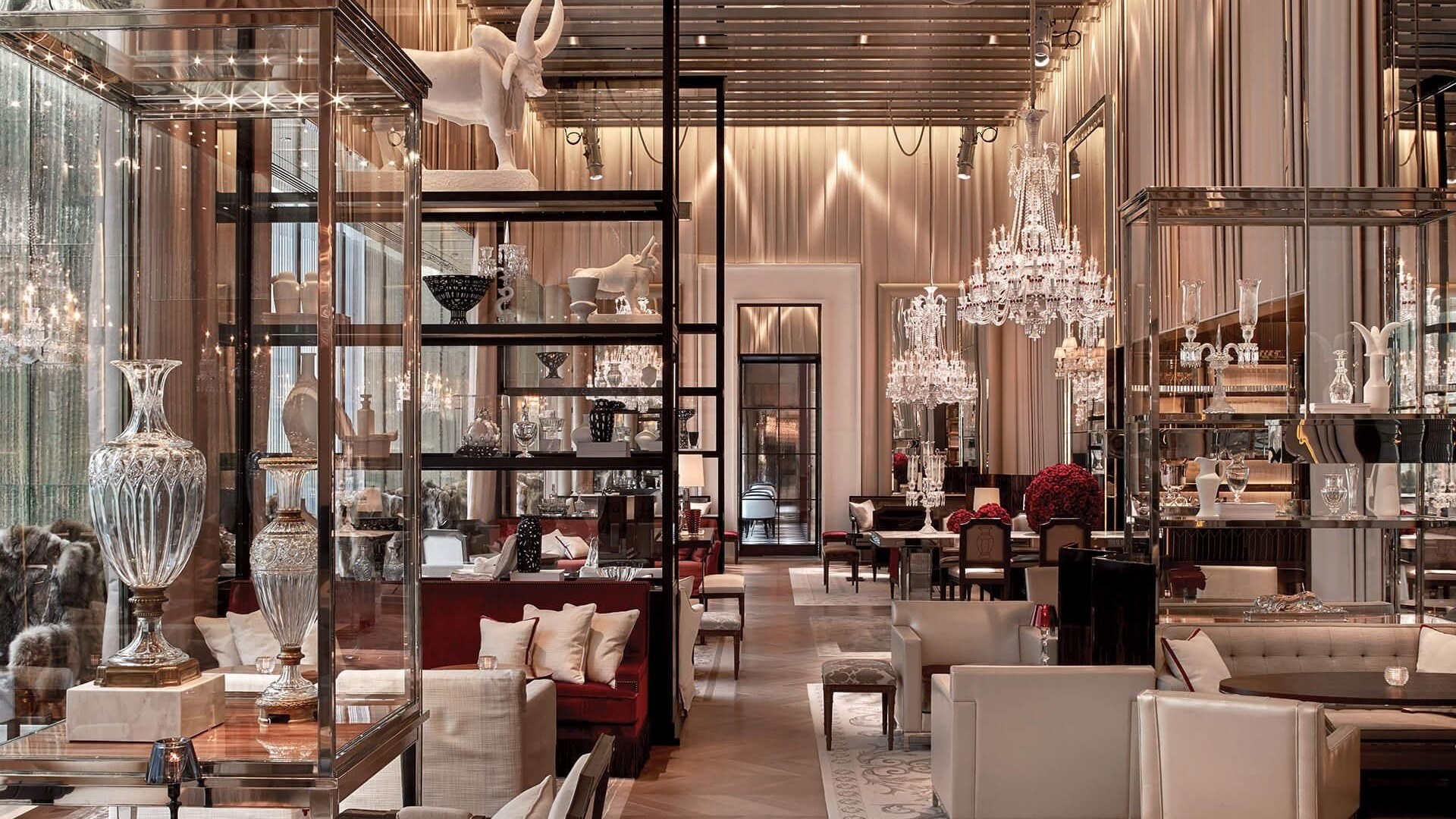
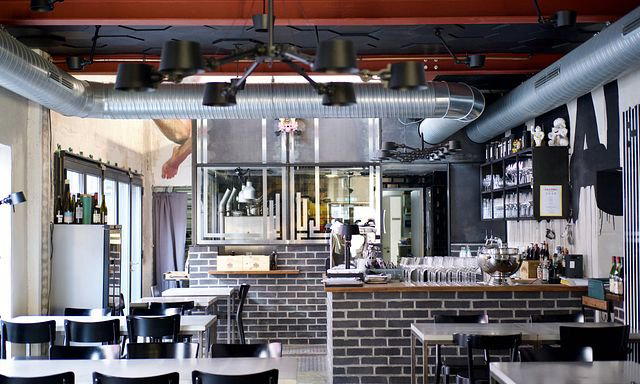
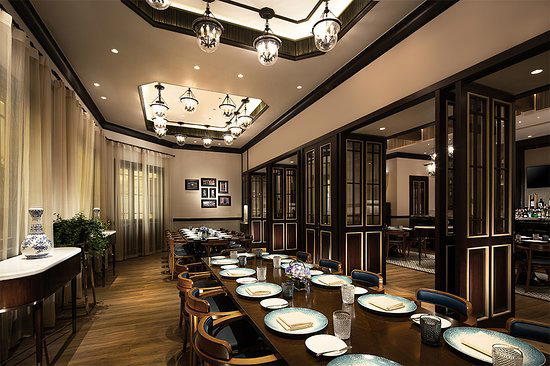
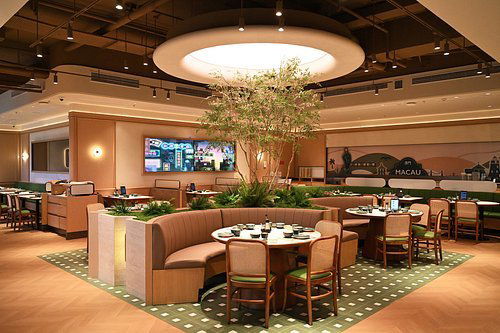
Cha Kee reads like a modern, social Chinatown room that leans energetic without feeling chaotic. Gilded fixtures throw light across an open kitchen at the back and a lively bar up front, creating two distinct zones: a social bar scene and a sit-down dining area anchored by communal tables and a banquette. The décor favors an eclectic, modern approach that intentionally avoids both lantern-laden nostalgia and spare minimalism. The result is a comfortable, convivial place where the kitchen’s craft — blending Chinese and Japanese techniques — is as much on display as the room’s thoughtful, approachable design.
Best For
Cha Kee is best for casual group dinners, after-work drinks, and family outings where sharing is part of the plan. The front bar acts as a social landing spot for guests who want a shorter visit or cocktails and small plates, while the back tables and communal seating suit larger parties and full meals. Because the kitchen stages an open line, the restaurant caters to guests who enjoy watching service unfold and prefer a dynamic, social setting rather than a quiet, formal experience.
Ordering Tips
Start at the bar if you want a shorter, social visit — the cocktail and mocktail program get equal attention and make for a full drinking experience even without alcohol. For a table meal, order family-style: the Dan Dan Noodles and Beef Brisket Noodle Soup provide contrasting spice and richness, the Honey Walnut Cauliflower offers sweet-crunch texture for sharing, and the Soy Milk Braised Romaine Lettuce is a vegetable-forward counterpoint. The menu favors familiar formats reworked through dual Chinese–Japanese techniques, so mix small and larger dishes so everyone can sample the kitchen’s range.
Venue details
Ambiance
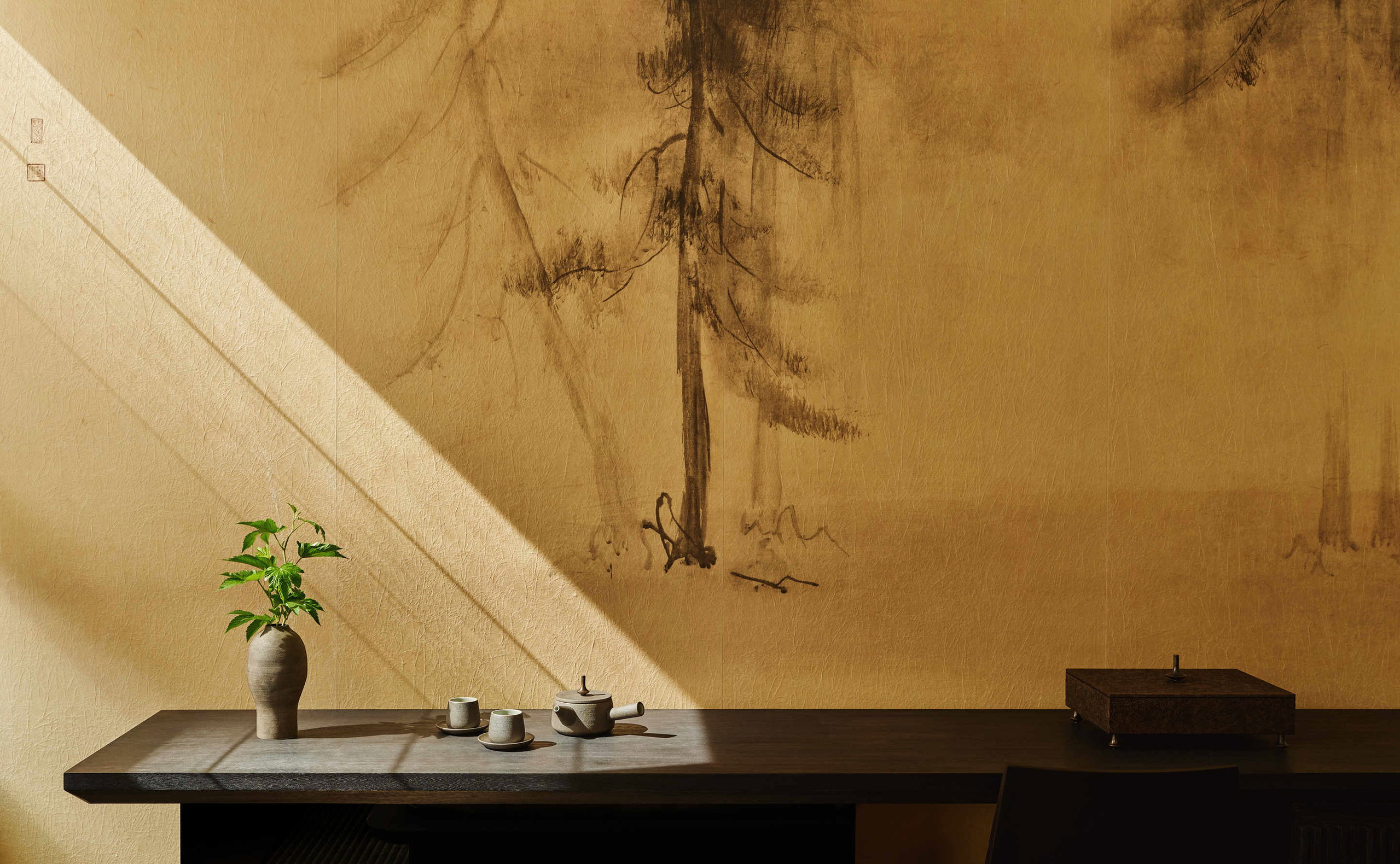
Sleek, minimalist interior with clean lines and modern design touches; subtle lighting and muted color palettes create a stylish yet inviting atmosphere that feels both current and timeless.
Tags
Vibe
Best For
Experience
At the Table
- Dress Code
- Casual
- Noise Level
- Conversational
- Service Style
- Upscale Casual
- Meal Pacing
- Standard
- Capacity
- Small
Signature Dishes
- Dan Dan Noodles
- Honey Walnut Cauliflower
- Beef Brisket Noodle Soup
- Soy Milk Braised Romaine Lettuce
Know before you go
Know Before You Go
- Getting there
- 43 Mott St, New York, NY 10013
Planning details
Location
Recognition and awards
Also consider
Where to go if Cha Kee is not the right fit
For another $$ Asian option, try Chick Chick; it is the closest practical cross-shop on price and category. For a more formal special-occasion meal, trade up to Batard instead.
Restaurant context
How Cha Kee compares in New York City
Cha Kee is the practical Chinatown choice in this set: moderate spend, easy logistics, and a casual Asian-food brief. Chick Chick is the closest like-for-like comparison on price and category, so choose between them by location and mood rather than expecting a major difference in commitment. Cha Kee makes more sense if Chinatown is already part of the plan; Chick Chick is the cleaner alternative if its location is more convenient.
Batard is not a direct cuisine comparison, but it is the right trade-up if the meal needs polish, pacing, and a more formal room. OKO Rye also asks for a higher-spend mindset, so Cha Kee wins on ease and value while OKO Rye is the better fit when the reader wants to spend more for a sharper destination feel.
Mission Chinese Food and Mei Lai Wah sit in different decision lanes. Mission Chinese Food is the comparison for readers thinking about a more personality-driven Chinese meal, while Mei Lai Wah is better treated as a quick Chinatown bakery stop before or after, not a full replacement for a sit-down meal.
Explore New York City
Around this place
Discover more on Pearl
Unlock the full Cha Kee guide in Pearl, including awards, comparisons, FAQs, planning details, and nearby places.
Compare Cha Kee
| Venue | Location | Cuisine | Awards | Price |
|---|---|---|---|---|
| Cha Kee | New York City | Asian | 2025 Michelin Plate | $$ |
| Mission Chinese Food | New York City | 2026 OAD Casual in North America Recommended2025 OAD Casual in North America Ranked · #6532024 OAD Casual in North America Ranked · #4102023 OAD Gourmet Casual Dining in North America Ranked · #1882023 OAD Casual in North America Recommended | , | , |
| Mei Lai Wah | Manhattan | Chinese Bakery | No published awards | , |
| Batard | New York City | Modern European, French | 2024 OAD Top Restaurants in Asia Ranked · #1732023 OAD Top Restaurants in Asia Highly RecommendedWorld's Best Wine Lists 2022 | , |
| Chick Chick | New York City | Asian | 2025 Michelin Plate2025 Michelin Bib Gourmand2024 Michelin Bib Gourmand | $$ |
| OKO Rye | Rye | Asian | 2025 Michelin Plate | $$$ |



How Cha Kee New York City compares with similar nearby venues.
FAQ
Frequently Asked Questions
What are alternatives to Cha Kee?
Mission Chinese Food, Mei Lai Wah, Batard, Chick Chick, and OKO Rye can all be considered in a broader dining search, depending on the kind of meal you want. Cha Kee's profile is a $$ Asian restaurant in New York City with casual dress and Michelin Plate recognition in 2025.
What should a first-timer know about Cha Kee?
Start with the basics: Cha Kee is a $$ Asian restaurant in New York City, open daily from 8 AM to 10 PM, with casual dress and Michelin Plate recognition in 2025.
Is Cha Kee good for solo dining?
Cha Kee is a casual, $$ Asian restaurant in New York City, which may make it practical for a simple solo meal.
Is Cha Kee worth the price?
Cha Kee is listed at a $$ price point, and its Michelin Plate recognition in 2025 adds a quality signal. Whether it is worth it depends on whether you want a casual Asian restaurant in New York City rather than a more formal or higher-spend meal.
Is Cha Kee good for a special occasion?
Cha Kee is best framed as a casual $$ Asian restaurant in New York City. It can work for a low-key plan, but if the occasion requires a different kind of booking, compare it with an option such as Batard.