.png?width=1200&quality=80)
Sanjuhachi
Italian · Nara
Restaurant in Nara, Japan
 Book with Pearl
The Read
Nara Italian Precision
Dress
Smart Casual
Why go
Sanjuhachi is the Michelin Plate-recognised Italian in Nara (2024 and 2025) with — a serious sourcing-led dining room at the ¥¥¥ tier that is significantly easier to book than comparable Michelin-noted Italian elsewhere in Japan. If you are in Nara and want one proper dinner, this is the clearest recommendation at this price level.
About Sanjuhachi
Verdict: Book Sanjuhachi for Italian in Nara — and stop expecting it to make sense on paper
The most common misconception about Sanjuhachi is that Italian cuisine in Nara must be a novelty act, a compromise for visitors who wandered too far from Kyoto's restaurant strip. It is not. If you are in Nara for more than a temple walk and want a serious dinner at the ¥¥¥ price point, this is where to book.
Portrait
Sanjuhachi sits at 1071-2 Hōrenchō in central Nara, a city better known for its deer and ancient shrines than for Italian cooking. That geographic tension is, in fact, the point. The restaurant operates in a food culture where Italian cuisine has been seriously practised and refined for decades — Japan has produced Italian chefs of real technical standing, and cities outside Tokyo have developed their own versions of the form. Sanjuhachi is the local expression of that tradition, and the Michelin recognition two years running suggests it is executing at a level the guide's inspectors found worth noting.
The atmosphere here rewards the explorer-minded diner. This is not a loud, open-kitchen spectacle. The energy in the room tends toward the composed and quiet, a dining mood that suits Nara's general register, where the city itself moves more slowly than Osaka or Kyoto. If you are coming from a run of high-decibel izakayas or busy ramen counters, the shift in ambient tone at Sanjuhachi will be immediate. Expect considered service pacing and a room where conversation is possible throughout the meal. For solo diners, that quieter energy makes the room approachable rather than isolating.
The ¥¥¥ pricing puts Sanjuhachi in the same tier as the other serious independent restaurants in Nara, comparable to akordu, Wa Yamamura, and Araki. At this price level, what you are paying for in Italian cooking in Japan is typically the ingredient sourcing, and that is where Sanjuhachi's case becomes most interesting. Italian cuisine in Japan, when taken seriously, tends to operate at a higher sourcing standard than its European counterpart simply because the cost of importing quality Italian ingredients, or finding Japanese equivalents that meet the same standard, demands precision and intentionality. Chefs working in this format cannot rely on proximity to producers the way a Roman trattoria can; every ingredient decision carries more weight. The Michelin Plate recognition, awarded in both 2024 and 2025, signals that the kitchen's sourcing and execution choices have been consistent enough to merit continued guide inclusion.
For context on what Italian cooking at this standard looks like elsewhere in Japan, cenci in Kyoto and 8½ Otto e Mezzo Bombana in Hong Kong represent the upper ceiling of the regional Italian fine dining format in Asia. Sanjuhachi is not at that level of international recognition, but it is operating in the same genre of deliberate, sourcing-led Italian cookery, just calibrated to Nara's scale and pace. Other Italian-focused dining options in the city include Da Terra, Lega', BANCHETTI, Camino, and cucina regionale YANAGAWA, each with its own positioning within the local Italian scene.
Booking is rated Easy, which is a genuine advantage. Unlike the harder-to-secure tables at places such as HAJIME in Osaka, Harutaka in Tokyo, or Gion Sasaki in Kyoto, Sanjuhachi does not require months of planning. A week to ten days out is a sensible lead time, though if you are visiting Nara on a weekend during the peak spring or autumn tourist seasons, booking further ahead reduces risk.
For those building a broader Japan dining itinerary, the restaurant sits naturally alongside other regional destinations worth noting: Goh in Fukuoka, 1000 in Yokohama, and 6 in Okinawa each represent the kind of city-specific serious dining that rewards travellers who look beyond the major urban centres. Sanjuhachi belongs in that company.
The short version: if you are in Nara and want a dinner that reflects real culinary ambition rather than tourist-adjacent convenience, Sanjuhachi is the clearest recommendation at the ¥¥¥ level. Two Michelin Plates, a near-perfect crowd rating, and a booking window that does not punish last-minute planners make it an easy decision to put on the list. Browse the full Nara restaurants guide to build out your itinerary, and see also the Nara hotels guide, Nara bars guide, Nara wineries guide, and Nara experiences guide for the full picture.
Planning details
- Location
- 1071-2 Hōrenchō, Nara, 630-8113, Japan
- Reservations
- Book on the venue's website
- Website
- sahha.jp
- Phone
- +81 70-8428-0552
The take
The Take
The Vibe
Sanjuhachi reads as a quietly refined Italian outpost that respects Nara’s long culinary lineage while asserting a European sensibility. The piece positions the restaurant against the city’s kaiseki tradition, so the room and service feel restrained and considered rather than theatrical. Michelin Plate recognition and a remarkably high review score point to consistent, polished execution; the overall effect is intimate and thoughtful, with an elegant, minimalist presentation of food that privileges seasonality and provenance. It feels like a place built for diners who appreciate calm formality and careful attention to detail rather than loud spectacle.
Best For
This is a restaurant for deliberate dining—well suited to special occasions and solitary, focused meals alike. The Michelin Plate mentions and sustained 4.9 Google rating suggest a reliable choice when visitors to Nara want a memorable Italian meal that still reads as understated. It works for travelers sampling the city’s evolving mid-range dining scene and for locals who favor composed, high-quality cooking. Because recognition and review volume imply demand, the venue rewards advance planning: reservations are sensible for dinners or any evening when quality and consistency matter.
Ordering Tips
Sample the kitchen’s highlighted preparations to understand its approach to local ingredients and technique. Signature dishes called out—Yamato Vegetables in Morning Dew, Charcoal-Grilled Sweetfish with Mountain Herb Ash, and Miso-Cured Venison with Persimmon Leaf Smoke—are reliable touchstones for the restaurant’s flavor profile and use of regional produce. Given the restaurant’s emphasis on place and ceremony, ask staff for guidance on sequencing plates or nightly specials and book ahead: sustained high scores and Michelin Plate recognition suggest popular service periods and limited seating availability.
Venue details
Ambiance
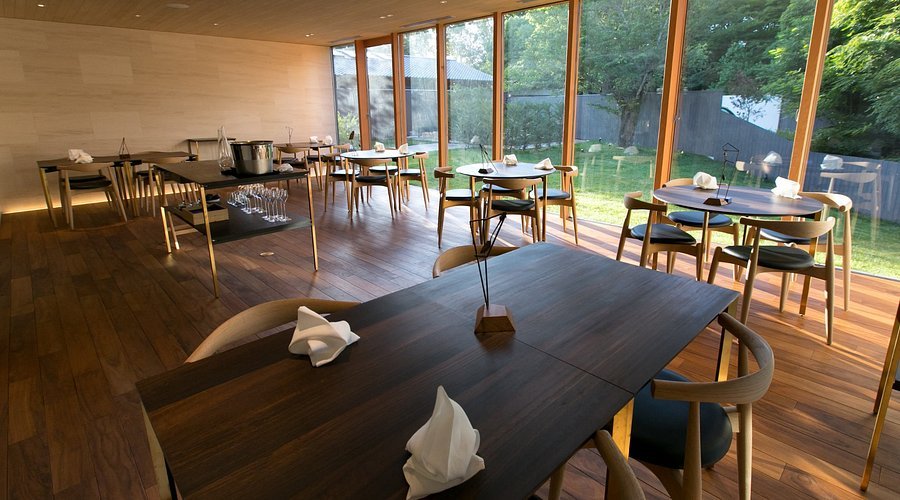
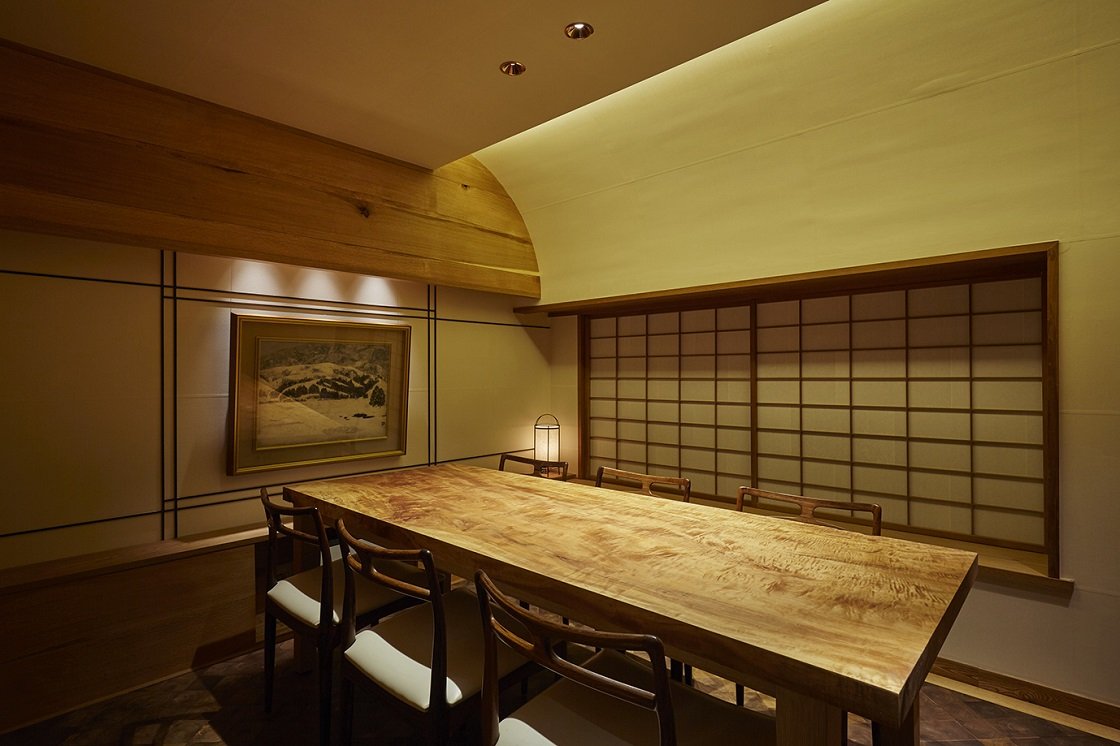
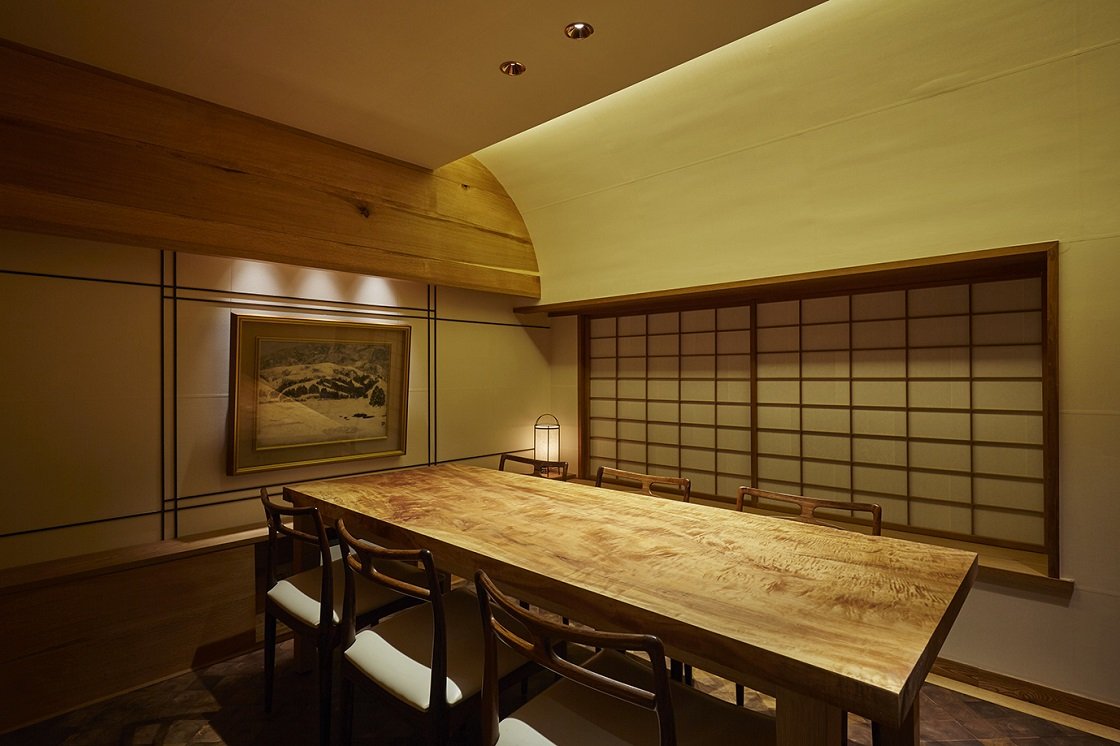
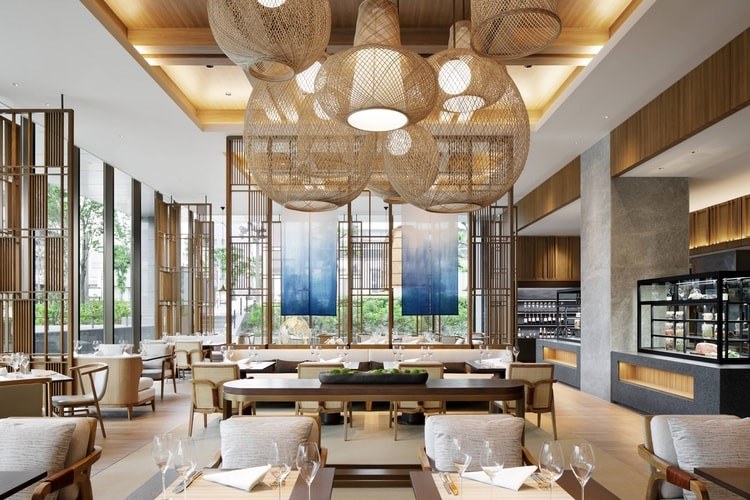
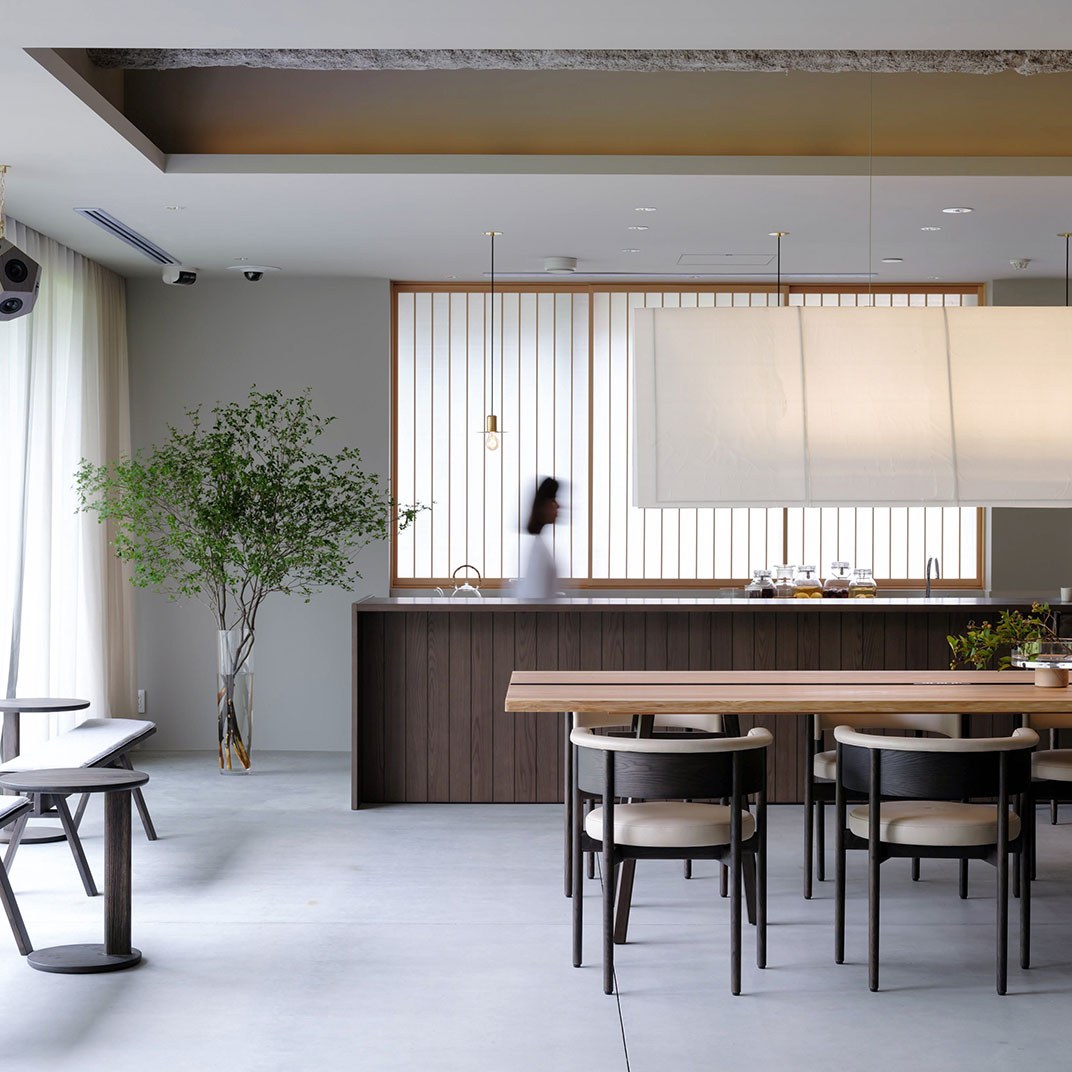
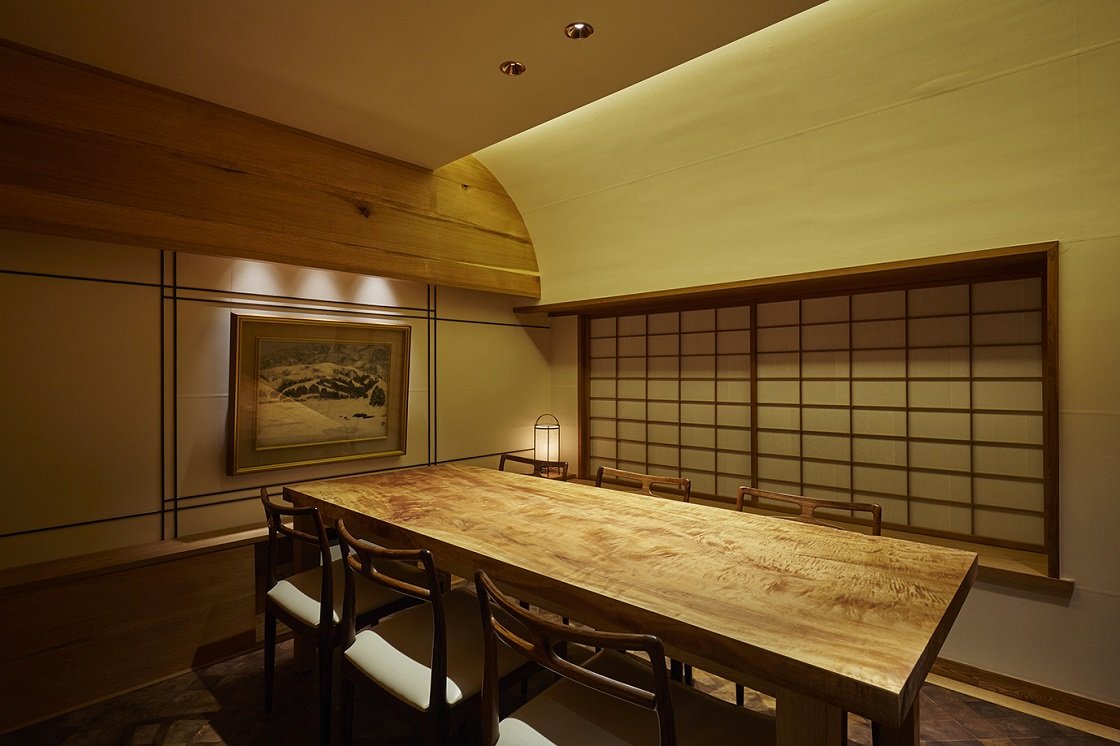
Intimate minimalist room with warm woods, stone accents, natural light, hushed service, and chef's counter focusing on ingredient clarity.
Tags
Vibe
Best For
Experience
Sourcing
At the Table
- Dress Code
- Smart Casual
- Noise Level
- Quiet
- Service Style
- Formal
- Meal Pacing
- Leisurely
- Capacity
- Intimate
- Kitchen
- Modern
- Menu Format
- Tasting menu
- Wine Program
- Curated
- Drinks Focus
- Sake, Wine
- Dietary
- Vegetarian friendly
- Private Dining
- Available
Signature Dishes
- Yamato Vegetables in Morning Dew
- Charcoal-Grilled Sweetfish with Mountain Herb Ash
- Miso-Cured Venison with Persimmon Leaf Smoke
Know before you go
Know Before You Go
- Getting there
- 1071-2 Hōrenchō, Nara, 630-8113, Japan
Planning details
Location
1071-2 Hōrenchō, Nara, 630-8113, Japan · Directions
Recognition and awards
Also consider
Also Consider
- akordu, Spanish, Innovative, ¥¥¥
- Wa Yamamura, Kaiseki, Japanese, ¥¥¥
- Araki, Sushi, Japanese, ¥¥¥
- Tama, Okinawan, French, ¥¥¥
- NARA NIKON, Japanese, ¥¥¥
Restaurant context
How Sanjuhachi Compares in Nara
At the ¥¥¥ tier, Nara's serious dining options split cleanly between Japanese formats and the handful of Western-influenced rooms. Wa Yamamura is the choice if kaiseki is your priority, it delivers the deepest expression of Japanese seasonal cooking in the city and is the right pick for a diner whose main objective is traditional Japanese technique. Araki serves that function for sushi. Sanjuhachi fills a different role: it is where to go when you want European-format dining executed to a standard the Michelin guide has recognised twice running, without the booking difficulty that Michelin attention usually creates.
akordu is the most direct stylistic peer, both are Western-cuisine restaurants operating at ¥¥¥ with serious culinary intent in a city where Japanese formats dominate. If Spanish and innovative cooking interests you more than Italian, akordu is the alternative. Tama (Okinawan-French) and NARA NIKON (Japanese) round out the ¥¥¥ tier with different cuisine propositions. For a diner who has already done kaiseki in Kyoto and sushi in Tokyo and wants something different in Nara, Sanjuhachi or akordu are the two clearest options.
On booking difficulty, Sanjuhachi has a practical edge over the category. Easy availability at a Michelin-recognised table is not standard in Japan, and that access matters for travellers who are not planning weeks ahead. If you are deciding between Sanjuhachi and Wa Yamamura for a weekend slot, book the harder table first and fit Sanjuhachi around it, the easier booking window gives you that flexibility.
Explore Nara
Around this place
Discover more on Pearl
Unlock the full Sanjuhachi guide in Pearl, including awards, comparisons, FAQs, planning details, and nearby places.
Compare Sanjuhachi
| Venue | Price | Awards |
|---|---|---|
| Sanjuhachi | ¥¥¥ | 2025 Michelin Plate2024 Michelin Plate |
| akordu | ¥¥¥ | 2026 Tabelog Bronze · #142026 OAD Top Restaurants in Japan RecommendedMichelin Guide Nara 20262026 La Liste Top RestaurantsTabelog 100 - Innovative / Creative cuisine - 2025 · #762025 OAD Top Restaurants in Japan Ranked · #5192025 Tabelog Silver2025 Michelin 2 Stars2025 La Liste Top Restaurants |
| Wa Yamamura | ¥¥¥ | 2026 OAD Top Restaurants in Japan RecommendedMichelin Guide Nara 20262025 OAD Top Restaurants in Japan Ranked · #2052025 Michelin 1 Star2024 OAD Top Restaurants in Japan Ranked · #1952024 Michelin 1 Star2023 OAD Top Restaurants in Japan Highly Recommended |
| Araki | ¥¥¥ | 2026 Tabelog Bronze · #23Michelin Guide Nara 2026Tabelog 100 - Tempura - 2025 · #202025 Michelin Plate2025 Tabelog Bronze2024 Michelin Plate2023 OAD Top Restaurants in Asia Ranked · #24 |
| Tama | ¥¥¥ | Michelin Guide Nara 20262025 OAD Casual in Japan Ranked · #902025 Michelin Plate2024 OAD Casual in Japan Ranked · #802024 Michelin Plate2023 OAD Casual in Japan Ranked · #63 |
| NARA NIKON | ¥¥¥ | 2026 Tabelog Bronze · #315Michelin Guide Nara 2026Tabelog 100 - Japanese cuisine - WEST - 2025 · #692025 La Liste Top Restaurants2025 Tabelog Bronze2025 Michelin 2 Stars2024 Michelin 2 Stars |






What to weigh when choosing between Sanjuhachi and alternatives.
FAQ
Frequently Asked Questions
Is Sanjuhachi good for solo dining?
Solo diners tend to do well at Italian restaurants that run a counter or compact service format, and Sanjuhachi's ¥¥¥ price point suggests a structured, course-led experience where a single seat is rarely awkward. Its Michelin Plate recognition in both 2024 and 2025 signals consistent kitchen output rather than a group-performance venue. If you're visiting Nara alone and want a serious meal over a tourist-circuit dinner, this is a sound choice.
How far ahead should I book Sanjuhachi?
Booking windows aren't published, but a twice-consecutive Michelin Plate winner in a city with high tourist footfall warrants at least 2–3 weeks' advance notice, more if you're visiting during a peak period like cherry blossom or autumn foliage season. Walk-in availability at ¥¥¥ Italian in Nara is possible off-peak but not a safe assumption. Secure a reservation before you travel.
Can I eat at the bar at Sanjuhachi?
The venue record doesn't specify a bar or counter seating arrangement. Given the address at 1071-2 Hōrenchō and the Italian format at ¥¥¥, the dining setup is more likely table-based than a stand-alone bar counter. Confirm directly with the restaurant if counter or bar access matters to your visit.
What should a first-timer know about Sanjuhachi?
The premise requires a small adjustment: this is Italian cooking in Nara, which sounds incongruous but is backed by two consecutive Michelin Plate awards. Come expecting a structured meal at ¥¥¥ pricing rather than casual pizza-and-pasta; the recognition suggests kitchen discipline over novelty. Nara is a day-trip city for many visitors, so if you're timing a dinner here, build in the commute — the address at Hōrenchō puts it in the city's central zone, walkable from major sites.