
Koikiryori Aji Manso
Japanese · Nara
Restaurant in Nara, Japan
 Book with Pearl
The Read
Seasonal Omakase, Kansai Register
Price
$100–150per person
Chef
Koji Nagata
Dress
Smart Casual
Why go
Koikiryori Aji Manso is Nara's strongest case for a dedicated dinner reservation, earning a 2025 Michelin star through Koji Nagata's personalised omakase and a seasonal focus on pike conger that peaks June through September. At the ¥¥¥ tier, it outperforms most Nara competition on atmosphere and menu customisation. Book four to six weeks out minimum — post-Michelin demand has made this a hard reservation.
About Koikiryori Aji Manso
Verdict: Book Koikiryori Aji Manso If You're Visiting Nara for a Serious Meal
Koikiryori Aji Manso is Nara's most compelling case for a dedicated dinner reservation. A Michelin one-star recipient in 2025, it earns that recognition not through spectacle but through Koji Nagata's deliberate, personalised omakase approach. At the ¥¥¥ price point, it competes directly with Wa Yamamura and Araki in Nara's upper tier, and for first-timers to the city's dining scene, this is the room to prioritise. Book early: this is hard to get into, and demand has increased since the 2025 Michelin announcement.
What to Expect on Your First Visit
From early summer onward, the kitchen's attention turns to pike conger, the eel-like fish that defines high-season Japanese cooking across the Kansai region. At Aji Manso, the pike conger sukiyaki hotpot is the dish that drives repeat visits, and if you're arriving between June and September, it should anchor your meal. Outside that window, Nagata's omakase is designed around each diner's preferences, so communicate your restrictions or interests when booking — the menu adapts accordingly.
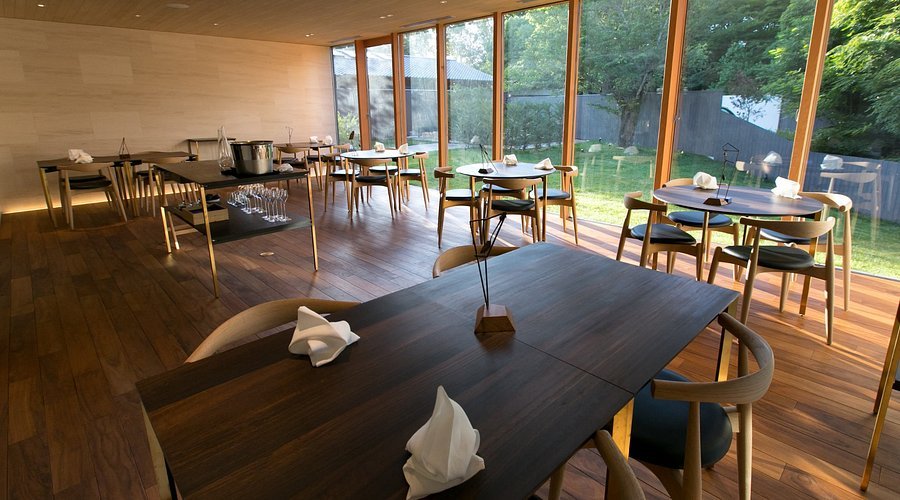
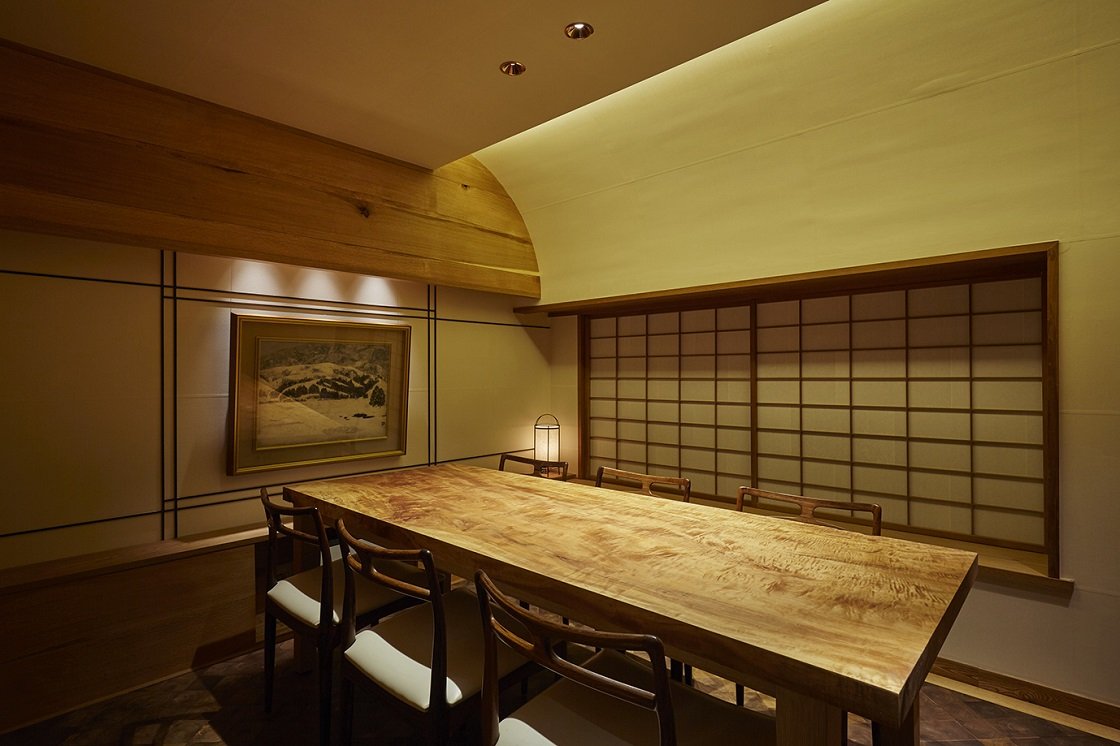
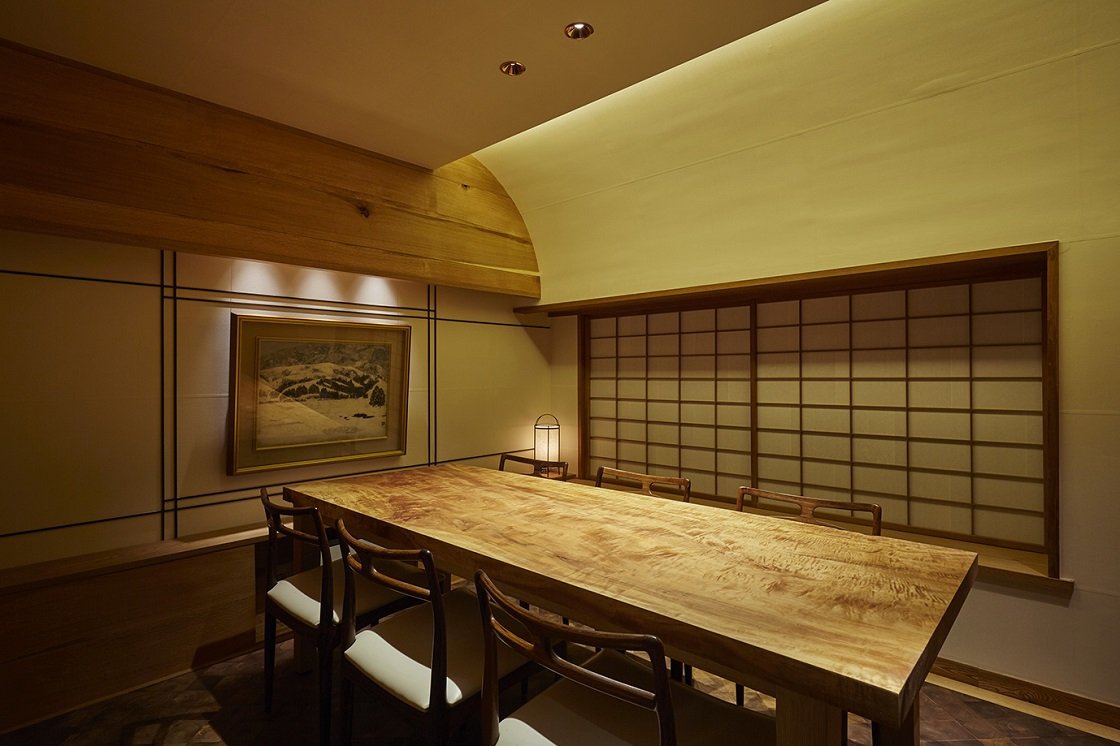
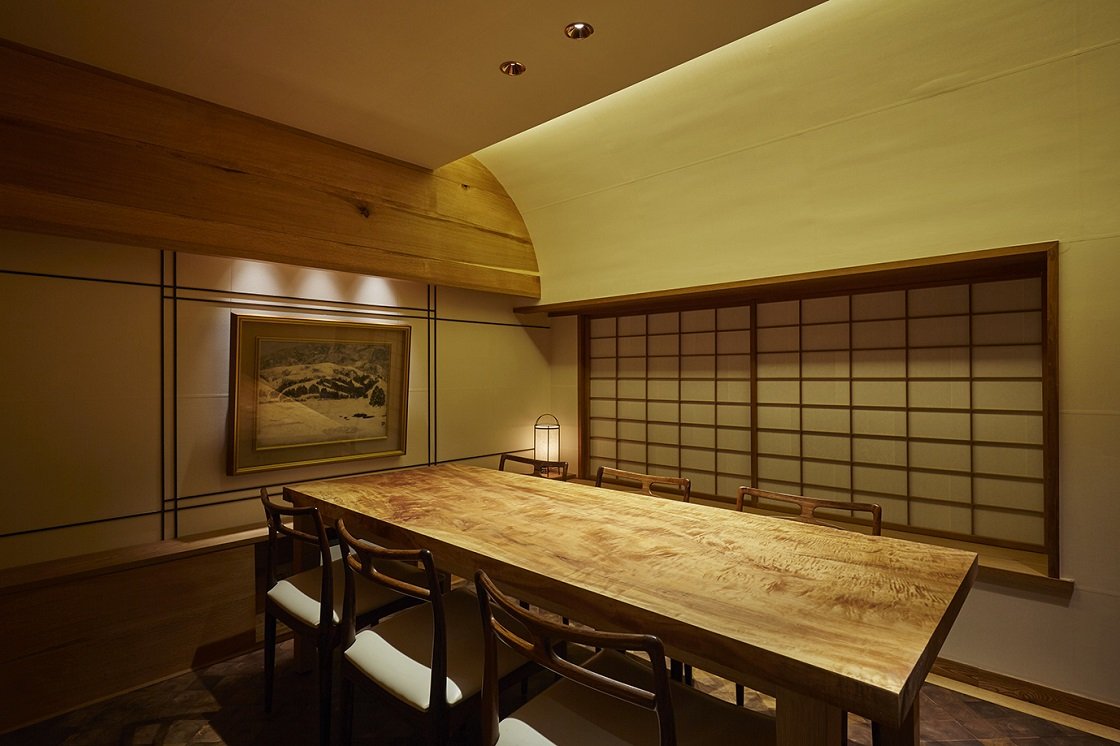
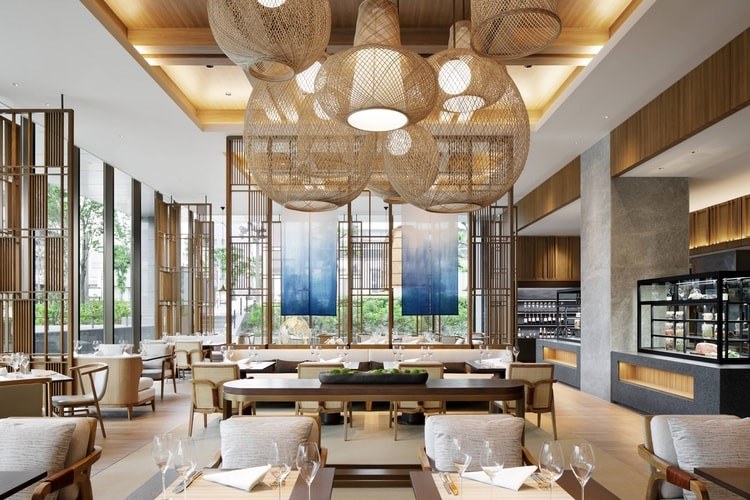
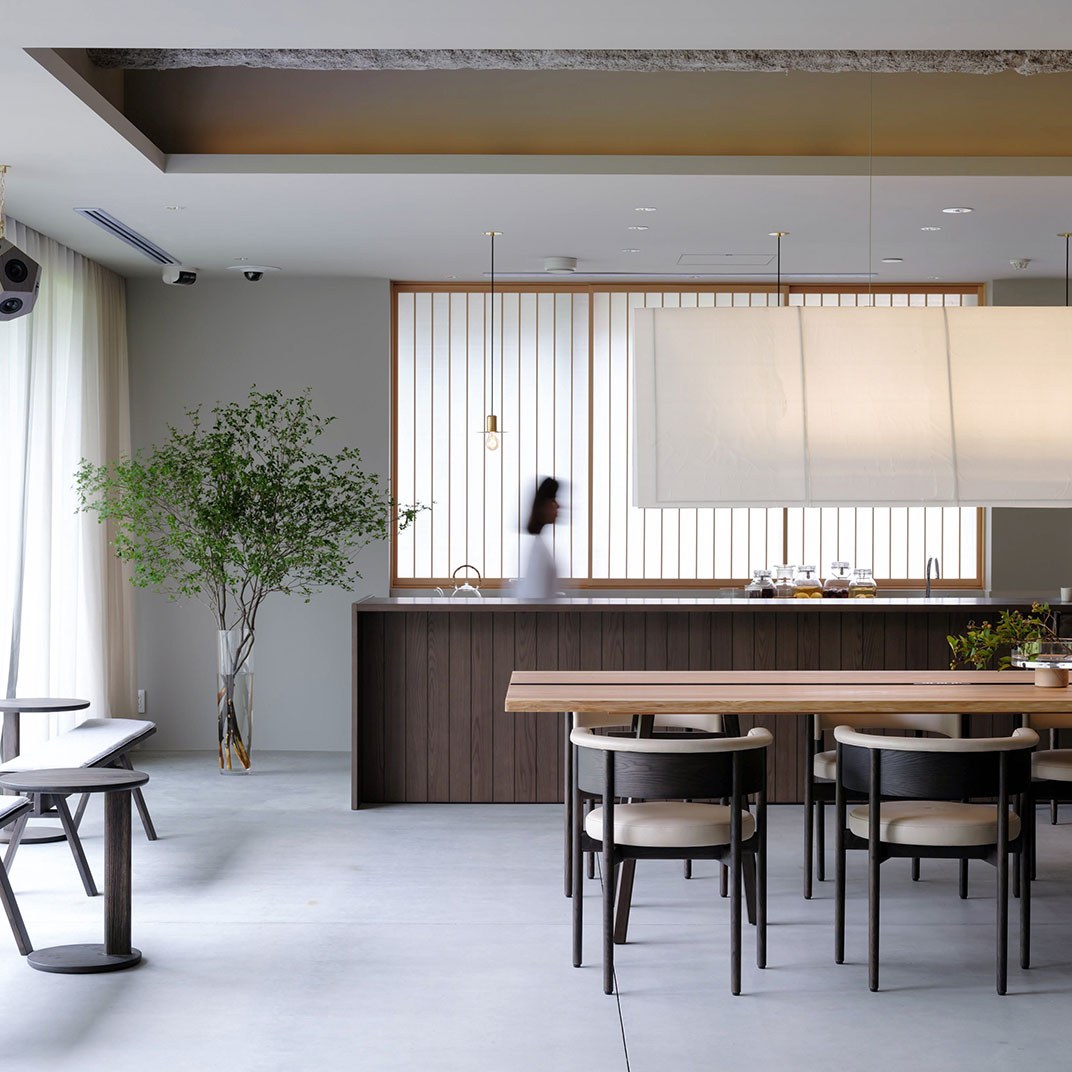
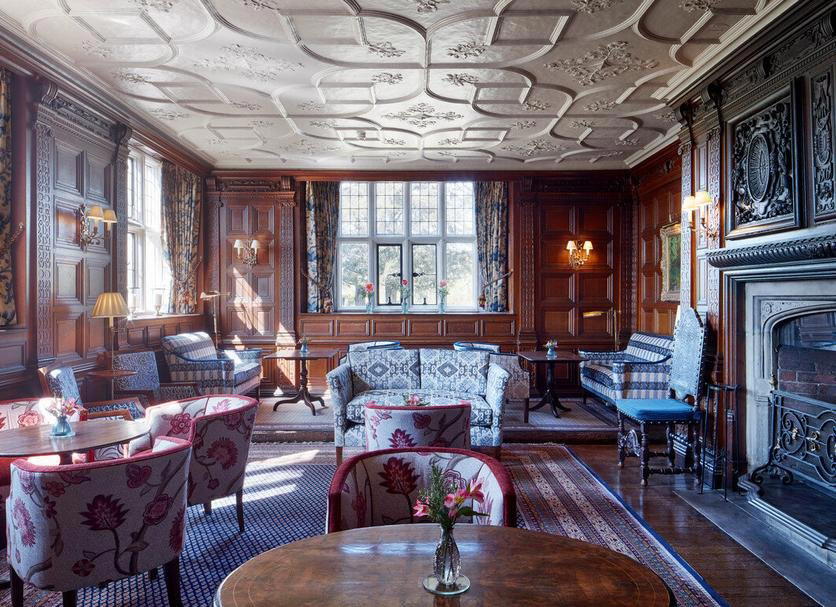
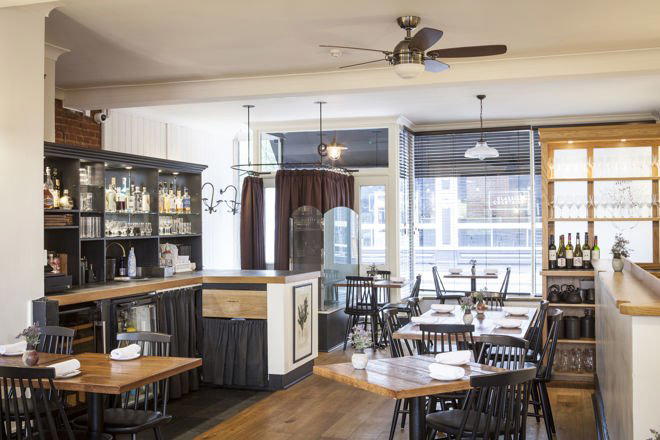
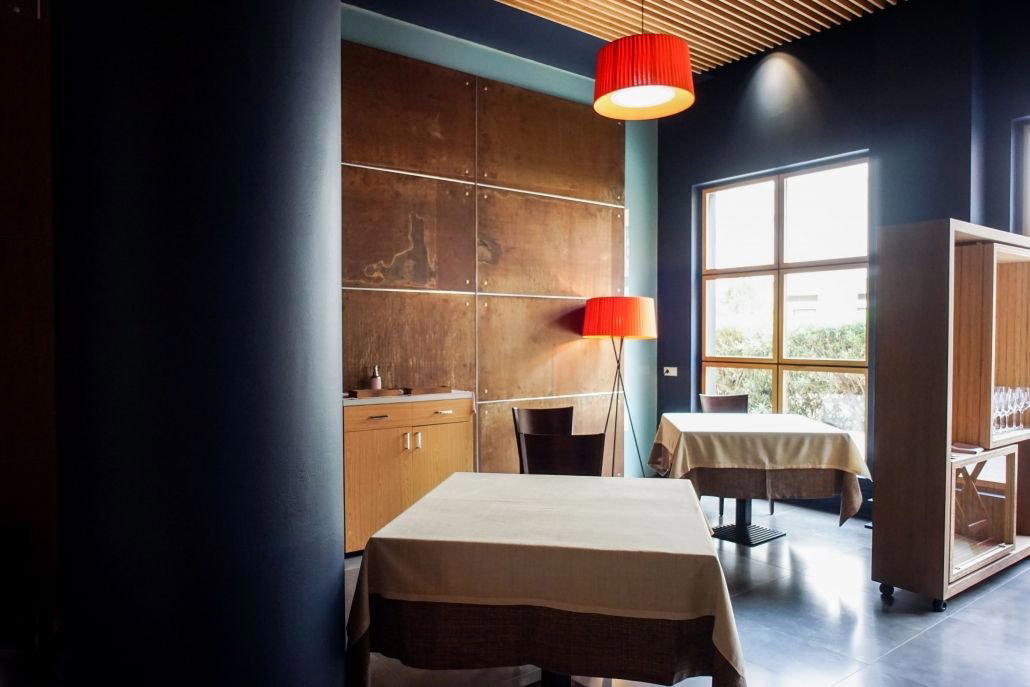
The room itself is worth noting for first-timers: works by painters and potters line the interior, giving it a gallery-like warmth that sits somewhere between a private dining room and a collector's home. This is not a minimalist temple to precision. It feels lived-in and intentional, and the service is described by Michelin as cheerful rather than formal. For diners who find the studied silence of some omakase counters alienating, Aji Manso offers an easier entry point.
The food skews generous. Michelin specifically notes dishes of substantial proportions, and the bar snack selection is well-developed enough for drinkers who want to eat lightly around drinks rather than commit to a full omakase. That flexibility is not common at this price tier in Nara, and it is worth knowing before you arrive.
Lunch vs Dinner: Which Sitting to Book
Hours are not confirmed in Pearl's database, so contact the restaurant directly to establish whether lunch is offered. If it is, the comparison matters: in Kansai's fine dining tier, lunch omakase menus typically run at a lower price point than dinner while drawing from the same kitchen, making them strong value for first-timers who want to assess a restaurant before committing to a full evening spend. At comparable Nara venues, lunch can represent a 30–50% saving against dinner pricing. If Aji Manso offers a daytime service, it is the recommended entry point for a first visit.
For a special occasion or a dining-focused trip, the evening is the better call. The atmosphere in the full omakase setting, with the art-hung interior and the personalised menu structure, is oriented toward a longer, more considered experience. Given that Nara's main sights are compact and walkable, a late afternoon visit to Tōdai-ji or Nara Park followed by dinner at Aji Manso is a coherent way to structure a day — and keeps the meal as the event rather than a midday interlude. For comparable Kansai evening dining, consider Gion Sasaki in Kyoto as an alternative if Aji Manso's dates don't align.
Ideal time to visit
Early summer is the high-water mark. The pike conger season, which begins in June, is the reason serious diners time their Nara visit around this restaurant specifically. The sukiyaki hotpot preparation of pike conger is the house signature, and if your travel dates allow, arriving in June or July gives you access to the menu at its most distinctive. Autumn is also a strong window: Nara's foliage draws visitors from across Japan, the city is energised, and the seasonal produce in a kitchen like Nagata's will reflect that. Avoid scheduling around major public holidays if booking difficulty is already a concern, seats are limited and the post-2025 Michelin interest has raised the competition for reservations.
For comparison, HAJIME in Osaka and Harutaka in Tokyo operate at higher price tiers but are similarly season-sensitive. Aji Manso's ¥¥¥ positioning makes it the more accessible seasonal destination in this part of Japan.
Booking and Practical Details
Booking difficulty is rated hard. With no direct website or phone number confirmed in Pearl's database, the most reliable approach is to contact the restaurant through a hotel concierge or a reservations intermediary with local relationships, particularly if you are visiting from outside Japan. English-language booking is not guaranteed to be direct. Japanese speakers should attempt contact directly at the Jūriin Hatamachi address. Give yourself a minimum of four to six weeks lead time post-Michelin recognition; more if you are targeting the peak summer pike conger season.
Address: 11-9 Jūriin Hatamachi, Nara, 630-8311, Japan. For broader Nara planning, see our full Nara restaurants guide, our Nara hotels guide, and our Nara bars guide.
Other Nara options worth considering before you book: Oryori Hanagaki, Tsukumo, Ajinokaze Nishimura, Ajinotabibito Roman, and NARA NIKON. For the broader region, Myojaku in Tokyo and Azabu Kadowaki in Tokyo offer comparable omakase registers if your itinerary takes you to the capital. Those planning to extend into Kyushu should note Goh in Fukuoka as a strong regional counterpart.
Planning details
- Location
- 11-9 Jūriin Hatamachi, Nara, 630-8311, Japan
- Website
- facebook.com/naracurrykoruri
- Phone
- +81 742-24-3648
The take
The Take
The Vibe
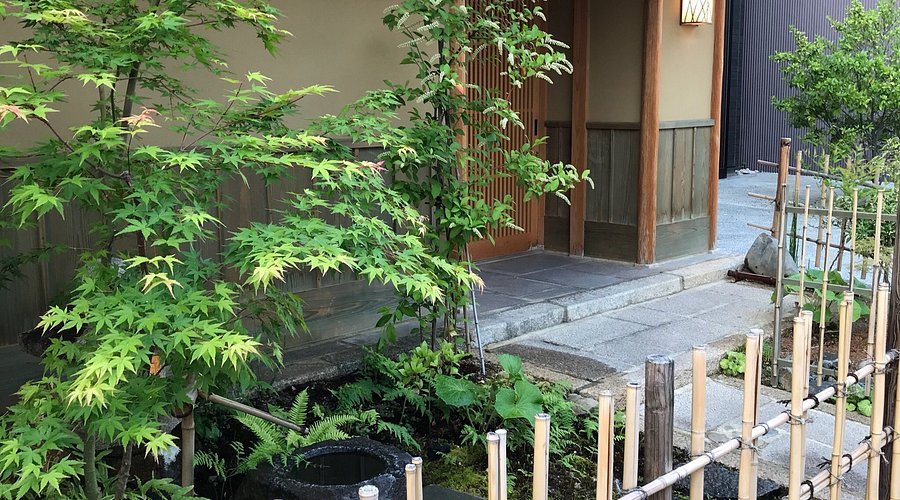
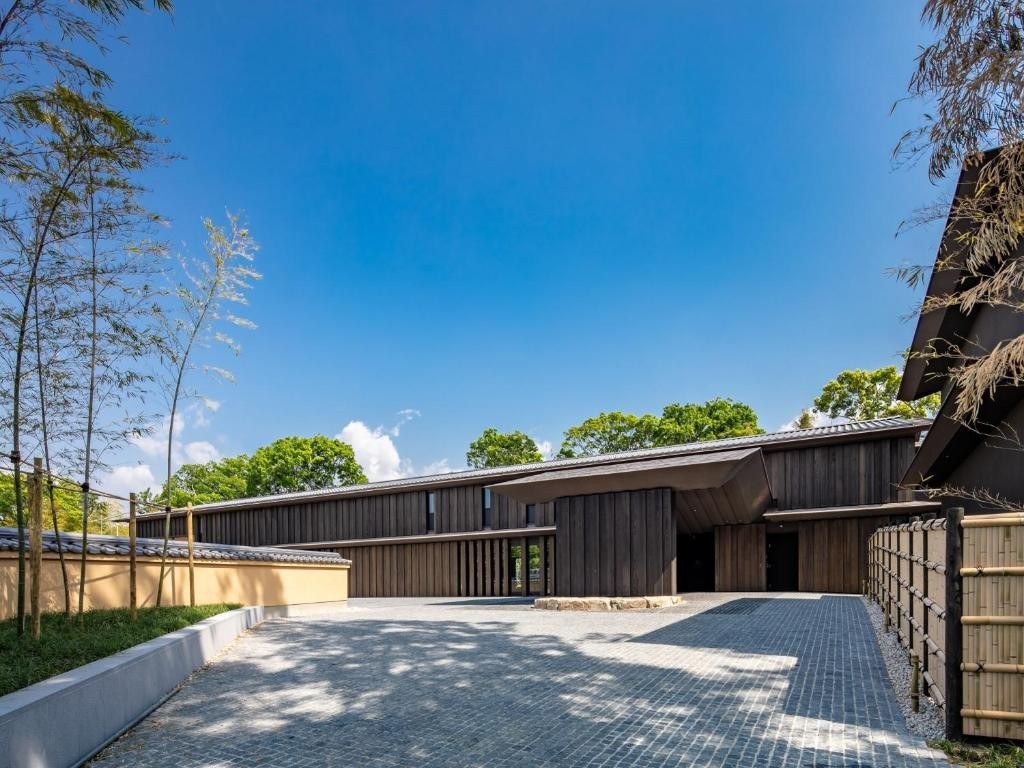
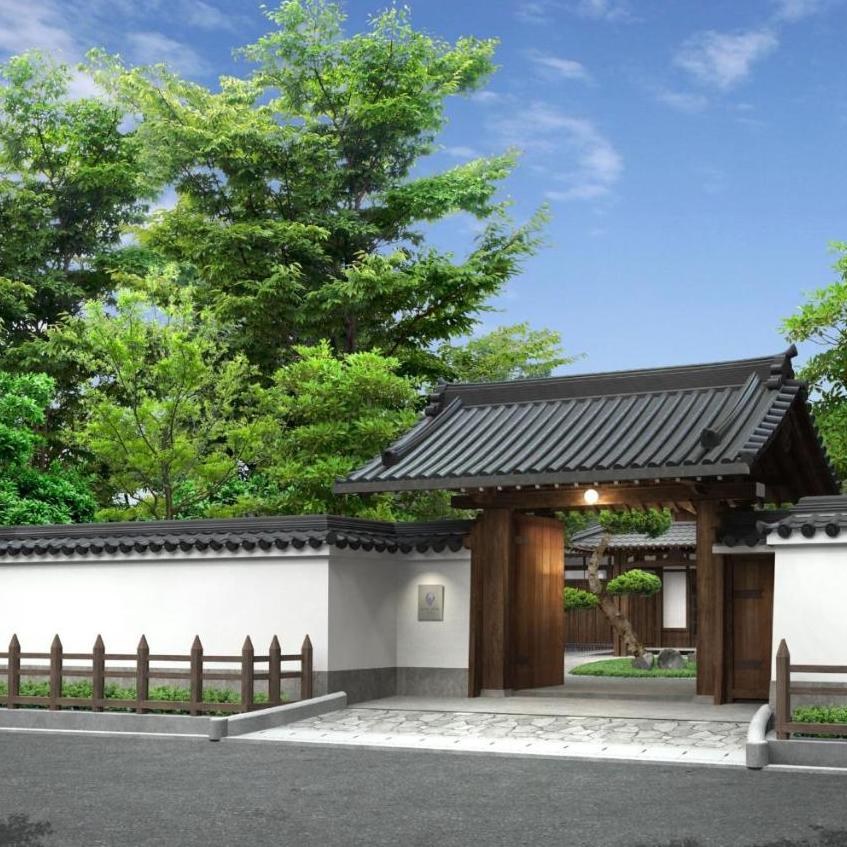
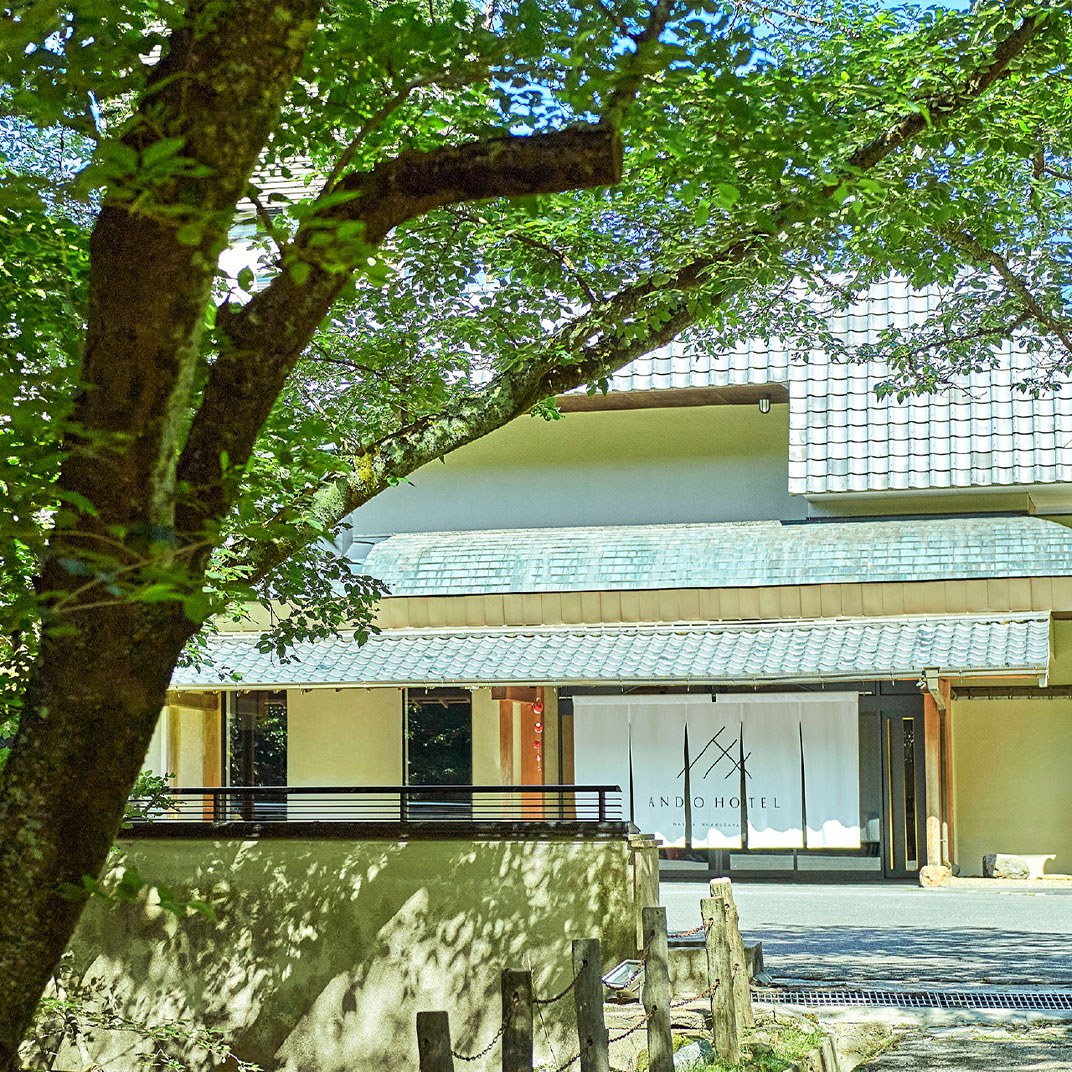
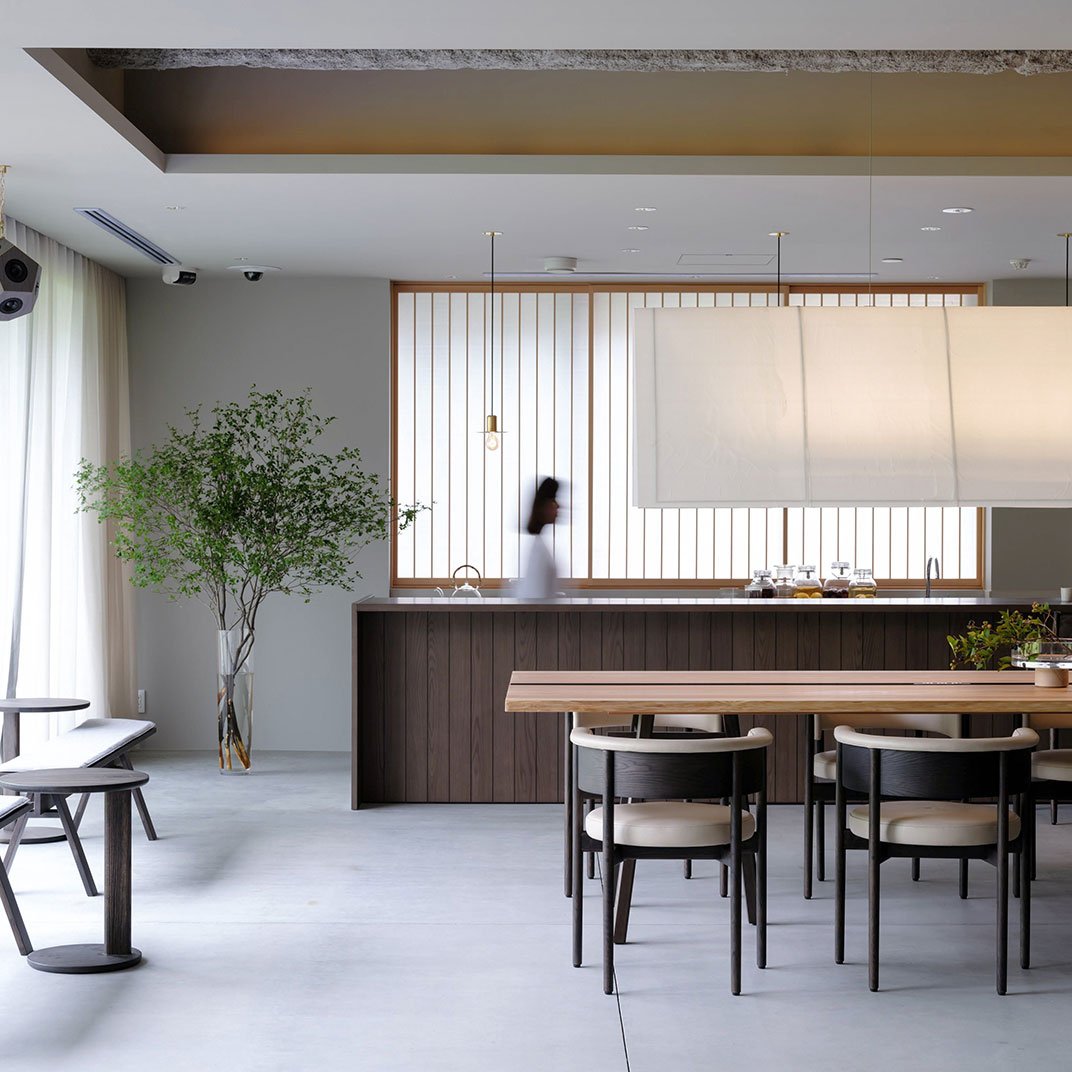
Koikiryori Aji Manso presents a restrained, contemplative atmosphere. Tucked into residential lanes of Nara’s quieter core, the dining room is lined with works by painters and potters, and the pace of service privileges attention over throughput. The space asks diners to slow down—"it is the kind of space that takes several minutes to read properly"—and the overall effect is quietly charming and serene rather than theatrical. This is a place where subtlety rules, and the interior’s artful touches reinforce a focused, low-key mood ideal for guests who appreciate listening to the food and the room.
Best For
This restaurant is best for diners seeking a focused omakase experience, particularly for attentive evening meals. The kitchen assembles a personally calibrated set menu for each diner, making it well suited to solo diners or small parties who want a tailored tasting. Given the measured pace and the fine-dining context described, it also fits special evenings that demand quiet refinement rather than loud celebration. The venue’s placement in Nara’s quieter residential lanes reinforces its appeal for guests who prioritize culinary attention and subtle Kansai-flavored cooking over high-energy dining.
Ordering Tips
Opt for the omakase format and share your preferences up front: the menu is described as "personally assembled" and "calibrated to each diner's preferences," so communicating allergies, dislikes, or priorities will shape the progression. Expect a measured pace and attentive service rather than a rapid sequence of dishes; allow time between courses and resist rushing. Because the kitchen emphasizes subtle Kansai dashi and ingredient-driven seasoning, consider letting the chef guide seasoning choices rather than requesting heavy alterations so you experience the intended balance.
Venue details
Ambiance
Warm and hospitable atmosphere with cheerful service in a traditional setting featuring long wooden tables.
Tags
Vibe
Best For
Sourcing
At the Table
- Dress Code
- Smart Casual
- Noise Level
- Quiet
- Service Style
- Upscale Casual
- Meal Pacing
- Leisurely
- Capacity
- Intimate
- Kitchen
- Traditional
- Menu Format
- Omakase
- Wine Program
- Curated
- Private Dining
- Available
Know before you go
Know Before You Go
- Getting there
- 11-9 Jūriin Hatamachi, Nara, 630-8311, Japan
Planning details
Location
11-9 Jūriin Hatamachi, Nara, 630-8311, Japan · Directions
Recognition and awards
Also consider
Also Consider
- akordu, Spanish, Innovative, ¥¥¥
- Wa Yamamura, Kaiseki, Japanese, ¥¥¥
- Araki, Sushi, Japanese, ¥¥¥
- Tama, Okinawan, French, ¥¥¥
- NARA NIKON, Japanese, ¥¥¥
Restaurant context
How Koikiryori Aji Manso Compares in Nara
At the ¥¥¥ tier, Nara has a genuinely competitive upper dining bracket, and where you book depends on what you are optimising for. Wa Yamamura is the closest structural alternative, kaiseki rather than omakase, but similarly positioned on price and seriousness of cooking. If you want a more codified seasonal menu with less personalisation, Wa Yamamura is the better fit. Aji Manso is the stronger choice if you want the kitchen to work around your preferences and if you are visiting during pike conger season, where its specialisation gives it a clear edge.
akordu offers the most distinct alternative in Nara's top tier: Spanish-influenced, innovative, and stylistically removed from the Japanese omakase register entirely. If your party includes diners who are less engaged with kaiseki or Japanese formats, akordu gives you a credible high-end option without the format commitment. Araki covers sushi at the same price point, which is a different discipline entirely, worth considering if sushi is the priority over a cooked omakase. Tama, with its Okinawan-French positioning, is the most unusual pairing in Nara's top bracket and worth a look for diners who have already done the Japanese omakase circuit.
NARA NIKON sits in the same price tier and Japanese category as Aji Manso and is a reasonable fallback if you cannot secure a reservation here. The practical booking reality is this: Aji Manso is the hardest reservation in Nara's current top tier following its 2025 Michelin recognition, so if your dates are fixed and flexibility is limited, move Wa Yamamura or NARA NIKON up your shortlist rather than leaving the evening unbooked.
Explore Nara
Around this place
Discover more on Pearl
Unlock the full Koikiryori Aji Manso guide in Pearl, including awards, comparisons, FAQs, planning details, and nearby places.
Compare Koikiryori Aji Manso
| Venue | Cuisine | Price | Booking Difficulty | Awards |
|---|---|---|---|---|
| Koikiryori Aji Manso | Japanese | ¥¥¥ | Hard | 2025 Michelin 1 Star2024 Michelin 1 Star |
| akordu | Spanish, Innovative | ¥¥¥ | Unknown | 2026 Tabelog Bronze · #142026 OAD Top Restaurants in Japan RecommendedMichelin Guide Nara 20262026 La Liste Top RestaurantsTabelog 100 - Innovative / Creative cuisine - 2025 · #762025 OAD Top Restaurants in Japan Ranked · #5192025 Tabelog Silver2025 Michelin 2 Stars2025 La Liste Top Restaurants |
| Wa Yamamura | Kaiseki, Japanese | ¥¥¥ | Unknown | 2026 OAD Top Restaurants in Japan RecommendedMichelin Guide Nara 20262025 OAD Top Restaurants in Japan Ranked · #2052025 Michelin 1 Star2024 OAD Top Restaurants in Japan Ranked · #1952024 Michelin 1 Star2023 OAD Top Restaurants in Japan Highly Recommended |
| Araki | Sushi, Japanese | ¥¥¥ | Unknown | 2026 Tabelog Bronze · #23Michelin Guide Nara 2026Tabelog 100 - Tempura - 2025 · #202025 Michelin Plate2025 Tabelog Bronze2024 Michelin Plate2023 OAD Top Restaurants in Asia Ranked · #24 |
| Tama | Okinawan, French | ¥¥¥ | Unknown | Michelin Guide Nara 20262025 OAD Casual in Japan Ranked · #902025 Michelin Plate2024 OAD Casual in Japan Ranked · #802024 Michelin Plate2023 OAD Casual in Japan Ranked · #63 |
| NARA NIKON | Japanese | ¥¥¥ | Unknown | 2026 Tabelog Bronze · #315Michelin Guide Nara 2026Tabelog 100 - Japanese cuisine - WEST - 2025 · #692025 La Liste Top Restaurants2025 Tabelog Bronze2025 Michelin 2 Stars2024 Michelin 2 Stars |





.png?width=1200&quality=80)
Comparing your options in Nara for this tier.
FAQ
Frequently Asked Questions
What should I wear to Koikiryori Aji Manso?
The interior is described as chic, with works by painters and potters on display, which signals a dress standard above casual. Aim for neat, understated clothing — think what you'd wear to a serious dinner in Kyoto or Osaka, not a tourist lunch. No specific dress code is confirmed in Pearl's database, but a Michelin one-star omakase format at ¥¥¥ pricing warrants the effort.
Is the tasting menu worth it at Koikiryori Aji Manso?
Yes, particularly if you visit during pike conger season from early summer. Chef Koji Nagata tailors each omakase to diner preferences, which gives the format more flexibility than a fixed progression. At ¥¥¥ pricing with a 2025 Michelin star backing the kitchen, the value case is solid for anyone already making the trip to Nara for food.
What are alternatives to Koikiryori Aji Manso in Nara?
Wa Yamamura is the closest comparable in Nara for formal Japanese dining at a similar price tier. If you are open to Osaka or Kyoto, the Kansai region has deeper omakase options, but for a Nara-specific dinner, Aji Manso is the most credentialed choice currently in Pearl's database. Tama and NARA NIKON are worth checking if format or price range is a factor.
What should I order at Koikiryori Aji Manso?
The pike conger sukiyaki hotpot is the dish that draws repeat visitors according to the Michelin citation — if you are visiting from early summer onward, that is the anchor of the meal. Beyond that, the omakase format means the kitchen drives the menu, with Koji Nagata adjusting to your preferences. Communicate any restrictions or interests when booking.
Is Koikiryori Aji Manso good for a special occasion?
Yes. A Michelin one-star kitchen in a chic, art-filled dining room with personalised omakase and attentive service is a solid framework for a celebratory dinner. The generous portion sizes noted in the Michelin description mean you leave satisfied rather than puzzled about the value. Book well ahead — this is a small venue in a city with limited high-end dining options, which means it fills fast.