.png?width=1200&quality=80)
Kappo Risuke
Japanese · Kashihara, Nara
Restaurant in Nara, Japan
 Book with Pearl
The Read
Seasonal Kappo Precision
Price
$100–150per person
Dress
Smart Casual
Why go
Kappo Risuke is a Michelin Plate-recognised Japanese counter in Kashihara, Nara, awarded in both 2024 and 2025. At the ¥¥¥ price point, it offers a chef-directed kappo format that works well for special occasions and date nights. Booking is easier here than at comparable counters in Kyoto or Tokyo, making it a practical choice for diners who want recognised quality without the usual reservation difficulty.
About Kappo Risuke
Verdict: A Michelin-Recognised Kappo Counter Worth the Detour into Kashihara
If you've been to Nara's more central dining options and found yourself wondering whether the prefecture has more to offer, Kappo Risuke in Kashihara answers that question clearly. For a special occasion meal in Nara that doesn't require a trip to Kyoto or Osaka, Kappo Risuke is the right call at the ¥¥¥ price point.
The Case for Booking
Kappo as a format occupies a specific position in Japanese dining: more interactive than kaiseki, less performance-focused than omakase sushi, and structured around a chef-led sequence that rewards guests who let the kitchen decide. At this price tier in Nara, you're getting a format that in Tokyo or Kyoto would require significantly more planning and cost. The two consecutive Michelin Plate recognitions indicate that the kitchen isn't coasting, Plate status is awarded annually and must be re-earned, which means the 2025 listing reflects current-year performance, not legacy goodwill.
For a date night or celebratory dinner in Nara, the kappo counter format works particularly well. It gives two people something to engage with throughout the meal, the rhythm of preparation, the sequence of courses, the low-barrier conversation that counter seating naturally creates. If you're visiting Nara for a special occasion and want a meal that feels considered rather than transactional, this is the format to seek out. Compare that with a standard kaiseki room, where the formality can suppress the evening's energy, and the kappo counter becomes the more appealing option for most celebration dinners that aren't tied to rigid ceremony.
Location and Access
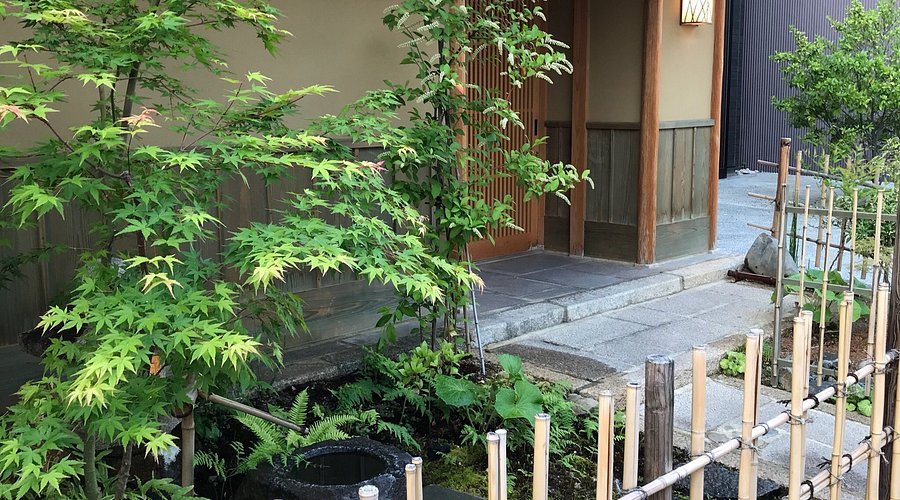
Kappo Risuke sits at 497-5 Kuzumotocho in Kashihara, which places it in the southern part of Nara Prefecture rather than in Nara City proper. Kashihara is accessible by Kintetsu Line from both Nara and Osaka (Uehonmachi), making it reachable without a car, though the specific walk from the nearest station is worth confirming before you go. If you're staying in Nara City, factor in approximately 30 to 40 minutes of travel time. For visitors staying in Kashihara or exploring the Asuka region, the location is genuinely convenient.
For broader context on where to stay while visiting this part of Nara Prefecture, see our full Nara hotels guide. And if you're planning an evening that extends beyond dinner, our full Nara bars guide covers what's worth visiting after the meal. The full Nara experiences guide and Nara wineries guide round out the picture if you're building a multi-day itinerary.
Booking and Practical Details
Booking difficulty at Kappo Risuke is rated Easy, which makes it one of the more accessible Michelin-recognised counters in the Nara region. Reservations: Recommended, but the venue does not appear to require weeks-out lead time, unlike comparable counters in Kyoto or Tokyo where Michelin recognition tightens availability sharply. Dress: Smart casual is appropriate for a ¥¥¥ kappo counter in this region; formal wear is unnecessary but visibly sloppy clothing would feel out of place. Budget: Priced at ¥¥¥, expect a mid-to-upper spend per head typical of multi-course Japanese counter dining in the Kansai region, exact pricing is best confirmed directly with the venue, as courses and optional pairings vary. Group size: Kappo counters typically seat fewer than 20, and the format works well for parties of two to four; larger groups should enquire about private or partitioned seating before assuming availability.
After Dinner
Kappo Risuke's Kashihara address means your post-dinner options are quieter than Nara City or Kyoto, this is not a late-night district with cocktail bars around the corner. Plan your evening with that in mind: the meal is the anchor, and the surrounding area is better suited to a slow walk or a drive back toward Nara City or Osaka than a second-venue bar crawl. If a late-night extension to your evening matters, base yourself in Nara City and treat the journey to Kashihara as a dedicated dinner excursion.
How Kappo Risuke Fits Into the Nara Dining Picture
Nara's restaurant scene is less dense than Kyoto's but more interesting than its day-tripper reputation suggests. For context on the full range of options, our full Nara restaurants guide covers the category in detail. Among the venues worth comparing directly: Oryori Hanagaki and Tsukumo both sit in the traditional Japanese dining tier and are worth examining if your preference is for a more structured kaiseki experience. Ajinokaze Nishimura and Ajinotabibito Roman offer further alternatives for diners building an itinerary across multiple nights in the prefecture.
For Japanese counter dining of comparable or higher ambition elsewhere in the region, HAJIME in Osaka represents a significant step up in both formality and price, while Gion Sasaki in Kyoto occupies a similar kappo-adjacent format with a longer critical track record. If you're travelling beyond the Kansai region, Myojaku in Tokyo and Azabu Kadowaki in Tokyo show what the format looks like at the upper end of the Tokyo market. Harutaka in Tokyo, Goh in Fukuoka, 1000 in Yokohama, and 6 in Okinawa extend the frame if your itinerary covers more of Japan.
The Bottom Line
Book Kappo Risuke if you're in or near Kashihara and want a Michelin-recognised Japanese counter meal without the booking difficulty that recognition usually creates. The format rewards special occasions and date nights more than group dining. For Nara as a base, it's the kind of dinner that justifies a longer stay in the prefecture rather than a rushed day trip back to Osaka or Kyoto. Easy to book, consistently recognised, and priced at a level that makes sense for what the format delivers.
Planning details
- Location
- 497-5 Kuzumotocho, Kashihara, Nara 634-0007, Japan
- Website
- nara-risuke.com
- Phone
- +81 744-23-9307
The take
The Take
The Vibe
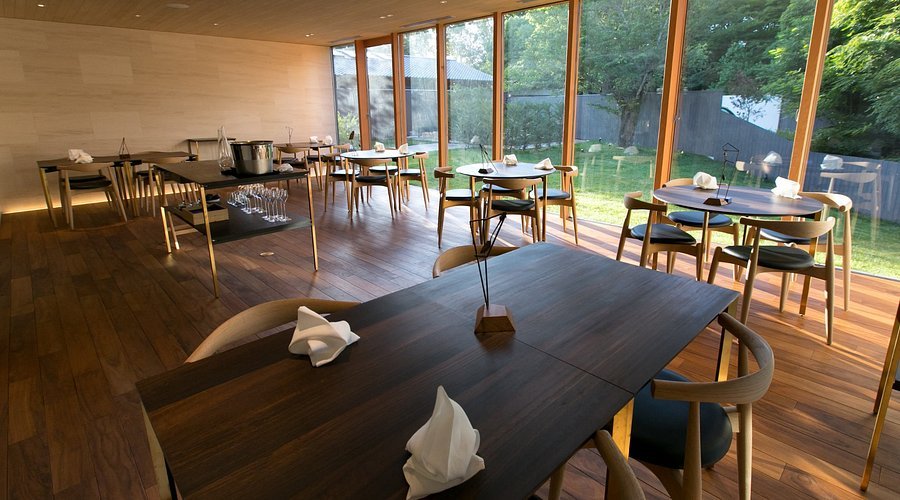
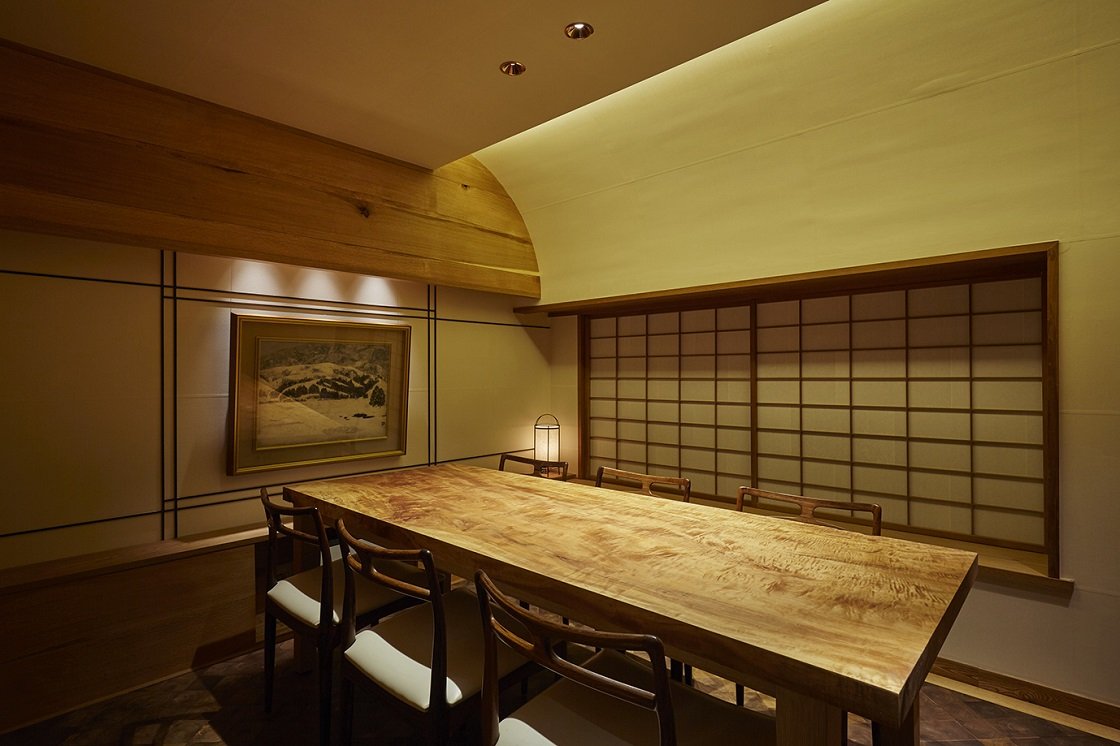
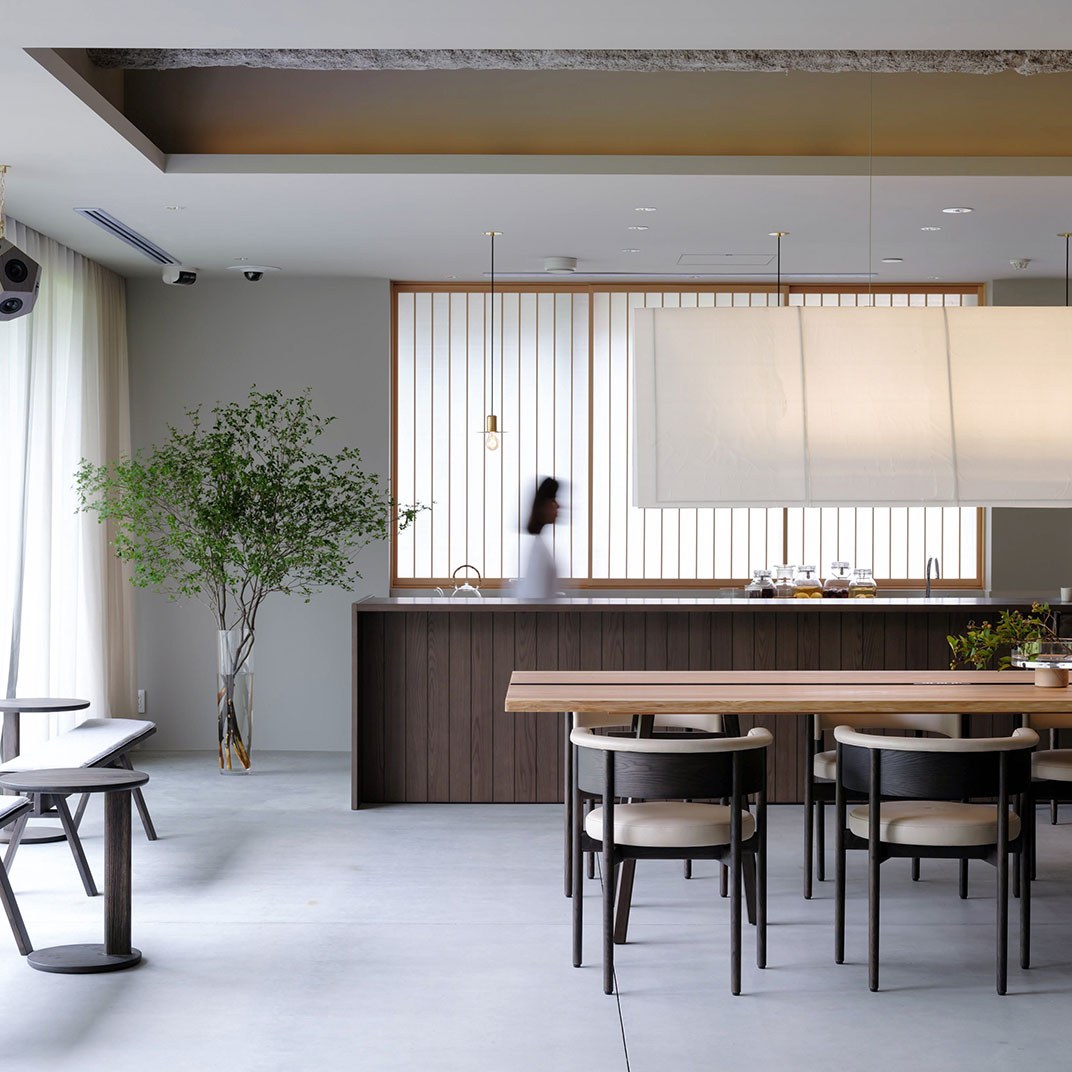
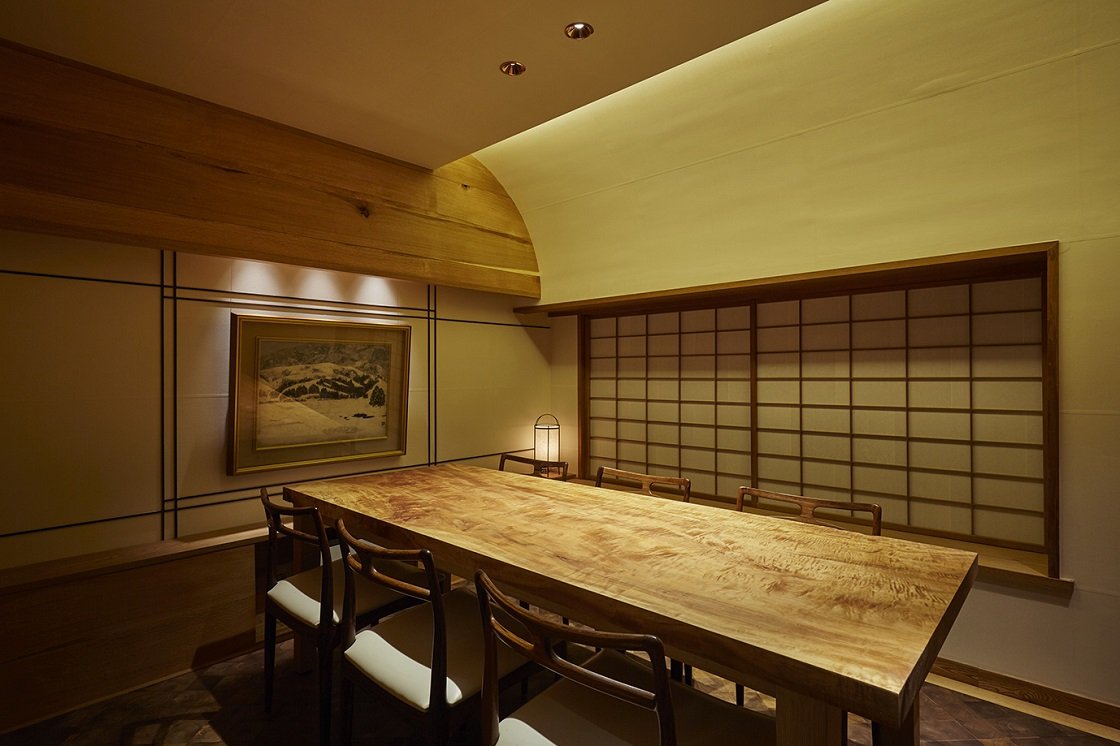
Kappo Risuke presents a quietly exacting dining experience anchored at the chef’s counter. The room leans intimate and unobtrusive: you arrive at a counter where the cook works in open view and the pacing is deliberately conversational rather than ceremonial. The kappo format foregrounds market-driven ingredients and direct technique, so the meal feels rigorous without the formal choreography of kaiseki. Located on the quieter southern corridor of Nara Prefecture, Risuke trades on word-of-mouth reputation; dining here feels like discovering a refined, understated local classic rather than attending a staged event.
Best For
Risuke is best for diners seeking a focused, counter-led tasting experience—especially at lunch for the compact Mini Course or at dinner for a fuller multi-course meal. The kappo format suits small parties and individuals who enjoy watching the chef work and following a market-driven sequence of dishes. Its Michelin Plate recognition signals reliable quality without the fanfare of a starred kaiseki room, making it a strong choice for intimate special-occasion dinners, date nights, or anyone interested in traditional Japanese counter cooking executed with contemporary rigor.
Ordering Tips
Menus at Risuke emphasize seasonality and market availability, so expect offerings to change; signature items include the Lunch Mini Course, Dinner Course, Hassun, Ayu and Hamo. Given the kappo counter format, opt for the multi-course dinner if you want the full rhythm of dishes presented directly from the chef. Because the pacing is conversational and courses reflect what’s fresh that day, let the kitchen guide selections and be prepared for a sequence that prioritizes ingredient quality and technique over a fixed menu narrative.
Venue details
Ambiance
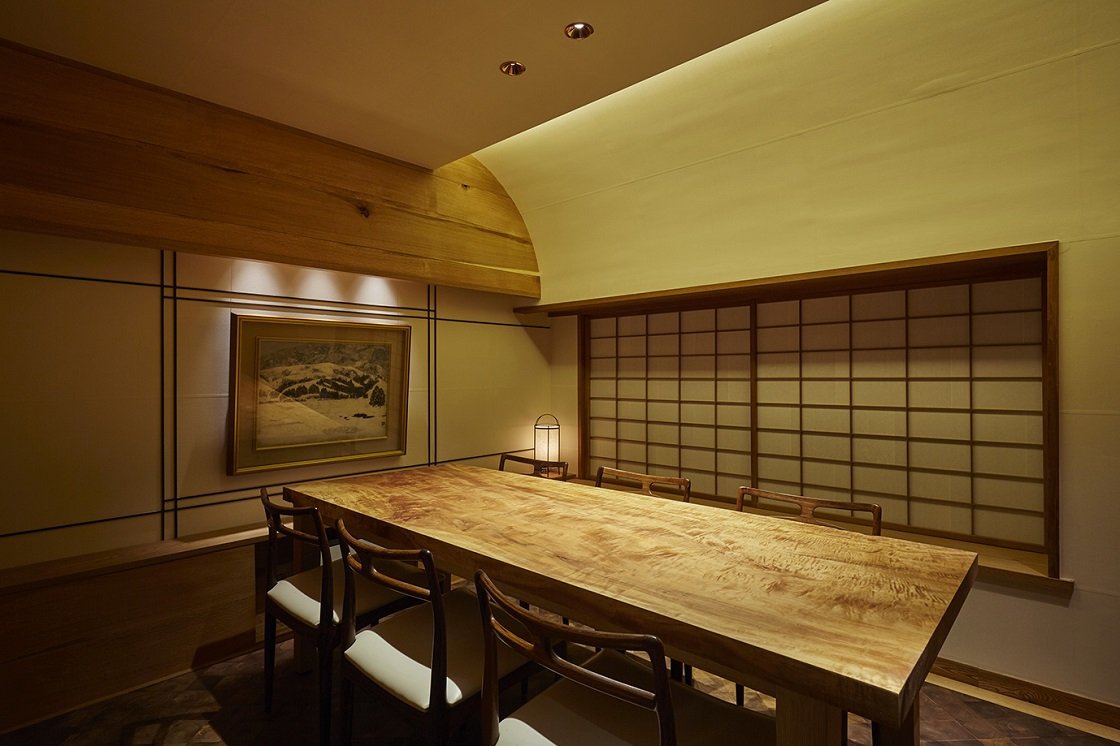
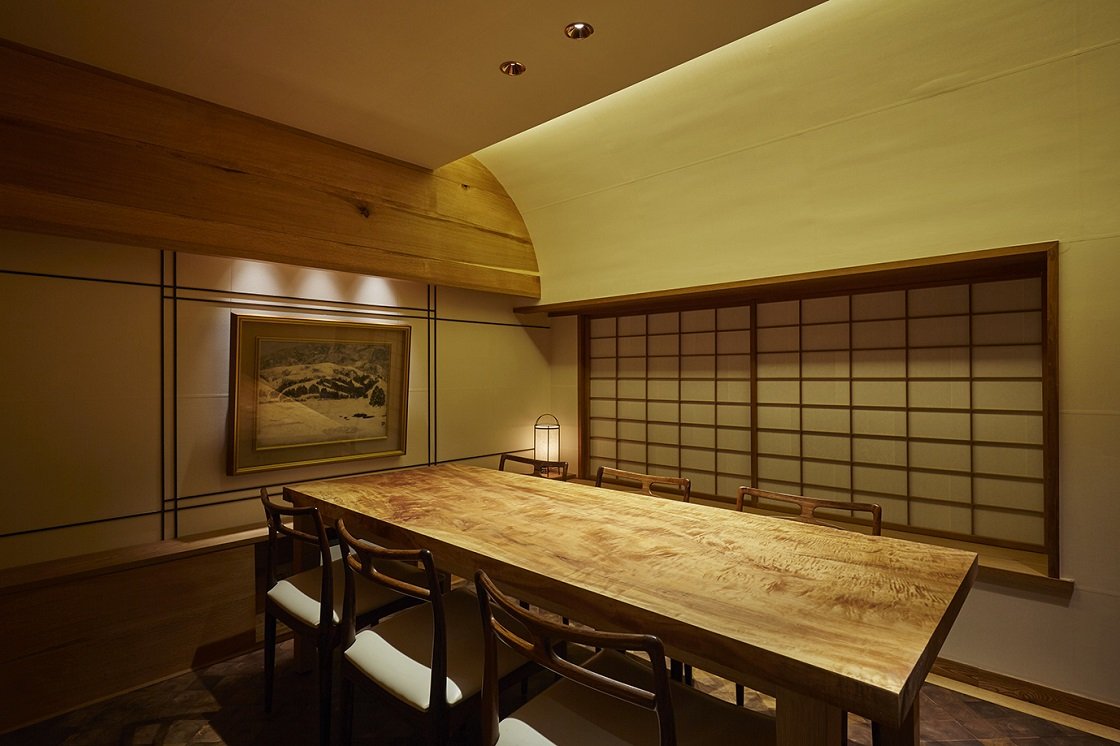
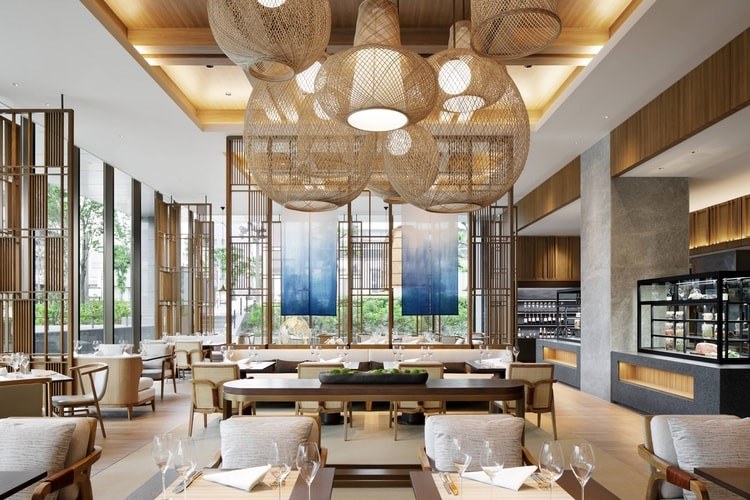
Cultivated quiet with lacquered surfaces, gentle knife sounds, hushed sliding doors, and painterly calm emphasizing sensory detail.
Tags
Vibe
Best For
Experience
At the Table
- Dress Code
- Smart Casual
- Noise Level
- Quiet
- Service Style
- Formal
- Meal Pacing
- Leisurely
- Capacity
- Intimate
- Kitchen
- Traditional
- Menu Format
- Set menu
- Wine Program
- Curated
- Drinks Focus
- Sake
- Private Dining
- Available
Signature Dishes
- Lunch Mini Course
- Dinner Course
- Hassun
- Ayu
- Hamo
Know before you go
Know Before You Go
- Getting there
- 497-5 Kuzumotocho, Kashihara, Nara 634-0007, Japan
Planning details
Location
Recognition and awards
Also consider
Also Consider
- akordu, Spanish, Innovative, ¥¥¥
- Wa Yamamura, Kaiseki, Japanese, ¥¥¥
- Araki, Sushi, Japanese, ¥¥¥
- Tama, Okinawan, French, ¥¥¥
- NARA NIKON, Japanese, ¥¥¥
Restaurant context
At the ¥¥¥ tier in Nara, Kappo Risuke competes directly with Wa Yamamura, which offers kaiseki in a more structured, ceremonial format. If ritual and presentation sequence matter more to you than counter interaction, Wa Yamamura is the stronger choice. Kappo Risuke edges ahead for date nights and celebration dinners where the evening's energy benefits from a more conversational setting. Both venues carry Michelin recognition, so the decision comes down to format preference rather than quality differential.
Araki is the sushi option in this peer set and suits a different appetite entirely, if you're choosing between kappo and sushi omakase for a single meal in Nara, the decision should hinge on whether fish-forward precision or a broader seasonal sequence is what you're after. Tama, with its Okinawan-French hybrid, is the most distinct option in the group and worth considering if you want something outside traditional Japanese formats. For something closer to the kappo register but with a Spanish-influenced kitchen, akordu is the most interesting departure, though it attracts a different diner than someone seeking Japanese counter tradition.
NARA NIKON sits closest to Kappo Risuke in overall positioning and is worth comparing directly if availability at one becomes an issue. Both are accessible at the ¥¥¥ tier with relatively easy booking. The practical guidance: book Kappo Risuke for the counter interaction and kappo format specifically; consider Wa Yamamura if kaiseki ceremony is the priority; and use NARA NIKON as the backup if your dates don't align with either first choice.
Explore Nara
Around this place
Discover more on Pearl
Unlock the full Kappo Risuke guide in Pearl, including awards, comparisons, FAQs, planning details, and nearby places.
Compare Kappo Risuke
| Venue | Location | Cuisine | Awards | Price |
|---|---|---|---|---|
| Kappo Risuke | Nara | Japanese | 2025 Michelin Plate2024 Michelin Plate | ¥¥¥ |
| akordu | Nara | Spanish, Innovative | 2026 Tabelog Bronze · #142026 OAD Top Restaurants in Japan RecommendedMichelin Guide Nara 20262026 La Liste Top RestaurantsTabelog 100 - Innovative / Creative cuisine - 2025 · #762025 OAD Top Restaurants in Japan Ranked · #5192025 Tabelog Silver2025 Michelin 2 Stars2025 La Liste Top Restaurants | ¥¥¥ |
| Wa Yamamura | Nara | Kaiseki, Japanese | 2026 OAD Top Restaurants in Japan RecommendedMichelin Guide Nara 20262025 OAD Top Restaurants in Japan Ranked · #2052025 Michelin 1 Star2024 OAD Top Restaurants in Japan Ranked · #1952024 Michelin 1 Star2023 OAD Top Restaurants in Japan Highly Recommended | ¥¥¥ |
| Araki | Nara | Sushi, Japanese | 2026 Tabelog Bronze · #23Michelin Guide Nara 2026Tabelog 100 - Tempura - 2025 · #202025 Michelin Plate2025 Tabelog Bronze2024 Michelin Plate2023 OAD Top Restaurants in Asia Ranked · #24 | ¥¥¥ |
| Tama | Nara | Okinawan, French | Michelin Guide Nara 20262025 OAD Casual in Japan Ranked · #902025 Michelin Plate2024 OAD Casual in Japan Ranked · #802024 Michelin Plate2023 OAD Casual in Japan Ranked · #63 | ¥¥¥ |
| NARA NIKON | Nara | Japanese | 2026 Tabelog Bronze · #315Michelin Guide Nara 2026Tabelog 100 - Japanese cuisine - WEST - 2025 · #692025 La Liste Top Restaurants2025 Tabelog Bronze2025 Michelin 2 Stars2024 Michelin 2 Stars | ¥¥¥ |






How Kappo Risuke Nara compares with similar nearby venues.
FAQ
Frequently Asked Questions
Is the tasting menu worth it at Kappo Risuke?
At ¥¥¥ pricing, Kappo Risuke sits in a range where the structured kappo format earns its cost if you engage with the counter experience. Kappo is more conversational than kaiseki and less ceremonial than omakase sushi, which makes it good value for diners who want craft cooking without the formality premium. Two consecutive Michelin Plates (2024, 2025) confirm the kitchen is executing at a consistent level.
What should I order at Kappo Risuke?
Kappo dining is typically a set sequence directed by the chef rather than an à la carte selection — your role at the counter is to follow the progression, not build your own menu. Dietary restrictions or preferences are worth communicating at the time of booking rather than on arrival.
What should I wear to Kappo Risuke?
The venue data does not specify a dress code. Kappo in Japan generally sits between relaxed and smart — clean, neat clothing that respects the counter setting is a reliable baseline. Avoid overly casual attire; a simple, considered outfit is appropriate for a Michelin-recognised counter at this price range.
Is Kappo Risuke worth the price?
Yes, particularly given the low booking difficulty. A Michelin Plate for two consecutive years at ¥¥¥ pricing puts Kappo Risuke in an accessible bracket for Michelin-recognised counter dining in Japan, where comparable venues in Kyoto or Osaka often require weeks of advance planning and charge more. The detour into Kashihara is the main trade-off, not the price.
What are alternatives to Kappo Risuke in Nara?
Within Nara prefecture, Wa Yamamura and NARA NIKON are the most relevant comparisons for considered Japanese dining. If you are willing to travel, Kyoto and Osaka offer denser options at every price tier. Tama and Araki represent different formats and price points worth considering depending on your group size and budget.