
Kaiseki Morimoto
Japanese · Kashihara, Nara
Restaurant in Nara, Japan
 Book with Pearl
The Read
Yamato Seasonal Kaiseki
Price
¥¥¥
Chef
Yasunari Okazaki
Dress
Smart Casual
Why go
Kaiseki Morimoto holds a Michelin star for the second consecutive year in 2025, making it the most credentialled kaiseki reservation in Nara. Chef Yasunari Okazaki runs a technically precise kitchen in Kashihara, away from the tourist trail, with confirming consistent delivery. Book six to eight weeks out minimum; this is a hard reservation that rewards advance planning.
About Kaiseki Morimoto
Verdict
Book Kaiseki Morimoto if you want a Michelin-starred kaiseki experience in Nara with back-to-back recognition in 2024 and 2025, you can commit to planning at least six to eight weeks ahead. If your window is shorter or you want an easier path to a comparable meal, there are alternatives worth considering; but for the kaiseki format in Nara, Kaiseki Morimoto is the benchmark reservation to chase.
Portrait
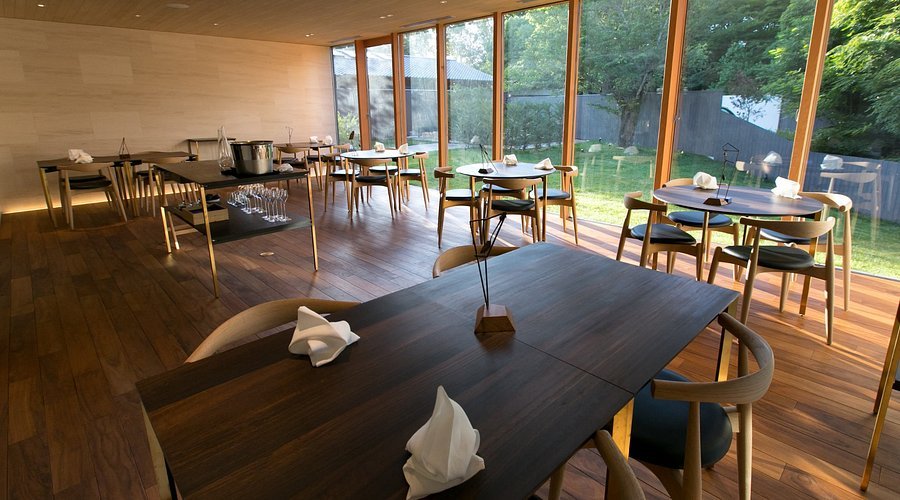
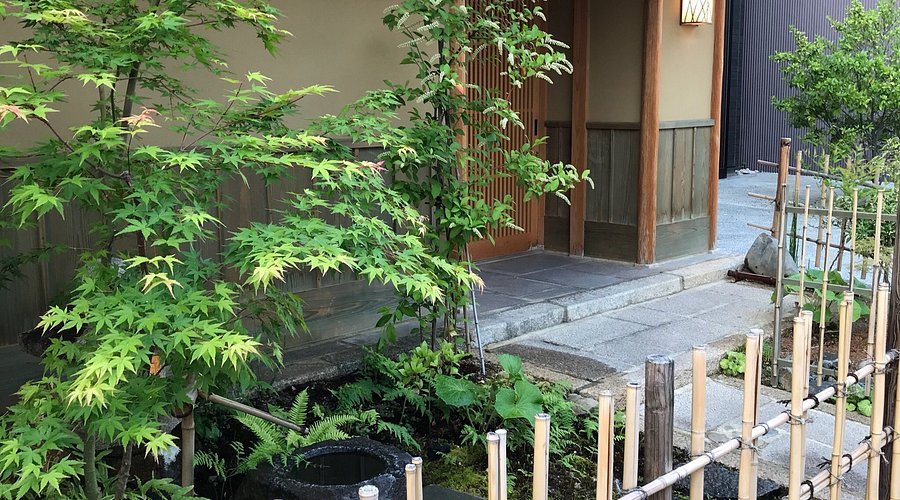
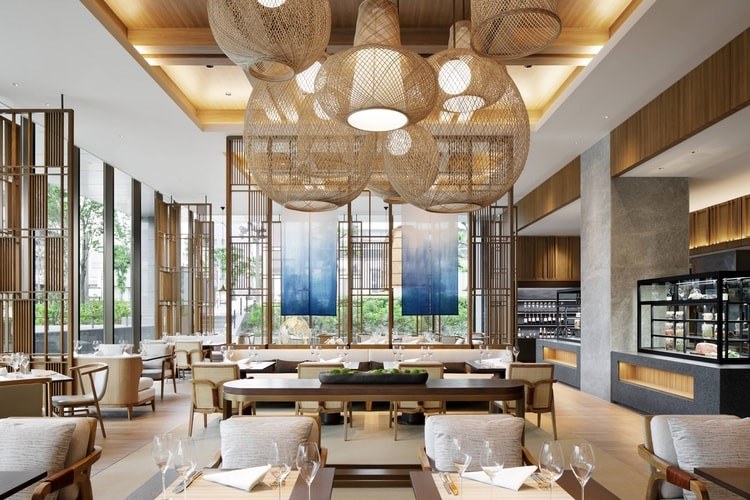
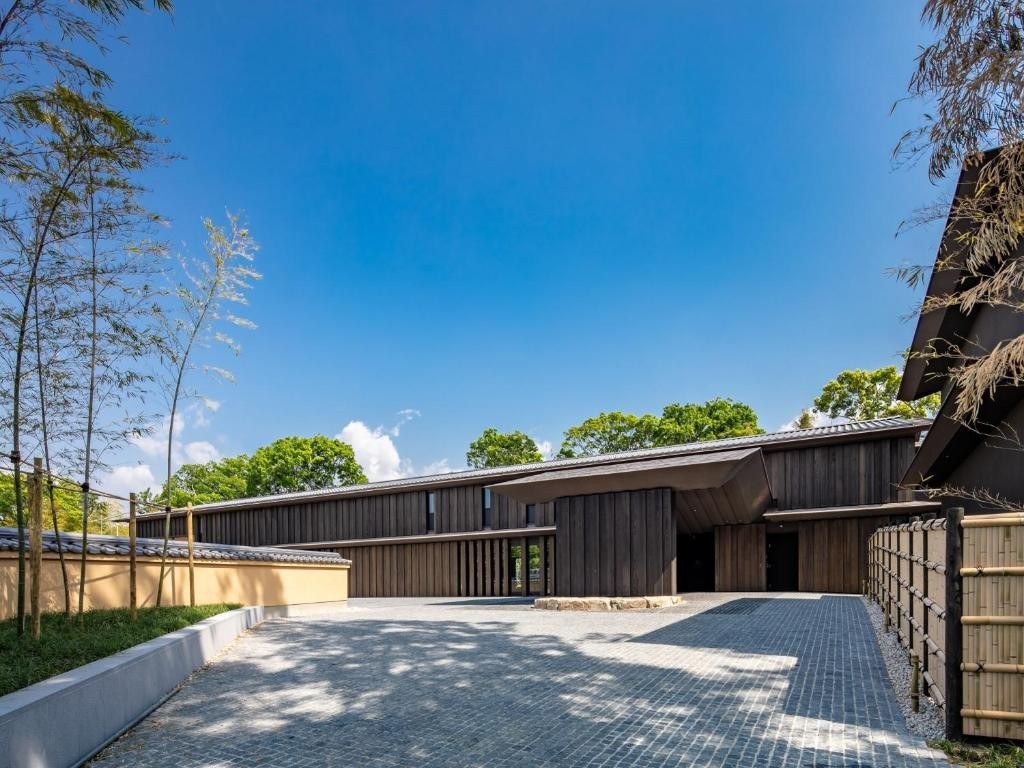
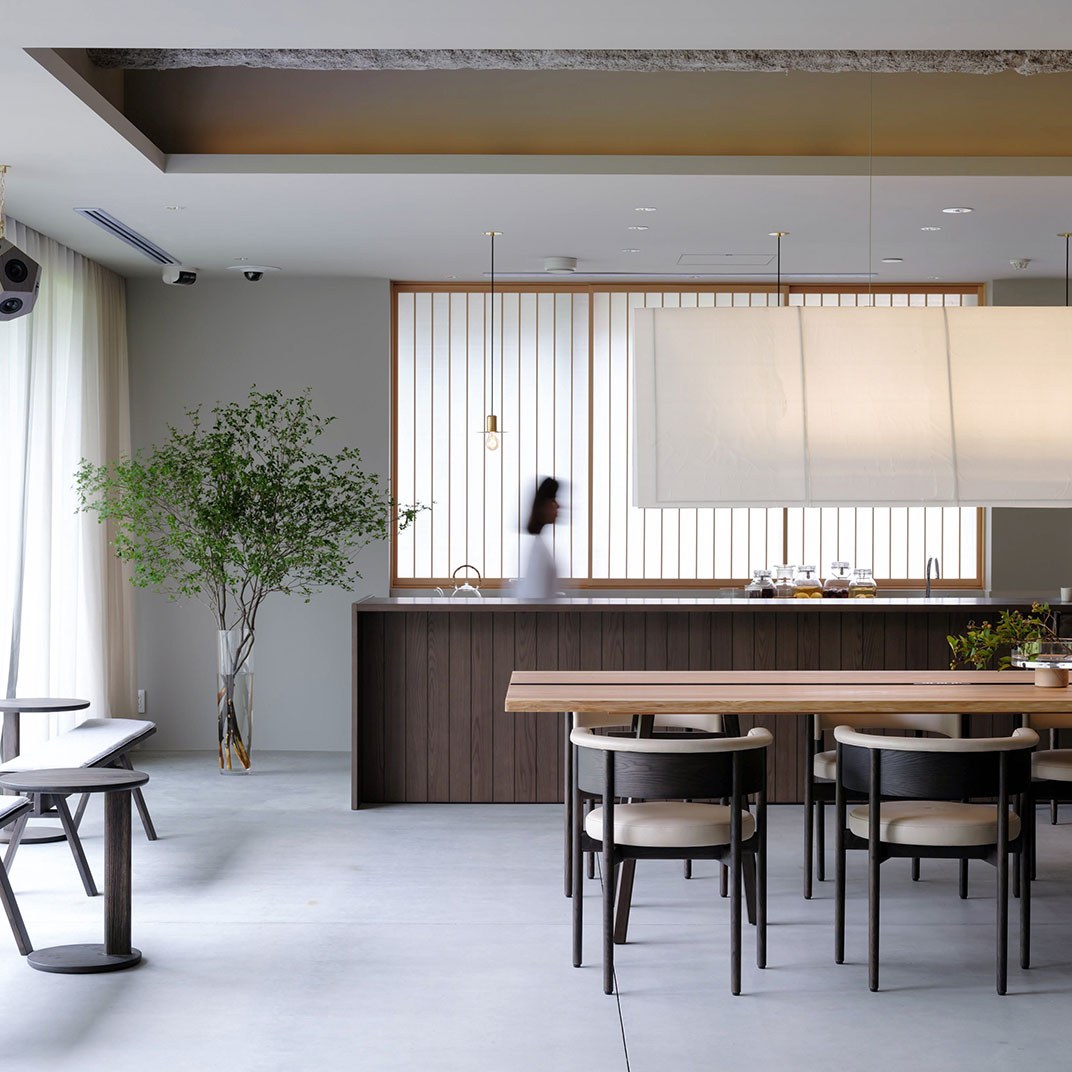
Kaiseki Morimoto sits in Kashihara, in the southern reaches of Nara Prefecture, at an address that puts it outside the temple-tourist corridor most visitors stick to. That geography is a signal: this is not a restaurant built on foot traffic or convenience. You make a deliberate trip here, which is exactly the kind of commitment the kaiseki format demands. The room is quiet by design; the format itself shapes the atmosphere. Kaiseki is structured around restraint and sequence, that translates directly to the dining environment. Expect low ambient noise, measured pacing, a setting that asks you to slow down. If you are coming from Osaka or Kyoto, factor in the travel time; this is not a quick dinner drop-in. For context on the wider Nara dining scene, see our full Nara restaurants guide.
The Michelin recognition is a useful indicator. A single star held consecutively in 2024 and 2025 indicates that the kitchen is consistent, not merely a one-season story. Michelin inspectors in Japan weight technical precision and ingredient quality heavily in the kaiseki category, so the sustained recognition is evidence of a kitchen operating to a standard that survives repeated scrutiny. Chef Yasunari Okazaki leads the kitchen, while specific biographical details about Chef Yasunari Okazaki are scarce, the star retention across two consecutive years tells you more about the operational reality than any resume credential would. Comparable two-year Michelin holders in the kaiseki category across Japan, venues like Gion Sasaki in Kyoto or Myojaku in Tokyo, tend to share a kitchen culture of discipline over showmanship. That is the register Kaiseki Morimoto appears to operate in.
On drinks: the kaiseki format in Japan traditionally centres the food sequence, with sake pairings selected to follow the progression of courses rather than compete with them. At this price tier and with this level of Michelin recognition, you should expect a considered beverage program that prioritises Japanese sake and possibly local Nara craft options. Nara has a documented history as one of Japan's sake-producing regions, the Miwa area alone has breweries operating for centuries, a kitchen at this calibre is likely to engage with that regional context. If the drinks dimension matters as much as the food for your visit, it is worth asking at the time of booking what pairing options are available. For broader drinks context in the region, see our full Nara bars guide and our full Nara wineries guide.
The ¥¥¥ price range places Kaiseki Morimoto in the serious-spend category, expect a multi-course kaiseki menu at this tier to sit in the range typical for Michelin-starred kaiseki across Japan, which generally runs from ¥20,000 to ¥35,000 per person before beverages. What the price tier tells you is that this is not an entry-level test meal; it is a deliberate investment in a format that rewards arriving well-rested, unhurried, curious. Kaiseki courses unfold over two to three hours, the Kashihara location means you should plan your evening around the restaurant, not the other way around.
For explorers building a Japan dining itinerary who want to understand where Kaiseki Morimoto sits in the national context: it occupies a position in Nara comparable to what HAJIME in Osaka represents in its city, a technically serious, Michelin-credentialed anchor that justifies a detour. It is not the same register as two- or three-star kaiseki in Kyoto, but it does not need to be. For a one-star kaiseki experience away from the Kyoto crowds, with a 4.5 community rating and two years of Michelin validation, it is a genuinely strong option. Also worth cross-referencing: Azabu Kadowaki in Tokyo for a Tokyo-based kaiseki comparison point, or Goh in Fukuoka for another regional Michelin-starred Japanese kitchen operating outside the major cities.
Other Nara restaurants worth considering alongside your itinerary planning: Oryori Hanagaki, Tsukumo, Ajinokaze Nishimura, and Ajinotabibito Roman each offer different positioning in the local restaurant landscape. For experiences and accommodation context, see our full Nara experiences guide and our full Nara hotels guide.
Booking
Booking difficulty is rated Hard. At a Michelin-starred kaiseki restaurant in Japan with limited seating, you should treat six to eight weeks as a minimum lead time, during peak travel periods, cherry blossom season in late March and early April, the autumn foliage window in November, push that to three months. Direct reservation links are not always available; the practical starting point is researching via concierge at your hotel in Nara or Kyoto, or using a Japan-specialist reservation service. Kaiseki restaurants at this level in Japan typically do not accept same-day walk-ins and often require a deposit or full prepayment. Confirm cancellation policy at the time of booking.
Ratings at a Glance
- Michelin Stars: 1 Star (2024, 2025)
- Price Range: ¥¥¥
- Cuisine: Kaiseki / Japanese
- Booking Difficulty: Hard
Planning details
- Location
- 1 Chome-4-8 Yagicho, Kashihara, Nara 634-0078, Japan
- Phone
- +81 744-22-3082
The take
The Take
The Vibe
Kaiseki Morimoto sits on the quieter, more reflective side of Nara’s dining scene. The restaurant’s consecutive Michelin recognition and adherence to the kaiseki tradition give the meal a ceremonious, carefully calibrated rhythm: arrival, seasonal reading, and disciplined presentation. The neighborhood’s measured pace and the kitchen’s restrained architecture of courses combine to create an experience that feels both ritualized and understated. Rather than theatrical flair, the room favors calm concentration on ingredients and sequence, producing a serene, historic, and sophisticated atmosphere suited to diners who appreciate formality and deliberation.
Best For
This is a restaurant built for milestones. The description explicitly positions the kaiseki sequence as the ideal format for birthdays, anniversaries and other memorable meals because the kitchen designs the arc of the evening rather than leaving it to individual choices. The Michelin-star retention signals a high level of execution, so diners seeking a considered, high‑commitment dinner experience come here expecting ceremonial pacing, seasonal focus, and meticulous presentation. It’s best for couples or small parties marking a special occasion who want the service and menu to feel intentionally composed.
Ordering Tips
Expect a predetermined multi-course kaiseki sequence rather than open à la carte choice: the kitchen curates each course and builds the meal with seasonal ingredients and deliberate pacing. Embrace the format—allow the service to set the rhythm and focus on the progression of flavors and presentation rather than customizing plates on the fly. Because the experience is structured, approach the meal as a single, unfolding event; arriving prepared for a measured, course-by-course dinner will make the most of what the restaurant has designed.
Venue details
Ambiance
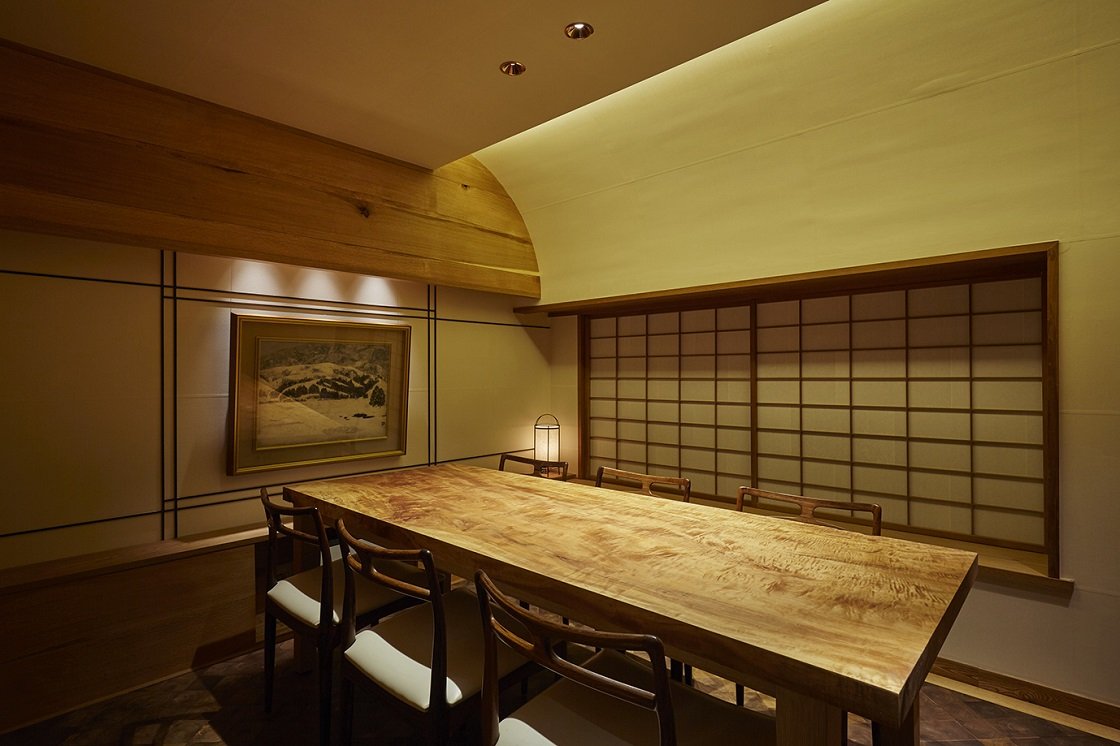
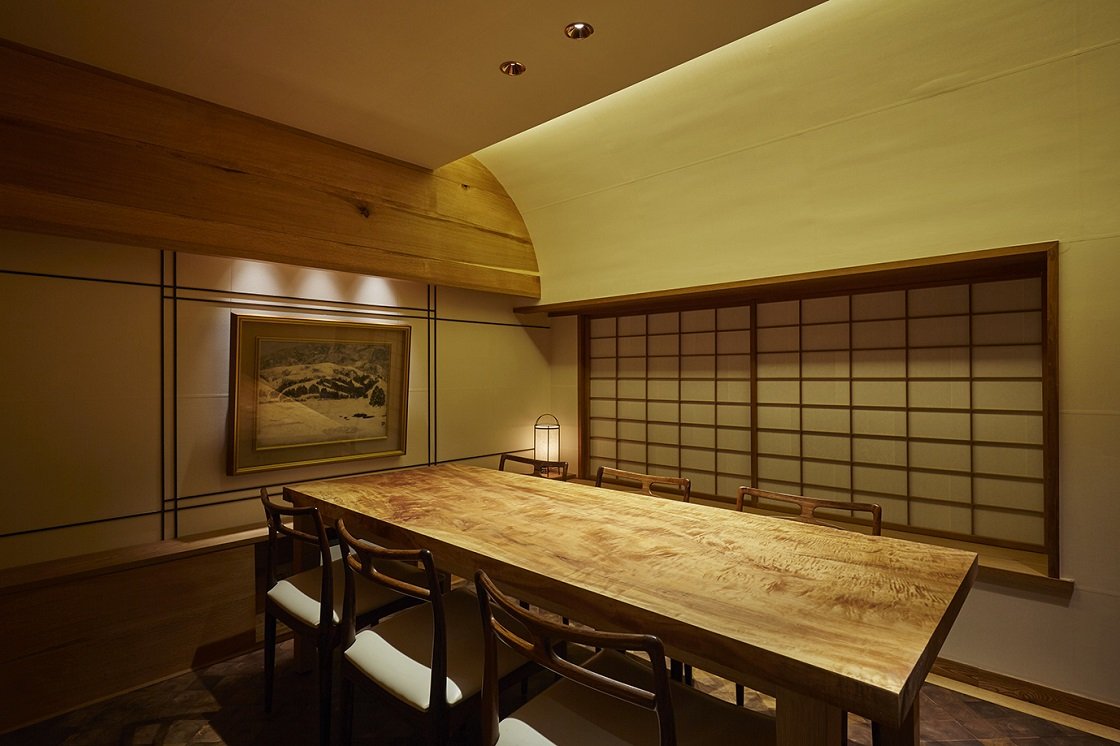
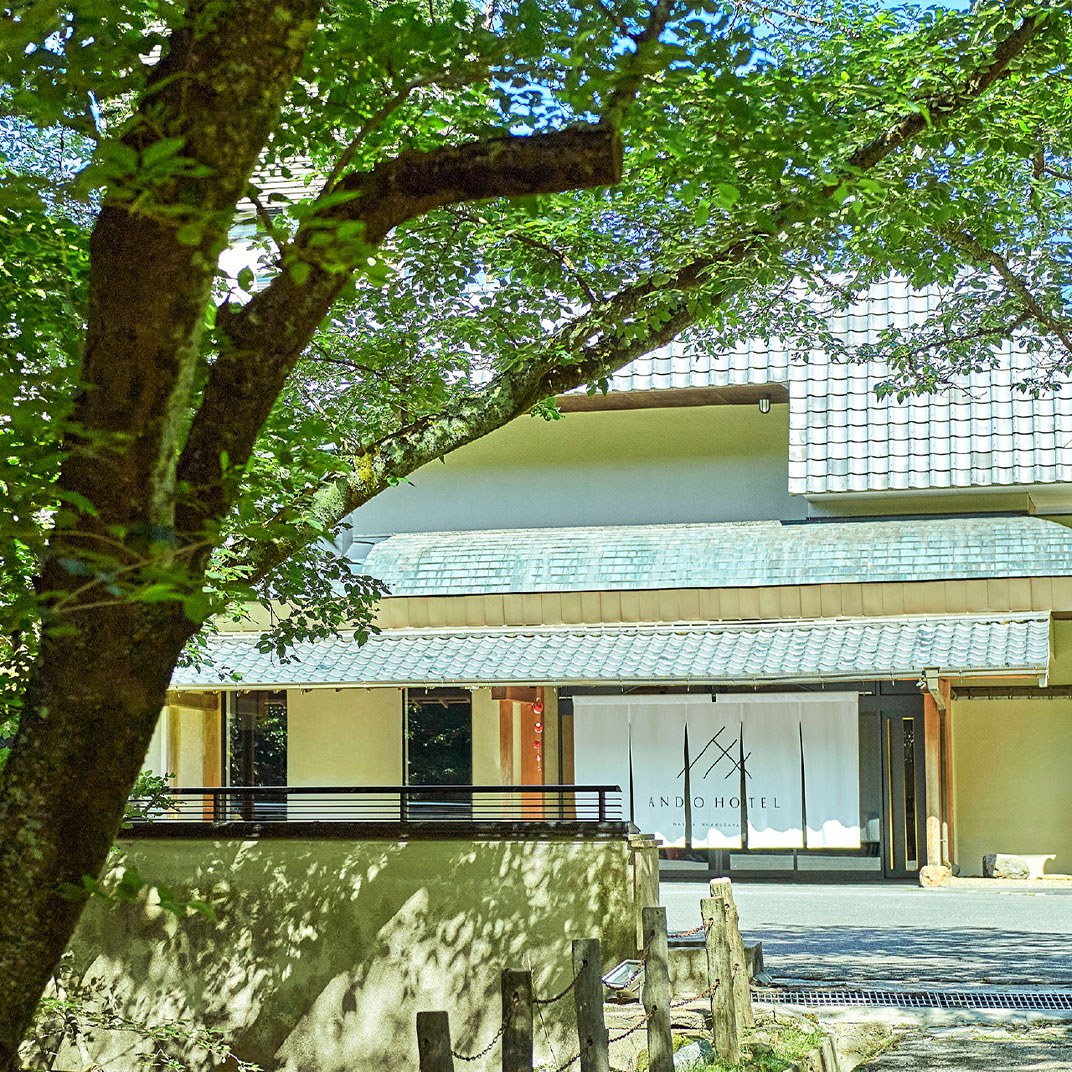
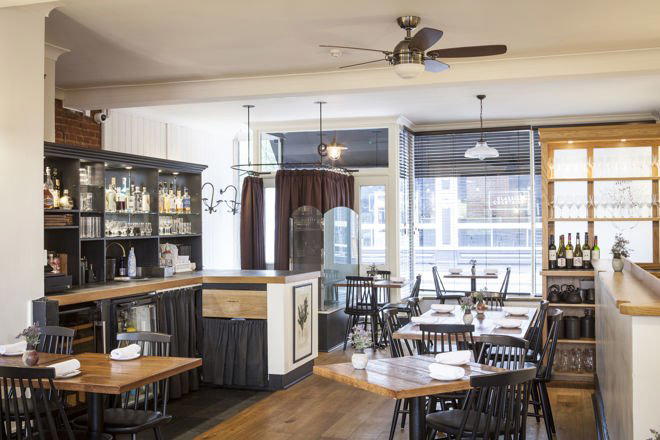
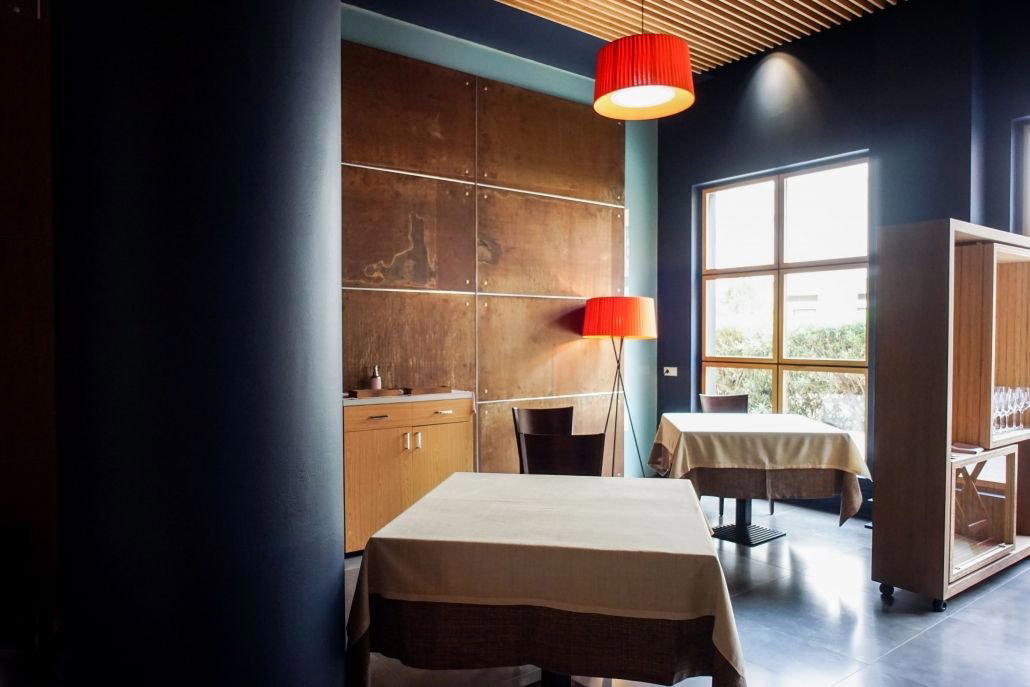
Serene, nostalgic Japanese setting in a refurbished old house with a weathered counter for eight diners, evoking countryside hospitality and traditional aesthetics.
Tags
Vibe
Best For
Experience
Sourcing
At the Table
- Dress Code
- Smart Casual
- Noise Level
- Quiet
- Service Style
- Formal
- Meal Pacing
- Leisurely
- Capacity
- Intimate
Planning details
Location
1 Chome-4-8 Yagicho, Kashihara, Nara 634-0078, Japan · Directions
Recognition and awards
Also consider
Also Consider
- akordu; Spanish, Innovative, ¥¥¥
- Wa Yamamura; Kaiseki, Japanese, ¥¥¥
- Araki; Sushi, Japanese, ¥¥¥
- Tama; Okinawan, French, ¥¥¥
- NARA NIKON; Japanese, ¥¥¥
Restaurant context
How It Compares
At the ¥¥¥ tier in Nara, Wa Yamamura is the most direct competitor to Kaiseki Morimoto: both operate in the kaiseki format at the same price level, choosing between them comes down to location and reservation availability. If Kaiseki Morimoto is fully booked, Wa Yamamura is the natural fallback for a kaiseki-specific experience. For a different format entirely, Araki offers sushi at the same price tier; the better pick if you prefer counter dining and a shorter, sharper meal over a full kaiseki sequence.
akordu brings a Spanish-innovative approach to Nara's fine dining scene at ¥¥¥, which makes it an interesting option if you want a contrast to the Japanese kaiseki format on the same trip rather than a direct substitute. Tama, with its Okinawan-French positioning, occupies a similar lateral space. Neither replaces a kaiseki meal, but both offer a meaningful alternative if you are building a multi-night Nara dining itinerary and want range. NARA NIKON rounds out the ¥¥¥ Japanese options and is worth a look if availability at Kaiseki Morimoto proves difficult.
For the food and travel enthusiast who can only make one booking at this price point in Nara: Kaiseki Morimoto's back-to-back Michelin recognition gives it the clearest credential of the group. If kaiseki is your format, it is the reservation to prioritise. If you want easier booking logistics or a non-kaiseki Japanese meal, the alternatives above are practical options rather than compromises.
Explore Nara
Around this place
Discover more on Pearl
Unlock the full Kaiseki Morimoto guide in Pearl, including awards, comparisons, FAQs, planning details, and nearby places.
Compare Kaiseki Morimoto
| Venue | Cuisine | Price | Booking Difficulty | Awards |
|---|---|---|---|---|
| Kaiseki Morimoto | Japanese | ¥¥¥ | Hard | Michelin Guide Nara 20262025 Michelin 1 Star2024 Michelin 1 Star |
| akordu | Spanish, Innovative | ¥¥¥ | Unknown | 2026 Tabelog Bronze · #142026 OAD Top Restaurants in Japan RecommendedMichelin Guide Nara 20262026 La Liste Top RestaurantsTabelog 100 - Innovative / Creative cuisine - 2025 · #762025 OAD Top Restaurants in Japan Ranked · #5192025 Tabelog Silver2025 Michelin 2 Stars2025 La Liste Top Restaurants |
| Wa Yamamura | Kaiseki, Japanese | ¥¥¥ | Unknown | 2026 OAD Top Restaurants in Japan RecommendedMichelin Guide Nara 20262025 OAD Top Restaurants in Japan Ranked · #2052025 Michelin 1 Star2024 OAD Top Restaurants in Japan Ranked · #1952024 Michelin 1 Star2023 OAD Top Restaurants in Japan Highly Recommended |
| Araki | Sushi, Japanese | ¥¥¥ | Unknown | 2026 Tabelog Bronze · #23Michelin Guide Nara 2026Tabelog 100 - Tempura - 2025 · #202025 Michelin Plate2025 Tabelog Bronze2024 Michelin Plate2023 OAD Top Restaurants in Asia Ranked · #24 |
| Tama | Okinawan, French | ¥¥¥ | Unknown | Michelin Guide Nara 20262025 OAD Casual in Japan Ranked · #902025 Michelin Plate2024 OAD Casual in Japan Ranked · #802024 Michelin Plate2023 OAD Casual in Japan Ranked · #63 |
| NARA NIKON | Japanese | ¥¥¥ | Unknown | 2026 Tabelog Bronze · #315Michelin Guide Nara 2026Tabelog 100 - Japanese cuisine - WEST - 2025 · #692025 La Liste Top Restaurants2025 Tabelog Bronze2025 Michelin 2 Stars2024 Michelin 2 Stars |





.png?width=1200&quality=80)
Comparing your options in Nara for this tier.
FAQ
Frequently Asked Questions
How far ahead should I book Kaiseki Morimoto?
Six to eight weeks minimum. Kaiseki Morimoto holds a Michelin star for both 2024 and 2025, which puts serious pressure on limited seating at this Kashihara address. If you're visiting Nara on a fixed travel itinerary, book before you book your flights.
What should I wear to Kaiseki Morimoto?
Dress conservatively and formally. Kaiseki is a ceremonial dining format rooted in Japanese culinary tradition, a Michelin-starred setting in Japan carries implicit expectations around presentation. Aim for the level of dress you'd bring to a formal dinner, not a casual restaurant.
Is Kaiseki Morimoto worth the price?
At the ¥¥¥ price tier with back-to-back Michelin recognition under Chef Yasunari Okazaki, the value case is solid for anyone committed to the kaiseki format. If you're looking for a more flexible or à la carte Japanese dining experience, the price-to-format fit is weaker.
Is Kaiseki Morimoto good for a special occasion?
Yes, it's one of the stronger cases in Nara for a milestone meal. Two consecutive Michelin stars give it the credibility a special occasion demands, kaiseki's multi-course, ceremony-driven format suits celebratory dining well. Book the furthest table from the service entrance if you have a preference.
What are alternatives to Kaiseki Morimoto in Nara?
Wa Yamamura is the most direct comparison in the Nara area for formal Japanese kaiseki at a similar tier. For travellers open to adjusting itinerary, Kyoto's kaiseki scene offers broader choice at equivalent or higher Michelin levels, but Kaiseki Morimoto's Kashihara location is a reasonable reason to keep it local.
Is the tasting menu worth it at Kaiseki Morimoto?
For kaiseki specifically, the multi-course tasting structure is the format; there is no meaningful alternative way to eat here. If you're considering Kaiseki Morimoto, you're committing to the full progression. Given the Michelin star consistency from Chef Yasunari Okazaki, that commitment is justified at the ¥¥¥ price point for serious diners.