.png?width=1200&quality=80)
Kaiseki Kakomura
Japanese · Nara
Restaurant in Nara, Japan
 Book with Pearl
The Read
Chakaiseki Precision, Setouchi Sourcing
Price
$50–100per person
Dress
Smart Casual
Why go
Kaiseki Kakomura is a Michelin Plate-recognised traditional kaiseki restaurant in Nara, shaped by the spirit of the Japanese tea ceremony and the Setouchi seafood preferences of its Hiroshima-trained chef. At the ¥¥¥ level, it is one of Nara's more accessible formal Japanese dining experiences — easier to book than comparable kaiseki venues in Kyoto or Tokyo, with seasonal attentiveness that rewards a deliberate, unhurried evening.
About Kaiseki Kakomura
Should You Book Kaiseki Kakomura?
Getting a table here is easier than you might expect for a Michelin-recognised kaiseki restaurant in Japan — booking difficulty is rated Easy, which makes Kaiseki Kakomura one of the more accessible traditional dining experiences in Nara's ¥¥¥ tier. That accessibility does not mean you should be casual about the decision, though. This is a formally structured kaiseki meal shaped by the philosophy of chakaiseki, the tea ceremony tradition, and if that format suits you, the reward is considerable. If you are after a quick dinner or a flexible menu, this is the wrong room.
The Kaiseki Kakomura Portrait
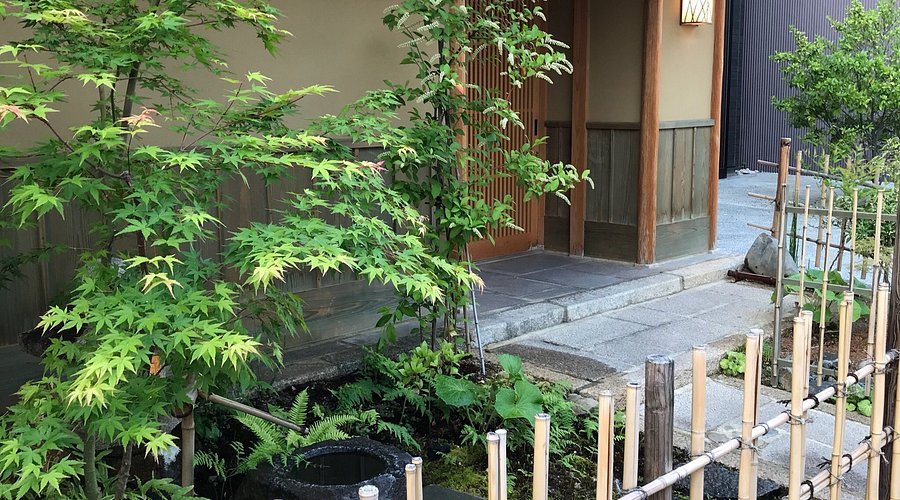
Kaiseki Kakomura sits on the second floor of a building in Kakuburishinya-cho, a short walk from Nara's older quarters, and the address alone signals something about the venue's character: it does not announce itself. Chef Toshihiko Kakomura trained in the ryotei tradition — the formal, private-room style of high Japanese dining, and that background is visible in the structure of the meal and the care taken with presentation and hospitality.
The anchoring principle here is chakaiseki, the refined culinary tradition that grew out of the Japanese tea ceremony. Where some kaiseki restaurants treat this heritage as loose inspiration, Kakomura holds it close. Flowers are set out in the room; the pacing of the meal reflects tea-ceremony hospitality values; the hassun course, the seasonal arranged platter that sets the rhythm of a kaiseki progression, incorporates something festive tied to the current season. Right now, that seasonal attentiveness is the single strongest argument for booking: a kaiseki meal built around what is happening in the Japanese culinary calendar in this moment will read differently in autumn than it does in spring, and Kakomura's sourcing reflects that shift with care.
On the ingredient side, the chef's Hiroshima background shapes the protein choices in a specific and traceable way. Seafood from the Seto Inland Sea, tai (sea bream) and fugu-adjacent stonefish among them, features with a preference that goes beyond regional habit into genuine sourcing conviction. The Setouchi, the body of water between Honshu and Shikoku, produces seafood with a distinctive character: calm waters, controlled salinity, fish with clean flavour profiles that suit the restrained seasoning of kaiseki. For a food-focused traveller, this is the kind of specificity that separates a meaningful meal from a technically correct one.
Michelin awarded a Plate in 2025, which signals consistent quality without the star designation, a useful marker that the kitchen is operating at a documented standard, not just trading on local reputation. For context, a Michelin Plate in Japan is genuinely competitive; Michelin's Japan guides are among the most densely starred in the world, and even a Plate reflects inspector attention.
The kaiseki format means this is not a late-night destination in the conventional sense. Kaiseki meals are long, structured, and typically begin at set seatings. If you are planning an evening in Nara and thinking about where this fits into the night, treat Kaiseki Kakomura as the main event, not the opening act. The meal will take the full evening. After the final course, the neighbourhood around Kakuburishinya-cho is quiet, Nara is not a city with a strong late-night bar and restaurant scene compared to Osaka or Kyoto, so plan your evening accordingly. Visitors pairing a Nara dining itinerary with more active evenings elsewhere should consult our full Nara bars guide for what is available post-dinner.
For the explorer-profile traveller, someone building a serious food itinerary through the Kansai region, Kaiseki Kakomura slots in as the Nara anchor. Pair it with a visit to Gion Sasaki in Kyoto for a comparison point in a different kaiseki register, or with HAJIME in Osaka if you want to see how the same Japanese seasonal sensibility plays out through a contemporary lens. For serious sushi alongside kaiseki, Harutaka in Tokyo is the reference point worth knowing. Within Nara itself, the dining scene is smaller; see our full Nara restaurants guide for the complete picture.
Other Nara options worth considering for the same evening or trip: Oryori Hanagaki, Tsukumo, Ajinokaze Nishimura, and Ajinotabibito Roman each serve different parts of the Nara dining spectrum. NARA NIKON is the closest in format and price band if you are comparing alternatives at the ¥¥¥ level.
For broader regional planning, Pearl's Nara guides cover hotels, wineries, and experiences if you are building a multi-day stay.
Practical Details
Reservations: Easy to book by Nara kaiseki standards, pursue a reservation as early as your schedule allows, but last-minute availability is more realistic here than at comparable venues in Kyoto or Tokyo. Dress: No stated dress code, but the formality of the kaiseki format and the ryotei-trained chef's attention to hospitality makes smart-casual the practical floor, arrive dressed to match the care taken with the meal. Budget: ¥¥¥ pricing tier; exact menu prices are not published, but kaiseki at this level in Japan typically runs from ¥15,000 to ¥30,000 per person before drinks. Confirm at reservation. Location: Second floor, Kakuburishinya-cho, central Nara, walkable from the main sightseeing areas. Contact: Phone and website not listed in current data; search for current booking channels directly or via a hotel concierge.
Planning details
- Location
- Japan, 〒630-8223 Nara, 角振新屋町10−2F 奈良市場
- Website
- kcvu500.gorp.jp
- Phone
- +81 742-24-1070
The take
The Take
The Vibe
Kaiseki Kakomura presents kaiseki in a restrained, ceremonious register that leans on centuries of Japanese dining convention. It operates in the chakaiseki lineage — a lighter, tea-ceremony–adjacent style that prizes seasonal attunement and subtle service — and the writing frames each course as deliberately calibrated to the moment. Located on the second floor in central Nara, the room reads as quietly serious rather than ostentatious, and Michelin recognition (a Plate in 2025) underscores the kitchen’s measured, traditional focus. The overall tone is classic and serene, built around ritual, seasonality and close attention to small details.
Best For
This is a restaurant best suited to intentional, celebratory evenings. The copy explicitly links kaiseki to ceremony — calling it the format most closely tied to celebration — and even references birthday dinners as an exemplar. In Nara’s smaller, quieter dining scene, Kaiseki Kakomura occupies a place for special-occasion dinners that prioritize formality and seasonal precision. Guests seeking a considered, intimate meal that follows a traditional course sequence and highlights seasonal produce and seafood will find the experience aligned with anniversaries, milestone dinners and other occasions that call for ritualized dining.
Ordering Tips
Expect a multi-course sequence governed by seasonal convention rather than à la carte choices: the description stresses that 'the courses arrive in a sequence governed by centuries of aesthetic convention' and that chakaiseki prizes restraint and seasonality. Look for signature moments common to kaiseki — for example, the venue lists hassun and Setouchi tai sashimi as notable items — and approach the meal as an integrated progression where each plate builds on the last. Because the kitchen foregrounds tradition and timing, allow the service to present courses in order and treat the meal as a single, unfolding event.
Venue details
Ambiance
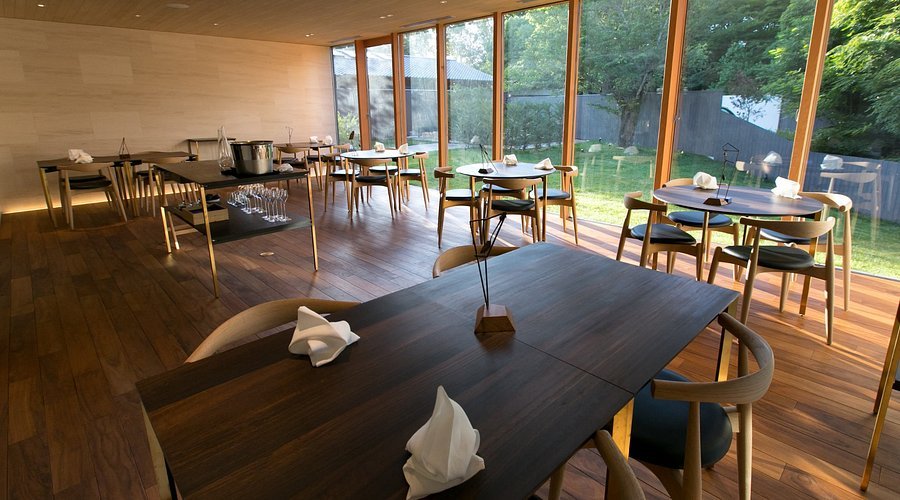
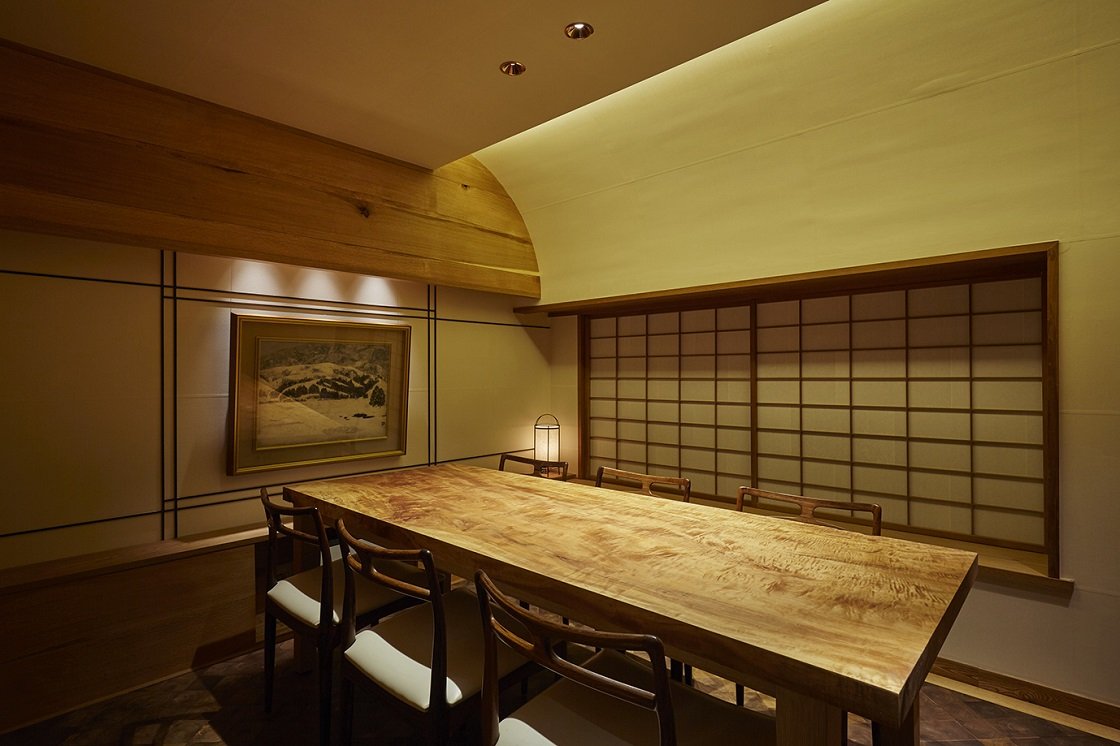
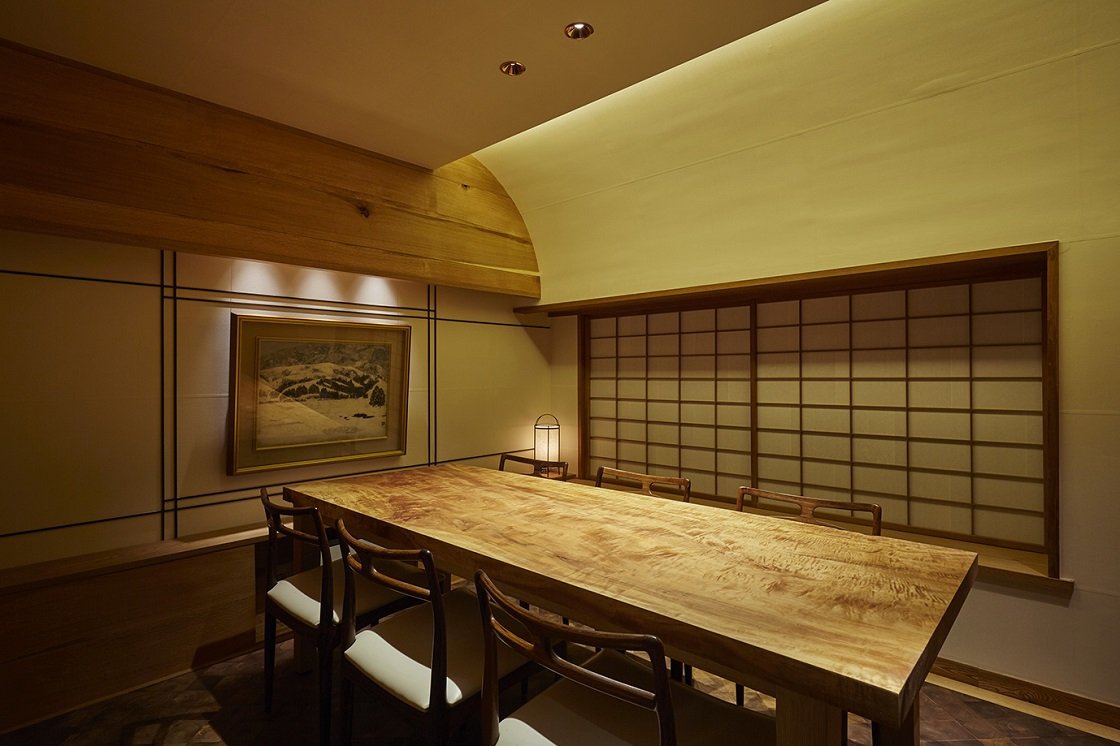
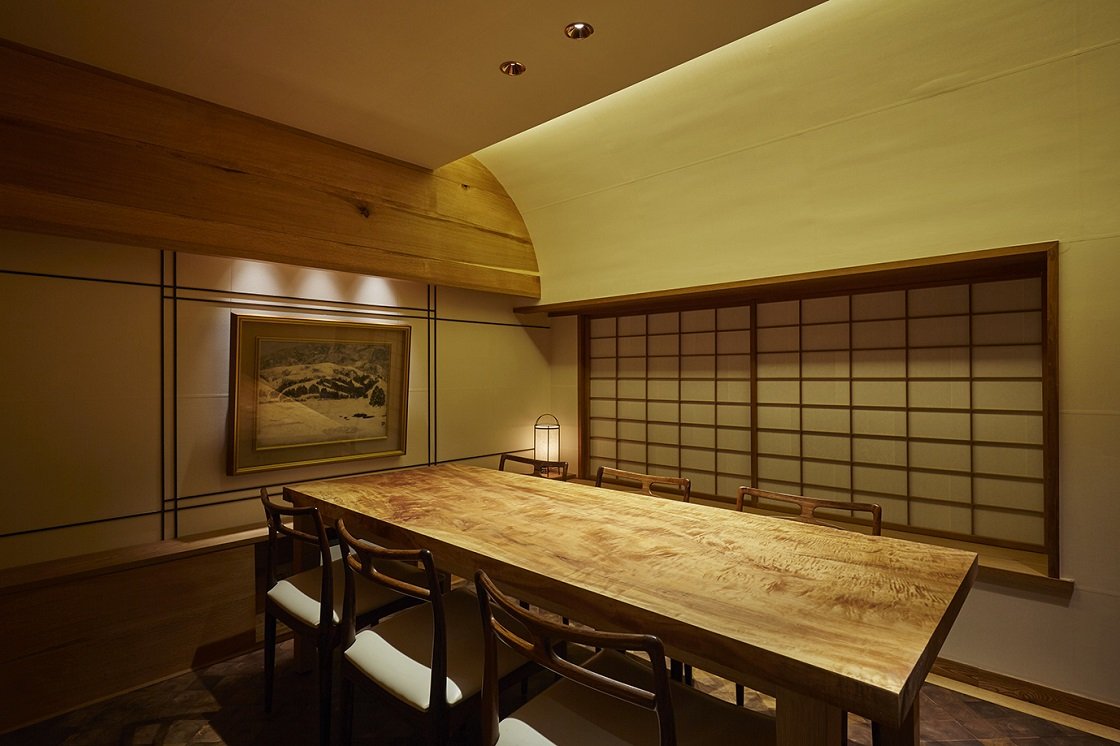
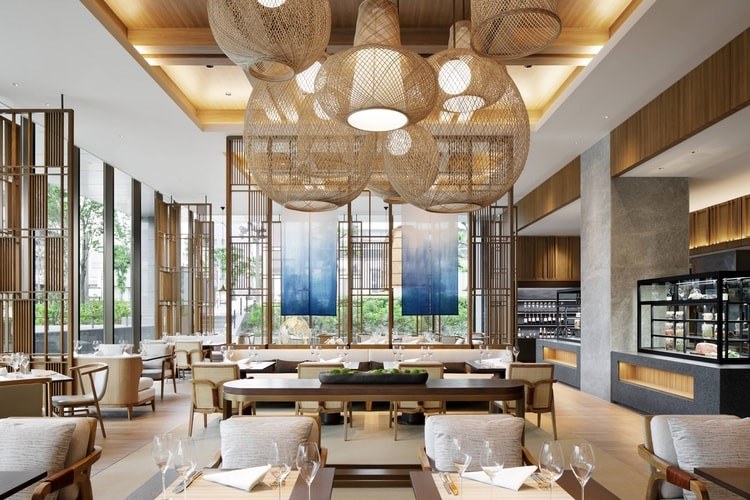
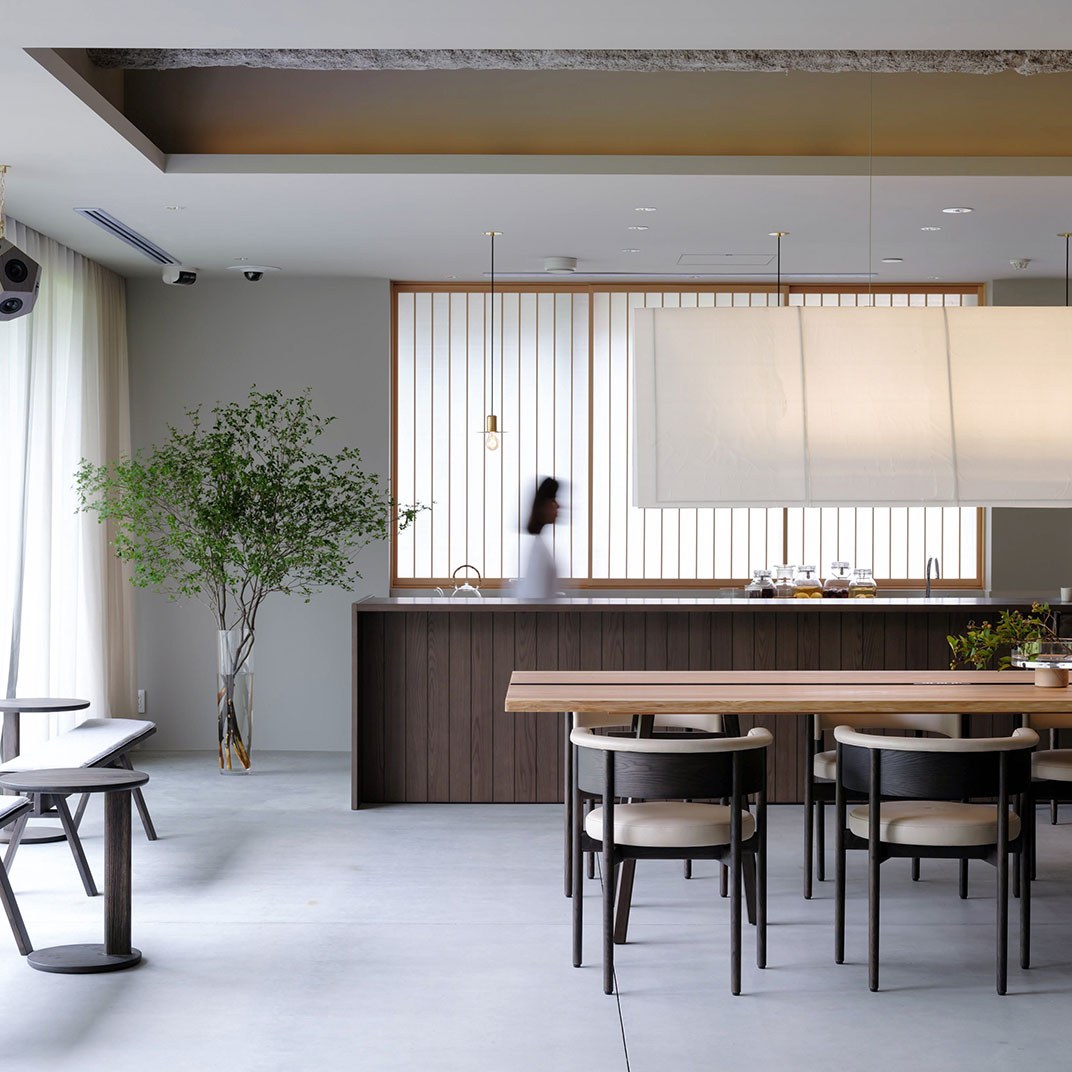
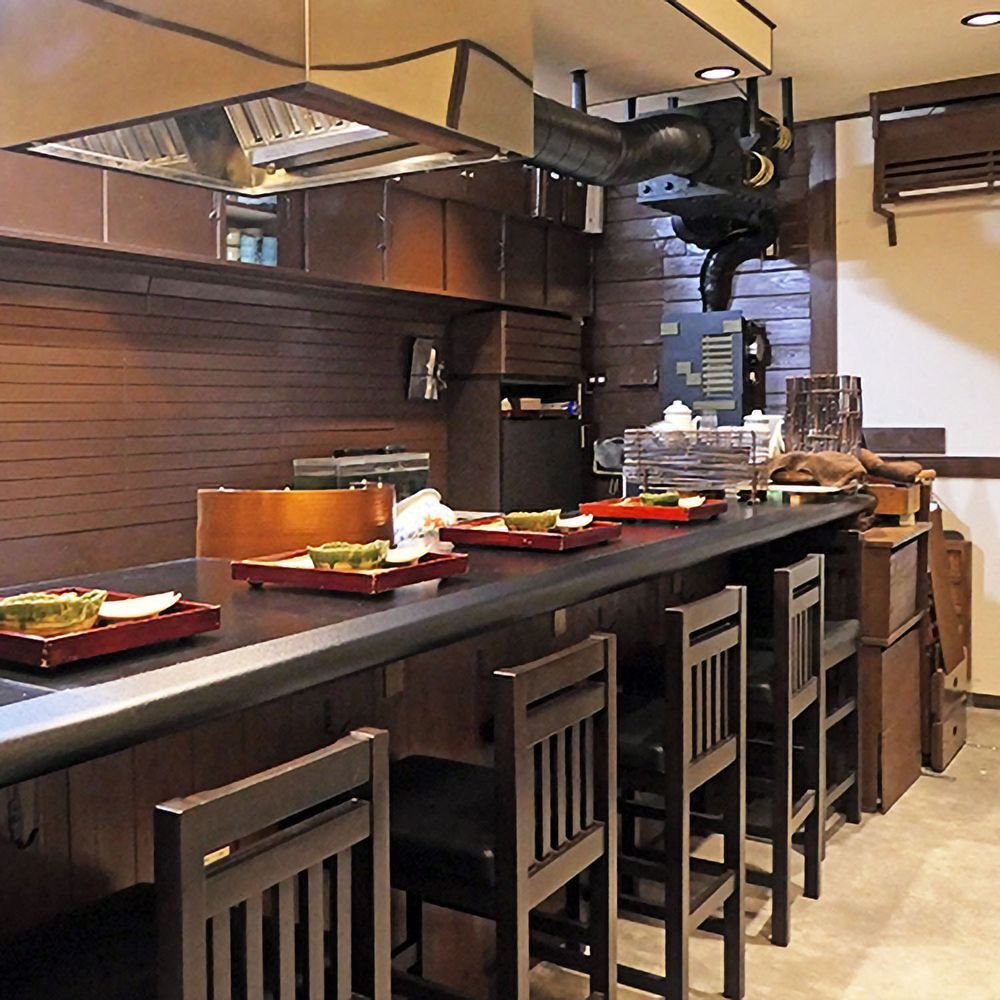
Low lighting, natural wood joinery, and seasonal floral accents create a warm, inviting, and unhurried atmosphere.
Tags
Vibe
Best For
Experience
Sourcing
At the Table
- Dress Code
- Smart Casual
- Noise Level
- Quiet
- Service Style
- Formal
- Meal Pacing
- Leisurely
- Capacity
- Intimate
- Kitchen
- Traditional
- Menu Format
- Tasting menu
- Wine Program
- Curated
- Drinks Focus
- Sake
- Private Dining
- Available
Signature Dishes
- hassun
- Setouchi tai sashimi
Know before you go
Know Before You Go
- Getting there
- Japan, 〒630-8223 Nara, 角振新屋町10−2F 奈良市場
Planning details
Location
Recognition and awards
Also consider
Also Consider
- akordu, Spanish, Innovative, ¥¥¥
- Wa Yamamura, Kaiseki, Japanese, ¥¥¥
- Araki, Sushi, Japanese, ¥¥¥
- Tama, Okinawan, French, ¥¥¥
- NARA NIKON, Japanese, ¥¥¥
Restaurant context
At the ¥¥¥ price tier, Nara's formal dining options are smaller in number than Kyoto or Osaka, which makes the comparison set here fairly contained. Kaiseki Kakomura and Wa Yamamura are the two kaiseki-focused choices in this bracket. Wa Yamamura operates in a similar traditional register; if your priority is comparing kaiseki interpretations side by side across a Nara trip, these two are the natural pairing. Kakomura's differentiator is the explicit tea-ceremony philosophy and the Setouchi seafood sourcing, if those specifics appeal to you, Kakomura is the stronger choice on character. If you want kaiseki with potentially more name recognition, Wa Yamamura may carry more weight in the broader dining conversation.
akordu is the most structurally different option at the same price point, Spanish and innovative in approach, it serves a completely different purpose. Book akordu if you want a break from Japanese formats or are travelling with someone less interested in kaiseki. Tama, with its Okinawan-French mix, sits in a similarly distinct lane. Araki offers sushi at the same ¥¥¥ level, the right call if you prefer sushi's more immediate, ingredient-forward format over kaiseki's extended sequence. NARA NIKON is the closest peer to Kakomura in terms of Japanese cuisine and price band; check Pearl's listing for current data to compare booking difficulty and format before deciding.
For the food-focused traveller deciding where to spend a formal dinner in Nara, Kaiseki Kakomura is the pick if the tea-ceremony tradition and Setouchi seafood specificity matter to you, and if you want a Michelin-recognised meal that does not require the same reservation effort as equivalent restaurants in Kyoto. If you are less committed to the kaiseki format, akordu or Araki give you the same price tier with a different kind of evening.
Explore Nara
Around this place
Discover more on Pearl
Unlock the full Kaiseki Kakomura guide in Pearl, including awards, comparisons, FAQs, planning details, and nearby places.
Compare Kaiseki Kakomura
| Venue | Price | Booking Difficulty | Awards |
|---|---|---|---|
| Kaiseki Kakomura | ¥¥¥ | Easy | 2025 Michelin Plate2024 Michelin Plate |
| akordu | ¥¥¥ | Unknown | 2026 Tabelog Bronze · #142026 OAD Top Restaurants in Japan RecommendedMichelin Guide Nara 20262026 La Liste Top RestaurantsTabelog 100 - Innovative / Creative cuisine - 2025 · #762025 OAD Top Restaurants in Japan Ranked · #5192025 Tabelog Silver2025 Michelin 2 Stars2025 La Liste Top Restaurants |
| Wa Yamamura | ¥¥¥ | Unknown | 2026 OAD Top Restaurants in Japan RecommendedMichelin Guide Nara 20262025 OAD Top Restaurants in Japan Ranked · #2052025 Michelin 1 Star2024 OAD Top Restaurants in Japan Ranked · #1952024 Michelin 1 Star2023 OAD Top Restaurants in Japan Highly Recommended |
| Araki | ¥¥¥ | Unknown | 2026 Tabelog Bronze · #23Michelin Guide Nara 2026Tabelog 100 - Tempura - 2025 · #202025 Michelin Plate2025 Tabelog Bronze2024 Michelin Plate2023 OAD Top Restaurants in Asia Ranked · #24 |
| Tama | ¥¥¥ | Unknown | Michelin Guide Nara 20262025 OAD Casual in Japan Ranked · #902025 Michelin Plate2024 OAD Casual in Japan Ranked · #802024 Michelin Plate2023 OAD Casual in Japan Ranked · #63 |
| NARA NIKON | ¥¥¥ | Unknown | 2026 Tabelog Bronze · #315Michelin Guide Nara 2026Tabelog 100 - Japanese cuisine - WEST - 2025 · #692025 La Liste Top Restaurants2025 Tabelog Bronze2025 Michelin 2 Stars2024 Michelin 2 Stars |






A quick look at how Kaiseki Kakomura measures up.
FAQ
Frequently Asked Questions
How far ahead should I book Kaiseki Kakomura?
Booking difficulty at Kakomura is easier than the Michelin Plate recognition might suggest — a week or two of lead time is often enough, though booking as early as your schedule allows is always the safer call. For seasonal visits when Nara draws larger crowds (cherry blossom, autumn foliage), push that window out further. Last-minute availability is more realistic here than at comparable kaiseki rooms in Kyoto or Tokyo.
What should I wear to Kaiseki Kakomura?
Kaiseki in Japan generally calls for neat, conservative clothing that won't feel out of place in a quiet, considered dining room — think tidy business casual rather than formal Western dress. The venue is on the second floor of a building in Kakuburishinya-cho, which is low-key by address; there is no indication from the venue record of a strict dress code, but arriving underdressed relative to the ¥¥¥ price point would be out of step with the occasion.
Does Kaiseki Kakomura handle dietary restrictions?
Chef Kakomura's menus draw heavily on Setouchi seafood — tai and stonefish feature specifically — so this is not the right room if fish is off the table. The kaiseki format is set-course by nature, which limits substitution flexibility compared to à la carte dining. Communicate any dietary requirements at the time of reservation; the level of accommodation is not documented in available venue data, so confirming in advance is essential.
Is Kaiseki Kakomura good for solo dining?
Solo dining at a kaiseki counter in Japan is culturally accepted and often rewarding, and Kakomura's Michelin Plate recognition and the chef's attention to hospitality — including the tea ceremony-influenced care for guests — suggests a considered solo experience. At ¥¥¥, the per-head cost is the same regardless of party size, so solo diners should weigh that against the format. For solo kaiseki in the region, Kakomura is a practical choice given its comparatively accessible booking difficulty.