
à plus
French · Gose, Nara
Restaurant in Nara, Japan
 Book with Pearl
The Read
Mountain-Edge French Precision
Price
¥¥¥
Dress
Smart Casual
Why go
À plus holds a 2025 Michelin star and — making it the strongest case for French fine dining in Nara. At ¥¥¥, it delivers a level of cooking you would normally have to travel to Osaka or Kyoto for. Book well in advance; this is a hard reservation in a small, low-profile location that punches significantly above its setting.
About à plus
Should You Book à plus?
If you are weighing French dining options in Nara, the comparison that matters most is not between à plus and the city's kaiseki rooms — it is between à plus and the assumption that serious French cooking only happens in Tokyo or Osaka. For a special occasion dinner in Nara, this is the booking to make first.
Portrait
À plus sits in Gose, a quieter district outside central Nara, at an address that gives little away about what is inside. That tension between the setting and the cooking is, in many ways, exactly the point. The 2025 Michelin star is a credential that positions à plus in the same conversation as France-trained kitchens operating in far more competitive cities. The editorial angle here is casual excellence: a venue that does not announce itself loudly but delivers a quality of French cooking that most diners would expect to find only in a major metropolitan centre.
For context on how rare that is, consider that Nara's restaurant scene is dominated by kaiseki and traditional Japanese formats. French kitchens with Michelin recognition in this city are few. The closest regional reference points for one-star French cooking are venues like HAJIME in Osaka — three stars, considerably more expensive, and a very different energy, or Gion Sasaki in Kyoto, which operates in a much higher-profile tourist corridor. À plus occupies a different register: smaller, quieter, and with a price point that makes the Michelin star feel like genuine value rather than a premium you pay for the name.
The ¥¥¥ pricing tier in Japan's Michelin context typically places a meal in the ¥10,000–¥20,000 per person range. At that level, a one-star French kitchen in a low-footfall location like Gose is structurally different from the same credential in Ginza or Shinjuku. Rent economics, a more local clientele, and a kitchen that does not need to perform for a tourist conveyor belt all tend to produce a more personal dining experience. That is the argument for à plus on a special occasion: you are not paying for a famous address, you are paying for the cooking.
Diners booking for anniversaries, birthdays, or a serious date night in Nara will find à plus better suited to the moment than the city's more casual French options. Compare it with La Terrasse irisée, LA TRACE, A VOTRE SANTE, Bon appétit Meshiagare, and FAON, all French options in Nara, none carrying Michelin recognition at the same tier.
The address in Gose is worth planning around. This is not a walk-in-after-sightseeing location. Visitors coming from central Nara, Kyoto, or Osaka should treat the dinner as a destination in itself and arrange transport accordingly. Booking in advance is not optional at this level, a one-star kitchen in a small city has limited covers, and demand from both local regulars and travelling diners will mean availability is tight. Treat this as a hard booking: plan several weeks ahead if your date is fixed.
For those building a broader Japan itinerary around serious French cooking, à plus fits into a regional circuit that might also include Goh in Fukuoka, 1000 in Yokohama, or, for a global comparison point, Les Amis in Singapore and Hotel de Ville Crissier in Crissier. Within the Kansai region specifically, à plus fills a gap: it is the French option in the Nara area that carries independent third-party validation, without requiring a full trip to Osaka or Kyoto for the same standard of cooking.
The restaurant is best understood simply as French, without pinning it to a narrower subgenre. The Michelin award signals a level of technical execution worth noting. For a ¥¥¥ venue in Gose, that is the most reliable signal available. Explore more options in our full Nara restaurants guide, and if you are planning a longer stay, our Nara hotels guide, Nara bars guide, Nara wineries guide, and Nara experiences guide cover the rest of your trip.
Know Before You Go
- Awards: Michelin 1 Star (2025)
- Price Range: ¥¥¥
- Cuisine: French
- Location: Gose, Nara, not central; plan transport in advance
- Booking Difficulty: Hard, reserve several weeks ahead for fixed dates
- Leading For: Special occasions, date nights, destination dinners
- Website / Phone: Not publicly listed, search the venue name directly or use a hotel concierge to assist with reservations
How It Compares
See the full comparison below.
Planning details
- Location
- Japan, 〒639-2223 Nara, Gose, 西久保本町1137
- Phone
- +81 745-40-3862
The take
The Take
The Vibe
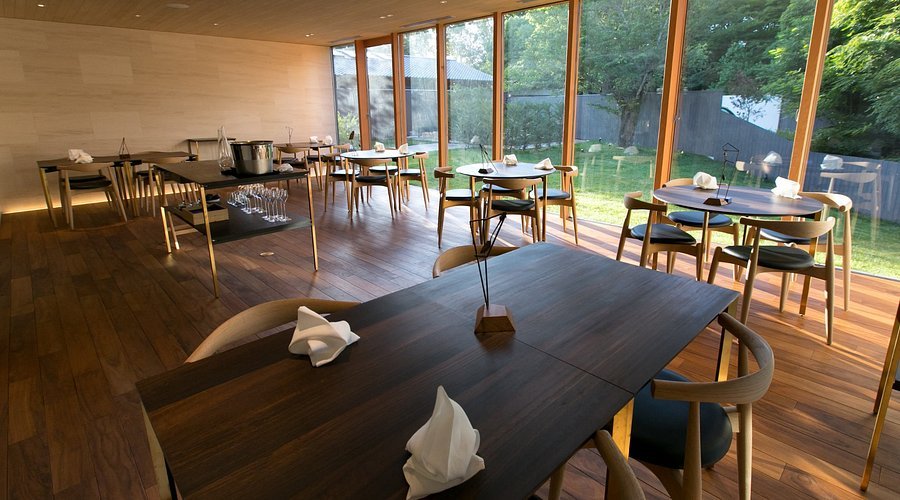
à plus presents Michelin-starred French cooking quietly nested in the landscapes of southern Nara. The restaurant reads as refined and regionally anchored: chefs apply rigorous French technique to ingredients sourced from the surrounding cedar hillsides, rice terraces and Kinokawa basin. The effect is a restrained, sophisticated dining experience that feels deliberately out of step with urban restaurant theaters—an understated destination where the provenance of each ingredient is part of the point. The setting is calm and scenic, and the kitchen’s focus on local supply chains gives the cuisine a distinct, place-driven identity.
Best For
This is a destination for evening tasting experiences and special occasions. The one-Michelin-star pedigree and seasonally revised tasting format make it a natural pick for date nights, celebratory dinners and travelers seeking a focused, refined meal outside the city. It also attracts knowledgeable locals and drive-in visitors from the wider Kansai region who appreciate regional specificity—Yamato beef, foraged mountain vegetables and river fish appear in the repertoire. Solo diners who enjoy tasting menus and close attention to provenance will also find the format well suited to a thoughtful, solitary meal.
Ordering Tips
Reserve in advance and plan for a tasting-format meal that changes with the seasons—menus at à plus respond to local harvests and riverside catches. When you book, note any specialties you want to try (the kitchen is known for dishes featuring Yamato beef, Nara-style pickles and Akitsuho rice preparations) and ask about current seasonal highlights. Expect the menu to be rooted in regional produce and smoking techniques; be open to the chef’s selections rather than à la carte choices. Allow extra travel time if you’re coming from farther afield, as many guests drive in from the Kansai region.
Venue details
Ambiance
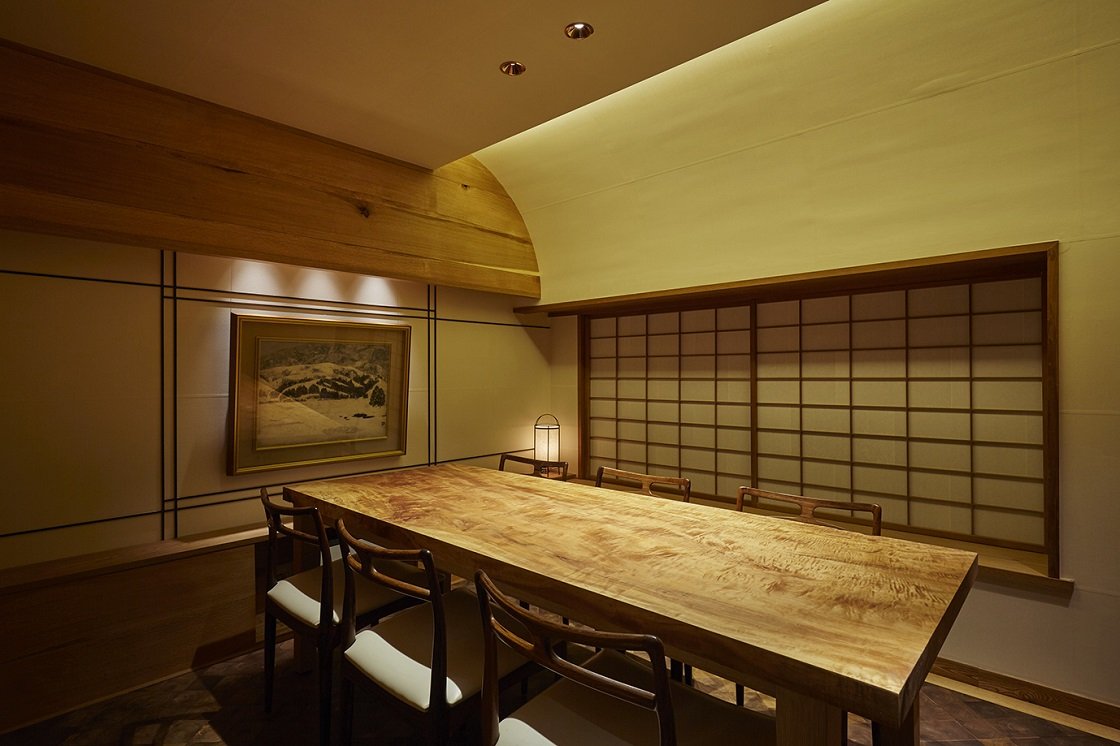
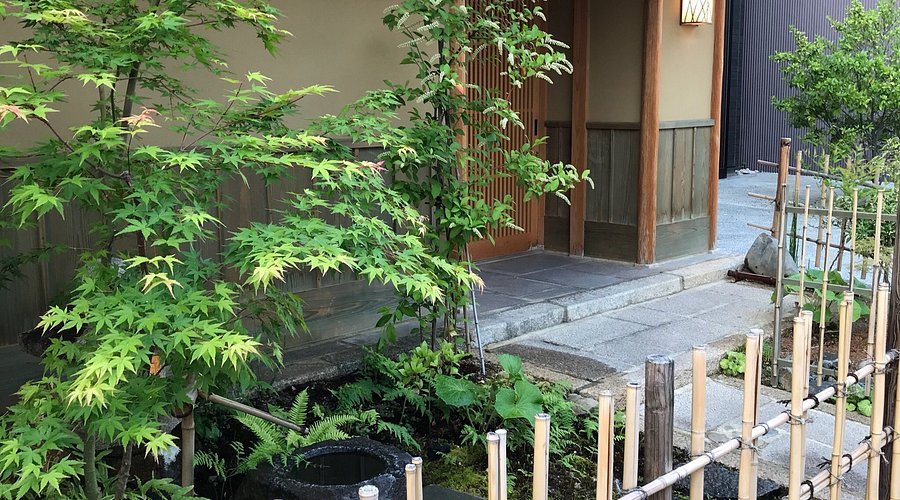
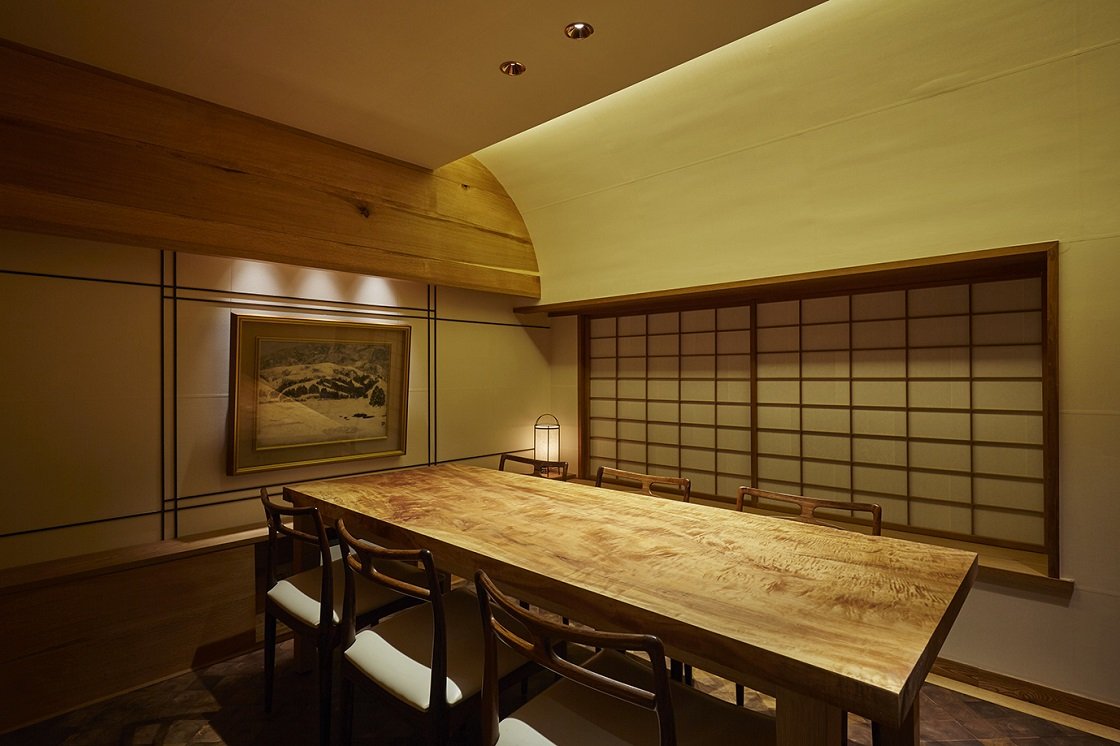
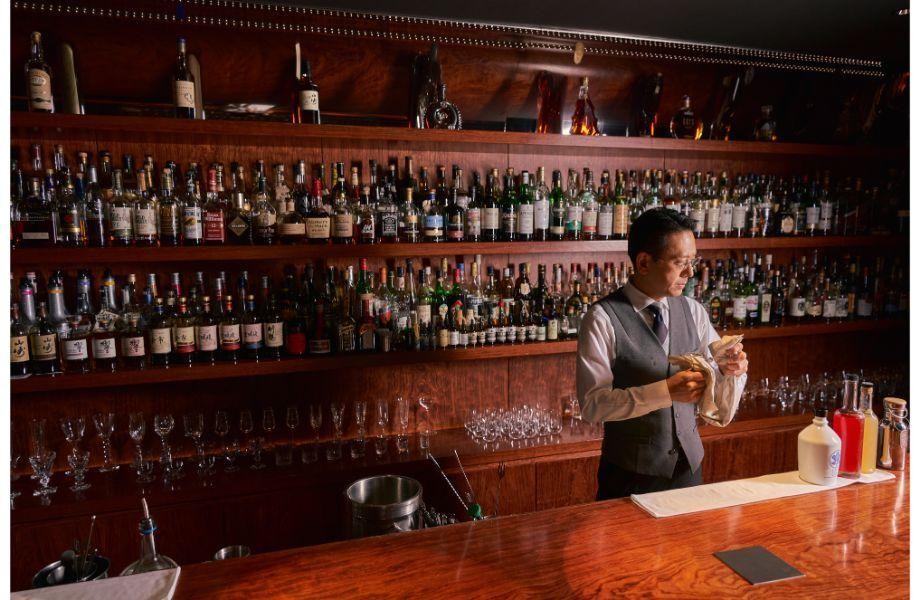
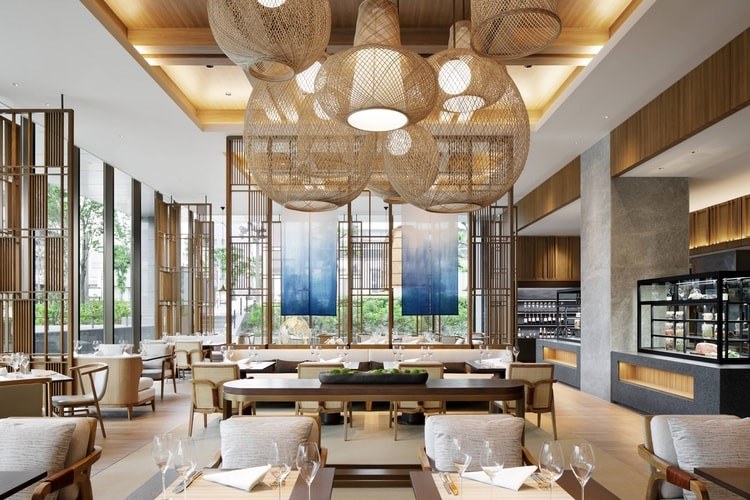
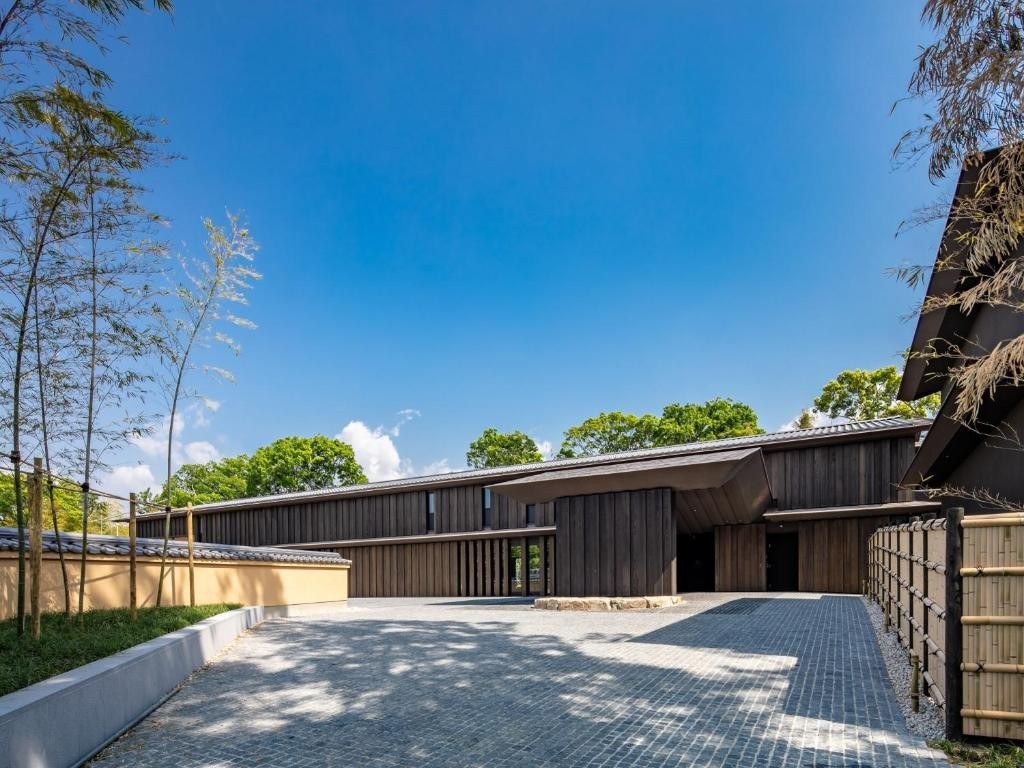
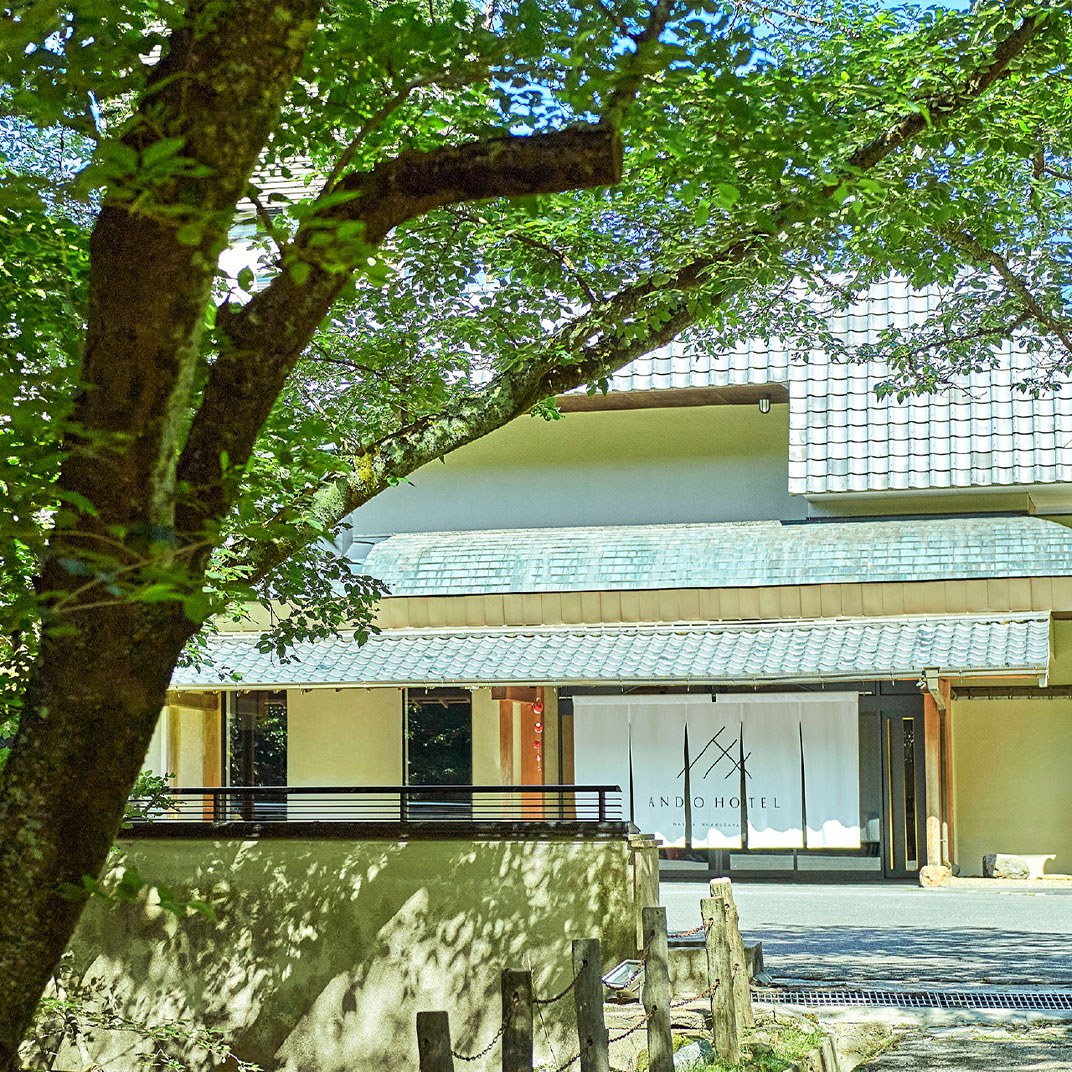
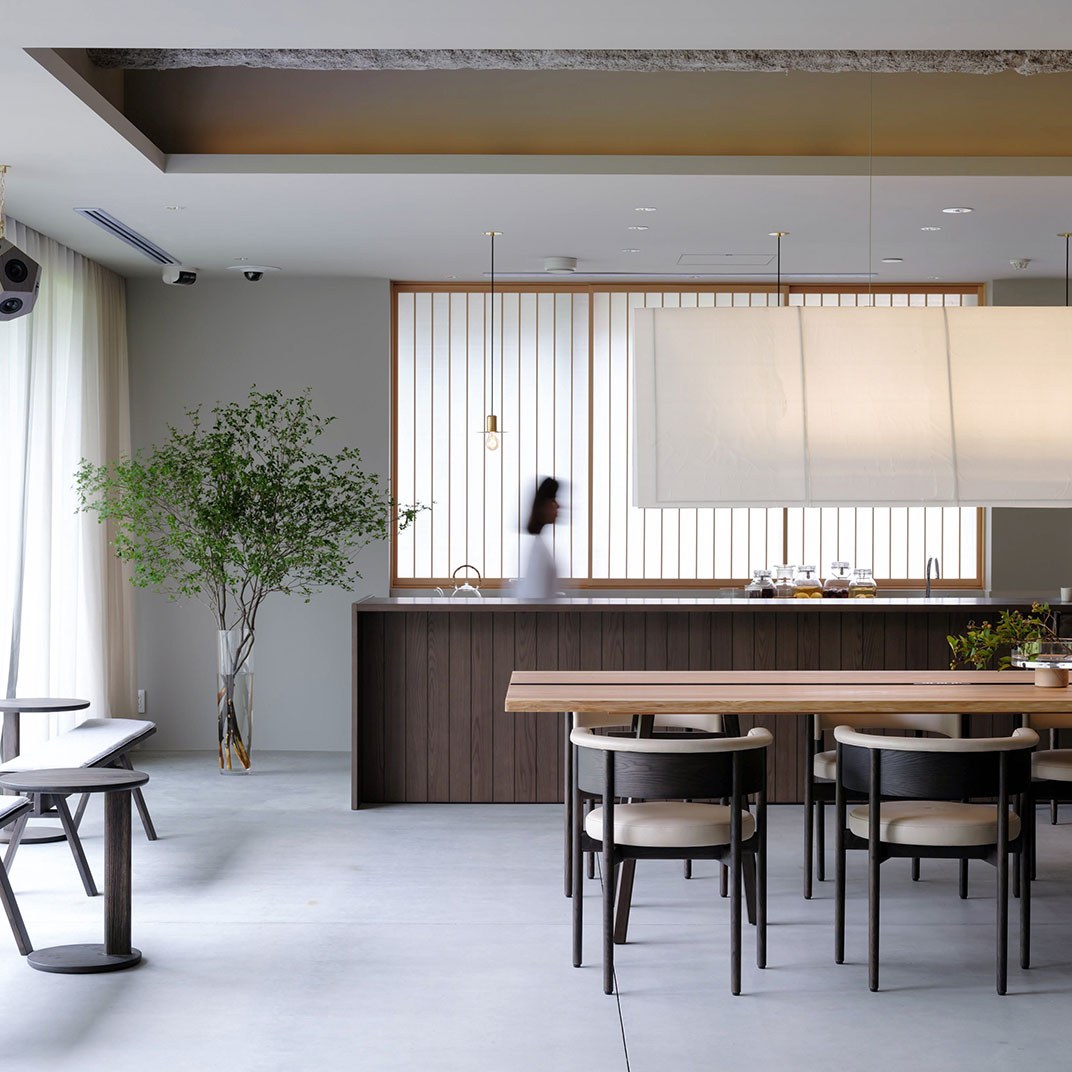
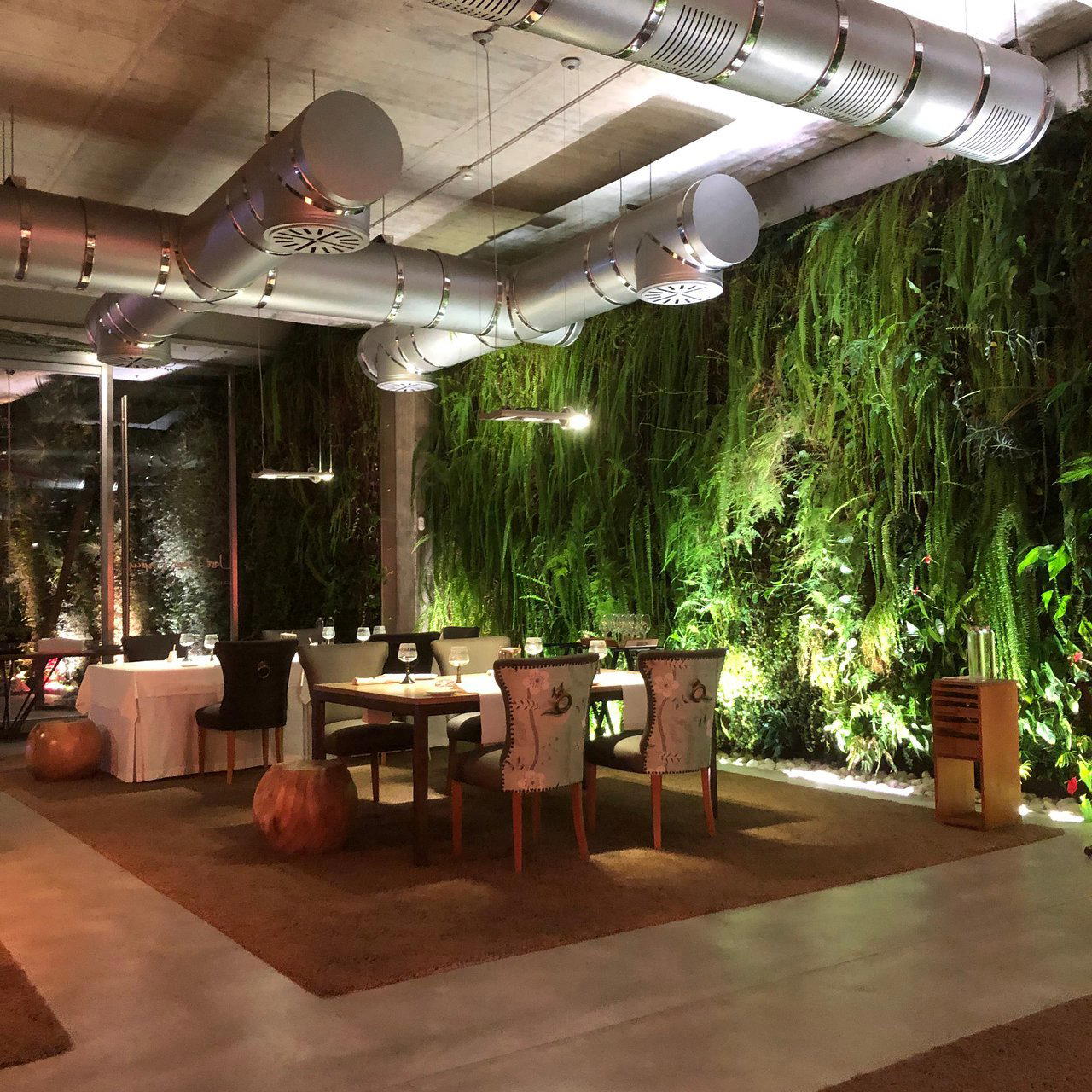
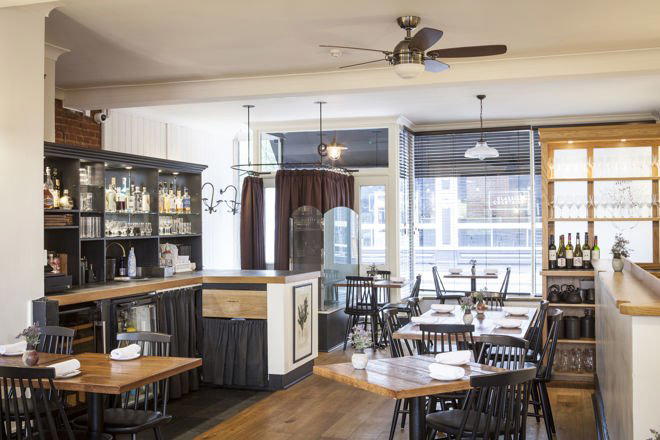
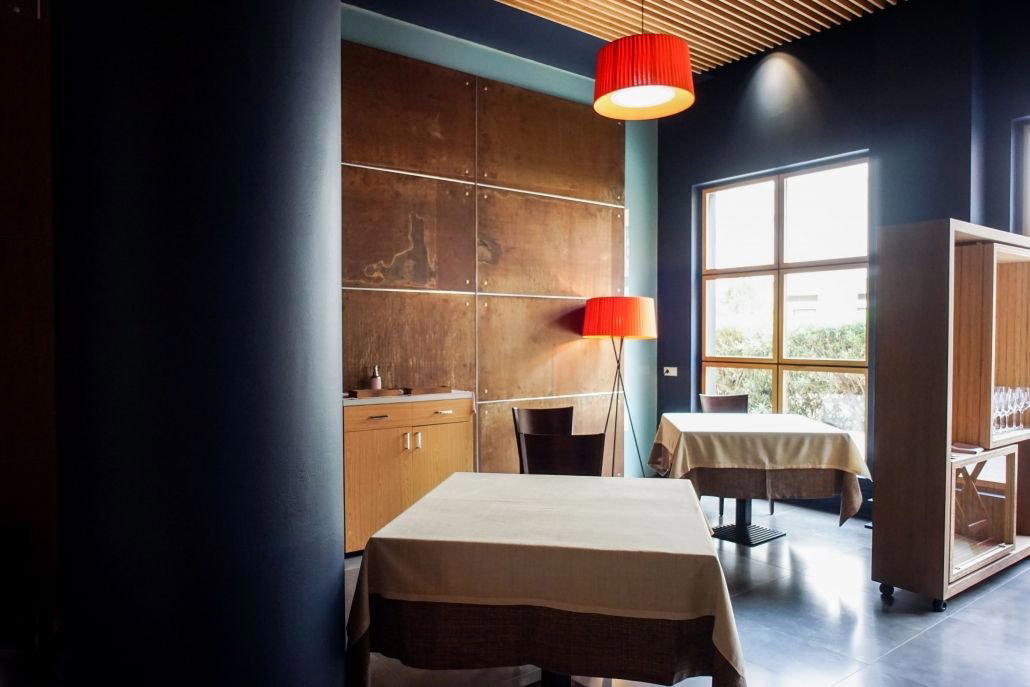
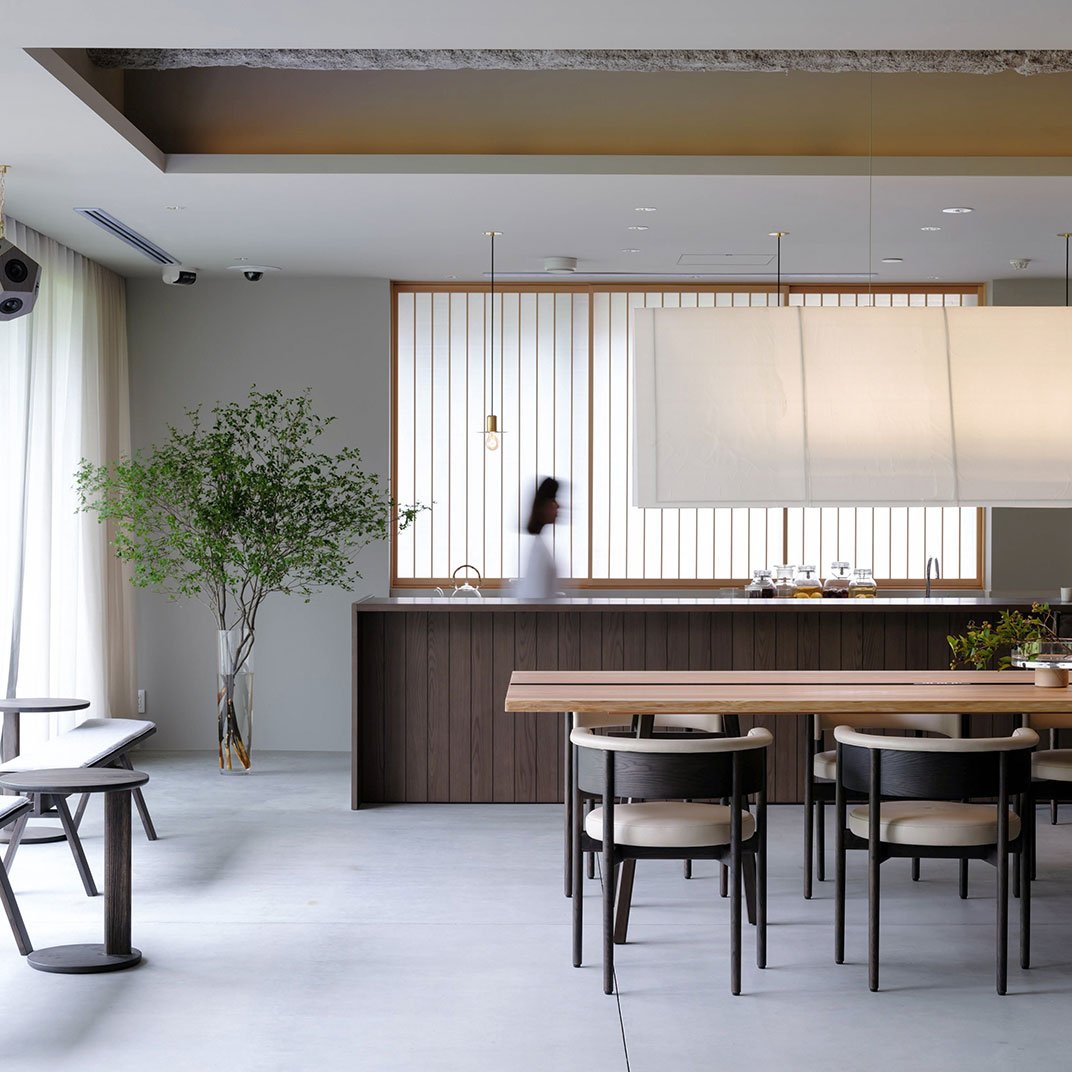
Refurbished traditional Japanese house featuring a reflective black counter that evokes a sophisticated, serene Japanese interior.
Tags
Vibe
Best For
Experience
Sourcing
At the Table
- Dress Code
- Smart Casual
- Noise Level
- Quiet
- Service Style
- Formal
- Meal Pacing
- Leisurely
- Capacity
- Intimate
Signature Dishes
- Nara-style pickled vegetables
- Yamato beef
- Akitsuho rice paella
- Akitsuho rice risotto
Know before you go
Know Before You Go
- Getting there
- Japan, 〒639-2223 Nara, Gose, 西久保本町1137
Planning details
Location
Japan, 〒639-2223 Nara, Gose, 西久保本町1137 · Directions
Recognition and awards
Also consider
Also Consider
- akordu, Spanish, Innovative, ¥¥¥
- Wa Yamamura, Kaiseki, Japanese, ¥¥¥
- Araki, Sushi, Japanese, ¥¥¥
- Tama, Okinawan, French, ¥¥¥
- NARA NIKON, Japanese, ¥¥¥
Restaurant context
Within Nara's ¥¥¥ restaurant tier, à plus is the clearest choice if French cooking and Michelin recognition are your priorities. Its 2025 one-star award sets it apart from the rest of the local French options. Wa Yamamura is the best alternative if you want the same price tier with a kaiseki format, more theatrically Japanese, and likely an easier booking given its higher profile with international visitors already familiar with the format. akordu covers the innovative-Spanish corner of Nara's fine-dining map and suits diners who want something further from tradition.
Araki and Tama offer sushi and Okinawan-French respectively, both at ¥¥¥, both worth considering if the specific cuisine is the draw. But neither competes directly with à plus on the French fine-dining brief. NARA NIKON rounds out the Japanese options at the same price point. For a special occasion dinner where the cooking credential matters most, à plus is the harder booking and the stronger recommendation.
The practical tradeoff is location: à plus in Gose requires more planning than central Nara options. If your schedule is tight or transport is a constraint, Wa Yamamura or akordu are easier to work into a day of sightseeing. If you are building the evening around the dinner itself and can organise a car or taxi, à plus justifies the extra logistics.
Explore Nara
Around this place
Discover more on Pearl
Unlock the full à plus guide in Pearl, including awards, comparisons, FAQs, planning details, and nearby places.
Compare à plus
| Venue | Price | Booking Difficulty | Awards |
|---|---|---|---|
| à plus | ¥¥¥ | Hard | Michelin Guide Nara 20262025 Michelin 1 Star |
| akordu | ¥¥¥ | Unknown | 2026 Tabelog Bronze · #142026 OAD Top Restaurants in Japan RecommendedMichelin Guide Nara 20262026 La Liste Top RestaurantsTabelog 100 - Innovative / Creative cuisine - 2025 · #762025 OAD Top Restaurants in Japan Ranked · #5192025 Tabelog Silver2025 Michelin 2 Stars2025 La Liste Top Restaurants |
| Wa Yamamura | ¥¥¥ | Unknown | 2026 OAD Top Restaurants in Japan RecommendedMichelin Guide Nara 20262025 OAD Top Restaurants in Japan Ranked · #2052025 Michelin 1 Star2024 OAD Top Restaurants in Japan Ranked · #1952024 Michelin 1 Star2023 OAD Top Restaurants in Japan Highly Recommended |
| Araki | ¥¥¥ | Unknown | 2026 Tabelog Bronze · #23Michelin Guide Nara 2026Tabelog 100 - Tempura - 2025 · #202025 Michelin Plate2025 Tabelog Bronze2024 Michelin Plate2023 OAD Top Restaurants in Asia Ranked · #24 |
| Tama | ¥¥¥ | Unknown | Michelin Guide Nara 20262025 OAD Casual in Japan Ranked · #902025 Michelin Plate2024 OAD Casual in Japan Ranked · #802024 Michelin Plate2023 OAD Casual in Japan Ranked · #63 |
| NARA NIKON | ¥¥¥ | Unknown | 2026 Tabelog Bronze · #315Michelin Guide Nara 2026Tabelog 100 - Japanese cuisine - WEST - 2025 · #692025 La Liste Top Restaurants2025 Tabelog Bronze2025 Michelin 2 Stars2024 Michelin 2 Stars |





.png?width=1200&quality=80)
A quick look at how à plus measures up.
FAQ
Frequently Asked Questions
Can I eat at the bar at à plus?
Do not assume counter or bar seating is available. Given the small-scale format typical of one-star French kitchens in provincial Japan, that setup is plausible but should be checked in advance, especially if the bar experience is a priority for your visit.
What should I wear to à plus?
À plus holds a 2025 Michelin star at the ¥¥¥ tier in Gose, Nara — a quieter, non-tourist-circuit location — so the atmosphere is likely considered rather than formal. Err on the side of neat, put-together clothing; jeans and trainers are probably too casual, but a suit is unlikely to be required.
Is à plus good for a special occasion?
Yes. A 2025 Michelin star and a French format at ¥¥¥ in Nara make à plus one of the cleaner choices for a celebratory dinner in the region. It is a better fit for a two-person occasion than a large group event, given the small-kitchen scale implied by its profile. If you want kaiseki ceremony over French precision, Wa Yamamura is the alternative to consider.
Does à plus handle dietary restrictions?
Discuss dietary restrictions with à plus well in advance. One-star French kitchens in Japan generally accommodate restrictions when notified early, but that is not a guarantee here. Reach out directly before booking — do not assume flexibility without confirmation, particularly if the restriction is severe.
What are alternatives to à plus in Nara?
Within the ¥¥¥ tier in Nara, Wa Yamamura is the strongest alternative if kaiseki is your preferred format over French. Akordu offers a Spanish-innovative approach that suits guests who want something further from classical European cooking. For a more casual or accessible price point, Tama and NARA NIKON are worth considering depending on what you are after.
Is the tasting menu worth it at à plus?
One-star French kitchens in Japan at the ¥¥¥ level most commonly operate on a set or tasting structure rather than à la carte — so that is likely your format, but ask before booking. If that structure suits you, the Michelin recognition at this price tier in a lower-cost operating city like Nara makes the spend easier to justify than the same meal in Tokyo.
Is à plus worth the price?
At ¥¥¥ with a 2025 Michelin star, the value case is solid. You are getting a recognised French kitchen in Nara, where operating costs are lower than Tokyo or Osaka — that dynamic tends to mean better plate-for-price ratios at this tier. The main caveat is logistics: Gose is not central, so factor travel time into the decision.