
Jiangnan Wok · Yun
Huaiyang · Gulou, Nanjing
Restaurant in Nanjing, China
 Book with Pearl
The Read
Classical Huaiyang Precision
Price
¥¥¥¥
Dress
Smart Casual
Why go
Nanjing's most credentialed Huaiyang fine-dining address, holding a 2025 Michelin star under chef Jereme Leung. At ¥¥¥¥, this is the right choice for a special occasion or a serious encounter with the cuisine in its home region. Book three to four weeks ahead and expect a composed, unhurried tasting experience built around classical restraint.
About Jiangnan Wok · Yun
Should You Book Jiangnan Wok · Yun?
Getting a table here takes real effort. Jiangnan Wok · Yun earned a Michelin star in 2025, and in a city where fine-dining options at the ¥¥¥¥ tier are limited, that recognition has made reservations genuinely difficult to secure. If you are planning around a special occasion, build in at least three to four weeks of lead time. The effort is justified: this is the most credentialed Huaiyang fine-dining address in Nanjing right now, and for anyone serious about the cuisine in its home region, the meal is hard to replicate elsewhere.
The Venue
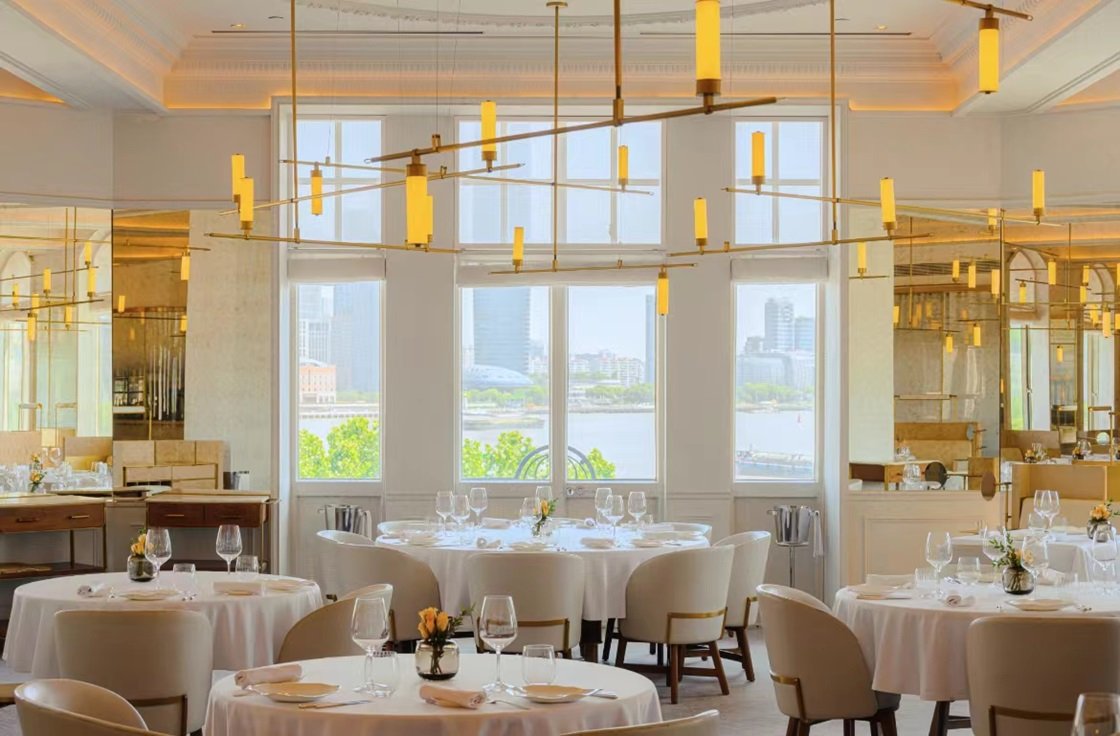
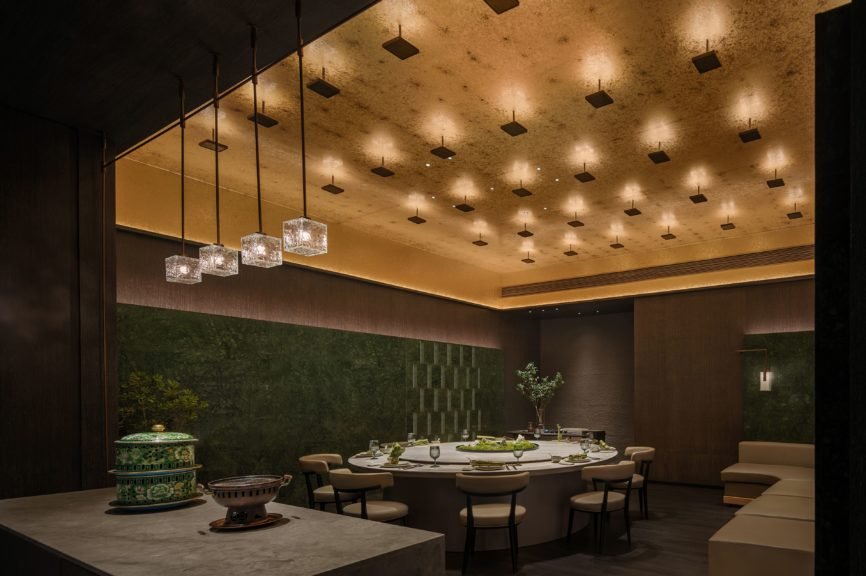
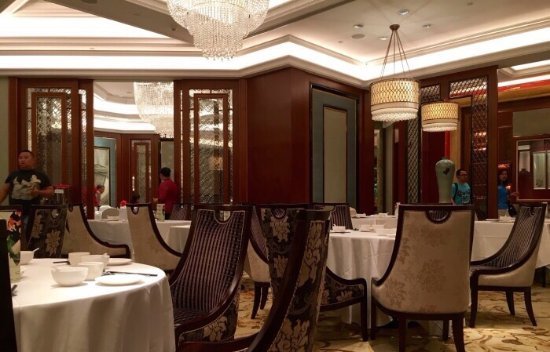
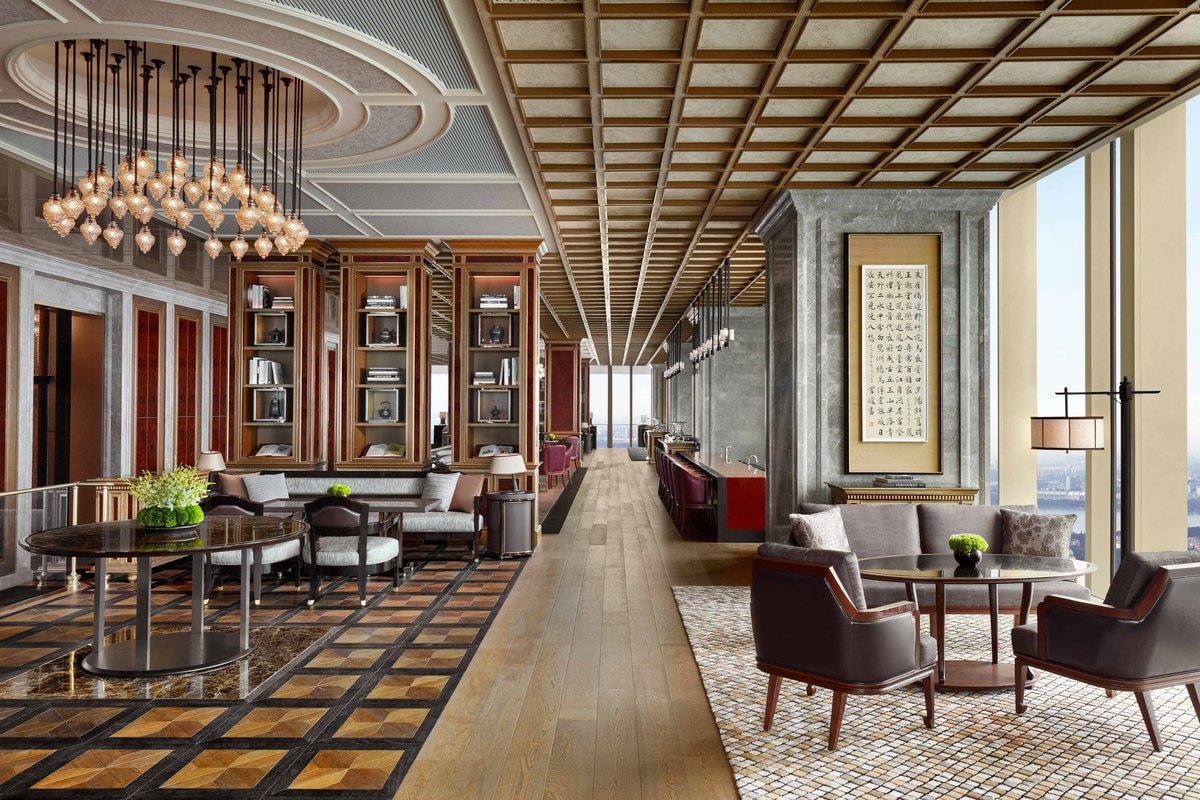
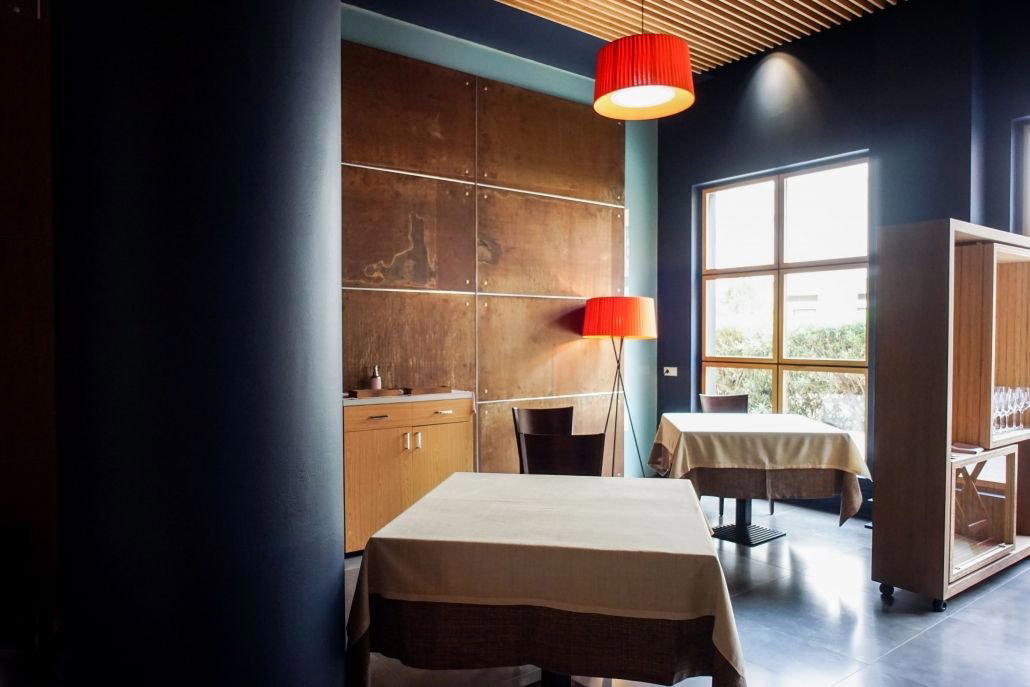
Jiangnan Wok · Yun sits in the Qinhuai District, one of Nanjing's most historically layered neighbourhoods, a short distance from the old city centre. The address positions it within easy reach of both business travellers and visitors staying centrally. The spatial character of the room matters here: Huaiyang cooking at this level is quiet food, built on refinement rather than spectacle, and the dining room reflects that. Expect a composed, formal setting rather than a theatrical one. This is the kind of room where the table spacing gives conversations room to breathe, where the pace is unhurried, and where the physical environment is designed to direct attention toward the food rather than the décor. For a special occasion dinner, a business meal, or a first serious encounter with Huaiyang cuisine, the spatial register is well-matched to the intent.
The kitchen is led by Jereme Leung, a chef with a long record in high-end Chinese cooking across the region. His résumé spans multiple cities and formats, and his work at Jiangnan Wok · Yun represents a focused application of that experience to the Huaiyang canon. The cuisine itself originates from the Jiangsu-Anhui river delta region and is defined by technical restraint: careful knife work, light seasoning, long-braise techniques, and an emphasis on the natural flavour of primary ingredients. It is one of the eight great traditions of Chinese cooking, and historically one of the most demanding to execute at a high level.
The Tasting Menu
The tasting menu format at Jiangnan Wok · Yun is where the editorial angle of a meal here becomes clear. Huaiyang cuisine is not designed for rapid consumption. The progression of a proper tasting sequence in this tradition typically moves from cold preparations through braised and steamed courses to a final rice or noodle stage, with each dish building on the last in terms of weight and intensity. At the ¥¥¥¥ price point, you should expect that architecture to be fully expressed: multiple courses, careful sequencing, and the kind of pacing that makes a two-hour meal feel purposeful rather than slow. The Michelin recognition in 2025 is a signal that the kitchen is executing this structure at a level that holds up to formal scrutiny. For context, Michelin's China guide has become increasingly selective about awarding stars to regional Chinese cuisine, which makes the 2025 recognition for a Huaiyang-focused kitchen in Nanjing specifically notable. If you are comparing this to Huaiyang cooking elsewhere in China, relevant reference points include Huaiyang Fu (Dongcheng) in Beijing and The Huaiyang Garden in Macau. Jiangnan Wok · Yun has the advantage of being in the cuisine's geographic heartland, which adds a layer of contextual authority those addresses cannot replicate.
Practical Details
¥¥¥¥ price range places this firmly at the top of Nanjing's restaurant market. Expect per-head spend in line with other starred Chinese fine-dining rooms in Tier 1 and Tier 2 cities, likely in the range that makes this a considered outlay rather than a casual dinner. Contact details and online booking access are not publicly listed in our database, so the most reliable approach is to contact the venue directly through the Qinhuai District address or to ask your hotel concierge to assist with a reservation if you are staying centrally. Given the Michelin star and the limited seating that typically accompanies a kitchen focused on refinement at this level, do not assume availability on short notice. For Nanjing dining at a more accessible price point, Man Ho offers Huaiyang cooking at ¥¥, and Jiangnan Wok provides a related format at lower commitment. The broader Nanjing restaurants guide covers the full range of options across price tiers.
Timing matters. Midweek evenings tend to be the practical choice for a first visit to a room like this: the service pace is steadier, the room is less likely to be at full capacity, and the kitchen has more bandwidth to execute a multi-course sequence at the right pace. Weekend evenings at starred venues in Chinese cities often see tables turning faster and service stretched thinner. If the meal is for a special occasion, a Tuesday or Wednesday booking is likely to deliver a better experience than a Friday or Saturday.
For comparison context across the region, Jereme Leung's broader body of work connects to fine-dining Chinese rooms in multiple cities. Relevant reference points in the category include 102 House in Shanghai, Xin Rong Ji in Beijing, Xin Rong Ji in Chengdu, and Ru Yuan in Hangzhou. Within Nanjing itself, the options at a comparable ambition level are sparse, which makes Jiangnan Wok · Yun the default answer for anyone asking where to eat at the city's highest tier. Other Nanjing options worth considering depending on your profile include Hou Pin Xiao Yuan, Lantchen Reserve, and Longyin Shanfang (Jiangning). For Macau comparisons in the fine-dining Chinese category, Chef Tam's Seasons and Imperial Treasure Fine Chinese Cuisine in Guangzhou offer useful calibration points. If you are planning a broader Nanjing trip, the Nanjing hotels guide, bars guide, wineries guide, and experiences guide cover the rest of your itinerary.
The Verdict
Book this for a special occasion or a serious food-focused evening in Nanjing. The 2025 Michelin star, Jereme Leung's credentials, and the cuisine's home-region authenticity make this the strongest single argument for dining at the ¥¥¥¥ level in the city. Go in knowing what this cuisine is, book early in the week, and give yourself the full evening.
Part of
Shangri-La66 locations on PearlPlanning details
- Location
- China, Jiangsu, Nanjing, Qinhuai District, 15, 西南方向10米 邮政编码: 210004
- Website
- shangri-la.com/nanjing/shangrila/dining/restaurants/jiangnan-wok-yun
- Phone
- +862586305990
The take
The Take
The Vibe
Jiangnan Wok · Yun reads as a refined, historically anchored fine-dining address. It pairs the technical exactitude of Huaiyang cooking — knife precision, delicate broths and ingredients from the Yangtze Delta — with the quiet gravity of Nanjing’s Qinhuai quarter. The Michelin one-star recognition lands on execution rather than novelty, so the dining room emphasizes craftsmanship over flash. Approaching through old stone and water, guests encounter a sense of continuity between imperial culinary traditions and contemporary critical validation; the result is a poised, contemplative experience rooted in place and technique.
Best For
This is a restaurant for considered evenings and formal meals. Its ¥¥¥¥ positioning and Michelin one-star status make it a natural choice for special occasions and business dinners where precision and provenance matter. The menu’s ties to classical banquet cooking suit groups that want elevated, course-driven service, and the kitchen’s focus on technique favors diners who appreciate subtlety over spectacle. In Nanjing’s dining hierarchy it sits among a small set of addresses aimed at guests seeking accomplished, regionally specific fine dining.
Ordering Tips
Seek out the signature preparations that showcase Huaiyang’s courtly lineage: dishes built on knife work, delicate broths and river-and-lake ingredients. The braised eight-treasure pigeon with abalone, listed as a signature dish, is a clear example of the kitchen’s ambition and is worth ordering to gauge the restaurant’s execution. Because the cuisine feeds into classical banquet patterns, expect compositions that reward sharing and course-by-course pacing rather than loudly spiced single items; the Michelin star signals consistency and technical polish across the menu.
Venue details
Ambiance
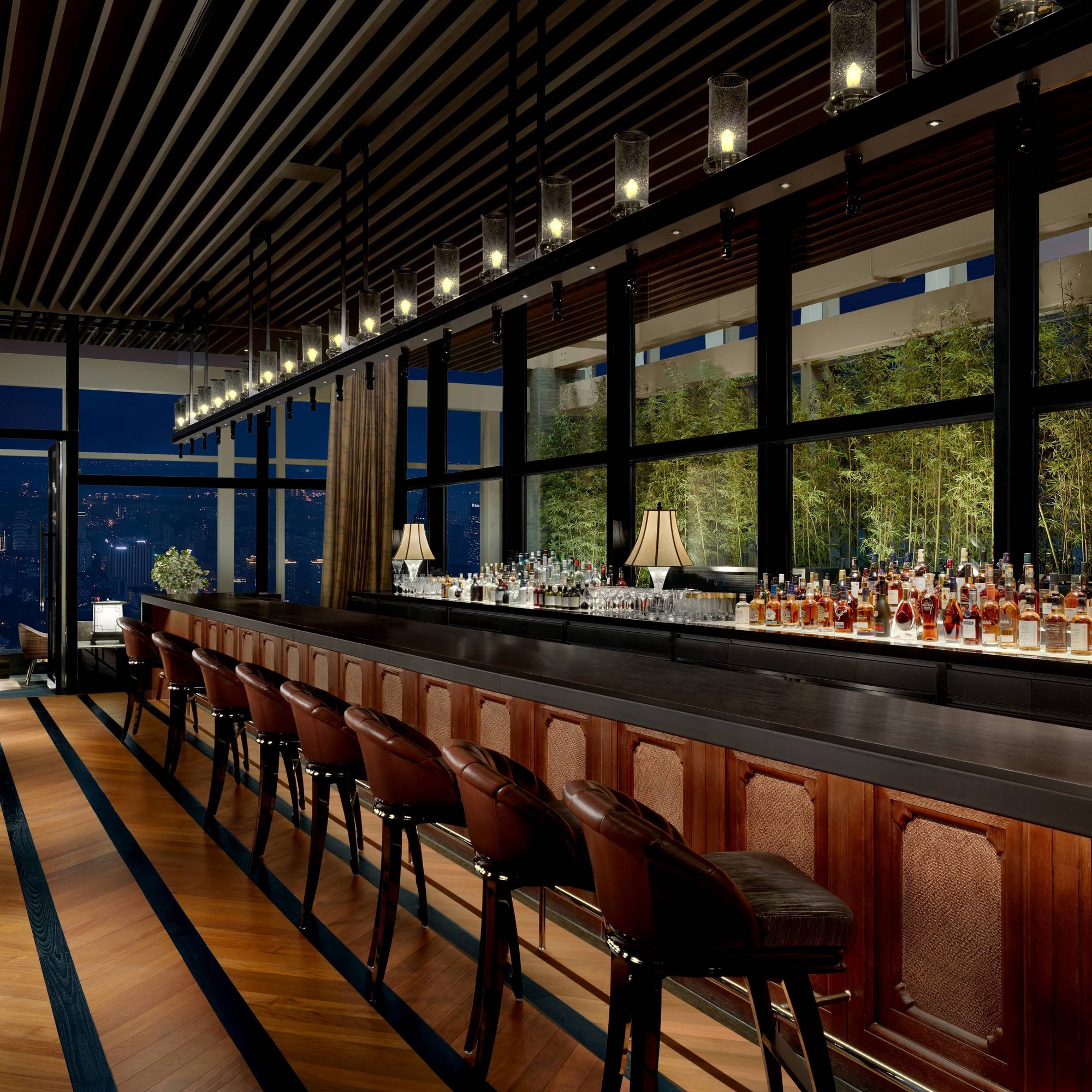
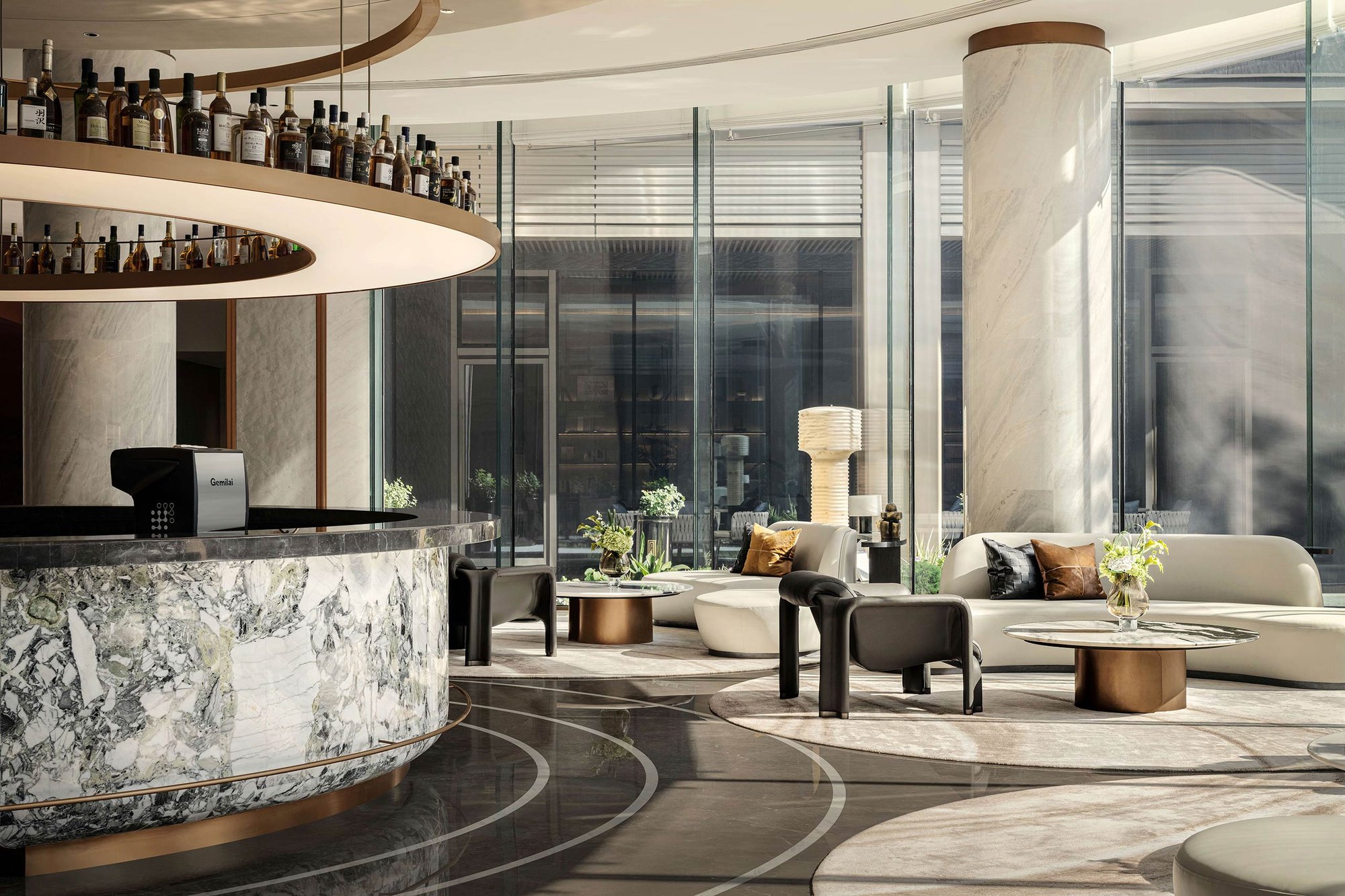
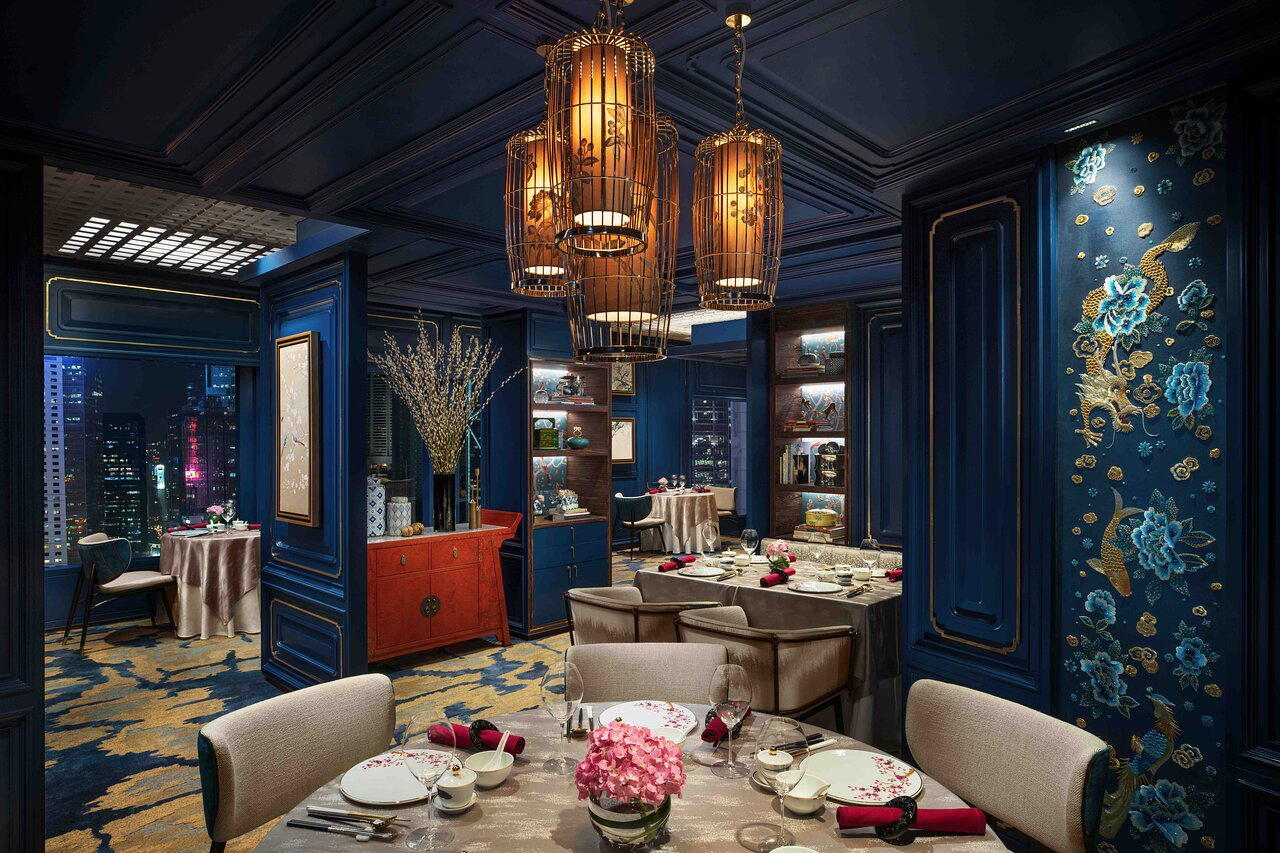
Refined fine dining atmosphere with high-end decor, art pieces showcasing Nanjing culture, and floor-to-ceiling windows offering stunning vistas.
Tags
Vibe
Best For
Experience
Sourcing
View
At the Table
- Dress Code
- Smart Casual
- Noise Level
- Conversational
- Service Style
- Formal
- Meal Pacing
- Leisurely
- Capacity
- Small
Signature Dishes
braised eight-treasure pigeon with abalone
Know before you go
Know Before You Go
- Getting there
- China, Jiangsu, Nanjing, Qinhuai District, 15, 西南方向10米 邮政编码: 210004
Planning details
Location
China, Jiangsu, Nanjing, Qinhuai District, 15, 西南方向10米 邮政编码: 210004 · Directions
shangri-la.com/nanjing/shangrila/dining/restaurants/jiangnan-wok-yun
Also consider
Also Consider
- Dai Yuet Heen, Cantonese, ¥¥¥
- Man Ho, Huaiyang, ¥¥
- Wan Guo Chun Chinese Restaurant, Chinese, ¥¥
- Chi Man, Jiangzhe, ¥¥
- Fang Po, Small eats, ¥
Restaurant context
At the top of Nanjing's fine-dining market, Jiangnan Wok · Yun has no direct equivalent. Its 2025 Michelin star and ¥¥¥¥ pricing put it in a category of one among the city's Chinese restaurants. Dai Yuet Heen at ¥¥¥ is the closest in ambition, offering Cantonese fine dining with strong production values, but if Huaiyang cuisine specifically is your reason for being in Nanjing, Dai Yuet Heen does not scratch the same itch. Book Jiangnan Wok · Yun for the cuisine; consider Dai Yuet Heen if Cantonese cooking is a better fit for your table.
For Huaiyang at a lower price point, Man Ho at ¥¥ is the practical alternative. It covers the same regional tradition without the tasting-menu commitment or the ¥¥¥¥ spend, and it is a more straightforward booking. If you are weighing the two, the decision comes down to occasion: Jiangnan Wok · Yun for a milestone meal or a serious food evening; Man Ho for a well-executed regional dinner without the formality.
Wan Guo Chun and Chi Man, both at ¥¥, offer broader Chinese and Jiangzhe menus at accessible prices and are better suited to casual group dinners or exploratory meals across multiple dishes. For the lowest commitment and a quick bite, Fang Po at ¥ covers Nanjing small eats in a completely different register. None of these four compete directly with Jiangnan Wok · Yun on formality or kitchen credential. The comparison is really a question of what the evening calls for.
Explore Nanjing
Around this place
Discover more on Pearl
Unlock the full Jiangnan Wok · Yun guide in Pearl, including awards, comparisons, FAQs, planning details, and nearby places.
Compare Jiangnan Wok · Yun
| Venue | Price | Awards |
|---|---|---|
| Jiangnan Wok · Yun | ¥¥¥¥ | 2025 Michelin 1 Star |
| Dai Yuet Heen | ¥¥¥ | 2025 Michelin 1 Star |
| Man Ho | ¥¥ | No published awards |
| Wan Guo Chun Chinese Restaurant | ¥¥ | 2026 Relais Chateaux Restaurants2025 Relais Chateaux Award2025 Michelin Plate |
| Chi Man | ¥¥ | 2025 Michelin Bib Gourmand |
| Fang Po | ¥ | Michelin Guide Shanghai Jiangsu Zhejiang 20262025 Michelin Bib Gourmand |

.png?width=1200&quality=80)


How Jiangnan Wok · Yun stacks up against the competition.
FAQ
Frequently Asked Questions
How far ahead should I book Jiangnan Wok · Yun?
Book at least three to four weeks out. A 2025 Michelin star in a city with limited ¥¥¥¥ fine-dining options means demand is real and tables move fast. If you have a fixed date for a special occasion, book the moment your travel is confirmed — do not assume availability a week before.
Is the tasting menu worth it at Jiangnan Wok · Yun?
Yes, if Huaiyang cuisine is the reason you're here. Jiangnan Wok · Yun earned its 2025 Michelin star with Jereme Leung at the helm, and at the ¥¥¥¥ tier this is serious-occasion territory rather than casual dining spend. If you want a shorter, more flexible meal, a starred Cantonese room in a major city would give you more à la carte latitude.
Is Jiangnan Wok · Yun good for a special occasion?
It is one of the clearest special-occasion cases in Nanjing. The 2025 Michelin star, Jereme Leung's credentials, and the Qinhuai District setting all support a formal, food-focused evening. This is not a venue for a low-key dinner — the ¥¥¥¥ price point and tasting format mean you should commit to the experience, not drop in casually.
Can Jiangnan Wok · Yun accommodate groups?
Small groups of two to four are the natural fit for a venue of this format. Larger parties should contact the restaurant in advance to confirm private dining availability — tasting menu kitchens at the Michelin level often have limited flexibility for groups above six without a dedicated room. Do not arrive as a large group without prior arrangement.