.png?width=1200&quality=80)
Alborada
Traditional Cuisine · Murcia City Centre, Murcia
Restaurant in Murcia, Spain
 Book with Pearl
The Read
Market-Rooted Murcian Cooking
Price
$50–100per person
Dress
Smart Casual
Why go
Alborada is Murcia's reliable choice for traditional, market-led regional cooking at a mid-range price. Chef David Muñoz's menu is grounded in the city's huerta produce, with rice dishes and stews worth pre-ordering for two. Easy to book, and good value for the quality on the plate.
About Alborada
Who Should Book Alborada — and When
Alborada is the right call for anyone who wants to eat genuinely Murcian food in a setting that takes the cooking seriously without charging Michelin-star prices for the privilege. It works well as a long lunch with the executive menu, as a two-person dinner built around a pre-ordered rice dish, or as a relaxed introduction to Murcia's regional kitchen for a first-time visitor. If you are looking for avant-garde technique or a contemporary tasting menu format, this is not that restaurant — for that, Magoga is the better choice. But if market-driven traditional cooking executed with confidence is what you are after, Alborada earns its place near the best of the city's list.
The Room and the Format
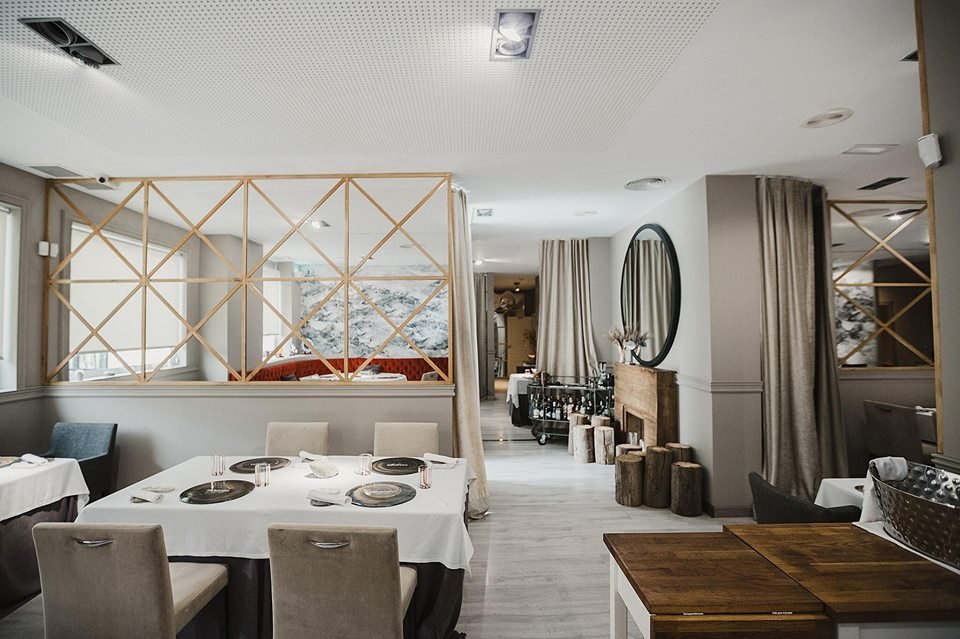
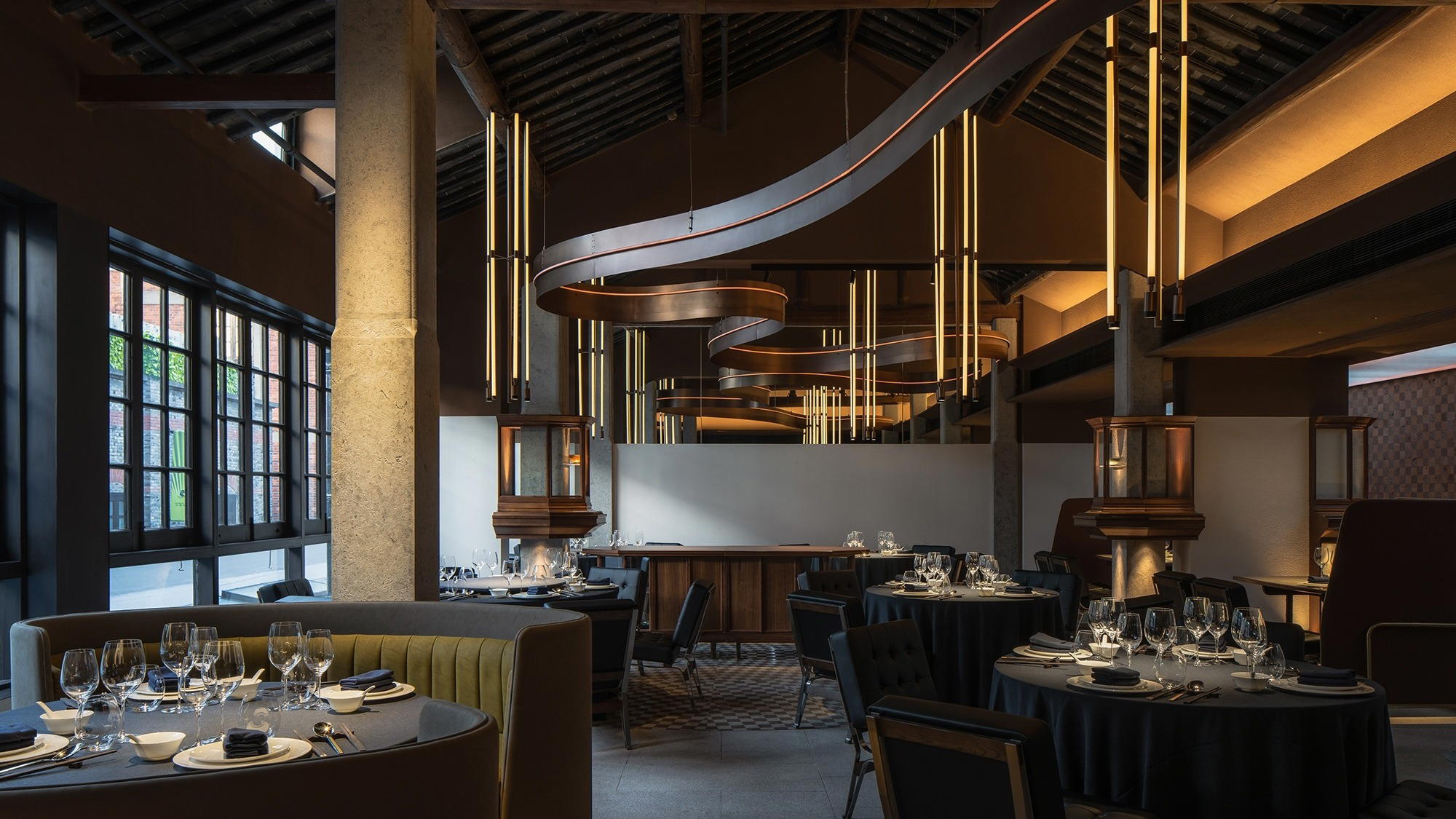
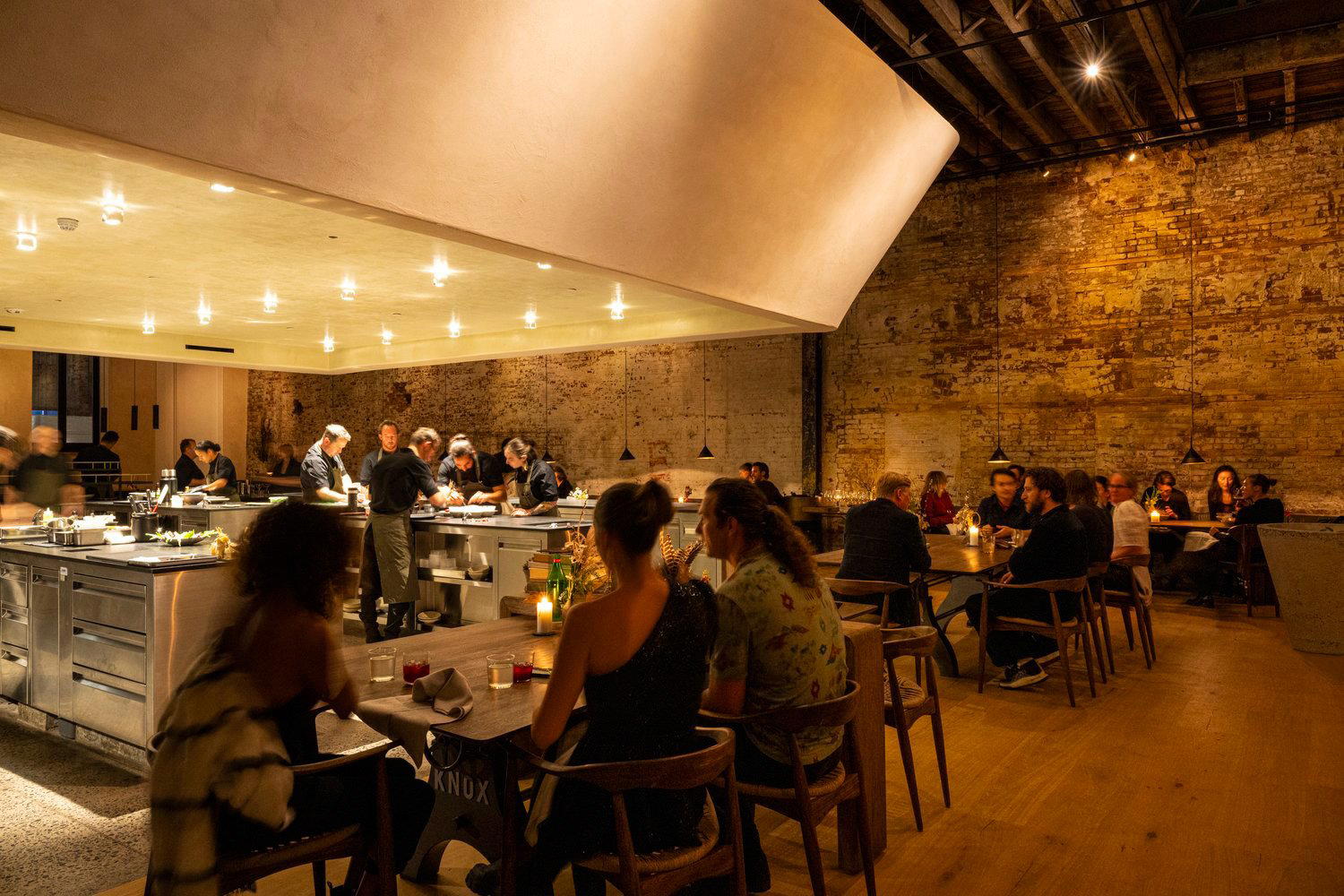
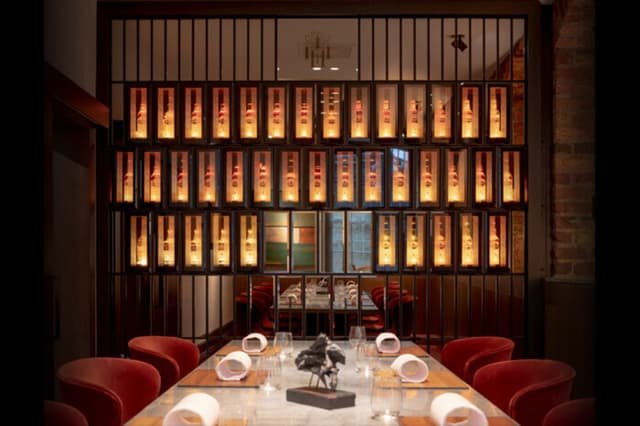
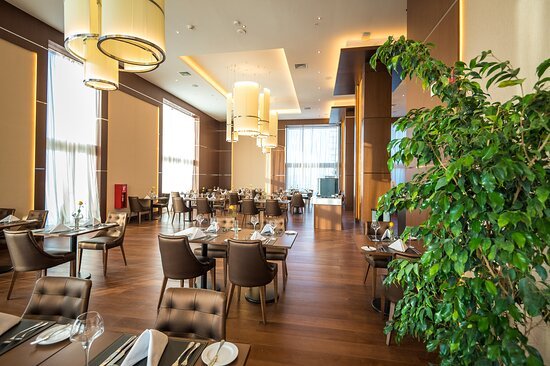
Alborada occupies a central position in Murcia's old city at Calle Andrés Baquero, 15, easy to reach on foot from most of the city's hotels and main sights. The layout gives you two distinct options from the moment you arrive: an informal bar at the front, suited to tapas and a glass of wine without commitment, and a classically furnished dining room behind it that reads as genuinely smart without being stiff. The central section of the dining room can be converted into a private space, which makes it a practical choice for groups or business lunches that need a degree of separation from the main floor. The visual register is traditional Spain done with care, proper tablecloths, a room that signals you are here to eat rather than to be seen.
The Cooking: Market-Led, Rooted in Murcia
Chef Raúl Prior describes his approach as rooted in Murcian produce and tradition, and the menu reflects that directly. The kitchen works from an à la carte that changes with the market, which means the sourcing choices are doing the heavy lifting here: what is on the plate is shaped by what is in season in one of Spain's most productive agricultural regions. Murcia supplies a significant share of Spain's fresh vegetables, fruit, and rice, the region's huerta (market garden) tradition is serious, not decorative, and a kitchen that commits to sourcing locally has access to ingredients that chefs elsewhere are importing at considerable cost and compromise.
The rice dishes and stews are the sections of the menu worth planning around. Both require a minimum of two guests and must be pre-ordered, which tells you something about how they are made: these are not dishes held in reserve and plated to order, but preparations that need time and attention. If you are coming as a pair or a group, contact the restaurant ahead to lock in a rice or stew, and build your meal around it. The à la carte beyond that covers the broader range of Murcian market cooking. At lunchtime, there is also an executive menu, the practical choice for a working lunch or a midday meal where you want structure and value at the €€ price point.
The Michelin Plate recognition (2024) is a useful calibration point. A Michelin Plate signals that inspectors found the cooking worth noting, good ingredients, carefully prepared, without awarding a star. For the diner, that translates to a restaurant that is cooking at a level above the city average, priced accessibly, and not requiring the advance planning that a starred venue demands.
Sourcing and Why It Matters Here
Editorial angle on Alborada is the sourcing, because in Murcia that argument is unusually strong. Spain's southeastern coast produces tomatoes, peppers, artichokes, citrus, and rice varieties that supply European markets. A chef working in this city who commits to the local market is drawing on ingredients that carry genuine provenance, not a marketing claim, but a supply chain that is measurably shorter and fresher than in most European capitals. At the €€ price range, that sourcing advantage is not being passed on to the restaurant's margin at the diner's expense: you are getting produce quality that would cost significantly more in Madrid or Barcelona. That is the practical case for Alborada over comparable traditional restaurants in larger Spanish cities. For a wider view of what Murcia's food and drink scene offers, see our full Murcia restaurants guide.
Ratings and Trust Signals
- Michelin Plate (2024): inspector recognition for quality cooking; a useful floor on what to expect
- Price range: €€, mid-range for Murcia, which is accessible by the standards of comparable cooking in Spain's larger cities
Booking and Practical Details
Booking at Alborada is direct, this is an easy reservation to secure by Murcia standards. The main planning requirement is logistical rather than competitive: if you want a rice dish or stew, you need to pre-order when you book. Missing that step means you may find those options unavailable on arrival. There is no booking phone or website listed in our current data, so check Google Maps or local booking platforms for the current reservation method. Walk-ins to the bar for tapas are a lower-commitment option if you want to test the kitchen before committing to a full dining room reservation.
Practical Comparison
| Venue | Price | Style | Booking Difficulty | Leading For |
|---|---|---|---|---|
| Alborada | €€ | Traditional Murcian | Easy | Market cooking, rice dishes, local ingredients |
| Magoga | €€€ | Contemporary | Moderate | Tasting menu, contemporary technique, splurge dinner |
| Frases | €€ | Contemporary | Easy | Creative cooking at mid-range price |
| Almo de Juan Guillamón | €€ | Modern Cuisine | Easy | Modern approach, local ingredients |
| Demo | €€ | Farm to table | Easy | Produce-led, farm-sourced menu |
Where Alborada Sits in Spain's Broader Restaurant Picture
At the €€ price point with a Michelin Plate, Alborada operates in a category well below Spain's top-end traditional restaurants. For reference, the country's most decorated addresses, El Celler de Can Roca in Girona, Arzak in San Sebastián, Azurmendi in Larrabetzu, and Martin Berasategui, operate at a different price tier and require planning months in advance. Quique Dacosta in Dénia is geographically closer and offers a high-end lens on southeastern Spanish ingredients, but at a significantly higher price and booking difficulty. Alborada is not competing at that level and does not need to: its argument is regional depth at an accessible price, which is a different and legitimate case. For comparable traditional cooking in other European regions, Cave à Vin & à Manger in Narbonne and Coto de Quevedo Evolución in Torre de Juan Abad offer useful reference points for the same style and price register. You can also explore hotels in Murcia, bars in Murcia, wineries in Murcia, and experiences in Murcia to complete a visit to the region.
Planning details
- Location
- C. Andrés Baquero, 15, BJ, 30001 Murcia, Spain
- Website
- alboradarestaurante.com
- Phone
- +34 968 23 23 23
The take
The Take
The Vibe
Alborada operates as two complementary rooms — a front bar tuned to tapas and drop-in drinking and a classically furnished dining room that moves at an unhurried pace. The layout feels intentional rather than split, reflecting Murcia’s culinary logic: ingredient-led, regionally anchored cooking that works across casual and formal settings. The staff and space favor measured service and an emphasis on place; the kitchen’s roots in the huerta come through in vegetable-forward preparations and the way simple, well-sourced ingredients are given room to speak. The result is a quietly refined, locally rooted restaurant that balances convivial bar energy with composed dining-room calm.
Best For
Alborada suits a range of evenings. The front bar is ideal for after-work drinks and casual tapas—drop-in visits that revolve around small plates and a glass of wine. The dining room is better for longer, more deliberate meals: rice dishes, slow stews and paella demand time and company, and the restaurant’s central section converts into a private room for groups or celebrations. It’s a natural pick for date night, business dinners and small-group gatherings where you want a composed atmosphere and food that showcases Murcia’s agricultural bounty.
Ordering Tips
Start in the bar with a selection of tapas—croquetas de jamón and the artichoke starter are clear house signatures—then move into the dining room if you plan to linger. Tuna preparations and rice dishes are highlighted by the kitchen’s regional focus; order paella or a slow stew when you have time to share. For groups or a more private experience, book the convertible central section in advance. The menu emphasizes season and place, so follow server recommendations for what’s freshest from the huerta on the day you visit.
Venue details
Ambiance
Exquisitely cozy atmosphere with stylish, minimalist decor and classically furnished dining room.
Tags
Vibe
Best For
Experience
Sourcing
Accessibility
At the Table
- Dress Code
- Smart Casual
- Noise Level
- Conversational
- Service Style
- Upscale Casual
- Meal Pacing
- Standard
- Capacity
- Medium
- Kitchen
- Traditional
- Menu Format
- A la carte, Small plates
- Wine Program
- Curated
- Drinks Focus
- Wine
- Dietary
- Vegetarian friendly, Vegan options, Gluten-free options
- Private Dining
- Available
Signature Dishes
- artichoke starter
- croquetas de jamón
- tuna dishes
- paella
Know before you go
Know Before You Go
- Getting there
- C. Andrés Baquero, 15, BJ, 30001 Murcia, Spain
Planning details
Location
Recognition and awards
Also consider
Also Consider
- Magoga, Contemporary, €€€
- Frases, Contemporary, €€
- Almo de Juan Guillamón, Modern Cuisine, €€
- Demo, Farm to table, €€
- Tándem, Mediterranean Cuisine, €€
Restaurant context
Alborada and Magoga are not really competing for the same diner. Magoga operates at €€€ with a contemporary tasting menu format and is Murcia's most ambitious restaurant by price and ambition. If you are planning a special occasion and want progressive technique, book Magoga. If you want traditional Murcian cooking with well-sourced ingredients at a lower spend, Alborada is the stronger call. The gap in price and format is wide enough that choosing between them is mostly a question of what kind of meal you want rather than which is objectively better.
Among the €€ options, the comparison is closer. Frases and Almo de Juan Guillamón both offer contemporary cooking at a similar price, making them the right choice if you prefer a more modern approach to the same regional ingredients. Demo takes a farm-to-table angle that overlaps with Alborada's produce focus, but with a different aesthetic. Alborada's point of difference is the traditional format itself: proper stews, pre-ordered rice dishes, a classically furnished room, and a chef who is not trying to reframe Murcian cooking, just cook it well. If that is what you are after, Alborada is the clearest option in the city at this price.
For booking difficulty, all five venues sit in the easy-to-moderate range by Spanish standards. Alborada's main logistical requirement is pre-ordering the rice or stew ahead of arrival, a minor step that most diners skip and then regret. Kappou Makoto is worth noting for a completely different experience if your group wants Japanese technique rather than regional Spanish cooking. For the full picture across price points and styles, see our full Murcia restaurants guide.
Around this place
Discover more on Pearl
Unlock the full Alborada guide in Pearl, including awards, comparisons, FAQs, planning details, and nearby places.
Compare Alborada
| Venue | Cuisine | Price | Booking Difficulty | Awards |
|---|---|---|---|---|
| Alborada | Traditional Cuisine | €€ | Easy | 2026 Michelin Plate2025 Michelin Plate2024 Michelin Plate |
| Magoga | Contemporary | €€€ | Unknown | 2026 Michelin 1 Star2025 Michelin 1 Star2024 Michelin 1 Star |
| Frases | Contemporary | €€ | Unknown | Guía Repsol Soles 20262026 Michelin 1 Star2025 Michelin 1 Star2024 Michelin 1 Star |
| Almo de Juan Guillamón | Modern Cuisine | €€ | Unknown | Guía Repsol Soles 20262026 Michelin 1 Star2025 Michelin 1 Star2024 Michelin 1 Star |
| Demo | Farm to table | €€ | Unknown | Star Wine Lists 2026 · #12026 Falstaff Restaurant Guide2026 La Liste Top RestaurantsMichelin Guide Lithuania 20262025 La Liste Top Restaurants2025 Michelin 1 Star2024 Esquire Best New Restaurants · #202024 Michelin 1 Star |
| Tándem | Mediterranean Cuisine | €€ | Unknown | 2026 Bib Gourmand2025 Michelin Bib Gourmand2024 Michelin Bib Gourmand |







.png?width=1200&quality=80)

A quick look at how Alborada measures up.
FAQ
Frequently Asked Questions
What should I wear to Alborada?
Alborada has a classically furnished dining room but sits at the €€ price point, so the dress code is relaxed. Neat casual works fine — there is no indication of a formal dress requirement. If you are eating at the tapas bar rather than the dining room, the register is even more informal.
Is the tasting menu worth it at Alborada?
Alborada does not offer a traditional tasting menu. The lunchtime 'executive' menu is the set-format option, and at €€ pricing it is generally the better-value entry point. The à la carte is the stronger showcase of chef Raúl Prior's market-led cooking, particularly the pre-order rice and stew dishes for two.
Can I eat at the bar at Alborada?
Yes — Alborada has a dedicated informal bar designed for tapas, separate from the main dining room. For a lighter meal or a solo visit without a full reservation, the bar is a practical option and reflects how many locals use the space.
Is Alborada good for solo dining?
The tapas bar makes solo dining at Alborada more practical than at many comparable restaurants in the city. The main dining room works for solo diners too, though the signature rice and stew dishes require a minimum of two guests, so your menu options will be narrower. Factor that in before booking.
Is Alborada worth the price?
At €€ with a 2024 Michelin Plate, Alborada delivers strong value by Murcia standards — you are getting editorially recognised, market-driven Murcian cooking without a premium price tag. For what the kitchen produces, this is a fair deal. The pre-order rice dishes for two are the argument for the full meal over a bar snack visit.
What are alternatives to Alborada in Murcia?
Magoga is the reference point for more refined Murcian cooking with stronger national recognition. Frases and Tándem offer different angles on contemporary Spanish cooking at similar or adjacent price points. Alborada is the call if you want a traditional, à la carte format with a genuine local identity rather than a modernised approach.
Is Alborada good for a special occasion?
Yes, with caveats. The central section of the dining room converts into a private dining space, which makes Alborada a practical choice for a group celebration. For a couple, the à la carte format and the pre-order rice and stew dishes create a proper occasion feel at €€ pricing. If you need a grander setting, Magoga operates at a higher register.