.png?width=1200&quality=80)
Waby
Asian · Porta Garibaldi - Porta Nuova, Milan
Restaurant in Milan, Italy
 Book with Pearl
The Read
Japanese Counter Fusion
Price
$100–150per person
Dress
Smart Casual
Why go
A Michelin Plate-recognised Japanese restaurant near Corso Como, Waby delivers technically confident raw dishes, sushi, robata, and a serious sake list at the €€€ tier: meaningfully less expensive than Milan's starred Italian circuit., it is the clearest answer in the city if you want Japanese cooking done with care.
About Waby
Verdict
At the €€€ tier, it gives you creative raw preparations, sushi, robata, and a serious wine and sake list without demanding the €€€€ commitment of Milan's Italian fine-dining circuit. If you want Japanese cooking done with care in a city better known for risotto and pasta, Waby is the clearest answer on Via Carlo de Cristoforis. Book it for a weeknight dinner when the room is at its most focused: weekend evenings attract more of a see-and-be-seen crowd from the nearby Corso Como strip.
The Room and the Format
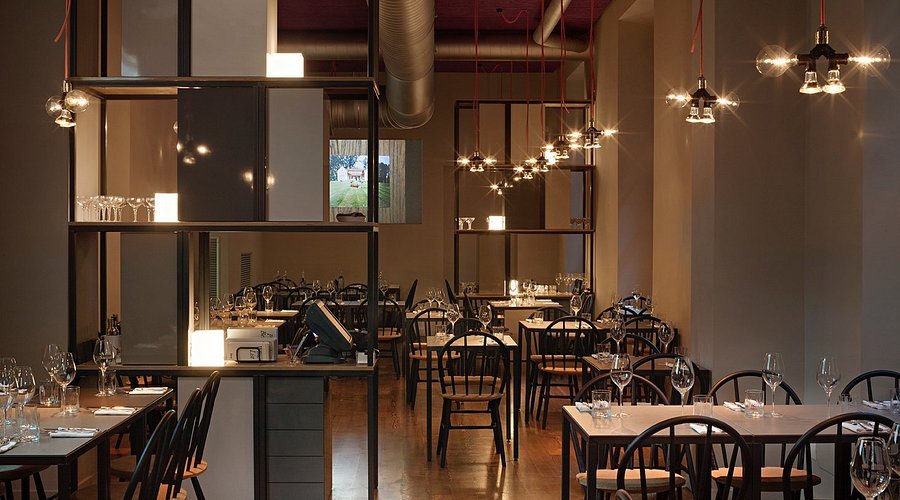
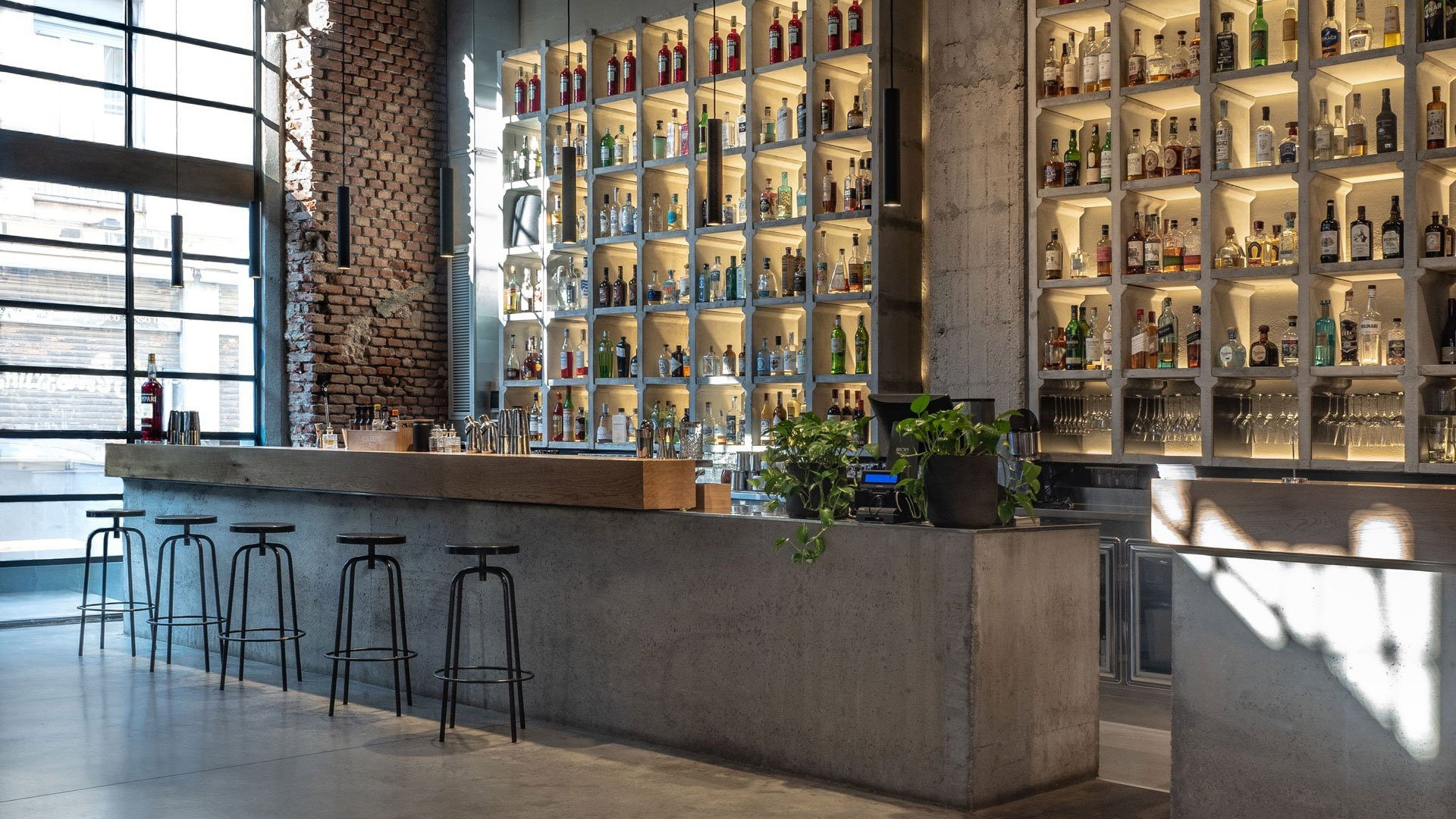
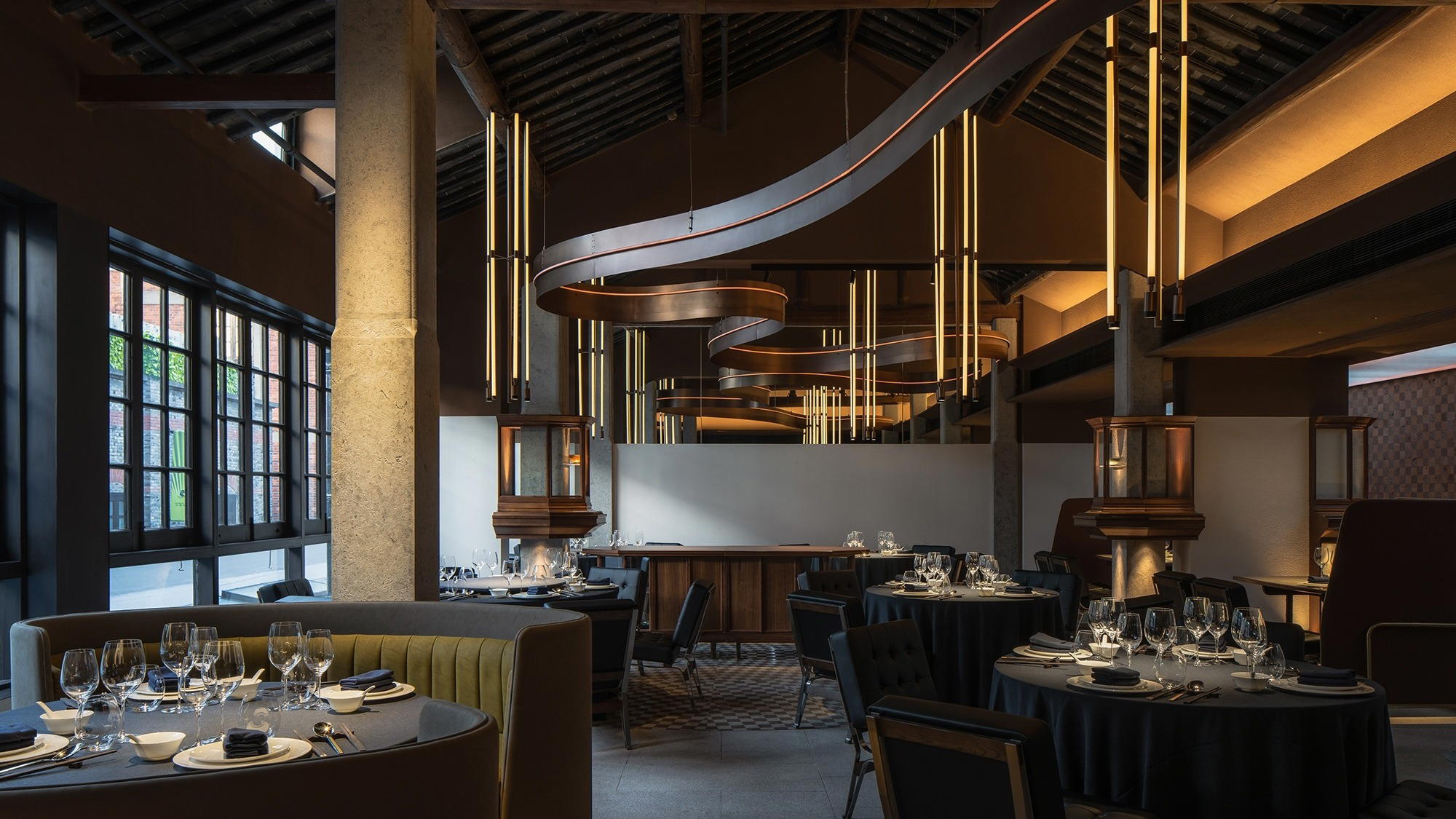
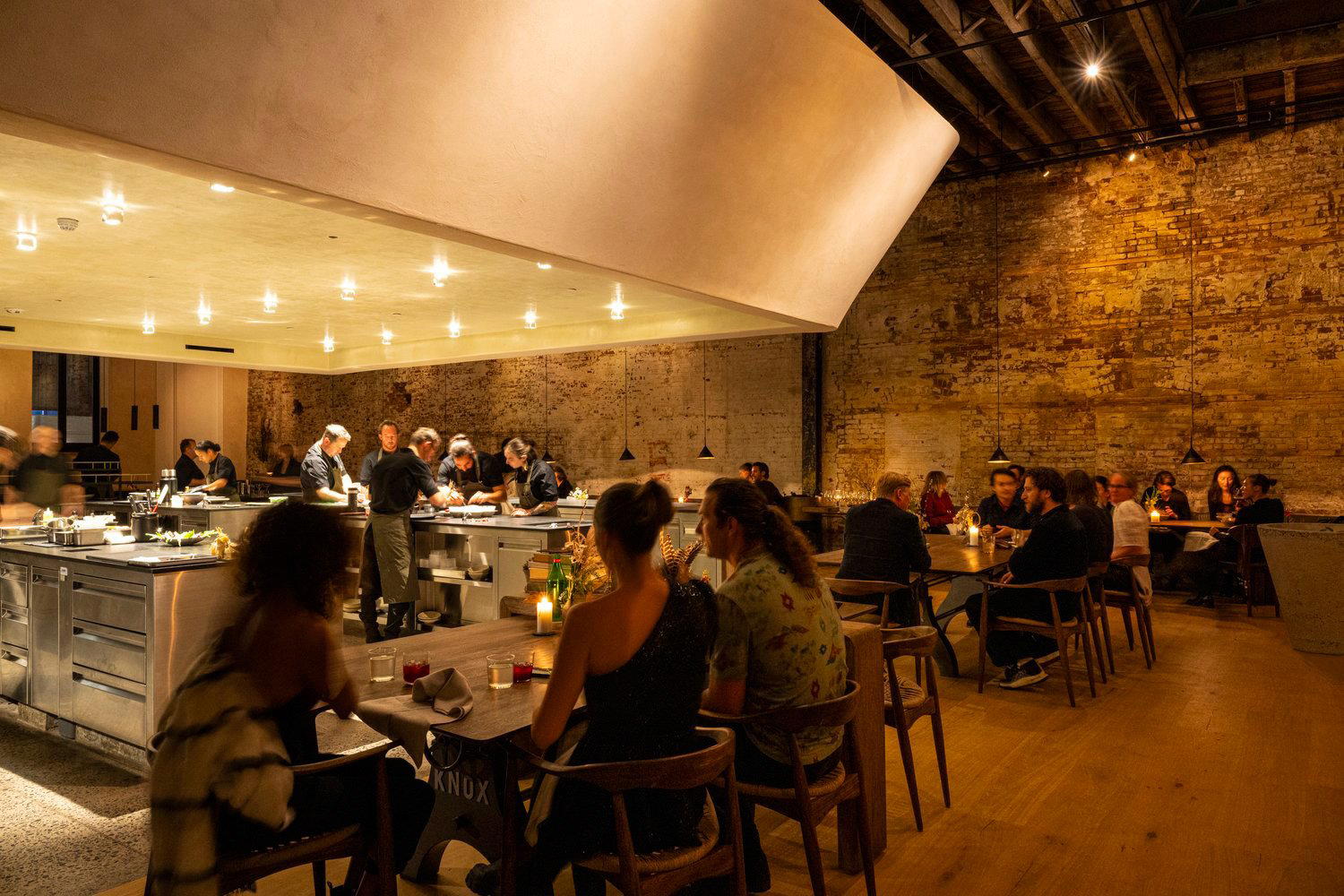
Waby sits just behind Corso Como and Piazza Gae Aulenti, which means it occupies one of Milan's most foot-trafficked restaurant corridors. The design is contemporary and considered: a rear counter with stools is the key visual element, giving the space an edge that reads more like a serious Japanese dining room than a pan-Asian concept chasing the aperitivo crowd. If you have been once and sat at a table, try the counter on your next visit. The stools face the kitchen action directly, the pace of service there tends to be more attentive, and the format suits a solo dinner or a pair with something to discuss.
The menu spans raw dishes, sushi and sashimi, uramaki, gyoza, and robata: a range that could read as diffuse but in practice reflects a kitchen that has a handle on multiple Japanese techniques rather than one that is hedging. The Michelin recognition, awarded twice in succession, is a signal that the sourcing and execution are consistent. The wine list draws on Italian and French labels including a Champagne selection, and sake is available by the glass, a detail worth noting because it means you can match drinks to courses without committing to a full bottle of either.
Leading Time to Come
The Corso Como area is one of Milan's busier dining and nightlife corridors, which means timing your visit has a material effect on the experience. Tuesday through Thursday evenings offer the leading combination of a full kitchen and a room that has not yet hit the noise threshold that makes conversation difficult. Friday and Saturday evenings will be livelier and louder, which can work if the energy is what you are after, but they are less suited to a detailed, course-by-course meal.
Milan's fashion and design calendar also affects the entire Garibaldi and Corso Como zone. During Salone del Mobile (typically April) and fashion weeks (February and September), the area is significantly busier and reservations at well-regarded mid-range restaurants fill faster. If you are planning around those periods, book further ahead than you ordinarily would.
A Note on the Takeout and Delivery Question
The editorial angle here is worth addressing directly: Japanese food at this technical level does not travel well. The raw preparations that anchor Waby's menu, dishes built around texture, temperature, and the integrity of thinly sliced fish, lose their point within minutes of leaving the kitchen. Robata is marginally more forgiving in transit, but even grilled items deteriorate quickly. The sake-marinated salmon roe on tuna noodles in dashi broth cited in Michelin's own notes is a dish entirely dependent on being eaten as assembled. If your situation requires takeout, Waby is not the right choice. This is a restaurant you visit in person, at the counter if possible, eating each course as it arrives. Delivery would represent a significant loss in value relative to what the kitchen is actually producing.
Practical Details
Waby is at Via Carlo de Cristoforis, 2, in the 20124 postal district, a short walk from both Garibaldi FS and Porta Nuova metro stations, which makes it easy to reach from most central Milan hotels. Booking is rated easy, meaning you are unlikely to hit a wall on a standard weeknight booking even a few days out. No phone or website data is currently confirmed; book through a third-party reservation platform or check the venue directly via current search results for up-to-date contact details.
The €€€ price positioning means Waby is meaningfully less expensive than Milan's starred Italian restaurants. For context on the city's broader dining range, from Japanese through to modern Italian and beyond, see our full Milan restaurants guide. For hotels near the Garibaldi and Corso Como area, our Milan hotels guide covers the main options. If you are building a wider itinerary across the city, our Milan bars guide and Milan experiences guide are worth consulting alongside this.
For those comparing Waby against the broader European and Italian Japanese dining context, comparable Michelin-recognised Asian restaurants worth knowing include taku in Cologne and Jun's in Dubai. Italy's own top-tier dining, for contrast, runs from Osteria Francescana in Modena and Uliassi in Senigallia through to Reale in Castel di Sangro and Atelier Moessmer Norbert Niederkofler in Brunico, all operating at a different price point and format from Waby but useful reference points if your Milan trip involves a wider dining agenda. Coastal Italian at the high end is represented by Quattro Passi in Marina del Cantone and Dal Pescatore in Runate.
How It Compares
See the comparison section below for Waby against Milan's starred Italian restaurants. The short version: Waby is not competing with Enrico Bartolini, Seta, or Andrea Aprea on the same terms. It is a different category of meal at a lower price point with a different cuisine focus, and that is the right framing for deciding whether to book it.
Planning details
- Location
- Via Carlo de Cristoforis, 2, 20124 Milano MI, Italy
- Reservations
- Book on SevenRooms
- Website
- wabyristorante.com
- Phone
- +39 02 8341 2987
The take
The Take
The Vibe
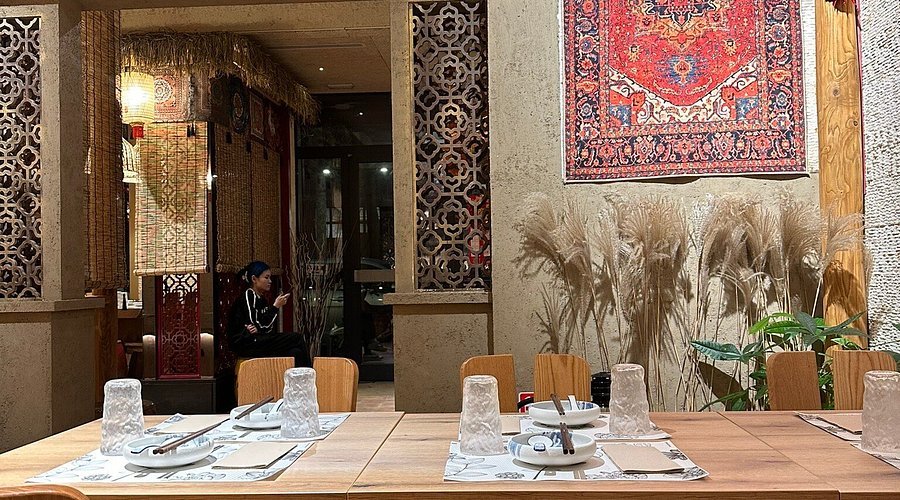
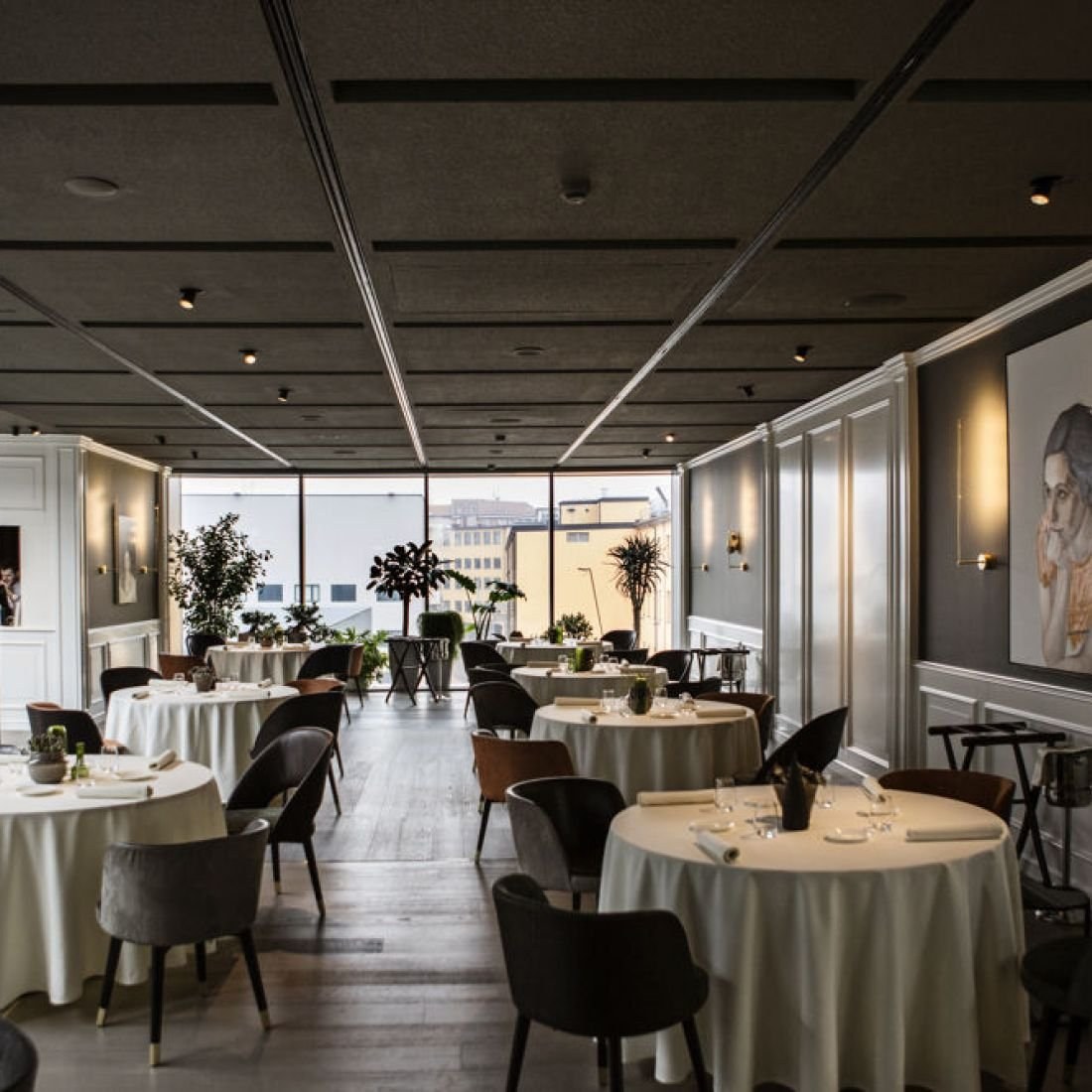
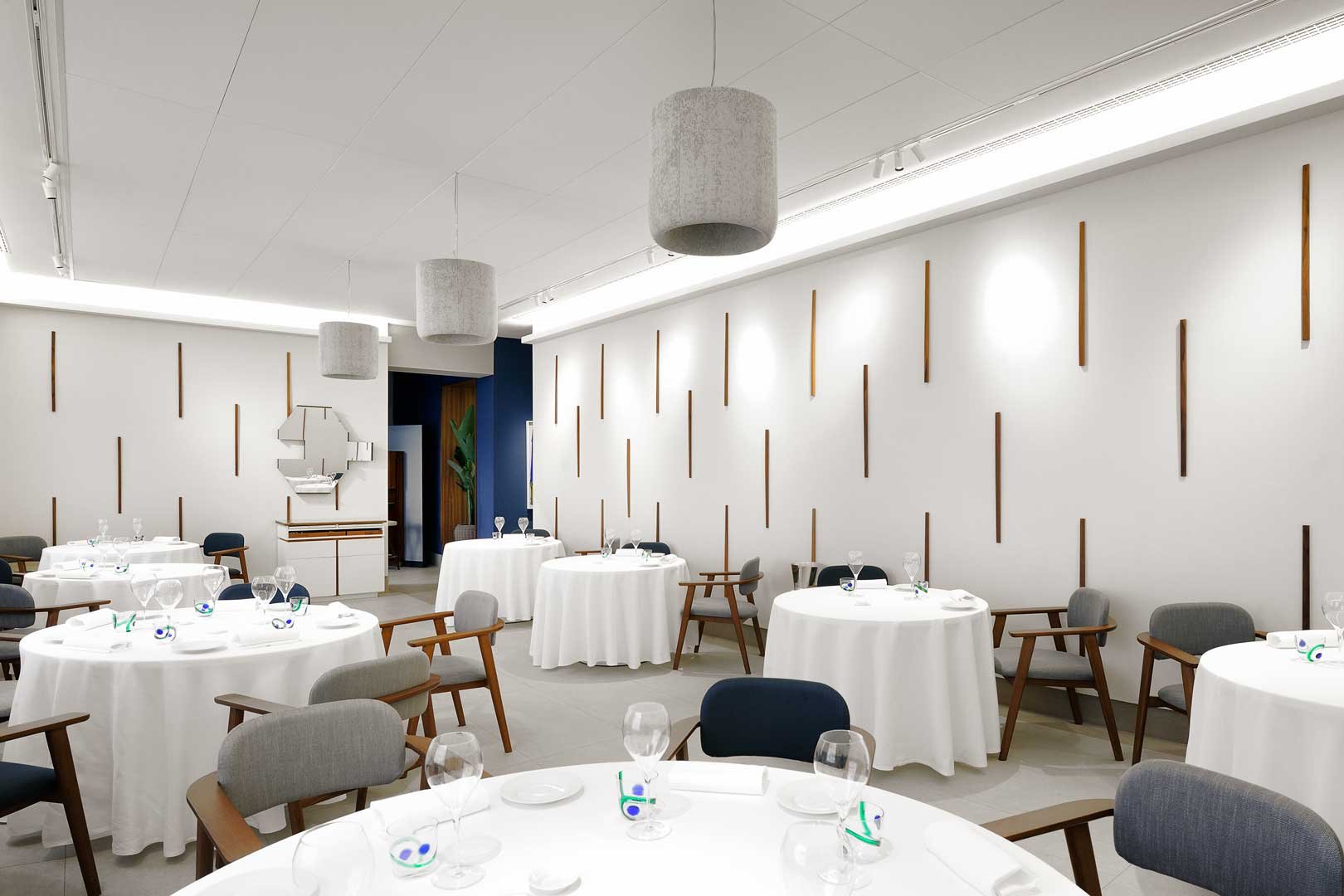
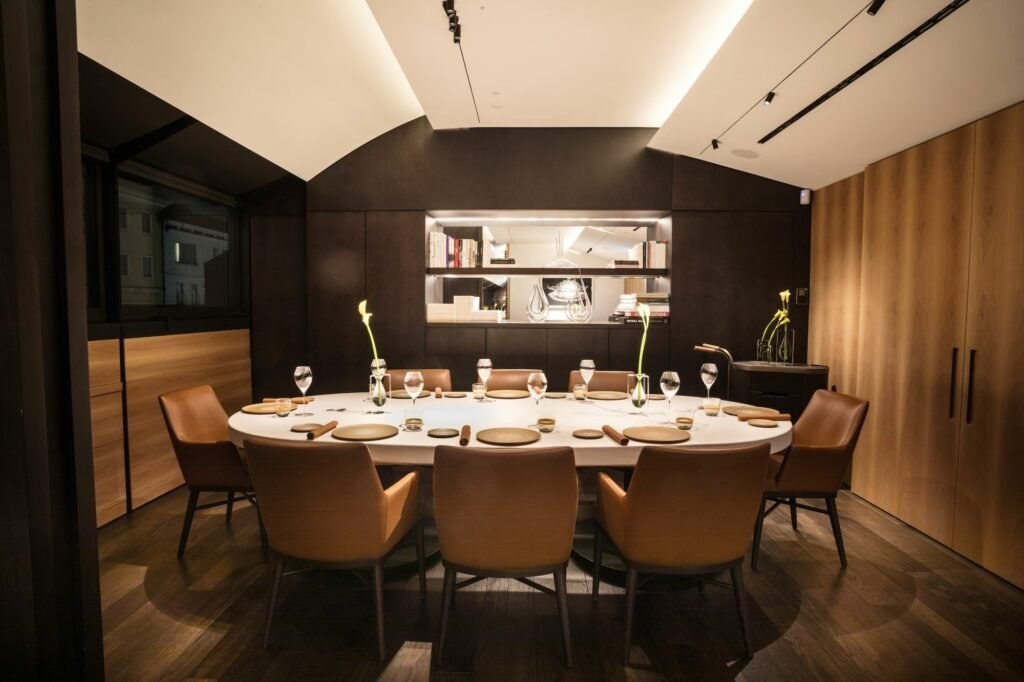
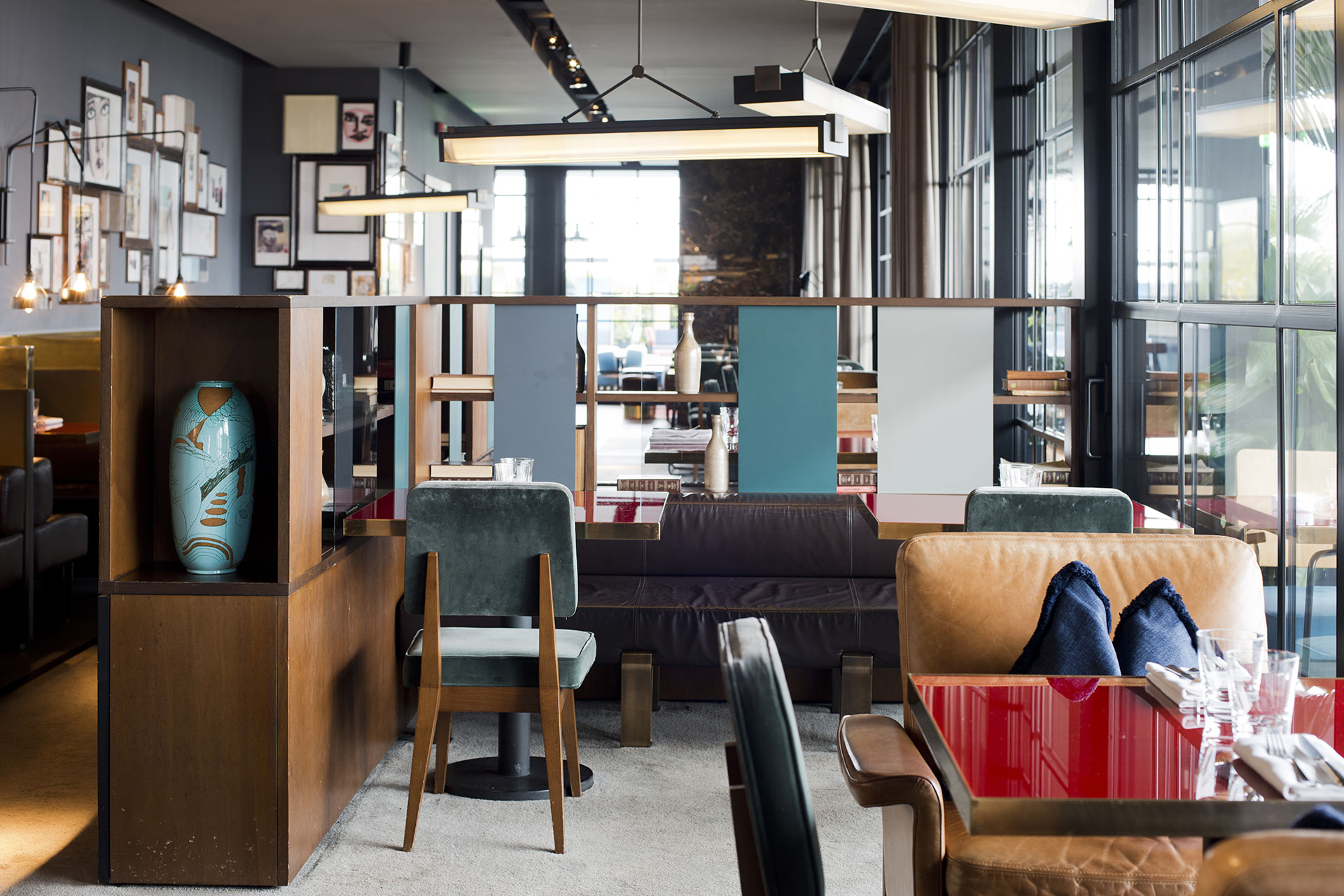
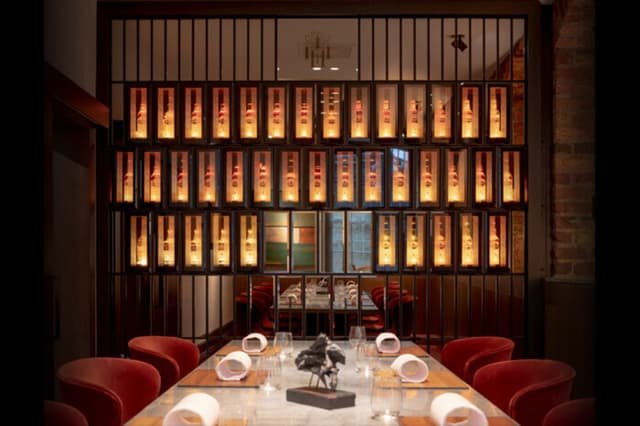
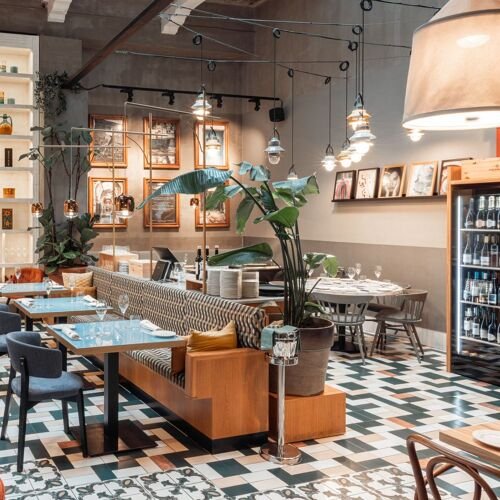
Waby presents a composed, design-forward interior where contemporary styling and an international temperament shape the experience. The room deliberately moves diners away from the street’s bustle into a controlled, performance-oriented space: a rear counter with stools frames the kitchen as visible theatre, and the contemporary design is repeatedly signalled in the review. The writing positions Waby inside Milan’s sharper, globally aware dining strand, technically assured, quietly confident and stylistically precise, the sort of place that reads as both cosmopolitan and deliberately curated rather than overtly showy.
Best For
Waby suits diners looking for a refined evening out: think date nights, special occasions and business dinners where presentation and technique matter. The restaurant is described as part of Milan’s upper-tier Asian dining scene and holds a Michelin Plate in consecutive years, signalling consistent technical execution without the single-star formality. Its location near Corso Como and Piazza Gae Aulenti and an international clientele rooted in fashion and finance make it a natural pick for visiting professionals and locals seeking polished, design-led Japanese cooking in a composed dining room.
Ordering Tips
Seats at the rear counter put the kitchen, plating, technique and timing front and center. Expect disciplined, presentation-focused dishes consistent with the Michelin Plate acknowledgement; order with an eye toward sharing courses or tasting-style progression to appreciate the kitchen’s technical approach.
Venue details
Ambiance
Modern and elegant with refined, tastefully decorated interior and attentive service.
Tags
Vibe
Best For
Experience
Accessibility
At the Table
- Dress Code
- Smart Casual
- Noise Level
- Conversational
- Service Style
- Upscale Casual
- Meal Pacing
- Leisurely
- Capacity
- Small
- Kitchen
- Modern
- Menu Format
- A la carte, Tasting menu, Counter dining
- Drinks Focus
- Sake, Wine
- Dietary
- Vegetarian friendly
- Private Dining
- Available
Know before you go
Know Before You Go
- Getting there
- Via Carlo de Cristoforis, 2, 20124 Milano MI, Italy
Planning details
Location
Via Carlo de Cristoforis, 2, 20124 Milano MI, Italy · Directions
Recognition and awards
Also consider
Also Consider
- Enrico Bartolini: Creative, €€€€
- Cracco in Galleria: Modern Cuisine, €€€€
- Andrea Aprea: Modern Italian, Italian Contemporary, €€€€
- Seta: Modern Italian, €€€€
- Horto: Modern Italian, Modern Cuisine, €€€€
Restaurant context
Waby operates in a different lane from Milan's €€€€ fine-dining Italian contingent, which means direct comparisons require some framing. If you are deciding between Waby and Enrico Bartolini or Seta, the deciding factor is cuisine type and budget, not quality tier. Both Enrico Bartolini and Seta operate at Michelin-starred level with €€€€ pricing and modern Italian as their focus. If Italian fine dining is your goal, they are the stronger options. If you want Japanese cooking with Michelin recognition in Milan, Waby has no direct equivalent at its price point.
Andrea Aprea and Horto are worth considering if you want the full €€€€ modern Italian experience with tasting menus and starred-level service depth. Cracco in Galleria sits at the top of the city's name-recognition ladder but at the highest price point in the group: better for a specific occasion than an exploratory dinner. None of these compete with Waby on Japanese technique or sake programming.
The practical recommendation: if your priority is spending less while eating well in Milan, Waby at €€€ with two consecutive Michelin Plates is a strong choice. If budget is not a constraint and you want the full Milanese fine-dining experience with Italian cuisine, Seta or Andrea Aprea are the names to book. Waby and Milan's starred Italian circuit are not substitutes for each other: they serve different dining agendas.
Around this place
Discover more on Pearl
Unlock the full Waby guide in Pearl, including awards, comparisons, FAQs, planning details, and nearby places.
Compare Waby
| Venue | Cuisine | Awards | Booking Difficulty |
|---|---|---|---|
| Waby | Asian | 2026 Michelin Plate2025 Michelin Plate2024 Michelin Plate | Easy |
| Enrico Bartolini | Creative | 2026 OAD Top Restaurants in Europe Ranked · #762026 Michelin 3 Stars2026 Les Grandes Tables du Monde Members2026 La Liste Top Restaurants2026 Falstaff Restaurant Guide2025 OAD Top Restaurants in Europe Ranked · #722025 Michelin 3 Stars2025 Michelin 1 Star2025 La Liste Top Restaurants | Unknown |
| Cracco in Galleria | Modern Cuisine | 2026 Michelin 1 Star2025 OAD Top Restaurants in Europe Ranked · #2282025 Michelin 1 Star2025 Wine Spectator Grand Award2024 OAD Top Restaurants in Europe Ranked · #218World's Best Wine Lists 20242024 Michelin 1 Star2023 OAD Top New Restaurants in Europe Highly Recommended2011 World's 50 Best Restaurants · #33 | Unknown |
| Andrea Aprea | Modern Italian, Italian Contemporary | 2026 OAD Top Restaurants in Europe Recommended2026 Les Grandes Tables du Monde Members2026 Michelin 2 Stars2026 La Liste Top Restaurants2026 Falstaff Restaurant Guide2025 OAD Top Restaurants in Europe Ranked · #3212025 La Liste Top Restaurants2025 Michelin 2 Stars2025 The Best Chef Two Knives | Unknown |
| Seta | Modern Italian | 2026 OAD Classical in Europe Ranked · #332026 Wine Spectator Best of Award of Excellence2026 Les Grandes Tables du Monde Members2026 Michelin 2 Stars2026 La Liste Top Restaurants2026 Falstaff Restaurant Guide2025 OAD Classical in Europe Ranked · #292025 OAD Casual in North America Ranked · #454We're Smart World Top Restaurants 2025 | Unknown |
| Horto | Modern Italian, Modern Cuisine | 2026 OAD Top Restaurants in Europe Recommended2026 Michelin 1 Star2025 OAD Top Restaurants in Europe Ranked · #190We're Smart World Top Restaurants 20252025 Michelin 1 Star2024 OAD Top Restaurants in Europe Ranked · #1942024 Michelin 1 Star2023 OAD Top New Restaurants in Europe Highly Recommended | Unknown |














How Waby stacks up against the competition.
FAQ
Frequently Asked Questions
What should I order at Waby?
Lean into the raw preparations: the kitchen's creative raw dishes are where Waby separates itself from generic sushi venues. The menu spans sushi and sashimi, uramaki, gyoza, and robata, so the range is wide enough to build a satisfying meal across formats. The sake list, available by the glass, is worth using to pace through courses rather than defaulting to wine.
Can I eat at the bar at Waby?
Yes. Waby has a counter with stools at the rear of the room, and it is a legitimate way to eat here. For solo diners or pairs, the counter is the better seat: you are closer to the action and the format suits the Japanese-influenced kitchen. Groups of three or more will likely want a table.
Is Waby worth the price?
At €€€, Waby holds up: it has earned a Michelin Plate in both 2024 and 2025, which at this price point in Milan signals consistent technical quality rather than neighbourhood convenience pricing. If you are comparing it against a starred Italian restaurant, the cooking registers differently in ambition and format. Within Milan's Japanese options, the ingredient focus and creative raw dishes justify the spend.
What should I wear to Waby?
The room is contemporary in design with an international feel, so clean, put-together casual fits the setting without being underdressed. You do not need to dress for a formal Italian dining room, but the €€€ price range and Michelin recognition mean this is not a ramen-counter casual situation either. Think sharp casual rather than occasion dressing.
What are alternatives to Waby in Milan?
For Italian fine dining in the same city at a higher tier, Enrico Bartolini or Seta are the relevant comparisons: but they are a different category entirely. If you want another modern Asian option in Milan, the city's ethnic dining scene has expanded considerably, but Waby's Michelin Plate status puts it near the top of that field. For a lower price point with Japanese food, the Porta Nuova and Brera areas have serviceable options, though none with comparable editorial recognition.