
Moebius Sperimentale
Creative · Stazione Centrale - Ponte Seveso, Milan
Restaurant in Milan, Italy
 Book with Pearl
The Read
Industrial-Platform Experimentalism
Price
$200–300per person
Dress
Smart Casual
Why go
Moebius Sperimentale is one of Milan's most architecturally striking dining venues: a 30-seat glass-enclosed restaurant on a suspended platform inside a converted textile workshop, paired with a gin-led cocktail bar and a tapas bistro. At €€€€, it competes on atmosphere and creative cooking rather than formal award credentials. Book Thursday to Saturday, evenings only, and secure a table well in advance given the small capacity.
About Moebius Sperimentale
Verdict: Book Moebius Sperimentale If Atmosphere and Creative Cooking Matter as Much as the Plate
At the €€€€ price point, Moebius Sperimentale is asking you to pay for more than food. You are paying for one of Milan's most architecturally considered dining rooms, a tasting-menu format built around creative and experimental cuisine, and access to a venue that operates as three distinct experiences under one roof. Whether that justifies the spend depends on how much the physical context of a meal matters to you. If it does, this is one of the more considered bets in Milan's upper tier.
Moebius runs Thursday through Saturday, 7 PM to 10:15 PM only. The restaurant is closed Sunday through Wednesday. That tight operating window makes booking logistics relevant: with a 30-seat glass-enclosed dining room running on only three evenings per week, availability is more constrained than at larger comparable venues. Book ahead. Walk-in chances are low in the main restaurant, though the ground-floor bistro and cocktail bar offer a lower-commitment entry point if you want to gauge the space before committing to the full experience.
The Space: Why the Room Is Part of the Argument
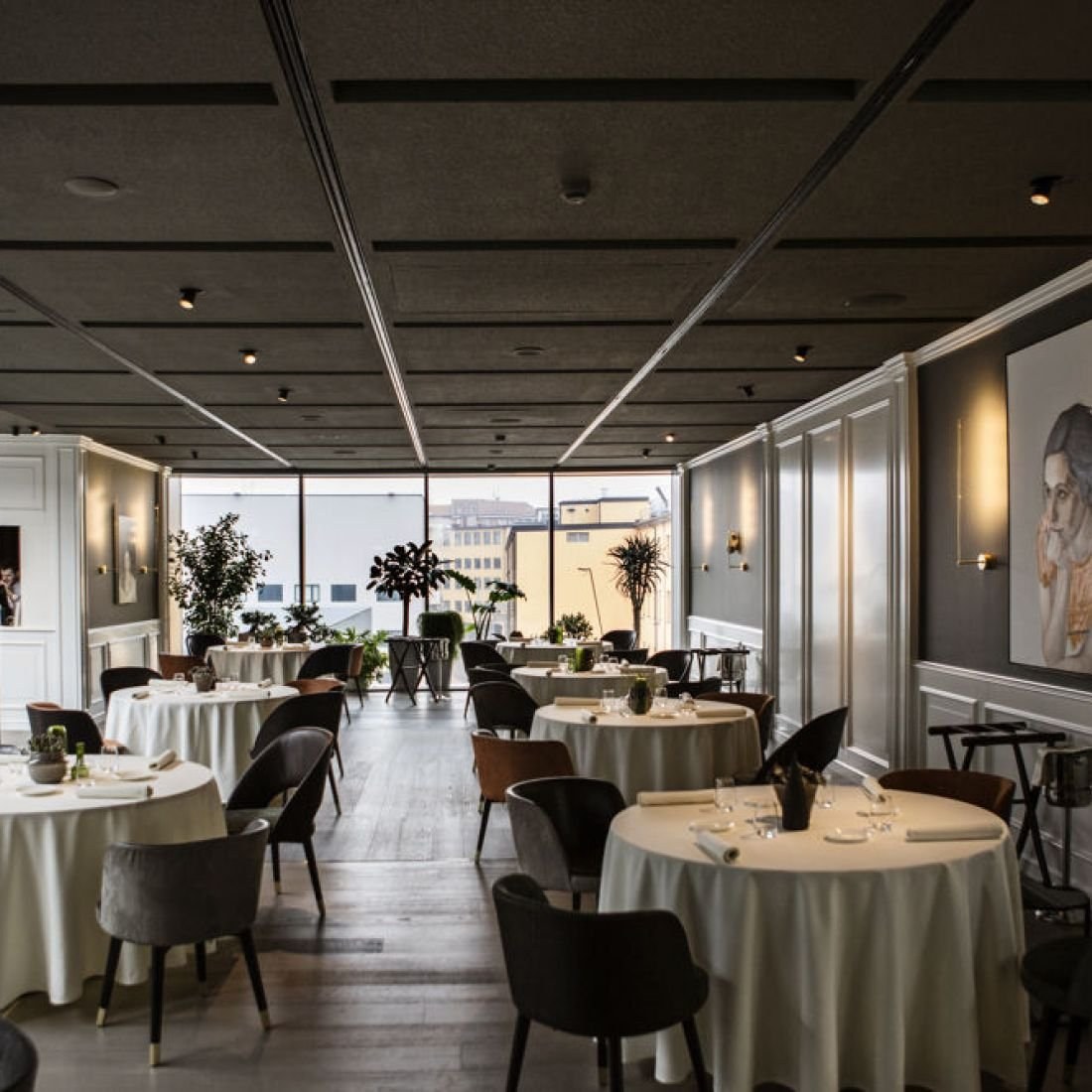
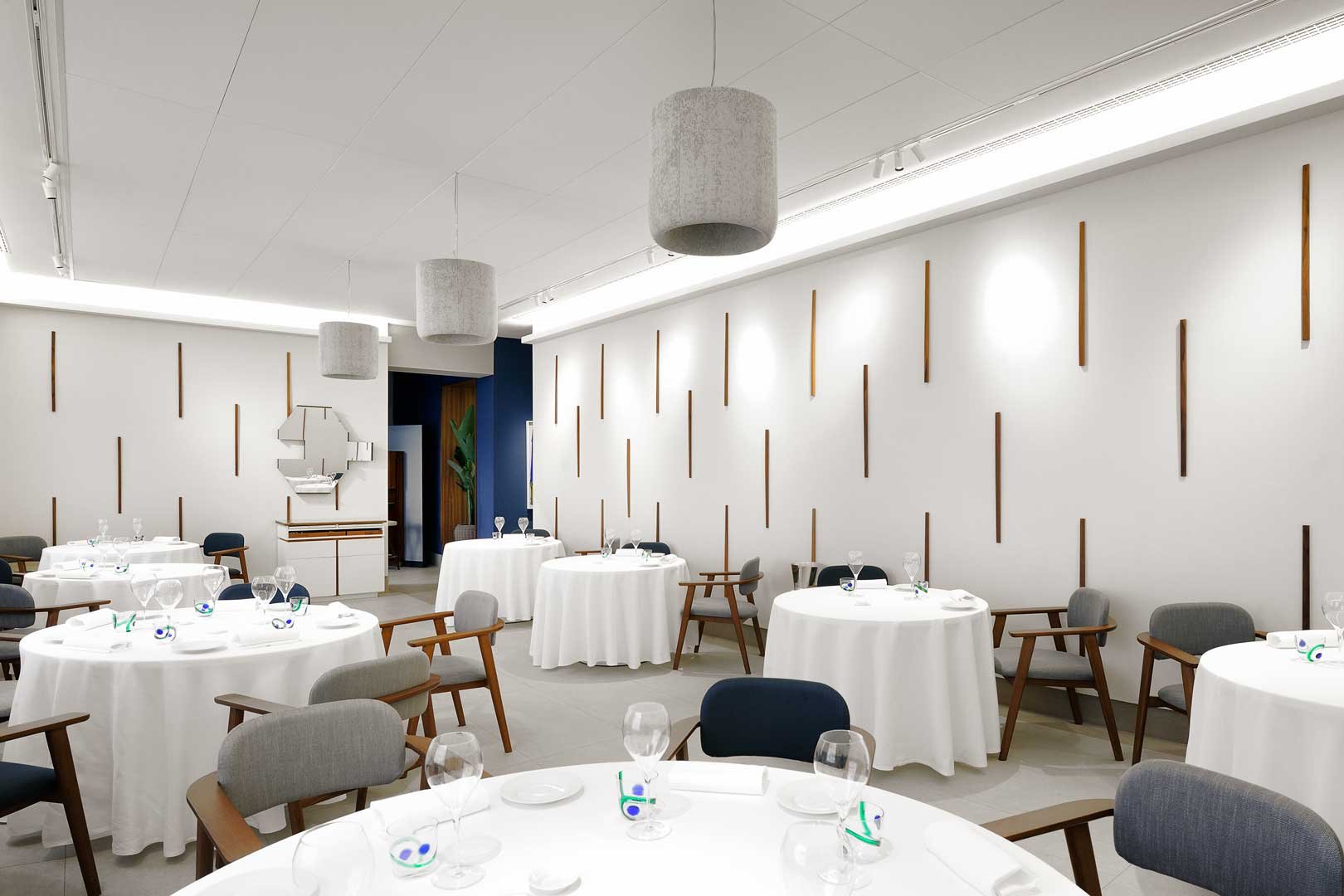
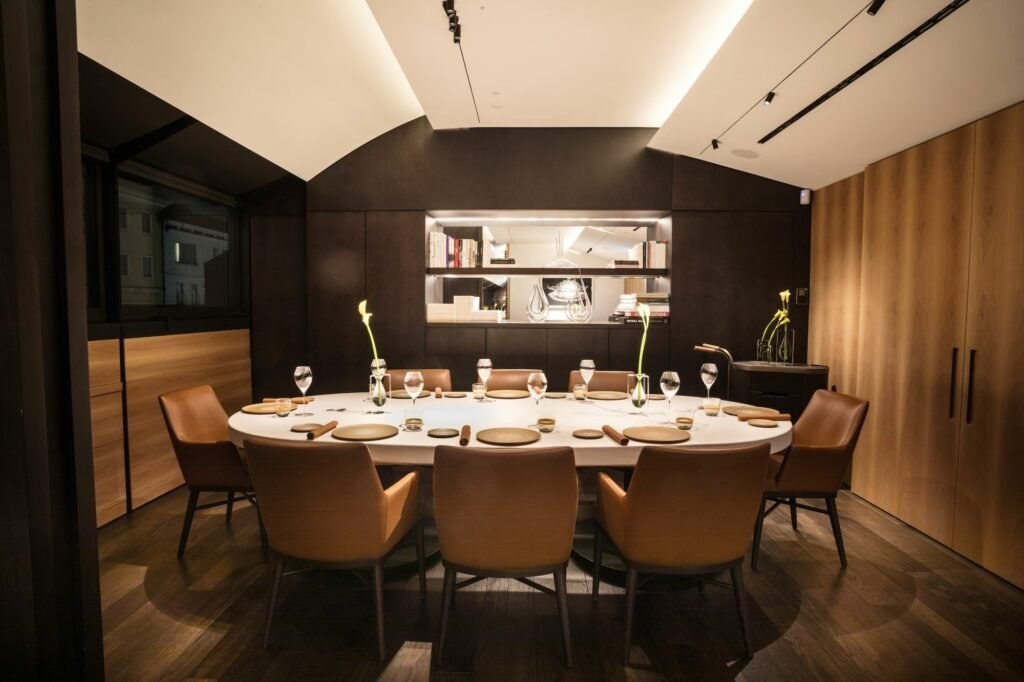
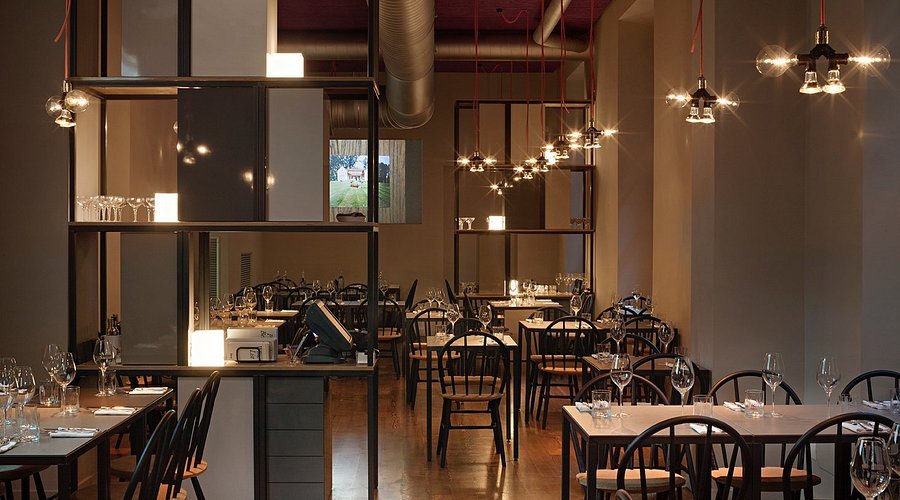
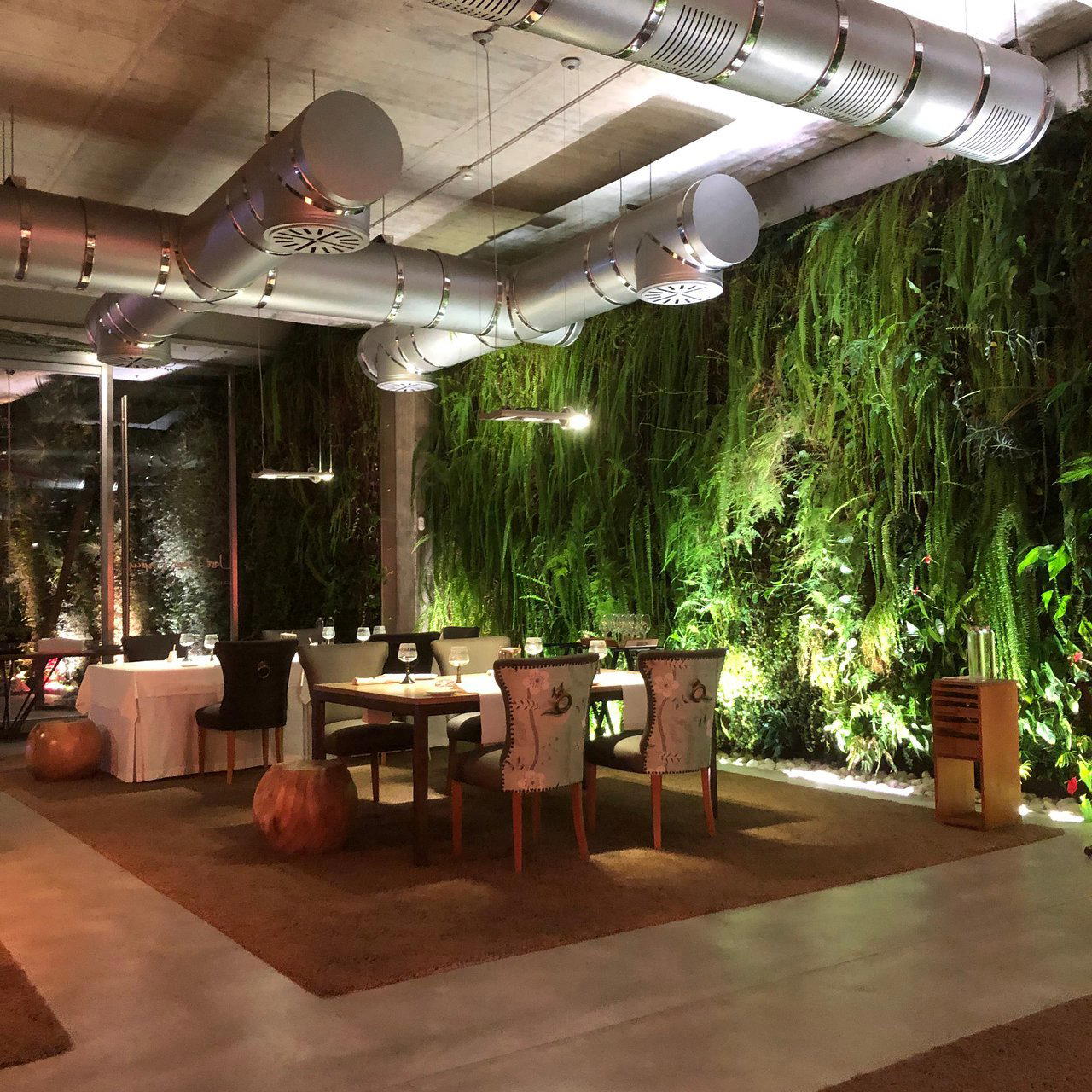
The building is a converted textile workshop, and the decision to keep the industrial bones intact while inserting a glass-enclosed dining room on a suspended platform in the centre of the structure is the clearest signal of what Moebius is trying to do. The 30-seat restaurant floats above the main floor, separated visually and acoustically from the bistro and cocktail bar below. For a table of two or four, the intimacy of that glass room is a genuine asset. You are enclosed but not claustrophobic, refined but not isolated. The scale is small enough that the room never feels anonymous.
The chic-industrial aesthetic is not cosmetic. At €€€€ pricing, some Milan competitors spend their design budget on heritage interiors or hotel-lobby grandeur. Moebius makes a different choice: the former workshop setting is the dining room's identity, and the glass-and-platform construction means every seat has a clear sightline through the building's original architecture. If you are travelling from outside Milan or coming from a design-focused professional background, this is the kind of space that rewards a longer dinner rather than a quick one.
Three Venues, One Address: How to Use It
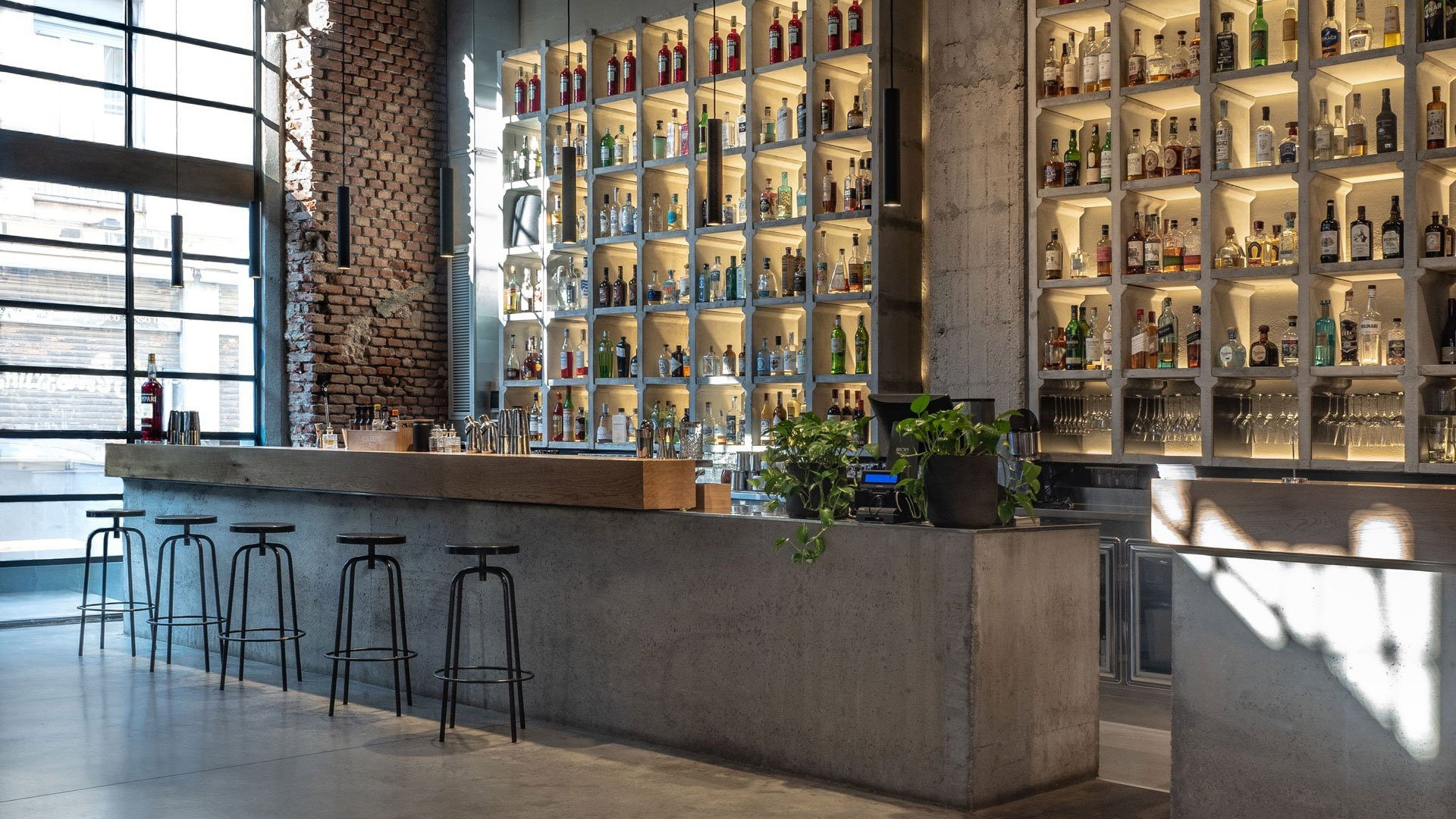
Three-part structure matters for how you plan your visit. The cocktail bar leads with an impressive gin selection and functions as a genuine pre-dinner destination in its own right. Arriving early to drink at the bar before moving to the restaurant table is the recommended sequence, and it gives the full experience a natural arc. The bistro, which serves tapas, sits between the bar and the main restaurant both physically and in terms of commitment. It is a useful fallback if the restaurant is fully booked, and a reasonable option for a less formal visit.
For food enthusiasts who prefer to explore a venue at multiple levels of engagement, the three-tier format is one of the things that makes Moebius worth a longer look. You can book the experimental restaurant once and return for the bistro or bar on a subsequent visit. That repeatability is a practical consideration at this price level.
Creative Cuisine at This Price: What It Implies About Sourcing
At €€€€ in Milan, the creative and experimental cooking format implies a kitchen that is making deliberate sourcing decisions. This is not the tier where ingredients are a cost to be minimised. Milan's top-end creative restaurants in this bracket draw from northern Italian producers, often working with suppliers who grow or raise ingredients specifically for restaurant use. The experimental format gives a kitchen permission to change the menu frequently, which in practice means sourcing is responsive to what is available and at peak condition rather than locked into a fixed offering. That flexibility is one reason to trust the creative category at this price point: the menu reflects what the kitchen is actually excited about, not what the printer committed to six months ago.
For guests who care about provenance, that is a meaningful distinction from steakhouses or traditional trattorie where the sourcing story is more fixed. It also means that repeat visits are worth considering, since the menu will shift.
How It Compares in Milan's €€€€ Field
Milan's €€€€ creative and modern Italian tier includes Enrico Bartolini, Contraste, and Andrea Aprea, all of which carry more formal critical credentials. Moebius competes on atmosphere and accessibility rather than award provenance. If Michelin recognition is your primary filter, look at those alternatives first. If the combination of a genuinely memorable space, an experimental kitchen, and a multi-format venue is more relevant to your trip, Moebius has a stronger case.
Practical Details
Moebius Sperimentale is at Via Alfredo Cappellini 25, 20124 Milan. The restaurant operates Thursday to Saturday from 7 PM to 10:15 PM. The venue is closed Monday through Wednesday and Sunday. The 30-seat capacity in the main restaurant is the binding constraint; book as early as possible for weekend tables. The bistro and cocktail bar are separate bookings and offer flexibility if the main restaurant is full.
Pearl Picks: More Milan and Beyond
For other strong options in Milan's creative and modern dining scene, see Il Liberty, Il Circolino, Verso Capitaneo, and Morelli. For a broader view of what Milan has to offer, see our full Milan restaurants guide, our full Milan hotels guide, our full Milan bars guide, our full Milan wineries guide, and our full Milan experiences guide.
If you are building a wider Italy itinerary around high-end creative dining, consider Osteria Francescana in Modena, Le Calandre in Rubano, Piazza Duomo in Alba, Dal Pescatore in Runate, Enoteca Pinchiorri in Florence, and Atelier Moessmer Norbert Niederkofler in Brunico. For creative cooking at the European level, Arpège in Paris and Alléno Paris au Pavillon Ledoyen are the obvious reference points.
Planning details
- Hours
- Monday: closed · Tuesday: closed
- Location
- Via Alfredo Cappellini, 25, 20124 Milano MI, Italy
- Reservations
- Book on Superb
- Website
- moebiusmilano.it
- Phone
- +39 02 3664 3680
The take
The Take
The Vibe
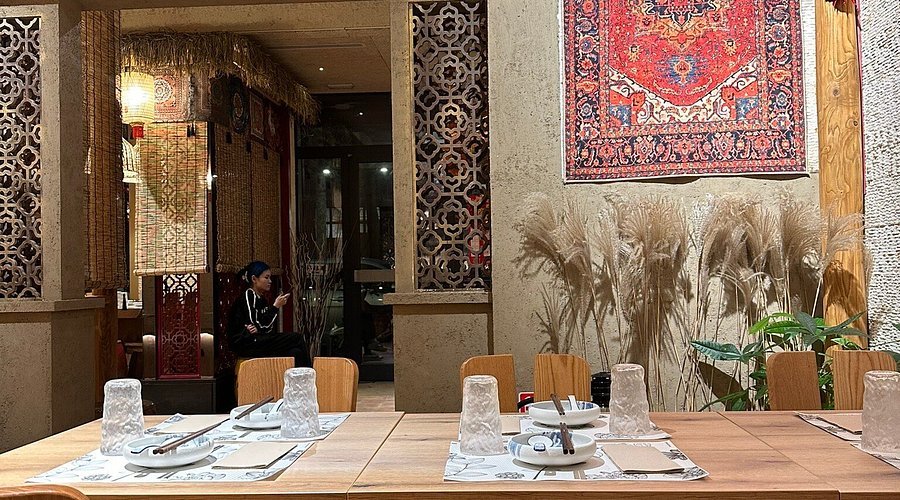
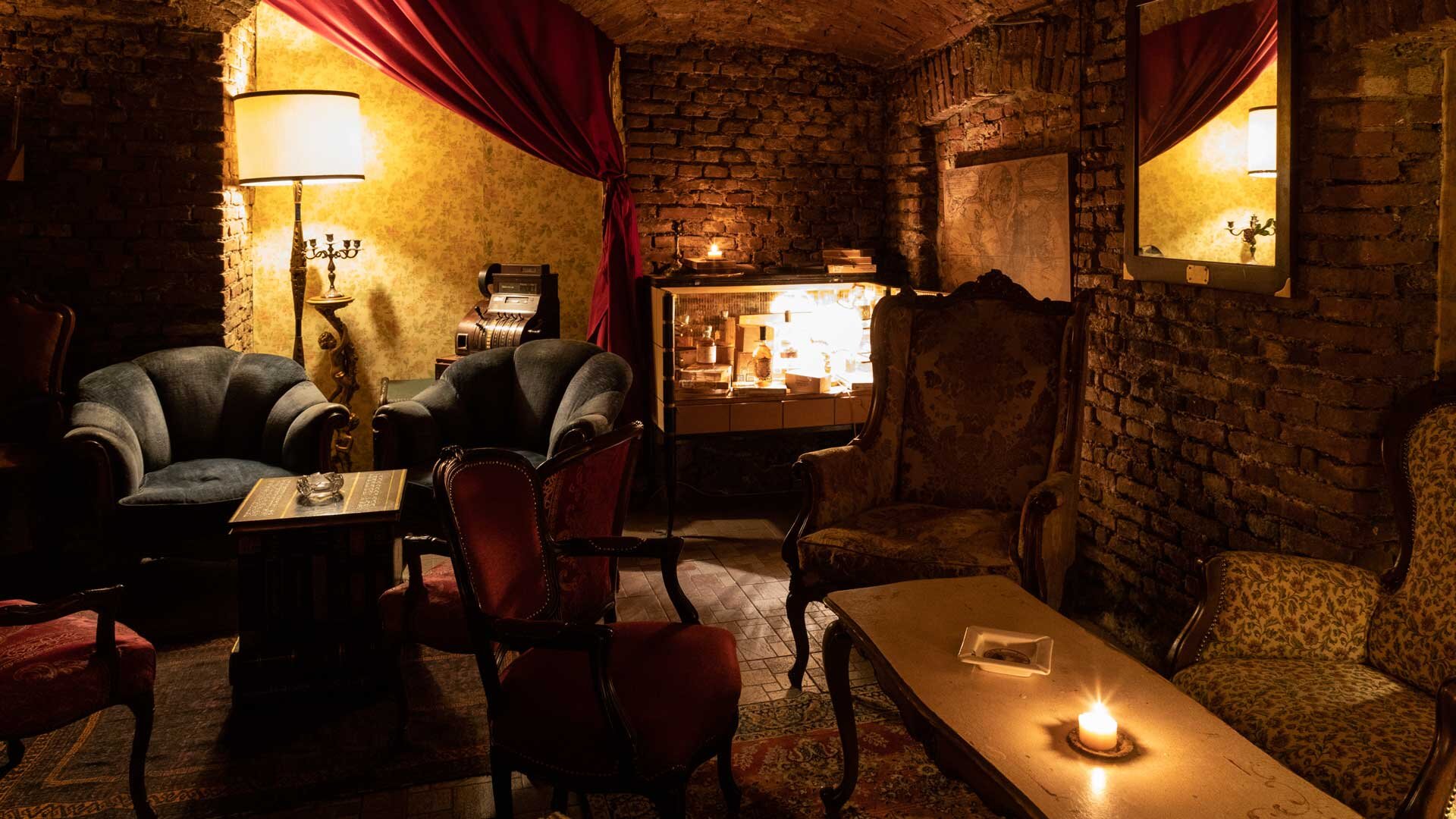
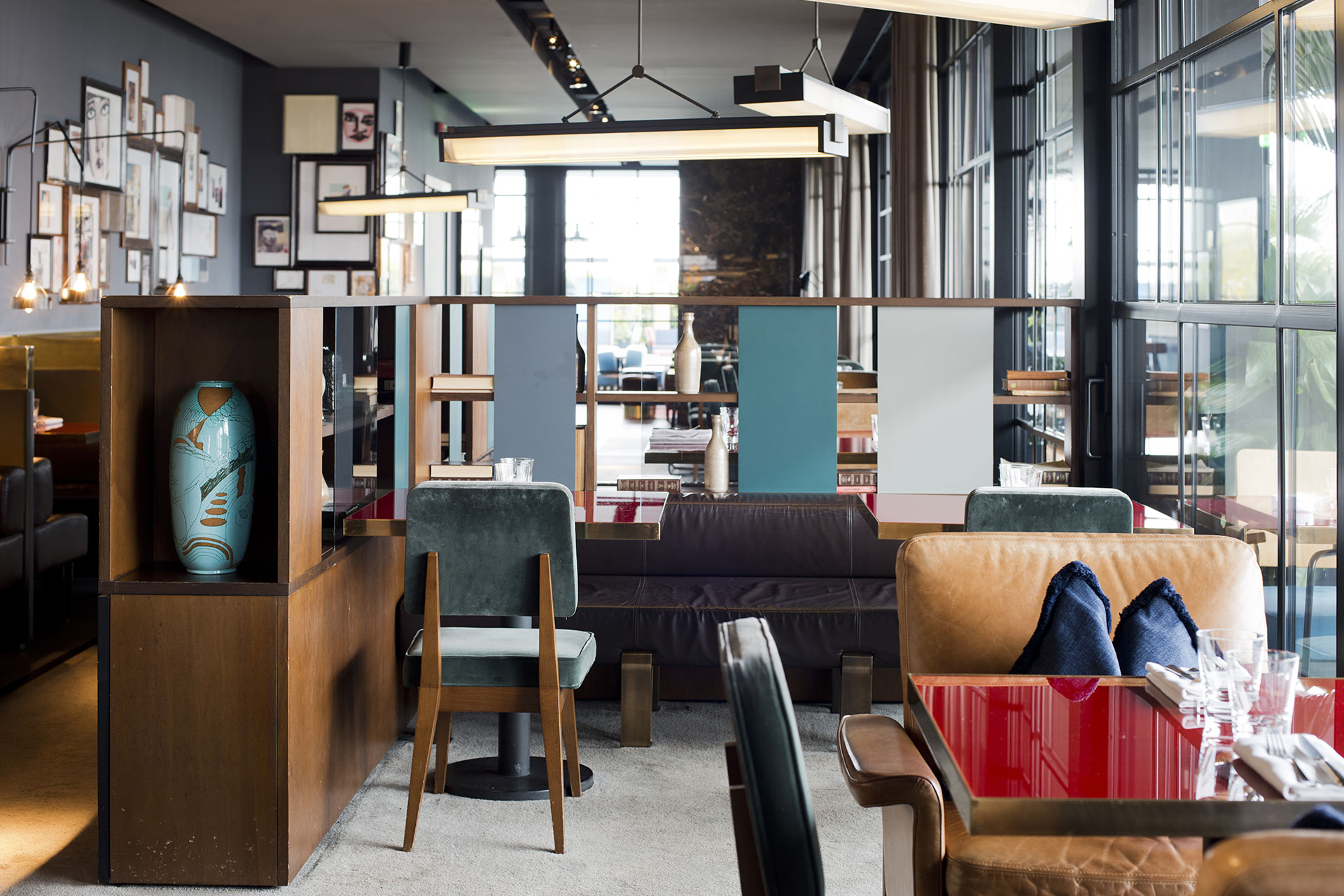
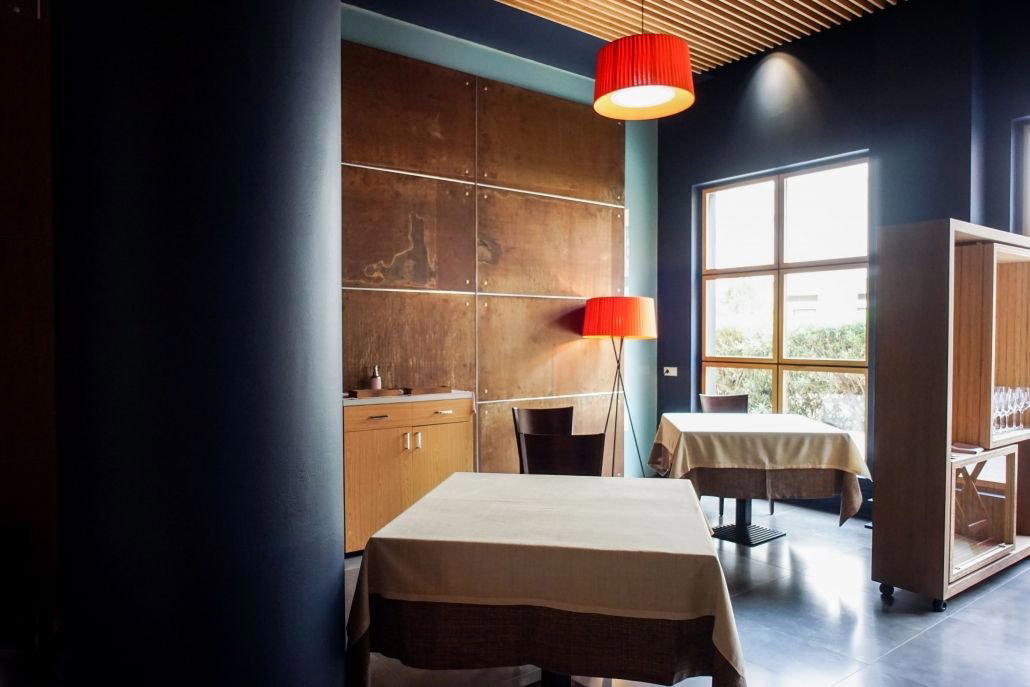
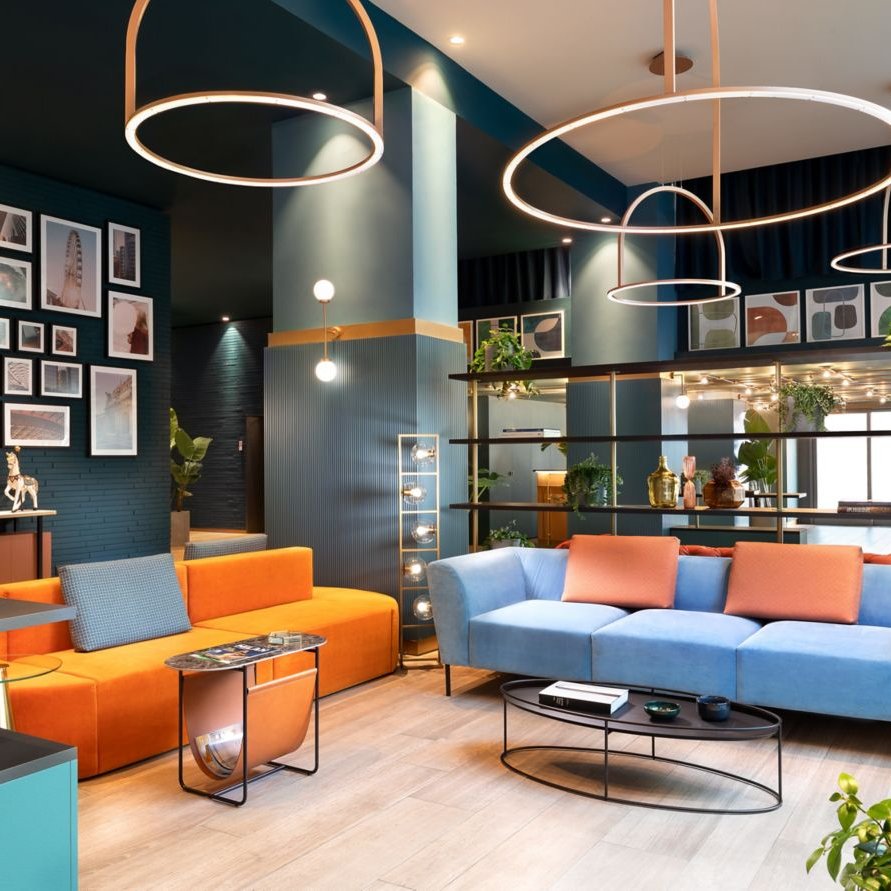
Moebius Sperimentale occupies a repurposed textile workshop that foregrounds its industrial bones with architectural restraint and considered lighting. The building is deliberately split into three distinct registers (a gin-focused cocktail bar, a tapas-style bistro and the experimental restaurant raised on a suspended glass platform) so the space reads as both raw and tightly staged. The central glass room, with just thirty enclosed seats, creates an intimate, theatre-like pocket within the larger, livelier shell. The result is a modern, sophisticated setting that balances energetic public spaces with a focused, ritualized dining chamber.
Best For
This is an evening-first destination built for a carefully paced meal. The venue’s structure makes it ideal for date nights and special occasions: start with the cocktail bar as an overture, linger over tapas in the bistro for a more casual outing, or commit to the 30-seat experimental tasting in the glass room for a full, formal experience. The kitchen’s tasting-menu logic and the €€€€ price positioning align it with Milan’s top creative restaurants, so it also suits celebratory dinners or a solo visit to the bar for thoughtful drinks.
Ordering Tips
Treat the evening as a sequence. The gin-focused cocktail bar is a natural overture: arrive early to explore its selection before the main event. If you want to sample the kitchen without a full tasting, the bistro’s tapas-format offers a lower-commitment entry point. For the experimental restaurant, expect a fixed tasting progression: the glass-enclosed room reinforces a ritualized, paced service, so book ahead and plan for a multi-course experience aligned to the chef’s narrative rather than à la carte ordering.
Venue details
Ambiance
Cool and energetic rather than quiet and uptight, with soaring 12-meter ceilings, industrial-chic design in a converted textile warehouse, electronic music, and the hum of the bar below creating a vibrant yet intimate atmosphere.
Tags
Vibe
Best For
Experience
Sourcing
Accessibility
At the Table
- Dress Code
- Smart Casual
- Noise Level
- Lively
- Service Style
- Upscale Casual
- Meal Pacing
- Extended Experience
- Capacity
- Intimate
- Menu Format
- Tasting menu, Counter dining
- Drinks Focus
- Craft cocktails, Wine pairing
- Dietary
- Vegetarian friendly, Allergy accommodating
Signature Dishes
- Agnolotti di Ossobuco
- Sashimi of Red Prawn Scallop and Amberjack
- Asparagus Ice Cream with Caviar
Know before you go
Know Before You Go
- Getting there
- Via Alfredo Cappellini, 25, 20124 Milano MI, Italy
Planning details
Hours
- Monday
- closed
- Tuesday
- closed
- Wednesday
- closed
- Thursday
- 7 PM-10:15 PM
- Friday
- 7 PM-10:15 PM
- Saturday
- 7 PM-10:15 PM
- Sunday
- closed
Location
Via Alfredo Cappellini, 25, 20124 Milano MI, Italy · Directions
Recognition and awards
Also consider
Also Consider
- Enrico Bartolini: Creative, €€€€
- Cracco in Galleria: Modern Cuisine, €€€€
- Andrea Aprea: Modern Italian, Italian Contemporary, €€€€
- Seta: Modern Italian, €€€€
- Contraste: Progressive Italian, Modern Cuisine, €€€€
Restaurant context
At €€€€, Moebius Sperimentale sits in a competitive bracket alongside Milan's most recognised creative and modern Italian restaurants, but it is not competing on the same axis as all of them. Enrico Bartolini carries stronger formal credentials and is the more obvious pick if award recognition matters to your decision. Andrea Aprea offers a polished modern Italian experience with clearer critical standing. If you are booking for someone who weighs Michelin recognition heavily, either of those two is a more defensible choice than Moebius at the same price point.
Contraste is the peer that maps most closely to Moebius in terms of progressive cooking and a distinct design sensibility. The two venues are comparable in ambition, and choosing between them largely comes down to which dining room you want to sit in. Seta and Cracco in Galleria occupy the same price tier but lean toward different formats: Seta runs inside a luxury hotel with the service depth that implies, while Cracco trades on a landmark location inside the Galleria Vittorio Emanuele II. Neither offers the kind of architectural drama that Moebius delivers with its suspended glass dining room.
The practical read: if you are booking a special occasion and want the most architecturally memorable room in Milan's €€€€ tier, Moebius is the strongest option. If you want the deepest formal credentials, book Enrico Bartolini. If experimental cooking in a comparably designed space is the goal but you want an alternative, Contraste is the closest substitute. Moebius is the easiest to book of the group given that its lower public profile means less competition for the same 30 seats, but that window narrows quickly on weekends.
Around this place
Discover more on Pearl
Unlock the full Moebius Sperimentale guide in Pearl, including awards, comparisons, FAQs, planning details, and nearby places.
Compare Moebius Sperimentale
| Venue | Cuisine | Awards | Booking Difficulty |
|---|---|---|---|
| Moebius Sperimentale | Creative | 2026 Michelin 1 Star2025 Michelin 1 Star2024 Michelin 1 Star | Easy |
| Enrico Bartolini | Creative | 2026 OAD Top Restaurants in Europe Ranked · #762026 Michelin 3 Stars2026 Les Grandes Tables du Monde Members2026 La Liste Top Restaurants2026 Falstaff Restaurant Guide2025 OAD Top Restaurants in Europe Ranked · #722025 Michelin 3 Stars2025 Michelin 1 Star2025 La Liste Top Restaurants | Unknown |
| Cracco in Galleria | Modern Cuisine | 2026 Michelin 1 Star2025 OAD Top Restaurants in Europe Ranked · #2282025 Michelin 1 Star2025 Wine Spectator Grand Award2024 OAD Top Restaurants in Europe Ranked · #218World's Best Wine Lists 20242024 Michelin 1 Star2023 OAD Top New Restaurants in Europe Highly Recommended2011 World's 50 Best Restaurants · #33 | Unknown |
| Andrea Aprea | Modern Italian, Italian Contemporary | 2026 OAD Top Restaurants in Europe Recommended2026 Les Grandes Tables du Monde Members2026 Michelin 2 Stars2026 La Liste Top Restaurants2026 Falstaff Restaurant Guide2025 OAD Top Restaurants in Europe Ranked · #3212025 La Liste Top Restaurants2025 Michelin 2 Stars2025 The Best Chef Two Knives | Unknown |
| Seta | Modern Italian | 2026 OAD Classical in Europe Ranked · #332026 Wine Spectator Best of Award of Excellence2026 Les Grandes Tables du Monde Members2026 Michelin 2 Stars2026 La Liste Top Restaurants2026 Falstaff Restaurant Guide2025 OAD Classical in Europe Ranked · #292025 OAD Casual in North America Ranked · #454We're Smart World Top Restaurants 2025 | Unknown |
| Contraste | Progressive Italian, Modern Cuisine | 2026 OAD Top Restaurants in Europe Ranked · #96Star Wine Lists 20262026 Michelin 1 Star2026 La Liste Top Restaurants2025 The Best Chef Two Knives2025 La Liste Top Restaurants2024 Michelin 1 Star | Unknown |















Key differences to consider before you reserve.
FAQ
Frequently Asked Questions
Can I eat at the bar at Moebius Sperimentale?
Yes. The cocktail bar runs as a standalone space with a tapas-format bistro alongside it, so you can eat and drink without booking the €€€€ experimental restaurant. The bar leads with an extensive gin selection, making it a practical option if you want to experience the converted textile workshop setting at lower commitment. It is also a sensible choice for a pre-dinner drink before moving through to the main dining room.
Is Moebius Sperimentale good for a special occasion?
Yes, it earns that use case more than most at this price level. The glass-enclosed dining room sits on a suspended platform inside the original industrial workshop, which gives the space genuine visual impact without resorting to standard fine-dining staging. The €€€€ pricing, Thursday-to-Saturday-only schedule, and 30-seat capacity all point toward an event rather than a routine dinner. Book well ahead if the date is fixed.
What should I wear to Moebius Sperimentale?
The setting is modern and chic-industrial, with a polished feel. At €€€€ in Milan, guests typically dress to match the room: sharp but not black-tie. A jacket for men fits the context; trainers and casual wear would feel out of place given the price point and the architectural seriousness of the space.
Is Moebius Sperimentale good for solo dining?
The 30-seat glass dining room is intimate enough that solo diners are not lost in the space, but the format here is an experimental restaurant rather than a counter or bar setup, so solo dining will feel more formal than casual. The cocktail bar and bistro area offer a more natural single-diner experience if you want flexibility. If you are committed to the main restaurant alone, it is workable but not the venue's primary format.
What are alternatives to Moebius Sperimentale in Milan?
For €€€€ creative cooking with stronger formal credentials, Contraste and Andrea Aprea both operate at a similar or higher level in Milan's experimental dining tier. Enrico Bartolini at Mudec and Seta at Mandarin Oriental carry Michelin recognition and suit guests prioritising documented award pedigree over atmosphere. Cracco in Galleria is the obvious comparison for theatrical setting at high price, though the context there is more classic than experimental.
Is Moebius Sperimentale worth the price?
At €€€€, the case rests on two things: the architecture and the creative cooking format together, not either alone. The suspended glass dining room inside a converted textile workshop is among the more considered spaces in Milan at this price level, which matters if setting is part of what you are paying for. If you want Michelin-validated cooking as your primary anchor, Contraste or Seta give you that explicit reassurance. Moebius makes sense for guests who weight atmosphere and creative ambition alongside the plate.
Is lunch or dinner better at Moebius Sperimentale?
Dinner is your only option. Moebius Sperimentale operates Thursday to Saturday from 7 PM to 10:15 PM exclusively, with no lunch service and no weekend midday cover. Monday through Wednesday and Sunday are closed entirely. Plan accordingly if you are visiting Milan mid-week or want a daytime reservation.