.png?width=1200&quality=80)

Hazama
Japanese · Porta Genova, Milan
Restaurant in Milan, Italy
 Book with Pearl
The Read
Structured Kaiseki Minimalism
Price
$100–150per person
Chef
Satoshi Hazama
Dress
Smart Casual
Why go
Hazama is Milan's most focused kaiseki address: a small, minimalist room on Via Savona where chef Satoshi Hazama runs a 7-course kaiseki progression or a 4-course tasting menu. Book if kaiseki is your format; skip it if you want a flexible, lively Italian dinner.
About Hazama
Is Hazama worth booking for Japanese cuisine in Milan?
Yes, with a clear condition: you need to commit to the format. Hazama on Via Savona is Milan's most focused kaiseki address, a small, minimalist room where chef Satoshi Hazama runs either a 7-course kaiseki progression or a 4-course tasting menu. If you are after a la carte Japanese in the city, look at Iyo or Osaka instead. But if kaiseki is the format you want, Hazama is the address to book in Milan.
What Hazama actually is
Hazama sits in the Zona Tortona district of Milan, a neighbourhood that has steadily built a reputation around design studios, gallery spaces, and a quieter, more considered pace than the city centre. That context matters: this is not a flashy Brera showpiece or a tourist-circuit destination. The restaurant draws a local and professional crowd that treats the neighbourhood as a daily environment, not a pilgrimage route. For a food-focused traveller, that means the room reads as genuinely rooted rather than performative.
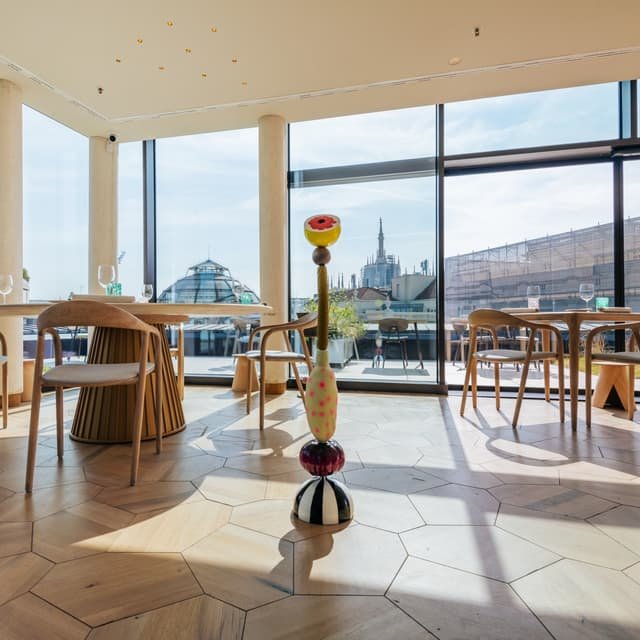
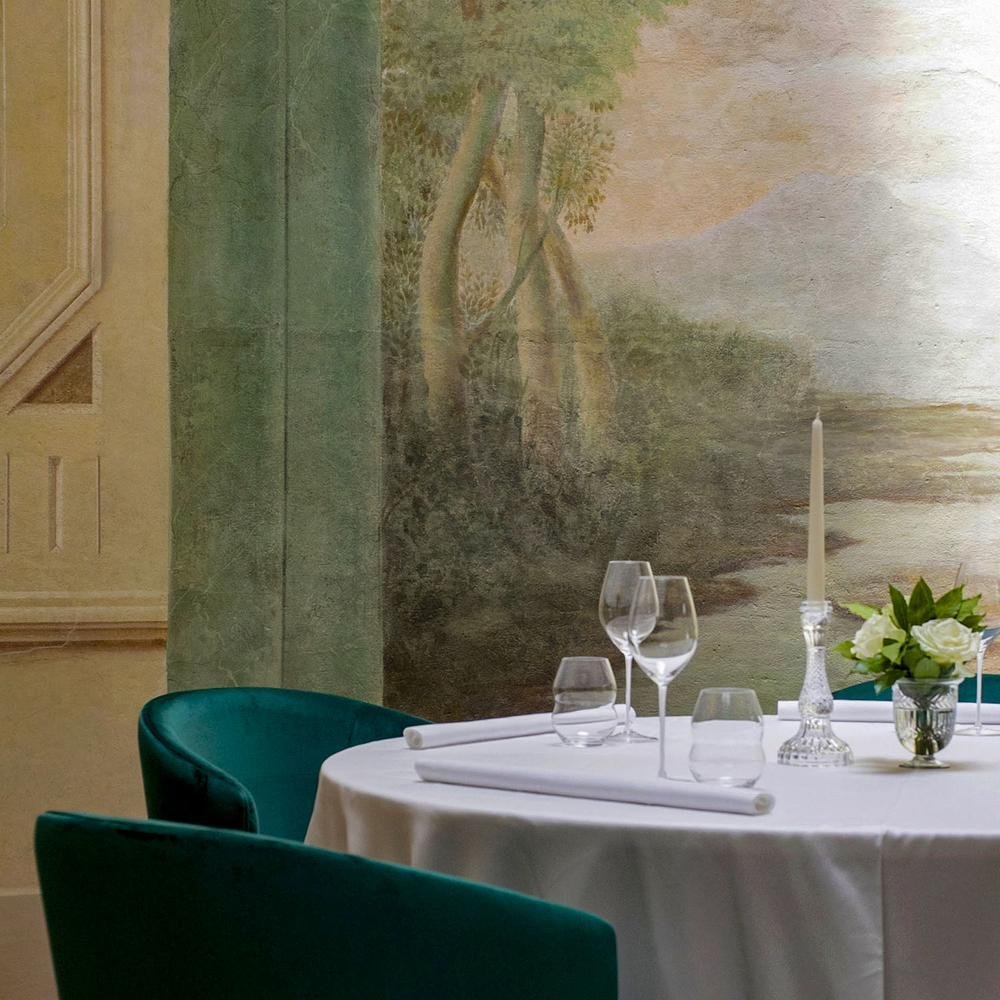
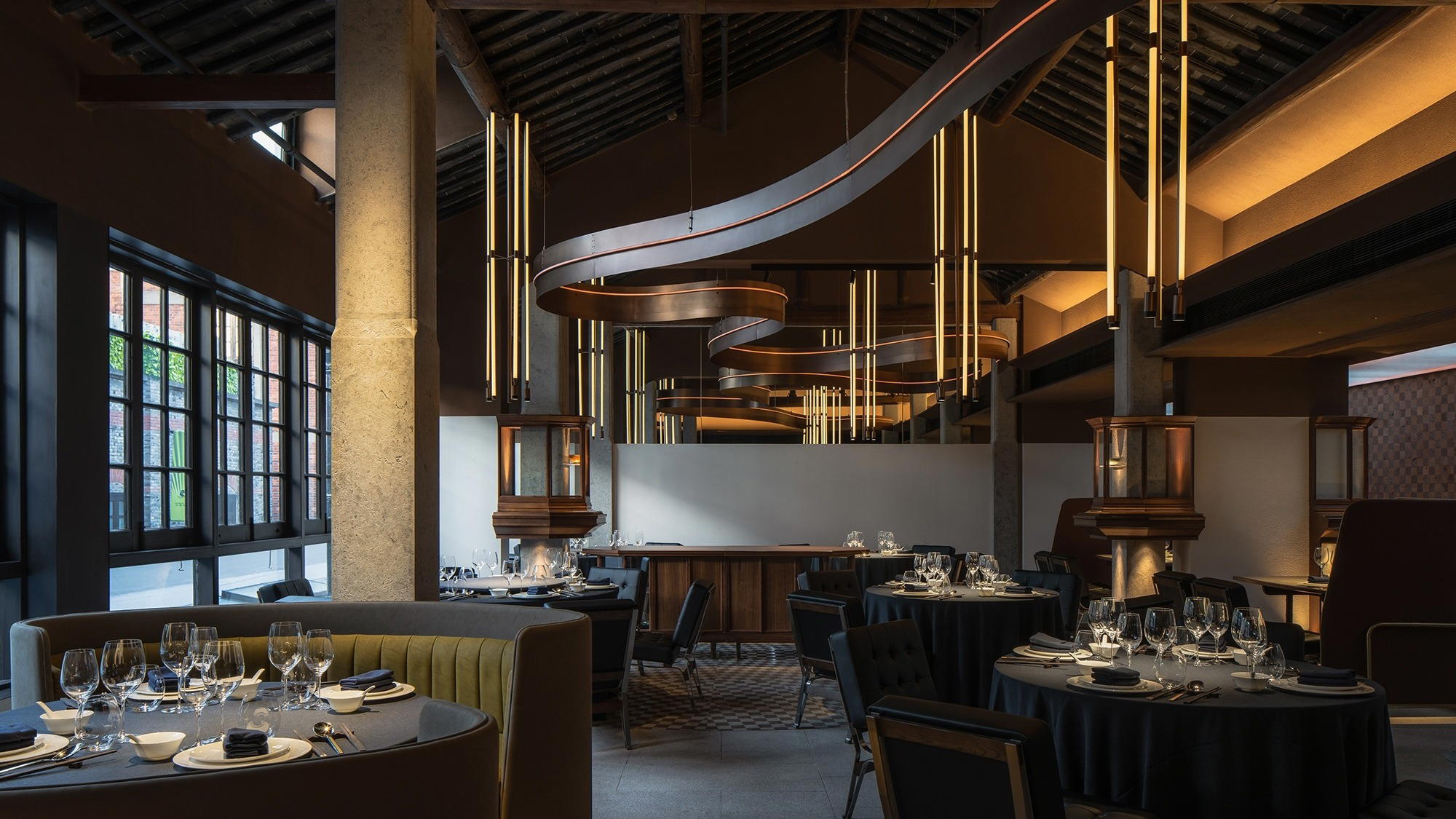
The physical space echoes the cooking: minimalist, stripped back, small. The mood is calm to the point of being quiet. If you are expecting the ambient energy of a lively Italian dinner, recalibrate. Hazama runs at a low, focused frequency. Conversation carries. The atmosphere is closer to a serious Tokyo counter than anything typically Milanese, which is precisely the point. For a solo diner or a pair who want to concentrate on the food, this works well. For a group looking for a celebratory, high-energy evening, it may feel too restrained.
The kaiseki structure at Hazama follows the classical framework: five fundamental techniques applied to seasonal ingredients across the progression, raw, grilled, fried, boiled, and steamed, building in intensity as the meal advances. This is not fusion or interpretation; it is a deliberate application of a codified Japanese tradition to whatever is seasonal at the time of your visit. The 7-course option gives you the full arc. The 4-course tasting menu is a shorter commitment, suited to a lunch or a lighter evening. Advance reservation is required for both, which also tells you something about how the kitchen operates: nothing here is improvised for walk-ins.
2025 Michelin Plate recognition confirms the kitchen is operating at a level Michelin considers worth marking, even if a star has not followed. The Michelin Plate signals technical competence and consistency rather than the ambition or creativity that earns stars. For kaiseki specifically, that is a fair read: the format is disciplined and restrained by nature. Hazama also appears at #671 in the Opinionated About Dining European rankings for 2025, a crowd-sourced list weighted heavily toward serious food travellers. These are signals that the restaurant holds up among a knowledgeable audience, not just local acclaim. For context on what kaiseki at the highest level looks like, Iyo Kaiseki in Milan operates in the same format with a different positioning, and comparing both is worth doing if Japanese cuisine is your primary reason for being in the city.
Timing and booking
Booking at Hazama is rated Easy, which is genuinely useful information for a small, format-driven restaurant. You do not need to plan three months out. That said, advance reservation is explicitly required for the tasting menus, so do not arrive expecting a walk-in. Book a week ahead to be safe, two weeks if you have a fixed date in mind. The kaiseki format rewards unhurried evenings: arrive early in your booking window, allow the full duration the menu requires, and do not plan anything tight afterwards. Midweek evenings tend to be the most settled in rooms like this, where the regular local crowd keeps the energy consistent rather than weekend-tourist heavy.
How it sits in Milan's Japanese dining scene
Milan has a broader Japanese dining offer than most European cities of its size. Wicky's Innovative Japanese Cuisine operates at a higher price point with a more experimental approach. Bentoteca Milano covers the casual, accessible end of the spectrum. Hazama sits in the middle of that range on price but occupies a distinct lane on format: classical kaiseki, small room, no compromises on the structure. If you want to understand what Italian cities do with serious Japanese cooking, Hazama is a useful data point. For Japanese dining at the highest technical tier in Tokyo for comparison, Myojaku and Azabu Kadowaki represent what the source tradition produces at its peak.
Is this the right choice for your Milan trip?
Book Hazama if: you are a food traveller who wants to eat kaiseki during a Milan visit and you are prepared to commit to the tasting menu format. The neighbourhood setting in Zona Tortona adds to the case, this is a quieter, more considered part of the city that suits an evening built around a single, focused meal. It is also worth booking if you have already covered Milan's Italian fine dining circuit (Osteria Francescana in Modena is a day trip worth planning separately) and want a different register entirely.
Skip it if: you want a lively, social Italian dinner with flexibility to order freely. The format is fixed, the room is quiet, and the experience is designed for people who want to follow a progression rather than build their own evening. For broader context on eating and staying well in the city, see our full Milan restaurants guide, our full Milan hotels guide, our full Milan bars guide, our full Milan wineries guide, and our full Milan experiences guide. Italy's wider fine dining circuit, from Le Calandre in Rubano to Enoteca Pinchiorri in Florence, Piazza Duomo in Alba, Dal Pescatore in Runate, and Atelier Moessmer Norbert Niederkofler in Brunico, sits at a different register entirely, but Hazama earns its place as the city's most coherent kaiseki address.
Know Before You Go
- Address: Via Savona, 41, 20144 Milano MI, Italy
- Cuisine: Japanese, kaiseki format
- Price range: €€€€
- Menus: 7-course kaiseki or 4-course tasting menu; à la carte also available
- Booking: Advance reservation required for tasting menus; booking rated Easy
- Atmosphere: Minimalist, quiet, small room, calm and focused
- Leading for: Food-focused couples or solo diners; not suited to large groups or high-energy evenings
- Awards: Michelin Plate (2024, 2025); OAD Europe Leading Restaurants #671 (2025)
- Neighbourhood: Zona Tortona, Milan
FAQ
What should a first-timer know about Hazama?
- Commit to the tasting menu format before you book, this is not a casual drop-in restaurant.
- The 7-course kaiseki is the full experience; the 4-course is a shorter alternative.
- The room is small and quiet: the atmosphere is focused, not festive.
- At €€€€ pricing, expect to spend at the level of Milan's serious Italian fine dining addresses, but in a completely different format.
Is the tasting menu worth it at Hazama?
- For kaiseki specifically, yes. The 7-course menu follows a classical progression of five techniques across seasonal ingredients, this is the format working as designed.
- At €€€€, you are paying comparable prices to Milan's leading Italian tasting menus. The value case rests on whether kaiseki is what you want, not on price relative to alternatives.
- The Michelin Plate and OAD ranking confirm the kitchen is consistent. This is not a speculative booking.
Is Hazama worth the price?
- If kaiseki is your target format, yes. There is no directly comparable alternative in Milan.
- If you are weighing it against Italian fine dining at the same price point, that is a different decision: Iyo Kaiseki is the closest comparison within Japanese cuisine in the city.
Is Hazama good for a special occasion?
- Yes, for the right kind of occasion: an intimate dinner for two, a food-focused celebration, or a milestone meal where the format and focus matter more than atmosphere and noise.
- Not the right call for a birthday dinner with a large group expecting a lively room.
- The kaiseki progression gives the evening a clear narrative arc, which suits a special occasion well.
Is Hazama good for solo dining?
- Yes. The small, quiet room and fixed menu format work well for a solo diner, there is no awkwardness in occupying a table alone when the kitchen is running structured seatings.
- The focused atmosphere means you can concentrate fully on the progression without distraction.
- Solo food travellers visiting Milan specifically for the dining circuit will find Hazama a worthwhile evening.
Can I eat at the bar at Hazama?
- Given the small-room format and the advance-reservation requirement for tasting menus, walk-in bar dining is unlikely to be the intended mode.
- Contact the restaurant directly to confirm seating options before assuming bar seats are available.
Can Hazama accommodate groups?
- The quiet, minimalist atmosphere is not designed for large, celebratory groups.
- For groups, contact the restaurant directly and ask specifically about table configuration, do not assume a party of six or more will be accommodated without advance arrangement.
What are alternatives to Hazama in Milan?
- Iyo Kaiseki is the most direct alternative for kaiseki format in Milan.
- Iyo covers contemporary Japanese at a higher-profile address if you want more flexibility.
- Wicky's Innovative Japanese Cuisine is the alternative if you want experimental Japanese rather than classical structure.
- Bentoteca Milano covers the accessible, casual end of Japanese dining in the city.
Planning details
- Hours
- Monday: Closed · Tuesday: 12–2:30 PM, 7:30–11 PM
- Location
- Via Savona, 41, 20144 Milano MI, Italy
- Reservations
- Book on Superb
- Website
- ristorantehazama.com
- Phone
- +39 02 0995 5972
The take
The Take
The Vibe
Hazama presents restraint as its defining quality: the small, deliberately spare room reduces visual noise so the cuisine becomes the focal point. The dining room reads like a contemporary interpretation of a Japanese tea room, where minimalism is intentional and quietness functions as a compositional choice. Service and plating follow a codified Kaiseki logic, which reinforces a composed, measured atmosphere rather than theatrical flair. Overall the restaurant feels contemplative and precise: an urban sanctuary in Zona Tortona that privileges the ritual of tasting over overt design gestures.
Best For
Hazama is best suited to diners seeking a focused, ceremonial meal: think deliberate dinners that reward attention to detail. The Kaiseki format and small, spare space suit intimate date nights, milestone celebrations, or a quiet meal in Milan's Zona Tortona. It is not a venue for boisterous group dining or casual drop-ins; instead it serves guests who appreciate seasonal technique-driven cooking and a restrained, disciplined service style that foregrounds the plate.
Ordering Tips
Embrace the Kaiseki structure: the menu follows a prescribed arc of techniques (raw, grilled, fried, boiled, steamed) rather than a loose tasting narrative, so order with the expectation of a sequenced progression. Let signature items such as the seasonal sashimi platter, the hassun dish, bonito preparations, grilled eel with sweet soy glaze and the pan-fried rice with red mullet anchor the experience. Because the cuisine is highly structured and seasonal, approach the meal as a single composed whole rather than a collection of à la carte choices.
Venue details
Ambiance
Serene and intimate atmosphere with minimalist decor that contrasts with the bustling streets outside; soft, refined lighting that complements the visual artistry of each dish.
Tags
Vibe
Best For
Experience
Sourcing
At the Table
- Dress Code
- Smart Casual
- Noise Level
- Quiet
- Service Style
- Formal
- Meal Pacing
- Extended Experience
- Capacity
- Intimate
- Kitchen
- Traditional
- Menu Format
- Tasting menu, Prix fixe, A la carte
- Drinks Focus
- Sake pairing, Wine pairing
- Dietary
- Vegetarian friendly
Signature Dishes
- grilled eel with sweet soy glaze
- seasonal sashimi platter
- hassun dish
- bonito
- pan-fried rice with red mullet
Know before you go
Know Before You Go
- Getting there
- Via Savona, 41, 20144 Milano MI, Italy
Planning details
Hours
- Monday
- Closed
- Tuesday
- 12–2:30 PM, 7:30–11 PM
- Wednesday
- 12–2:30 PM, 7:30–11 PM
- Thursday
- 12–2:30 PM, 7:30–11 PM
- Friday
- 12–2:30 PM, 7:30–11 PM
- Saturday
- 12–2:30 PM, 7:30–11 PM
- Sunday
- 12–2:30 PM, 7:30–11 PM
Location
Via Savona, 41, 20144 Milano MI, Italy · Directions

Also consider
Also Consider
- Enrico Bartolini: Creative, €€€€
- Cracco in Galleria: Modern Cuisine, €€€€
- Andrea Aprea: Modern Italian, Italian Contemporary, €€€€
- Seta: Modern Italian, €€€€
- Contraste: Progressive Italian, Modern Cuisine, €€€€
Restaurant context
At €€€€, Hazama sits at the same price tier as Milan's top Italian tasting menus, but the comparison is almost category-level: you are choosing between a structured kaiseki progression and modern Italian cooking, not between comparable formats. Within the Italian fine dining set, Contraste is the most interesting comparison for food-focused diners: it runs a similarly fixed, progressive format but in a creative Italian register, and it is the harder booking. Seta at the Mandarin Oriental offers more service polish and a grander room at the same price tier; if atmosphere and occasion-dressing matter as much as the food, Seta has the edge. Hazama wins on format specificity: nowhere else in Milan does classical kaiseki with this level of commitment.
Enrico Bartolini at Mudec is the city's most decorated Italian address at this price point: three Michelin stars versus Hazama's Plate. If your primary goal is maximum Michelin weight for your spend, Bartolini is the clear answer. Andrea Aprea and Cracco in Galleria both sit at €€€€ with stronger star credentials than Hazama, and both offer a more conventionally Milanese evening. The practical case for Hazama over these Italian alternatives is simple: if you want Japanese kaiseki, none of the Italian addresses substitute for it.
For a direct Japanese comparison within Milan, Iyo Kaiseki is the address to set against Hazama. Both run kaiseki formats; the choice between them depends on which kitchen's approach resonates more with your research. If you are building a Milan dining itinerary across multiple nights, one Italian tasting menu from the Michelin-starred set and one evening at Hazama is a more interesting combination than stacking similar Italian addresses.
Around this place
Discover more on Pearl
Unlock the full Hazama guide in Pearl, including awards, comparisons, FAQs, planning details, and nearby places.
Compare Hazama
| Venue | Cuisine | Awards | Booking Difficulty |
|---|---|---|---|
| Hazama | Japanese | 2026 Michelin Plate2026 OAD Top Restaurants in Europe Recommended2025 OAD Top Restaurants in Europe Ranked · #6712025 Michelin Plate2024 Michelin Plate | Easy |
| Enrico Bartolini | Creative | 2026 OAD Top Restaurants in Europe Ranked · #762026 Michelin 3 Stars2026 Les Grandes Tables du Monde Members2026 La Liste Top Restaurants2026 Falstaff Restaurant Guide2025 OAD Top Restaurants in Europe Ranked · #722025 Michelin 3 Stars2025 Michelin 1 Star2025 La Liste Top Restaurants | Unknown |
| Cracco in Galleria | Modern Cuisine | 2026 Michelin 1 Star2025 OAD Top Restaurants in Europe Ranked · #2282025 Michelin 1 Star2025 Wine Spectator Grand Award2024 OAD Top Restaurants in Europe Ranked · #218World's Best Wine Lists 20242024 Michelin 1 Star2023 OAD Top New Restaurants in Europe Highly Recommended2011 World's 50 Best Restaurants · #33 | Unknown |
| Andrea Aprea | Modern Italian, Italian Contemporary | 2026 OAD Top Restaurants in Europe Recommended2026 Les Grandes Tables du Monde Members2026 Michelin 2 Stars2026 La Liste Top Restaurants2026 Falstaff Restaurant Guide2025 OAD Top Restaurants in Europe Ranked · #3212025 La Liste Top Restaurants2025 Michelin 2 Stars2025 The Best Chef Two Knives | Unknown |
| Seta | Modern Italian | 2026 OAD Classical in Europe Ranked · #332026 Wine Spectator Best of Award of Excellence2026 Les Grandes Tables du Monde Members2026 Michelin 2 Stars2026 La Liste Top Restaurants2026 Falstaff Restaurant Guide2025 OAD Classical in Europe Ranked · #292025 OAD Casual in North America Ranked · #454We're Smart World Top Restaurants 2025 | Unknown |
| Contraste | Progressive Italian, Modern Cuisine | 2026 OAD Top Restaurants in Europe Ranked · #96Star Wine Lists 20262026 Michelin 1 Star2026 La Liste Top Restaurants2025 The Best Chef Two Knives2025 La Liste Top Restaurants2024 Michelin 1 Star | Unknown |















A quick look at how Hazama measures up.
FAQ
Frequently Asked Questions
What should a first-timer know about Hazama?
Commit to a menu format before you arrive. Hazama offers either a 7-course kaiseki menu or a 4-course tasting menu alongside à la carte, and the kaiseki is the reason to come. The room is small and minimalist, matching chef Satoshi Hazama's cooking style, so this is not a casual drop-in dinner. Advance reservation is required for the kaiseki.
Is the tasting menu worth it at Hazama?
The 7-course kaiseki is the stronger case for the price. It applies five classical techniques to seasonal ingredients in a structured progression, which is a format you will not find executed at this level elsewhere in Milan. If you want flexibility, the 4-course menu or à la carte are available, but the kaiseki is what earned Hazama its Michelin Plate and an OAD Europe ranking of #671 in 2025.
What are alternatives to Hazama in Milan?
For Japanese fine dining at a higher price point with more ceremony, Wicky's Innovative Japanese Cuisine is the direct comparison. For non-Japanese fine dining at a similar investment, Seta at Mandarin Oriental carries two Michelin stars and is booked harder. If kaiseki specifically is not the draw and you want Italian fine dining instead, Contraste offers a creative tasting menu at a comparable price with easier booking.
Is Hazama good for a special occasion?
Yes, with the right expectations. The minimalist room and kaiseki format suit a focused, intimate occasion rather than a celebratory group dinner. It works well for two people who want a serious meal as the centrepiece of an evening, rather than a convivial table with bottles and noise.
Is Hazama worth the price?
At €€€€, Hazama is priced at the top end of Milan's Japanese dining tier, and the value case rests on the kaiseki format. If structured, technique-driven Japanese cooking is what you are after, the price holds up against the Michelin Plate recognition and OAD ranking. If you want a more relaxed or informal Japanese meal in Milan, there are more cost-appropriate options.