.png?width=1200&quality=80)
Dry Aged
Contemporary · Magenta - S. Vittore, Milan
Restaurant in Milan, Italy
 Book with Pearl
The Read
Breed-Forward Grill Counter
Price
$100–150per person
Dress
Smart Casual
Why go
A Michelin Plate-recognized steakhouse-contemporary hybrid at the €€ price point, Dry Aged earns its spot in Milan's mid-range dining tier with a dry-aged meat counter, charcoal grill, and a lively industrial-New York room. Book for groups or meat-focused meals; skip it if formal tasting menus are the goal.
About Dry Aged
Worth Booking at €€? Here's the Verdict on Dry Aged Milan
At the €€ price point, Dry Aged on Via Cesare da Sesto delivers a clear proposition: serious meat — showcased in a glass counter at the entrance, charcoal-grilled to order — inside a room that combines industrial-New York energy with street art from recognizable names. For a mid-range dinner in Milan that has earned back-to-back Michelin Plate recognition in 2024 and 2025, this is one of the stronger cases for spending in the category. If you want a full steakhouse format at lower spend than the city's €€€€ fine-dining tier, Dry Aged makes sense. If you want creative tasting menus or chef-driven Italian contemporary cuisine, look elsewhere.
What You're Actually Getting
The format here is grounded in the meat counter: different breeds displayed at the entrance, available charcoal-grilled, dry-aged in the style the name promises. Two partners with significant hospitality experience shaped this into a venue that doesn't just sell protein, the kitchen also produces modern preparations across a broader menu and homemade pastas. That range matters if you're dining with someone who doesn't eat red meat. The Michelin Plate, awarded consecutively, signals a kitchen operating with consistency and discipline rather than occasional brilliance.
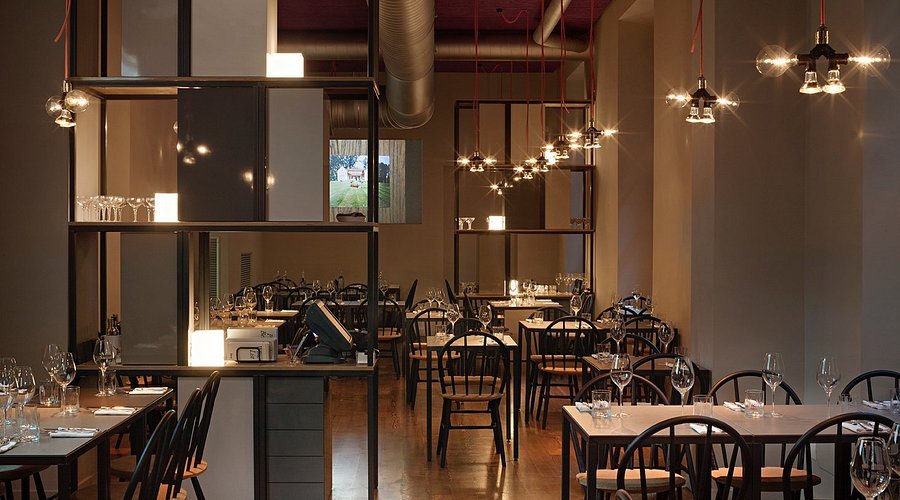
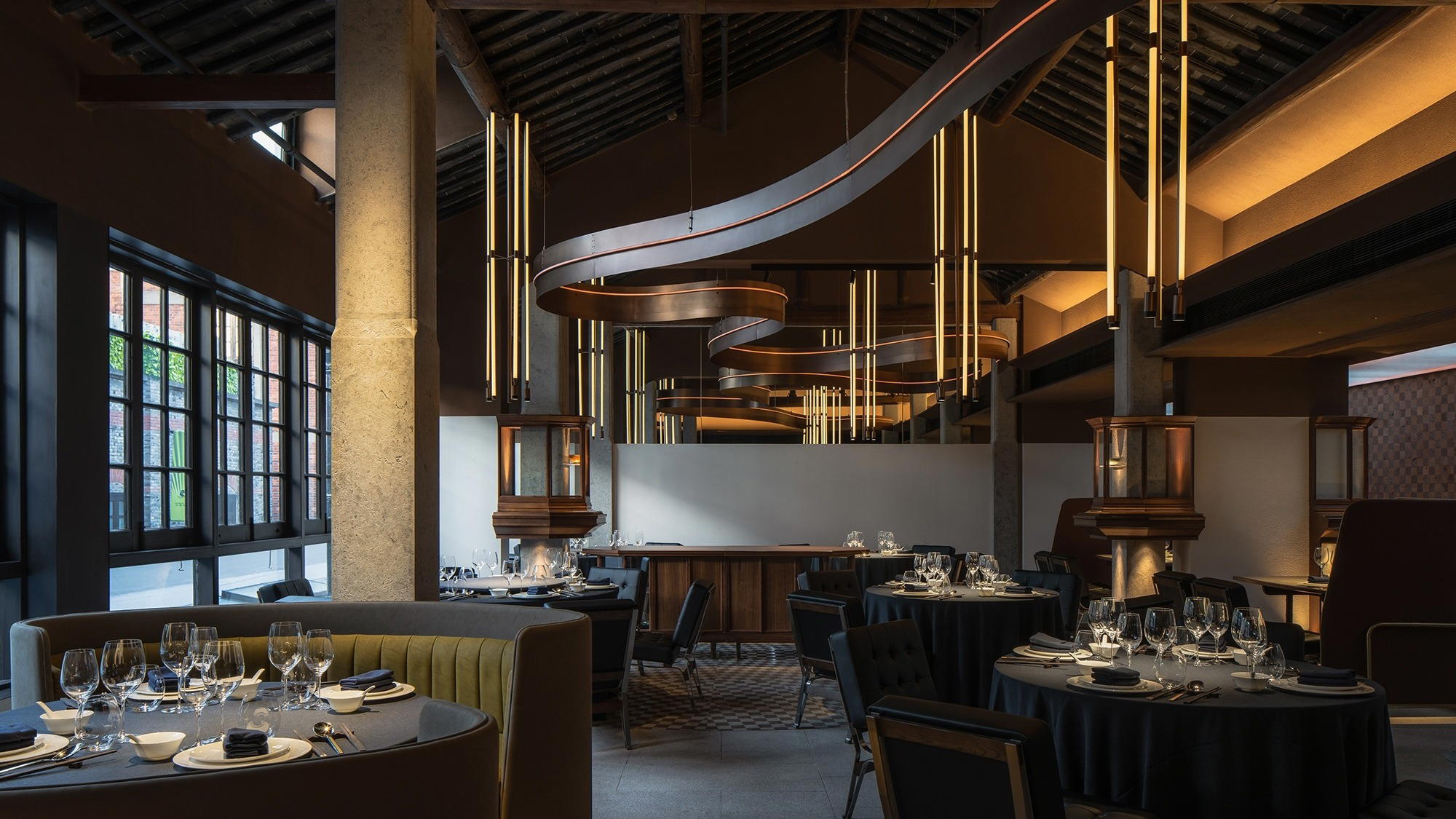
The room itself reads as industrial-New York in feel: think exposed materials, contemporary art on the walls, specifically works by major street artists, and a lively atmosphere that skews more social than hushed. This is not a venue for quiet conversation over a long meal. It is a venue for groups who want energy alongside their food, and for solo diners comfortable at a counter or in an animated room. That distinction matters when you're planning.
Compared to what you'd spend at Enrico Bartolini or Seta, where the bill climbs well into €€€€ territory, Dry Aged represents a deliberate step down in formality and price but not necessarily in quality of core product. The dry-aged meat program is the differentiator. If that's what you're eating, you're getting the venue at its strongest. Other dishes broaden the menu and give the table options, but the meat is the reason to book.
Does the Food Travel? The Delivery and Takeout Question
Dry-aged beef is one of the harder categories to transport well. The charcoal-grilling that defines the experience here is part of what you're paying for, the char, the temperature, the resting, and none of that survives a delivery window in any meaningful way. The homemade pastas fare better in transit than grilled proteins, but Italian pasta is also time-sensitive. The honest answer is that Dry Aged is built for eating in the room. If off-premise is your plan, the venue is not designed around it and the format doesn't recommend itself to takeout or delivery as a primary use case. Book a table and eat it there. The atmosphere is part of the offer, and the meat especially needs to be eaten as prepared. For comparison, venues like Abba or Borgia Milano may be better positioned if flexibility around format matters to you.
How It Sits in the Milan Contemporary Scene
Milan has a dense contemporary dining tier. Dry Aged occupies a specific and useful niche: it's a Michelin-recognized, mid-range venue with a clear protein focus and a room that works for groups and casual occasions without the formality or spend of the starred upper tier. For context, the likes of Andrea Aprea and Horto operate in the €€€€ bracket with tasting menu structures. Dry Aged doesn't compete there, it serves a different diner with a different budget and a different appetite for formality.
If you're moving through Italy and comparing across the country's dining tier, venues like Osteria Francescana in Modena or Uliassi in Senigallia represent Italy's highest level. Dry Aged doesn't position itself there, nor should it. It positions itself as a confident, lively, quality-focused steakhouse-contemporary hybrid at accessible prices, and within that bracket, the Michelin Plate two years running is meaningful validation. For international points of comparison in the contemporary mid-range, see how Milan's offer compares to Jungsik in Seoul or César in New York City.
Other Milan mid-range contemporaries worth considering alongside Dry Aged include Fourghetti, Punto G, and Bottega Lucia. Each takes a different approach to the contemporary category, so the right choice depends on what you're optimizing for. Dry Aged wins specifically on meat quality and atmosphere energy. See our full Milan restaurants guide for wider context, or browse the Milan hotels guide, bars guide, wineries guide, and experiences guide to plan around your visit.
For a €€ venue in a competitive city, that rating holding above 4.3 at scale indicates consistent execution rather than one exceptional service and two bad ones. Combined with consecutive Michelin Plate recognition, the evidence points to a kitchen and front-of-house that perform reliably rather than brilliantly on occasion.
Practical Details
Reservations: Easy, booking difficulty is low; walk-ins may be possible but a reservation is recommended given the Michelin Plate status and the lively atmosphere that draws a crowd. Budget: €€ per head, one of the more accessible Michelin-recognized options in the city. Address: Via Cesare da Sesto, 1/A, Milan. Atmosphere: Industrial-New York, lively, street art on the walls, not suited to quiet dinners, well-suited to groups. Dress: No formal dress code implied by the venue format; smart casual is appropriate. Leading for: Groups, meat enthusiasts, food explorers who want Michelin recognition without the €€€€ spend.
FAQ
Is Dry Aged worth the price?
- Yes, for what it is. The dry-aged meat program is the core offer, if that's your focus, the price-to-quality ratio holds up. If you want the full fine-dining format, step up to €€€€ venues like Seta instead.
Is the tasting menu worth it at Dry Aged?
- The venue's format centers on its meat counter and charcoal-grilled proteins rather than a classical tasting menu structure. If a progression tasting menu is what you're after, Andrea Aprea or Horto in the €€€€ bracket are better fits. Dry Aged rewards ordering around its signature dry-aged meat and complementing it with the modern preparations and pastas on the menu.
How far ahead should I book Dry Aged?
- Booking difficulty is rated easy, so you don't need months of lead time. Walk-ins are less predictable given the room's energy and consistent draw.
Is Dry Aged good for a special occasion?
- It works for a relaxed celebration where the occasion is about good food and a lively room rather than formal service. The industrial-New York atmosphere and street art setting make it more suited to a fun dinner with friends than a quiet anniversary. For a more formal special occasion in Milan, consider Cracco in Galleria or Enrico Bartolini at the €€€€ tier.
Is Dry Aged good for solo dining?
- The lively atmosphere and glass meat counter at the entrance suggest a room comfortable with individual diners who engage with the space rather than retreat from it. At €€, the spend is manageable solo. Milan has plenty of counter-friendly venues, and Dry Aged's format, where the meat display is a focal point, gives solo diners something to interact with and ask about.
Does Dry Aged handle dietary restrictions?
- The menu includes modern preparations beyond grilled meat and homemade pastas, which gives some flexibility, but this is a venue built around dry-aged beef. If red meat is off the table entirely, the options narrow considerably. Contact the venue directly before booking if dietary restrictions are a primary concern, no specific accommodation policy is confirmed in available data.
What are alternatives to Dry Aged in Milan?
- For a similar mid-range contemporary approach: Fourghetti, Bottega Lucia, and Punto G offer different angles on Milan's contemporary mid-range. For a step up in formality and spend, Seta and Andrea Aprea are the natural next tier. See our full Milan restaurants guide for the complete picture.
Planning details
- Location
- Via Cesare da Sesto, 1/A, 20123 Milano MI, Italy
- Reservations
- Book on the venue's website
- Website
- thedryaged.it
- Phone
- +39 02 5810 7932
The take
The Take
The Vibe
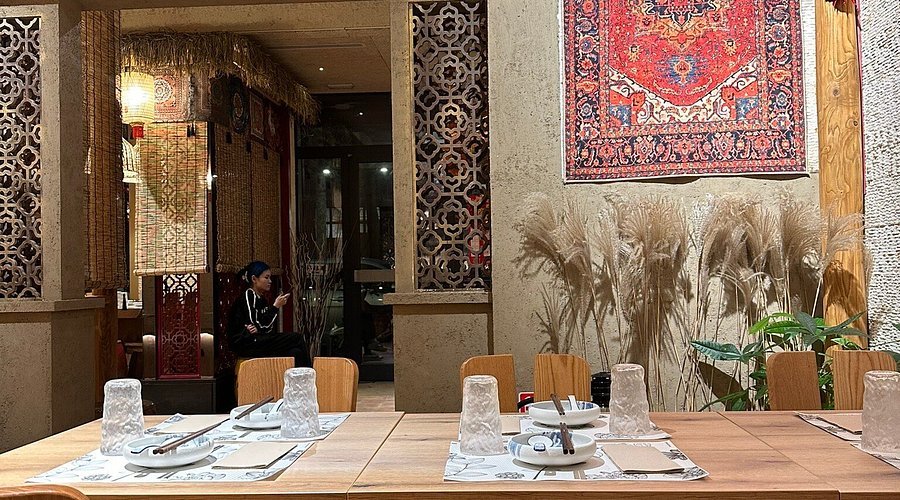
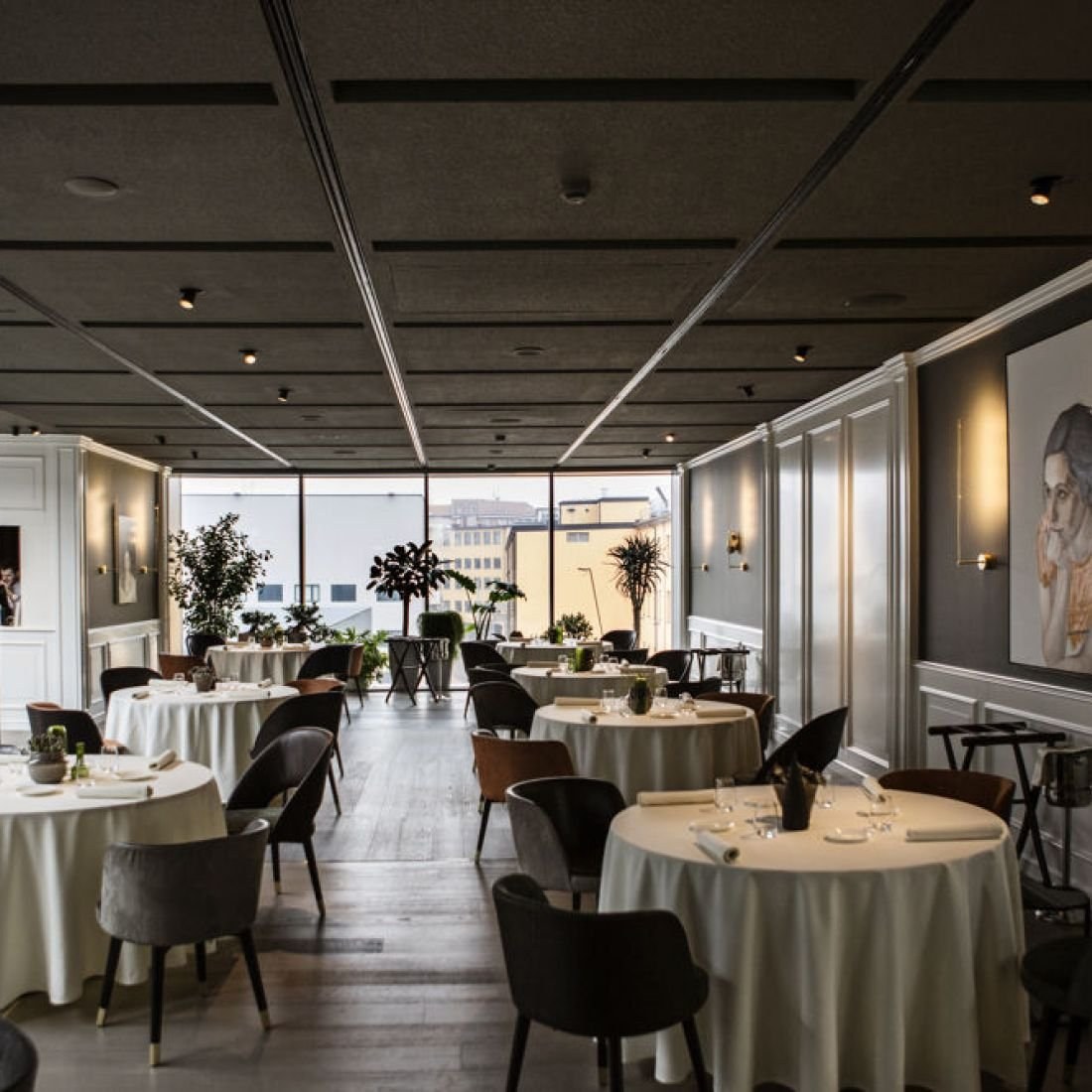
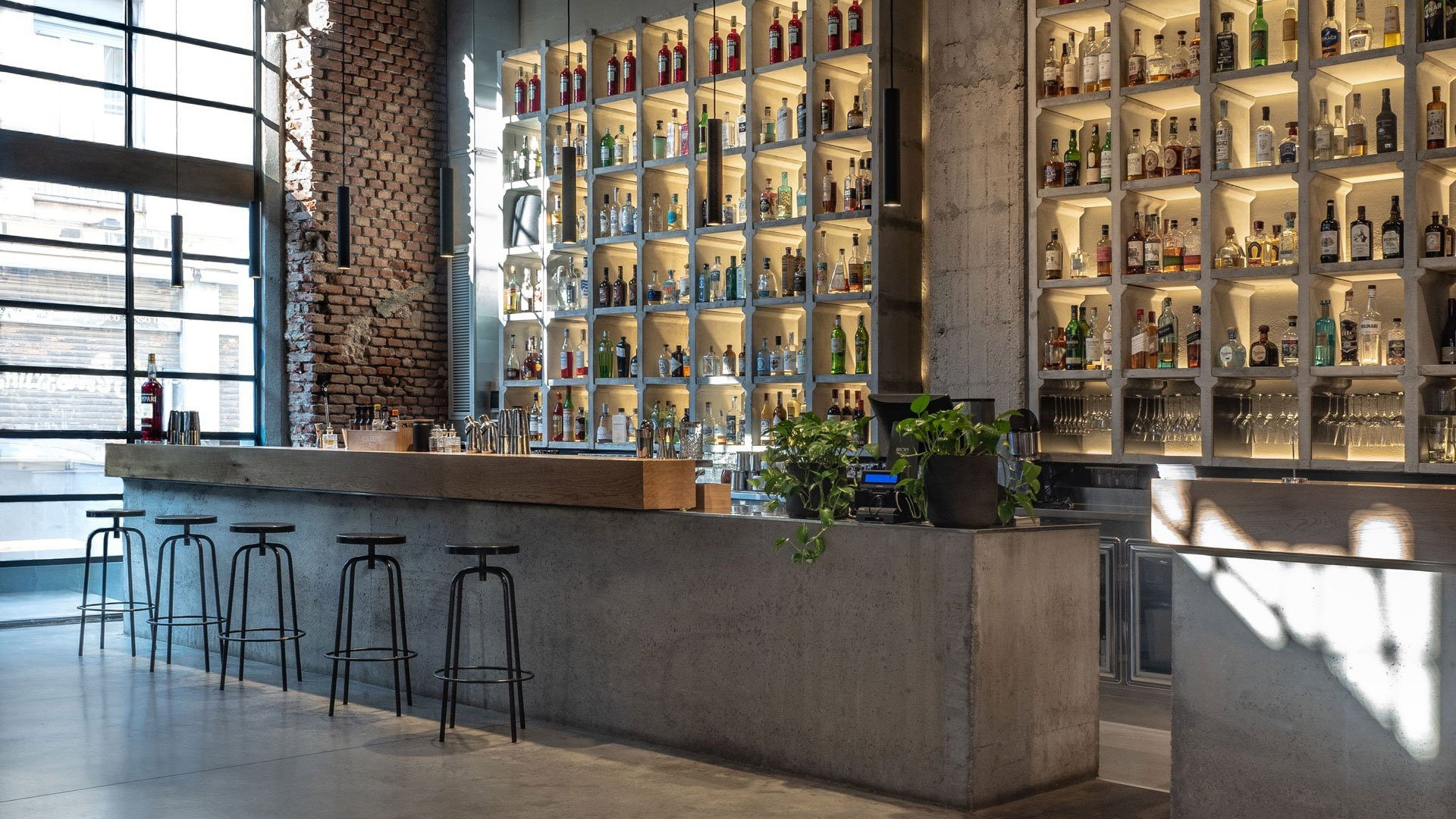
Dry Aged presents a purposeful industrial aesthetic: exposed materials, street-art canvases and a New York–inspired downtown energy give the interior a raw, contemporary edge. The glass counter and the visible focus on aged cuts make the grill programme feel like the restaurant’s conceptual heart, so the space reads as deliberately direct rather than decorative. It sits in Sant’Ambrogio’s quieter, local side of Milan, balancing neighbourhood ease with a confident, design-forward presentation. The overall effect is modern and energetic with a clear culinary focus on meat and technique.
Best For
This is a place to book for focused evening meals where the steak is the point of the visit. The dry-aged tasting menu and premium cuts such as Wagyu and ribeye position Dry Aged well for date nights and special evenings when the meal itself is the celebration. Its mid-range pricing and convivial, design-forward room also suit small groups who want a lively but serious steakhouse experience without the formality or price tag of fine dining. It attracts local regulars as much as visitors who appreciate grilled meat done deliberately.
Ordering Tips
Start by considering the Dry Aged tasting menu if you want a tour of the kitchen’s ageing and grill approach; otherwise order a highlighted cut such as Wagyu or ribeye to experience the charcoal-grill programme. The glass counter that displays aged cuts signals that the kitchen has an explicit focus on breeds and maturation, so ask the staff about provenance and recommended cooking level. Side notes like the smoked mash pair naturally with rich steaks — keep accompaniments simple to let the meat be the centerpiece.
Venue details
Ambiance
Elegant yet comfortable atmosphere with modern industrial design, open kitchen views, and sophisticated lighting that creates a welcoming and professional vibe.
Tags
Vibe
Best For
Experience
At the Table
- Dress Code
- Smart Casual
- Noise Level
- Conversational
- Service Style
- Upscale Casual
- Meal Pacing
- Leisurely
- Capacity
- Small
- Kitchen
- Modern
- Menu Format
- Tasting menu, A la carte
- Wine Program
- Exceptional
- Drinks Focus
- Wine
Signature Dishes
- Dry Aged tasting menu
- Wagyu steak
- ribeye
- smoked mash
Know before you go
Know Before You Go
- Getting there
- Via Cesare da Sesto, 1/A, 20123 Milano MI, Italy
Planning details
Location
Via Cesare da Sesto, 1/A, 20123 Milano MI, Italy · Directions
Recognition and awards
Also consider
Also Consider
- Enrico Bartolini, Creative, €€€€
- Cracco in Galleria, Modern Cuisine, €€€€
- Andrea Aprea, Modern Italian, Italian Contemporary, €€€€
- Seta, Modern Italian, €€€€
- Horto, Modern Italian, Modern Cuisine, €€€€
Restaurant context
The most direct comparison is between Dry Aged's €€ positioning and Milan's cluster of €€€€ contemporary venues. Enrico Bartolini and Cracco in Galleria operate at a significantly higher price point with full fine-dining formats, tasting menus, formal service, and a very different atmosphere. If your priority is the prestige of a starred experience and you have the budget, those venues deliver something Dry Aged doesn't attempt. If you want quality food in a room with energy rather than formality, Dry Aged is the more practical choice and represents considerably better value per euro spent.
Andrea Aprea, Seta, and Horto all sit in the €€€€ bracket with modern Italian tasting menu formats. They're the right call for a diner who wants chef-driven progression and formal table service. Dry Aged is the right call for a diner who wants the best dry-aged beef in a lively room without the tasting menu structure or the fine-dining spend. The Michelin Plate recognition at €€ is the key differentiator, it signals a kitchen operating above its price tier, which is rare at this level in Milan.
On booking difficulty, Dry Aged has a clear advantage: it's rated easy, whereas the starred venues in this comparison require significantly more lead time and, in some cases, specific booking windows. If you're planning a last-minute dinner in Milan and want Michelin-recognized food without a months-long wait, Dry Aged is the most accessible option in this peer group. The trade-off is atmosphere and format, you're getting energy and informality rather than ceremony and precision service.
Around this place
Discover more on Pearl
Unlock the full Dry Aged guide in Pearl, including awards, comparisons, FAQs, planning details, and nearby places.
Compare Dry Aged
| Venue | Price | Booking Difficulty | Awards |
|---|---|---|---|
| Dry Aged | €€ | Easy | 2026 Michelin Plate2025 Michelin Plate2024 Michelin Plate |
| Enrico Bartolini | €€€€ | Unknown | 2026 OAD Top Restaurants in Europe Ranked · #762026 Michelin 3 Stars2026 Les Grandes Tables du Monde Members2026 La Liste Top Restaurants2026 Falstaff Restaurant Guide2025 OAD Top Restaurants in Europe Ranked · #722025 Michelin 3 Stars2025 Michelin 1 Star2025 La Liste Top Restaurants |
| Cracco in Galleria | €€€€ | Unknown | 2026 Michelin 1 Star2025 OAD Top Restaurants in Europe Ranked · #2282025 Michelin 1 Star2025 Wine Spectator Grand Award2024 OAD Top Restaurants in Europe Ranked · #218World's Best Wine Lists 20242024 Michelin 1 Star2023 OAD Top New Restaurants in Europe Highly Recommended2011 World's 50 Best Restaurants · #33 |
| Andrea Aprea | €€€€ | Unknown | 2026 OAD Top Restaurants in Europe Recommended2026 Les Grandes Tables du Monde Members2026 Michelin 2 Stars2026 La Liste Top Restaurants2026 Falstaff Restaurant Guide2025 OAD Top Restaurants in Europe Ranked · #3212025 La Liste Top Restaurants2025 Michelin 2 Stars2025 The Best Chef Two Knives |
| Seta | €€€€ | Unknown | 2026 OAD Classical in Europe Ranked · #332026 Wine Spectator Best of Award of Excellence2026 Les Grandes Tables du Monde Members2026 Michelin 2 Stars2026 La Liste Top Restaurants2026 Falstaff Restaurant Guide2025 OAD Classical in Europe Ranked · #292025 OAD Casual in North America Ranked · #454We're Smart World Top Restaurants 2025 |
| Horto | €€€€ | Unknown | 2026 OAD Top Restaurants in Europe Recommended2026 Michelin 1 Star2025 OAD Top Restaurants in Europe Ranked · #190We're Smart World Top Restaurants 20252025 Michelin 1 Star2024 OAD Top Restaurants in Europe Ranked · #1942024 Michelin 1 Star2023 OAD Top New Restaurants in Europe Highly Recommended |















Key differences to consider before you reserve.
FAQ
Frequently Asked Questions
Is Dry Aged good for solo dining?
The lively, informal atmosphere and counter-style meat display make it a reasonable solo option — there's enough visual interest and energy that dining alone won't feel awkward. At €€, the spend commitment is low. Confirm counter seating availability when booking if solo dining is your preference.
How far ahead should I book Dry Aged?
Booking difficulty is low, but a reservation is recommended. The Michelin Plate recognition and a lively, popular atmosphere mean walk-in availability isn't guaranteed, particularly on weekends. A few days' notice should be sufficient in most cases; last-minute bookings mid-week are likely fine.
Is Dry Aged good for a special occasion?
It works for a low-key special occasion — a birthday dinner or a celebratory meal with friends who care about food quality but aren't after a formal, white-tablecloth setting. The industrial-New York aesthetic with street art and a glass meat counter creates a lively rather than intimate atmosphere. For a more formal occasion, Seta or Andrea Aprea at higher price points would be a better fit.
What are alternatives to Dry Aged in Milan?
Within the mid-range contemporary tier, Horto is the closest alternative if you want Michelin-level recognition at a comparable price with a more plant-forward menu. For a step up in formality and spend, Seta and Andrea Aprea both carry Michelin stars. Enrico Bartolini and Cracco in Galleria are higher-end options where the occasion and price point are significantly different from Dry Aged's €€ positioning.
Is Dry Aged worth the price?
At €€, yes — the value case is clear. You get a Michelin Plate-recognised venue (2024 and 2025) with a serious meat counter, charcoal-grilled options, homemade pastas, and a designed industrial space, all at a price point that doesn't require much justification. For a comparable spend in Milan's contemporary tier, few venues combine this level of external recognition with accessible pricing.