.png?width=1200&quality=80)
Dim Sum
Cantonese · Buenos Aires - Porta Venezia - Porta Monforte, Milan
Restaurant in Milan, Italy
 Book with Pearl
The Read
Guangdong Teahouse Precision
Price
$50–100per person
Dress
Smart Casual
Why go
Michelin-recognised Cantonese restaurant Dim Sum on Via Nino Bixio serves the small-plate traditions of Guangzhou with a measured contemporary refinement. At €€€ and easy to book, it occupies a lane none of the city's Italian fine dining addresses compete in. Worth returning to if Cantonese cuisine is the point; skip it if the cuisine itself is not your priority.
About Dim Sum
Milan's most serious Cantonese restaurant is not where you expect to find it
The common assumption about Dim Sum on Via Nino Bixio is that it operates as a neighbourhood Chinese restaurant, a casual stop for dumplings between appointments. That assumption is wrong. This is a Michelin-recognised Cantonese dining room in the Porta Venezia district, serving the small-plate traditions of Guangzhou with enough refinement to sit alongside the city's more decorated addresses. If you have already been once and wrote it off as a one-time curiosity, it is worth reconsidering what a return visit looks like.
What the room is doing
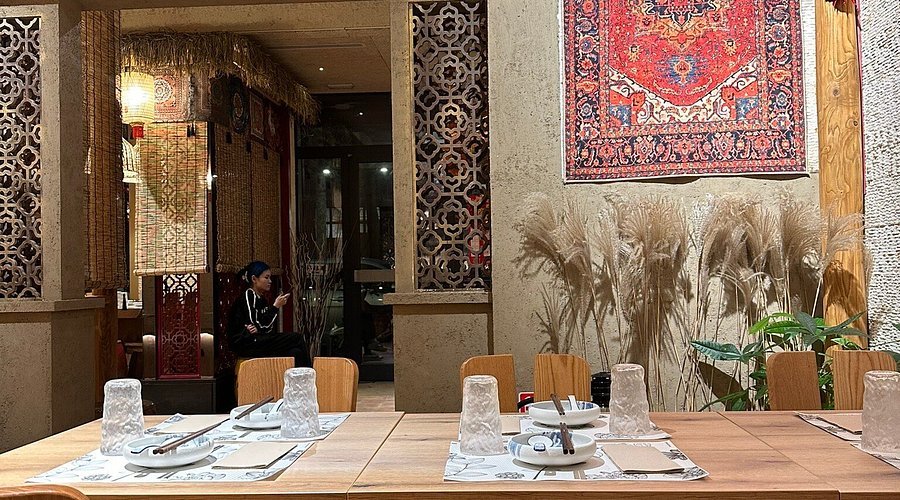
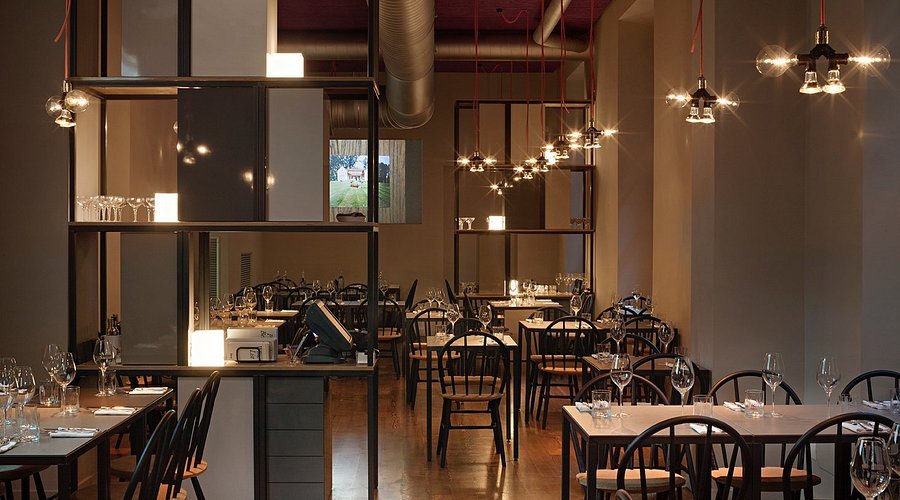
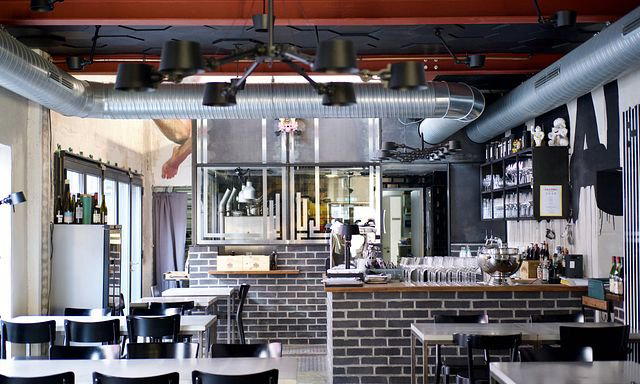
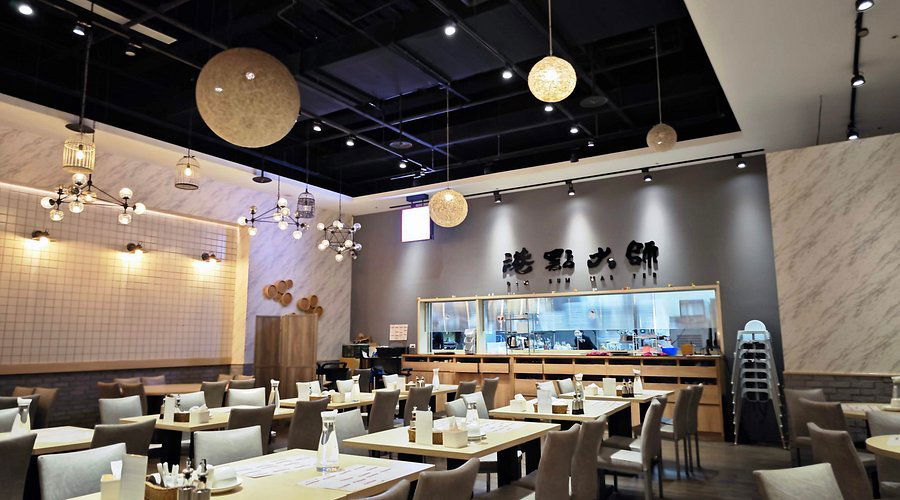
The partially open kitchen is the defining spatial choice here. It sets the ambient register immediately: this is not a loud, high-turnover room. The energy is contained and attentive, with decorative details in the interior that signal deliberate curation rather than generic pan-Asian styling. For a second visit, the atmosphere rewards a slower pace. Come early in the service, before the room fills, and the noise level stays low enough to hold a proper conversation. Later sittings get busier, and the experience shifts accordingly.
At the €€€ price point — mid-range for Milan's better dining options but a step above casual — the room's mood reads as occasion-appropriate without tipping into the formal register of the €€€€ addresses further west in the city. That is a deliberate positioning: the food is serious, the setting is composed, but the dress expectation and general atmosphere allow you to arrive without the weight of a tasting-menu appointment.
The counter and open-kitchen dynamic
Given the editorial angle that matters most here: if you have a choice of seating, request a position with sightlines to the kitchen. The partially open format means the dim sum preparation is visible from parts of the room, and watching the construction of small dishes, the pleating, the timing, the sequencing, adds a practical layer of context that makes ordering decisions easier on a return visit. You understand the pace of the kitchen, which dishes come quickly and which take longer, and you can calibrate your ordering accordingly. For solo diners especially, counter-adjacent seating is the right call.
What to order if you are returning
The kitchen is grounded in the culinary traditions of Guangzhou and Southern China, the canonical dim sum repertoire of steamed, fried, and baked small dishes, with what the venue describes as a contemporary refinement applied carefully rather than aggressively. On a return visit, that framing should guide your ordering strategy: the dishes most worth exploring are those where the Southern Chinese foundation is clearest, not the ones where the contemporary adjustment is most visible. Cantonese dim sum at this level is built on technical precision in the small details, wrapper texture, filling balance, steam timing, and that is where the kitchen's skill shows. The signature dishes field is not available in the data, so specific dish recommendations beyond this general orientation would be speculation. Ask a member of staff which dishes are prepared in-house that day; the answer will tell you where to focus.
Booking and timing
Booking here is rated Easy. That is the practical advantage Dim Sum holds over most of Milan's Michelin-adjacent dining. You do not need to plan weeks out. A reservation made a few days ahead should secure a table at most sittings, and the absence of a long waitlist means this works well for plans that come together late. That said, weekend lunch is the natural peak for dim sum formats globally, and it is reasonable to expect the room to be fuller then. If the atmosphere and noise level matter to you, a weekday lunch or an early weekday dinner sitting is the better timing call. Hours are not confirmed in the available data, so verify directly before booking.
How it fits into Milan's dining picture
Milan's most-discussed fine dining addresses, Enrico Bartolini, Andrea Aprea, Seta, Cracco in Galleria, are all Italian-focused and operating at €€€€. Dim Sum occupies a different lane entirely. It is the only address in Milan's Michelin-recognised set working in the Cantonese tradition, which means there is no direct local peer to compare it against. That is either an argument for booking it or a reason to be cautious, depending on what you want from the meal. If Cantonese cuisine is the point, the nearest comparable addresses are outside Italy: 102 House in Shanghai and Chef Tam's Seasons in Macau represent the standard the cuisine reaches at its peak. Dim Sum in Milan is not operating at that level of ambition or resource, but it is doing something no other address in the city is attempting at this quality tier.
For context on Italy's broader fine dining range, Osteria Francescana in Modena, Enoteca Pinchiorri in Florence, Le Calandre in Rubano, Piazza Duomo in Alba, Dal Pescatore in Runate, and Atelier Moessmer Norbert Niederkofler in Brunico define the country's highest tier. Dim Sum is not competing in that conversation, nor is it trying to. Its reference points are different, and that is the correct framing for the decision.
The verdict for a returning visitor
If your first visit confirmed the kitchen's technical competence, a return visit should be used to go deeper into the Cantonese repertoire rather than wider across the menu. Sit where you can see the kitchen. Come on a weekday if a quieter room matters. Book a few days out rather than weeks ahead. At €€€, this is one of the more direct decisions in Milan's mid-to-upper dining tier for anyone whose interest is Cantonese cuisine specifically. If the cuisine is not the point and you want the prestige address, Verso Capitaneo and the city's Italian fine dining set are the better fit. Explore the full picture via our Milan restaurants guide, and if you are building a longer stay around the meal, our Milan hotels guide, bars guide, wineries guide, and experiences guide cover the rest.
Planning details
- Location
- Via Nino Bixio, 29, 20129 Milano MI, Italy
- Website
- dimsummilano.com
- Phone
- +39 02 2952 2821
The take
The Take
The Vibe
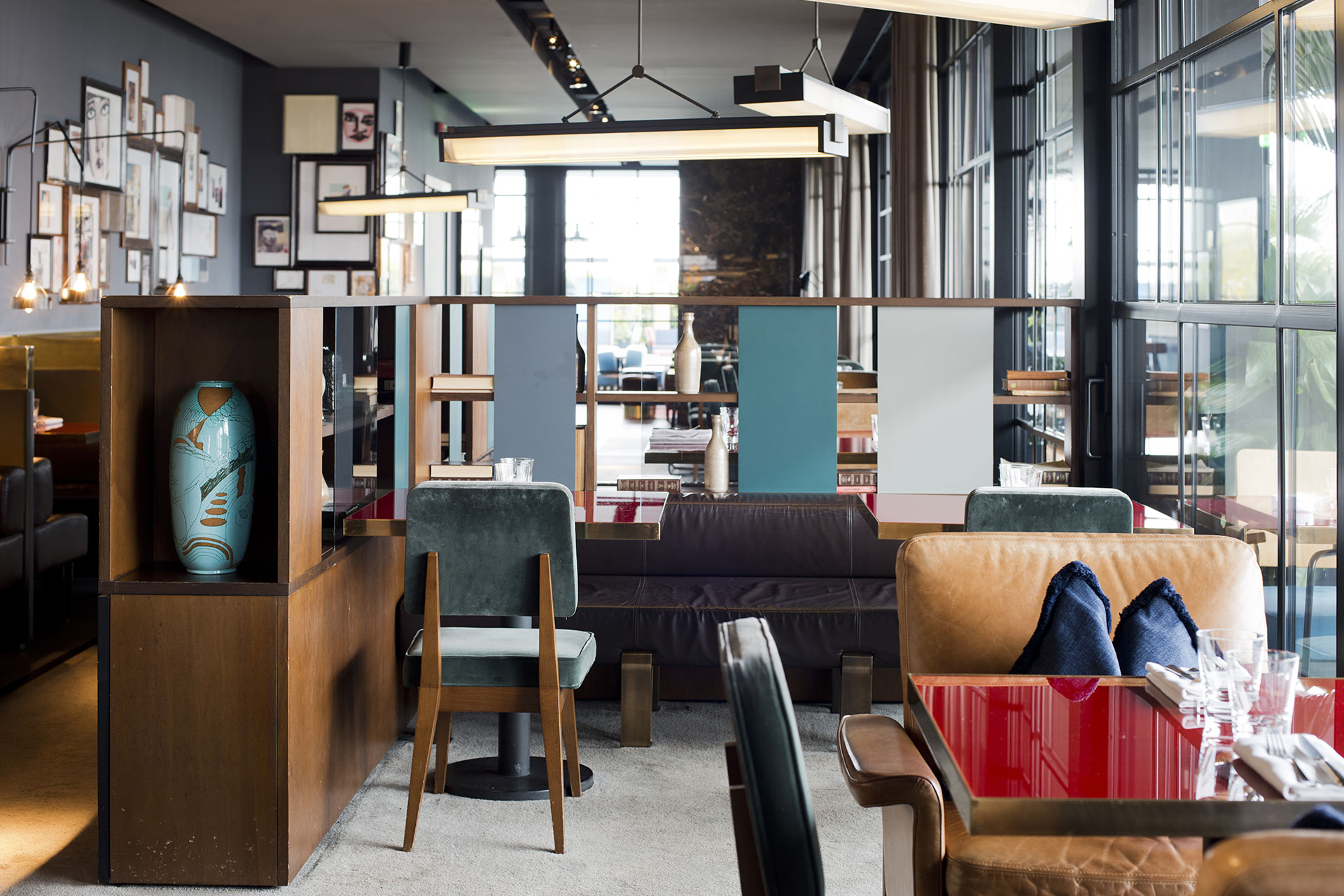
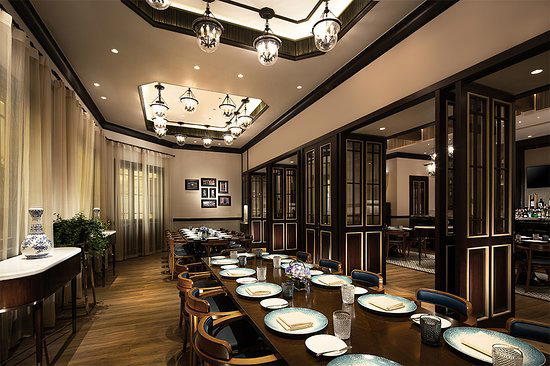
Dim Sum presents a thoughtful, design-forward take on Cantonese small plates. The dining room on Via Nino Bixio is richly detailed — layered surfaces and considered objects that read as a deliberate design statement — and a partially open kitchen keeps the production of dishes visible, framing the meal as process as much as product. The result is an intimate, charming room that foregrounds Cantonese specificity in a city more accustomed to pan-Asian generalism. It feels like a focused destination where interior intent and culinary purpose arrive in tandem.
Best For
This Cantonese specialist sits at a €€€ price point and is positioned against Milan’s fine-dining landscape, so it is best for evening occasions that call for something polished: date nights, business dinners and celebratory meals. The small-plates, yum cha-derived format encourages sharing and a paced, communal experience rather than a quick bite. Located in Porta Venezia on Via Nino Bixio, it fills a niche in the city’s dining scene and works well when you want a refined, restaurant-first evening that prioritizes craft and specificity.
Ordering Tips
Lean into the small-plates format and order several dishes to share, following the Cantonese yum cha spirit the kitchen references. Start with the seafood dumplings and the signature ravioli with beef and black pepper, and consider the Peking duck for a show-stopping main to split. Let the kitchen and staff guide timing so plates arrive in a considered sequence, and favour communal tasting over single entrees to appreciate the variety of textures and techniques on the menu.
Venue details
Ambiance
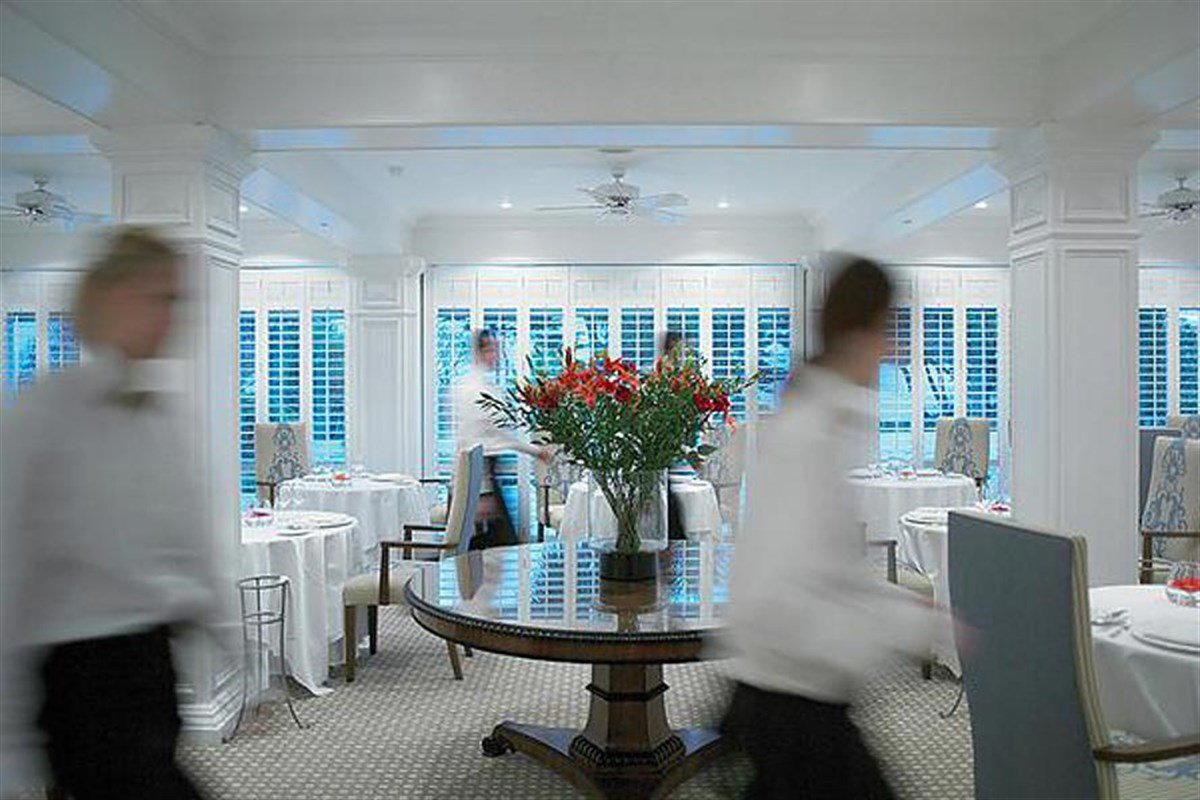
Elegant and sophisticated with modern decor, white tablecloths, pleasant lighting, and open kitchen views.
Tags
Vibe
Best For
Experience
At the Table
- Dress Code
- Smart Casual
- Noise Level
- Conversational
- Service Style
- Upscale Casual
- Meal Pacing
- Standard
- Capacity
- Medium
- Kitchen
- Modern
- Menu Format
- A la carte, Small plates
- Wine Program
- Curated
Signature Dishes
- ravioli with beef and black pepper
- Peking duck
- seafood dumplings
Know before you go
Know Before You Go
- Getting there
- Via Nino Bixio, 29, 20129 Milano MI, Italy
Planning details
Location
Recognition and awards
Also consider
Also Consider
- Enrico Bartolini, Creative, €€€€
- Cracco in Galleria, Modern Cuisine, €€€€
- Andrea Aprea, Modern Italian, Italian Contemporary, €€€€
- Seta, Modern Italian, €€€€
- Contraste, Progressive Italian, Modern Cuisine, €€€€
Restaurant context
The practical comparison question for Dim Sum is not really about direct competitors, there are none in Milan at this quality tier. The relevant comparison is between spending at €€€ on Cantonese cuisine and spending at €€€€ on Milan's Italian fine dining set. Enrico Bartolini and Andrea Aprea both require more planning, more budget, and a longer booking window. Dim Sum books easily and costs less. If you want the most rigorous Italian cooking in the city, those addresses win. If Cantonese cuisine is specifically what you are after, Dim Sum is the only credible answer Milan offers.
Within the €€€€ tier, Seta and Cracco in Galleria both deliver more formal experiences with deeper service infrastructure and longer tasting-menu formats. They are the right call for a special-occasion dinner where the ceremony of the meal matters as much as the food. Dim Sum is a better fit for a dinner where the cuisine is the main event and the format should support rather than overshadow it. Contraste occupies similar territory to Seta and Cracco in terms of progressive ambition, but again operates in an entirely different cuisine category.
The clearest booking decision: if your group wants shared plates, a composed but unpretentious room, and a cuisine that none of Milan's Italian addresses can replicate, Dim Sum is the call. If you want the city's highest-tier Italian tasting experience and are prepared to book further out and spend more, the €€€€ addresses are the better choice. There is no overlap between these two decisions, which makes Dim Sum easier to recommend to the right diner and easier to skip for the wrong one.
Around this place
Discover more on Pearl
Unlock the full Dim Sum guide in Pearl, including awards, comparisons, FAQs, planning details, and nearby places.
Compare Dim Sum
| Venue | Cuisine | Awards | Booking Difficulty |
|---|---|---|---|
| Dim Sum | Cantonese | 2026 Michelin Plate2025 Michelin Plate | Easy |
| Enrico Bartolini | Creative | 2026 OAD Top Restaurants in Europe Ranked · #762026 Michelin 3 Stars2026 Les Grandes Tables du Monde Members2026 La Liste Top Restaurants2026 Falstaff Restaurant Guide2025 OAD Top Restaurants in Europe Ranked · #722025 Michelin 3 Stars2025 Michelin 1 Star2025 La Liste Top Restaurants | Unknown |
| Cracco in Galleria | Modern Cuisine | 2026 Michelin 1 Star2025 OAD Top Restaurants in Europe Ranked · #2282025 Michelin 1 Star2025 Wine Spectator Grand Award2024 OAD Top Restaurants in Europe Ranked · #218World's Best Wine Lists 20242024 Michelin 1 Star2023 OAD Top New Restaurants in Europe Highly Recommended2011 World's 50 Best Restaurants · #33 | Unknown |
| Andrea Aprea | Modern Italian, Italian Contemporary | 2026 OAD Top Restaurants in Europe Recommended2026 Les Grandes Tables du Monde Members2026 Michelin 2 Stars2026 La Liste Top Restaurants2026 Falstaff Restaurant Guide2025 OAD Top Restaurants in Europe Ranked · #3212025 La Liste Top Restaurants2025 Michelin 2 Stars2025 The Best Chef Two Knives | Unknown |
| Seta | Modern Italian | 2026 OAD Classical in Europe Ranked · #332026 Wine Spectator Best of Award of Excellence2026 Les Grandes Tables du Monde Members2026 Michelin 2 Stars2026 La Liste Top Restaurants2026 Falstaff Restaurant Guide2025 OAD Classical in Europe Ranked · #292025 OAD Casual in North America Ranked · #454We're Smart World Top Restaurants 2025 | Unknown |
| Contraste | Progressive Italian, Modern Cuisine | 2026 OAD Top Restaurants in Europe Ranked · #96Star Wine Lists 20262026 Michelin 1 Star2026 La Liste Top Restaurants2025 The Best Chef Two Knives2025 La Liste Top Restaurants2024 Michelin 1 Star | Unknown |
















How Dim Sum stacks up against the competition.
FAQ
Frequently Asked Questions
What are alternatives to Dim Sum in Milan?
If you want Italian fine dining at the same €€€ price point, Contraste offers the most creative cooking in the city, while Seta at the Mandarin Oriental is the safer prestige choice for expense-account meals. For Cantonese specifically, Dim Sum on Via Nino Bixio has no direct peer in Milan — the rest of the city's Chinese dining operates well below this kitchen's register. If format matters more than cuisine, Andrea Aprea and Enrico Bartolini both deliver technically precise tasting menus, but neither is easier to book.
Does Dim Sum handle dietary restrictions?
The Cantonese repertoire here is grounded in Guangzhou tradition — steamed, fried, and baked small dishes — which means pork, shellfish, and wheat-based wrappers are structural to the menu, not optional additions. Vegetarian and gluten-free guests should call ahead to confirm what the kitchen can accommodate. No allergy or dietary policy is documented.
Is Dim Sum good for solo dining?
Yes — dim sum's small-dish format is one of the few dining structures that works well solo, because you can order selectively without being committed to a full tasting menu. At €€€, solo dining here costs more than a casual Chinese meal elsewhere in Milan, but the partially open kitchen gives solo diners something to engage. Request a position with sightlines to the kitchen if you are eating alone.
What should I order at Dim Sum?
The kitchen is rooted in the Cantonese traditions of Guangzhou and Southern China, so focus on the steamed and baked small dishes that define that repertoire rather than treating the menu as a pan-Chinese list. The dishes have been refined with a contemporary edge, according to the restaurant's editorial description, so expect classical dim sum categories executed with more precision than a standard Chinese restaurant at this price. Specific dish recommendations are not documented — ask the staff what the kitchen is currently running.
What should I wear to Dim Sum?
The room is described as detailed and composed rather than casual, and the €€€ price point places this above neighbourhood dining. Neat, put-together clothing is appropriate — overly casual dress would feel out of register with the room. No formal dress code is documented.
Can I eat at the bar at Dim Sum?
No bar seating is documented. The partially open kitchen is the spatial feature most relevant to seating choice — if counter or kitchen-adjacent seats are available, those are worth requesting. Check directly with the restaurant for current seating options.