.png?width=1200&quality=80)
Bon Wei
Chinese · Sarpi, Milan
Restaurant in Milan, Italy
 Book with Pearl
The Read
Pan-Regional Chinese Precision
Dress
Smart Casual
Why go
Bon Wei is Milan's most substantiated Chinese restaurant at the €€€ price point, holding a Michelin Plate for 2024 and 2025 and. The menu covers eight regional Chinese cuisines, from Szechuan to Zhejiang. Booking is easy, making it a low-friction choice for serious Chinese cooking in a city where the category is thin.
About Bon Wei
Verdict
If you assume that Chinese food in Milan means a compromise — cheap plates, indifferent service, no culinary ambition — Bon Wei corrects that assumption quickly. At the €€ price point, it is the most substantiated choice for serious Chinese cooking in Milan right now, and it earns that position against a very thin local field.
The short answer on whether to book: yes, if you want regional Chinese cuisine with real breadth in a room that takes itself seriously. No, if you are looking for a quick noodle lunch near the Duomo or a casual takeaway. Bon Wei is a sit-down restaurant with an ambition that sits above its price tier.
The Experience
The Michelin Guide's own language on Bon Wei is worth taking literally: eight regional Chinese cuisines represented on a single menu, from the numbing heat of Szechuan to the restrained, sea-influenced flavours of Zhejiang. That range is not common even in cities with larger Chinese populations than Milan. In terms of breadth alone, Bon Wei is closer in spirit to a destination restaurant than a neighbourhood spot, which makes the €€ pricing feel like a genuine opportunity rather than a budget fallback.
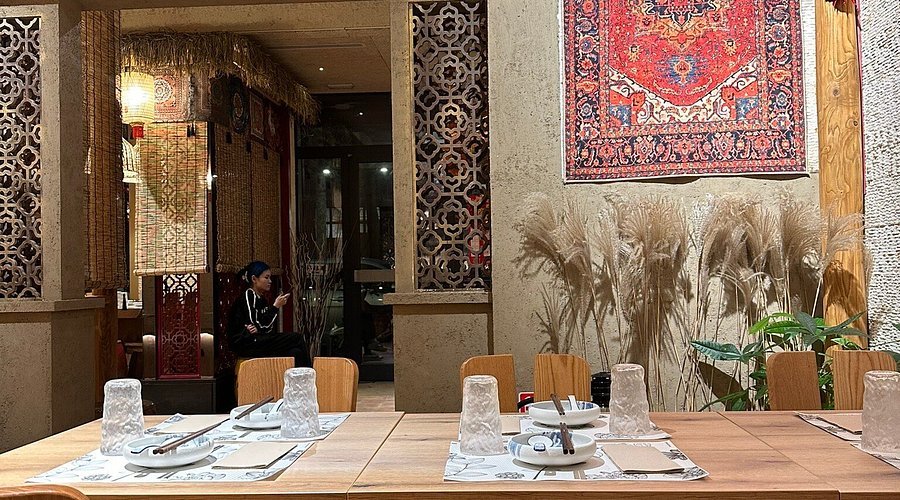
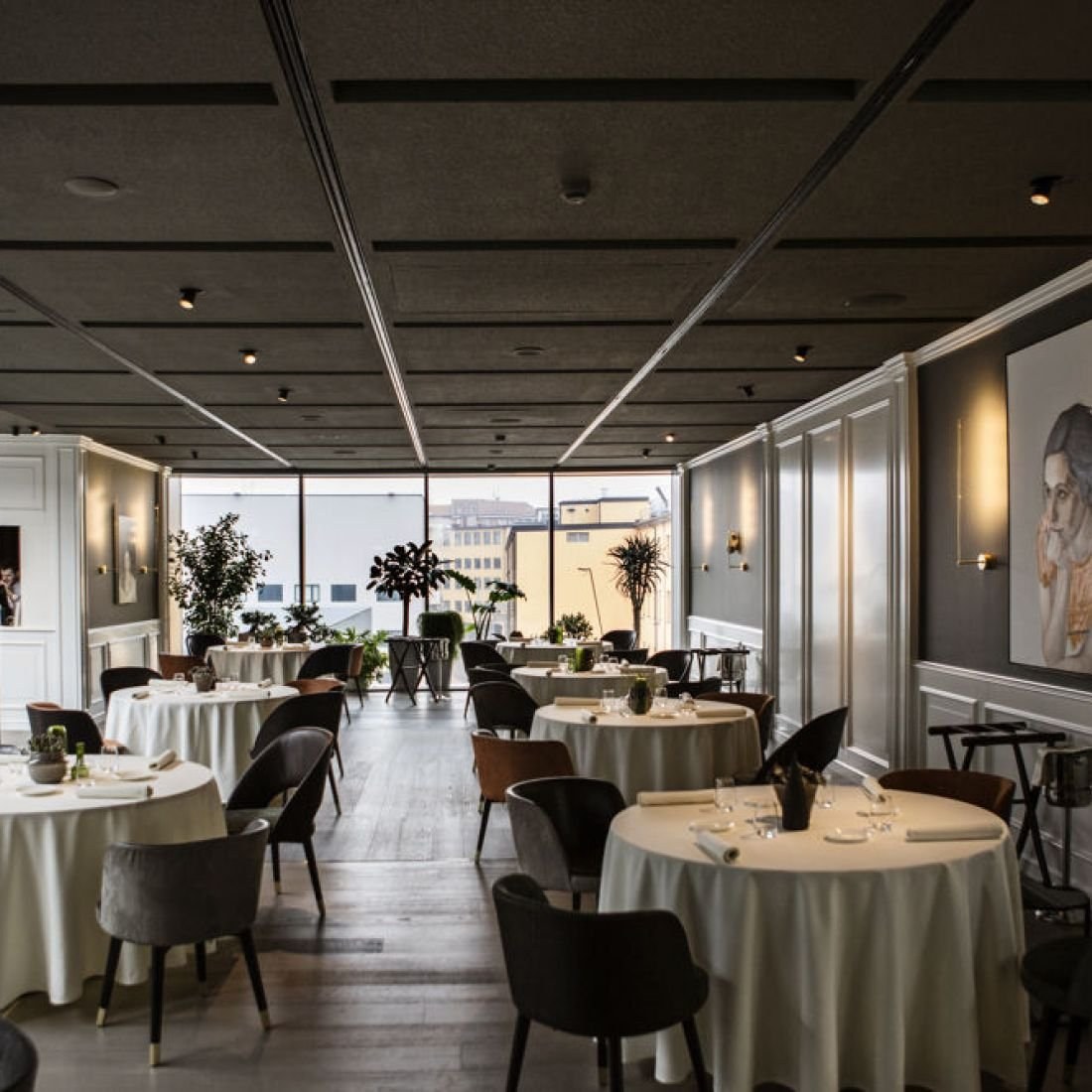
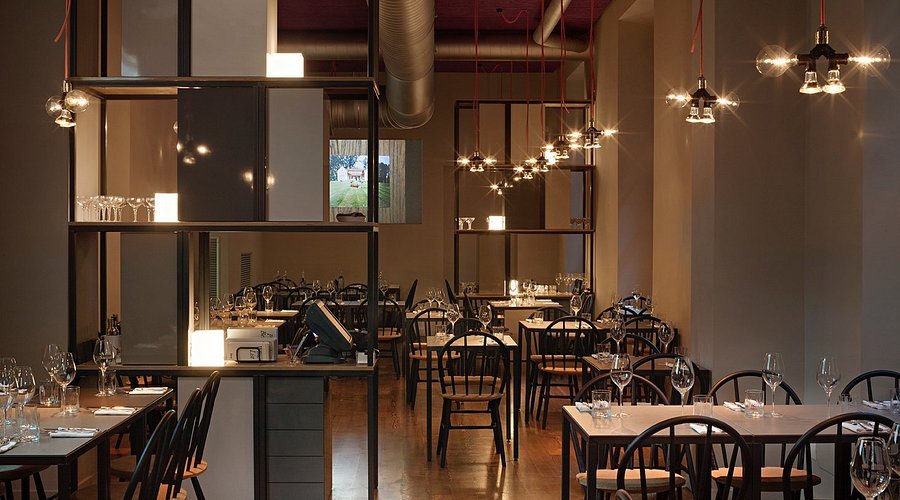
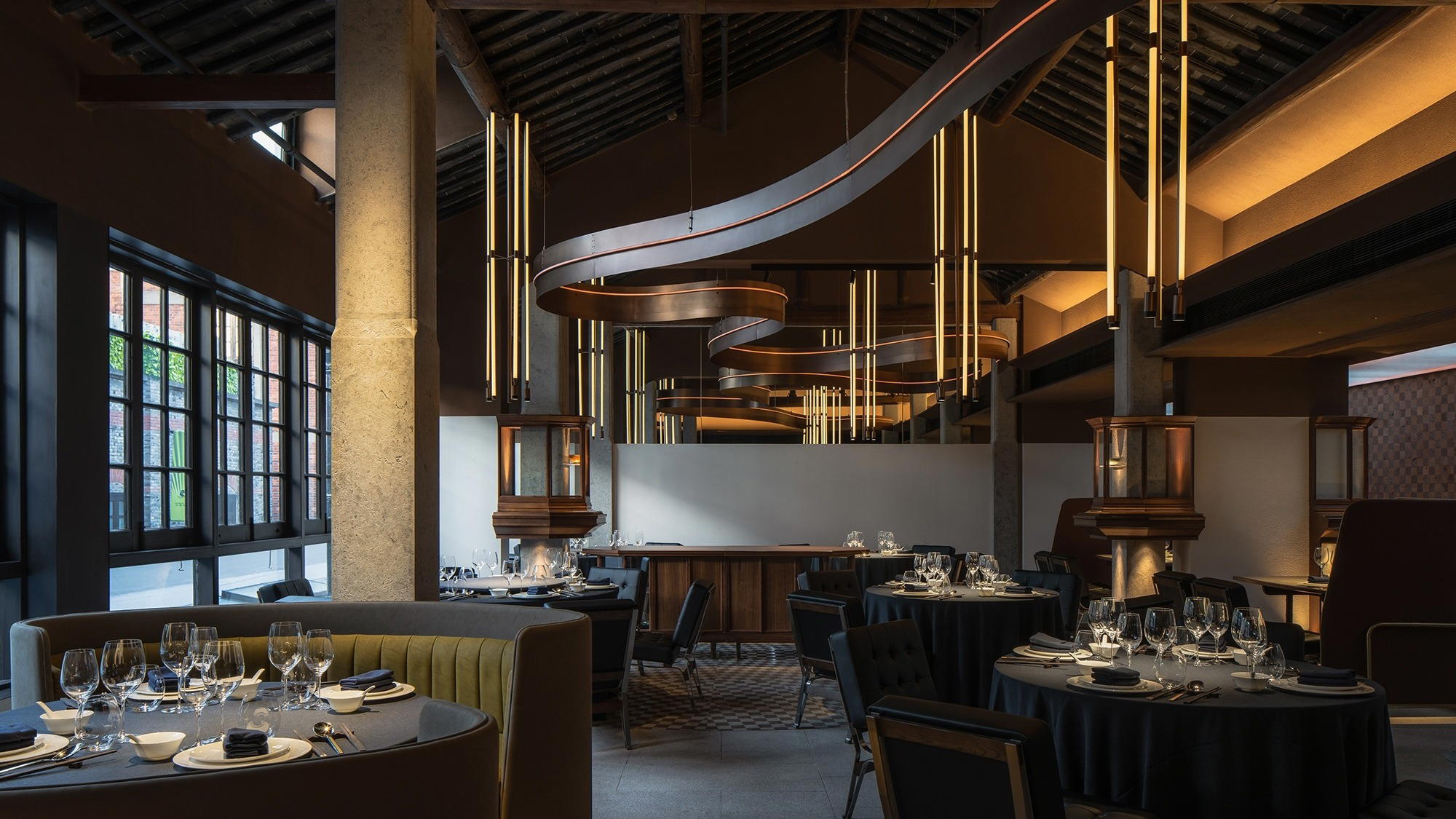
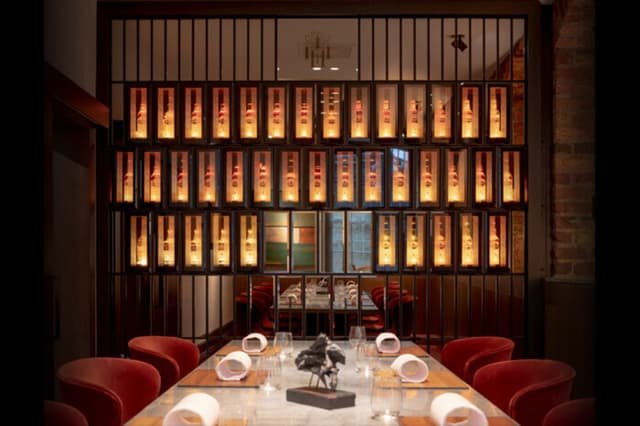
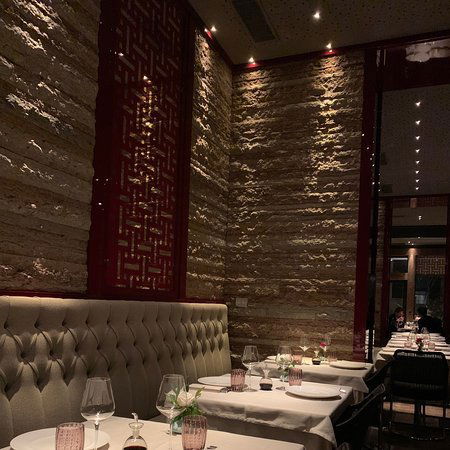
Room itself, according to the Michelin record, combines elegance with modern design and Asian influences. For explorers who care about context, this matters: the space signals that the kitchen's ambition has been matched at the front-of-house level. It is not a canteen. Milan's higher-end Chinese options, including Gong and Ba Restaurant, compete more on atmosphere and price than on regional culinary depth. Bon Wei's differentiation is its menu architecture.
For context on where Bon Wei sits globally: the project of presenting regional Chinese cooking to a European audience with real fidelity is rare. Restaurant Tim Raue in Berlin does it at a Michelin two-star level with entirely different pricing. Mister Jiu's in San Francisco does it through a Chinese-American hybrid lens. Bon Wei's approach, presenting the source material across eight regions without a celebrity format, is its own category.
Lunch vs Dinner: How the Two Experiences Compare
The Michelin Plate designation applies to the full restaurant experience, and the regional menu depth is the same across services. But practically, lunch and dinner at a venue like this operate differently for the diner.
Lunch at Bon Wei is the stronger value play. At the €€ price tier in a non-tourist district of Milan, a midday visit allows you to work through the menu more deliberately, appetisers, dumplings, and a regional speciality, without the social tempo of a dinner service.
Dinner is better if the occasion justifies a longer table: the room's design and the menu's range make it a solid choice for a group that wants to share widely across the eight regional sections. Szechuan dishes alongside Zhejiang specialities, dumplings as a shared starter, noodles as a mid-course, this is food that benefits from being ordered across a table of three or four rather than two. For couples, lunch is the more efficient format. For groups of four or more, the dinner service makes better use of the menu's width.
Neither service is a tasting menu format, so the decision comes down to how you want to pace your meal and how many dishes you can reasonably cover. The lunch case is stronger on pure value; the dinner case is stronger on experience depth when you have the right group size.
Booking and Practical Details
Booking at Bon Wei is rated Easy. You do not need to plan weeks ahead, but reservations are sensible for dinner on weekends, particularly if you are coming with a group. Check current hours and booking method directly with the restaurant, as neither is confirmed in available data.
The address is Via Lodovico Castelvetro, 16/18, in the Municipio 8 area of Milan, northwest of the centre, closer to the Monumentale and Bullona neighbourhoods than to the main tourist circuit. This is a deliberate destination visit rather than a walk-in off a piazza. If you are building a Milan dining itinerary, our full Milan restaurants guide gives broader context, and our Milan hotels guide can help position your base relative to neighbourhoods like this. The Milan bars guide, wineries guide, and experiences guide are also worth consulting for the full picture.
Dress code is not formally stated, but the Michelin Plate designation and the described room design point to smart-casual as a safe baseline. Price range is €€, so the financial commitment is modest relative to the quality signal, this is not a white-tablecloth splurge.
For reference on what serious Chinese dining looks like in other Italian contexts, Le Nove Scodelle is the other Milan name worth cross-referencing before you book. If your broader Italy itinerary includes fine dining stops, our records for Osteria Francescana in Modena, Dal Pescatore in Runate, Uliassi in Senigallia, Reale in Castel di Sangro, Quattro Passi in Marina del Cantone, and Atelier Moessmer Norbert Niederkofler in Brunico are all available.
Quick reference:
Planning details
- Location
- Via Lodovico Castelvetro, 16/18, 20154 Milano MI, Italy
- Website
- bon-wei.it
- Phone
- +39 02 341308
The take
The Take
The Vibe
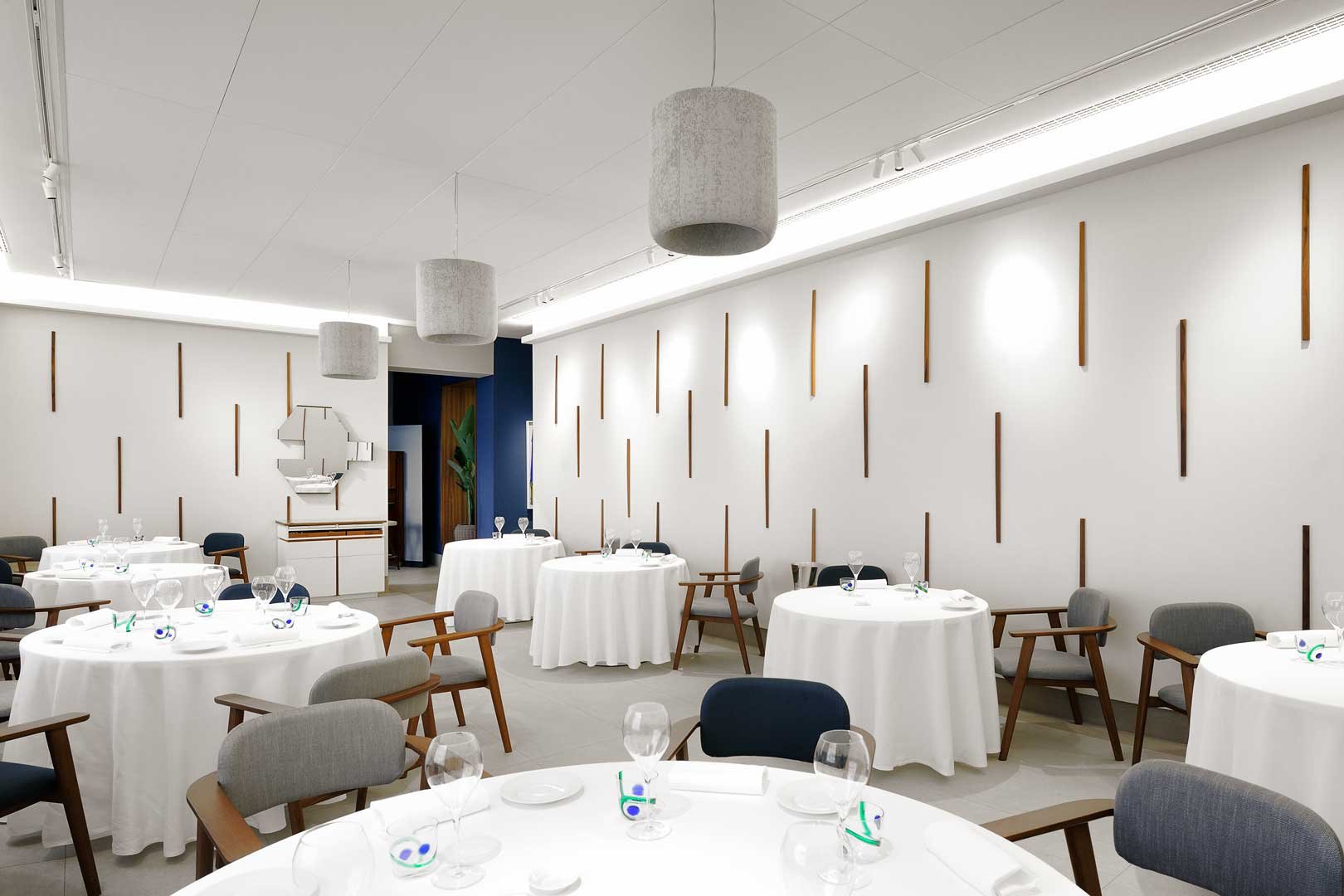
Bon Wei presents a deliberately pared-back aesthetic: the dining room favors clean modern lines and discreet Asian design references that signal intent from the moment you enter. The space reads as refined rather than flashy, privileging composition and restraint over ornament. That quiet discipline in the room mirrors the kitchen’s ambitions — the Michelin Plate recognition frames the restaurant as a serious, design-forward address within Milan’s Chinatown-adjacent stretch. Overall, the restaurant feels like a thoughtfully curated spot where architecture and interiors meet culinary purpose, creating a minimalist backdrop for focused dining.
Best For
Bon Wei is built for occasions that value craft and composure. The dining room’s considered design and the kitchen’s consecutive Michelin Plate nods make it a natural choice for date nights, business dinners and small special occasions where quality and quiet confidence matter. Its programme—spanning eight regional Chinese traditions—gives the meal breadth and seriousness that suit celebratory or professional meals, while the Chinatown-adjacent location anchors it in an authentic local milieu. The result is a measured, upscale setting for guests seeking attentive cooking rather than casual takeaway-style service.
Ordering Tips
Focus on the house signatures and the regional ambition when ordering. Peking Duck and dim sum are highlighted specialties and are useful starting points for gauging the kitchen’s approach to technique and texture. The menu’s stated remit across eight Chinese regions encourages sampling: pick a mix of classic preparations and a few lesser-known regional plates to understand the kitchen’s range. Because the restaurant positions itself above the neighbourhood canteen, expect composed presentations and dishes that reward shared tasting rather than single-course convenience.
Venue details
Ambiance
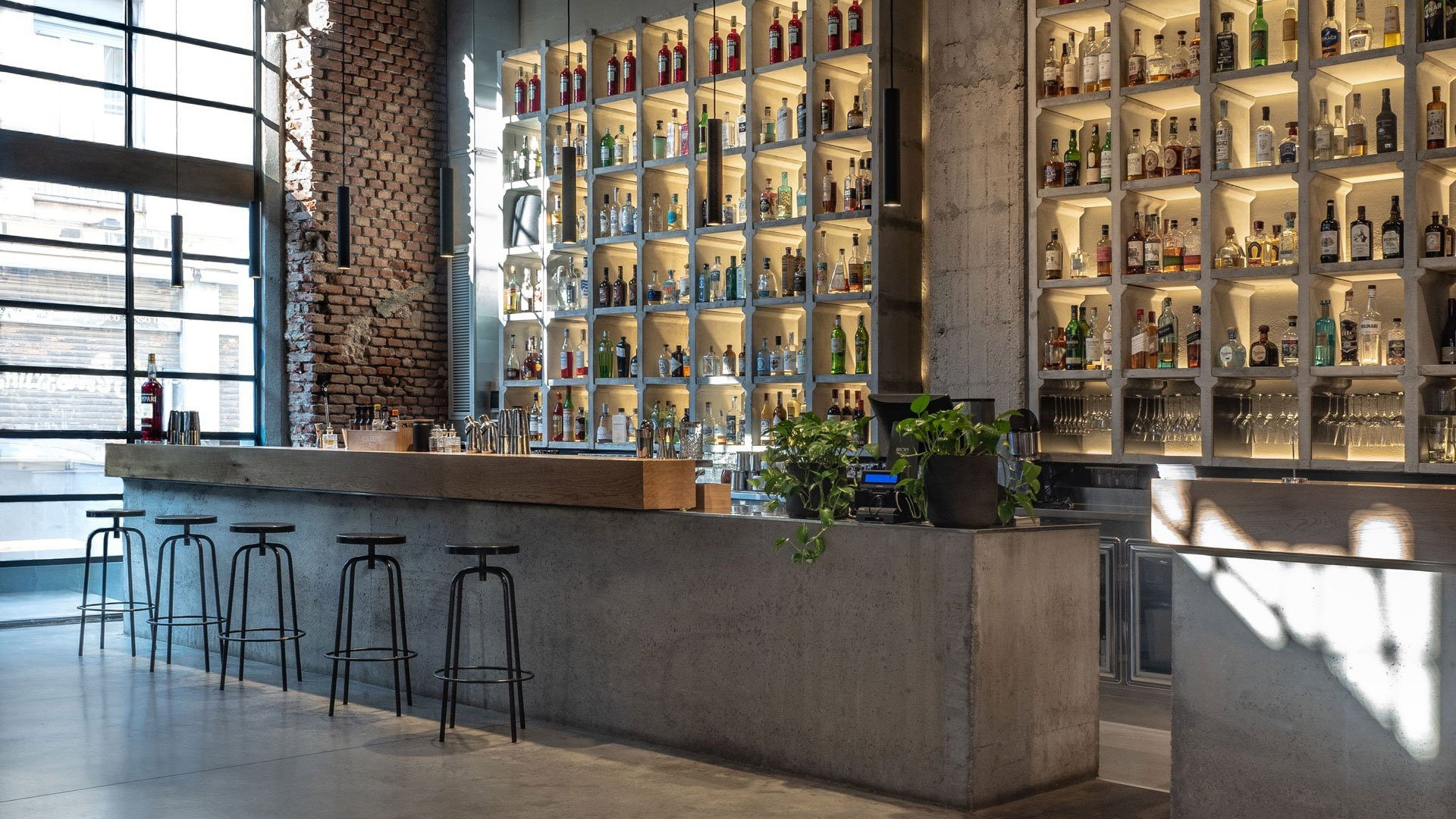
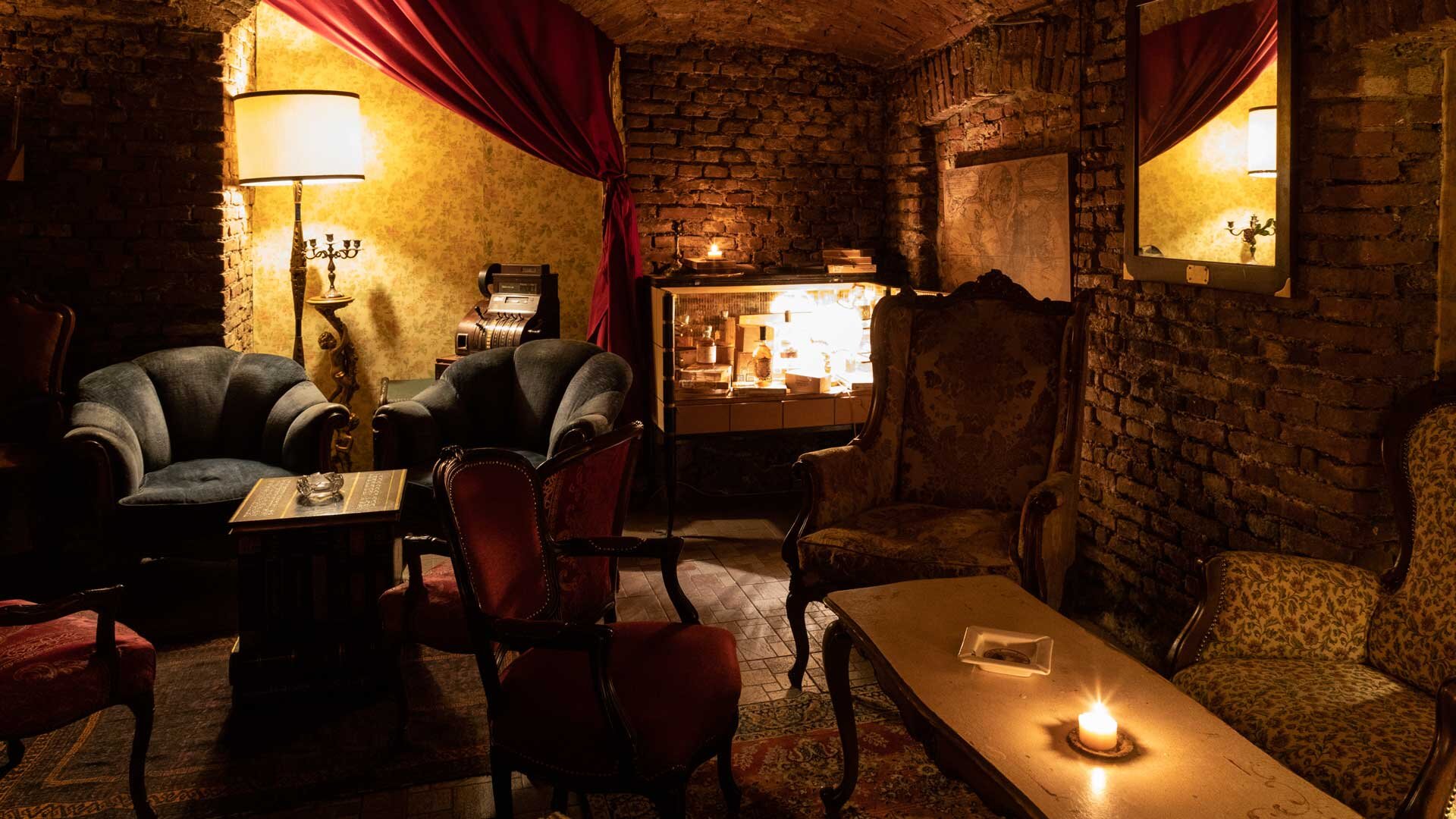
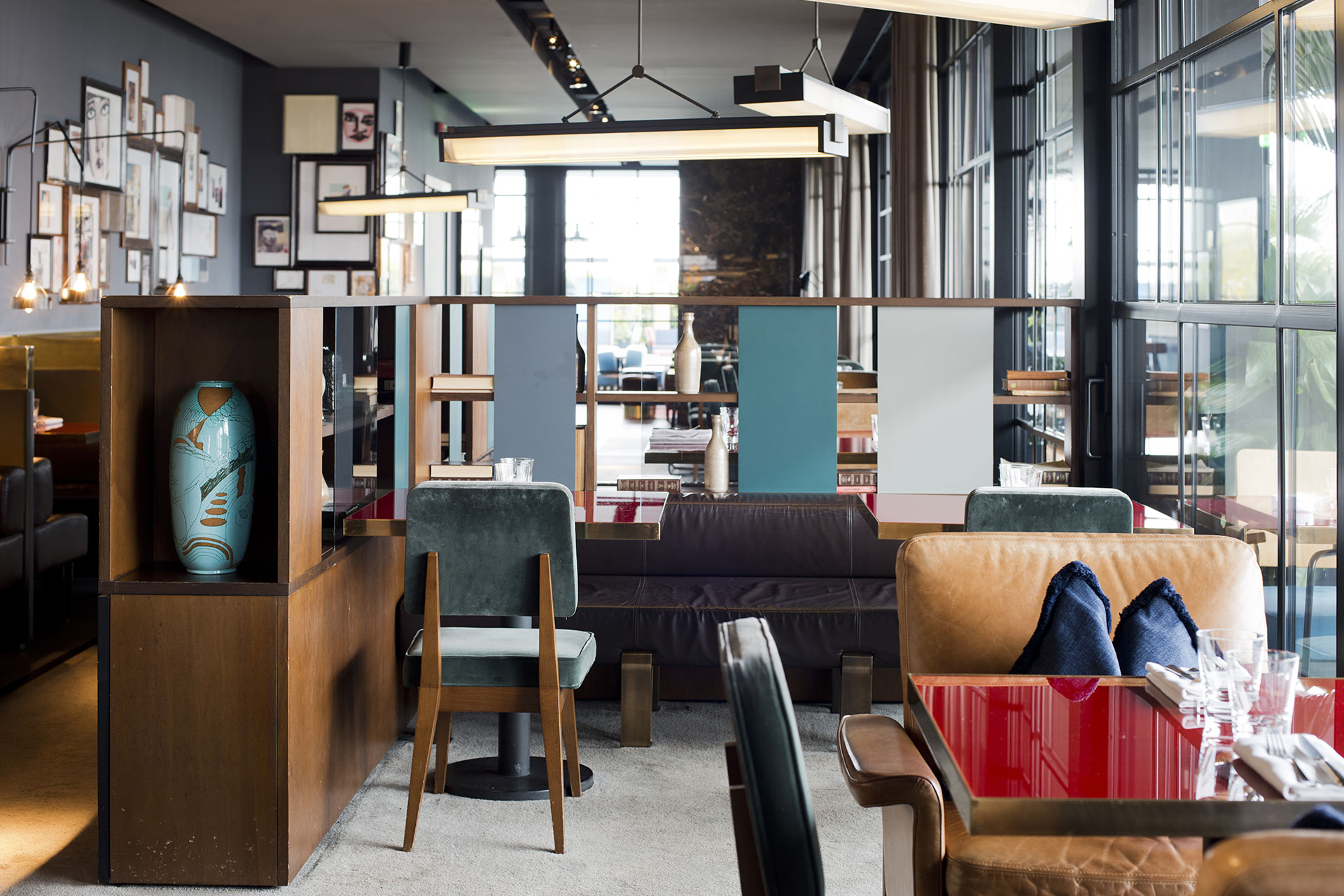
Elegant and modern decor blending sophistication with Asian influences, chic yet inviting atmosphere with burgundy mirrors and glass.
Tags
Vibe
Best For
Experience
At the Table
- Dress Code
- Smart Casual
- Noise Level
- Conversational
- Service Style
- Upscale Casual
- Meal Pacing
- Leisurely
- Capacity
- Medium
- Kitchen
- Traditional
- Menu Format
- A la carte, Small plates
- Wine Program
- Curated
- Dietary
- Vegetarian friendly, Vegan options
- Private Dining
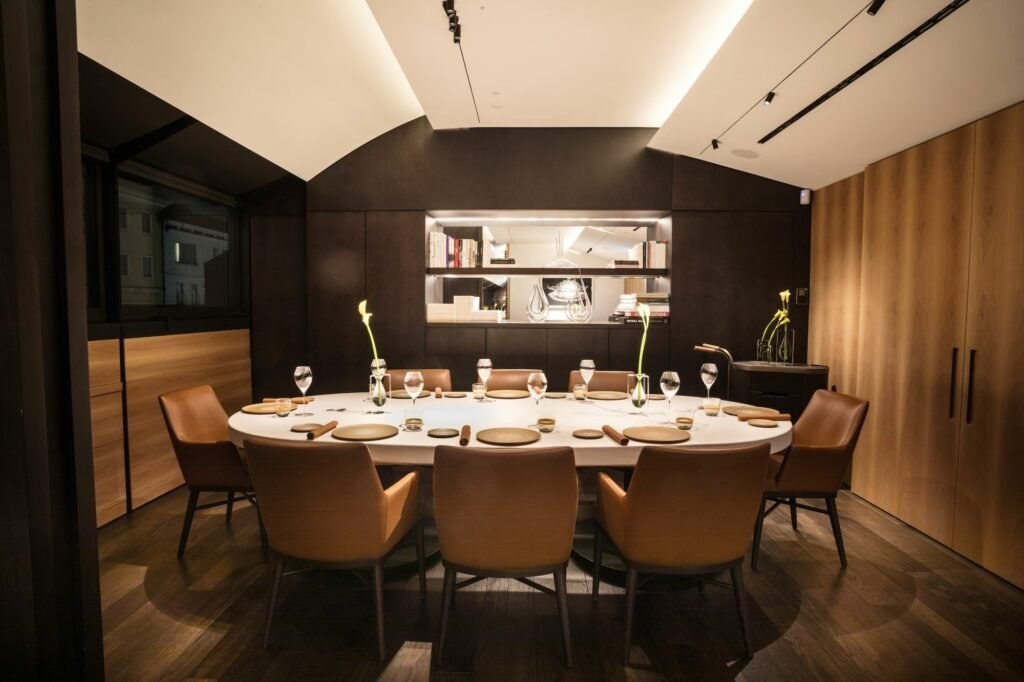
- Available
Signature Dishes
- Peking Duck
- Dim Sum
Know before you go
Know Before You Go
- Getting there
- Via Lodovico Castelvetro, 16/18, 20154 Milano MI, Italy
Planning details
Location
Recognition and awards
Also consider
Also Consider
- Enrico Bartolini, Creative, €€€€
- Cracco in Galleria, Modern Cuisine, €€€€
- Andrea Aprea, Modern Italian, Italian Contemporary, €€€€
- Seta, Modern Italian, €€€€
- Horto, Modern Italian, Modern Cuisine, €€€€
Restaurant context
Bon Wei does not compete with Milan's €€€€ fine dining tier, Enrico Bartolini, Cracco in Galleria, Andrea Aprea, Seta, and Horto are all operating in a different price and format category entirely. Those five are all modern Italian or creative tasting-menu propositions at €€€€, and they are the right choice if you want Michelin-starred Italian cuisine in Milan. Bon Wei serves a different function: it is the credentialled choice for regional Chinese cooking at a price point that carries no equivalent risk.
Within its actual competitive set, Chinese restaurants in Milan, Bon Wei's Michelin Plate recognition separates it from most alternatives. Gong and Ba Restaurant compete more on atmosphere and cocktail programming than on regional culinary depth. Le Nove Scodelle is the other name worth checking before you book, depending on the style of Chinese cooking you are after.
If you are building a Milan dining itinerary and want to cover different cuisine categories across multiple nights, Bon Wei is the practical answer for Chinese. Book it at €€ with easy availability, save the €€€€ budget for one of the starred Italian venues above. The two categories do not overlap, and Bon Wei fills a gap in Milan's dining map that no Italian restaurant on this list addresses.
Around this place
Discover more on Pearl
Unlock the full Bon Wei guide in Pearl, including awards, comparisons, FAQs, planning details, and nearby places.
Compare Bon Wei
| Venue | Price | Booking Difficulty | Awards |
|---|---|---|---|
| Bon Wei | €€ | Easy | 2026 Michelin Plate2025 Michelin Plate2024 Michelin Plate |
| Enrico Bartolini | €€€€ | Unknown | 2026 OAD Top Restaurants in Europe Ranked · #762026 Michelin 3 Stars2026 Les Grandes Tables du Monde Members2026 La Liste Top Restaurants2026 Falstaff Restaurant Guide2025 OAD Top Restaurants in Europe Ranked · #722025 Michelin 3 Stars2025 Michelin 1 Star2025 La Liste Top Restaurants |
| Cracco in Galleria | €€€€ | Unknown | 2026 Michelin 1 Star2025 OAD Top Restaurants in Europe Ranked · #2282025 Michelin 1 Star2025 Wine Spectator Grand Award2024 OAD Top Restaurants in Europe Ranked · #218World's Best Wine Lists 20242024 Michelin 1 Star2023 OAD Top New Restaurants in Europe Highly Recommended2011 World's 50 Best Restaurants · #33 |
| Andrea Aprea | €€€€ | Unknown | 2026 OAD Top Restaurants in Europe Recommended2026 Les Grandes Tables du Monde Members2026 Michelin 2 Stars2026 La Liste Top Restaurants2026 Falstaff Restaurant Guide2025 OAD Top Restaurants in Europe Ranked · #3212025 La Liste Top Restaurants2025 Michelin 2 Stars2025 The Best Chef Two Knives |
| Seta | €€€€ | Unknown | 2026 OAD Classical in Europe Ranked · #332026 Wine Spectator Best of Award of Excellence2026 Les Grandes Tables du Monde Members2026 Michelin 2 Stars2026 La Liste Top Restaurants2026 Falstaff Restaurant Guide2025 OAD Classical in Europe Ranked · #292025 OAD Casual in North America Ranked · #454We're Smart World Top Restaurants 2025 |
| Horto | €€€€ | Unknown | 2026 OAD Top Restaurants in Europe Recommended2026 Michelin 1 Star2025 OAD Top Restaurants in Europe Ranked · #190We're Smart World Top Restaurants 20252025 Michelin 1 Star2024 OAD Top Restaurants in Europe Ranked · #1942024 Michelin 1 Star2023 OAD Top New Restaurants in Europe Highly Recommended |















What to weigh when choosing between Bon Wei and alternatives.
FAQ
Frequently Asked Questions
What should I order at Bon Wei?
The Michelin Guide flags the breadth of the menu as the main draw: eight regional cuisines ranging from Szechuan spice to the lighter preparations of Zhejiang. Start with dumplings and appetisers to get a read on the kitchen's range, then commit to a regional specialty rather than ordering generically. The noodle and meat sections are also highlighted as key parts of the lineup.
How far ahead should I book Bon Wei?
Booking is rated Easy, which means you likely won't need weeks of lead time. That said, a Michelin Plate at a €€ price point in Milan draws steady interest, so booking two to three days ahead for weekday dinners and a week out for Friday or Saturday is sensible. Walk-in attempts at lunch are more plausible than at dinner.
What should I wear to Bon Wei?
The decor is described as elegant with modern and Asian influences, which suggests the space is smarter than a casual neighbourhood spot. Clean, put-together clothes are a reasonable call — think the level you'd bring to a mid-tier Milanese restaurant, not a fine-dining formal room.
Is Bon Wei worth the price?
At €€ with a Michelin Plate (2024 and 2025), yes. You're getting recognised kitchen quality at a price point well below what Michelin recognition usually costs in Milan. For comparison, Italian fine dining peers like Seta or Andrea Aprea sit at €€€€. Bon Wei delivers value that those venues can't match on the price-to-recognition ratio.
What should a first-timer know about Bon Wei?
Expect more range than most Chinese restaurants in Italy: the menu covers eight distinct regional styles, which is uncommon in Milan's Chinese dining options. The Michelin Plate (2025) signals consistent execution, not just ambition. Come with a plan to order across at least two or three regions to make the most of what the kitchen is doing.