.png?width=1200&quality=80)
Antica Osteria il Ronchettino
Milanese · Gratosoglio - Q.Re Missaglia - Q.Re Terrazze, Milan
Restaurant in Milan, Italy
 Book with Pearl
The Read
17th-Century Milanese Table
Price
$50–100per person
Dress
Smart Casual
Why go
Antica Osteria il Ronchettino is the most historically grounded address for Milanese cooking in the city, serving mondeghili, risotto alla Milanese, and an oversized cutlet from a late-17th-century building in Gratosoglio. Book ahead for Sunday lunch.
About Antica Osteria il Ronchettino
Who Should Book Antica Osteria il Ronchettino — and When
If you are in Milan for a Sunday lunch and want to eat proper Milanese food in a room that has been feeding people since the late 17th century, this is the booking to make. Il Ronchettino is not a tourist trap dressed in vintage clothing. It is a working trattoria in the southern suburb of Gratosoglio, surrounded by 1960s apartment blocks, still cooking the dishes that defined the city's table for generations. It is the right call for food-focused travellers who want to understand what Milanese cuisine actually tastes like before spending an evening at a Michelin-starred address. At €€ pricing, it is also the rare case where the history and the quality arrive without a premium price tag.
A Venue Portrait
The origin story here is documented rather than invented. Napoleon is said to have stayed the night in 1800 at what was then a post house, and the venue's name derives from a broken horseshoe (ronchetto) associated with that visit. The building subsequently became a bakery, a butcher's shop, and a trattoria with an annexed bowling alley before arriving at its current form: a restaurant with rustic elegance that Michelin recognised with a Plate in 2025. The Michelin Plate signals food worth eating, without the multi-course ceremony of a starred room. That distinction matters here.
What you come for is the cooking. The menu leans into the Milanese canon without apology. Mondeghili, the fried meatballs made from leftover boiled meat that were historically the city's way of wasting nothing, appear here as a starter. Risotto alla Milanese — the saffron-gilded rice dish that has been misrepresented on menus across Europe, is cooked properly, with or without ossobuco alongside. The cutlet is described in the venue's own record as becoming "imperial" here, a larger-than-standard version meant to be shared, sometimes called the "elephant ear" for its size. These are not reconstructed heritage dishes. They are the dishes.
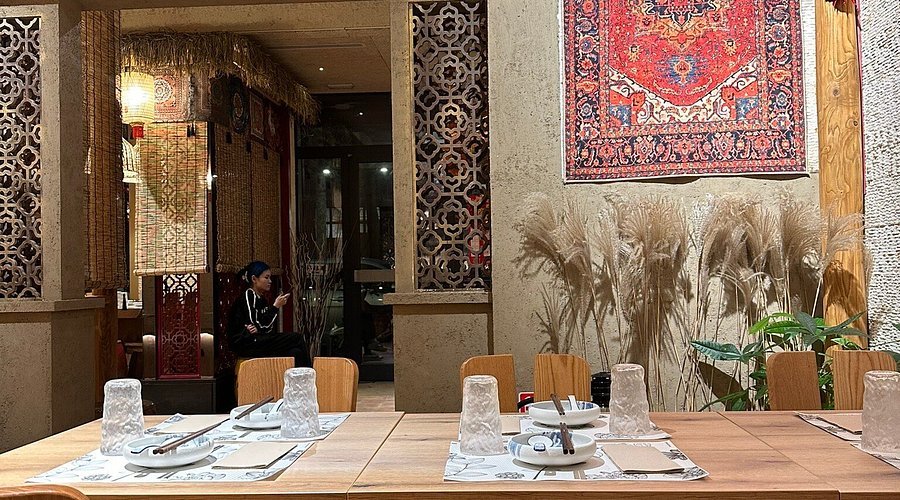
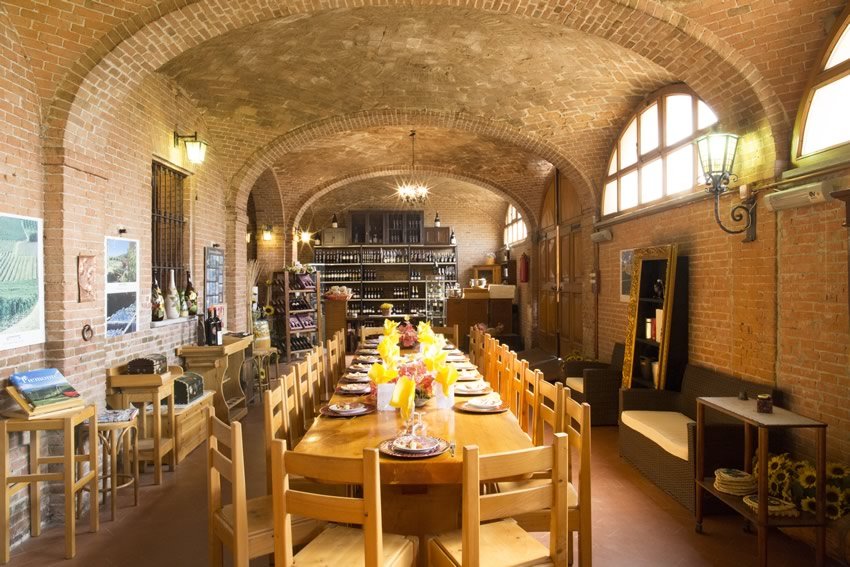
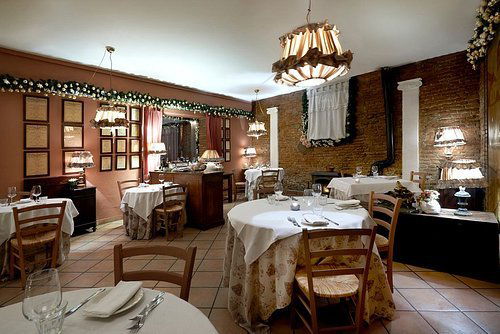
The interior has preserved its historic character through the urban transformation that surrounded it. While Gratosoglio filled with postwar social housing in the 1960s, the osteria kept its materials and proportions. That contrast, old fabric, new neighbourhood, gives the place a credibility that no amount of deliberate styling could manufacture. You are not eating in a themed interpretation of old Milan. You are eating in a room that predates most of the city's modern districts.
Compare that to trattorie in the city centre that score similarly but charge considerably more for the postcode. The value case here is clear.
The food-focused traveller who has already visited Osteria Francescana in Modena or Dal Pescatore in Runate will find Il Ronchettino useful as a counterpoint: this is what Italian regional cooking looks like when it has no ambition beyond getting the dish right. For that reason, it pairs well in an itinerary alongside a high-end dinner at somewhere like Enrico Bartolini. Lunch here, dinner there gives you the full range of what the city can offer at the table.
Gratosoglio is not a walking neighbourhood for visitors staying in the centre. Budget time to get here and back. The journey is worth it on a Sunday, when the city slows and the trattoria format makes most sense. Weekday lunch is also workable if your schedule allows. Avoid arriving expecting a tight modern-service experience, this is a room that moves at its own pace, and the cooking benefits from that.
For more context on eating well in the city, see our full Milan restaurants guide. If you are planning a broader trip, our full Milan hotels guide, our full Milan bars guide, and our full Milan experiences guide cover the rest of the city in the same format.
Ratings and Trust Signals
- Michelin Plate (2025), recognised for food worth a stop
- In operation since the late 17th century, with documented history predating the city's modern urban form
Booking and Practical Details
Reservations: Booking in advance is advisable, particularly for Sunday lunch, but this is an easy booking overall, no months-long wait list, no ticketing system. Dress: No formal dress code. Smart casual fits the room without effort. Budget: €€, expect to eat well at a price that will feel low relative to central Milan trattorie with equivalent quality. Getting there: Gratosoglio is in the southern periphery of Milan; plan for a taxi or tram rather than a short walk from the centre. Leading time: Sunday lunch is the optimal visit. The format and pace of the place suit a long midday meal. Group size: Works for couples and small groups; confirm availability for larger parties when booking.
Other Milanese Restaurants Worth Knowing
If Il Ronchettino is your benchmark for classic Milanese cooking, also consider Latteria for a smaller, neighbourhood-focused experience, and Boeucc for a more central setting with similar regional ambitions. Bice and Il Cairoli are worth noting if location closer to the city centre matters more than maximum authenticity. For regional Italian cooking outside Milan, Uliassi in Senigallia, Quattro Passi in Marina del Cantone, Reale in Castel di Sangro, and Atelier Moessmer Norbert Niederkofler in Brunico each represent the regional Italian table at a different register. And if you are benchmarking technique across categories internationally, Le Bernardin in New York City sets the comparison point for what precision cooking at the top of its tier looks like. For trattoria-format cooking closer to Milan, Osteria del Ponte in Trezzano sul Naviglio is the nearest peer. See also our full Milan wineries guide if wine context matters to your planning.
Planning details
- Location
- Via Lelio Basso, 9, 20142 Milano MI, Italy
- Reservations
- Book on TheFork
- Website
- ronchettino.it
- Phone
- +39 342 564 3955
The take
The Take
The Vibe
Il Ronchettino reads like a place that was already seasoned when the surrounding neighbourhood took shape. The building’s history as a 17th-century post station and its survival amid 1960s residential blocks give the trattoria a quietly authoritative presence: rooms that favor continuity over reconstruction and an interior described as 'rustic elegance.' Regulars populate the dining room on ordinary weekdays, and that familiarity shapes the service and pace. The resulting vibe is intimate and reassuringly old-world, a Milanese outpost where the architecture and the food speak to long-standing tradition rather than fashion.
Best For
This is a destination for diners who appreciate tradition and a quietly intimate setting. The room’s historic character and the way service moves with practiced shorthand make it especially well suited to date nights and special occasions that ask for something rooted and sincere rather than flashy. It also rewards repeat visits: people who return know the menu and enjoy the shorthand between kitchen and table, so it’s an ideal spot for guests seeking a classic Milanese trattoria experience that emphasizes continuity, comfort, and well-executed regional dishes.
Ordering Tips
Stick to the house classics and let the staff guide you: signature plates such as Cotoletta Orecchia d'Elefante, Osso Buco with Risotto Milanese and Mondeghili are highlighted for a reason. The copy notes a clientele of regulars who 'know the menu,' which implies daily or seasonal specialties and a service shorthand—ask your server for recommendations or the day’s standout preparations. Portions and traditional preparations are likely the focus, so plan to order a hearty main and share antipasti or sides in true trattoria fashion.
Venue details
Ambiance
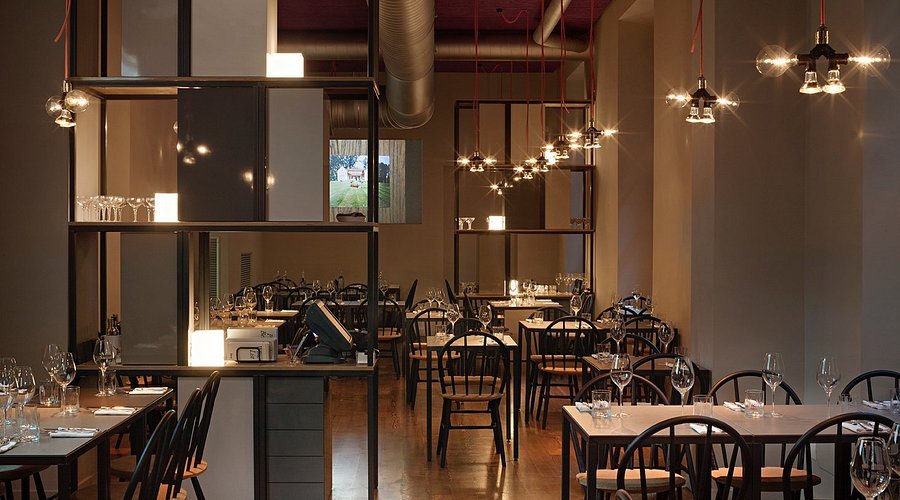
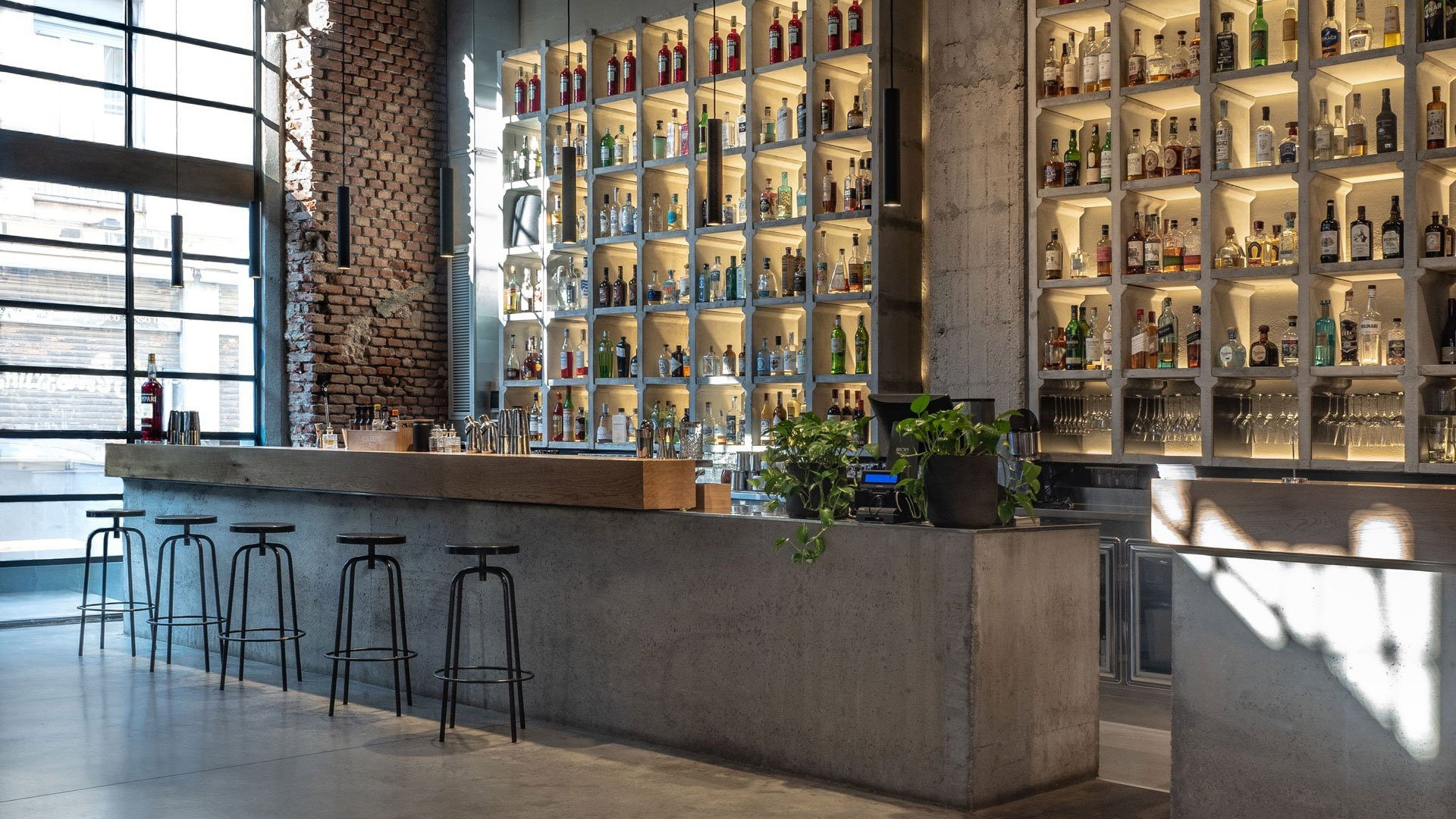
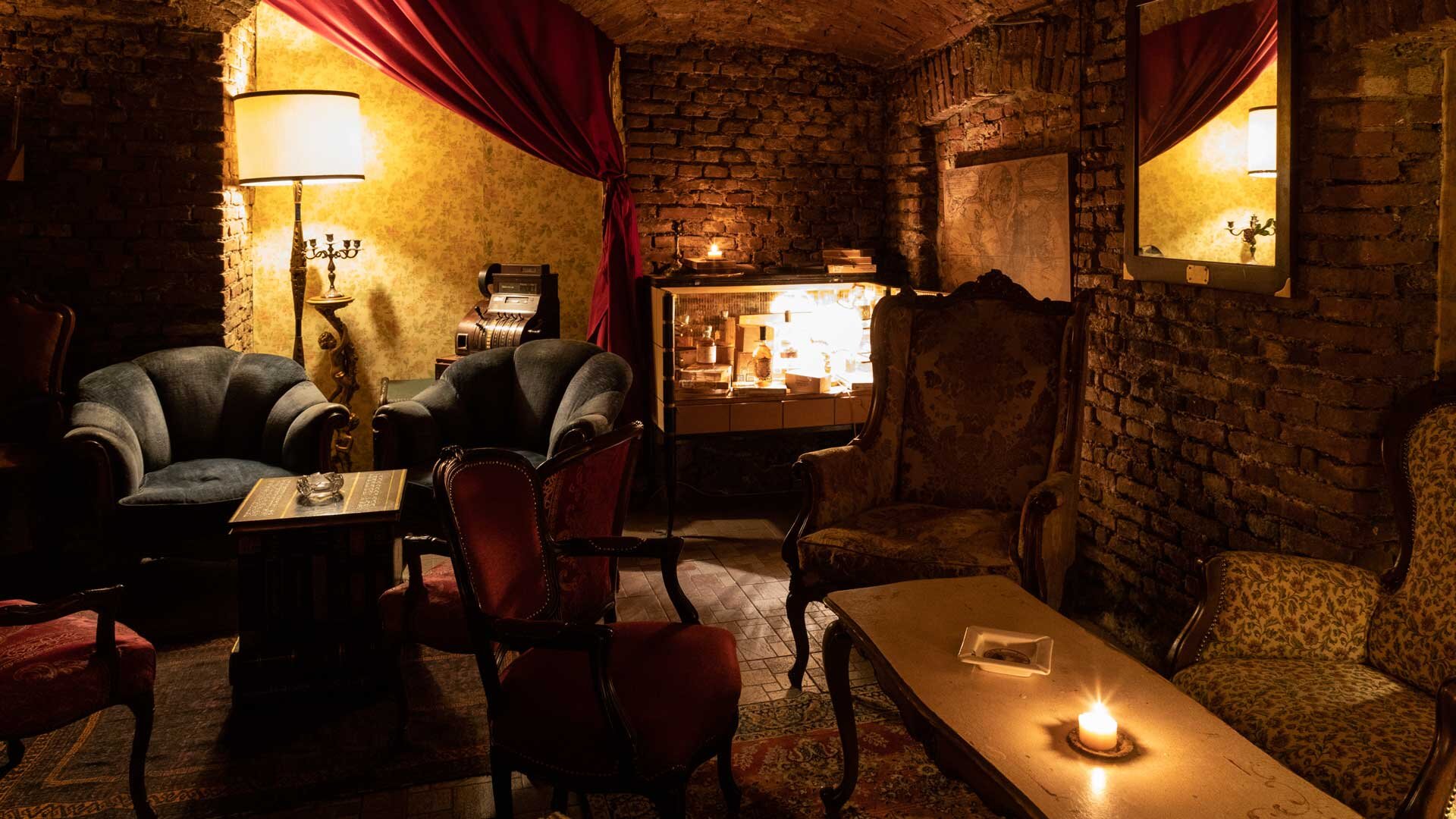
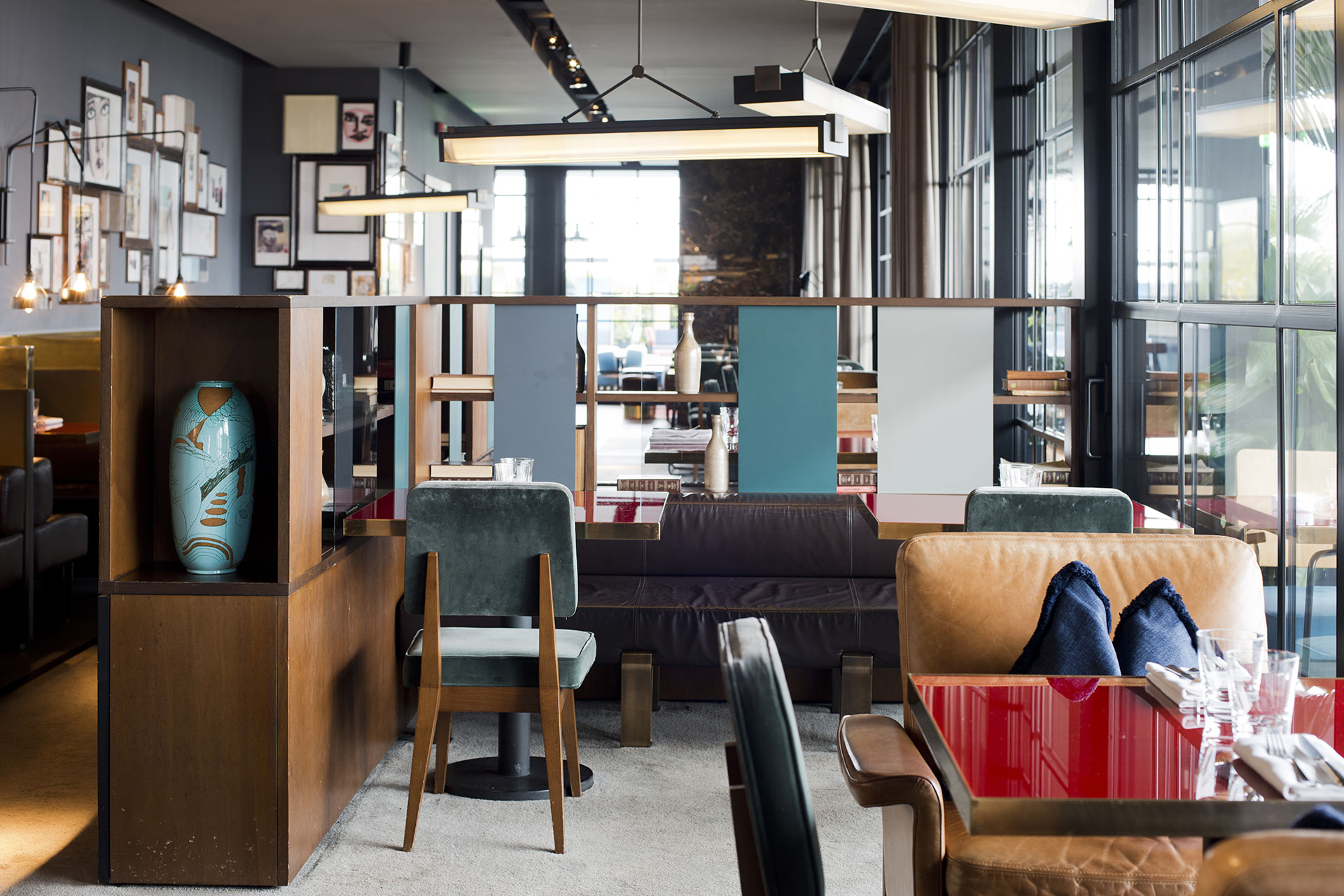
Cozy and romantic with rustic red-brick decor, warm lighting, old Milan photos on walls, and soothing old-farmhouse atmosphere.
Tags
Vibe
Best For
Experience
View
Accessibility
At the Table
- Dress Code
- Smart Casual
- Noise Level
- Quiet
- Service Style
- Upscale Casual
- Meal Pacing
- Leisurely
- Capacity
- Small
- Kitchen
- Traditional
- Menu Format
- A la carte
- Wine Program
- Curated
- Dietary
- Vegetarian friendly
- Outdoor Seating
- Yes
Signature Dishes
- Cotoletta Orecchia d'Elefante
- Osso Buco with Risotto Milanese
- Mondeghili
Know before you go
Know Before You Go
- Getting there
- Via Lelio Basso, 9, 20142 Milano MI, Italy
Planning details
Location
Via Lelio Basso, 9, 20142 Milano MI, Italy · Directions
Recognition and awards
Also consider
Also Consider
- Enrico Bartolini, Creative, €€€€
- Cracco in Galleria, Modern Cuisine, €€€€
- Andrea Aprea, Modern Italian, Italian Contemporary, €€€€
- Seta, Modern Italian, €€€€
- Horto, Modern Italian, Modern Cuisine, €€€€
Restaurant context
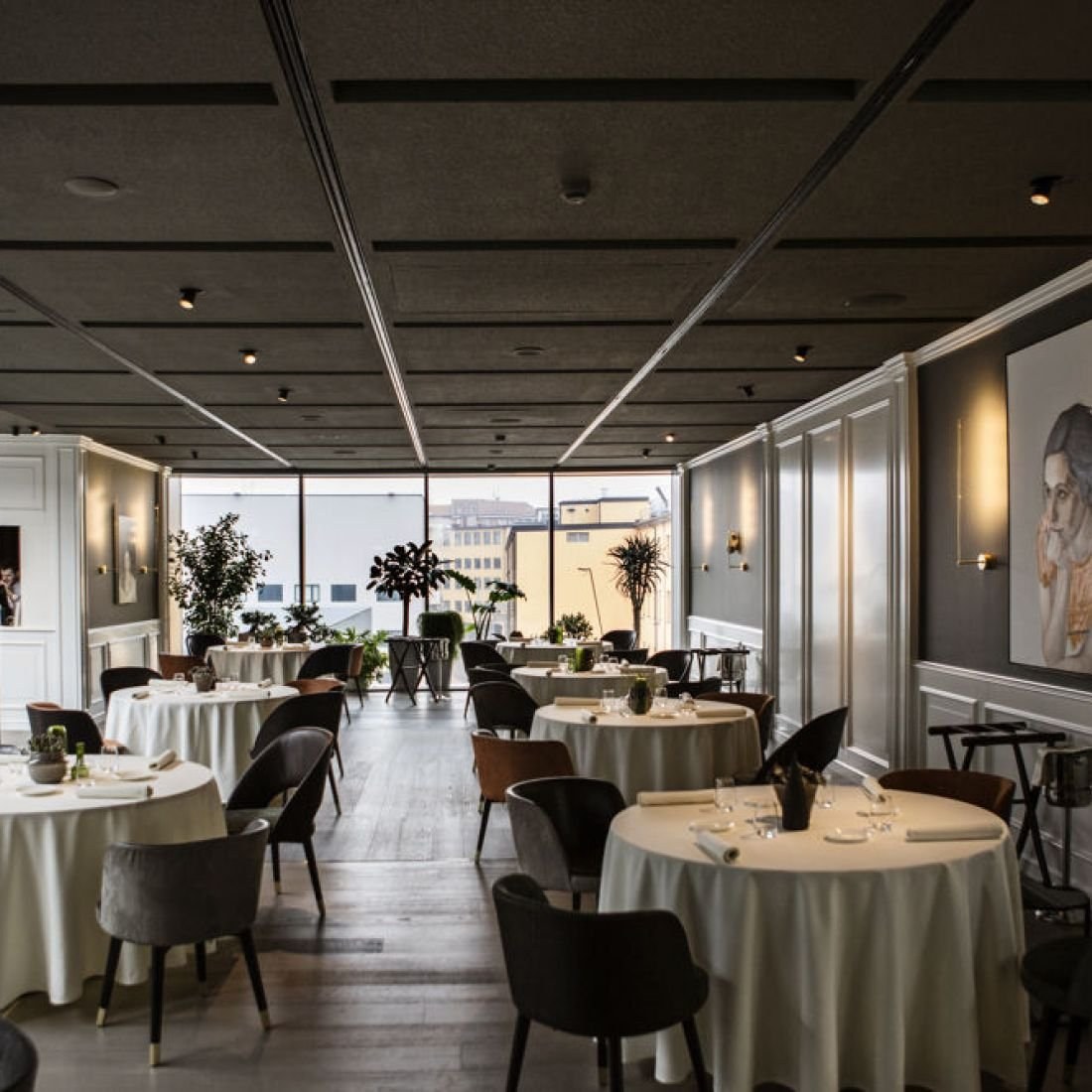
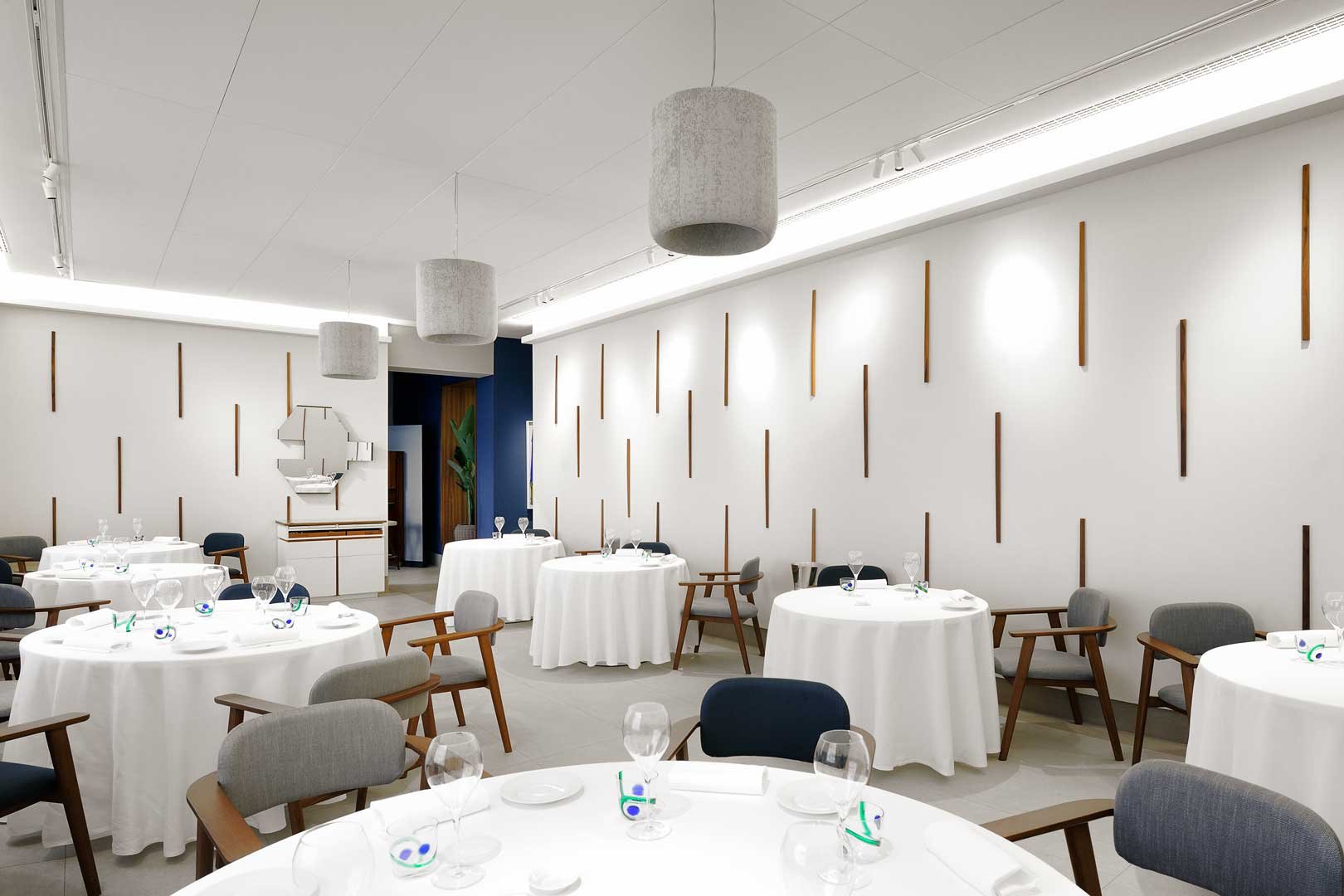
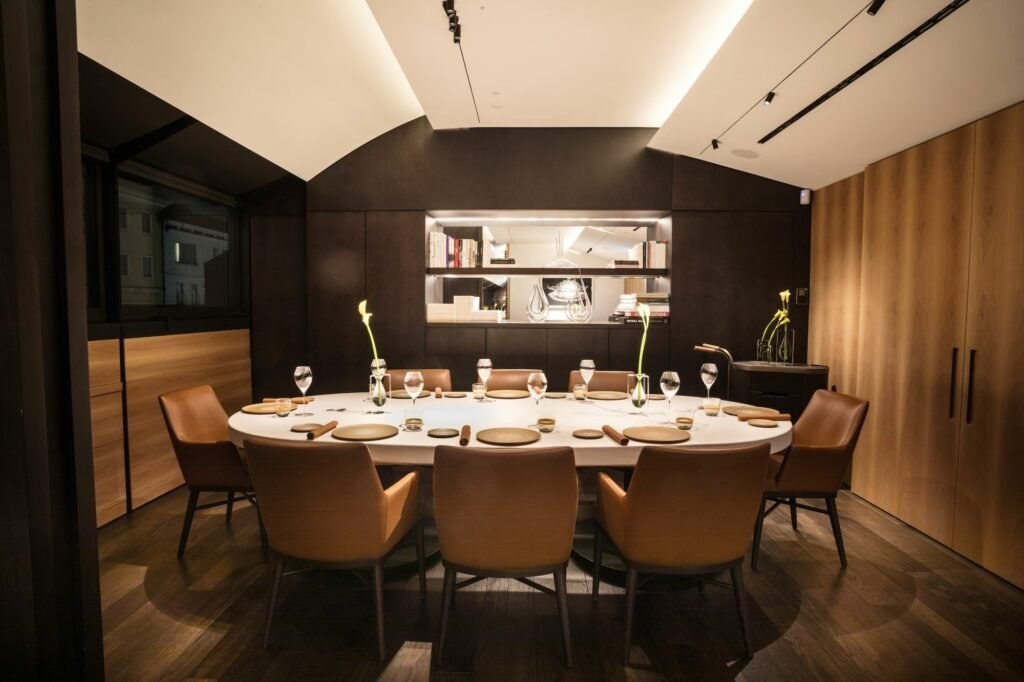
Against Milan's €€€€ modernist addresses, Il Ronchettino occupies a different position entirely. Enrico Bartolini, Cracco in Galleria, Andrea Aprea, Seta, and Horto all operate as destination restaurants where the cooking is a reworked or contemporary interpretation of Italian cuisine. Il Ronchettino does not compete with them on ambition or technique at that register. What it offers instead is the Milanese canon, the actual dishes, cooked without reinterpretation, at a fraction of the price.
If you have one dinner in Milan and want the most technically accomplished or formally presented meal, book Seta or Andrea Aprea. Both hold Michelin stars and operate with the service infrastructure that justifies their price. Enrico Bartolini is the pick if creative cooking with a strong regional reference is the priority. Cracco is best positioned for the setting, inside the Galleria Vittorio Emanuele II, more than for value. Horto is worth considering if a plant-forward modern Italian menu is the goal.
Il Ronchettino is the right booking when the objective is understanding what Milanese cooking actually looks like before or alongside those experiences, or when budget is a constraint without wanting to sacrifice quality. For a food-focused itinerary, lunch here and dinner at one of the starred addresses is a more useful combination than two meals at the same price tier.
Around this place
Discover more on Pearl
Unlock the full Antica Osteria il Ronchettino guide in Pearl, including awards, comparisons, FAQs, planning details, and nearby places.
Compare Antica Osteria il Ronchettino
| Venue | Price | Awards |
|---|---|---|
| Antica Osteria il Ronchettino | €€ | 2026 Michelin Plate2025 Michelin Plate2024 Michelin Plate |
| Enrico Bartolini | €€€€ | 2026 OAD Top Restaurants in Europe Ranked · #762026 Michelin 3 Stars2026 Les Grandes Tables du Monde Members2026 La Liste Top Restaurants2026 Falstaff Restaurant Guide2025 OAD Top Restaurants in Europe Ranked · #722025 Michelin 3 Stars2025 Michelin 1 Star2025 La Liste Top Restaurants |
| Cracco in Galleria | €€€€ | 2026 Michelin 1 Star2025 OAD Top Restaurants in Europe Ranked · #2282025 Michelin 1 Star2025 Wine Spectator Grand Award2024 OAD Top Restaurants in Europe Ranked · #218World's Best Wine Lists 20242024 Michelin 1 Star2023 OAD Top New Restaurants in Europe Highly Recommended2011 World's 50 Best Restaurants · #33 |
| Andrea Aprea | €€€€ | 2026 OAD Top Restaurants in Europe Recommended2026 Les Grandes Tables du Monde Members2026 Michelin 2 Stars2026 La Liste Top Restaurants2026 Falstaff Restaurant Guide2025 OAD Top Restaurants in Europe Ranked · #3212025 La Liste Top Restaurants2025 Michelin 2 Stars2025 The Best Chef Two Knives |
| Seta | €€€€ | 2026 OAD Classical in Europe Ranked · #332026 Wine Spectator Best of Award of Excellence2026 Les Grandes Tables du Monde Members2026 Michelin 2 Stars2026 La Liste Top Restaurants2026 Falstaff Restaurant Guide2025 OAD Classical in Europe Ranked · #292025 OAD Casual in North America Ranked · #454We're Smart World Top Restaurants 2025 |
| Horto | €€€€ | 2026 OAD Top Restaurants in Europe Recommended2026 Michelin 1 Star2025 OAD Top Restaurants in Europe Ranked · #190We're Smart World Top Restaurants 20252025 Michelin 1 Star2024 OAD Top Restaurants in Europe Ranked · #1942024 Michelin 1 Star2023 OAD Top New Restaurants in Europe Highly Recommended |















Side-by-side comparison to help you decide where to book.
FAQ
Frequently Asked Questions
Can Antica Osteria il Ronchettino accommodate groups?
Groups are feasible here — the trattoria format and rustic-elegant room lend themselves to communal dining better than a tasting-menu counter would. Call ahead for parties of six or more. The shareable 'imperial' cutlet (sized for two) is worth factoring into your order at a €€ price point, keeping the bill manageable even for a larger table.
What should a first-timer know about Antica Osteria il Ronchettino?
This is a working Milanese trattoria in the Gratosoglio neighbourhood, not a city-centre showroom. The address is Via Lelio Basso, 9 — plan your journey south of the centre. Order the mondeghili, risotto alla milanese, and at minimum share the oversized cotoletta. The Michelin Plate (2025) confirms the kitchen is consistent, but the point is eating food that has stayed faithful to its neighbourhood for over three centuries.
How far ahead should I book Antica Osteria il Ronchettino?
A few days is generally enough, but book at least a week ahead for Sunday lunch, which is the session most likely to fill. This is not a months-long-waitlist venue — at €€, it serves a regular neighbourhood clientele, not an international reservation queue. Early booking still pays off if you have a fixed date.
What are alternatives to Antica Osteria il Ronchettino in Milan?
Latteria is the closer comparison for a small, neighbourhood-focused trattoria with a similarly personal register. Boeucc is the choice if you want historic Milanese cooking with a grander city-centre setting and a higher spend. For modern Milanese fine dining, Seta or Andrea Aprea shift the format entirely — tasting menus, higher prices, a very different room.
Is the tasting menu worth it at Antica Osteria il Ronchettino?
There is no formal tasting menu here — this is à la carte trattoria dining, which is the point. Order the classics: mondeghili to start, risotto with or without ossobuco, and the imperial cutlet to share. At €€ per head, building your own meal from the Milanese canon is both more flexible and more representative of what Il Ronchettino actually does well.
Is Antica Osteria il Ronchettino good for a special occasion?
Yes, if the occasion calls for a sense of place rather than white-tablecloth formality. A venue in continuous operation since the late 17th century, holding a Michelin Plate in 2025, carries genuine weight. It works well for a birthday or anniversary dinner where the preference is for honest regional cooking over a choreographed tasting experience.
Is Antica Osteria il Ronchettino worth the price?
At €€, it is one of the better-value propositions for classic Milanese cooking in the city. The Michelin Plate (2025) signals consistent quality, and the dishes — risotto alla milanese, ossobuco, mondeghili, cotoletta — are the kind you come to Milan specifically to eat. You are not paying for a chef's CV or a design-led room; you are paying for food that has been refined in one place for a very long time.