
.png?width=1200&quality=80)
Altatto Bistrot
Vegetarian · Moncucco - San Cristoforo, Milan
Restaurant in Milan, Italy
 Book with Pearl
The Read
Plant-Based Haute Cuisine
Price
$50–100per person
Dress
Smart Casual
Why go
Altatto Bistrot is Milan's most accessible entry point into serious vegetarian fine dining: a Michelin Plate 2025 recipient at €€ pricing, run by three chefs who trained in the tradition of Joia. The tasting menu format, intimate converted-bakery room, and seasonally driven kitchen make it the clear choice for plant-based cooking in the city without the €€€€ commitment of Milan's starred tier.
About Altatto Bistrot
Verdict: A Michelin-Recognised Vegetarian Counter Worth Booking in Milan
The most common misconception about Altatto Bistrot is that it's a health-food restaurant making concessions to diners who don't eat meat. It isn't. This is plant-based cooking with genuine technical ambition, recognised by the Michelin Guide with a Plate in 2025 and explicitly framed by the inspectors as delivering "delicious, colourful and beautifully presented dishes." The three chefs behind the project, Cinzia, Giulia, and Sara, drew their inspiration from Joia, Pietro Leemann's long-running Milan institution and one of the earliest fine-dining vegetarian restaurants in Europe. The comparison is useful: where Joia operates at a higher price tier with a more philosophical approach, Altatto pitches itself at a €€ price point, making Michelin-adjacent vegetarian cooking genuinely accessible in a city where the category is thin.
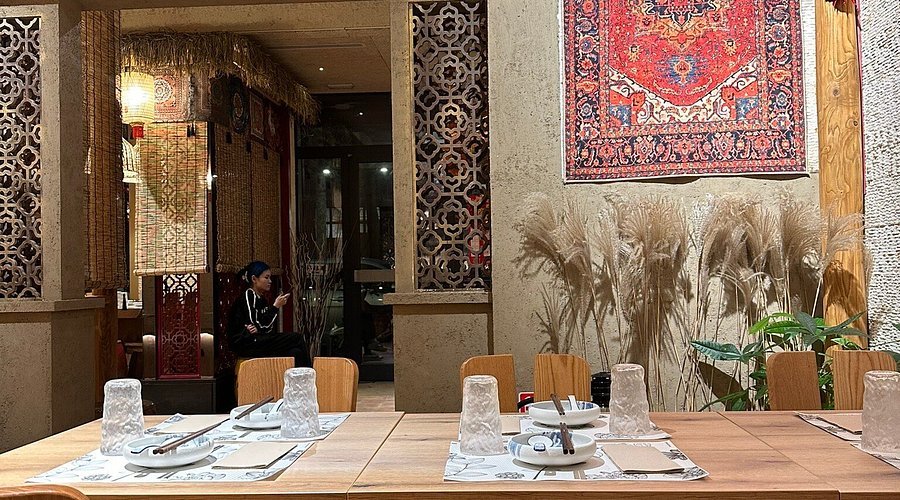
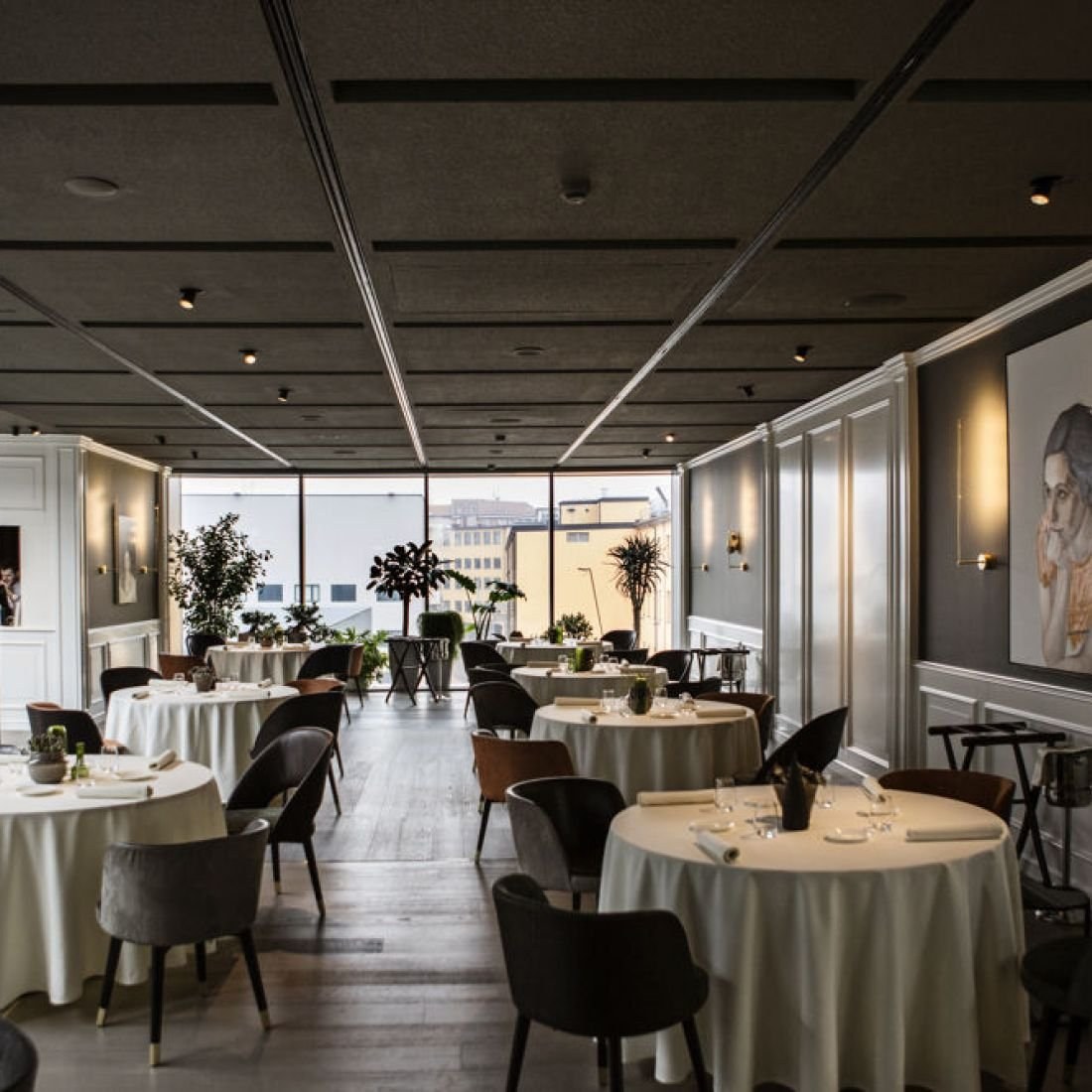
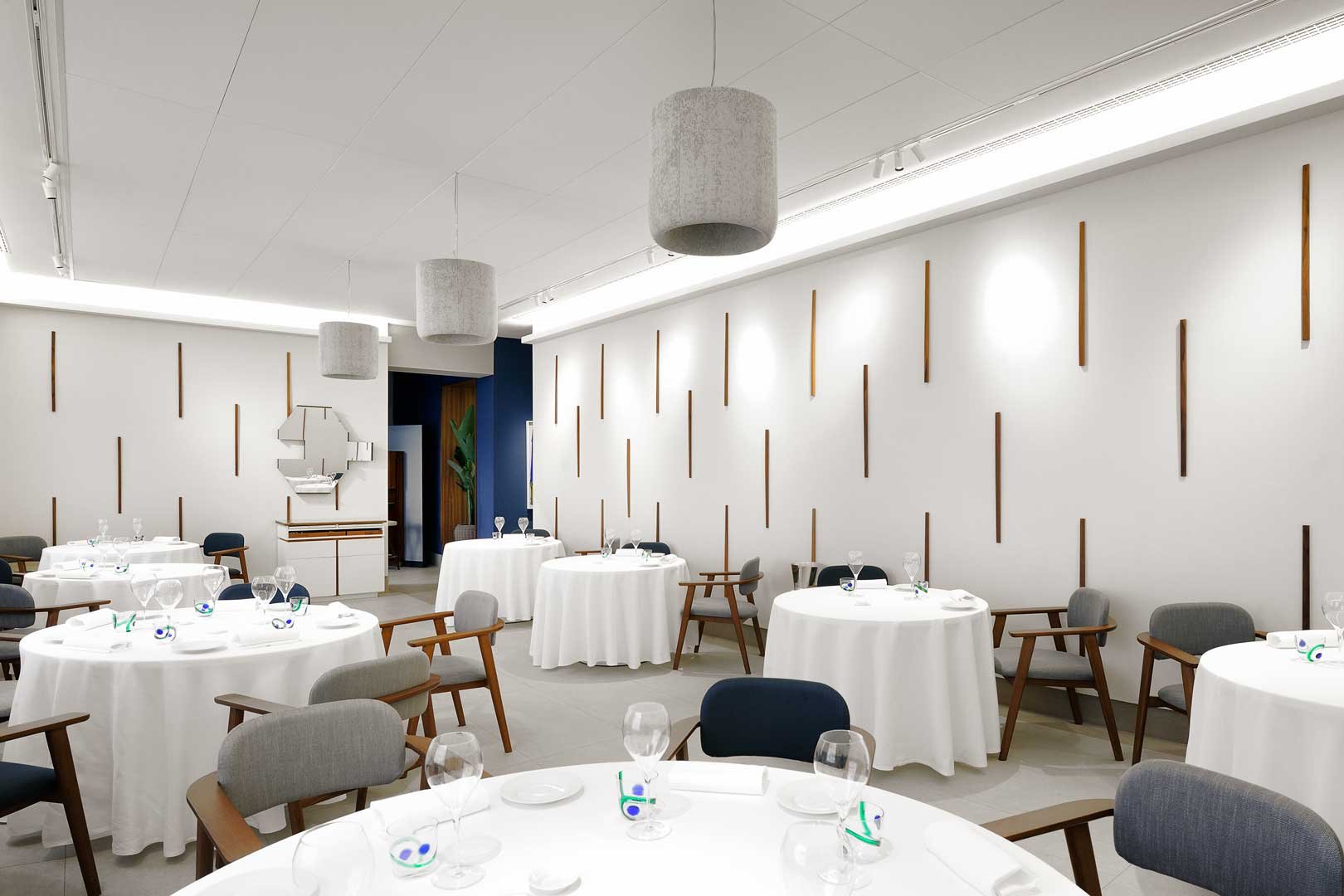
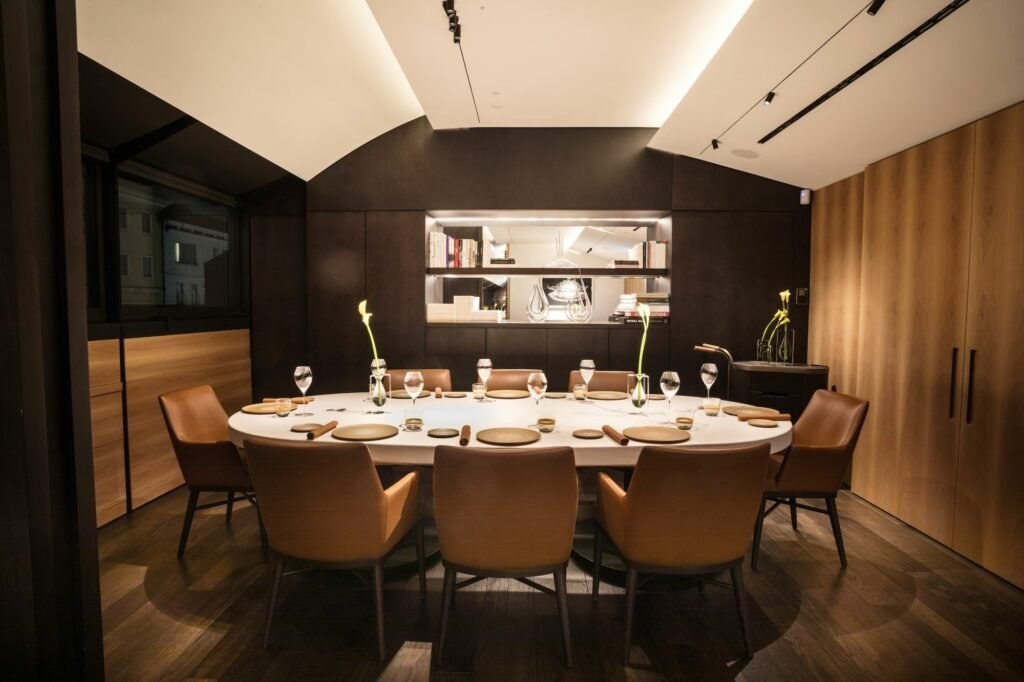
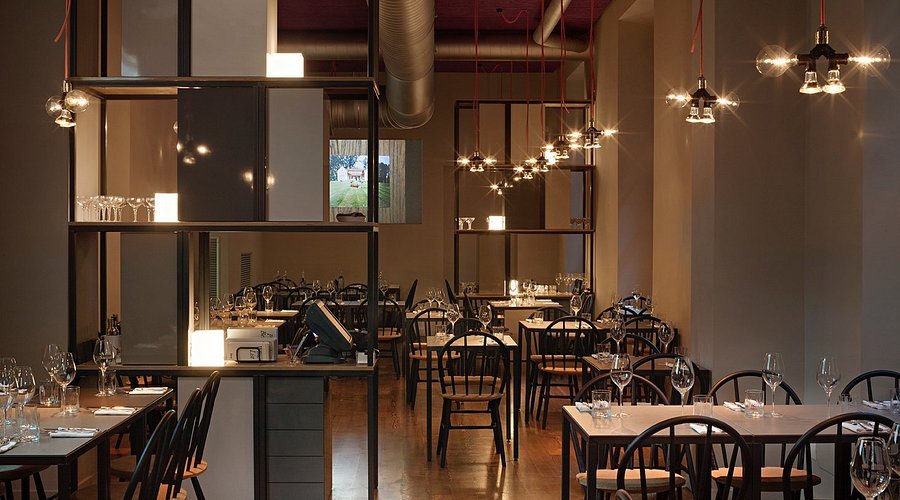
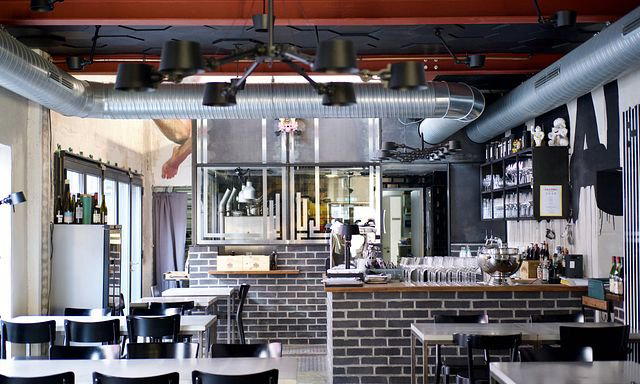
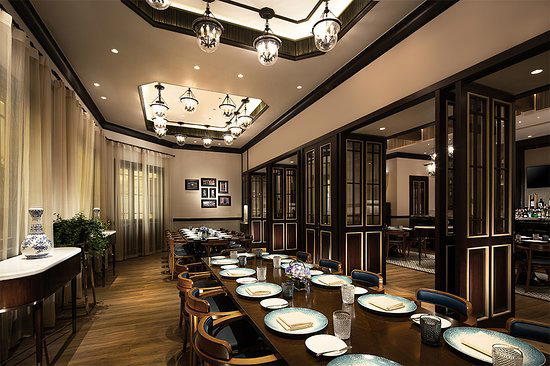
At Via Bonaventura Zumbini, 39, on the edge of old Milan in the Navigli-adjacent Zona Tortona district, the restaurant occupies a converted former bakery. The room is small, which matters for your booking strategy and also shapes the experience. The energy is quiet and focused rather than buzzy, with a level of calm that makes it well-suited to longer, more attentive eating. If you're coming for the tasting menu, the atmosphere supports it. If you want a louder, more social dinner, this is probably not your room. Come early in the evening for the most settled experience; as the room fills, the acoustic gets closer.
Seasonal Cooking and What That Means for When You Visit
The editorial angle that matters most at Altatto is seasonality. The Michelin entry notes "product knowledge" as a defining characteristic of the kitchen, and the menu structure, with two tasting menus plus à la carte options, creates a format where seasonal rotation is built into the offer rather than bolted on. Vegetarian kitchens are, in many ways, more dependent on seasonal rhythm than meat-focused ones: the absence of protein anchors means that produce quality and variety are the primary variables in what the kitchen can do. What this means practically is that the menu you encounter in late spring, when Italian markets are moving from root vegetables and brassicas into asparagus, peas, and early courgette, will look materially different from what's on offer in autumn, when porcini, truffles, and squash dominate northern Italian markets.
The implication for an explorer-type diner is that Altatto rewards return visits across seasons more than a single pass-through. If you can only visit once, late spring and early autumn represent the two richest seasonal windows for Italian produce, and either will give the kitchen more to work with than a mid-winter booking. That said, the Michelin recognition was awarded without specifying a seasonal window, which suggests the kitchen performs at a consistent level year-round. The Michelin note also references the menu as "colourful and varied," which tracks with Italian summer and early-autumn produce more than with January. Plan accordingly.
The Menu Format and What to Prioritise
Two tasting menus are the anchor format, and both can be approached à la carte if you prefer to compose your own meal. For a first visit, the tasting menu is the better choice: it shows the kitchen's range and the seasonal arc of the cooking in a way that individual dish selection doesn't. The Michelin Guide specifically flags "booking is essential," which for a small converted bakery is direct advice: this is a tiny room, and walk-in availability will be unreliable. Given the €€ price positioning, the tasting menu represents solid value relative to what Michelin-level technical cooking typically costs in Milan, where the city's starred restaurants cluster at €€€€.
The safer approach is to book the tasting menu and let the kitchen show you what's current. What the Michelin description does confirm is that the cooking is "sometimes daring": this is not a conservative, safe-choice vegetarian kitchen, and the inspectors note it approvingly. Expect dishes that use the full technical vocabulary of modern French and Italian cooking, applied to produce. The influence of Joia's tradition of elevating vegetables to the role of primary subject, rather than accompaniment, is apparent in how the kitchen is described.
Practical Details
Altatto Bistrot is at Via Bonaventura Zumbini, 39, in the 20143 district of Milan, on the edge of old Milan near Zona Tortona. The price tier is €€, which for Milan means a tasting menu in the range that a well-informed local would consider accessible rather than a splurge. Booking difficulty is low by Milan fine-dining standards, but the small room means you should not arrive without a reservation. For broader Milan planning, see our full Milan restaurants guide, our full Milan hotels guide, our full Milan bars guide, our full Milan wineries guide, and our full Milan experiences guide.
If you're building a broader Italian fine-dining trip around this visit, the northern Italian circuit worth knowing includes Dal Pescatore in Runate, Osteria Francescana in Modena, and Atelier Moessmer Norbert Niederkofler in Brunico, whose plant-forward cooking has made him one of the most discussed chefs in Italian fine dining. For vegetarian fine dining at a global level for comparison, Fu He Hui in Shanghai and Lamdre in Beijing show what the format looks like at its most ambitious internationally.
Quick reference:
FAQ
Is Altatto Bistrot good for solo dining?
- Yes, it works well for solo diners. The small, quiet room and tasting menu format suit a single diner who wants to eat attentively. At €€ pricing, it's a low-stakes solo meal by Milan fine-dining standards. If you prefer a counter seat or more social energy, note that the room is intimate and calm rather than bar-style.
What are alternatives to Altatto Bistrot in Milan?
- For vegetarian fine dining specifically, Joia is the direct comparison and operates at a higher price tier with more ceremony. For modern Italian tasting menus at higher spend, Enrico Bartolini, Andrea Aprea, Seta, and Cracco in Galleria are the relevant set, all at €€€€. Horto has a strong vegetable focus within its modern Italian format and is worth comparing directly if the plant-based angle is what draws you to Altatto.
How far ahead should I book Altatto Bistrot?
- Booking difficulty is rated as easy by Pearl standards, but because the room is small, booking a few days to a week ahead is sensible for weekend dinners. Weekday availability is likely more flexible. The Michelin Guide notes that booking is essential, which is practical guidance rather than a warning about impossible reservations.
Is Altatto Bistrot worth the price?
- At €€ in Milan, it offers Michelin-recognised vegetarian cooking at a price point well below the city's starred restaurants. For the category and the quality signal, it represents good value. The comparison that matters: if you want plant-based haute cuisine without paying €€€€, Altatto is the credible option in Milan. If you want a broader Italian fine-dining tasting menu experience, the €€€€ tier (Enrico Bartolini, Seta, Andrea Aprea) delivers a different kind of occasion.
What should I order at Altatto Bistrot?
- The tasting menu is the recommended approach for a first visit. The kitchen's Michelin description highlights the cooking as "sometimes daring" and driven by product knowledge, which the tasting format showcases better than à la carte. Specific dishes rotate seasonally, so no fixed recommendations apply. Visit in late spring or early autumn for the widest seasonal produce range in Italian markets.
Is Altatto Bistrot good for a special occasion?
- Yes, with caveats. The atmosphere is quiet and the cooking technically ambitious, which suits a celebratory dinner for two. The small room limits group size, so it's better for intimate occasions than large parties. At €€ pricing, it's a lower-commitment special occasion than Milan's €€€€ tier, which may be a feature or a drawback depending on what the occasion calls for.
Is the tasting menu worth it at Altatto Bistrot?
- Yes, particularly on a first visit. The two tasting menus show the kitchen's seasonal range and the full scope of what the three chefs do with plant-based cooking at this technical level. Given the €€ price point and the Michelin Plate recognition, the value case for the tasting menu is strong. À la carte works if you have a specific preference, but the format was built around the menus.
Planning details
- Location
- Via Bonaventura Zumbini, 39, 20143 Milano MI, Italy
- Website
- altatto.com
- Phone
- +39 328 664 1670
The take
The Take
The Vibe
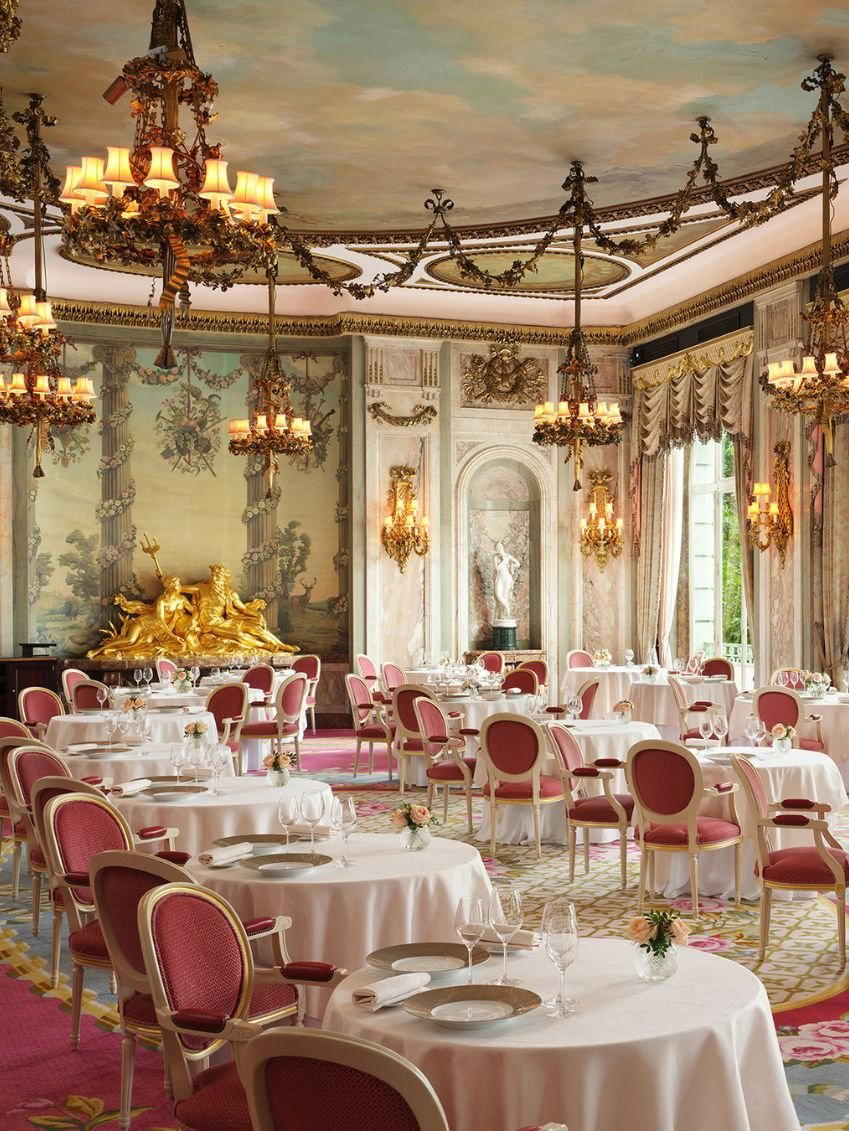
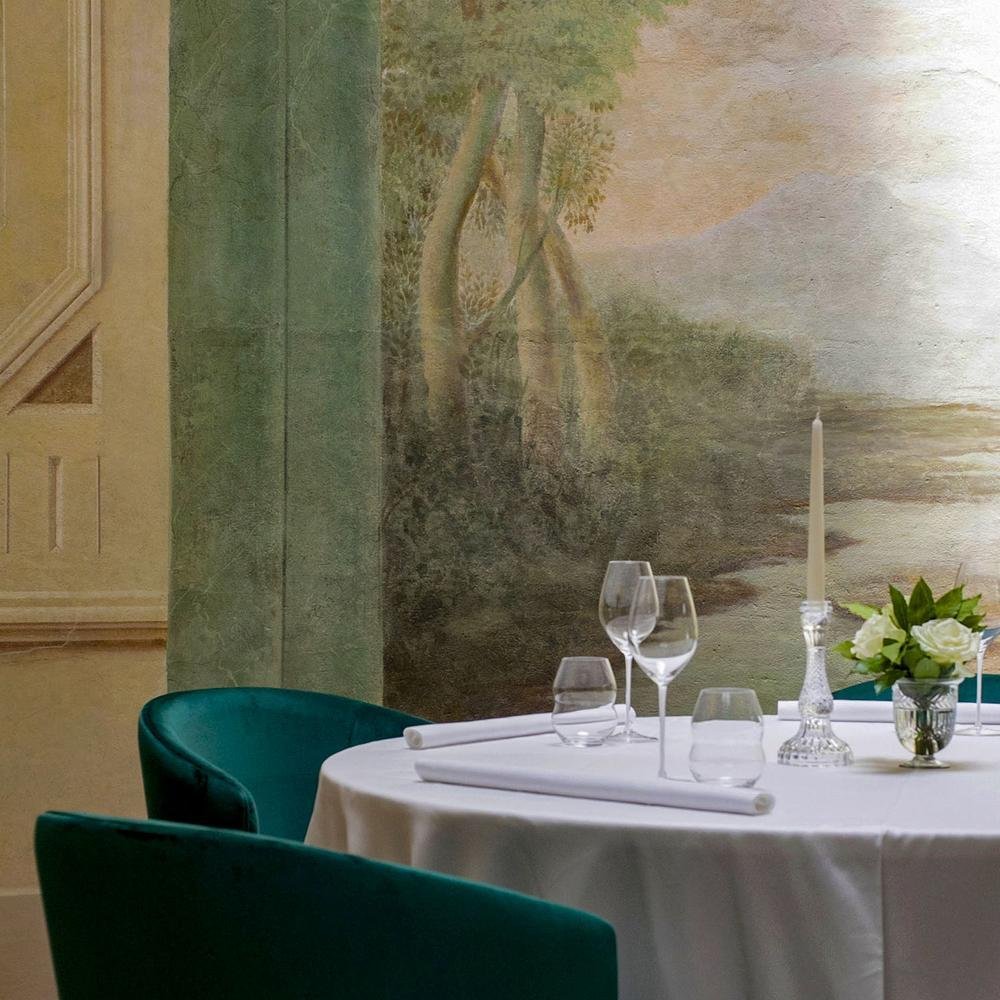
Altatto Bistrot occupies a compact, thoughtfully converted former bakery on the quieter edge of Barona. The room is deliberately small and restrained, so the focus lands on exacting, plant-based cooking rather than scale or spectacle. The space reads as quietly charming and sophisticated: it doesn’t perform luxury through size but through detail, restraint and a trained approach to vegetables. The result is an intimate, low-key dining environment: a neighborhood discovery that feels like a considered alternative to Milan’s more ostentatious fine-dining addresses.
Best For
Altatto is best for diners who prize focused, vegetable-led tasting menus in an intimate setting. Its bistrot scale and €€ positioning make it a fit for couples and small groups seeking a refined but unpretentious experience: think date nights and small special occasions where the quality of technique and composition matters. It will especially appeal to food enthusiasts curious about Milan’s plant-based fine-dining lineage and anyone who prefers quiet, closely considered meals in small dining rooms.
Ordering Tips
Opt for the tasting menu to experience Altatto’s deliberate, plant-based approach as a sequence. Expect a focused, vegetable-forward progression rather than à la carte abundance. Given the bistrot’s compact proportions and considered service style, plan to let the menu dictate the evening’s rhythm and savor the small, finely tuned plates that justify the tasting format.
Venue details
Ambiance
Minimalist, clean-lined space with warm lighting, cozy atmosphere, and informal jovial service.
Tags
Vibe
Best For
Experience
Sourcing
Accessibility
At the Table
- Dress Code
- Smart Casual
- Noise Level
- Quiet
- Service Style
- Upscale Casual
- Meal Pacing
- Leisurely
- Capacity
- Intimate
- Kitchen
- Modern
- Menu Format
- Tasting menu, A la carte
- Drinks Focus
- Natural wine
- Dietary
- Vegetarian friendly, Vegan options, Gluten-free options
- Outdoor Seating
- Yes
Know before you go
Know Before You Go
- Getting there
- Via Bonaventura Zumbini, 39, 20143 Milano MI, Italy
Planning details
Location
Recognition and awards
Also consider
Also Consider
- Enrico Bartolini: Creative, €€€€
- Cracco in Galleria: Modern Cuisine, €€€€
- Andrea Aprea: Modern Italian, Italian Contemporary, €€€€
- Seta: Modern Italian, €€€€
- Horto: Modern Italian, Modern Cuisine, €€€€
Restaurant context
Against Milan's €€€€ tasting-menu set, Altatto operates in a different category by price but not by ambition. Enrico Bartolini and Seta both deliver multi-starred experiences at two to three times the price, with service depth and room scale that Altatto doesn't attempt to match. Andrea Aprea and Cracco in Galleria sit in the same bracket: technically serious, formally structured, and priced accordingly. If your trip budget calls for one high-spend dinner and you're not committed to the vegetarian format, those four will give you a more conventional fine-dining occasion. Altatto is the better call if the plant-based cooking itself is the draw, and the €€ price makes it a realistic addition to a trip rather than the only dinner that fits.
Horto is the most direct structural comparison: a modern Italian kitchen with a strong vegetable focus, operating at €€€€. If you want to see how the plant-forward format scales to a higher-budget occasion, Horto is worth considering alongside Altatto. But they're not interchangeable: Horto is not exclusively vegetarian, and the price gap is material. For a diner who wants exclusively plant-based cooking at serious technical level, Altatto has no direct competitor in Milan at the €€ tier.
The vegetarian benchmark in Milan remains Joia, which has been making the case for vegetarian fine dining in the city for decades. Joia operates at a higher price point and with more ceremony; Altatto is the more accessible and less formal version of the same argument. If you've already eaten at Joia or want a lower-pressure introduction to what Milan's vegetarian kitchen can do, book Altatto. If you want the full historical context and a longer-established name, Joia remains the reference point.
Around this place
Discover more on Pearl
Unlock the full Altatto Bistrot guide in Pearl, including awards, comparisons, FAQs, planning details, and nearby places.
Compare Altatto Bistrot
| Venue | Cuisine | Price | Booking Difficulty | Awards |
|---|---|---|---|---|
| Altatto Bistrot | Vegetarian | €€ | Easy | We're Smart World Top Restaurants 20252025 Michelin Plate2024 Michelin Plate |
| Enrico Bartolini | Creative | €€€€ | Unknown | 2026 OAD Top Restaurants in Europe Ranked · #762026 Michelin 3 Stars2026 Les Grandes Tables du Monde Members2026 La Liste Top Restaurants2026 Falstaff Restaurant Guide2025 OAD Top Restaurants in Europe Ranked · #722025 Michelin 3 Stars2025 Michelin 1 Star2025 La Liste Top Restaurants |
| Cracco in Galleria | Modern Cuisine | €€€€ | Unknown | 2026 Michelin 1 Star2025 OAD Top Restaurants in Europe Ranked · #2282025 Michelin 1 Star2025 Wine Spectator Grand Award2024 OAD Top Restaurants in Europe Ranked · #218World's Best Wine Lists 20242024 Michelin 1 Star2023 OAD Top New Restaurants in Europe Highly Recommended2011 World's 50 Best Restaurants · #33 |
| Andrea Aprea | Modern Italian, Italian Contemporary | €€€€ | Unknown | 2026 OAD Top Restaurants in Europe Recommended2026 Les Grandes Tables du Monde Members2026 Michelin 2 Stars2026 La Liste Top Restaurants2026 Falstaff Restaurant Guide2025 OAD Top Restaurants in Europe Ranked · #3212025 La Liste Top Restaurants2025 Michelin 2 Stars2025 The Best Chef Two Knives |
| Seta | Modern Italian | €€€€ | Unknown | 2026 OAD Classical in Europe Ranked · #332026 Wine Spectator Best of Award of Excellence2026 Les Grandes Tables du Monde Members2026 Michelin 2 Stars2026 La Liste Top Restaurants2026 Falstaff Restaurant Guide2025 OAD Classical in Europe Ranked · #292025 OAD Casual in North America Ranked · #454We're Smart World Top Restaurants 2025 |
| Horto | Modern Italian, Modern Cuisine | €€€€ | Unknown | 2026 OAD Top Restaurants in Europe Recommended2026 Michelin 1 Star2025 OAD Top Restaurants in Europe Ranked · #190We're Smart World Top Restaurants 20252025 Michelin 1 Star2024 OAD Top Restaurants in Europe Ranked · #1942024 Michelin 1 Star2023 OAD Top New Restaurants in Europe Highly Recommended |














Key differences to consider before you reserve.
FAQ
Frequently Asked Questions
Is Altatto Bistrot good for solo dining?
Yes. The restaurant is small, described as tiny in the Michelin entry, which makes solo dining feel considered rather than awkward. The à la carte option means you can pick individual dishes from the tasting menu format without committing to a full set progression. Book ahead regardless; the counter fills fast at a venue this size.
What are alternatives to Altatto Bistrot in Milan?
Horto is the closest comparison: also vegetable-forward and Michelin-recognised, but positioned at a higher price point with a more formal format. Joia by Pietro Leemann, explicitly cited as the inspiration behind Altatto's three chefs, is the city's long-standing vegetarian reference if you want more history behind the meal. For omnivore fine dining at €€€–€€€€, Seta or Andrea Aprea are separate conversations entirely.
How far ahead should I book Altatto Bistrot?
Booking is essential, and the restaurant is tiny, so plan at least two to three weeks out for weekends. Midweek may have more flexibility, but given the Michelin Plate recognition in 2025 and a three-chef team running a small kitchen, treat this as a venue that fills. Don't show up without a reservation.
Is Altatto Bistrot worth the price?
At €€ pricing, yes: the value case is strong. You're getting Michelin Plate-recognised cooking from three chefs whose reference point is Joia, one of Italy's most respected vegetarian kitchens, at a price tier well below most comparable fine-dining rooms in Milan. If vegetarian tasting menus are your format, Altatto over-delivers for the price.
What should I order at Altatto Bistrot?
The tasting menu is the intended format, but both menus can be ordered à la carte, so you can compose your own meal. The Michelin entry highlights colourful, beautifully presented dishes with strong product knowledge: lean toward whatever reflects the current season, as Altatto's cooking is driven by ingredient timing. Specific dishes are not documented here; ask the team what's peaking on arrival.
Is Altatto Bistrot good for a special occasion?
For a low-key but considered occasion, yes. The former-bakery setting is contemporary, so manage expectations on atmosphere. The cooking quality, Michelin Plate, plant-based haute cuisine, three chefs with serious pedigree, carries the occasion. Good for a birthday dinner or an anniversary where the food matters more than the formality.
Is the tasting menu worth it at Altatto Bistrot?
Yes, particularly at this price tier. The Michelin entry calls the dishes 'delicious, colourful and beautifully presented,' and the kitchen team were shaped by Joia: the benchmark for vegetarian technique in Milan. The à la carte option exists if you'd rather pick, but the tasting menu gives the clearest view of what Cinzia, Giulia, and Sara are doing with seasonal produce.