.png?width=1200&quality=80)
Candeal
Creative · old town, Marbella
Restaurant in Marbella, Spain
 Book with Pearl
The Read
Fermentation-Led Castilian Counter
Price
$100–150per person
Dress
Smart Casual
Why go
Candeal is the most technically distinctive creative restaurant in Marbella's old quarter: Michelin Plate two years running, a daily in-house bread programme using organic Candeal flour, and a kitchen that applies Castilian fermentation and game techniques to Mediterranean cooking. At €€€, it is the right call for a special occasion dinner or a serious tasting lunch where you want cooking with a genuine point of view.
About Candeal
Who Should Book Candeal — and When
If you are planning a special dinner in Marbella's old quarter and want something that breaks from the Costa del Sol's default mode of grilled fish and tourist-facing Spanish classics, Candeal is the right call. Chef Pablo Rebollo's creative kitchen is built for two types of visit: a focused lunchtime meal from the Mercado menu, or a full-length tasting dinner that gives the kitchen room to show what Castilian-inflected Mediterranean cooking actually means when executed with technical seriousness. Either way, book this for a date night, a birthday, or a business dinner where the food needs to hold the conversation.
The Room and the Concept
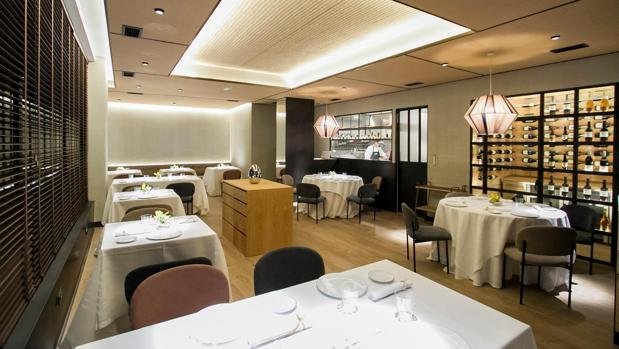
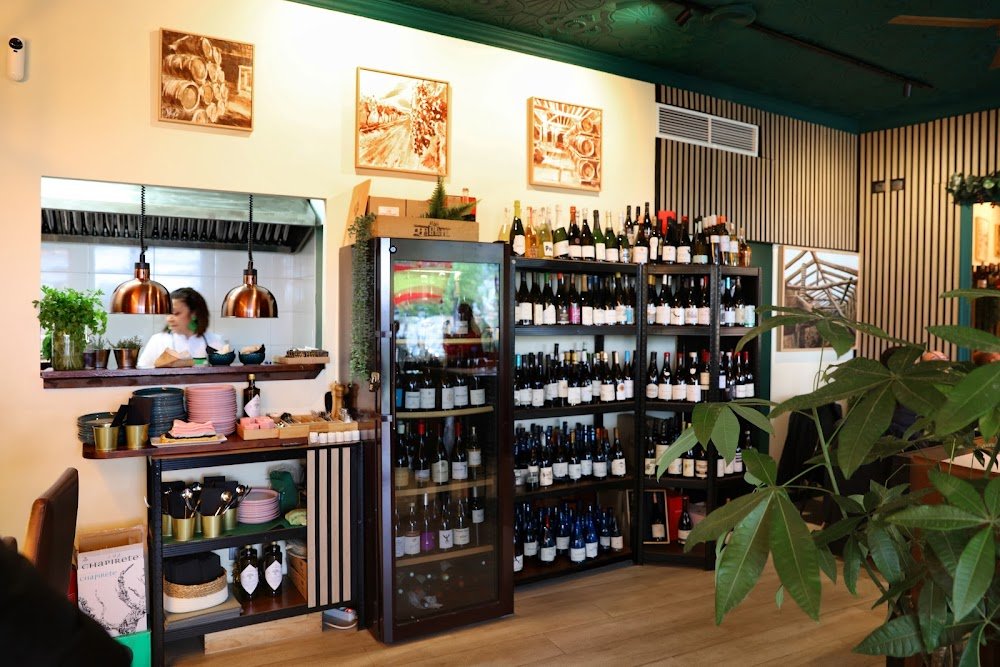
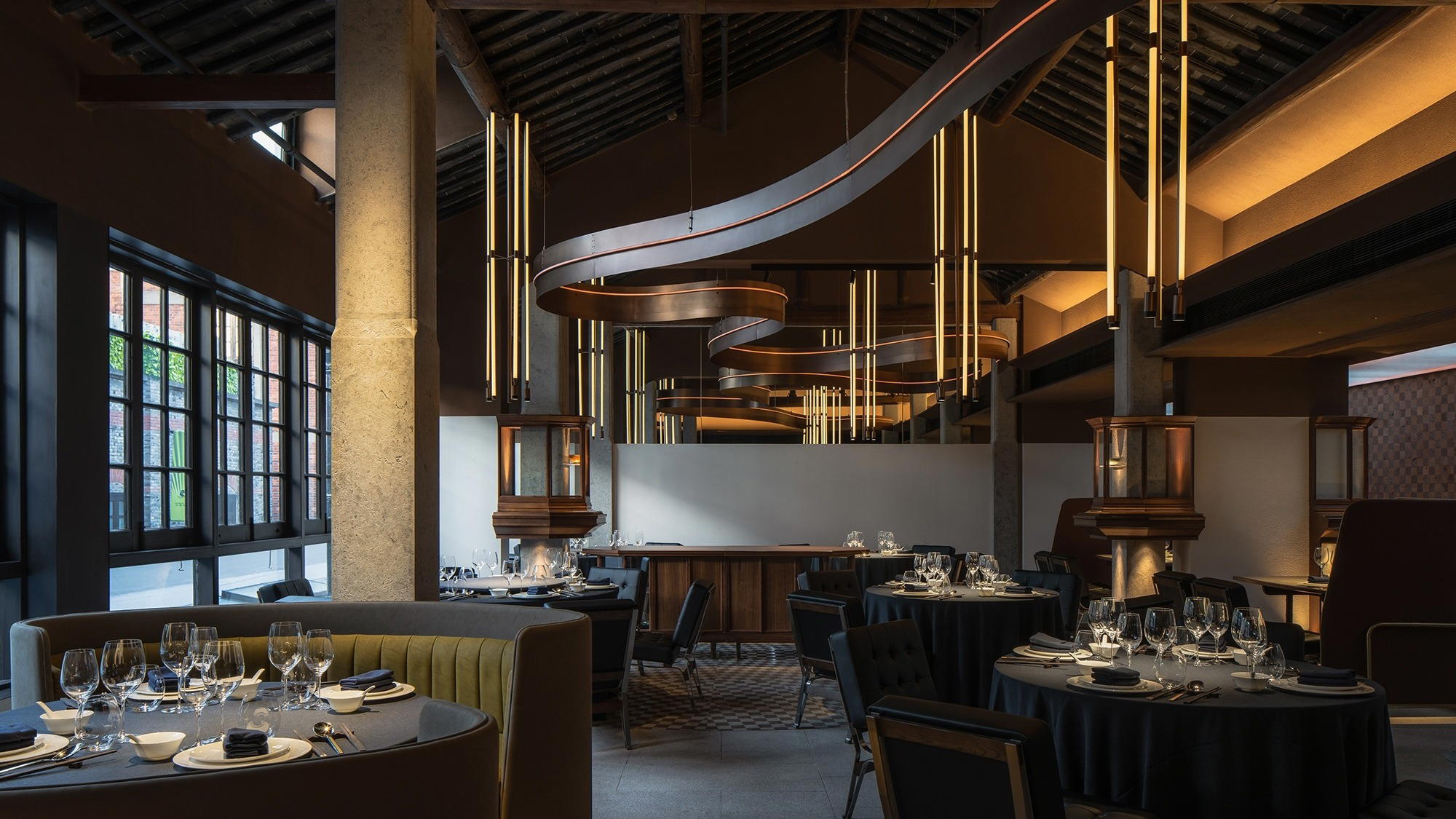
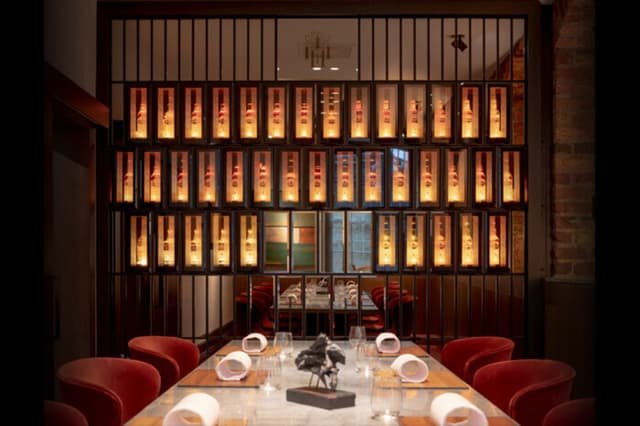
Walk into Candeal and the visual reference is immediate: the interior reads like a bodega, all tactile materials and the kind of considered rusticity that signals a kitchen with something to say beyond décor. That aesthetic choice is not accidental. The restaurant is named after the Candeal wheat variety, and the bread programme here, where the kitchen bakes Candeal de cuadros and Torta de aceite de Peñafiel daily using organic flour from a mill in Coín, is a direct expression of that identity. Few restaurants in Marbella make their own bread to this level of specificity. The visual coherence of the room and the plate signals a kitchen that has thought carefully about what it is doing.
The concept itself is a genuine outlier on the Costa del Sol. Rebollo brings his Valladolid roots to Marbella's old quarter, threading Castilian technique — fermented foods, game dishes, pickled preparations, marinades, through a Mediterranean creative frame. This is not fusion for its own sake. The fermentation and pickling work functions as seasoning logic: it gives the food a depth of acidity and complexity that direct grilling does not produce. For the current season, that approach suits a kitchen leaning into preserved and fermented elements that carry through from autumn into winter menus, adding weight to dishes that lighter summer cooking avoids.
What This Kitchen Does Technically Better
The technical edge at Candeal is in its fermentation and preservation work. Pickling, marinades, and fermented ingredients are genuinely difficult to execute at a restaurant scale without becoming either too assertive or too subtle to register. When it is calibrated correctly, fermentation adds complexity without noise. Candeal has earned Michelin recognition, Michelin Plate in both 2024 and 2025, which confirms the kitchen's consistency and technical floor. A Michelin Plate signals food quality that clears the inspector threshold without yet reaching star level, a useful data point when comparing this restaurant against Marbella's broader mid-to-upper tier.
Bread programme deserves separate mention because it is the clearest demonstration of technical commitment in the building. Rebollo learned the Candeal bread method from a master baker in Peñafiel, and the daily baking from organic flour is not a marketing detail, it is a structural part of what makes this restaurant coherent. In a city where bread is frequently an afterthought, this matters. It tells you that the kitchen extends its precision to every element on the table.
Three tasting menu format gives the kitchen range: Mercado at lunch is the accessible entry point, Degustación is the mid-length option, and Gran Menú is the full statement. For a special occasion dinner, the Degustación or Gran Menú formats are where the fermentation and Castilian game work becomes most legible as a coherent culinary argument. The lunchtime Mercado menu is the right choice if you want to try the kitchen without committing to a long evening.
Ratings and Recognition
- Michelin Plate: Awarded in both 2024 and 2025, confirming consistent kitchen quality
- Price range: €€€, mid-to-upper tier for Marbella; competitive given the tasting menu format and the technical level
Booking and Practical Notes
Candeal sits in Marbella's old quarter at Plaza Blas Infante, 1. Booking difficulty is rated easy relative to Marbella's most competed-for tables, but for weekend dinners and special occasion dates, booking ahead by at least a week is sensible. The restaurant is in walking distance of the historic centre, which makes it a practical dinner anchor for an old town evening. No phone or website data is available in our record; check Google or walk-in to confirm current hours and reservation availability. Dress code is not formally specified, but the restaurant's aesthetic and price point suggest smart-casual is the appropriate register.
For creative Spanish cooking at a comparable technical level elsewhere in Spain, Quique Dacosta in Dénia, Cocina Hermanos Torres in Barcelona, El Celler de Can Roca in Girona, Arzak in San Sebastián, Azurmendi in Larrabetzu, and Martin Berasategui in Lasarte-Oria all operate at star level. Internationally, Arpège in Paris and Jordnær in Gentofte represent the creative fine dining tier in their respective cities. Candeal sits below these in formal recognition but above most of what Marbella offers at the creative end.
Quick reference: €€€ | Michelin Plate 2024–2025 | Creative Mediterranean with Castilian roots | Tasting menus available (Mercado at lunch, Degustación and Gran Menú at dinner) | Plaza Blas Infante, 1, Marbella old quarter | Booking: easy, but reserve ahead for weekends.
More in Marbella
For broader planning, see our full Marbella restaurants guide, our full Marbella hotels guide, our full Marbella bars guide, our full Marbella wineries guide, and our full Marbella experiences guide. Other restaurants worth knowing in Marbella include Messina, BACK, Nintai, and Andala Marbella.
FAQ
Is Candeal good for a special occasion?
- Yes, and it is one of the stronger choices in Marbella's old quarter for exactly this. For a birthday or anniversary dinner where you want creative cooking rather than a standard grill or seafood restaurant, this is the right call.
Is the tasting menu worth it at Candeal?
- At €€€ pricing, the tasting menu format is competitive for what the kitchen delivers. The Gran Menú is the fullest expression of Rebollo's Castilian-meets-Mediterranean approach, but the Degustación is the more practical choice for most diners. The Mercado menu at lunch is worth considering if you want the kitchen at a lower commitment level. Given the bread programme, the fermentation work, and the Michelin Plate recognition, the value case is solid relative to Marbella peers at the same price tier.
Is Candeal worth the price?
- At €€€, Candeal sits at the same price point as several Marbella competitors, Leña Marbella, La Milla Marbella, Areia, and Kava, but delivers a more technically distinct kitchen. The Michelin Plate and the in-house bread programme justify the spend. If you are deciding between €€€ options in Marbella, Candeal has the clearest culinary identity.
Is Candeal good for solo dining?
- The tasting menu format suits solo diners well, particularly at a counter or small table if available. The old quarter location means you are walking distance from Marbella's central streets, so a solo evening here is easy to structure. The Mercado lunch menu is the lower-pressure solo option. No specific counter seating data is confirmed in our records, so check when booking.
How far ahead should I book Candeal?
- Booking difficulty is rated easy, but for Friday or Saturday dinners and special occasion dates, a week's notice is the sensible minimum. During high summer season on the Costa del Sol, July and August particularly, book further ahead as Marbella's restaurant scene fills significantly. The lunchtime Mercado menu may be easier to access at shorter notice than dinner tasting menus.
What should I order at Candeal?
- The tasting menus are the primary format and the clearest way to experience the kitchen's fermentation and Castilian game work. The bread, Candeal de cuadros and Torta de aceite de Peñafiel, is baked daily in-house and is not a side note; eat it. For a first visit at dinner, the Degustación menu gives you enough range to understand what the kitchen is doing without the full commitment of the Gran Menú. Specific dish data is not available in our record, so ask the team about current seasonal elements when you arrive.
What are alternatives to Candeal in Marbella?
- For a step up in formal recognition, Skina is the move, it operates at €€€€ with Michelin star credentials and seasonal Andalusian cooking. For a less creative, more relaxed €€€ evening, Leña Marbella (asador) or La Milla Marbella (Spanish, seafood) are solid alternatives. Kava sits in modern Spanish territory at €€€ and is worth comparing if you want a contemporary approach without the Castilian specificity of Candeal.
Planning details
- Location
- Pl. Blas Infante, 1, Bajo, 29601 Marbella, Málaga, Spain
- Reservations
- Book on TheFork
- Website
- restaurantecandeal.com
- Phone
- +34 608 88 80 06
The take
The Take
The Vibe
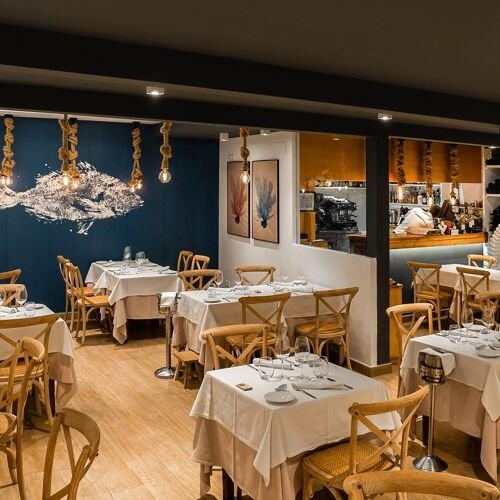
Candeal nestles in Marbella's old quarter and pairs a bodega-like interior with a quietly exacting kitchen. The dining room leans into terracotta tones and wine references, deliberately avoiding a modern, trend-driven look in favour of something more timeless and rustic. That traditional aesthetic sits alongside cooking that is considered rather than tourist-aimed, producing a warm, intimate atmosphere that feels both classic and refined. The overall effect is low-key elegance: the room charms without fuss, and the kitchen rewards attention, making it feel like a serious local option within a very tourist-facing neighbourhood.
Best For
This is a dinner destination for diners who want considered modern Spanish cooking in Marbella's old town. With a €€€ price point and Michelin Plate recognition for 2024 and 2025, Candeal suits date nights and special occasions where guests plan ahead and expect focused cooking rather than resort-style comfort food. Its location on Plaza Blas Infante places it within the narrow, characterful streets around Plaza de los Naranjos, so it works well as a deliberate stop on an evening out in the historic centre rather than a grab-and-go option.
Ordering Tips
The kitchen operates multiple tasting structures, so opt for a tasting format if you want the clearest picture of what the restaurant does. Look for the seafood highlights — rodaballo salvaje with gazpachuelo de chirivía and merluza de pincho — and ask about the facera de atún rojo; game and lamb also appear (paloma torcaz, crepineta de cordero lechal). Given the bodega-like decor and wine references, request wine pairing recommendations to accompany the tasting sequence. Reservations are advisable for evening service and the multi-course menus.
Venue details
Ambiance
Intimate and inviting atmosphere blending traditional warmth with modern sophisticated design, described as cozy both inside and outside with a relaxed, comfortable feel.
Tags
Vibe
Best For
Experience
Sourcing
At the Table
- Dress Code
- Smart Casual
- Noise Level
- Quiet
- Service Style
- Upscale Casual
- Meal Pacing
- Extended Experience
- Capacity
- Intimate
- Kitchen
- Modern
- Menu Format
- Tasting menu
- Wine Program
- Curated
- Dietary
- Vegetarian friendly
- Outdoor Seating
- Yes
Signature Dishes
- Rodaballo salvaje with gazpachuelo de chirivía
- Facera de atún rojo
- Merluza de pincho
- Paloma torcaz
- Crepineta de cordero lechal
Know before you go
Know Before You Go
- Getting there
- Pl. Blas Infante, 1, Bajo, 29601 Marbella, Málaga, Spain
Planning details
Location
Pl. Blas Infante, 1, Bajo, 29601 Marbella, Málaga, Spain · Directions
Recognition and awards
Also consider
Also Consider
- Skina, Seasonal Andalusian, Modern Cuisine, €€€€
- Leña Marbella, Asador, €€€
- La Milla Marbella, Spanish, Seafood, €€€
- Areia, Farm to table, €€€
- Kava, Modern Spanish, Modern Cuisine, €€€
Restaurant context
Within Marbella's €€€ tier, Candeal has the clearest culinary identity. Leña Marbella is the better choice if you want a high-quality asador experience, live-fire cooking, good meat, a more relaxed format. La Milla Marbella is the call for seafood and a Spanish format closer to the coast's natural register. Neither of those kitchens operates with the technical ambition of Candeal's fermentation-led creative programme. Areia sits at €€€ with a farm-to-table approach that shares Candeal's interest in ingredient provenance, but the cooking styles differ significantly. Kava is the closest stylistic peer, modern Spanish creative cooking at the same price point, and is worth a direct comparison if you are deciding between contemporary kitchens in Marbella.
For a special occasion where budget is not the primary constraint, Skina at €€€€ is the benchmark in Marbella for seasonal Andalusian fine dining with Michelin star recognition. If the evening demands the highest available level of formal recognition in the city, Skina is the answer. Candeal is the better choice if you want creative cooking at a slightly lower spend and with a kitchen character that does not replicate Andalusian tradition but instead interrogates it through a Castilian lens.
The practical booking picture favours Candeal: it is easier to secure a table here than at Skina, and the old quarter location makes it a natural anchor for an evening in Marbella's historic centre. If you are comparing Candeal against BACK or Messina
Explore Marbella
Around this place
Discover more on Pearl
Unlock the full Candeal guide in Pearl, including awards, comparisons, FAQs, planning details, and nearby places.
Compare Candeal
| Venue | Location | Cuisine | Awards | Price |
|---|---|---|---|---|
| Candeal | Marbella | Creative | 2026 Michelin Plate2025 Michelin Plate2024 Michelin Plate | €€€ |
| Skina | Marbella | Seasonal Andalusian, Modern Cuisine | 2026 OAD Top Restaurants in Europe Recommended2026 Michelin 2 Stars2026 La Liste Top Restaurants2026 Falstaff Restaurant Guide2025 OAD Top Restaurants in Europe Ranked · #2032025 Michelin 2 Stars2025 La Liste Top Restaurants2024 OAD Top Restaurants in Europe Ranked · #1692024 Michelin 2 Stars | €€€€ |
| Leña Marbella | Marbella | Asador | Guía Repsol Soles 20262026 OAD Casual in Europe Recommended2026 Michelin Plate2025 OAD Casual in Europe Ranked · #7732025 Michelin Plate2024 OAD Casual in Europe Ranked · #6582024 Michelin Plate2023 OAD Casual in Europe Recommended | €€€ |
| La Milla Marbella | Marbella | Spanish, Seafood | Guía Repsol Soles 20262026 OAD Casual in Europe Recommended2026 Michelin Plate2025 OAD Casual in Europe Ranked · #1962025 Michelin Plate2024 OAD Casual in Europe Ranked · #4592024 Michelin Plate2023 OAD Casual in Europe Recommended | €€€ |
| Areia | Marbella | Farm to table | 2026 Michelin PlateGuía Repsol Soles 20262025 OAD Classical in Europe Ranked · #2082025 Michelin Plate2024 OAD Classical in Europe Ranked · #2572024 Michelin Plate | €€€ |
| Kava | Marbella | Modern Spanish, Modern Cuisine | Guía Repsol Soles 20262026 OAD Top Restaurants in Europe Recommended2026 Michelin Plate2025 OAD Top Restaurants in Europe Ranked · #436We're Smart World Top Restaurants 20252025 Michelin Plate2024 OAD Top Restaurants in Europe Ranked · #3892024 Michelin Plate | €€€ |







How Candeal Marbella compares with similar nearby venues.
FAQ
Frequently Asked Questions
Is Candeal good for a special occasion?
Yes, provided you want something that diverges from the Costa del Sol's coastal default. The bodega-style interior, house-baked bread made fresh daily, and three tasting menu formats give the meal a sense of occasion without ceremony for its own sake. At €€€ pricing with a Michelin Plate for 2024 and 2025, the restaurant has the credentials to carry a birthday or anniversary dinner. For a grander, more formal setting, Skina operates at a higher register.
Is the tasting menu worth it at Candeal?
The Degustación and Gran Menú formats are where the kitchen's fermentation and preservation work is most coherent as a sequence. The lunchtime-only Mercado menu is worth considering if you want a shorter, lower-commitment entry point. The house-baked Candeal de cuadros and Torta de aceite de Peñafiel, made daily from organic Candeal flour, are reason enough to take the full menu rather than ordering à la carte.
Is Candeal worth the price?
At €€€, Candeal sits in the middle tier for Marbella fine dining and represents reasonable value for a Michelin Plate restaurant with a defined, technically demanding approach. The fermentation, pickling, and game work requires skill that justifies the price point. If you want something cheaper with a strong kitchen, Areia or Kava offer alternatives; if price is no object and you want the ceiling of Marbella cooking, Skina is the step up.
Is Candeal good for solo dining?
The bodega-style interior and tasting menu format make it workable for solo diners, though the venue data does not confirm a dedicated counter or bar seating. Call ahead to confirm the best option for a solo table. The Mercado lunch menu, available at midday only, is the lower-pressure format if you prefer a shorter solo meal.
How far ahead should I book Candeal?
Booking difficulty is rated easy relative to Marbella's most competed-for tables, but Marbella's old quarter restaurants fill quickly in high season (June to September). Booking one to two weeks ahead is a reasonable baseline outside peak summer; during July and August, extend that to three weeks or more. The lunchtime-only Mercado menu tends to be the easiest slot to secure.
What should I order at Candeal?
The house-baked breads, Candeal de cuadros and Torta de aceite de Peñafiel, are made in-house daily using organic Candeal flour and a traditional process the chef learned in Valladolid — order them regardless of which menu you choose. Beyond that, the kitchen's identity is in its fermented, pickled, and game dishes, so prioritise those over the safer Mediterranean standards when selecting from the tasting menu.
What are alternatives to Candeal in Marbella?
Skina is the obvious step up for a more formal tasting menu experience at a higher price point. Leña Marbella, operated by the Dani García group, is the choice if you want a high-production-value grill and red meat-led menu. La Milla and Areia both lean coastal and are better fits if you want a seafood-forward meal with a view. Kava offers a lower-cost creative option if €€€ is stretching the budget.