
Rocío Tapas y Sushi
Guadaljaire, Málaga
Restaurant in Málaga, Spain
 Book with Pearl
The Read
Pacific-Mediterranean Crossover
Price
$20–30per person
Dress
Smart Casual
Why go
A neighbourhood fusion restaurant on Málaga's Carretera de Cádiz that combines Japanese sushi technique with Mediterranean tapas, at a relaxed price point and with easy booking. Go if you want something more creative than the standard tapas circuit without the spend or formality of Málaga's top-tier dining rooms. Best for curious diners, solo travellers, and small groups.
About Rocío Tapas y Sushi
The Verdict
Rocío Tapas y Sushi is one of the more interesting dining bets in Málaga's Carretera de Cádiz corridor: a relaxed neighbourhood spot that fuses Japanese sushi technique with Mediterranean tapas sensibility, and does so without the price tag or reservation drama of the city's formal dining rooms. If you are looking for creative, cross-cultural food in a low-barrier setting, this is a genuinely useful option. If you need white-tablecloth occasion dining, look elsewhere.
Portrait
The concept at Rocío is direct to grasp but harder to execute well: Japanese precision applied to Andalusian ingredients and the informal rhythm of the tapas format. That combination sits in a category with very few direct competitors in Málaga. The city has plenty of traditional tapas bars and a growing number of Japanese restaurants, but a kitchen that credibly does both in the same sitting is rarer than it sounds. For a food-curious visitor or a local who has exhausted the standard circuit, that specificity is worth something.
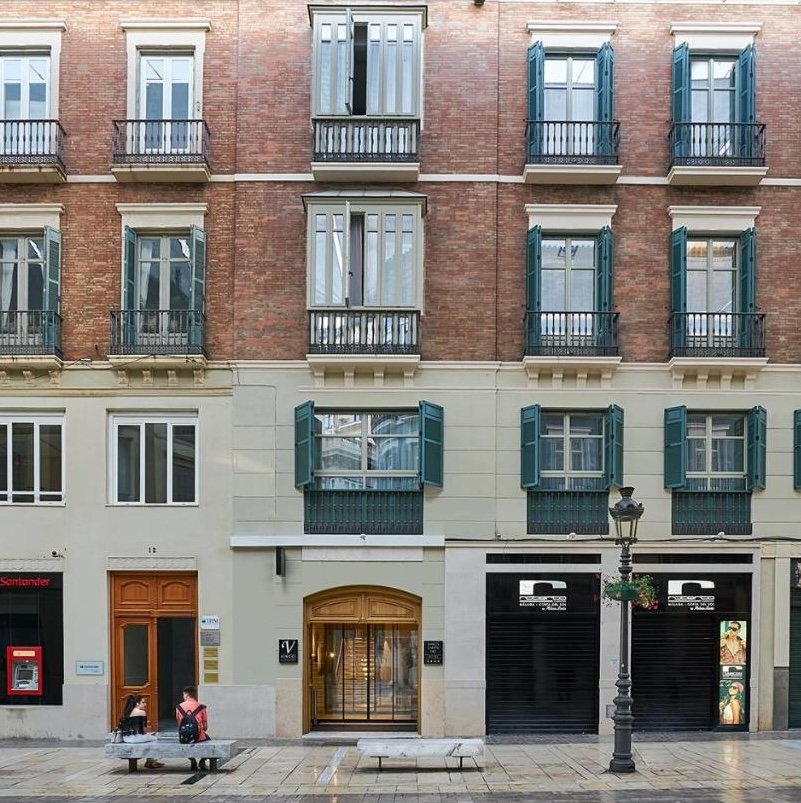
The address on Avenida de Isaac Peral places it in the Carretera de Cádiz district, away from the tourist concentration of the historic centre. That has practical implications: the crowd skews local, the atmosphere is lower-key, and the pricing is likely calibrated for a neighbourhood audience rather than a captive visitor market. For the explorer-minded diner, getting off the central circuit and into a residential dining room where the menu has to earn repeat business is often a better read on a city's actual food culture than anything around the cathedral.
Fusion format here rewards curiosity. Mediterranean cuisine and Japanese technique share more common ground than they might appear to at first: both value fresh fish, clean flavour, and restraint. A kitchen working this overlap has the potential to produce food that feels coherent rather than gimmicky, though without dish-level data it would be irresponsible to promise specific results. What the venue's own positioning makes clear is that the creative intent is deliberate, not incidental. This is not a restaurant that added a sushi roll to a tapas menu as an afterthought. The fusion framing is the kitchen's core identity.
On the booking side, Rocío sits in the easy category. You are not competing with a finite allocation of omakase seats or fighting for a counter spot weeks in advance. A day or two of lead time should be sufficient for most visits, and the relaxed format means the experience is not contingent on snagging a specific table time. That said, Málaga's dining scene gets meaningfully busier between June and September, and the combination of summer visitors and a local crowd that eats late means popular neighbourhood spots can fill faster than their low-key profile suggests. If you are visiting in high season, booking three to four days ahead is the safer play.
For solo diners, the tapas format is a genuine asset: you can order across a wider range of the menu without over-committing, and the informal, neighbourhood atmosphere means a single cover is not awkward. For pairs, the share-everything structure of tapas and sushi is close to ideal. Groups of four to six should work well in a relaxed setting like this, though for larger parties it is worth contacting the venue directly in advance to confirm table configuration.
Málaga's broader dining scene gives you useful context for where Rocío sits. The city has a strong upper tier: Kaleja and José Carlos García operate at the €€€€ level with serious culinary ambition and corresponding booking difficulty. Blossom covers the Chinese fusion angle at the leading price tier. Rocío occupies different ground: creative and cross-cultural but without the formality or the spend. It sits closer in spirit to La Taberna de Mike Palmer in terms of accessibility, while doing something more conceptually specific with its menu. For a broader view of where to eat in the city, see our full Málaga restaurants guide.
Spain's most decorated kitchens — Arzak, El Celler de Can Roca, Azurmendi — operate in a different league and require advance planning measured in months. Rocío is not in that conversation, and it is not trying to be. Its value is in delivering something genuinely creative at a neighbourhood price point, with none of the friction of destination dining. That is a different kind of win, and for the right trip, the more useful one.
If you are planning a Málaga visit more broadly, Pearl covers hotels, bars, wineries, and experiences across the city.
Planning details
- Location
- Av. de Isaac Peral, 27, Carretera de Cádiz, 29004 Málaga, Spain
- Website
- rociotapasysushi.com
- Phone
- +34 652 44 12 09
The take
The Take
The Vibe
Rocío Tapas y Sushi sits comfortably within a working, residential stretch of Málaga, and its atmosphere reads like a neighbourhood workshop of flavour rather than a tourist showcase. The writing emphasizes the ordinary rhythms of Malagueño life—the street traffic and local hum—so the room feels lived-in and unpretentious. On the plate, the restaurant translates a long arc of Spanish-Japanese fusion into ingredient-forward small plates: restrained tapas techniques meet sushi precision. The result is contemporary rather than theatrical, with a focus on clean executions and the soft energy of a local spot that rewards repeat visits.
Best For
The restaurant’s small-plate structure makes it well suited to shared meals, so it works nicely for casual gatherings and relaxed date nights where diners assemble a meal from multiple tastes. The emphasis on tapas and sushi—both formats organized around accumulation—encourages passing plates and conversation, which is ideal for groups that want variety without formality. Located away from tourist clusters, Rocío is especially apt for neighbourhood evenings and social dinners where a measured, ingredient-led menu is the point of the night rather than spectacle.
Ordering Tips
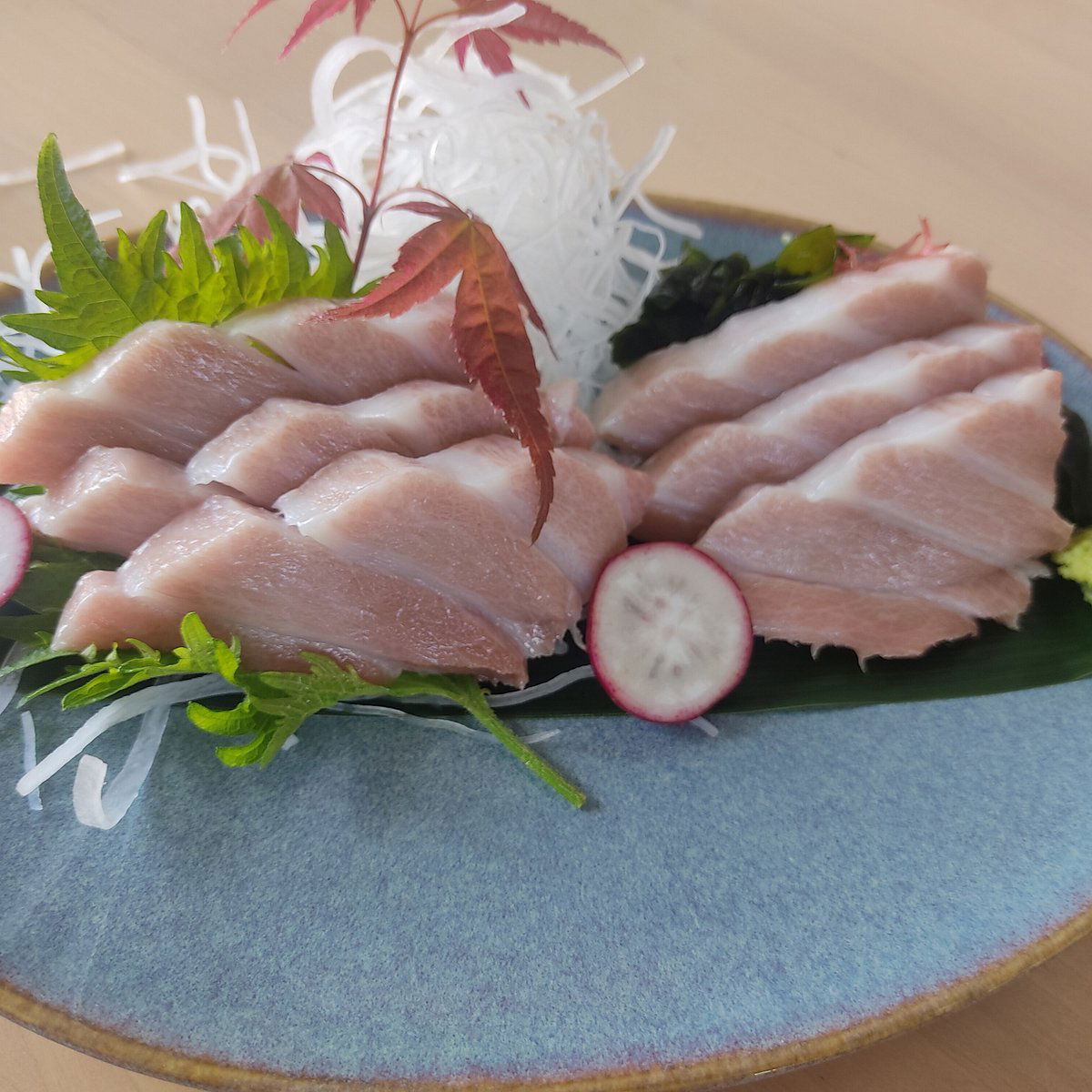
Approach the menu with the accumulation mindset the profile describes: order several small plates to mix textures and flavours. Lean into the house signatures—Nazareth_roll and maguro for standout sushi, spicy_tartare for a piquant, textural bite, and croquetacos as a shareable savory option. Alternate between tapas and sushi so the meal unfolds dynamically, and favor ingredient-forward items to experience how the kitchen blends Pacific technique with Mediterranean produce. Sharing plates and pacing orders helps capture the restaurant’s communal spirit and the layered-meal logic the kitchen embraces.
Venue details
Ambiance
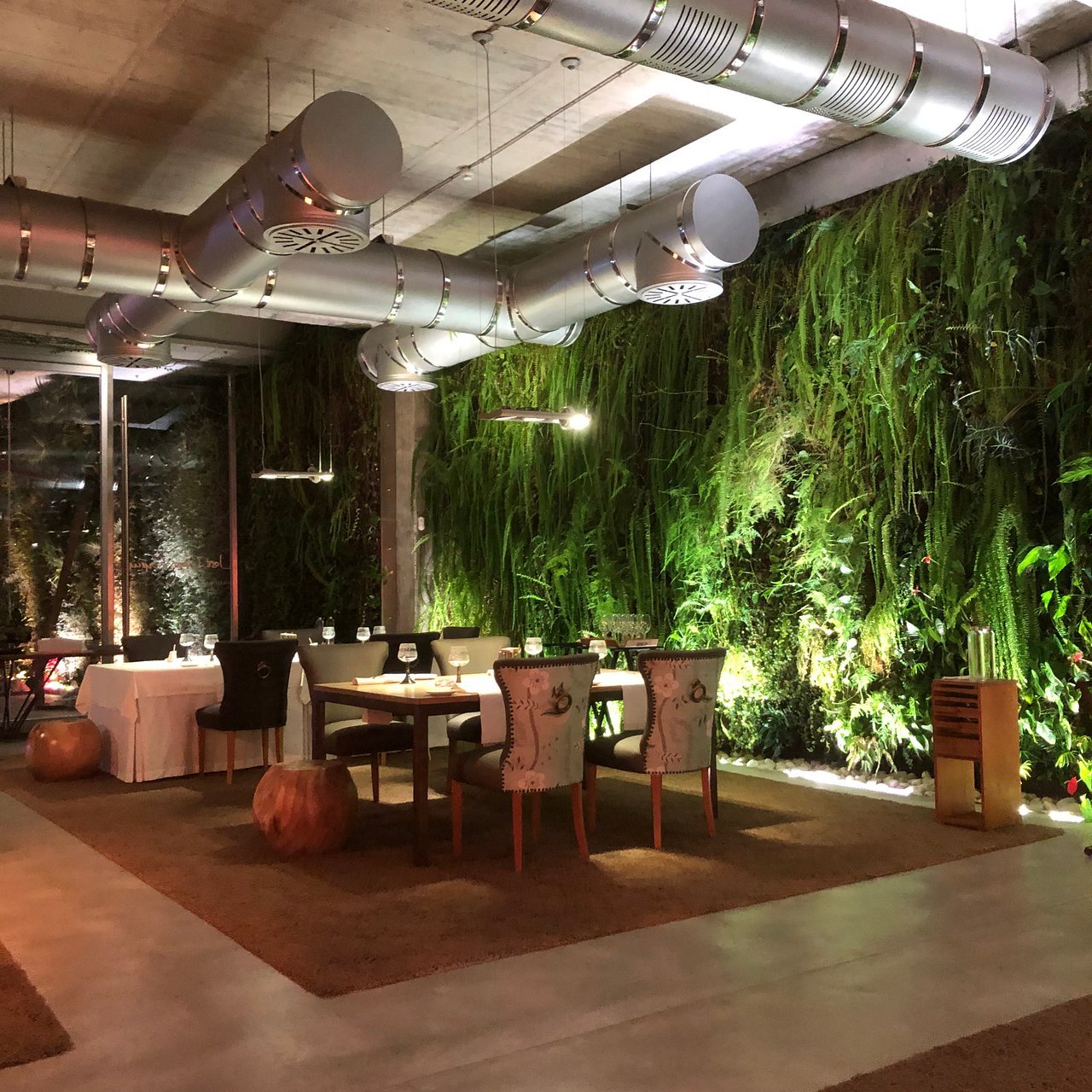
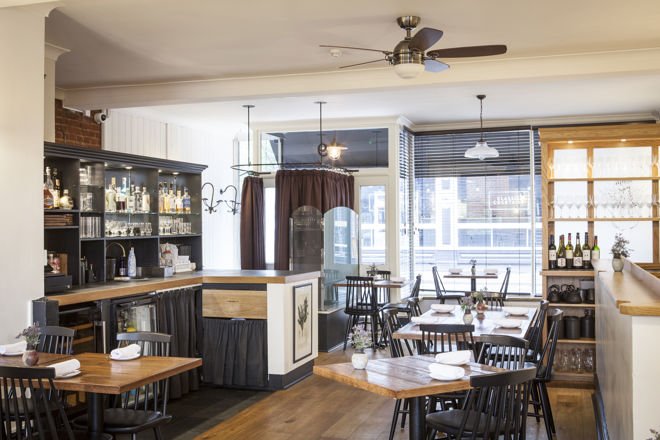
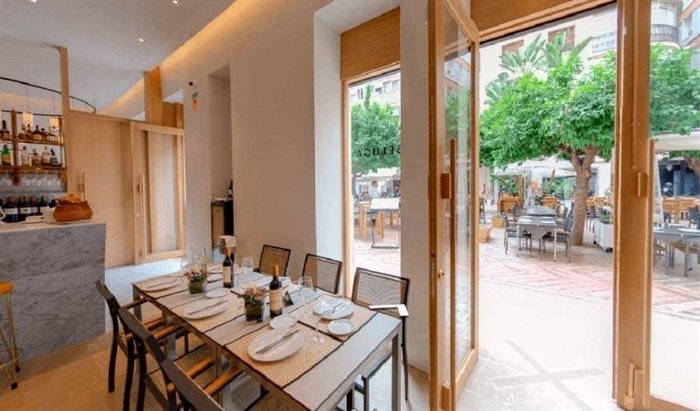
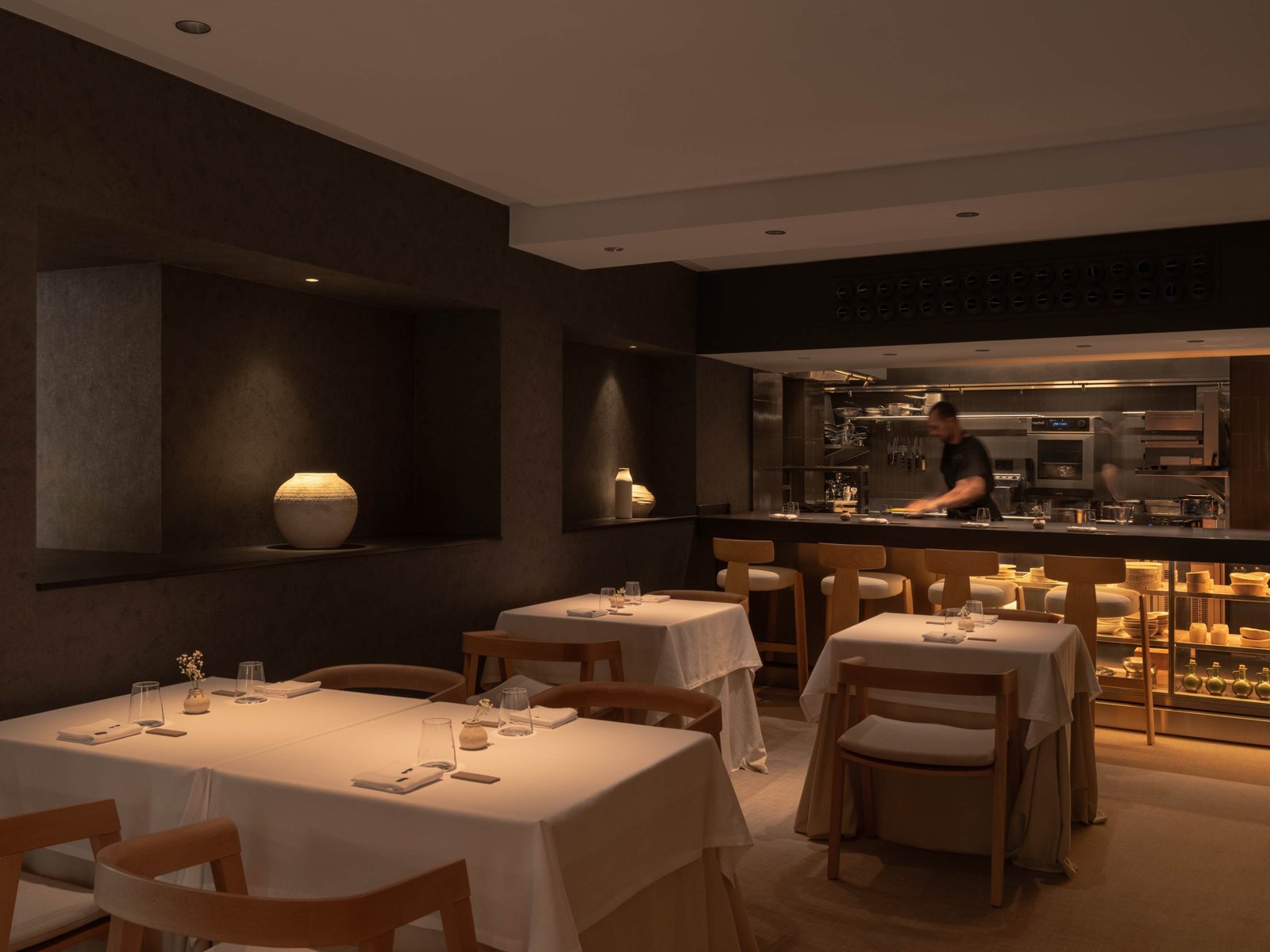
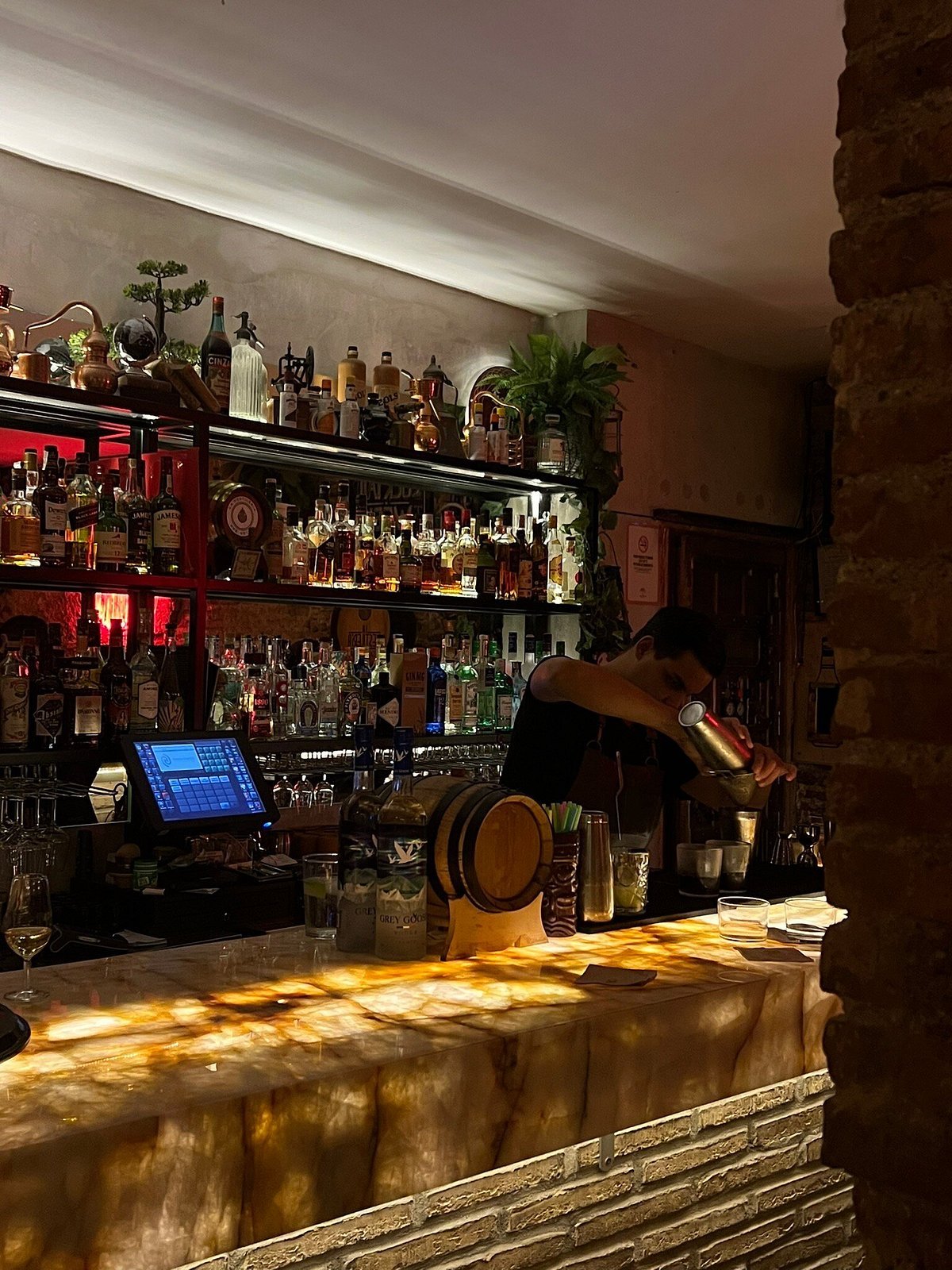
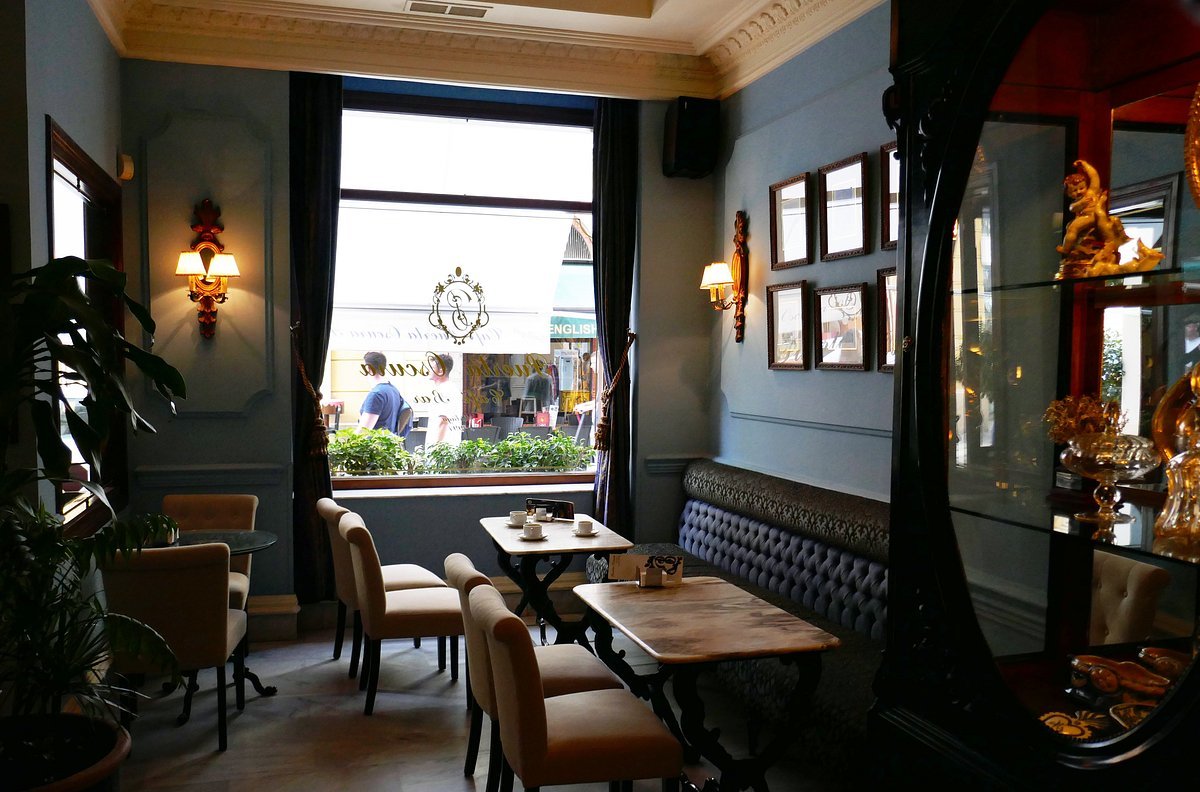
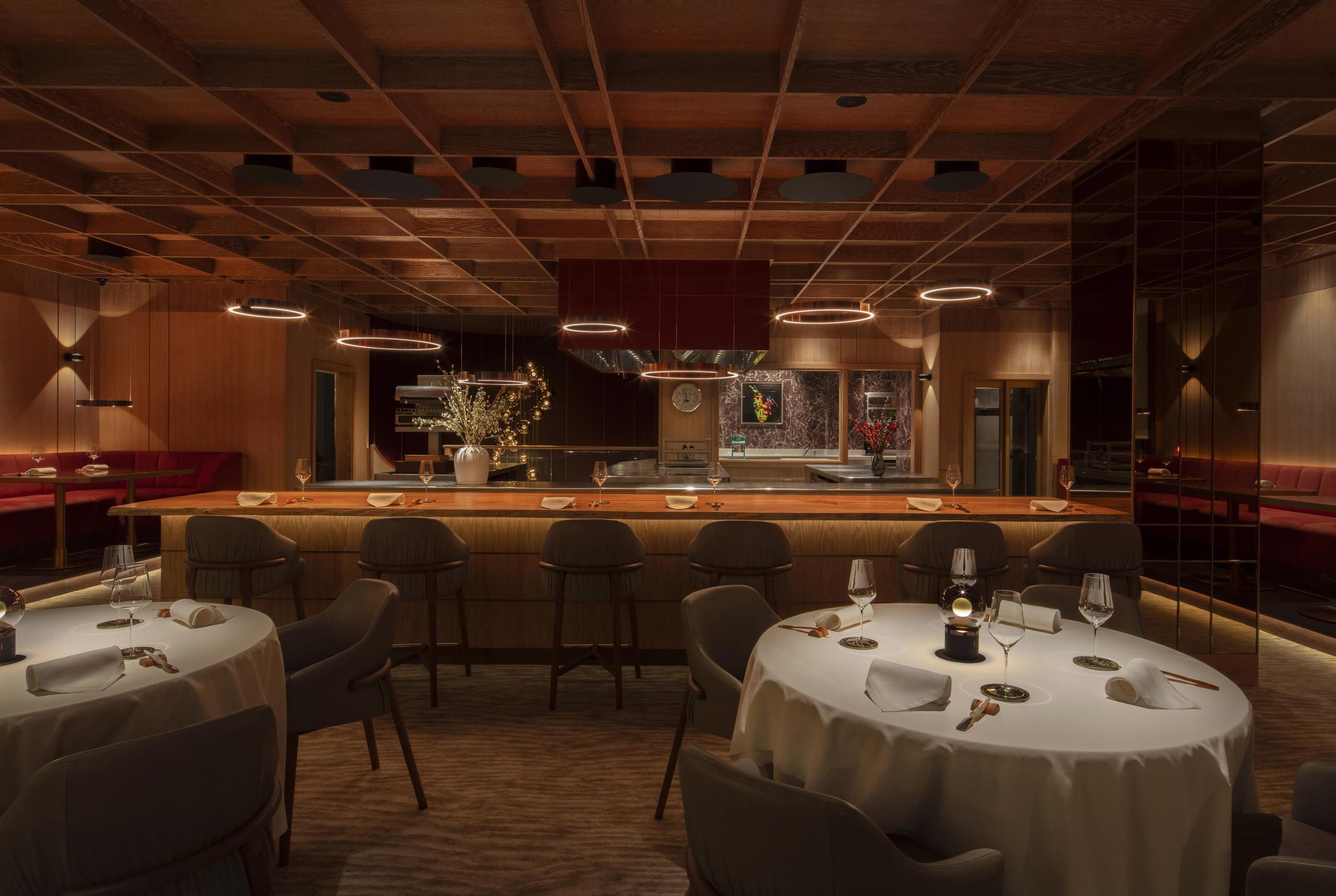
Cozy and intimate with few tables, offering a welcoming atmosphere focused on high-quality, freshly prepared dishes.
Tags
Vibe
Best For
At the Table
- Dress Code
- Smart Casual
- Noise Level
- Conversational
- Service Style
- Upscale Casual
- Meal Pacing
- Leisurely
- Capacity
- Intimate
- Kitchen
- Fusion
- Menu Format
- Small plates, A la carte
- Wine Program
- Standard
- Outdoor Seating
- Yes
Signature Dishes
- Nazareth_roll
- spicy_tartare
- croquetacos
- maguro
Know before you go
Know Before You Go
- Getting there
- Av. de Isaac Peral, 27, Carretera de Cádiz, 29004 Málaga, Spain
Planning details
Location
Av. de Isaac Peral, 27, Carretera de Cádiz, 29004 Málaga, Spain · Directions
Recognition and awards

Also consider
Also Consider
- Blossom, Chinese, Fusion, €€€€
- Kaleja, Andalusian, Contemporary, €€€€
- La Taberna de Mike Palmer, Mediterranean, Traditional Cuisine, €€
- José Carlos García, Mallorcan, Creative, €€€€
- Marisqueria Godoy, Marisqueria, Marisqueria
Restaurant context
Rocío sits at the accessible end of Málaga's dining spectrum and does something no direct peer in the city does cleanly: it fuses Japanese sushi and Mediterranean tapas in a neighbourhood setting without charging destination-restaurant prices. Compare that to Blossom (€€€€), which explores Chinese fusion at the top price tier, or Kaleja (€€€€), where contemporary Andalusian cooking demands both serious spend and advance planning. If your priority is creative cross-cultural food without the financial or logistical commitment, Rocío wins that comparison comfortably.
For value-focused diners, the most relevant peer is La Taberna de Mike Palmer (€€), which offers accessible Mediterranean cooking at a similarly easy booking difficulty. The difference is concept depth: Taberna de Mike Palmer plays in familiar Mediterranean territory, while Rocío's Japanese-Andalusian hybrid is more specific and harder to replicate elsewhere in the city. If you want something you cannot easily find on the next street, Rocío has the edge. For traditional Málaga seafood in a casual setting, Marisqueria Godoy is worth knowing about, particularly if raw fish and simply prepared shellfish are your priority over fusion technique.
At the formal end, José Carlos García (€€€€) and Kaleja (€€€€) represent Málaga's most ambitious cooking and require planning weeks in advance. They are the right call for a milestone occasion or a dedicated food trip. Rocío is the right call when you want something creative and low-friction on a night where the experience matters but the occasion does not demand ceremony. Those are different decisions, and Pearl's recommendation is to treat them as such rather than comparing across categories.
Around this place
Discover more on Pearl
Unlock the full Rocío Tapas y Sushi guide in Pearl, including awards, comparisons, FAQs, planning details, and nearby places.
Compare Rocío Tapas y Sushi
| Venue | Location | Cuisine | Awards | Price |
|---|---|---|---|---|
| Rocío Tapas y Sushi | Málaga | , | 2025 Forbes 10 Coolest Restaurants | , |
| Blossom | Málaga | Chinese, Fusion | Guía Repsol Soles 20262026 Michelin 1 Star2025 Wine Spectator Best of Award of Excellence2025 Michelin 1 Star2024 OAD Top Restaurants in North America Ranked · #5092024 Michelin 1 Star2023 OAD Top Restaurants in North America Recommended | €€€€ |
| Kaleja | Málaga | Andalusian, Contemporary | 2026 OAD Top Restaurants in Europe Ranked · #128Guía Repsol Soles 20262026 Michelin 1 Star2026 Falstaff Restaurant Guide2025 OAD Top Restaurants in Europe Ranked · #1332025 Michelin 1 Star2024 OAD Top Restaurants in Europe Ranked · #1032024 Michelin 1 Star2023 OAD Top New Restaurants in Europe Ranked · #130 | €€€€ |
| La Taberna de Mike Palmer | Málaga | Mediterranean, Traditional Cuisine | 2026 OAD Casual in Europe Recommended2026 Bib Gourmand2025 OAD Casual in Europe Ranked · #1662025 Michelin Bib Gourmand2024 OAD Casual in Europe Ranked · #1602024 Michelin Bib Gourmand | €€ |
| José Carlos García | Málaga | Mallorcan, Creative | Guía Repsol Soles 20262026 OAD Top Restaurants in Europe Recommended2026 La Liste Top Restaurants2026 Michelin 1 Star2026 Falstaff Restaurant Guide2025 OAD Top Restaurants in Europe Ranked · #5802025 La Liste Top Restaurants2025 Michelin 1 Star2024 OAD Top Restaurants in Europe Ranked · #464 | €€€€ |
| Marisqueria Godoy | Málaga | Marisqueria | 2026 OAD Casual in Europe Recommended2025 OAD Casual in Europe Ranked · #6422024 OAD Casual in Europe Ranked · #5462023 OAD Casual in Europe Recommended | , |





.png?width=1200&quality=80)


How Rocío Tapas y Sushi Málaga compares with similar nearby venues.
FAQ
Frequently Asked Questions
What should a first-timer know about Rocío Tapas y Sushi?
Rocío sits on Avenida de Isaac Peral in the Carretera de Cádiz corridor, a residential stretch west of central Málaga rather than the tourist core. The concept is Japanese-Mediterranean fusion: sushi technique applied to Andalusian flavours. Go in with the expectation of a relaxed neighbourhood format, not a high-ceremony omakase counter, and you'll be well-positioned to enjoy it.
Is Rocío Tapas y Sushi good for a special occasion?
It works for a low-key celebration with the right group, but it's not the venue to reach for if you want a formal, white-tablecloth dinner. For a milestone anniversary or business dinner in Málaga, José Carlos García — the city's Michelin-starred option — is a stronger fit. Rocío is better suited to a relaxed birthday meal or a date where the food is the talking point rather than the occasion itself.
Is Rocío Tapas y Sushi good for solo dining?
A tapas-and-sushi format is actually well-suited to solo diners: smaller plates mean you can work through more of the menu without overcommitting. The neighbourhood setting on Carretera de Cádiz is casual enough that eating alone at the bar or a small table won't feel awkward. Solo dining here is a reasonable call.
Does Rocío Tapas y Sushi handle dietary restrictions?
Specific dietary accommodation policies aren't documented for Rocío, which is common for independent neighbourhood restaurants in Spain. If you have a serious allergy or strict dietary requirement, call ahead — though a public phone number isn't listed, reaching out via the venue directly before visiting is the safest approach. The fusion format does suggest a kitchen comfortable with variation, but don't assume without confirming.
What are alternatives to Rocío Tapas y Sushi in Málaga?
For traditional Andalusian tapas, La Taberna de Mike Palmer and Marisqueria Godoy give you a more locally rooted experience without the Japanese element. Kaleja offers creative modern Spanish cooking if you want the innovation angle but in a purely local idiom. José Carlos García is the city's top fine-dining address. Blossom is worth considering if you want something in a similar casual-creative register to Rocío.
What should I wear to Rocío Tapas y Sushi?
No dress code is specified, and the Carretera de Cádiz neighbourhood context points firmly toward casual. Jeans and a clean shirt are fine. This isn't a venue where arriving underdressed is a concern — the format is relaxed by design.