Restaurant in Madrid, Spain
Ingredient-led Basque cooking at honest prices.
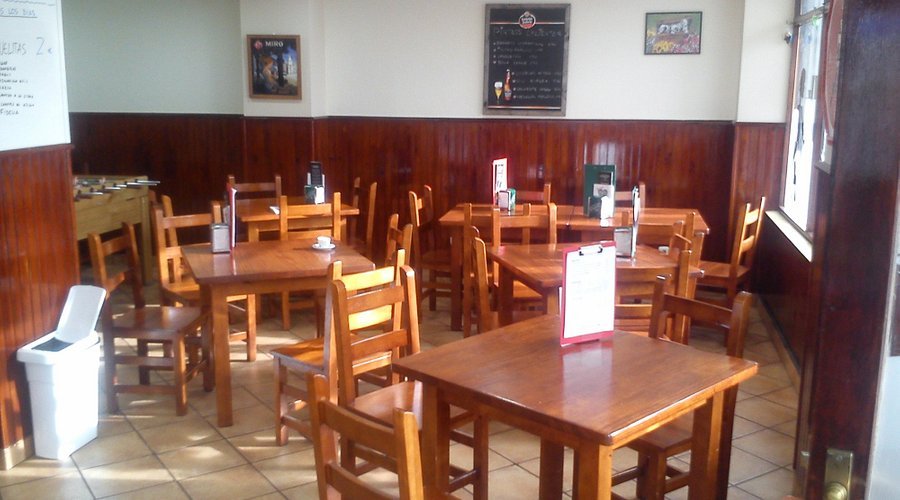
A Michelin Plate Basque restaurant in Madrid's residential east end, Jaizkibel delivers traditional cod, rice, and stew cooking at honest €€ pricing. The seasonal bonito menu section is the primary reason to time your visit carefully. With a 4.4 Google rating across 951 reviews and easy bookings, it's the most accessible serious Basque option in the city.
Jaizkibel earns its Michelin Plate (2025) by doing something direct Basque cooking rarely does in Madrid: it makes ingredients the entire point. At €€ pricing, this is one of the most honest-value propositions for serious Basque food in the city. The à la carte is extensive, the tasting menu is available for those who want a curated path through it, and the seasonal bonito section — only on the menu during summer months , is the single leading reason to plan your visit around the calendar rather than convenience. If you're a first-timer to Basque cuisine in Madrid, this is the place to start before spending significantly more at the city's tasting-menu-only rooms.
Jaizkibel sits in San Blas-Canillejas, a residential district in Madrid's east end , not a neighbourhood that shows up in most dining guides, which partly explains why 951 Google reviewers scoring it 4.4 out of 5 feels like a more reliable signal than most central-Madrid consensus picks. You're not coming here for a scene. You're coming because someone who knows Basque cooking told you to come, or because you've done the research. Either way, the recommendation holds up.
The kitchen anchors its identity in traditional Basque technique: cod prepared multiple ways, rice dishes built with care, stews that take time to earn their depth. These are not dishes designed to photograph well or to surprise you with unexpected combinations. They're designed to taste exactly right , the kind of cooking where the quality of the raw ingredient determines everything, and the kitchen's job is not to complicate it. For anyone who has eaten at Arima Basque Gastronomy or Haramboure, the register will feel familiar. Jaizkibel is less polished in format but arguably more committed to the source material.
The Michelin Plate signals a kitchen cooking at a consistent level of technical correctness , not a star, but not a casual mention either. In the context of Basque restaurants in Madrid, that credential matters. Compare it to what you'd spend at Arzak in San Sebastián or Azurmendi in Larrabetzu and Jaizkibel's €€ positioning represents a different proposition entirely , traditional Basque cooking at a price point that makes repeat visits realistic.
If you're only visiting once, go during bonito season. The restaurant dedicates a separate section of the menu to this tuna variety when it's available, and Michelin's own assessment singles out the ingredients as the stars of the show. Missing the bonito section means missing the clearest expression of what the kitchen does leading.
A second visit earns you the cod and rice dishes , the parts of the à la carte that define traditional Basque cooking in a broader sense. Cod in particular is a category where Basque kitchens have built a serious technical tradition, and an extensive à la carte gives you room to try multiple preparations without committing to a tasting format. Pair this visit with a closer look at the stews, which tend to reward the kind of attention you're more likely to give on a return visit when you already know the room.
By a third visit, the tasting menu makes sense. Having already navigated the à la carte across two meals, you'll have enough context to assess whether the kitchen's curated sequence adds something the à la carte doesn't, or whether you prefer the autonomy of choosing your own path. For Basque cooking at this price level, most diners find the à la carte more satisfying , but the tasting menu is there if you want it. For additional context on how Basque kitchens in Spain handle tasting menus at higher price points, Martin Berasategui in Lasarte-Oria and iBAi by Paulo Airaudo in San Sebastián offer useful reference points for what the format can achieve at greater ambition and cost.
The cogote de merluza , hake neck, simply cooked, with garlic and parsley oil , is the Michelin-noted standout dish and the one item that cuts across all three visits as a reliable order. It's a dish that demonstrates exactly the kitchen's philosophy: the ingredient is the point, and restraint in preparation is the skill.
Address: C. de Albasanz, 67, San Blas-Canillejas, 28037 Madrid. Budget: €€ , expect a mid-range spend that makes repeat visits financially viable. Booking difficulty: Easy , this is not a hard reservation to secure, which is one of the practical advantages over Madrid's more hyped Basque options. Dress: No formal dress code expected at this price level in a residential neighbourhood; smart casual is appropriate. Timing: Book during summer for the bonito season menu section , this is the single most time-sensitive reason to plan around the calendar. Getting there: San Blas-Canillejas is accessible by Madrid Metro; the restaurant's address on Calle de Albasanz puts it in a working residential district rather than a tourist corridor.
For broader Madrid dining context, see our full Madrid restaurants guide. For bars and hotels near your visit, our Madrid bars guide and our Madrid hotels guide cover the full picture. If Basque cooking is your focus, Pelotari is another Madrid option worth comparing at a similar price tier. For the Basque Country itself, Ama Taberna in Tolosa and iBAi by Paulo Airaudo in San Sebastián show where the tradition goes at higher ambition levels. Spain's wider fine-dining picture , from Aponiente in El Puerto de Santa María to El Celler de Can Roca in Girona and Cocina Hermanos Torres in Barcelona , is covered across Pearl's Spain pages. You can also explore Madrid wineries and Madrid experiences for the wider trip.
For a first visit, the à la carte is the better choice. The menu is extensive enough that you can build your own sequence around the kitchen's strongest categories , bonito in season, cod, hake neck , without being locked into a fixed format. The tasting menu earns its value on a third or fourth visit, once you know the kitchen's range and want to see how it sequences a meal. At €€ pricing, neither option represents significant financial risk, so order what gives you the most flexibility. If you want a tasting menu benchmark for Basque cooking at higher ambition, Arima Basque Gastronomy is the Madrid comparison worth considering.
Bar seating details are not confirmed in available data. Given the restaurant's residential Madrid setting and traditional Basque format, the experience is likely centred on table dining rather than a counter or bar setup. Confirm directly when booking. If bar-format Basque eating is a priority, Pelotari is worth checking for its pintxos-oriented approach.
Smart casual is the right call. Jaizkibel is a Michelin Plate restaurant at €€ pricing in a residential Madrid neighbourhood , it's not a white-tablecloth formal room. A jacket is unnecessary. Think of it as the level of dress you'd wear to a good neighbourhood restaurant where the food is taken seriously but the formality isn't.
Yes , the extensive à la carte format works well for solo diners who want to order selectively across a few dishes without committing to a full tasting menu progression. At €€ pricing, solo dining here is financially sensible. The residential setting and non-tourist-circuit location also means the room is likely quieter than Madrid's central dining destinations, which suits a solo visit oriented around the food rather than the atmosphere. For solo diners specifically interested in Basque cuisine, Haramboure is the closest Madrid alternative worth comparing.
No direct contact details or booking platform are available in current data, which makes it harder to confirm dietary accommodation in advance. For kitchens built around traditional Basque cooking , heavy on fish, cod, and meat-based stews , significant vegetarian or vegan requirements are likely to limit your options substantially. Communicate any restrictions clearly when booking. If dietary flexibility is a primary concern, a more modern kitchen like Arima Basque Gastronomy may offer more room to accommodate.
| Venue | Cuisine | Price | Awards | Booking Difficulty | Value |
|---|---|---|---|---|---|
| Jaizkibel | Basque | €€ | In this restaurant located in a residential district of the city, the undisputed stars of the show are the ingredients (such as bonito tuna to which a special section of the menu is devoted in season) and flavour. The extensive à la carte of traditional Basque cooking, including an array of rice and cod dishes and stews, is complemented by a tasting menu. One standout dish that we particularly enjoyed was the “cogote de merluza” – simply cooked and delicious neck of hake drizzled with garlic and parsley oil.; Michelin Plate (2025) | Easy | — |
| DiverXO | Progressive - Asian, Creative | €€€€ | Michelin 3 Star, World's 50 Best | Unknown | — |
| Coque | Spanish, Creative | €€€€ | Michelin 2 Star | Unknown | — |
| Deessa | Modern Spanish, Creative | €€€€ | Michelin 2 Star | Unknown | — |
| Paco Roncero | Creative | €€€€ | Michelin 2 Star | Unknown | — |
| Smoked Room | Progressive Asador, Contemporary | €€€€ | Michelin 2 Star | Unknown | — |
What to weigh when choosing between Jaizkibel and alternatives.
Yes, if you want to cover the range of what Jaizkibel does across one sitting. The à la carte is extensive — traditional Basque cod, rice, and stew dishes — but the tasting menu gives you a structured route through the kitchen's strengths. At a €€ price point, it delivers a serious amount of cooking relative to what Madrid's higher-end rooms charge for comparable format. If you're visiting during bonito season, confirm the tasting menu includes it; otherwise the à la carte section dedicated to bonito tuna may be the better call.
Bar seating specifics are not confirmed in the available venue data, so check the venue's official channels before building your plan around it. What is clear is that Jaizkibel operates a full à la carte alongside the tasting menu, which generally suits flexible, drop-in dining better than fixed-format rooms. Given it sits in a residential district rather than a tourist corridor, it tends to run at a more local, unhurried pace — which works in your favour if you're dining solo or on short notice.
Jaizkibel is a neighbourhood Basque restaurant in a residential part of Madrid's east end, not a formal dining room. The Michelin Plate recognition is about ingredient quality and cooking, not theatre or ceremony. Dress as you would for a serious local restaurant: clean, presentable, and comfortable. You will not need a jacket or formal shoes.
Yes. The à la carte format means you can order exactly what you want without committing to a full tasting menu, which makes solo visits financially and practically easy at the €€ price range. The cogote de merluza — hake neck with garlic and parsley oil — is a focused, single-dish highlight that works well as a solo order anchor. The residential, low-key setting in San Blas-Canillejas also means less of the tourist-crowd energy that can make solo dining feel awkward at more central Madrid spots.
Specific dietary accommodation details are not documented in the venue data, so call or email ahead before booking. What is confirmed is that the menu is built around specific traditional Basque ingredients — bonito tuna, cod, hake, rice, and stews — so the kitchen is ingredient-focused rather than fusion-flexible. If you have fish or shellfish restrictions, the menu structure may be limiting; worth verifying directly before you make the trip out to San Blas-Canillejas.
Keep this venue in your Pearl passport, rate it after you visit, and track it alongside every other place you collect.


