Restaurant in Madrid, Spain
Michelin-recognised Japanese, no fuss required.
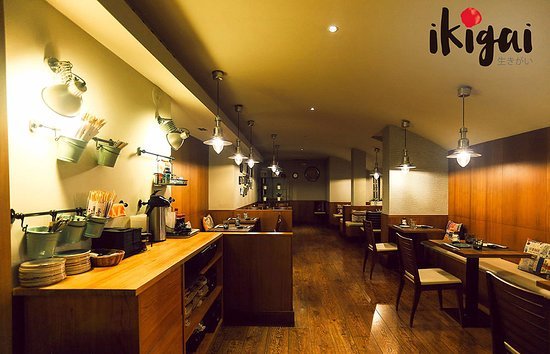
Ikigai Flor Baja holds a 2025 Michelin Plate for technically consistent Japanese cooking that folds in French and Spanish influences — served in an informal room at a €€€ price point that makes repeat visits realistic. The à la carte covers temaki, nigiri, and starters; the omakase option rewards a second visit. Book a week or two ahead; the reservation is easy to secure.
Yes, and it earns a return visit. Ikigai Flor Baja holds a 2025 Michelin Plate, which in practical terms signals consistent, technically accomplished cooking at a €€€ price point — not the cheapest night out in Madrid, but well below the city's four-symbol omakase ceiling. If you came once for the temaki and left satisfied, there is enough range across the à la carte and the omakase format to justify two or three more visits before the menu starts to repeat itself. That is the real case for booking here.
The setting at C. de la Flor Baja is informal, and that word carries weight in the Michelin context. This is not a hushed, white-tablecloth operation. The energy runs closer to a neighbourhood Japanese counter than a tasting-menu temple, which keeps the noise level conversational without being a canteen. For a first visit, that informality is reassuring. For a second or third, it means you are not performing a dining ritual — you are just eating well, which makes the decision to return considerably easier. If you need the full ceremony of a silent room and pressed linen, look elsewhere in Madrid's €€€€ tier. If you want technically serious food in a room where you can actually talk, Ikigai Flor Baja works.
The menu architecture here supports a multi-visit strategy, and that is worth planning around. The à la carte is anchored by starters, temaki, and nigiri in both classic and fusion forms, with the kitchen pulling in French and Spanish influences alongside the Japanese foundation. On a first visit, the à la carte gives you the widest read on the kitchen's range. White prawns with garlic and spicy tuna with a marrow flan are the two dishes the Michelin inspectors called out specifically , treat those as benchmarks rather than your entire order, and build around them.
On a second visit, the omakase format is the move. It hands control to the kitchen, which tends to surface dishes that do not appear on the standard à la carte, and it gives you a clearer picture of how the chef thinks across a full sequence. The fusion of French and Spanish technique with Japanese tradition is the defining characteristic of the cooking here , an approach that sits alongside other Spanish-Japanese experiments in the city , but the omakase is where that logic plays out most coherently as a meal rather than a collection of individual plates.
A third visit is earned by the nigiri alone if the first two confirm the kitchen's consistency, which a 4.2 rating across nearly 1,000 Google reviews suggests it does. At that stage you know what you want, you know the pacing, and the informal room means you are not making a production of it. Order the classics you trust, add one or two things you have not tried, and leave before 10 PM if you want the room at its least crowded.
Madrid has a small but growing cluster of serious Japanese restaurants, and Ikigai Flor Baja sits near the leading of the accessible end. Ikigai Velázquez is the sibling address , same kitchen philosophy, different neighbourhood and slightly different atmosphere , so if you have done one, the other is a natural comparison rather than a replacement. Yugo The Bunker pushes harder into omakase theatre and a lower room, which suits a different occasion. Ebisu by Kobos, Hotaru Madrid, and Izariya round out the field for anyone building a broader Japanese dining map of the city. None of those are direct substitutes , each has a different format and price position , but knowing the set helps you choose which to prioritise and in what order.
Outside Madrid, the Japanese-in-Europe comparison widens quickly. For reference points on what a fully traditional Japanese counter looks like at the leading of its category, Myojaku in Tokyo and Azabu Kadowaki in Tokyo represent the far end of the spectrum. Ikigai Flor Baja is not competing with those, nor is it trying to. It is offering something that makes sense in its own city: Japanese technique adapted through a Spanish and French lens, priced and presented accessibly enough that it holds up across multiple visits without requiring a special occasion to justify it.
Booking is direct , this is not the kind of reservation that requires a three-month lead time or a credit card deposit to hold. Arriving early in the evening gives you the room before the noise builds, which is worth prioritising if conversation matters. The €€€ price range puts this comfortably below the city's big-ticket creative restaurants, making it a realistic option for repeat visits rather than a once-a-year occasion. No dress code is specified, and the informal setting signals that smart casual is the ceiling, not the floor. For a broader sense of where this fits in the city's dining options, see our full Madrid restaurants guide, alongside Madrid hotels, Madrid bars, Madrid wineries, and Madrid experiences.
Spain's broader fine dining context, anchored by restaurants like El Celler de Can Roca in Girona, Arzak in San Sebastián, Azurmendi in Larrabetzu, Martin Berasategui in Lasarte-Oria, Quique Dacosta in Dénia, and Cocina Hermanos Torres in Barcelona, sets a high baseline for technical cooking across the country. Ikigai Flor Baja operates in a different register from those, but the Michelin Plate recognition places it within the same quality conversation at a lower entry price and with considerably less booking friction.
Quick reference: €€€ price range · Michelin Plate 2025 · 4.2/5 (993 Google reviews) · C. de la Flor Baja, 5, Madrid · Easy to book · Informal dress · À la carte and omakase available.
Booking difficulty here is easy relative to Madrid's most in-demand tables. A week or two ahead should cover most evenings, though weekend slots at prime times fill faster. If you have a fixed date, book as soon as you know it , there is no real downside to securing the reservation early.
At €€€, yes. The Michelin Plate signals technical consistency, and the combination of à la carte flexibility and an omakase option gives you genuine value across multiple visits. It sits well below Madrid's €€€€ tasting-menu restaurants in price while delivering cooking that belongs in the same quality conversation. For the price tier, it is one of the stronger cases for Japanese food in the city.
Smart casual is appropriate and fits the informal room. The Michelin Plate might suggest formality, but the setting does not demand it. No specific dress code is in place. Overdressing is not a problem; turning up in gym wear probably is.
It works well for solo diners, particularly at the counter if available. The omakase format is especially suited to solo visits , you get the full kitchen sequence without having to coordinate with a group. The informal atmosphere makes solo dining feel natural rather than conspicuous, which matters in a city where solo restaurant dining can sometimes feel awkward.
Yes, with the right expectations. The Michelin Plate and €€€ price point give it enough weight for a birthday or anniversary dinner, and the omakase option adds a sense of occasion. But the room is informal, so if you need a formal, high-ceremony setting, DiverXO or Smoked Room at the €€€€ level would feel more occasion-appropriate. For a celebration that does not require theatre, Ikigai Flor Baja is a solid choice.
Within the Japanese category, Ikigai Velázquez is the natural sibling comparison. Yugo The Bunker offers a more theatrical omakase experience. Ebisu by Kobos, Hotaru Madrid, and Izariya cover different parts of the Japanese dining spectrum in the city. If you are open to Madrid's broader creative restaurant scene, DSTAgE and Coque operate at the €€€€ level with more elaborate tasting menus.
The omakase is worth trying on a second visit once you have tested the à la carte. It gives the kitchen room to show how the French and Spanish influences integrate across a full sequence, rather than as individual standalone dishes. On a first visit, the à la carte gives you more control and a wider sample of the menu. On a return, the omakase is the stronger choice for seeing what the kitchen does when it is setting the pace.
| Venue | Cuisine | Awards | Booking Difficulty | Value |
|---|---|---|---|---|
| Ikigai Flor Baja | Japanese | Consistent, technically accomplished and high-quality cuisine in an informal setting, where the chef creates Japanese cooking that borders on the traditional while at the same time surprising guests with a fusion of French and Spanish influences. The à la carte (complemented by an Omakase menu option) features a good selection of starters, tasty temaki and nigiri (both classic and fusion-style). Highlights include white prawns with garlic, and spicy tuna with a marrow flan.; Michelin Plate (2025); Consistent, technically accomplished and high-quality cuisine in an informal setting, where the chef creates Japanese cooking that borders on the traditional while at the same time surprising guests with its fusion of French and Spanish influences. | Easy | — |
| DiverXO | Progressive - Asian, Creative | Michelin 3 Star, World's 50 Best | Unknown | — |
| DSTAgE | Modern Spanish, Creative | Michelin 2 Star | Unknown | — |
| Smoked Room | Progressive Asador, Contemporary | Michelin 2 Star | Unknown | — |
| Paco Roncero | Creative | Michelin 2 Star | Unknown | — |
| Coque | Spanish, Creative | Michelin 2 Star | Unknown | — |
What to weigh when choosing between Ikigai Flor Baja and alternatives.
A week in advance is usually enough. Ikigai Flor Baja does not require the months-out lead time that Madrid's most-booked tables demand, but weekends fill faster than midweek. If you are planning around a specific date, book as soon as you know it — there is no credit card hold or deposit process to navigate.
At €€€ pricing with a 2025 Michelin Plate, the value case is solid. Michelin's own citation flags consistent, technically accomplished cooking — that is not a courtesy award. For Japanese food at this level in Madrid, the pricing sits below what you would pay at a comparable Japanese address in Paris or London for similar technical range.
The setting is informal by design — Michelin's own language on this restaurant specifically uses that word. Dress as you would for a serious dinner with friends: neat, put-together, but no jacket required. Over-dressing will feel out of place.
Yes. The à la carte format, with its range of starters, temaki, and nigiri, suits a solo order well — you can build a focused meal without committing to a full omakase. The informal room also makes solo dining less awkward than at more formal Japanese counters.
It works for a special occasion if your group does not need a formal, ceremony-heavy setting. The 2025 Michelin Plate and the omakase option give it enough occasion weight, but the informal room sets the tone as a celebratory dinner rather than a milestone splurge. For a white-tablecloth milestone meal, look elsewhere in Madrid.
Ikigai Velázquez is the nearest like-for-like comparison — same culinary lineage, different neighbourhood, and worth considering if Centro does not suit your plans. For a step up in format and price, DiverXO is Madrid's most ambitious dining destination but operates at a very different register. Smoked Room offers a tasting-menu-only format if that structure appeals more than à la carte.
The omakase is worth it if you want the kitchen to sequence the meal for you and are already committed to Japanese as the format. The à la carte is genuinely strong — Michelin specifically highlights the temaki, nigiri, white prawns with garlic, and spicy tuna with marrow flan — so first-time visitors may prefer to order freely before committing to the omakase on a return visit.
Keep this venue in your Pearl passport, rate it after you visit, and track it alongside every other place you collect.