


Ugo Chan
Japanese-Sushi, Fusion · Nueva Espana, Madrid
Restaurant in Madrid, Spain
 Book with Pearl
The Read
Madrid-Japanese Counter Fusion
Price
€€€€
Chef
Hugo Muñoz
Dress
Smart Casual
Why go
Ugo Chan is a restaurant on Calle de Félix Boix in Madrid.
About Ugo Chan
Is Ugo Chan worth booking in Madrid?
Yes, and you should book it soon. For a Japanese-fusion counter experience in Chamartín, it is one of the most considered bookings in the Spanish capital right now. If your interest is creative Japanese cooking with real local identity, this is where to go in Madrid.
What Ugo Chan Is
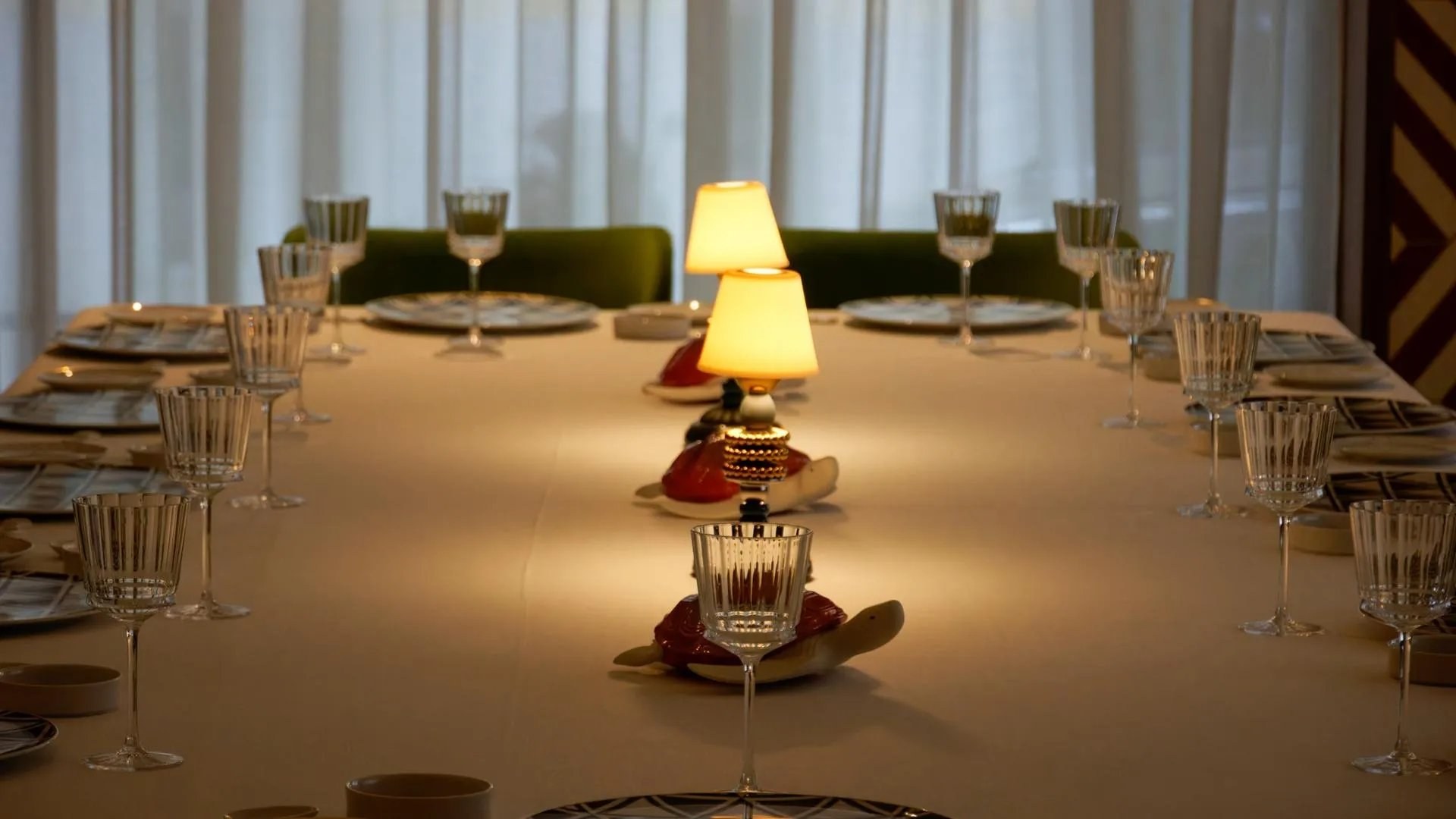
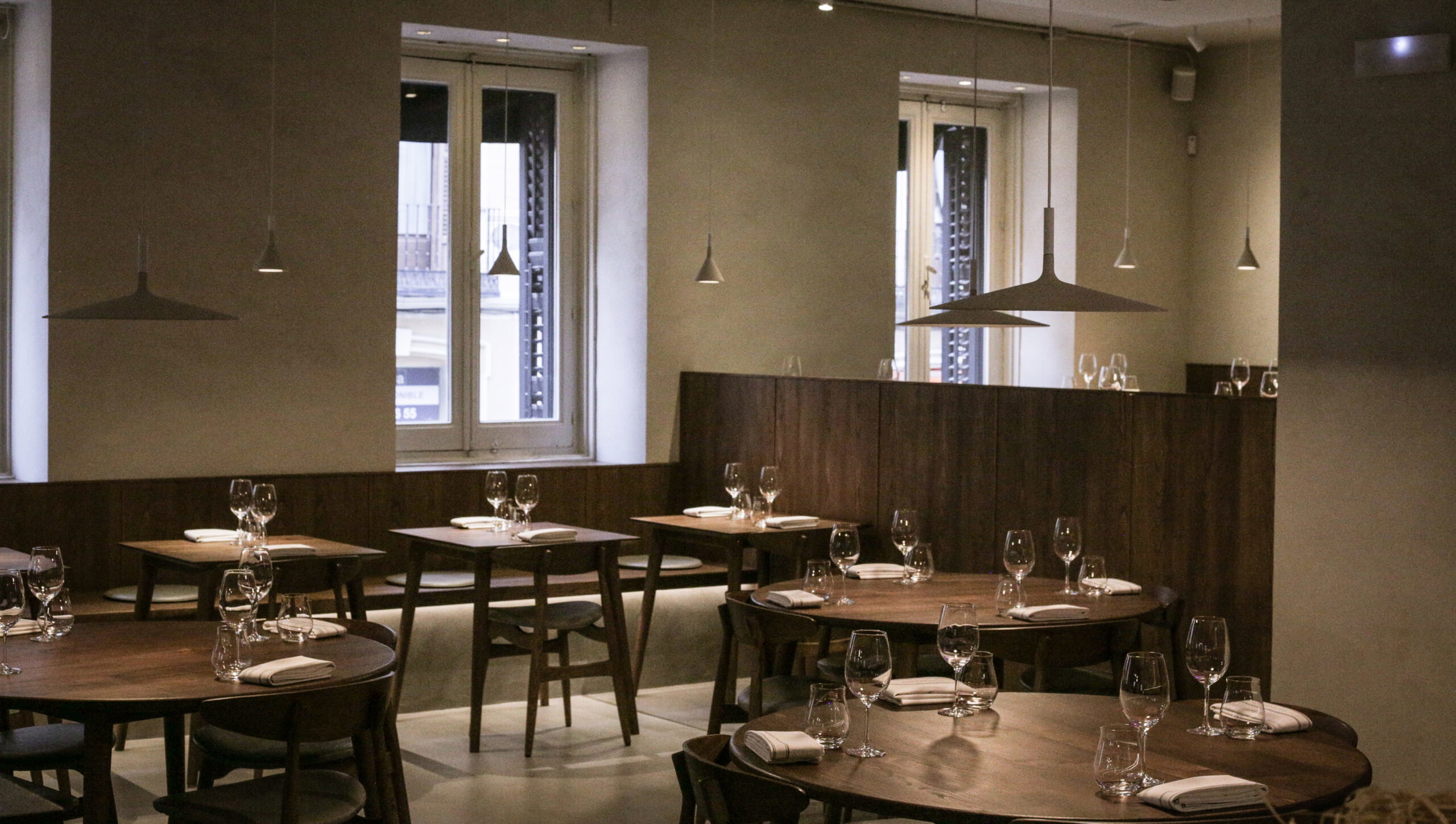
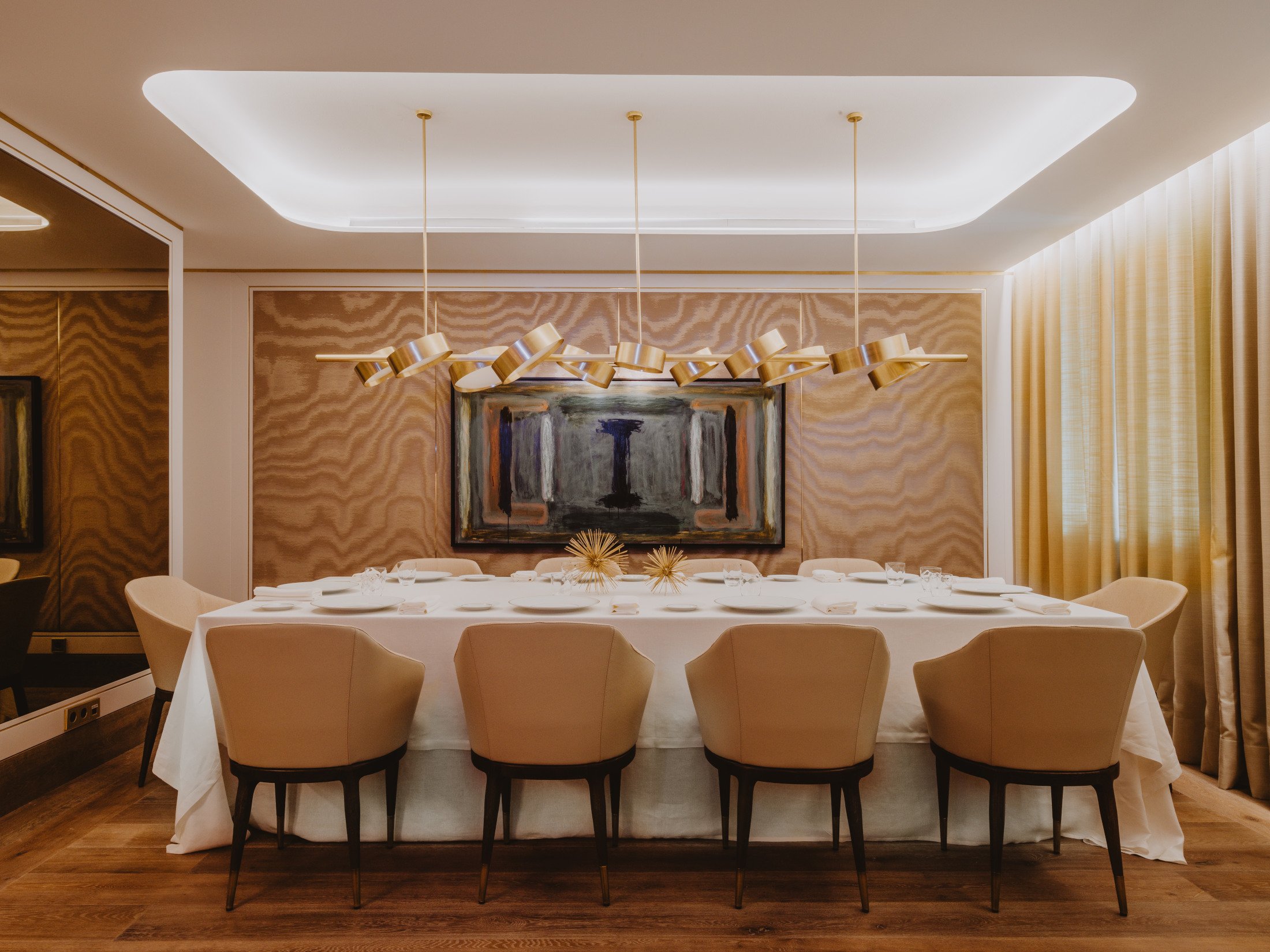
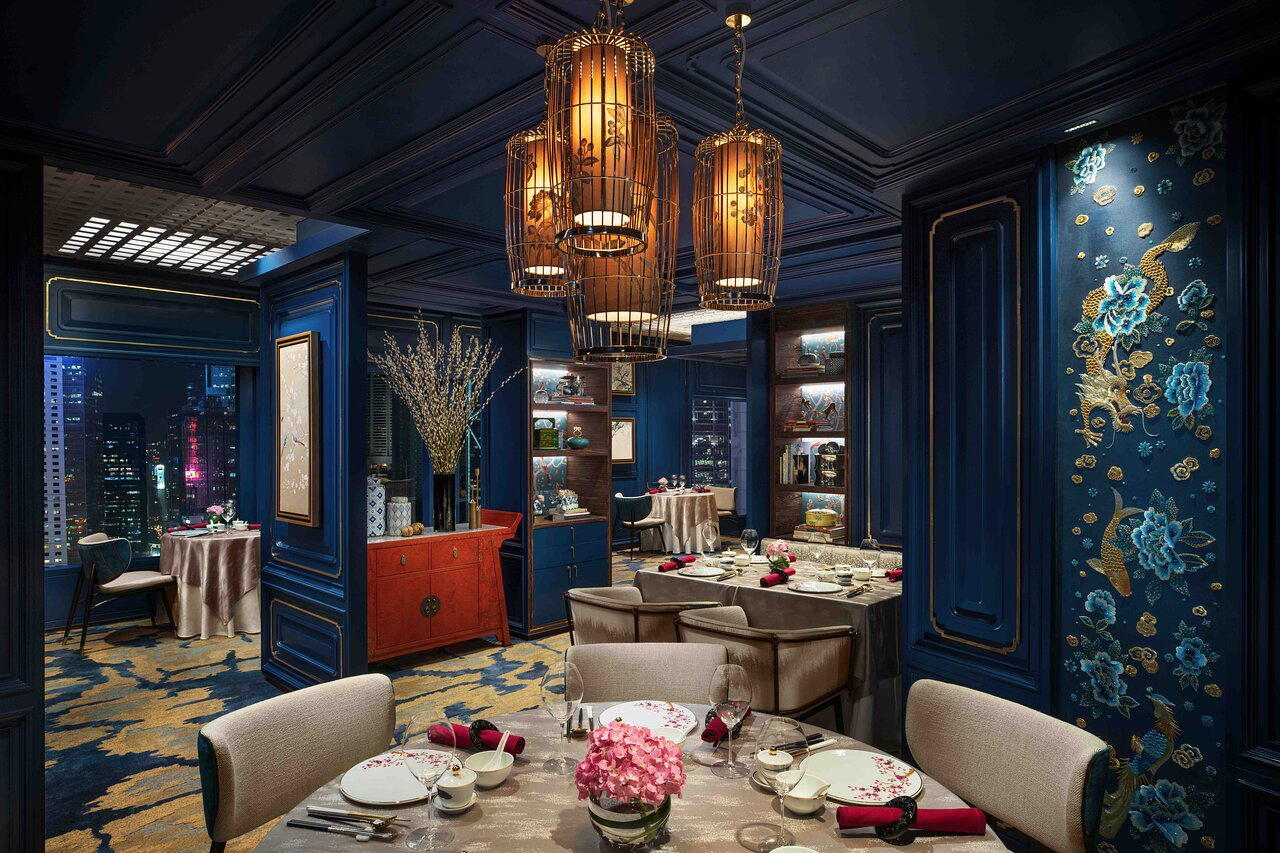
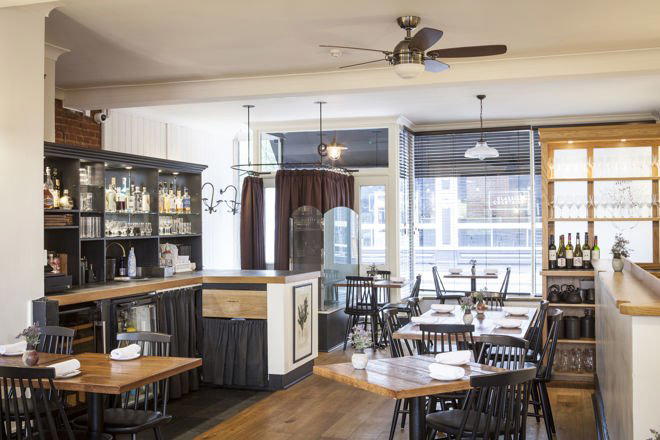
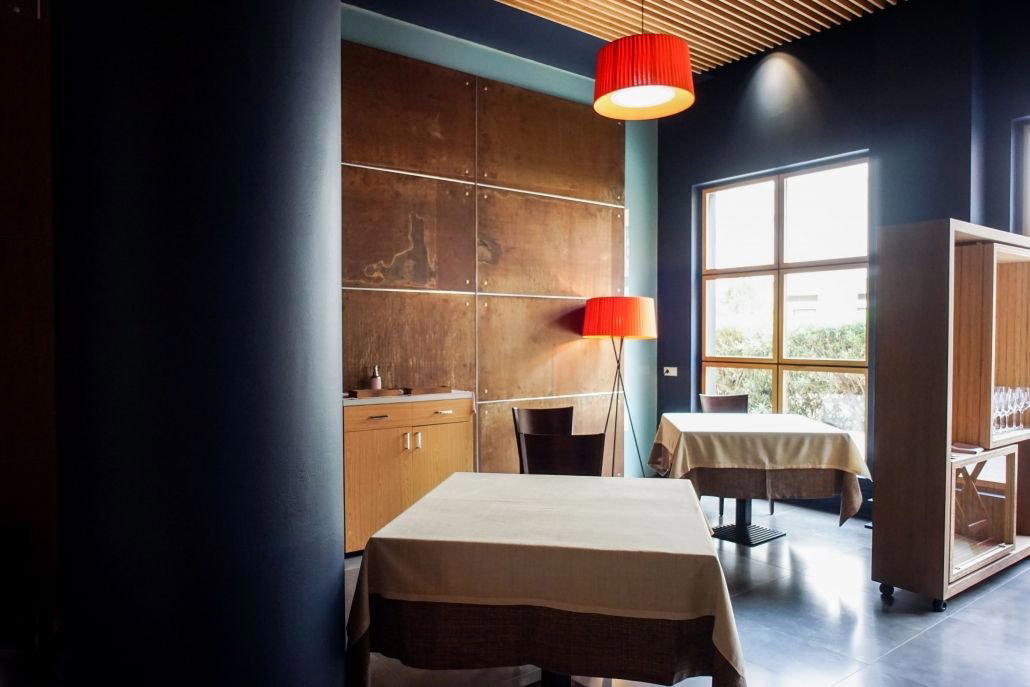
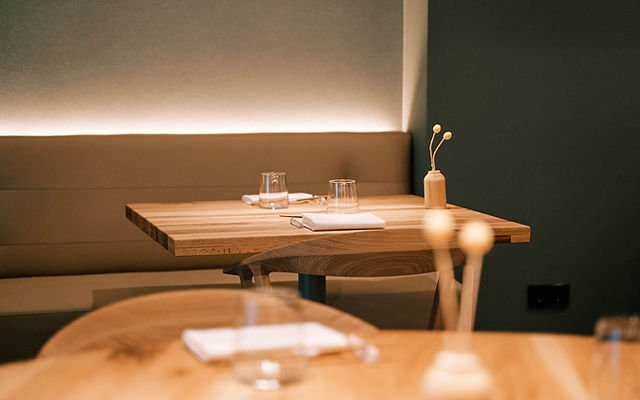
Ugo Chan operates out of a compact space on C. de Félix Boix in the Chamartín district, a residential neighbourhood in northern Madrid that is not on the tourist circuit. That matters. This is not a restaurant performing for visitors; it reads as a place built for a local diner with serious appetite. The open-view kitchen anchors the room, with two counters giving direct sightlines into the work happening in front of you. The atmosphere sits closer to focused intimacy than to the theatrical noise of Madrid's bigger creative-dining rooms. Come here for conversation that stays possible throughout the meal, for a pace that doesn't feel engineered, and for a room that takes Japanese design cues without being precious about them.
Chef Hugo Muñoz named the restaurant after his own childhood nickname, given by his grandfather. That personal framing matters less than what it produces on the plate: a kitchen that commits to seasonal ingredients and makes a credible argument that Japanese technique and Madrid identity are compatible. The menu changes continuously. Dishes have included tripe gyozas cooked in the madrileña tradition and a take on Soldaditos de Pavía, the classic Madrid cod fritter. These are not novelty fusions; they are precise technical exercises that happen to carry local memory. References to Martín Berasategui and Joël Robuchon appear in the kitchen's DNA, which places the ambition level clearly. For context on how that Basque influence reads in a Spanish fine-dining setting, compare the approach at Martin Berasategui in Lasarte-Oria or Arzak in San Sebastián.
The format gives you two routes: à la carte or a personalised Omakase menu. The Omakase is the more considered choice if you are visiting specifically for the counter experience, since it hands sequencing and pacing to the kitchen. À la carte gives you control and works well if you have preferences or constraints. Both sit at the €€€€ price level, so this is a commitment either way.
Why Chamartín Is the Right Neighbourhood for This Restaurant
Chamartín rarely appears in Madrid dining shortlists aimed at visitors, which works in your favour. The neighbourhood's relative quietness is part of why Ugo Chan maintains the room tone it does. You are not competing with pre-theatre crowds or hotel restaurant foot traffic. The clientele skews local and regular, which creates a different energy from the destination-dining rooms nearer the city centre. If you are staying centrally, plan travel time accordingly; Chamartín is accessible by metro but is not a quick walk from most hotel clusters. For a broader view of where Ugo Chan fits in the Madrid dining map, see our full Madrid restaurants guide.
Booking Chamartín specifically for a meal here makes sense as a standalone evening rather than a stop on a broader itinerary. The dinner service runs until midnight, which fits Madrid's natural rhythm. Pair it with drinks at one of the neighbourhood bars beforehand rather than trying to squeeze in a second venue after.
How It Compares Across Spain
Spain's highest-concentration fine-dining corridor runs through the Basque Country and Catalonia. El Celler de Can Roca in Girona, Cocina Hermanos Torres in Barcelona, Azurmendi in Larrabetzu, and Quique Dacosta in Dénia all sit at a different scale of international recognition. Ugo Chan is not competing with that tier yet. What it offers is a Michelin-starred counter experience in Madrid with a sharper local identity and a more personal scale than most of those rooms allow. For a trip built around Madrid specifically, it is a strong anchor booking. For a broader Spain itinerary, it fits alongside rather than instead of the country's larger names.
Practical Details
Reservations: Hard to book; plan at least 3-4 weeks ahead for dinner, slightly less for lunch. Given the OAD ranking climb and the Michelin star, demand is rising. Hours: Tuesday through Saturday, lunch 1:30 PM to 4:00 PM, dinner 8:30 PM to midnight. Closed Sunday and Monday. Budget: €€€€; expect a significant per-head spend at the Omakase level. Format: Two counters with open kitchen view; à la carte and personalised Omakase both available. Dress: No dress code confirmed in available data, but the room and price level suggest smart-casual at minimum. Getting there: Chamartín district, C. de Félix Boix 6; metro access is practical from central Madrid.
Pearl Picks: If You're Planning Around This Meal
- DSTAgE — for modern Spanish creativity at the same price tier, closer to the city centre
- DiverXO — for Madrid's most theatrical creative-Asian experience, if Ugo Chan's tone feels too restrained
- Coque, for Spanish creative cooking with a broader wine focus
- Deessa, for modern Spanish in a hotel setting with easier availability
- Paco Roncero, for a different take on creative cooking at the same price level
- Our full Madrid hotels guide if you are planning an overnight stay around this meal
- Our full Madrid bars guide for pre- or post-dinner options in the city
- Our full Madrid experiences guide for building a broader itinerary
- Our full Madrid wineries guide if wine is part of your trip planning
Planning details
- Hours
- Monday: closed · Tuesday: 1:30 PM-4 PM 8:30 PM-12 AM
- Location
- C. de Félix Boix, 6, Chamartín, 28036 Madrid, Spain
- Website
- ugochan.com
- Phone
- +34 913 50 65 78
The take
The Take
The Vibe
Ugo Chan feels deliberately quiet and exacting. The room centers on two counters and an open-view kitchen, so attention is on the food rather than arrival theatrics. The kitchen applies Japanese culinary grammar to Madrid’s pantry, trading high-concept spectacle for meticulous, seasonal detail. That focused, counter-driven environment cultivates a loyal regulars’ clientele: it’s intimate rather than clubby, modern in technique and refined in presentation. The overall impression is elegant and sophisticated, a place where thoughtful creativity and precision take precedence over flash, and where each visit promises subtle evolution rather than repetition.
Best For
This is a venue geared toward intentional dining: date nights, business dinners, special occasions and small celebrations all fit naturally here. The counter-first layout and quiet room favor conversation and close attention to the tasting sequence, which suits pairs and small parties who want a culinary experience rather than a social scene. Because the kitchen treats the menu as a living document, the restaurant rewards diners who are there to focus on food—guests who appreciate craftsmanship, seasonal detail and the interplay between Japanese technique and Madrid ingredients.
Ordering Tips
The menu follows an evolving omakase-counter logic: no two visits are identical and the kitchen treats dishes as a living document. Embrace the tasting approach and let the sequence unfold—signature items such as tripe gyozas a la madrileña, lentil caviar with Japanese curry and coconut air, cocotxa nigiri and sardine sushi alboronía exemplify the fusion at play. Sit at the counter where possible to watch the choreography of the kitchen and experience the service rhythm up close. Expect seasonal turns and meticulous execution rather than a fixed à la carte repeat.
Venue details
Ambiance
Contemporary minimalist dining room with soft lighting and gentle music, dominated by an open-view kitchen and two counter seating areas that create an intimate yet sociable atmosphere.
Tags
Vibe
Best For
Experience
Sourcing
At the Table
- Dress Code
- Smart Casual
- Noise Level
- Conversational
- Service Style
- Upscale Casual
- Meal Pacing
- Leisurely
- Capacity
- Small
Signature Dishes
- Tripe gyozas a la madrileña
- Lentil caviar with Japanese curry and coconut air
- Tribute to Robuchon
- Cocotxa nigiri
- Sardine sushi alboronía
Know before you go
Know Before You Go
- Getting there
- C. de Félix Boix, 6, Chamartín, 28036 Madrid, Spain
Planning details
Hours
- Monday
- closed
- Tuesday
- 1:30 PM-4 PM 8:30 PM-12 AM
- Wednesday
- 1:30 PM-4 PM 8:30 PM-12 AM
- Thursday
- 1:30 PM-4 PM 8:30 PM-12 AM
- Friday
- 1:30 PM-4 PM 8:30 PM-12 AM
- Saturday
- 1:30 PM-4 PM 8:30 PM-12 AM
- Sunday
- closed
Location
Recognition and awards

Also consider
Also Consider
- DiverXO, Progressive - Asian, Creative, €€€€
- DSTAgE, Modern Spanish, Creative, €€€€
- Smoked Room, Progressive Asador, Contemporary, €€€€
- Paco Roncero, Creative, €€€€
- Coque, Spanish, Creative, €€€€
Restaurant context
Among Madrid's €€€€ creative-dining options, Ugo Chan occupies a specific position: it is the only counter-format Japanese-fusion room with a Michelin star in the city. DiverXO is the correct comparison if you want Madrid's most ambitious and theatrical creative-Asian experience, but it operates at a different scale of difficulty to book and a higher intensity of service. Ugo Chan is more contained, more conversational, and easier to get into than DiverXO, though neither is a straightforward reservation.
DSTAgE and Coque are both strong alternatives if modern Spanish creative cooking is equally acceptable to you alongside Japanese fusion. DSTAgE sits closer to the city centre and offers a comparable level of technical ambition. Coque adds a serious wine programme that Ugo Chan, with its Japanese focus, does not prioritise in the same way. Paco Roncero operates at the same price tier with a more Spanish creative identity; it is worth considering if the Japanese angle is not a specific draw for you.
Smoked Room is the easiest recommendation for a first-time Madrid fine-dining booking given its distinctive asador-smoke concept and strong recognition, but it is a different experience entirely. For a diner who specifically wants the counter format, direct kitchen engagement, and a Japanese culinary framework applied to local ingredients, Ugo Chan has no direct competitor in Madrid at this price level. Book it for the counter experience; if the counter is unavailable, DSTAgE is the nearest alternative for ambition and quality.
Around this place
Discover more on Pearl
Unlock the full Ugo Chan guide in Pearl, including awards, comparisons, FAQs, planning details, and nearby places.
Compare Ugo Chan
| Venue | Price | Awards |
|---|---|---|
| Ugo Chan | €€€€ | Guía Repsol Soles 20262026 Michelin 1 Star2026 OAD Top Restaurants in Europe Highly Recommended2025 OAD Top Restaurants in Europe Ranked · #1672025 Michelin 1 Star2024 OAD Top Restaurants in Europe Ranked · #2522024 Michelin 1 Star2023 OAD Top New Restaurants in Europe Highly Recommended |
| DiverXO | €€€€ | 2026 OAD Top Restaurants in Europe Ranked · #7Guía Repsol Soles 20262026 La Liste Top Restaurants2026 Michelin 3 Stars2025 World's 50 Best Restaurants · #42025 OAD Top Restaurants in Europe Ranked · #62025 La Liste Top Restaurants2025 The Best Chef Three Knives2025 Michelin 3 Stars |
| DSTAgE | €€€€ | Guía Repsol Soles 20262026 OAD Top Restaurants in Europe Recommended2026 Michelin 2 Stars2026 La Liste Top Restaurants2025 OAD Top Restaurants in Europe Ranked · #330We're Smart World Top Restaurants 20252025 Michelin 2 Stars2025 La Liste Top Restaurants2025 The Best Chef Three Knives |
| Smoked Room | €€€€ | Guía Repsol Soles 20262026 OAD Top Restaurants in Europe Highly Recommended2026 La Liste Top Restaurants2026 Michelin 2 Stars2025 The Best Chef Two Knives2025 La Liste Top Restaurants2025 Michelin 2 Stars2024 Michelin 2 Stars |
| Paco Roncero | €€€€ | Star Wine Lists 2026Guía Repsol Soles 20262026 OAD Top Restaurants in Europe Recommended2026 La Liste Top Restaurants2026 Michelin 2 Stars2025 OAD Top Restaurants in Europe Ranked · #447We're Smart World Top Restaurants 20252025 The Best Chef Three Knives2025 Michelin 2 Stars |
| Coque | €€€€ | Star Wine Lists 20262026 Relais Chateaux RestaurantsGuía Repsol Soles 20262026 OAD Top Restaurants in Europe Recommended2026 Les Grandes Tables du Monde Members2026 La Liste Top Restaurants2026 Michelin 2 Stars2025 OAD Top Restaurants in Europe Ranked · #339We're Smart World Top Restaurants 2025 |












How Ugo Chan stacks up against the competition.
FAQ
Frequently Asked Questions
Is Ugo Chan good for solo dining?
Yes, and it may be the format where Ugo Chan works best. The restaurant has two open-view counters, which makes solo dining feel intentional rather than awkward — you get a direct sightline into the kitchen and the full rhythm of service. At €€€€ pricing, the personalised omakase menu is designed to reward a single focused diner rather than a group splitting attention.
How far ahead should I book Ugo Chan?
Plan 3 to 4 weeks ahead for dinner, and slightly less for lunch. Since climbing to #167 on Opinionated About Dining's Europe ranking in 2025 (from #252 in 2024) and holding a Michelin star, demand has tightened. Tuesday and Wednesday evenings are your best chance of finding availability on shorter notice; Friday and Saturday dinner fills fastest.
What should I order at Ugo Chan?
The personalised omakase is the clearest reason to come — it reflects chef Hugo Muñoz's seasonal, constantly shifting approach and gives you access to dishes that don't appear on the à la carte. If you want a fixed reference point, the OAD write-up specifically cites a caviar lentil Japanese curry with smoked wood pigeon and coconut as a standout. The à la carte also runs Madrid-inflected dishes like tripe gyozas and a Soldaditos de Pavía riff, which reward curiosity about the kitchen's local references.
Is the tasting menu worth it at Ugo Chan?
At €€€€ and with a Michelin star plus an OAD top-200 Europe ranking, the omakase here carries real weight — it's not just a prix-fixe with a tasting-menu label. The format is personalised rather than fixed, which justifies the price better than a static multi-course elsewhere at the same bracket. If you're comparing against Madrid peers: Smoked Room and DiverXO both run tasting-only formats at higher price points, making Ugo Chan the more accessible entry into Michelin-level omakase in the city.
Is lunch or dinner better at Ugo Chan?
Lunch is the practical choice if you're booking on short notice or want a lower-pressure entry point — it runs 1:30 PM to 4 PM Tuesday through Saturday and tends to be easier to secure than the evening slots. Dinner (8:30 PM to midnight) gives you the full evening-service experience and is the better fit for omakase, when the kitchen has more time to personalise. Either sitting delivers the same kitchen and menu format; the difference is atmosphere and availability, not quality.