
.png?width=1200&quality=80)
Tori-Key
Yakitori · Rios Rosas, Madrid
Restaurant in Madrid, Spain
 Book with Pearl
The Read
Grill-Forward Yakitori Counter
Price
$50–100per person
Dress
Smart Casual
Why go
A Michelin Guide yakitori specialist in Chamberí, Tori-Key is Madrid's clearest answer for serious Japanese grill cooking at an accessible price. Chef Hiroshi Kobayashi runs both à la carte and omakase formats, with sourcing that extends to Ávila beef alongside grilled chicken and scallops. Booking is easy now — book before recognition drives that up.
About Tori-Key
The Verdict
At the €€ price point, Tori-Key is one of the most compelling Japanese restaurants in Madrid. You are not choosing between yakitori and fine dining here — you are getting both, in a format that holds up to comparison with far pricier rooms. Book it for a date, a low-key celebration, or a solo counter meal. Avoid it if you need a grand dining room to justify the occasion.
Portrait
Tori-Key occupies a specific and deliberate position: it is a yakitori restaurant first, with an à la carte menu that extends well beyond grilled chicken skewers. The sourcing discipline is visible on the plate. The chicken kebabs that anchor the menu are prepared with the precision you would expect from a chef who understands that yakitori lives or dies on the quality of the bird and the calibre of the grill work. Alongside those, the kitchen puts out chicken wings, scallops described by regulars as superb, and Ávila beef tongue — a sourcing choice that signals genuine engagement with Spanish product, not a generic pan-Asian approach.
That last detail matters for how you read the menu. Ávila beef is a protected designation in Spain, associated with a specific cattle breed and a defined production zone northwest of Madrid. Choosing it for a beef tongue preparation is an editorial statement about where the kitchen draws its sourcing lines. It also makes Tori-Key more interesting for a Madrid audience than a yakitori restaurant that imports everything or defaults to undifferentiated product.
The format gives you three ways in: à la carte, an omakase with a short option, or an omakase with a long option. For special occasions, the long omakase is the obvious call, it hands control to Kobayashi and lets the kitchen sequence the meal properly. The short omakase or a five-dish à la carte selection works well for solo diners or anyone who wants to move at their own pace. The choice of five or ten dishes on the à la carte side means you can calibrate the spend without feeling forced into a set format.
The address, Plaza del Descubridor Diego de Ordás, 2, in Chamberí, places Tori-Key in one of Madrid's most liveable residential neighbourhoods, away from the tourist-dense centre. That is relevant for atmosphere: this is a local restaurant that happens to have earned Michelin attention, not a destination restaurant performing for an international crowd. If you are staying in central Madrid, the journey to Chamberí is direct by metro and worth making. For yakitori at a comparable level of craft, you would otherwise be looking at Torisaki in Kyoto or Torisho Ishii in Osaka, not another Madrid address.
Two consecutive Michelin Plates (2024, 2025) confirm that the Guide is watching this kitchen without yet committing a star. At the current price tier, that is the reader's advantage: you are eating at Michelin-acknowledged quality before the price adjusts to match the recognition. Booking is currently easy, which will not be the case indefinitely if a star follows.
Who Should Book
- Special occasions on a sensible budget: The long omakase format delivers a structured, chef-led experience without the four-figure bill that Madrid's starred rooms carry.
- Solo diners: The counter format and à la carte flexibility make this a natural fit for one person eating well without social awkwardness.
- Japanese food regulars visiting Madrid: Tori-Key answers the question of where to find serious yakitori in the city, it is the clearest answer available.
- Groups looking for a shared-plate format: The à la carte structure supports sharing; confirm capacity and group size directly when booking.
How It Compares
Against Madrid's highest-profile creative restaurants, Tori-Key operates in a different register entirely, which is part of its appeal. DiverXO and DSTAgE are both €€€€ operations with booking windows measured in months; Smoked Room, Paco Roncero, and Coque sit in the same tier. If your goal is a multi-hour tasting menu with wine pairings in a formal room, those are your options. If you want precise, ingredient-focused cooking at €€ with no booking battle, Tori-Key is the answer Madrid's restaurant scene does not have a second example of.
For broader context on where Tori-Key sits within Spain's Japanese-influenced dining scene, the reference points are further afield: Quique Dacosta in Dénia, El Celler de Can Roca in Girona, and Arzak in San Sebastián define the country's upper ceiling for tasting-menu ambition, but none of them are doing what Tori-Key is doing. The comparison is instructive precisely because it shows how specific Tori-Key's proposition is: a Japanese grill specialist in a Spanish city, sourcing locally, holding Michelin recognition, and charging accessible prices.
Practical Details
Tori-Key is at Plaza del Descubridor Diego de Ordás, 2, Chamberí, 28003 Madrid. Booking is currently easy, no weeks-long wait, no competitive release window. That ease of access makes it a strong option when a reservation at one of Madrid's harder-to-book rooms falls through, but it also means you can plan ahead without stress. The €€ price tier puts it well below the city's starred and pre-starred creative restaurants. Phone and website details are not listed publicly; check current booking channels via Google or local reservation platforms. For more on eating and drinking in the city, see our full Madrid restaurants guide, our full Madrid bars guide, and our full Madrid hotels guide.
Planning details
- Location
- Pl. del Descubridor Diego de Ordás, 2, Chamberí, 28003 Madrid, Spain
- Website
- torikey.com
- Phone
- +34 914 38 86 70
The take
The Take
The Vibe
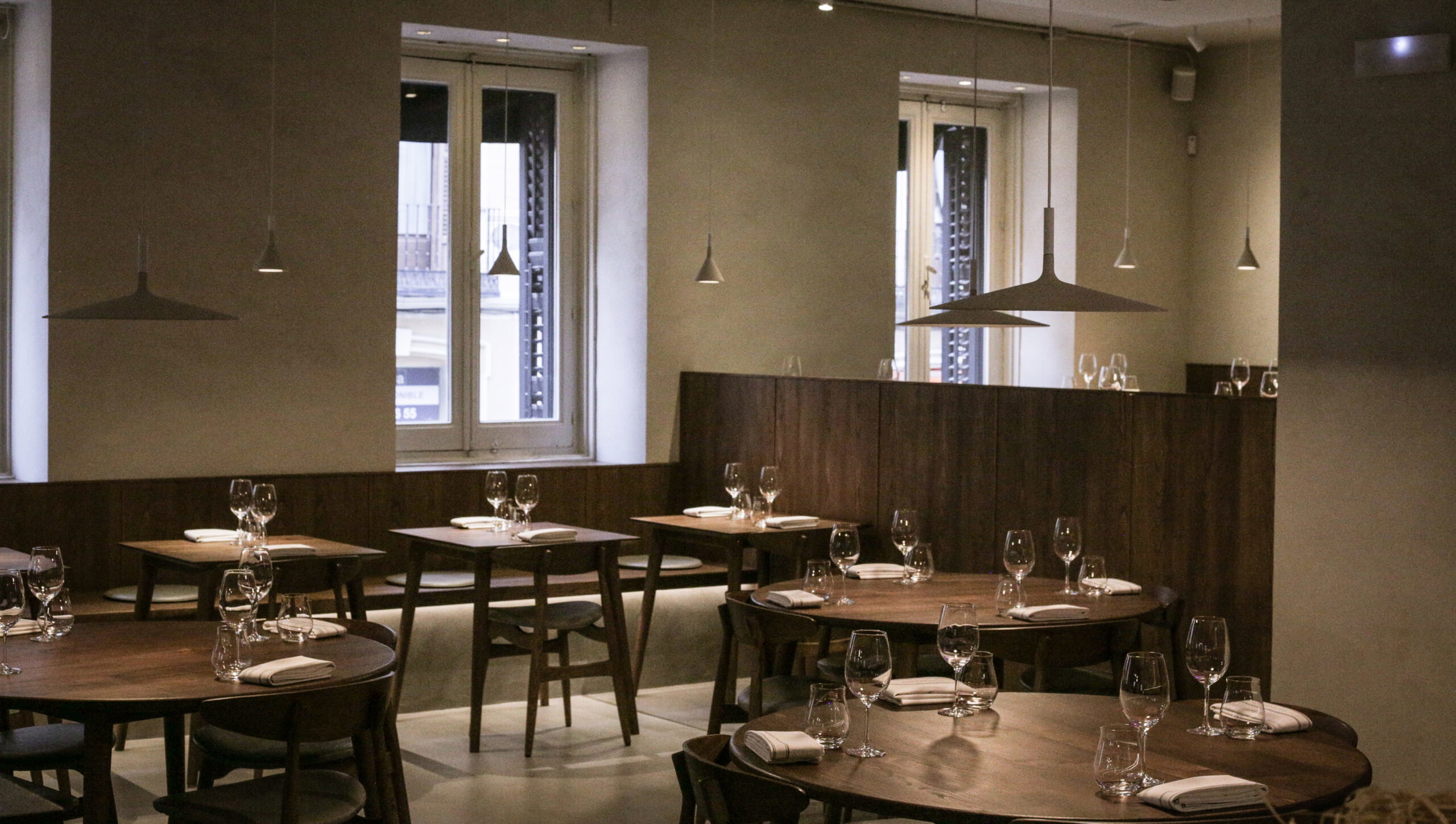
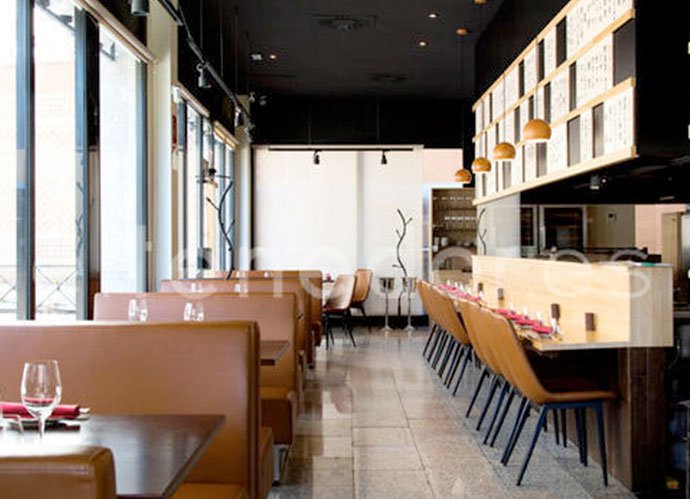
Tori-Key frames its identity around fire and the counter: the grill sits in full view and the room is organised by heat, smoke and char rather than the pristine silence of sushi counters. The modest plaza address in residential Chamberí gives the place a low-key, inward-facing charm; it attracts a local crowd focused on the cooking rather than spectacle. Service moves at a measured pace that suits the discipline of yakitori — precise, attentive and serious about cuts, marinades and levels of char. The result is a focused, warm experience that privileges flavor and technique over showmanship.
Best For
Tori-Key is best encountered in the evening, when the yakitori grill and omakase sets are in full effect. The counter-centric layout makes it ideal for diners who want a front-row view of the cooking — solo diners and small parties who appreciate technical grilling will find it especially rewarding. Its Chamberí location draws a neighbourhood clientele, so visits feel like a local meal rather than a tourist event. Because the format emphasises sequential grilling and precise timing, plan for a dinner-length service that centres on tasting skewers and composed grilled plates.
Ordering Tips
Play to the grill: order the yakitori skewers and consider the omakase set to experience the sequence and variety of cuts and seasonings the kitchen highlights. Signature items mentioned include unagi don, scallops, Avila beef tongue and wagyu beef skewers — sample a mix of bird and higher-end meat skewers to understand the restaurant’s argument about grilled technique. Because the cooking is fire-centred and counter-focused, allow the chef to time items for optimal char and doneness rather than requesting everything at once.
Venue details
Ambiance
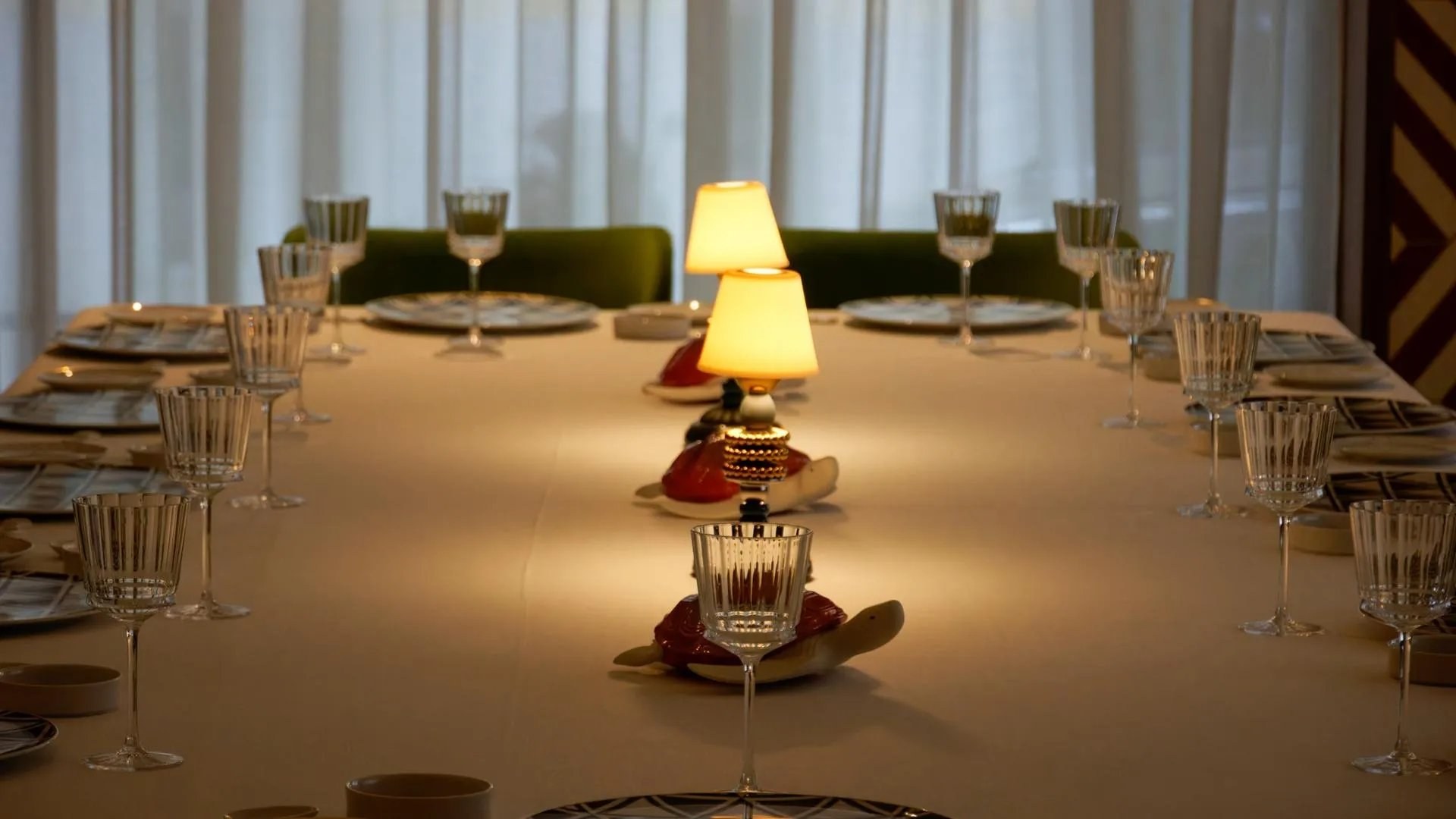
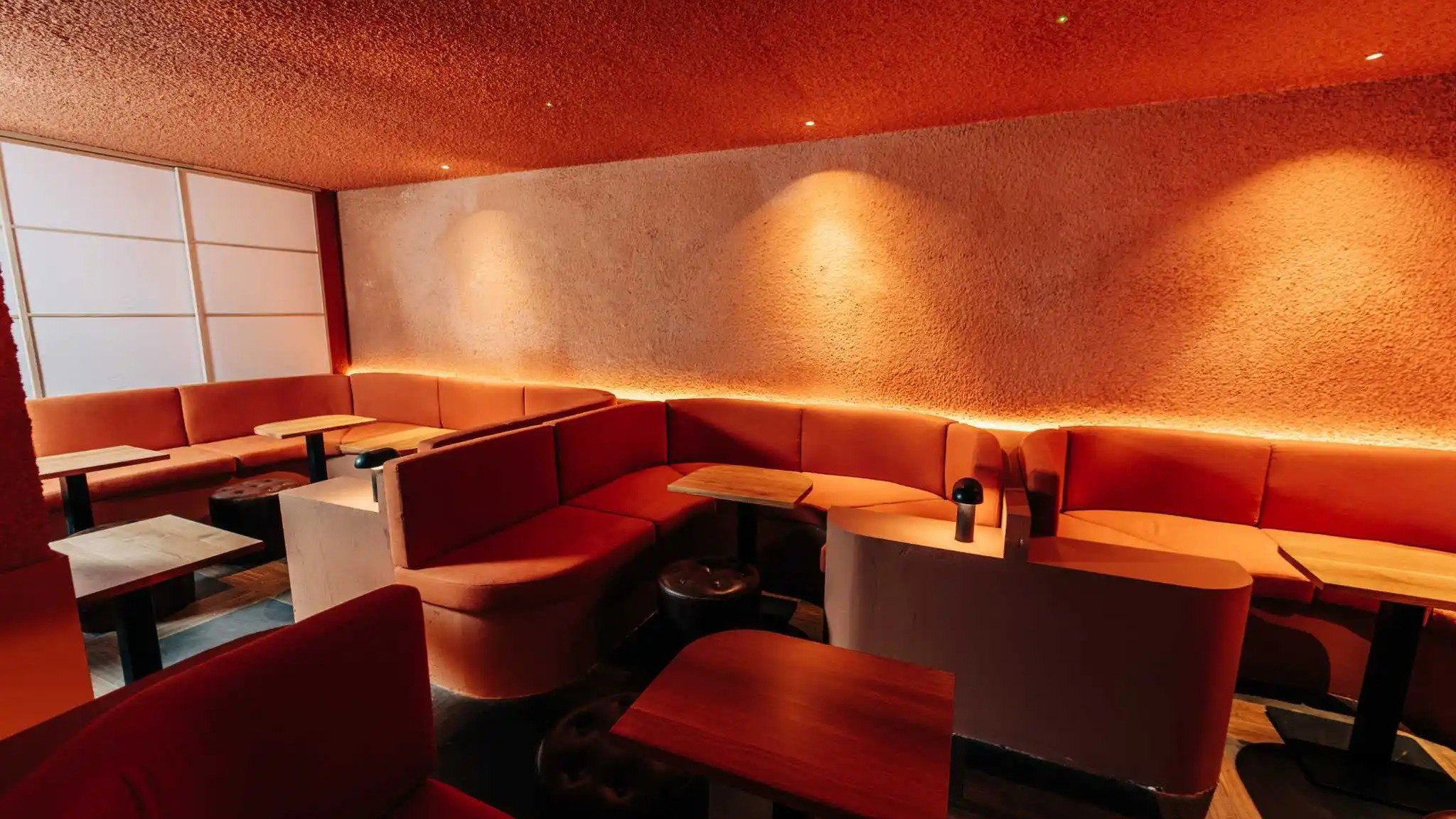
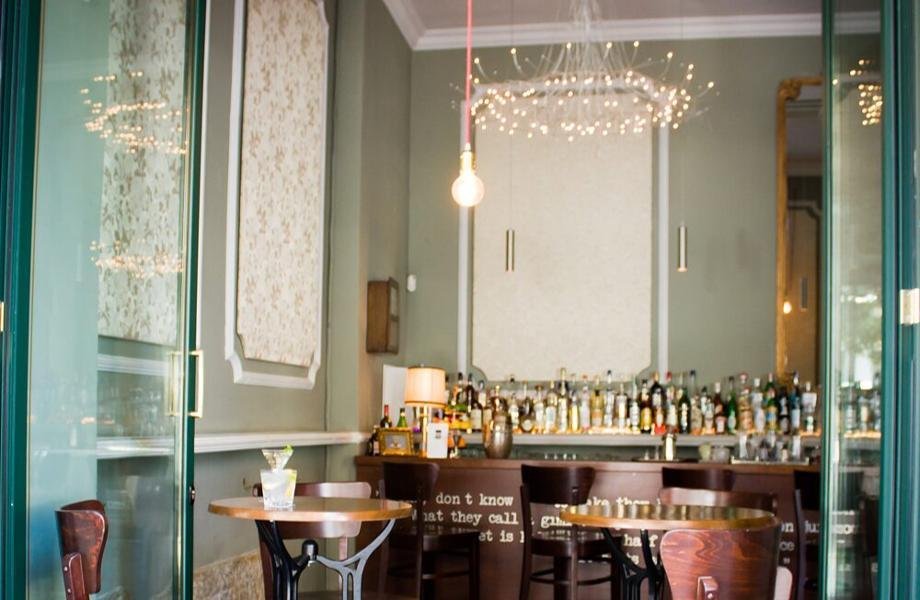
Sleek, warm, and inviting with the aroma of grilled yakitori; modest but pleasant interior with comfortable spacing between tables and modern design elements.
Tags
Vibe
Best For
Experience
Sourcing
At the Table
- Dress Code
- Smart Casual
- Noise Level
- Conversational
- Service Style
- Upscale Casual
- Meal Pacing
- Leisurely
- Capacity
- Small
- Kitchen
- Traditional
- Menu Format
- Omakase, A la carte, Tasting menu
- Wine Program
- Standard
- Dietary
- Gluten-free options, Vegetarian friendly
- Outdoor Seating
- Yes
Signature Dishes
- yakitori (grilled chicken skewers)
- omakase set
- unagi don (river eel rice)
- scallops
- Avila beef tongue
- wayu beef skewers
Know before you go
Know Before You Go
- Getting there
- Pl. del Descubridor Diego de Ordás, 2, Chamberí, 28003 Madrid, Spain
Planning details
Location
Pl. del Descubridor Diego de Ordás, 2, Chamberí, 28003 Madrid, Spain · Directions
Recognition and awards

Also consider
Also Consider
- DiverXO, Progressive - Asian, Creative, €€€€
- DSTAgE, Modern Spanish, Creative, €€€€
- Smoked Room, Progressive Asador, Contemporary, €€€€
- Paco Roncero, Creative, €€€€
- Coque, Spanish, Creative, €€€€
Restaurant context
The straightforward comparison between Tori-Key and Madrid's top-tier creative restaurants, DiverXO, DSTAgE, Smoked Room, Paco Roncero, and Coque, is not really a comparison at all. Those are €€€€ operations with multi-month booking queues and full tasting menus as their only format. If you want that experience, DiverXO is the most adventurous choice and DSTAgE the most technically refined. But none of them are where you go for yakitori.
Tori-Key's actual competition is the absence of competition: there is no other Madrid address doing Michelin-recognised yakitori at the €€ tier with omakase flexibility. That is the practical reason to book it. If you are choosing between Tori-Key and a Chamberí bistro for a date night, Tori-Key wins on specificity and craft. If you are choosing between Tori-Key and a starred room for a major celebration, the decision is about format and budget, not quality signals.
For value, Tori-Key is the answer. For maximum prestige and a formal multi-hour experience, DSTAgE or Coque are the calls. For something genuinely different from the Spanish creative canon, Tori-Key is the only address in Madrid's current restaurant offering that fits that description.
Around this place
Discover more on Pearl
Unlock the full Tori-Key guide in Pearl, including awards, comparisons, FAQs, planning details, and nearby places.
Compare Tori-Key
| Venue | Cuisine | Awards | Booking Difficulty |
|---|---|---|---|
| Tori-Key | Yakitori | 2026 OAD Casual in Europe Recommended2026 Michelin Plate2025 Michelin Plate2024 Michelin Plate | Easy |
| DiverXO | Progressive - Asian, Creative | 2026 OAD Top Restaurants in Europe Ranked · #7Guía Repsol Soles 20262026 La Liste Top Restaurants2026 Michelin 3 Stars2025 World's 50 Best Restaurants · #42025 OAD Top Restaurants in Europe Ranked · #62025 La Liste Top Restaurants2025 The Best Chef Three Knives2025 Michelin 3 Stars | Unknown |
| DSTAgE | Modern Spanish, Creative | Guía Repsol Soles 20262026 OAD Top Restaurants in Europe Recommended2026 Michelin 2 Stars2026 La Liste Top Restaurants2025 OAD Top Restaurants in Europe Ranked · #330We're Smart World Top Restaurants 20252025 Michelin 2 Stars2025 La Liste Top Restaurants2025 The Best Chef Three Knives | Unknown |
| Smoked Room | Progressive Asador, Contemporary | Guía Repsol Soles 20262026 OAD Top Restaurants in Europe Highly Recommended2026 La Liste Top Restaurants2026 Michelin 2 Stars2025 The Best Chef Two Knives2025 La Liste Top Restaurants2025 Michelin 2 Stars2024 Michelin 2 Stars | Unknown |
| Paco Roncero | Creative | Star Wine Lists 2026Guía Repsol Soles 20262026 OAD Top Restaurants in Europe Recommended2026 La Liste Top Restaurants2026 Michelin 2 Stars2025 OAD Top Restaurants in Europe Ranked · #447We're Smart World Top Restaurants 20252025 The Best Chef Three Knives2025 Michelin 2 Stars | Unknown |
| Coque | Spanish, Creative | Star Wine Lists 20262026 Relais Chateaux RestaurantsGuía Repsol Soles 20262026 OAD Top Restaurants in Europe Recommended2026 Les Grandes Tables du Monde Members2026 La Liste Top Restaurants2026 Michelin 2 Stars2025 OAD Top Restaurants in Europe Ranked · #339We're Smart World Top Restaurants 2025 | Unknown |













Side-by-side comparison to help you decide where to book.
FAQ
Frequently Asked Questions
What should I wear to Tori-Key?
Tori-Key is a yakitori restaurant at the €€ price point in Chamberí, not a formal dining room. Neat casual works fine — think what you'd wear to a neighbourhood Japanese counter you genuinely like. No jacket required.
Is Tori-Key worth the price?
Yes. At the €€ price point, Tori-Key holds a Michelin Plate for 2024 and 2025 — that combination of recognition and accessible pricing is rare in Madrid's Japanese dining scene. The à la carte format (5 or 10 dishes) keeps the spend predictable, while the omakase adds room to push further without the risk of a blank-cheque bill.
What are alternatives to Tori-Key in Madrid?
If you want creative Spanish tasting menus at the high end, DiverXO and DSTAgE operate in a completely different register at a much higher price. For a middle ground, Smoked Room or Coque offer serious kitchen ambition at elevated price points. None of them do yakitori — if that format is what you're after, Tori-Key has no direct like-for-like competitor in Madrid.
Can Tori-Key accommodate groups?
The à la carte menu with a choice of 5 or 10 dishes per person is a practical format for groups, since everyone can calibrate their own spend. Yakitori-style sharing works naturally for tables of four or more. Larger groups should book ahead — counter-style Japanese restaurants in this category fill quickly even without the week-long waits of higher-profile venues.
Is Tori-Key good for solo dining?
Yes, and arguably one of the better solo dining options in Madrid's Japanese category. Chef Hiroshi Kobayashi is noted for attentiveness to guests, and a counter-oriented yakitori format is designed for engagement with the kitchen rather than a shared-table social dynamic. The 5-dish à la carte option keeps the solo bill from escalating.
Is the tasting menu worth it at Tori-Key?
The omakase — available in short and long versions — is the format to choose if you want to see the full range of the kitchen, including the scallops and Avila beef tongue alongside the yakitori. The short omakase is the lower-risk entry point; the long version makes sense if you're specifically there to eat well rather than efficiently. At the €€ price tier, the long omakase is unlikely to be a financial stretch compared to Madrid's other tasting menu options.
Is Tori-Key good for a special occasion?
It works well for a low-key special occasion where food quality matters more than grand-room atmosphere — a birthday dinner with someone who eats Japanese seriously, or a celebratory meal that doesn't require theatre. For a milestone that demands a bigger production, DiverXO or Smoked Room would be the more conventional choice. Tori-Key's Michelin Plate recognition means the quality is independently, even if the setting is relaxed.