.png?width=1200&quality=80)
La Morena
Fusion · Nueva Espana, Madrid
Restaurant in Madrid, Spain
 Book with Pearl
The Read
Atlantic-Pacific Sharing Kitchen
Price
$50–100per person
Dress
Smart Casual
Why go
La Morena earns a Michelin Guide selection (2024 and 2025) and at a €€ price point — a rare combination in Chamartín. The sharing-format kitchen fuses Cádiz, Japanese, and Latin American cooking into dishes built for a long, late Madrid evening. Book here when you want ambition without the bill or booking pressure of the city's starred rooms.
About La Morena
That rating, earned at a €€ price point on Paseo de la Castellana in Chamartín, tells you what the Michelin Plate recognitions in 2024 and 2025 confirm: this is a kitchen operating well above its price tier. If you are looking for a sharing-format dinner in northern Madrid that runs late without costing you a Smoked Room bill, La Morena is the clearest answer in its category.
What La Morena Actually Is
The concept is rooted in the coastal waters off Tarifa, the southernmost tip of Spain where the Atlantic meets the Mediterranean. That maritime identity informs both the room's aesthetic and the kitchen's direction: a fusion of Cádiz tradition, Japanese technique, and Latin American seasoning, built entirely around sharing dishes. Think dogfish saam in citrus dressing with pork airbag and crunchy onion, or red tuna tataki with roasted chilli sauce and tomato chutney. The katsu-sando with cheek meat in tonkatsu sauce and cabbage salad is the clearest example of how the kitchen pulls these three culinary traditions into a single coherent dish rather than just placing them side by side on a menu.
The bistro format keeps things informal. This is not a tasting-menu restaurant with courses arriving on a schedule. It is a place designed for the way Madrid actually eats: dishes arriving as they are ready, the table filling gradually, the evening stretching as long as you want it to. That format makes it particularly well-suited to late dinners, which in Madrid's Chamartín district means starting at 10 PM or later is entirely normal and well-supported by the kitchen.
The Late-Night Case for La Morena
Madrid eats late, and La Morena's sharing format is built for it. The dishes are designed to be ordered progressively rather than all at once, which means a table of two or four can arrive after a long evening elsewhere and build a full dinner gradually. The Cádiz-Japanese-Latin American fusion also holds up well across that kind of paced eating: the citrus and chilli notes in the sharing plates are built to refresh rather than fatigue. For anyone planning a celebration dinner that is meant to run long, or a date night that does not want to be constrained by a set tasting menu's pace, the informal structure here is a practical advantage over the more regimented dining rooms of Madrid's starred restaurants.
If you are comparing late options in the city, venues like Doppelgänger Bar cover the drinks-first late-night angle, but La Morena gives you a full kitchen with genuine ambition behind it at a price point that keeps the bill manageable even if the evening runs long. For fusion cooking that takes similar east-meets-west risks but at a different scale, Asiakō and ABYA are both worth knowing about in Madrid, while Bacira occupies a comparable informal-fusion space in Chamberí.
Special Occasions at La Morena
At the €€ price range, La Morena is the kind of place where a genuinely memorable meal does not require significant financial planning. The Michelin Plate designation (two consecutive years) gives it enough credibility to serve as a celebration dinner without feeling like you are settling for something. It is a better anniversary or birthday choice than a direct tapas bar, and a less pressured environment than the city's €€€€ tasting-menu rooms. The sharing format suits couples and small groups equally: two people can work through six or seven dishes and feel the kitchen's range; four people can explore the full menu without redundancy.
For comparison, Madrid's leading end includes DiverXO, DSTAgE, and Coque, all at €€€€ and all requiring significantly more advance planning. La Morena sits in a different bracket, but the gap in experience quality is narrower than the gap in price would suggest. That is its core value proposition for a special occasion: the kitchen's ambition is priced accessibly.
Booking and Practicalities
Know Before You Go
- Address: P.º de la Castellana, 210, Chamartín, 28046 Madrid, Spain
- Price range: €€ (sharing format, dishes arrive progressively)
- Booking difficulty: Easy — walk-in friendly relative to Madrid's starred rooms
- Awards: Michelin Plate 2024 and 2025
- Format: Sharing dishes; informal bistro; suits 2–6 covers
- Neighbourhood: Chamartín, northern Madrid — well-connected by metro
- Late dining: Format supports late arrivals in line with Madrid norms
Booking is direct by Madrid standards. The venue does not carry the months-long wait lists of DiverXO or Smoked Room, which makes it a reliable option when you need a high-quality dinner without significant lead time. A week's notice is a reasonable buffer for weekends; midweek is likely more flexible. The Chamartín location on Paseo de la Castellana is easily reachable from central Madrid by metro.
Pearl Picks: If You're Exploring Further
If La Morena's Cádiz-Japanese-Latin fusion angle interests you and you want to explore the wider Spanish dining context, the country's most technically ambitious kitchens are worth the journey: Quique Dacosta in Dénia, El Celler de Can Roca in Girona, and Arzak in San Sebastián represent the top tier of Spanish creative cooking. In Barcelona, Cocina Hermanos Torres offers a comparable sharing-forward format at a higher price point. For Basque country depth, Azurmendi in Larrabetzu and Martin Berasategui in Lasarte-Oria are both worth serious consideration. For fusion cooking at a similar informal register in other cities, Jae in Düsseldorf and Soseki in Winter Park follow comparable east-west frameworks. For full planning context in Madrid itself, see our full Madrid restaurants guide, hotels guide, bars guide, wineries guide, and experiences guide. The I+T restaurant in Madrid is also worth a look if you want another informal fusion option in the city.
Planning details
- Location
- P.º de la Castellana, 210, Chamartín, 28046 Madrid, Spain
- Reservations
- Book on TheFork
- Website
- lamorenamadrid.com
- Phone
- +34 914 24 36 92
The take
The Take
The Vibe
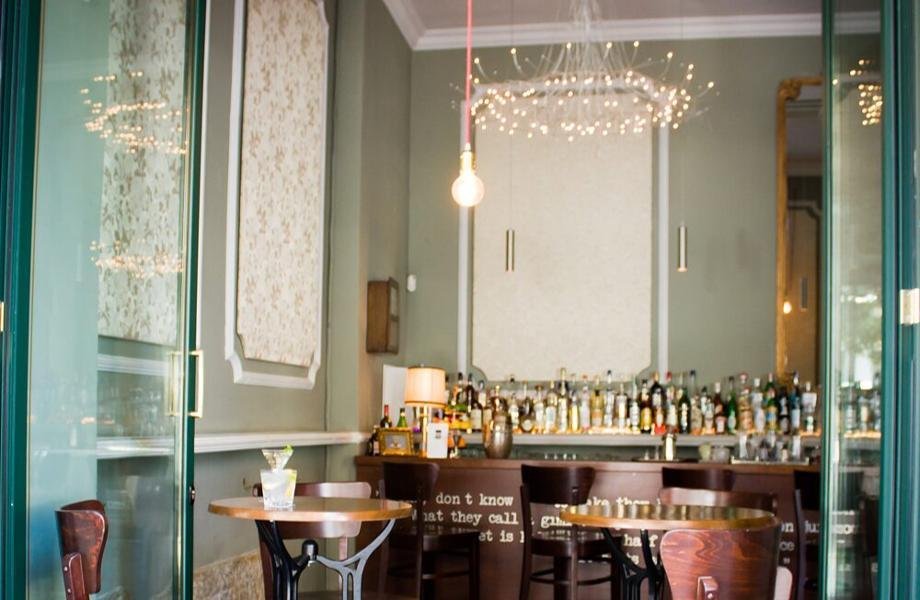
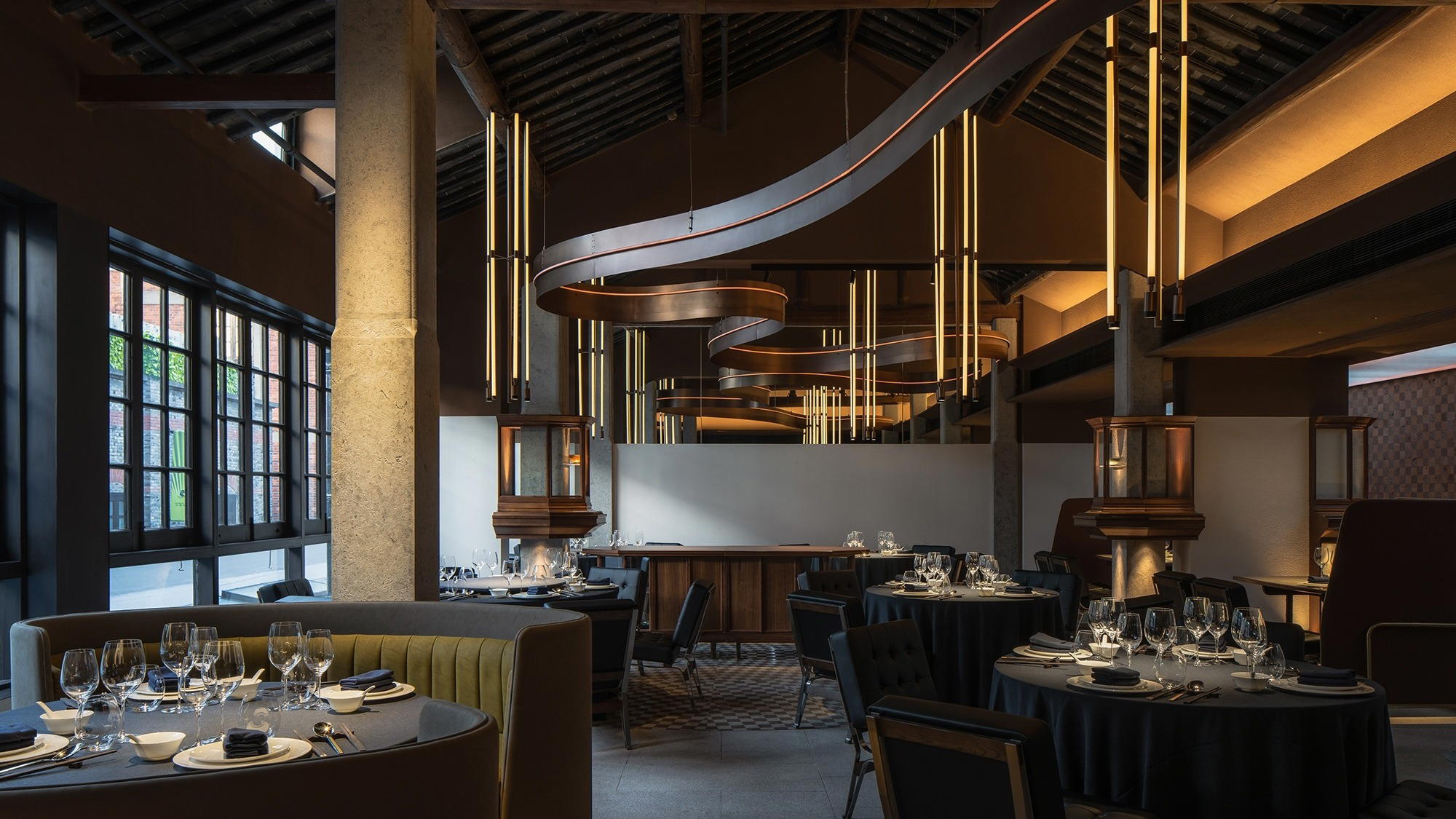
La Morena reads as a restrained, well-honed dining room that brings the light and salinity of Tarifa to a polished Chamartín setting. Located on Paseo de la Castellana, it caters to neighbourhood regulars and the business corridor, so the atmosphere tilts toward quiet, intimate service rather than theatrical presentation. The kitchen’s careful fusion of Cádiz coastal sourcing, Japanese technique and Latin American saucing gives the place a thoughtful, evocative personality: refined without being fussy, familiar without feeling generic. It rewards repeat visits rather than single impressive gestures.
Best For
This is a dependable spot for business lunches and relaxed dinners where consistency matters. The restaurant’s placement on an upper residential and commercial stretch of the Castellana makes it especially suited to professional meals and neighbourhood evenings; it also works well for date nights and special occasions when guests want precise technique and elevated, coastal-inspired flavors. Because the kitchen trades on repeat visits and steady quality, expect a reliable experience rather than a one-time showpiece—ideal for groups who value sustained standards over novelty.
Ordering Tips
Lean into the menu’s cross-cultural signatures to sample the kitchen’s range: the Thai ceviche with purple cabbage and Mediterranean pesto and the red tuna tataki with roasted ají amarillo cream showcase its raw-fish precision and bright saucing. For fried texture and a touch of umami, try the turbot tempura with Thai emulsion. Shareable plates such as pork rib gyozas with Korean BBQ sauce and the braised-cheek katsu-sando reveal the fusion approach across small and larger bites. Order across those categories to get a sense of the restaurant’s sourcing and technique.
Venue details
Ambiance
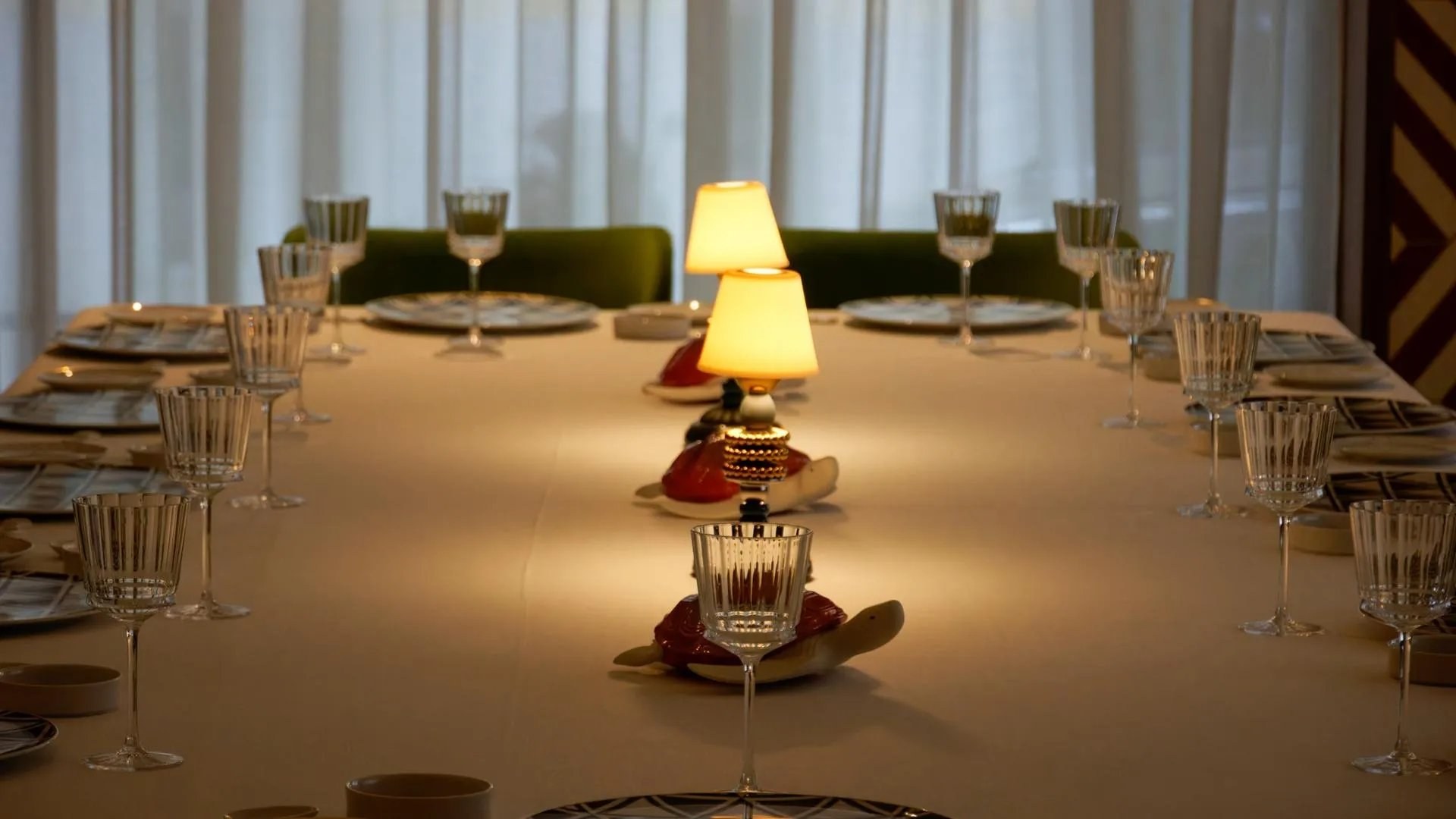
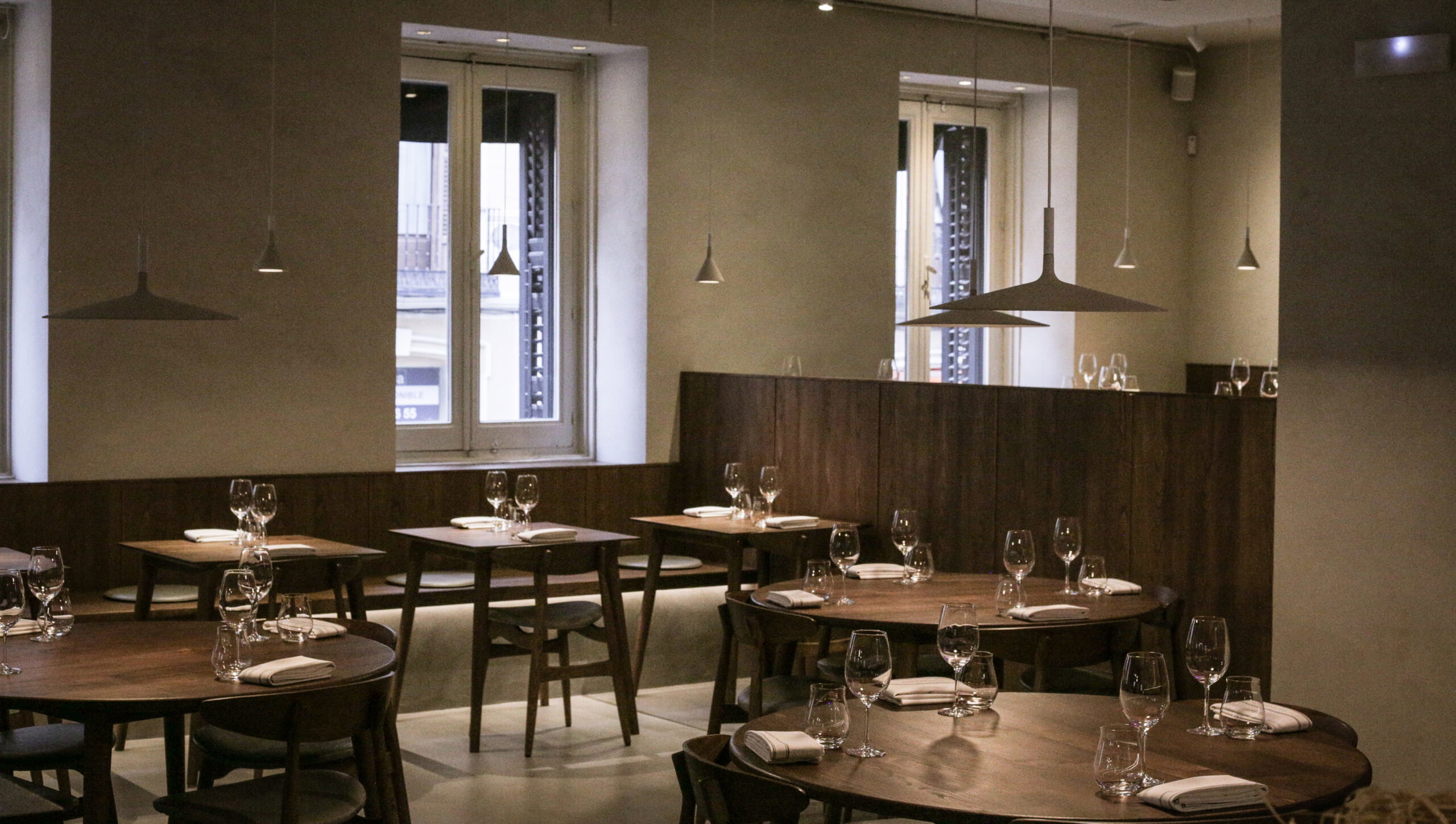
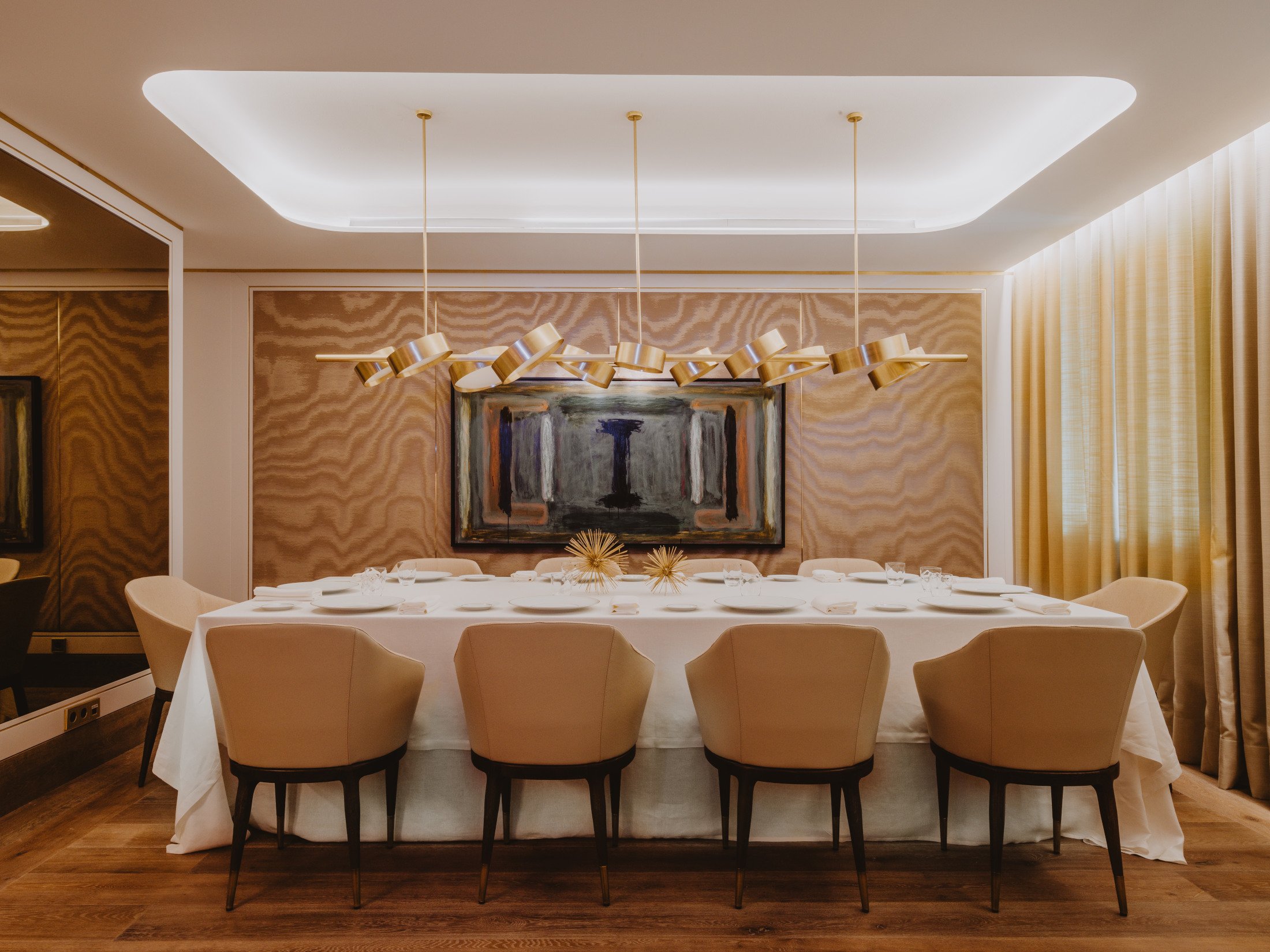
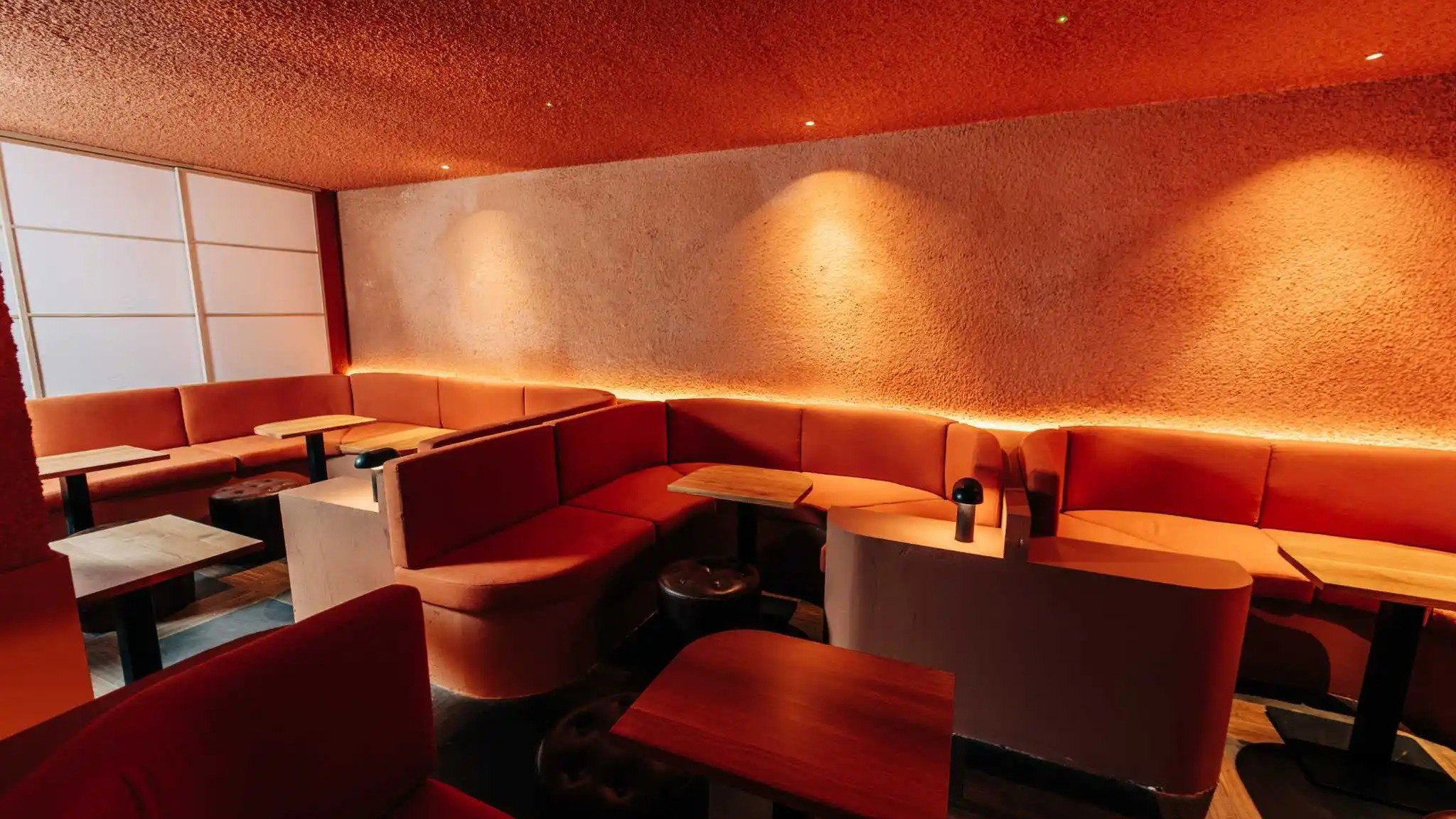
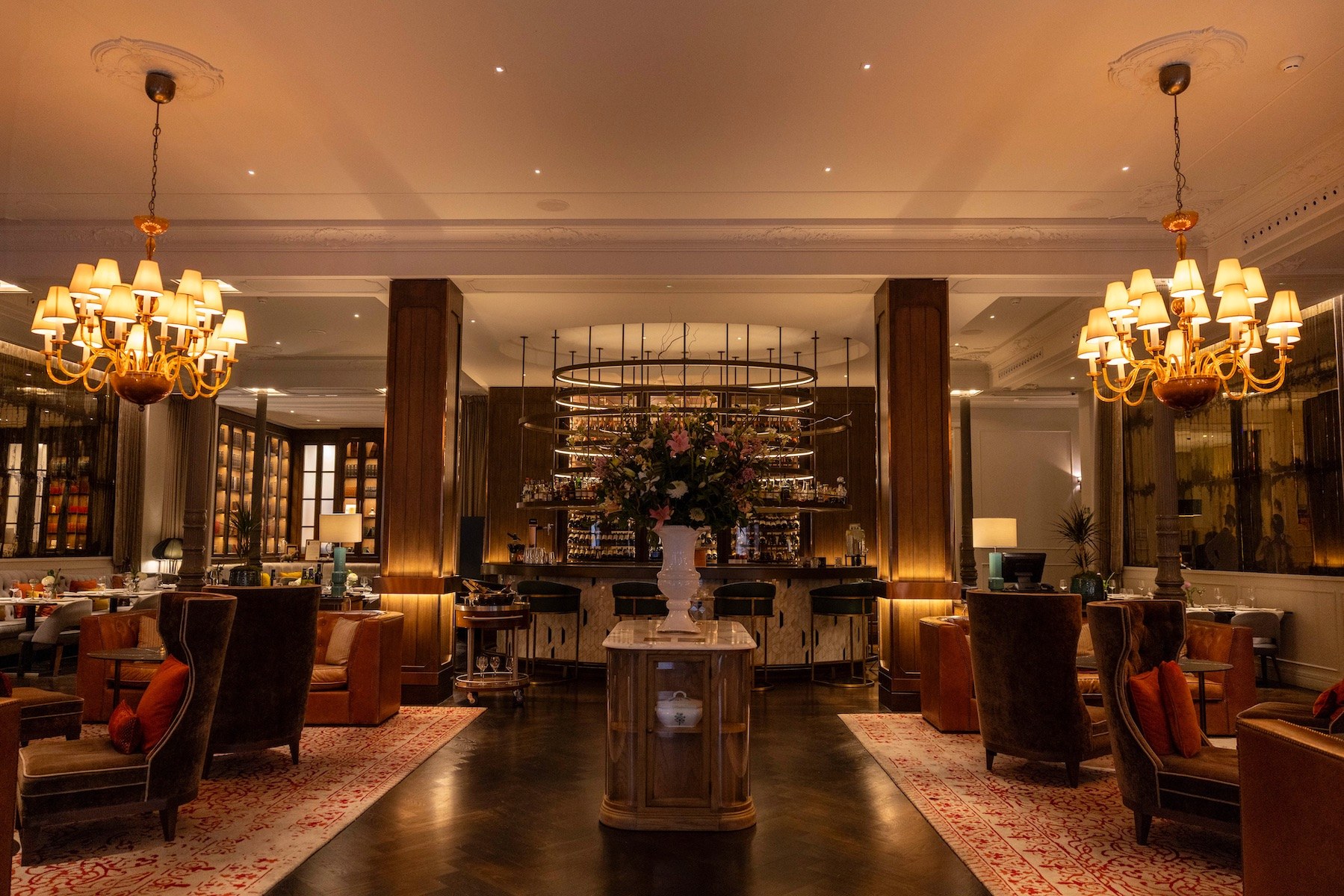
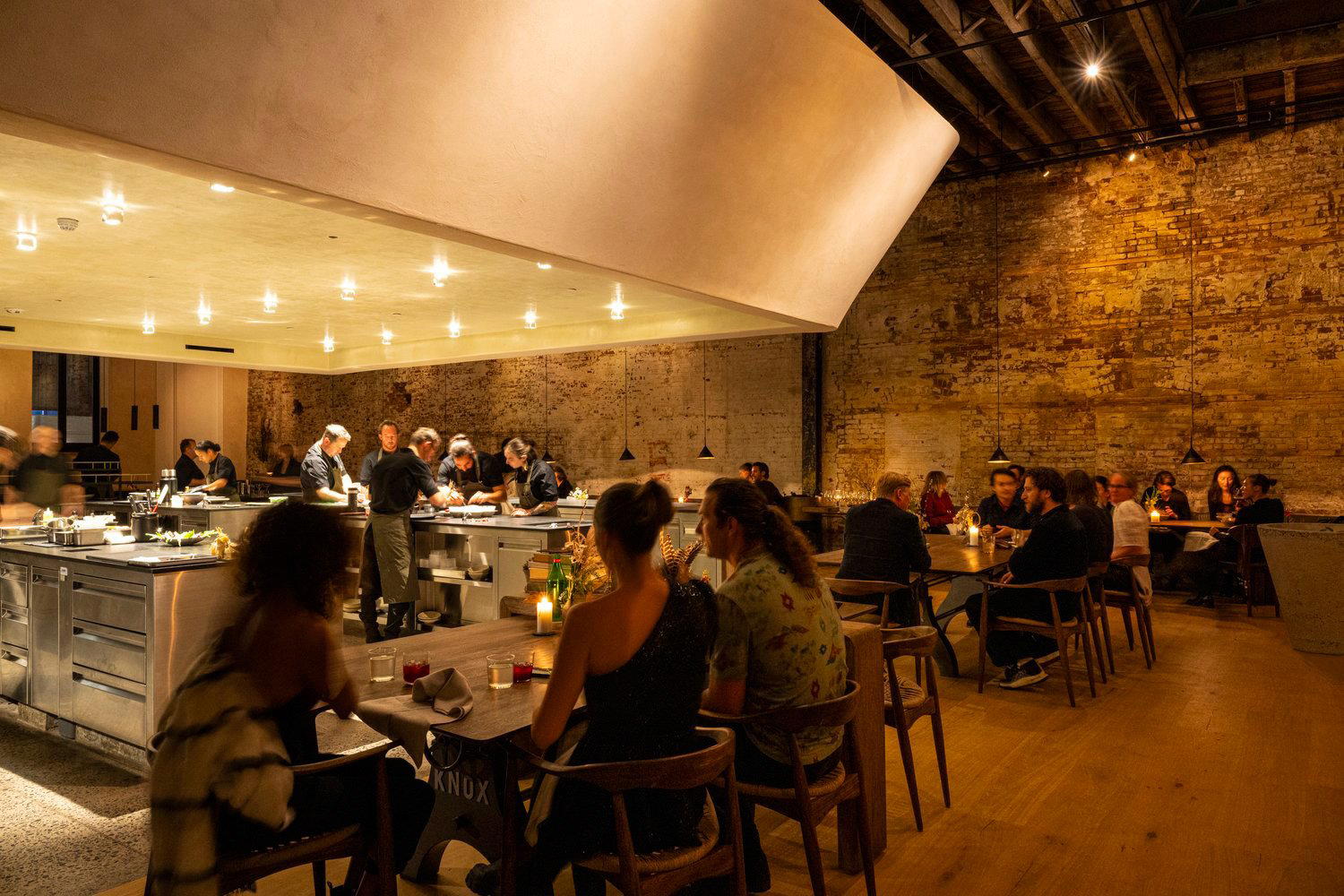
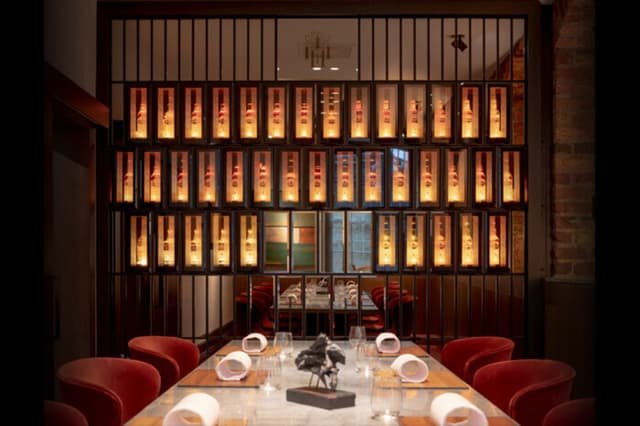
Stylish and refined setting with pretty décor, featuring light yet extremely delicious dishes in an upscale dining environment.
Tags
Vibe
Best For
Experience
At the Table
- Dress Code
- Smart Casual
- Noise Level
- Conversational
- Service Style
- Formal
- Meal Pacing
- Leisurely
- Capacity
- Medium
- Kitchen
- Fusion
- Menu Format
- Tasting menu, A la carte, Small plates
- Wine Program
- Exceptional
- Drinks Focus
- Wine, Cocktails
- Dietary
- Vegetarian friendly
- Private Dining
- Available
Signature Dishes
- Thai ceviche with purple cabbage and Mediterranean pesto
- Red tuna tataki with roasted ají amarillo cream
- Turbot tempura with Thai emulsion
- Pork rib gyozas with Korean BBQ sauce
- Katsu-sando with braised cheeks
Know before you go
Know Before You Go
- Getting there
- P.º de la Castellana, 210, Chamartín, 28046 Madrid, Spain
Planning details
Location
P.º de la Castellana, 210, Chamartín, 28046 Madrid, Spain · Directions
Recognition and awards
Also consider
Also Consider
- DiverXO, Progressive - Asian, Creative, €€€€
- DSTAgE, Modern Spanish, Creative, €€€€
- Smoked Room, Progressive Asador, Contemporary, €€€€
- Paco Roncero, Creative, €€€€
- Coque, Spanish, Creative, €€€€
Restaurant context
La Morena sits in a different bracket from Madrid's €€€€ creative dining rooms, and that is the point. DiverXO is the city's most technically extreme option, three Michelin stars, months-long wait lists, and a price tag that reflects both. If you are considering DiverXO for a special occasion and wondering whether La Morena is a reasonable alternative, the honest answer is that they are solving different problems. DiverXO is a full-commitment, high-ceremony experience; La Morena is an informal sharing dinner with real kitchen ambition behind it. They are not substitutes for each other.
DSTAgE is the closest creative-cuisine peer to La Morena in terms of conceptual seriousness, but at €€€€ and with a tasting-menu format, it asks significantly more of your budget and your evening's structure. Smoked Room and Paco Roncero are both €€€€ and suit a diner who wants a more theatrical, single-chef-driven experience. Coque is worth knowing for a full Spanish creative tasting experience at the top price tier. None of these are easy to book on short notice.
La Morena's practical advantage over all of them is access: easier to book, lower price, and a format that accommodates the way most people actually want to spend an evening in Madrid. If your priority is the city's highest technical ceiling, book DiverXO or DSTAgE and plan well ahead. If you want a Michelin-recognised kitchen with a coherent concept, a late-friendly format, and a bill that does not require a conversation beforehand, La Morena is the clearer choice at its price point.
Around this place
Discover more on Pearl
Unlock the full La Morena guide in Pearl, including awards, comparisons, FAQs, planning details, and nearby places.
Compare La Morena
| Venue | Price | Booking Difficulty | Awards |
|---|---|---|---|
| La Morena | €€ | Easy | 2026 Michelin Plate2025 Michelin Plate2024 Michelin Plate |
| DiverXO | €€€€ | Unknown | 2026 OAD Top Restaurants in Europe Ranked · #7Guía Repsol Soles 20262026 La Liste Top Restaurants2026 Michelin 3 Stars2025 World's 50 Best Restaurants · #42025 OAD Top Restaurants in Europe Ranked · #62025 La Liste Top Restaurants2025 The Best Chef Three Knives2025 Michelin 3 Stars |
| DSTAgE | €€€€ | Unknown | Guía Repsol Soles 20262026 OAD Top Restaurants in Europe Recommended2026 Michelin 2 Stars2026 La Liste Top Restaurants2025 OAD Top Restaurants in Europe Ranked · #330We're Smart World Top Restaurants 20252025 Michelin 2 Stars2025 La Liste Top Restaurants2025 The Best Chef Three Knives |
| Smoked Room | €€€€ | Unknown | Guía Repsol Soles 20262026 OAD Top Restaurants in Europe Highly Recommended2026 La Liste Top Restaurants2026 Michelin 2 Stars2025 The Best Chef Two Knives2025 La Liste Top Restaurants2025 Michelin 2 Stars2024 Michelin 2 Stars |
| Paco Roncero | €€€€ | Unknown | Star Wine Lists 2026Guía Repsol Soles 20262026 OAD Top Restaurants in Europe Recommended2026 La Liste Top Restaurants2026 Michelin 2 Stars2025 OAD Top Restaurants in Europe Ranked · #447We're Smart World Top Restaurants 20252025 The Best Chef Three Knives2025 Michelin 2 Stars |
| Coque | €€€€ | Unknown | Star Wine Lists 20262026 Relais Chateaux RestaurantsGuía Repsol Soles 20262026 OAD Top Restaurants in Europe Recommended2026 Les Grandes Tables du Monde Members2026 La Liste Top Restaurants2026 Michelin 2 Stars2025 OAD Top Restaurants in Europe Ranked · #339We're Smart World Top Restaurants 2025 |














A quick look at how La Morena measures up.
FAQ
Frequently Asked Questions
What should I wear to La Morena?
La Morena is described as a contemporary yet informal bistro, so relaxed but put-together clothing fits the room. This is not a white-tablecloth venue — the Cádiz-Japanese-Latin concept and sharing format read as casual-cool rather than formal. Leave the tie at the hotel.
Can La Morena accommodate groups?
The sharing-plate format is built for groups — dishes like the Dogfish saam, Red tuna tataki, and Katsu-Sando are explicitly designed for the table to order progressively together. Confirm group capacity directly, as table configuration details are not documented.
What are alternatives to La Morena in Madrid?
For technically ambitious tasting menus at the top of the Madrid spectrum, DiverXO or DSTAgE are the reference points, but both sit at significantly higher price points. Smoked Room is the move if you want a focused, high-concept experience rather than a sharing format. La Morena makes the most sense if you want Michelin-recognised cooking at €€ with a social, informal structure — that specific combination is harder to match in Madrid.
Is La Morena good for a special occasion?
Yes, particularly if your definition of a special occasion includes genuine cooking rather than formal ceremony. The €€ price range means a memorable meal here does not require significant planning around the bill, and the Michelin Plate recognitions in 2024 and 2025 confirm the kitchen is consistent. It is a better fit for a relaxed celebration than a formal anniversary dinner requiring a private room and a long wine list.
Is La Morena worth the price?
The fusion of Cádiz, Japanese, and Latin American cooking — Dogfish saam, Red tuna tataki, Katsu-Sando — is not standard bistro fare. For this level of kitchen ambition at this price in Madrid, the answer is yes.