

.png?width=1200&quality=80)
Kabuki Madrid
Japanese Contemporary · Recoletos, Madrid
Restaurant in Madrid, Spain
 Book with Pearl
The Read
Iberian-Japanese Fusion Counter
Price
$100–150per person
Dress
Smart Casual
Why go
Kabuki Madrid delivers Japanese technique applied to Iberian ingredients through a seasonal tasting menu in Salamanca, Madrid's most composed neighbourhood. A Michelin Plate and OAD #615 ranking confirm a kitchen operating at a legitimate standard. At €€€€, it earns the price if the Japanese-Iberian concept is what you're after: and booking is easy by Madrid fine dining standards.
About Kabuki Madrid
Kabuki Madrid: Worth Booking at €€€€?
At the €€€€ price point, Kabuki Madrid is asking you to commit before you walk in. That commitment buys you a tasting menu built around Japanese technique applied to Iberian ingredients, the core concept behind the Kabuki Group's long-running approach, in a spacious room in the heart of the Salamanca district. The 2025 Michelin Plate confirms the kitchen is cooking at a recognised standard, and an Opinionated About Dining ranking of #615 in Europe gives you a calibration point: this is a serious restaurant, not a tourist-facing approximation of Japanese food. For a Madrid diner who has already been once and wants to know whether to return, the case depends heavily on what the kitchen is doing with the current season.
The Kabuki Approach: Japanese Precision, Iberian Raw Material
Ricardo Sanz's Kabuki Group built its reputation on a specific proposition: Japanese culinary discipline, clean knife work, restrained seasoning, structural precision, applied to Spanish produce. At the Salamanca address, that means the seasonal availability of Iberian ingredients shapes what lands on the tasting menu more than any fixed repertoire does. If you visited in spring, the autumn iteration of the menu will read differently. That is a reason to return, but it also means your first visit and your third visit are not the same restaurant in any meaningful sense.
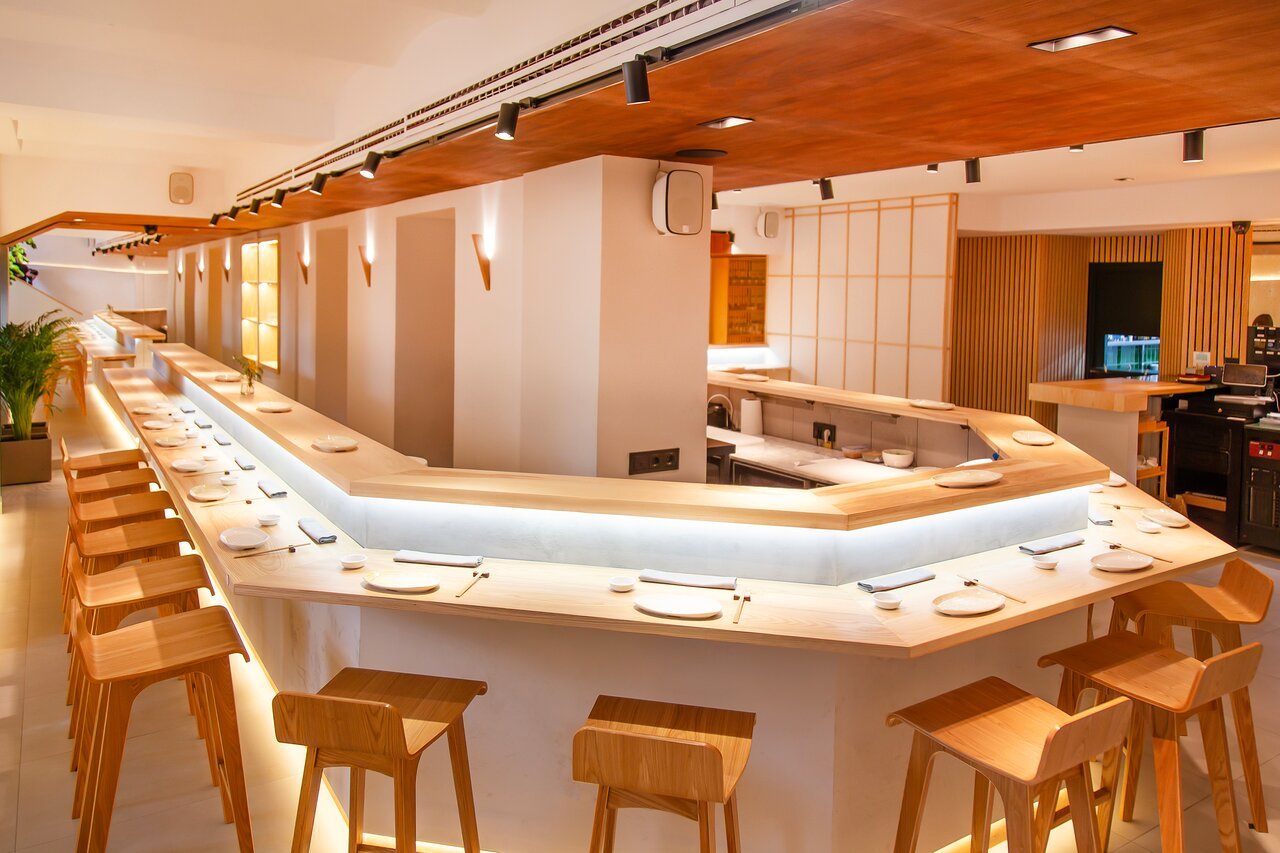
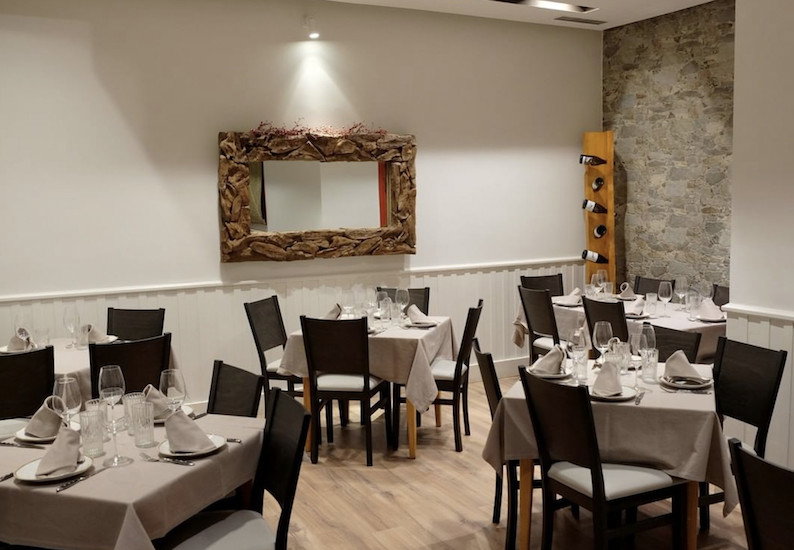
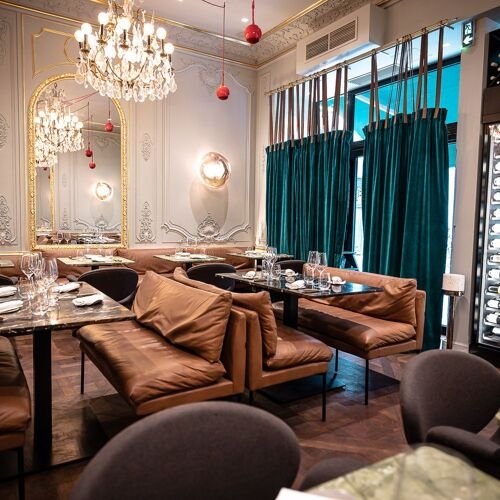
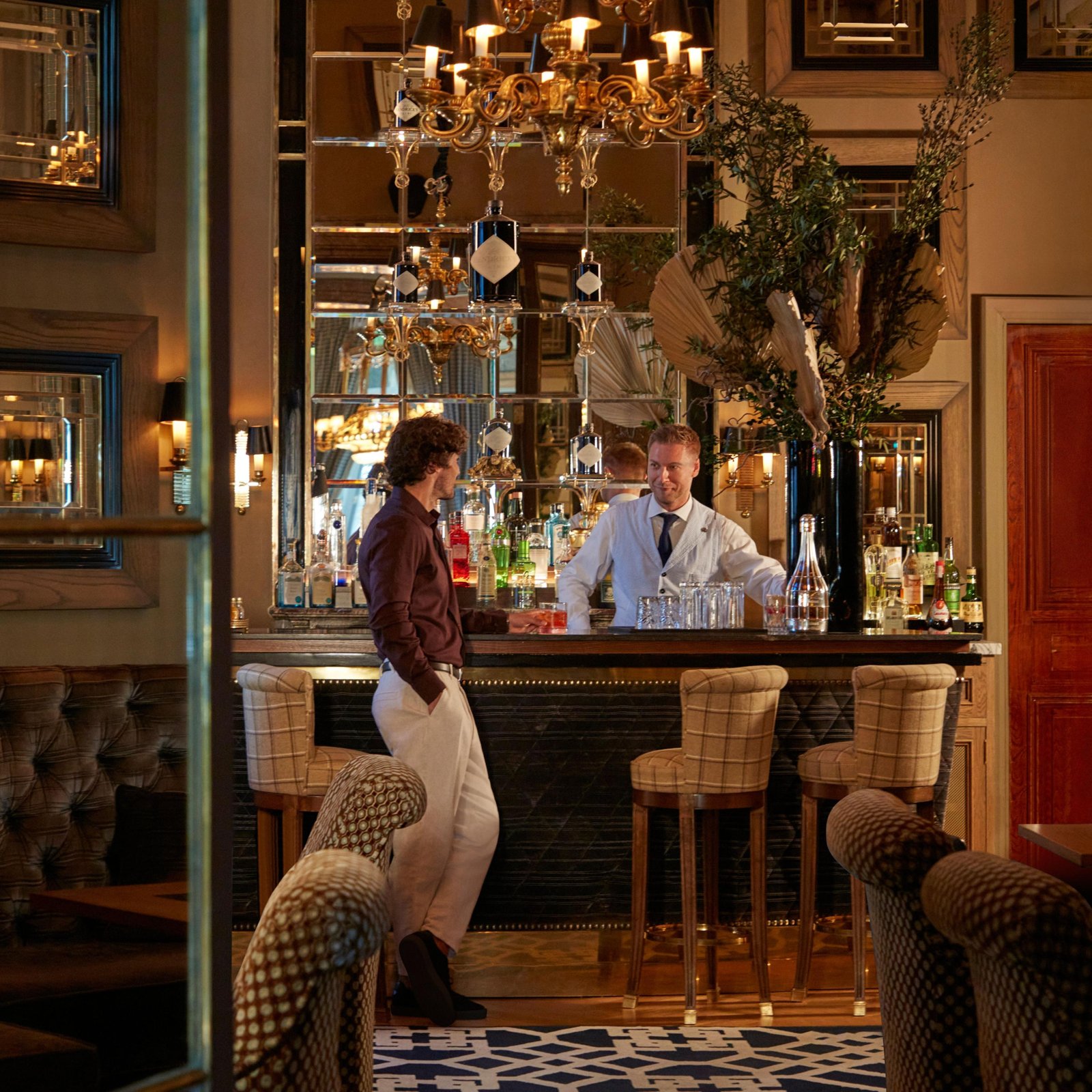
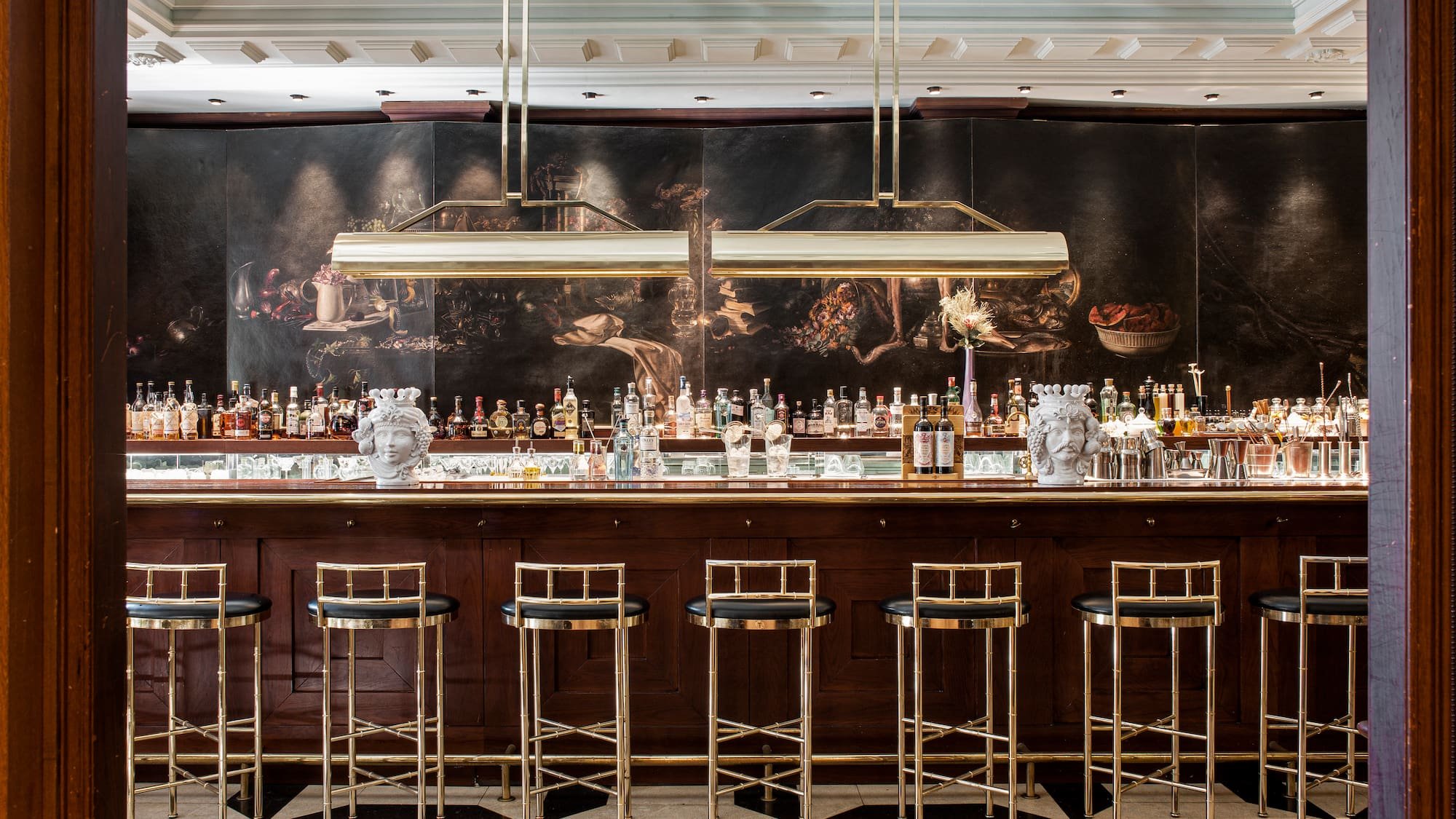
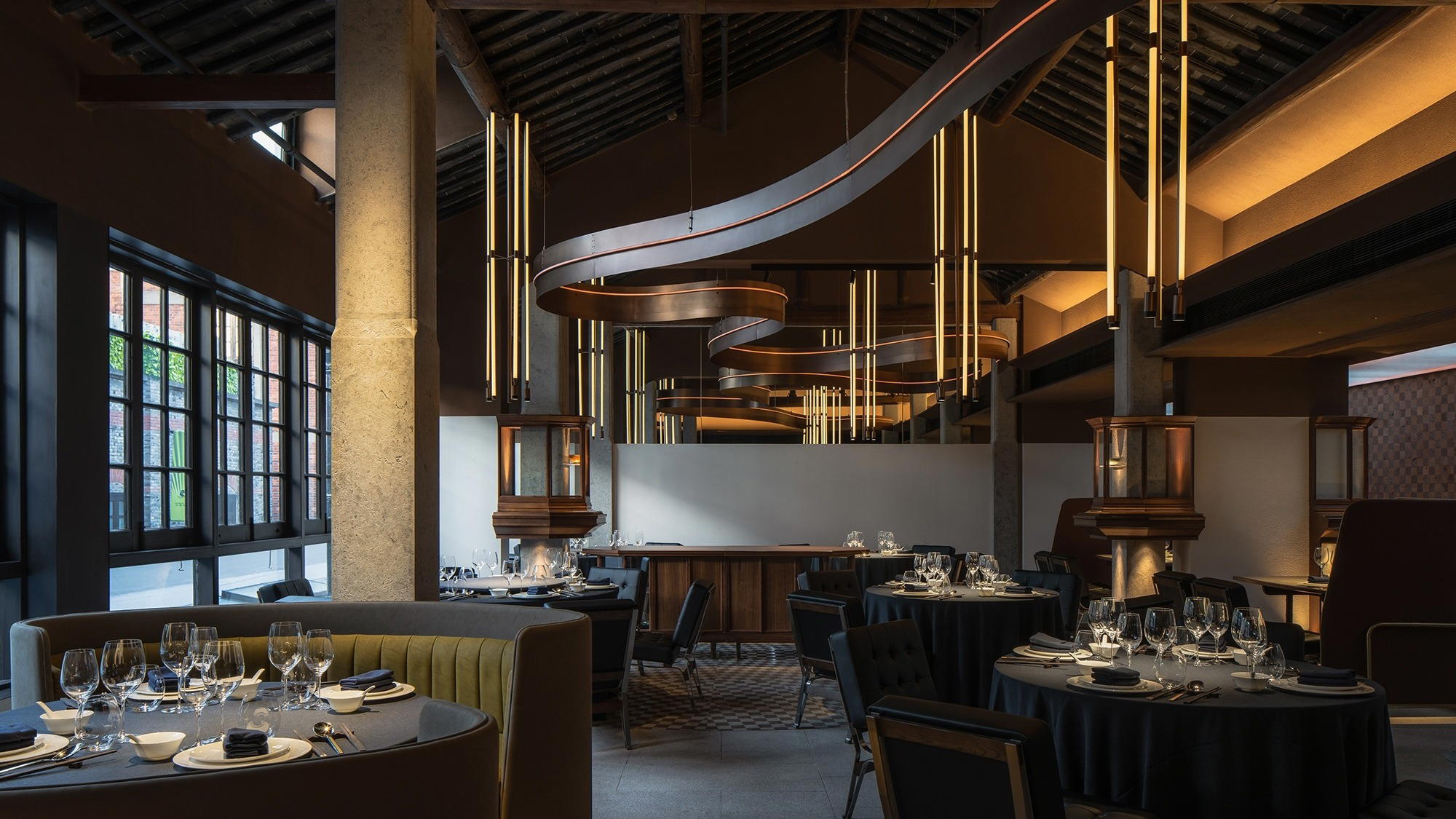
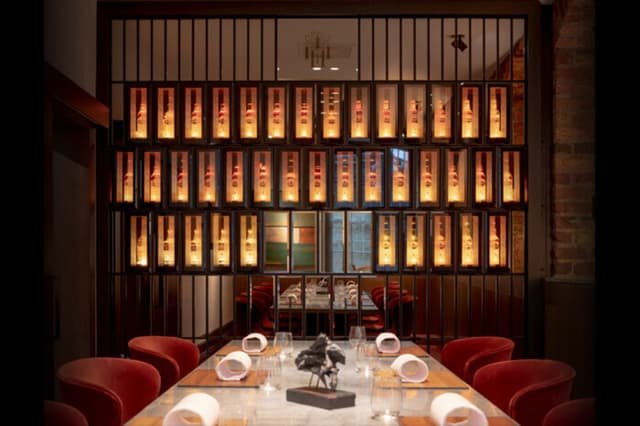
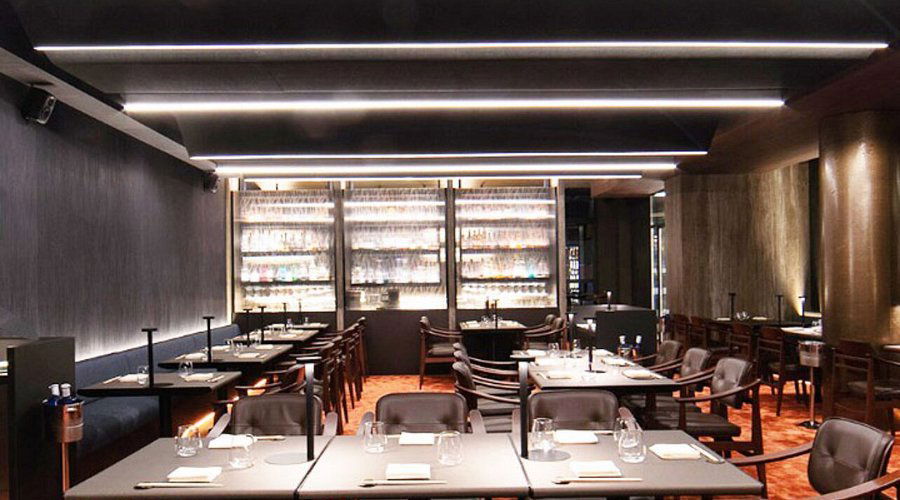
The dining room itself reinforces the kitchen's intentions. Restrained lighting and meticulous decor keep the focus on the plate rather than the room. This is not a space designed for spectacle; it is designed to concentrate attention. For a group celebrating something or a couple looking for a serious meal, the atmosphere holds up. For anyone expecting the theatrical energy of a larger production kitchen, this is a quieter, more controlled experience.
An important practical note for return visitors: the kitchen's seasonal rotation means the time of year affects the decision of whether to book almost as much as the occasion does. The transition periods, late autumn into winter, and late spring into summer, tend to bring the most interesting tension in menus where Japanese technique meets Spanish seasonality, because both ingredient sets are peaking simultaneously. If you have flexibility on timing, those windows are worth targeting.
How the Seasons Affect What You Get
Kabuki Madrid's tasting menu format means the kitchen controls the sequence and the pace. The Iberian seasonal calendar runs in parallel with the Japanese culinary framework: autumn brings game, fungi, and the beginning of the high-quality fish season along Spain's northern coasts; winter concentrates on richer preparations; spring opens into lighter, more acidic profiles; summer leans on vegetables and cold preparations. For a return visitor, understanding where you are in that calendar before you book is the most useful thing you can do. A meal in October is going to eat differently from one in May, and the kitchen's Japanese vocabulary will be deployed against different raw materials each time.
This seasonal sensitivity also makes Kabuki Madrid more rewarding the more you engage with it. A first visit establishes the grammar of the place, the technique, the restraint, the format. Subsequent visits test what that grammar produces when the ingredients change. That is the real argument for returning.
Practical Details
Know Before You Go
- Address: Calle de Lagasca, 38, Salamanca, 28001 Madrid, Spain
- Price range: €€€€
- Cuisine: Japanese Contemporary
- Chef: Ricardo Sanz
- Hours (Mon–Thu & Sun): 1–5 pm, 8 pm–1 am
- Hours (Fri–Sat): 1–5 pm, 8 pm–2 am
- Booking difficulty: Easy
- Awards: Michelin Plate (2024, 2025); Opinionated About Dining Leading Restaurants in Europe #615 (2025)
How It Compares
See the comparison section below for how Kabuki Madrid sits against DiverXO, Coque, Deessa, and others in the Madrid €€€€ tier.
FAQs
Is the tasting menu worth it at Kabuki Madrid?
At €€€€, it is worth it if the Japanese-Iberian concept is what you are specifically looking for in Madrid. The Michelin Plate and OAD #615 ranking confirm the kitchen operates at a legitimate level, but this is not the city's most decorated table. If maximum award credentials matter more than concept, DiverXO is the better spend. If you want a tasting menu that uses Spanish produce through a Japanese lens, with a seasonal menu that will differ from visit to visit, Kabuki Madrid earns its price point.
Does Kabuki Madrid handle dietary restrictions?
Given the tasting menu format and the kitchen's Japanese-Iberian focus, the most practical approach is to contact the restaurant directly before booking. The structured nature of a tasting menu generally means dietary adjustments are easier to handle when flagged in advance than on the night.
What should I order at Kabuki Madrid?
The tasting menu is the format the kitchen is built around, so ordering à la carte puts you at a structural disadvantage, you will get individual dishes without the sequence logic the kitchen uses to build the meal. The cocktail menu is extensive and worth engaging with as a pairing or standalone option. For a return visitor, the most useful question is not what to order but when to visit: the seasonal rotation means the menu you had last time is not the menu being served now, so arriving without expectations from a previous visit is the right mindset.
Is Kabuki Madrid good for a special occasion?
Yes, with qualifications. The restrained, meticulous environment suits a celebratory meal for two or a small group where conversation and focus on the food are the priority. The Salamanca location is one of Madrid's more composed neighbourhoods, which reinforces the occasion feel. If you want theatrical spectacle with your celebration, DiverXO provides that more overtly. Kabuki Madrid is the better choice when the occasion calls for seriousness over showmanship.
Is lunch or dinner better at Kabuki Madrid?
Lunch is the more practical entry point. The kitchen serves from 1–5 pm daily, and a midday tasting menu at €€€€ pricing often represents better value than dinner at the same tier because you leave the evening free. Dinner runs later on Friday and Saturday (until 2 am), which suits a longer evening if the meal is the centrepiece of the night. For a first or second visit, lunch gives you the full kitchen output without committing the entire evening.
What should a first-timer know about Kabuki Madrid?
The concept is Japanese technique applied to Iberian ingredients, not a conventional Japanese restaurant and not a Spanish restaurant with Japanese decoration. Come expecting a tasting menu format with a seasonal structure that will evolve across your visits. Booking is currently easy by Madrid €€€€ standards, so you do not need to plan weeks ahead the way you would for DiverXO. The restaurant is in Salamanca, Madrid's most affluent residential district, so the surrounding area is worth factoring into your evening, see our full Madrid restaurants guide, our full Madrid bars guide, and our full Madrid hotels guide for how to build the day around it.
Beyond Kabuki Madrid
If the Japanese Contemporary format interests you beyond Madrid, Tora offers another reference point in the city. Further afield in Spain, the benchmark fine dining tables include El Celler de Can Roca in Girona, Arzak in San Sebastián, Azurmendi in Larrabetzu, Martin Berasategui in Lasarte-Oria, Aponiente in El Puerto de Santa María, and Cocina Hermanos Torres in Barcelona. For Japanese Contemporary in other markets, The Japanese Restaurant in Andermatt and Eika in Taipei are worth comparing. Explore our full Madrid restaurants guide, our full Madrid wineries guide, and our full Madrid experiences guide to complete your planning.
Planning details
- Hours
- Monday: 1–5 pm, 8 pm–1 am · Tuesday: 1–5 pm, 8 pm–1 am
- Location
- Calle de Lagasca, 38, Salamanca, 28001 Madrid, Spain
- Reservations
- Book on TheFork
- Website
- kabukimadrid.com
- Phone
- +34 915 68 71 55
The take
The Take
The Vibe
Kabuki Madrid presents a deliberately restrained dining room that favors composure over spectacle. The low lighting and spare surfaces direct attention to the food, and the décor is intentionally unassertive so dishes can do the talking. The atmosphere reads as quiet and intimate rather than ostentatious: an environment that rewards concentration and measured conversation. The restaurant’s aesthetic aligns tightly with its culinary premise: a practiced, disciplined exchange between Japanese technique and Iberian ingredients, so the room’s calm architecture becomes part of the tasting experience.
Best For
This is a restaurant best suited to focused dinners and occasions that benefit from restraint and formality. The composed setting and disciplined cuisine make it a natural pick for date nights, special occasions and business dinners where conversation matters and the meal is meant to be taken seriously. Diners who prefer lively, performative dining will find the tone intentionally muted; those who want a considered, low‑key environment to appreciate technique and ingredient interplay will feel well matched to Kabuki Madrid.
Ordering Tips
Because the kitchen emphasizes a synthesis of Japanese technique and Iberian ingredients, order with attention to dishes that showcase that interplay. Signature items, tuna tartar, nigiri and sashimi, are highlighted as staples that represent the restaurant’s strengths; they are reliable entry points to the kitchen’s disciplined approach. Allow the room’s quiet to set the pace: take time with each course and prioritize items that clearly foreground technique and ingredient quality rather than seeking theatrical presentation.
Venue details
Ambiance
Elegant and sophisticated with restrained lighting and meticulous decor, offering an intimate yet professional atmosphere.
Tags
Vibe
Best For
Experience
At the Table
- Dress Code
- Smart Casual
- Noise Level
- Conversational
- Service Style
- Upscale Casual
- Meal Pacing
- Leisurely
- Capacity
- Small
- Kitchen
- Fusion
- Menu Format
- Tasting menu, A la carte
- Drinks Focus
- Sake, Wine
- Dietary
- Vegetarian friendly
Signature Dishes
- tuna_tartar
- nigiri
- sashimi
Know before you go
Know Before You Go
- Getting there
- Calle de Lagasca, 38, Salamanca, 28001 Madrid, Spain
Planning details
Hours
- Monday
- 1–5 pm, 8 pm–1 am
- Tuesday
- 1–5 pm, 8 pm–1 am
- Wednesday
- 1–5 pm, 8 pm–1 am
- Thursday
- 1–5 pm, 8 pm–1 am
- Friday
- 1–5 pm, 8 pm–2 am
- Saturday
- 1–5 pm, 8 pm–2 am
- Sunday
- 1–5 pm, 8 pm–1 am
Location
Calle de Lagasca, 38, Salamanca, 28001 Madrid, Spain · Directions

Also consider
Also Consider
- DiverXO: Progressive - Asian, Creative, €€€€
- Coque: Spanish, Creative, €€€€
- Deessa: Modern Spanish, Creative, €€€€
- Paco Roncero: Creative, €€€€
- Smoked Room: Progressive Asador, Contemporary, €€€€
Restaurant context
At the €€€€ tier in Madrid, Kabuki Madrid is the most approachable booking on this list. DiverXO is harder to get into, more expensive, and more theatrical: if you want the most awarded and most talked-about table in the city, that is where to go. Kabuki Madrid does not compete on that axis. It competes on concept: a specific Japanese-Iberian hybrid that no other table on this list is attempting. If that concept is what you want, it is the only address in Madrid that delivers it at this level.
Coque and Deessa are both stronger choices if your priority is Spanish fine dining with strong creative credentials. Coque in particular offers a more ambitious tasting menu experience rooted in Spanish produce, and Deessa carries Quique Dacosta's backing. Paco Roncero is the more technically experimental option for diners who want avant-garde structure. Smoked Room is the better pick if fire and smoke-driven cookery matters more than Japanese-Iberian fusion.
The clearest decision framework: book Kabuki Madrid when you want Japanese precision applied to seasonal Iberian ingredients in a calm, focused room, and the booking difficulty is a factor. Book DiverXO when you want the city's most decorated and most theatrical experience and are willing to plan further ahead. Book Coque or Deessa when your preference is Spanish rather than Japanese-led creativity at the same price point. For a broader view of Madrid's DSTAgE and the rest of the city's fine dining tier, see our full Madrid restaurants guide.
Around this place
Discover more on Pearl
Unlock the full Kabuki Madrid guide in Pearl, including awards, comparisons, FAQs, planning details, and nearby places.
Compare Kabuki Madrid
| Venue | Cuisine | Price | Booking Difficulty | Awards |
|---|---|---|---|---|
| Kabuki Madrid | Japanese Contemporary | €€€€ | Easy | 2026 OAD Top Restaurants in Europe RecommendedGuía Repsol Soles 20262026 Michelin Plate2025 OAD Top Restaurants in Europe Ranked · #6152025 Michelin Plate2024 Michelin Plate |
| DiverXO | Progressive - Asian, Creative | €€€€ | Unknown | 2026 OAD Top Restaurants in Europe Ranked · #7Guía Repsol Soles 20262026 La Liste Top Restaurants2026 Michelin 3 Stars2025 World's 50 Best Restaurants · #42025 OAD Top Restaurants in Europe Ranked · #62025 La Liste Top Restaurants2025 The Best Chef Three Knives2025 Michelin 3 Stars |
| Coque | Spanish, Creative | €€€€ | Unknown | Star Wine Lists 20262026 Relais Chateaux RestaurantsGuía Repsol Soles 20262026 OAD Top Restaurants in Europe Recommended2026 Les Grandes Tables du Monde Members2026 La Liste Top Restaurants2026 Michelin 2 Stars2025 OAD Top Restaurants in Europe Ranked · #339We're Smart World Top Restaurants 2025 |
| Deessa | Modern Spanish, Creative | €€€€ | Unknown | 2026 OAD Top Restaurants in Europe Ranked · #89Star Wine Lists 2026Guía Repsol Soles 20262026 Michelin 2 Stars2026 La Liste Top Restaurants2025 OAD Top Restaurants in Europe Ranked · #832025 Michelin 2 Stars2025 La Liste Top Restaurants2024 OAD Top Restaurants in Europe Ranked · #49 |
| Paco Roncero | Creative | €€€€ | Unknown | Star Wine Lists 2026Guía Repsol Soles 20262026 OAD Top Restaurants in Europe Recommended2026 La Liste Top Restaurants2026 Michelin 2 Stars2025 OAD Top Restaurants in Europe Ranked · #447We're Smart World Top Restaurants 20252025 The Best Chef Three Knives2025 Michelin 2 Stars |
| Smoked Room | Progressive Asador, Contemporary | €€€€ | Unknown | Guía Repsol Soles 20262026 OAD Top Restaurants in Europe Highly Recommended2026 La Liste Top Restaurants2026 Michelin 2 Stars2025 The Best Chef Two Knives2025 La Liste Top Restaurants2025 Michelin 2 Stars2024 Michelin 2 Stars |












How Kabuki Madrid stacks up against the competition.
FAQ
Frequently Asked Questions
Is the tasting menu worth it at Kabuki Madrid?
At €€€€, it earns its price if the Japanese-Iberian concept is specifically what you want in Madrid. The Michelin Plate (2025) and OAD Europe ranking (#615, 2025) confirm it is a credible operation. If you want broader Spanish creativity at this price point, DiverXO or Coque represent different but stronger arguments. Kabuki Madrid is worth booking when the format, Japanese technique on Iberian ingredients, is the draw.
What should I order at Kabuki Madrid?
Book the tasting menu. The kitchen at Kabuki Madrid is structured around it, and the Japanese-Iberian concept plays out across a sequence: individual à la carte dishes give you a partial picture of what Ricardo Sanz's team is doing. The cocktail menu is extensive and worth pairing alongside.
Is Kabuki Madrid good for a special occasion?
Yes, for the right kind of occasion. The spacious, restrained setting with meticulous décor suits a focused dinner for two or a small group where the food is the point. It is less suited to large celebrations that need noise and flexibility. For a landmark birthday with a bigger table, Coque's theatrical format may be a better fit.
Is lunch or dinner better at Kabuki Madrid?
Lunch is the more practical entry point: the kitchen runs 1–5 pm daily, and a midday tasting menu often allows more relaxed pacing than the evening service. Dinner runs until 1 am (2 am on Fridays and Saturdays), which suits a longer night. First-timers should consider lunch to assess whether the concept warrants a return dinner booking.
What should a first-timer know about Kabuki Madrid?
This is not a conventional Japanese restaurant and not a Spanish restaurant with Japanese decoration: Ricardo Sanz's Kabuki Group was built around a specific premise: Japanese technique applied to Iberian raw materials. The Salamanca address (Calle de Lagasca, 38) puts it in one of Madrid's more composed neighbourhoods. Come expecting a tasting menu experience with a clear culinary point of view, not an à la carte exploration.