
Son Tak Kong
Shun Tak · Macau Peninsula, Macau
Restaurant in Macau, Macau
 Book with Pearl
The Read
Foshan Lineage, Peninsula Address
Price
$10–20per person
Dress
Casual
Why go
Son Tak Kong is the most affordable Michelin-recognised dining in Macau, holding a Bib Gourmand for 2024 and 2025 under chef Tadashi Yoshida. At $$, it delivers Shun Tak regional cooking, the Pearl River Delta tradition most Macau visitors overlook, in a neighbourhood setting that stands apart from the city's casino-resort dining circuit. Easy to book and worth the return visit.
About Son Tak Kong
Son Tak Kong, Macau: The Verdict
Picture a narrow shophouse street in the old quarter of Macau, where the cooking style is Shun Tak: the regional cuisine of the Pearl River Delta that most visitors to this city never seek out, distracted as they are by casino buffets and Cantonese fine dining rooms. Son Tak Kong at 106A Rua dos Mercadores is the kind of place that earns a Michelin Bib Gourmand two years running (2024 and 2025) not by chasing trends but by doing one thing at a price point that makes it an obvious yes. At $$, this is the most affordable Michelin-recognised dining in Macau. If you have been once and eaten well, come back and push further into the menu. Chef Tadashi Yoshida is worth the repeat.
Portrait: What Son Tak Kong Is
Shun Tak cuisine: the food of the old Guangzhou delta corridor linking Guangdong province to Macau, is one of the less-documented regional Chinese cooking traditions outside its home territory. Where Cantonese food from Hong Kong has been globalised and fine-dined to the point of universal recognition, Shun Tak has stayed closer to home. At Son Tak Kong, the address itself is part of the point: Rua dos Mercadores is a working street in the historic centre of Macao, not a casino-resort corridor. The room is modest. If you are arriving from the direction of the Grand Lisboa or Morpheus expecting the design polish of a hotel restaurant, recalibrate. This is the neighbourhood side of Macau's dining scene, and the Bib Gourmand designation is precisely calibrated to reward that.
Chef Tadashi Yoshida is an unusual figure in this context, a Japanese chef working in a Shun Tak register, in a city where the dominant Chinese culinary reference points are Cantonese (see Jade Dragon and Chef Tam's Seasons) or the import cuisines brought by the casino resorts. The Bib Gourmand, which Michelin awards for good cooking at a moderate price rather than for technical fireworks, suggests that what arrives on the table here is coherent and satisfying rather than showy. That is the right expectation to bring. If you want the technical precision of Alain Ducasse at Morpheus or the grand gesture of Robuchon au Dôme, this is a different category entirely. Son Tak Kong is about depth of flavour and regional specificity at a price that does not require a casino win to justify.
Takeout and Off-Premise: Does It Travel?
The editorial question worth answering for any $$ neighbourhood restaurant operating in Macau's tourist zone is whether the food holds up off-premise. Shun Tak cooking, like most braised and slow-cooked regional Chinese cuisine, tends to travel better than its fine-dining counterparts. Braised proteins, rice-based dishes, and preparations that rely on seasoning depth rather than textural finesse retain quality across the short journey back to a hotel room or rental apartment in a way that, say, a steamed fish presented tableside does not. If you are staying nearby in the historic centre, the case for takeout is reasonable. If you are at a resort hotel on the Cotai Strip, the time and distance involved make a sit-down visit more practical. The Bib Gourmand context also supports eating in: part of what the designation rewards is the full experience at the price point, and the setting contributes to that value equation in a way that a takeout container cannot replicate. Visit in person first; takeout is a reasonable option for repeat orders of dishes you already know.
For context on how Shun Tak cuisine travels as a category, it is worth knowing that well-regarded Shun Tak restaurants elsewhere in the region include Eton and Fung Shing (North Point) in Hong Kong, both of which have built followings partly on the strength of dishes that hold up for takeout regulars. Son Tak Kong sits in comparable company in that respect.
Booking and Timing
Booking difficulty is rated Easy, which at a $$ price point in Macau's old quarter suggests you do not need to plan weeks in advance. That said, arriving without a reservation at peak meal times on weekends is a risk not worth taking with a small restaurant in a narrow historic street. Book ahead, even if same-week availability is usually fine.
The restaurant's address, 106A Rua dos Mercadores, is in the Macau peninsula's commercial old quarter, walkable from the historic centre.
Know Before You Go
- Cuisine: Shun Tak (Pearl River Delta regional)
- Price range: $$, affordable; among the lowest price points for Michelin-recognised dining in Macau
- Awards: Michelin Bib Gourmand 2024 and 2025
- Chef: Tadashi Yoshida
- Address: 106A Rua dos Mercadores, Macao
- Booking difficulty: Easy, same-week reservations typically available, but book ahead for weekends
- Dress code: No data available; at $$ in a neighbourhood setting, smart casual is appropriate
- Hours: Confirm directly before visiting, not available in current data
- Takeout: Practically viable for braised and slow-cooked dishes; in-person dining recommended for first visits
For the Return Visit: What to Focus On
If you have been once and the Shun Tak style connected with you, the return visit is where to push into the menu's less familiar territory. Shun Tak cooking draws on a tradition that includes preserved and fermented ingredients, braised meats, and preparations that reward slower eating rather than quick single-dish assessments. The Bib Gourmand implies consistency, which means the kitchen is producing at a reliable level rather than dependent on a single showpiece dish. Ask the staff what is currently strong rather than defaulting to the same order. For comparable depth in regional Chinese cooking at accessible price points across the region, Feng Wei Ju in Macau covers Hunan-Sichuan territory at a similar $$ level, though the cuisines are distinct. If Shun Tak specifically interests you as a regional tradition, the closest comparisons outside Macau are in Hong Kong (Eton, Fung Shing) or in the broader southern China circuit including Imperial Treasure Fine Chinese Cuisine in Guangzhou.
For context on the wider Macau dining scene across price points and cuisines, see our full Macau restaurants guide. For planning the rest of your trip, our Macau hotels guide, bars guide, wineries guide, and experiences guide cover the full picture. For regional Chinese cooking at comparable quality levels in other cities, Xin Rong Ji in Beijing, 102 House in Shanghai, Xin Rong Ji in Chengdu, Ru Yuan in Hangzhou, and Dai Yuet Heen in Nanjing are worth cross-referencing.
Planning details
- Location
- 106A號 R. dos Mercadores, Macao
- Phone
- +853 2856 1051
The take
The Take
The Vibe
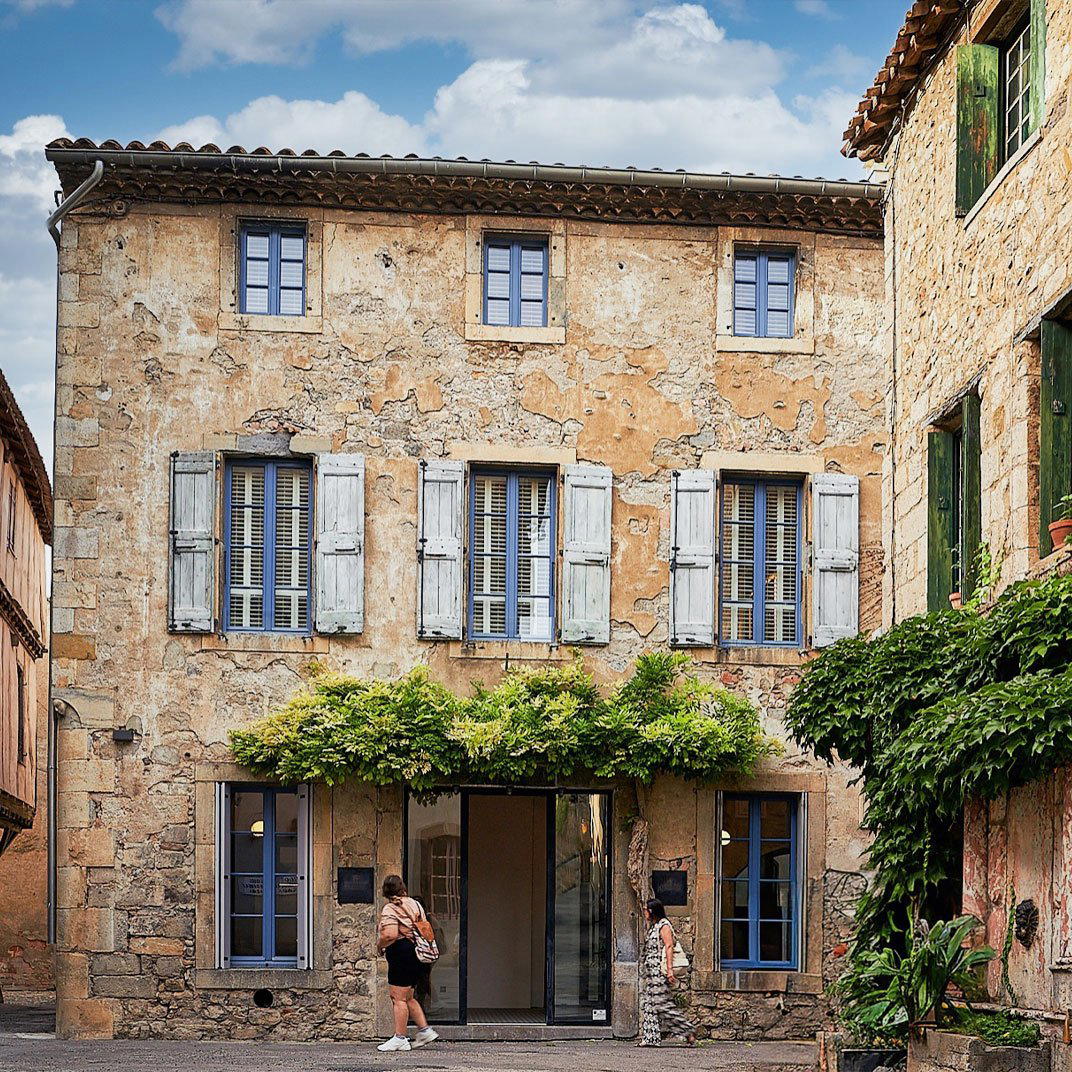
Son Tak Kong sits on Rua dos Mercadores in Macau’s old quarter, where shophouse facades and narrow pavements lend a deliberate, unvarnished tempo. The dining room favors substance over show: its modest frontage and restrained approach fit the neighborhood fabric rather than the Cotai Strip’s glitz. The kitchen’s Shun Tak technique, with a focus on freshwater ingredients, pork work and tempered seasoning, mirrors the room’s subtle, lived-in character. Small auditory details, the occasional mahjong tiles from an open window and lower afternoon light, reinforce a quietly charming, historic atmosphere that feels rooted in place.
Best For
Son Tak Kong is best for diners who want an authentic regional Cantonese experience rooted in Macau’s peninsula rather than a high-glam banquet. The restaurant’s focus on Shun Tak cooking (freshwater fish, pork preparations and restrained seasoning) makes it a natural fit for family meals and group outings where regional flavors and straightforward technique are the draw. It also suits casual hangouts and neighborhood explorers who prefer modest, ingredient-forward dining in a historic setting over spectacle.
Ordering Tips
To sample the Shun Tak profile, start with the soups and freshwater preparations listed among the signatures: the Creamy Fish Soup and the Shunde Steamed Fish Soup highlight the kitchen’s skill with freshwater ingredients. For texture and contrast, the Fried Fish Skin Stuffed with Pork showcases the pork-focused work of the cuisine, while the Sticky Rice with Sakura Shrimps and Pine Nuts offers an aromatic, textural counterpoint. Look for dishes that use fermentation and subtle seasoning rather than heavy lacquered sauces to understand the restaurant’s regional identity.
Venue details
Ambiance
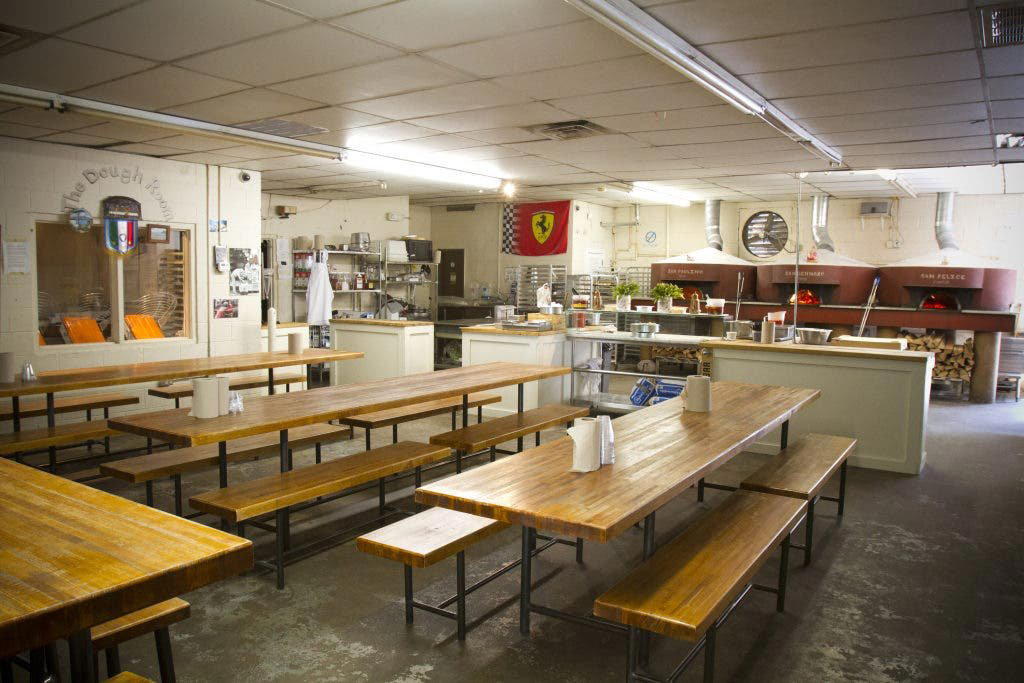
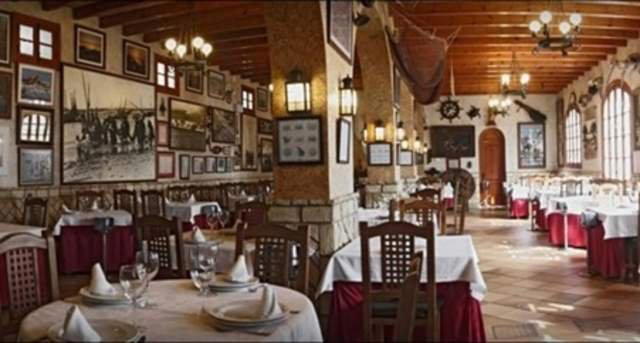
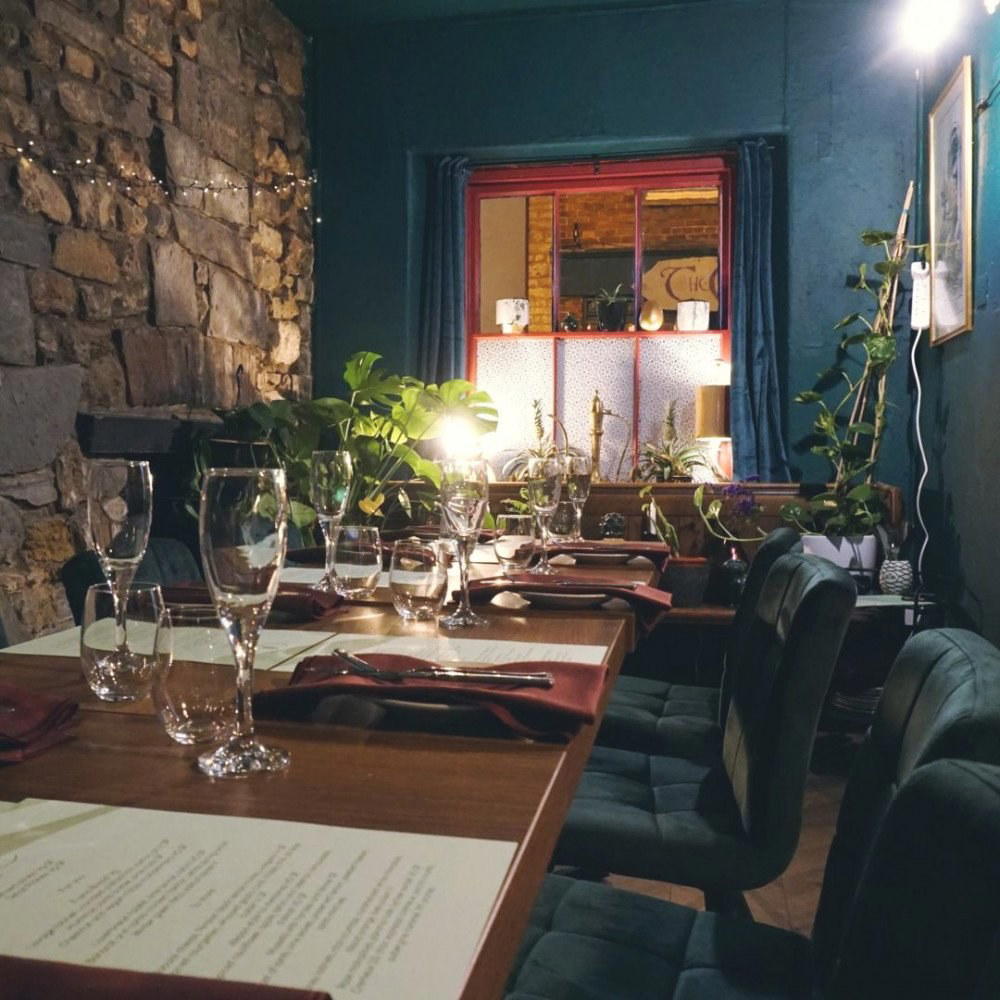
No-frills, casual dining environment jam-packed with happy regulars; noisy setting with traditional home-style atmosphere.
Tags
Vibe
Best For
Experience
Sourcing
At the Table
- Dress Code
- Casual
- Noise Level
- Lively
- Service Style
- Casual
- Meal Pacing
- Standard
- Capacity
- Medium
- Kitchen
- Traditional
- Menu Format
- A la carte, Family style
- Drinks Focus
- Tea, Milk tea
- Dietary
- Pescatarian friendly
Signature Dishes
- Creamy Fish Soup
- Sticky Rice with Sakura Shrimps and Pine Nuts
- Fried Fish Skin Stuffed with Pork
- Shunde Steamed Fish Soup
Know before you go
Know Before You Go
- Getting there
- 106A號 R. dos Mercadores, Macao
Planning details
Location
106A號 R. dos Mercadores, Macao · Directions
Recognition and awards
Also consider
Also Consider
- Aji: Nikkei, Innovative, $$$$
- Five Foot Road: Sichuan, $$
- Lai Heen: Cantonese, $$$
- Robuchon au Dôme: French Contemporary, $$$$
- Feng Wei Ju: Hunan-Sichuan, Hunanese, $$
Restaurant context
At $$, Son Tak Kong is the clearest value case among Michelin-recognised restaurants in Macau. Feng Wei Ju matches it on price and also holds Michelin recognition, but covers Hunan-Sichuan territory rather than Shun Tak: a different regional Chinese register entirely. Five Foot Road (Sichuan, $$) competes at the same price point but without the same awards pedigree as Son Tak Kong's two consecutive Bib Gourmands. If you are deciding between the $$ options in Macau, Son Tak Kong is the pick for regional specificity and Michelin consistency; Five Foot Road is the alternative if Sichuan flavours are your preference.
Lai Heen (Cantonese, $$$) represents the step up in price and formality: you get a more polished room and a longer track record in the Cantonese fine-dining register, but you are paying a tier more for it. Aji (Nikkei, $$$$) and Robuchon au Dôme (French Contemporary, $$$$) are in a different financial category altogether and suit a different kind of occasion. Neither competes directly with Son Tak Kong on value.
The practical conclusion: if you want to eat well in Macau without spending casino-resort prices, Son Tak Kong and Feng Wei Ju are your two most evidenced options. Son Tak Kong is the choice if you want to engage with a cuisine tradition you are unlikely to find documented elsewhere at this price. Book both on a longer Macau visit and compare the regional breadth of what Michelin is recognising at the affordable end of this city's dining scene.
Around this place
Discover more on Pearl
Unlock the full Son Tak Kong guide in Pearl, including awards, comparisons, FAQs, planning details, and nearby places.
Compare Son Tak Kong
| Venue | Price | Booking Difficulty | Awards |
|---|---|---|---|
| Son Tak Kong | $$ | Easy | Michelin Guide Hong Kong & Macau 20262025 Michelin Bib Gourmand2024 Michelin Bib Gourmand |
| Aji | $$$$ | Unknown | 2026 OAD Top Restaurants in Asia Recommended2026 Black Pearl 1 DiamondMichelin Guide Hong Kong & Macau 20262026 Wine Spectator Best of Award of Excellence2025 OAD Top Restaurants in Asia Ranked · #370World's Best Wine Lists 20252025 Wine Spectator Best of Award of Excellence2025 Michelin 1 Star2025 The Best Chef One Knife |
| Five Foot Road | $$ | Unknown | 2026 Forbes 5-StarStar Wine Lists 20262026 Black Pearl 1 DiamondSCMP 100 Top Tables 2026 - Restaurants2026 OAD Top Restaurants in Asia RecommendedMichelin Guide Hong Kong & Macau 20262026 Wine Spectator Best of Award of Excellence2026 La Liste Top RestaurantsWorld's Best Wine Lists 2025 |
| Lai Heen | $$$ | Unknown | 2026 Forbes 5-Star2026 Forbes Recommended2026 OAD Top Restaurants in Asia RecommendedSCMP 100 Top Tables 2026 - RestaurantsMichelin Guide Hong Kong & Macau 20262025 OAD Top Restaurants in Asia Ranked · #3522025 Black Diamond 1 Diamond2025 Michelin 1 Star2025 Forbes 4-Star |
| Robuchon au Dôme | $$$$ | Unknown | 2026 OAD Top Restaurants in Asia Ranked · #132026 Forbes 5-Star2026 Black Pearl 3 DiamondSCMP 100 Top Tables 2026 - RestaurantsMichelin Guide Hong Kong & Macau 20262026 Wine Spectator Grand Award2026 La Liste Top RestaurantsWorld's Best Wine Lists 2026 — Global Category Winners2025 OAD Top Restaurants in Asia Ranked · #13 |
| Feng Wei Ju | $$ | Unknown | No published awards |














A quick look at how Son Tak Kong measures up.
FAQ
Frequently Asked Questions
Can I eat at the bar at Son Tak Kong?
Son Tak Kong is a shophouse-format neighbourhood restaurant on Rua dos Mercadores in Macau's old quarter: bar seating is not a feature of this style of venue. Seating arrangements are compact and table-focused, so arrive expecting a straightforward dining room setup rather than counter or bar options.
What should I wear to Son Tak Kong?
This is a $$ Bib Gourmand spot, not a formal dining room, so dress casually. Clean, comfortable clothes are entirely appropriate: there is no indication of a dress code at a neighbourhood Shun Tak restaurant operating at this price point. Save the formal wear for Robuchon au Dôme up the hill.
What should I order at Son Tak Kong?
The kitchen's focus is Shun Tak cuisine: the regional cooking of the Pearl River Delta corridor linking Guangdong to Macau. Michelin's Bib Gourmand recognition in both 2024 and 2025 signals consistent quality, so lean toward dishes rooted in that regional tradition rather than anything that looks like a concession to tourist preferences.
Is Son Tak Kong good for solo dining?
Yes. A $$ shophouse restaurant with Bib Gourmand recognition is one of the more practical solo dining options in Macau: lower spend, no awkward table minimums, and the format suits a single diner working through a few dishes. For solo dining at higher price points, Lai Heen or Feng Wei Ju require more planning and spend; Son Tak Kong is the lower-friction call.