

Restaurant in Macau, China · Inside Wynn Palace
Mizumi
1,575Pearl PointsThree formats, one kitchen — plan multiple visits.





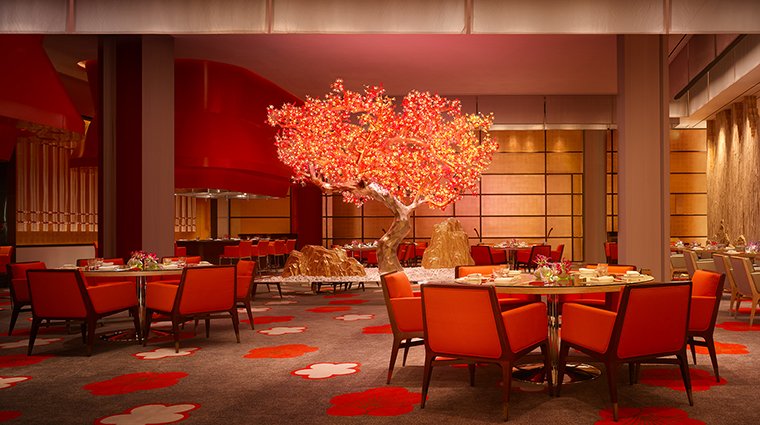
About Mizumi
Mizumi at Wynn Palace is Macau's most complete Japanese dining venue, running teppanyaki, tempura, sushi zones with an OAD Asia ranking of #254 (2025) and a sake list of 70+ varieties. The sushi counter, led by a Japanese government-designated master craftsman, is the standout. Book at least a week ahead; Wednesday closures apply to both Mizumi and adjacent Sushi Mizumi.
Who Should Book Mizumi — and When
Mizumi at Wynn Palace is the right call for food and wine enthusiasts who want to cover serious Japanese ground in Macau across multiple visits, not just one. The restaurant operates three distinct zones — tempura, teppanyaki, sushi, each with its own set menus, plus a main dining room where the full à la carte menu is available. That structure rewards repeat visitors: your first dinner in the main dining room covers the breadth; subsequent visits let you go deep into a single format. If you only have one night in Macau for Japanese dining, this is where to spend it. If you have two or three, Mizumi has the range to justify coming back.
The Food: What the Zones Deliver
The main dining room anchors around the teppanyaki program, where Chef Hironori Maeda works through the menu with care. The Kagoshima Wagyu tenderloin, grilled on a teppan and served with sea salt, wasabi, black pepper, onion gravy, is the reference point for the kitchen's approach: good sourcing, clean technique, no distraction. The omakase format runs in the sushi zone under the guidance of Chef Tsutomu Shimamiya, who holds the title of contemporary master craftsman, the highest artisan honor awarded by the Japanese government, has prepared sushi for heads of state. Ingredients are flown in from Japan five times per week, so the omakase menu shifts almost daily based on what arrived and what met the kitchen's standard. Hokkaido live sea urchin, otoro tuna belly, char-grilled kinki fish soup have appeared on the menu, but expect the specifics to change. The sake list, shared with the adjacent Sushi Mizumi counter, runs to more than 70 varieties overseen by a dedicated sake sommelier, one of the stronger sake programs in the region. Wine coverage is equally serious: 870 selections, 21,500 bottles in inventory, with particular depth in Champagne, Bordeaux, Burgundy at $$$ pricing.
Multi-Visit Strategy
Visit one: book the main dining room and order à la carte to get a read on the teppanyaki and the wine program. Visit two: request the sushi counter (maximum 12 guests, two master chefs in attendance) for the omakase, the ratio of chefs to diners here is notable, the format rewards conversation with the chefs; a few words of Japanese will shift the dynamic noticeably. Visit three, if you're a serious sake drinker or hosting a small group, is the occasion to book the sushi counter exclusively for a private gathering and work through the sake list with the sommelier. The menu changes at least four times a year, so there is enough seasonal variation to justify the cadence.
Practical Details
Both Mizumi and Sushi Mizumi close on Wednesdays, plan around this. The busiest periods follow Macau's high season calendar: Chinese New Year, Golden Week in October, most of December. Outside those windows, the restaurant is moderately busy year-round, so book at least a week in advance for standard timing and further ahead if you want the sushi counter or are planning around a peak holiday. The sushi counter seats a maximum of 12, which also makes it bookable as a private venue for small groups if arranged early enough. Dress is casually elegant: no sleeveless shirts, open-toe shoes, or baseball caps. Cuisine pricing sits at $$$ (two courses, excluding beverages). Corkage is $50 if you bring your own bottle. The restaurant is inside Wynn Palace on Avenida da Nave Desportiva in Cotai, direct to reach from the main casino floor.
Trust Signals
Mizumi ranked #254 on Opinionated About Dining's Leading Restaurants in Asia in 2025 (up from #221 in 2024), and #380 on OAD's Leading Restaurants in North America list in 2025. Chef Shimamiya's Japanese government designation as a contemporary master craftsman is a verifiable credential with real weight in the sushi category.
How It Compares
See the comparison section below for how Mizumi stacks up against other Macau options across price tiers.
For broader context on dining in the region, see our full Macau restaurants guide. If you're exploring Macau's hotel, bar, or experience scene alongside your dining plans, Pearl also covers Macau hotels, Macau bars, and Macau experiences. For fine dining comparisons within Macau's Cantonese tier, Jade Dragon and Chef Tam's Seasons are the relevant benchmarks. On the French side, Robuchon au Dôme and Alain Ducasse at Morpheus occupy the same prestige tier. For Sichuan and Hunanese options at a lower price point, Feng Wei Ju is worth a look. If you're moving between cities in the region, Pearl covers comparable fine dining experiences at Xin Rong Ji in Beijing, 102 House in Shanghai, Xin Rong Ji in Chengdu, Ru Yuan in Hangzhou, Imperial Treasure Fine Chinese Cuisine in Guangzhou, and Dai Yuet Heen in Nanjing. For a global omakase and tasting-menu reference point, Atomix in New York City and Le Bernardin in New York City operate in the same prestige conversation.
Frequently Asked Questions
Does Mizumi handle dietary restrictions?
The omakase format at Sushi Mizumi changes almost daily based on seasonal sourcing from Japan, which gives the kitchen flexibility to accommodate some restrictions — but check directly with the restaurant when booking, since the counter runs a maximum of 12 guests and requires advance coordination. The main dining room's à la carte format offers more room to work around preferences than the set menus. Given the $$$ price tier, it is worth confirming specifics before you arrive rather than discovering limitations at the table.
What should I order at Mizumi?
If you are in the main dining room, the Kagoshima Wagyu tenderloin from the teppanyaki program is the flagship order — grilled by Chef Hironori Maeda with sea salt, wasabi, black pepper, onion gravy. At Sushi Mizumi, the omakase is the only real option; past iterations have included Hokkaido live sea urchin sashimi and chargrilled kinki fish soup, though the menu shifts with whatever has come in from Japan that week. On either visit, the sake list runs to more than 70 varieties and is among the stronger lists in Macau — treat it as a feature, not a side note.
Is Mizumi good for solo dining?
Sushi Mizumi is one of the better solo setups in Macau: 12 seats at a counter, a two-to-twelve chef-to-guest ratio, chefs willing to engage if you speak even a few words of Japanese. Solo diners at the main Mizumi dining room can order freely from the à la carte menu, which suits anyone who wants flexibility over a fixed format. Book at least a week in advance for either option, bear in mind both close on Wednesdays.
Can Mizumi accommodate groups?
The main dining room handles groups more comfortably than the sushi counter, where the 12-seat limit makes large parties impractical. That said, the 12-seat cap at Sushi Mizumi also means you can buy out the entire counter for a private gathering if you book far enough ahead — a meaningful option for a corporate dinner or a celebration with six to twelve people. For groups above 12, keep the party in the main dining room where the à la carte menu and teppanyaki, tempura, sushi zones give everyone something to work.
How far ahead should I book Mizumi?
Reserve at least a week out for a standard table; the sushi counter, with its 12-seat limit, warrants more lead time and should be booked further in advance if your date falls near Chinese New Year, Golden Week in October, or December, which are Macau's peak periods. Both Mizumi and Sushi Mizumi are closed on Wednesdays — factor that in before you plan travel around a meal. At the $$$ price tier, a failed booking is a costly inconvenience, so confirm early.
What should a first-timer know about Mizumi?
Mizumi is not a single-format restaurant: it covers teppanyaki, tempura, sushi across separate zones, with the sushi operation (Sushi Mizumi) technically distinct from the main dining room. First-timers should start with the main dining room and order à la carte — it lets you sample the teppanyaki program under Chef Hironori Maeda and gauge the wine list (870 selections, 21,500 bottles, strong in Champagne and Burgundy) before committing the sushi counter to a second visit. Dress code is casually elegant: no sleeveless shirts, open-toe shoes, or baseball caps.
Location
Wynn Palace 永利皇宮, Av. da Nave Desportiva, Macao
Macau, China
Compare Mizumi
| Venue | Price |
|---|---|
| Mizumi | |
| Aji | $$$$ |
| Five Foot Road | $$ |
| Lai Heen | $$$ |
| Robuchon au Dôme | $$$$ |
| Feng Wei Ju | $$ |
A quick look at how Mizumi measures up.
Also Consider
- Aji, Nikkei, Innovative, $$$$
- Five Foot Road, Sichuan, $$
- Lai Heen, Cantonese, $$$
- Robuchon au Dôme, French Contemporary, $$$$
- Feng Wei Ju, Hunan-Sichuan, Hunanese, $$
Mizumi is the only venue in Macau that covers teppanyaki, tempura, omakase sushi under one roof at a serious level, that breadth has no direct equivalent in the current Macau dining scene. For pure Japanese focus at this price tier, the comparison is less with other local Japanese restaurants and more with Macau's broader fine-dining category. Robuchon au Dôme ($$$$ French Contemporary) delivers a more theatrical service experience and arguably the most polished room in Macau, but it's a different cuisine entirely and sits a price tier above. If budget is the priority, Robuchon is harder to justify for a repeat visit; Mizumi's $$$ positioning makes it more sustainable across two or three dinners.
Aji ($$$$ Nikkei) is the closest competitor in terms of Japanese-influenced fine dining ambition, with Peruvian cross-pollination that Mizumi doesn't attempt. Aji suits diners who want creative fusion and a more contemporary dining format; Mizumi is the better call if you want traditional Japanese technique at its most precise, particularly for omakase. Lai Heen ($$$ Cantonese) matches Mizumi's price tier and is the strongest alternative if your group includes diners who prefer Cantonese over Japanese, the quality level is comparable, the category is different.
At the value end of Macau dining, Five Foot Road ($$ Sichuan) and Feng Wei Ju ($$ Hunan-Sichuan) cost significantly less and deliver strong regional Chinese cooking, but they are not substitutes for what Mizumi does, they serve a different occasion entirely. If your trip includes multiple dinners, pairing Mizumi with one of those two lower-priced options is a sensible way to cover the range without overspending.
Recognized By





Explore Macau
Save or rate Mizumi on Pearl
Keep this venue in your Pearl passport, rate it after you visit, and track it alongside every other place you collect.