Restaurant in Los Angeles, United States
Michelin-noted izakaya. Book early, order sushi.
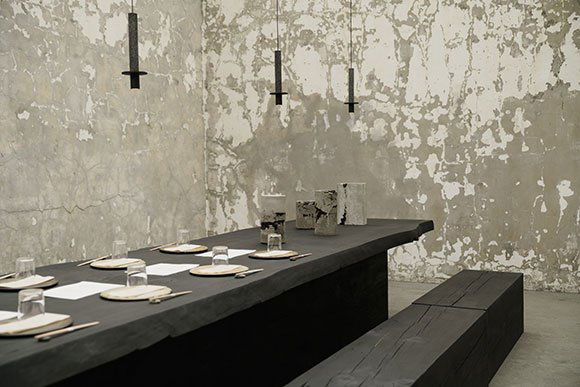
kodō earned a Michelin Plate in 2025 for Kyoto-rooted izakaya cooking — robata, sushi, and rotating off-menu specials — inside a converted Arts District firehouse. The à la carte format gives you more spending control than most $$$$-tier LA Japanese restaurants. Book three to four weeks out minimum; availability has tightened since the Michelin recognition.
If you think kodō is just another trendy Arts District izakaya riding the neighbourhood's wave of concept-driven openings, reconsider. The Michelin Plate recognition it earned in 2025 is the clearest signal that the kitchen earns its $$$$ price tag on the plate, not on the premise. This is Kyoto-rooted cuisine — robata, sushi, nigiri — filtered through a California sensibility, served inside a converted firehouse on South Santa Fe Avenue. For returning visitors deciding what to order next, the answer is: go deeper into the off-menu specials and give the seafood program serious attention.
The most common assumption about kodō is that its setting is the point , a photogenic former firehouse in one of LA's most photographed dining corridors. The setting is real, but it is not the story. What matters is that the space creates the right conditions for the food: natural materials, a calm register, a patio option for outdoor dining when the weather suits. The atmosphere runs quieter and more composed than many Arts District neighbours, which makes it a better call for a conversation-first dinner than spots that lean into the room's energy as the main event. The noise level stays manageable, which at this price point is not a given in Los Angeles.
The indoor-outdoor split gives the room flexibility. The patio works well for earlier seatings; the interior holds its mood as the night progresses. Neither option feels like a downgrade. If you have been once and sat outside, come back for the indoor counter experience to compare the register , the natural materials and the understated design read differently when you are fully inside the former firehouse shell.
Sushi and nigiri are the anchor of a return visit. The quality is high enough that the crowd around you , and there will be a crowd, and some of them will be on their phones , will not pull your attention away from the plate. Sea bream and octopus are the specific preparations called out as precise and well-executed; start there if you have not already.
Off-menu specials are where kodō rewards repeat visitors specifically. Japanese sea snail has been noted as one of the more memorable options when available. Specials rotate, so asking the server directly on arrival is the move rather than waiting to be told. If you came on a first visit and stuck to the printed menu, you likely missed this tier of the offering.
Little neck clams in garlic and butter are worth ordering for the broth alone , a preparation that pulls from both Kyoto tradition and California coastal sensibility without forcing the point. For dessert, the cheesecake with passion fruit sauce and kinako crumble is a known quantity: it closes the meal in a direction that fits the kitchen's Japan-California register without being a novelty order.
For context on how this format compares to izakaya dining at its Japanese source, Benikurage in Osaka and Berangkat in Kyoto offer a useful benchmark for what the Kyoto-rooted dishes here are referencing.
The editorial angle here matters for planning: kodō's weekend and daytime service is the lower-competition window at a booking-hard venue. The Arts District draws a strong dinner crowd, and the Michelin Plate recognition in 2025 has tightened availability further. If a weekend lunch or brunch format is available, it is worth checking as an entry point , the off-menu specials and the seafood program still run, and the room feels different at a lower ambient energy. Confirm current weekend hours directly with the venue, as service windows are not publicly confirmed in available data.
At $$$$ in the Arts District, kodō sits in the same tier as Hayato and Kato but operates in a different format , izakaya-style ordering rather than a fixed tasting structure. That means your final bill is partly within your control, which is not the case at most LA venues in this price tier. Two people who order selectively can land below what a tasting menu at a comparable Michelin-recognised address would cost. Two people who work through the full menu, add specials, and drink well will spend accordingly. The Google review average of 4.2 across 243 reviews suggests the experience lands consistently rather than spiking only for best-case visits.
For comparison against the broader LA fine dining tier: Providence offers a more structured seafood tasting at a higher fixed price; Somni and Osteria Mozza operate in different cuisine categories but similar price bands. Nationally, the izakaya format at this quality level has few direct peers , Lazy Bear in San Francisco and Smyth in Chicago are Michelin-recognised in broadly comparable experiential territory, though neither is Japanese in format. For the full picture of where kodō sits within LA dining, see our full Los Angeles restaurants guide.
For high-end Japanese dining, Hayato is the closest peer at $$$$ but operates as a fixed kaiseki format rather than izakaya-style ordering , it is more structured and harder to book. Sushi Kaneyoshi is the right call if omakase sushi is specifically what you want, with a tighter, counter-only format. If you want something in a lower price tier with strong seafood credentials, Holbox at $$ is a different cuisine category (Mexican seafood) but delivers seafood quality that competes above its price point. For a completely different direction at $$$$, Kato offers New Taiwanese tasting menus with comparable critical recognition.
Book at least three to four weeks out for a standard dinner reservation. The Michelin Plate recognition in 2025 has made availability tighter than it was in prior years , this is now a hard booking. Weekend evenings fill fastest. If you want a specific date or a particular seating configuration, push that window to five or six weeks. Checking midweek evening slots may open more options if your schedule allows flexibility.
The izakaya format suits small groups well , the shared, à la carte ordering structure means a table of four to six can cover significant menu range without overcommitting. Larger groups should contact the venue directly to confirm private or semi-private options; no confirmed group booking policy is available in current data. At $$$$ per head, group dinners here are a meaningful spend, so confirming arrangements in advance rather than assuming walk-in capacity is the right approach.
Yes, with the caveat that you order strategically. The Michelin Plate recognition in 2025 and a 4.2 Google average across 243 reviews both point to consistent execution rather than occasional highs. The izakaya format means you are not locked into a fixed tasting spend , two people who focus on the sushi, one or two specials, and a shared dessert can keep the bill controlled relative to tasting-menu peers in the same $$$$ tier. If you are comparing to Hayato or Sushi Kaneyoshi, kodō offers more menu flexibility at a comparable price point, which is a meaningful advantage for tables with mixed preferences.
Yes, particularly for occasions where the setting matters alongside the food. The converted firehouse space, natural materials, and calm atmosphere give the room a distinct character without tipping into theatrical. The food quality , Michelin Plate, strong seafood program, memorable off-menu specials , supports a celebratory dinner. For an anniversary or milestone meal where you want a tasting structure and a more formal rhythm, Hayato may be a better fit. For an occasion dinner with more flexibility and a livelier room, kodō is the stronger call in the LA Japanese category.
Bar seating availability is not confirmed in current data. In the izakaya format generally, bar or counter seating can offer a more direct experience with the kitchen's output and is sometimes easier to secure on shorter notice than table reservations. Contact the venue directly to confirm bar seating options and whether walk-in availability at the counter is a realistic option on quieter nights. Given the Michelin Plate recognition and the booking difficulty, do not assume counter walk-ins are available without checking first.
| Venue | Awards | Price | Value |
|---|---|---|---|
| kodō | Michelin Plate (2025); It may be tucked inside a former firehouse, but kodō is more calm and cool than fiery. It's the kind of place where a boulder doubles as a desk and the abundant use of natural materials sets a serene tone. Choose from breezy, outdoor dining on the patio or come indoors for a menu that celebrates Kyoto cuisine, from robata to sushi, albeit with a California influence. The sushi and nigiri are so good that you won't even notice the trendy crowd snapping photos for their Instagram feed. Off-menu specials, such as the Japanese sea snail, are especially memorable, while sea bream and octopus are impeccable. A steaming bowl of little neck clams garlic and butter is dreamy. Up for something sweet? Cheesecake with passion fruit sauce and kinako crumble is a favorite. | $$$$ | — |
| Kato | Michelin 1 Star, World's 50 Best | $$$$ | — |
| Hayato | Michelin 2 Star | $$$$ | — |
| Vespertine | Michelin 2 Star | $$$$ | — |
| Holbox | Michelin 1 Star | $$ | — |
| Sushi Kaneyoshi | Michelin 1 Star | $$$$ | — |
What to weigh when choosing between kodō and alternatives.
Hayato is the closest in prestige — a Michelin-starred kaiseki that costs more and requires more advance planning, but delivers a tighter, more formal Japanese experience. Sushi Kaneyoshi is the call if nigiri is your sole focus. Kato offers a more chef-driven tasting format at a similar price tier. kodō sits between those poles: izakaya-style flexibility at $$$$ pricing, with Michelin Plate recognition to back the quality.
Plan at minimum two to three weeks out for a Friday or Saturday table, more if your date is fixed. The Arts District draws consistent foot traffic and kodō's Michelin Plate (2025) has raised its profile further. Weekend daytime service tends to be the lower-competition window if your schedule allows flexibility.
The venue's former-firehouse footprint includes both a patio and an indoor dining room, which suggests some capacity for groups, but specific private dining or large-table arrangements are not confirmed in available venue data. For parties of six or more, check the venue's official channels before assuming availability — at $$$$ per head, a booking miscommunication is worth avoiding.
At $$$$, kodō is priced at the top of the Arts District market, but it operates izakaya-style rather than as a set-menu omakase, which means the bill scales with what you order. The sushi and nigiri quality, Michelin Plate recognition, and off-menu specials like Japanese sea snail justify the tier if you eat broadly from the menu. If you order conservatively, the value case weakens compared to a format like Hayato where the price is fixed and the experience is structured around it.
Yes, with the right expectations. The former firehouse setting, patio option, and Kyoto-California menu with Michelin Plate standing make it a credible special-occasion choice in LA. It works better for a birthday dinner or anniversary where you want an impressive room and strong food than for milestone celebrations that require a private space or orchestrated tasting format — Hayato or Vespertine serve that need more deliberately.
Bar seating specifics are not confirmed in the venue data, but the izakaya format — designed for casual, order-as-you-go dining — is generally well-suited to solo or two-top counter eating. If bar access matters to your booking, call ahead: at a $$$$ venue with high demand, seating policy is worth confirming before you arrive.
Keep this venue in your Pearl passport, rate it after you visit, and track it alongside every other place you collect.


