.png?width=1200&quality=80)
Kusano
Sushi · Culver City, Los Angeles
Restaurant in Los Angeles, United States
 Book with Pearl
The Read
Solo-Chef Nigiri Counter
Price
$150–200per person
Dress
Smart Casual
Why go
Kusano is a solo-operated nigiri omakase counter in Culver City selected in the 2025 Michelin Guide — and one of Los Angeles's clearest value cases in the $$$$ tier. With only a handful of seats and two seatings nightly, reservations fill fast. Book well ahead if you want a focused, chef-driven counter experience without the overhead of a larger omakase operation.
About Kusano
Come Back to Kusano — It Gets Better the Second Time
If you have already been to Kusano once, you already know the essential facts: a handful of counter seats, two seatings nightly, one person running everything, and a nigiri-forward omakase that punches well above what the $$$$ tag implies at this price tier in Los Angeles. The question for a return visit is whether there is anything left to discover — and the answer is yes, because the format rewards familiarity. Knowing what to expect means you can pay attention to the things that matter: the pacing of each piece, the restraint of the seasoning, the small moments where the chef's judgment shows through.
Kusano holds a Michelin Plate for 2025, which is a signal worth taking seriously for a room this size. A Michelin Plate is not a star, but for a solo-operated counter in Culver City running fewer seats than most restaurants have servers, it confirms that the guide's inspectors found the cooking credible enough to document.
The Space: A Counter That Earns Its Intimacy
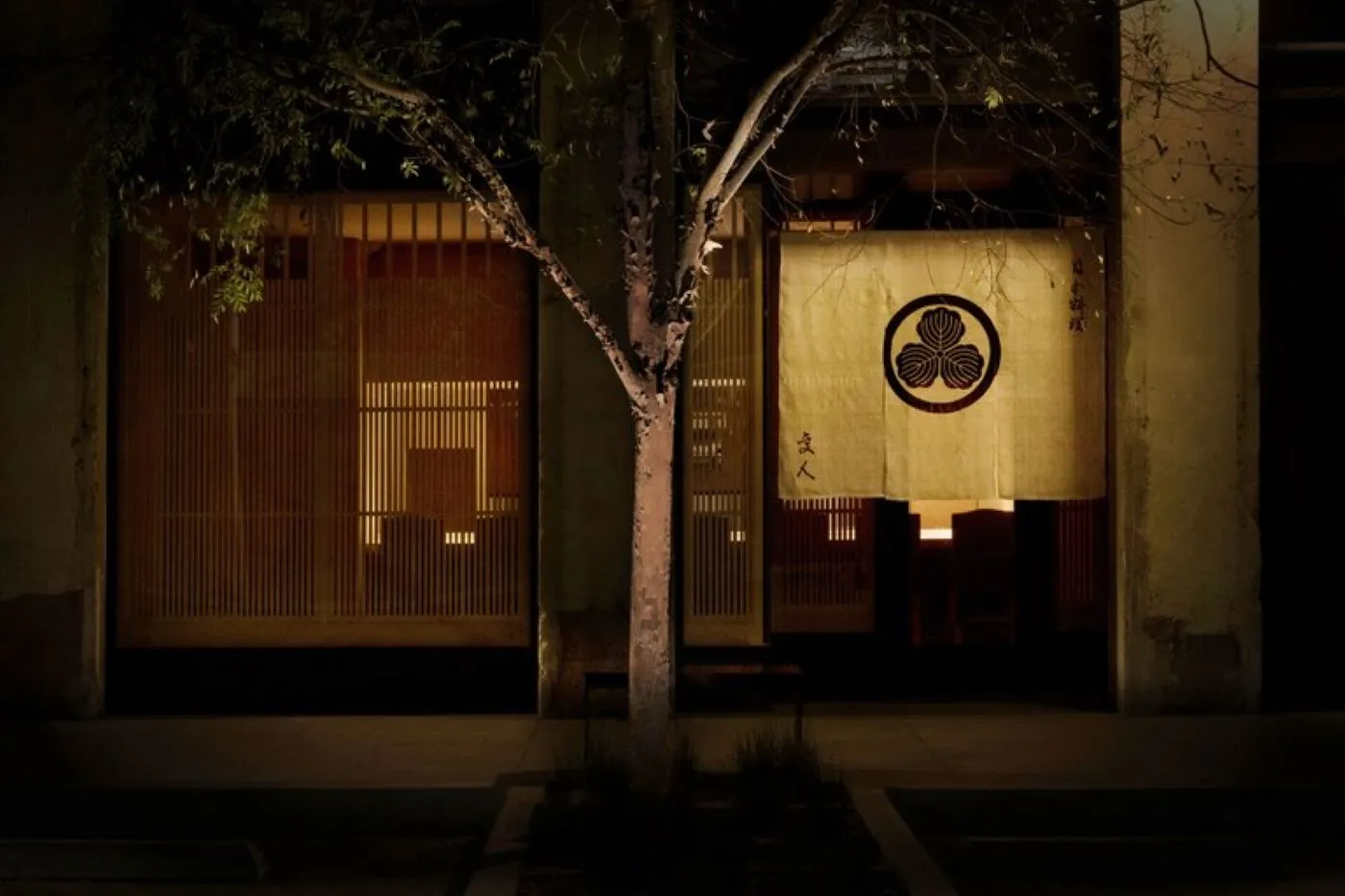
The room at Kusano is not designed for atmosphere in the way that larger omakase venues manufacture it. The counter is the experience. With only a handful of seats, the Michelin listing confirms this, there is no ambient noise from adjacent tables, no wait staff crossing your field of vision, no separation between the person preparing your food and the person serving it. The chef handles drink orders, clears plates, and delivers each course himself. For diners who find that kind of service choreography distracting, Kusano is the opposite: there is a stillness to the room that lets the food hold the focus.
This spatial compression is what makes the second visit different from the first. On your initial visit, the format itself occupies most of your attention. On a return, you settle into the counter more quickly, you read the rhythm of the meal earlier, and the pauses between courses feel less like dead time and more like intentional breath. If you found the pacing slightly slow on your first visit, give it another chance, it is a deliberate structure, not a logistical gap.
What the Menu Delivers
The menu is nigiri-forward, with most pieces arriving dressed only with nikiri and wasabi, a format that has more in common with the restrained Tokyo counter tradition than with the more embellished omakase styles common elsewhere in Los Angeles. The Michelin description notes that some items carry more complexity: Hokkaido uni with a thin slice of squid and cooked seaweed is cited as an example. Dessert takes the same unfussy approach, with a yuzu granita closing the meal. There are no theatrical flourishes, no dry ice, no tableside preparation designed to photograph well. The proposition is quality of ingredient and precision of execution, not spectacle.
For a second visit, this unfussy sensibility is an asset. You are not returning to be surprised by production value, you are returning to see whether the sourcing is consistent, whether the same restraint holds, whether the calibration of salt, acid, and temperature is as tight as you remember. On the evidence of the Michelin recognition and the consistency of diner feedback, the expectation is that it will be.
Booking Kusano
Booking here is genuinely hard. Two seatings nightly across a small counter means availability disappears fast, and this is not the kind of place that holds seats for walk-ins in any practical sense. If you are planning a visit in the current season, particularly as Michelin recognition continues to drive interest in the Culver City dining corridor, securing a reservation well in advance is non-negotiable. Check availability early and treat it like a ticketed event, not a restaurant reservation. The address is 10726 Jefferson Blvd, Culver City, CA 90230.
Kusano sits in a broader Los Angeles sushi scene that includes strong competition. Sushi Inaba, Echigo, Go's Mart, Hamasaku, and Inaba all operate in the same city and, in some cases, the same price tier. Kusano's differentiator is the single-operator format: no other venue on that list runs a comparable experience at this scale. If what you want is the intimacy of a Tokyo-style counter without the overhead of a large omakase operation, Kusano is the clearest answer in the market right now.
For visitors combining the meal with a broader Los Angeles trip, Pearl's full Los Angeles restaurants guide, hotels guide, bars guide, wineries guide, and experiences guide are worth consulting.
How Kusano Compares Globally
For context on what a solo-operated omakase counter at this level delivers: the format has equivalents in Tokyo, venues like Harutaka and in Hong Kong at Sushi Shikon, where the single chef, counter, and nigiri-forward structure defines the highest tier of the category. Kusano is not claiming those comparisons directly, but the format it operates within is drawn from the same tradition. For a $$$$ omakase in Los Angeles, the point of reference for value is significant. Comparable experiences in the broader tasting-menu space, from The French Laundry in Napa to Le Bernardin in New York City or Smyth in Chicago, operate at higher absolute price points. Lazy Bear in San Francisco and Single Thread Farm in Healdsburg offer a comparable intimacy of format but in very different cuisines. Emeril's in New Orleans runs at a comparable price tier but with a radically different production scale. The point is that what Kusano offers at $$$$, a chef-led, single-operator counter with Michelin recognition, represents a strong value position for the format.
The Verdict
Book Kusano if you want a tightly executed, nigiri-forward omakase in an intimate counter format where the food does the work without theatrical embellishment. It is well-suited for two diners who want to focus on the meal, less suited for groups seeking a social occasion. Return visitors will find the experience deepens on a second sitting, the restraint that might have felt understated the first time becomes the clearest evidence of skill. Secure your reservation as early as possible: at this scale, the calendar fills before most people start planning.
Planning details
- Location
- 10726 Jefferson Blvd, Culver City, CA 90230
- Reservations
- Book on Resy
The take
The Take
The Vibe
Kusano centers on a pared-down, highly focused sushi experience delivered from a single counter. The room favors quiet refinement over showmanship: a nigiri-forward progression, a light brush of nikiri and a touch of wasabi let the fish and rice speak. Operated in the solo-operator tradition familiar in Tokyo, the service is intimate and exacting, with the chef maintaining direct control of pacing and presentation. The overall effect is sophisticated and restrained — a place that rewards attention to texture, temperature and the subtleties of a well-executed piece of nigiri rather than flamboyant plating or heavy sauces.
Best For
Kusano is best experienced as an evening meal where the omakase format can unfold without distraction. With only a handful of counter seats and two seatings per night, it suits couples seeking an intimate dinner, guests celebrating a special occasion, and solo diners who want a close, chef-led encounter. The menu’s focus on succinct, nigiri-forward progression makes it a choice spot for diners who appreciate a disciplined tasting that prioritizes sourcing, cut and rice technique. It’s not a casual, all-day stop but a deliberate, reservation-oriented evening experience.
Ordering Tips
Expect a tightly curated counter service and plan accordingly: seating is limited and the kitchen runs two seatings per night, so reserve early if possible. Embrace the omakase structure and let the chef lead the progression — the menu is deliberately restrained and many decisions are made at the counter. Highlighted items include chu-toro nigiri, miso soup with fish broth and the torotaku temaki; ask about those if they aren’t offered during your seating. Pay attention to the finishing touches — small strokes of nikiri and a touch of wasabi are integral to the tasting, not optional extras.
Venue details
Ambiance
Classic SoCal mini-mall space with an L-shaped bar seating eight in an intimate sushi-ya setting.
Tags
Vibe
Best For
Experience
At the Table
- Dress Code
- Smart Casual
- Noise Level
- Quiet
- Service Style
- Omakase Bar
- Meal Pacing
- Leisurely
- Capacity
- Intimate
- Kitchen
- Modern
- Menu Format
- Omakase, Counter dining
- Wine Program
- Standard
Signature Dishes
- chu-toro nigiri
- miso soup with fish broth
- torotaku temaki
Know before you go
Know Before You Go
- Getting there
- 10726 Jefferson Blvd, Culver City, CA 90230
Planning details
Location
10726 Jefferson Blvd, Culver City, CA 90230 · Directions
Recognition and awards
Also consider
Also Consider
- Kato, New Taiwanese, Asian, $$$$
- Hayato, Japanese, $$$$
- Vespertine, Progressive, Contemporary, $$$$
- Holbox, Mexican Seafood, Mexican, $$
- Sushi Kaneyoshi, Sushi, Japanese, $$$$
Restaurant context
At the $$$$ tier in Los Angeles, Kusano's closest direct competitor is Sushi Kaneyoshi, also a sushi omakase, also with Michelin recognition, also with limited seating. The key difference is scale and format: Kaneyoshi operates with more staff and a slightly more formal production, while Kusano runs entirely on one chef. If you want the most intimate possible counter experience in the city, Kusano wins on that metric. If you want a slightly more structured service experience at a comparable price point, Kaneyoshi is the alternative worth considering.
Hayato and Kato both operate at $$$$ and hold stronger Michelin credentials, but they are in different cuisine categories, kaiseki and New Taiwanese respectively, and suit different dining intentions. Hayato is the right call if you want a multi-course kaiseki format with broader ingredient range; Kato if you want creative tasting-menu cooking with bold flavour development. Neither competes directly with Kusano's nigiri-forward proposition. Vespertine sits at $$$$ but is a different category entirely, progressive and theatrical, almost the opposite of Kusano's restraint, and is only worth the comparison if spectacle is part of what you are booking.
Holbox at $$ is the most useful contrast for budget-conscious diners: it is the strongest seafood-focused option in Los Angeles at a fraction of the price, but it is not an omakase and not a comparable format. If you are deciding between a $$$$ omakase and a very good $$ seafood counter, they serve different purposes. For a group that wants quality seafood without the commitment of an omakase format, Holbox is the practical call. For a two-person dinner where the entire meal is the event, Kusano justifies the price difference.
Around this place
Discover more on Pearl
Unlock the full Kusano guide in Pearl, including awards, comparisons, FAQs, planning details, and nearby places.
Compare Kusano
| Venue | Price | Awards |
|---|---|---|
| Kusano | $$$$ | Michelin Plate 20262026 Michelin Plate2025 Michelin Plate2024 Michelin Plate |
| Kato | $$$$ | 2026 OAD Top Restaurants in North America Ranked · #302026 North America's 50 Best Restaurants · #49Star Wine Lists 20262026 James Beard Award Semifinalists2026 James Beard Award Nominees2026 James Beard Award Winners2026 Chinese Restaurant Awards — Elite 12 United States Top 20 Honourees2026 Wine Spectator Best of Award of Excellence2026 Michelin 2 Stars |
| Hayato | $$$$ | 2026 Food & Wine Top 10 US Restaurants · #62026 OAD Top Restaurants in North America Ranked · #132026 Michelin 2 Stars2026 La Liste Top Restaurants2025 LA Times 101 Best Restaurants · #52025 OAD Top Restaurants in North America Ranked · #102025 The Best Chef One Knife2025 La Liste Top Restaurants2025 Michelin 2 Stars |
| Vespertine | $$$$ | 2026 OAD Top Restaurants in North America Ranked · #932026 Michelin 2 Stars2026 La Liste Top Restaurants2025 LA Times 101 Best Restaurants · #332025 Robb Report 100 Greatest American Restaurants of the 21st Century · #712025 OAD Top Restaurants in North America Ranked · #982025 The Best Chef Two Knives2025 La Liste Top Restaurants2025 Michelin 2 Stars |
| Holbox | $$ | 2026 North America's 50 Best Restaurants · #262026 OAD Top Restaurants in North America Ranked · #532026 James Beard Award Nominees2026 James Beard Award Semifinalists2026 Michelin 1 Star2025 LA Taco Best Tacos in LA · #22025 World's 50 North America's Best Restaurants · #422025 OAD Top Restaurants in North America Ranked · #432025 James Beard Award Semifinalists |
| Sushi Kaneyoshi | $$$$ | 2026 OAD Top Restaurants in North America Ranked · #1032026 Michelin 1 Star2025 LA Times 101 Best Restaurants · #242025 OAD Top Restaurants in North America Ranked · #782025 Michelin 1 Star2024 LA Times 101 Best Restaurants · #322024 OAD Top Restaurants in North America Ranked · #882024 Michelin 1 Star2023 OAD Top Restaurants in North America Ranked · #69 |
















Side-by-side comparison to help you decide where to book.
FAQ
Frequently Asked Questions
Can I eat at the bar at Kusano?
The counter is the only option at Kusano — there is no separate bar or dining room. Every seat faces the chef, so eating at the counter is the entire format. With only a handful of seats across two seatings nightly, you will need a reservation; walk-ins are not a realistic option given how fast availability disappears.
Is Kusano worth the price?
At $$$$ and with a Michelin Plate (2025), Kusano is considered well-priced for the omakase format — the Michelin write-up specifically notes it as such. If you are comparing spend-per-seat against larger LA omakase counters, the solo-operated intimacy and focused nigiri execution justify the ticket. If you want a more theatrical or multi-course kaiseki experience, Hayato is a better allocation of a $$$$-tier budget.
What should I wear to Kusano?
Nothing in the venue data specifies a dress code, and the Michelin description frames Kusano as an unfussy operation focused entirely on the food. A counter-format sushi restaurant of this type typically welcomes neat, comfortable dress — skip strong fragrances, which can interfere with the food at a close counter.
Is the tasting menu worth it at Kusano?
Yes, if a restrained, nigiri-forward format is what you are after. The menu is not designed to impress with elaborate presentation — most pieces arrive with only nikiri and wasabi, with occasional flourishes like Hokkaido uni with squid and cooked seaweed. Kusano's Michelin Plate recognition in 2025 confirms the execution holds at this level; if you want a more composed, multi-element tasting format, Kato or Hayato will suit you better.
What should a first-timer know about Kusano?
Book as early as possible — two seatings nightly across a small counter means seats go fast, and this is not a place you can slip into last-minute. The entire operation is run by one person, who takes orders, clears plates, and prepares every piece of food, so the pace is unhurried and the interaction direct. Come expecting restraint: the menu is nigiri-focused and the vibe is unfussy, not theatrical. Michelin gave it a Plate in 2025, which sets expectations accurately.