
Le 26-28
Modern Cuisine · centre-ville, Lorient
Restaurant in Lorient, France
 Book with Pearl
The Read
Breton Port Precision
Price
$30–50per person
Dress
Smart Casual
Why go
Le 26-28 holds Michelin Plate recognition for both 2024 and 2025, making it the most credentialed modern cuisine address in Lorient at the €€ tier. With easy booking, it's the default choice when you want consistent, quality-driven French cooking in the city. Weekday lunch is the smartest entry point.
About Le 26-28
Should You Return to Le 26-28?
If you've already eaten at Le 26-28 once, the short answer is yes. A second visit to this address on Rue Poissonnière reveals something that first-timers often miss: consistency is the point. The Michelin Plate recognition in both 2024 and 2025 signals a kitchen that holds its level rather than chasing novelty for its own sake. At the €€ price tier, that reliability is exactly what you're paying for, and in Lorient's modest dining field, it places Le 26-28 in a category of its own for modern cuisine.
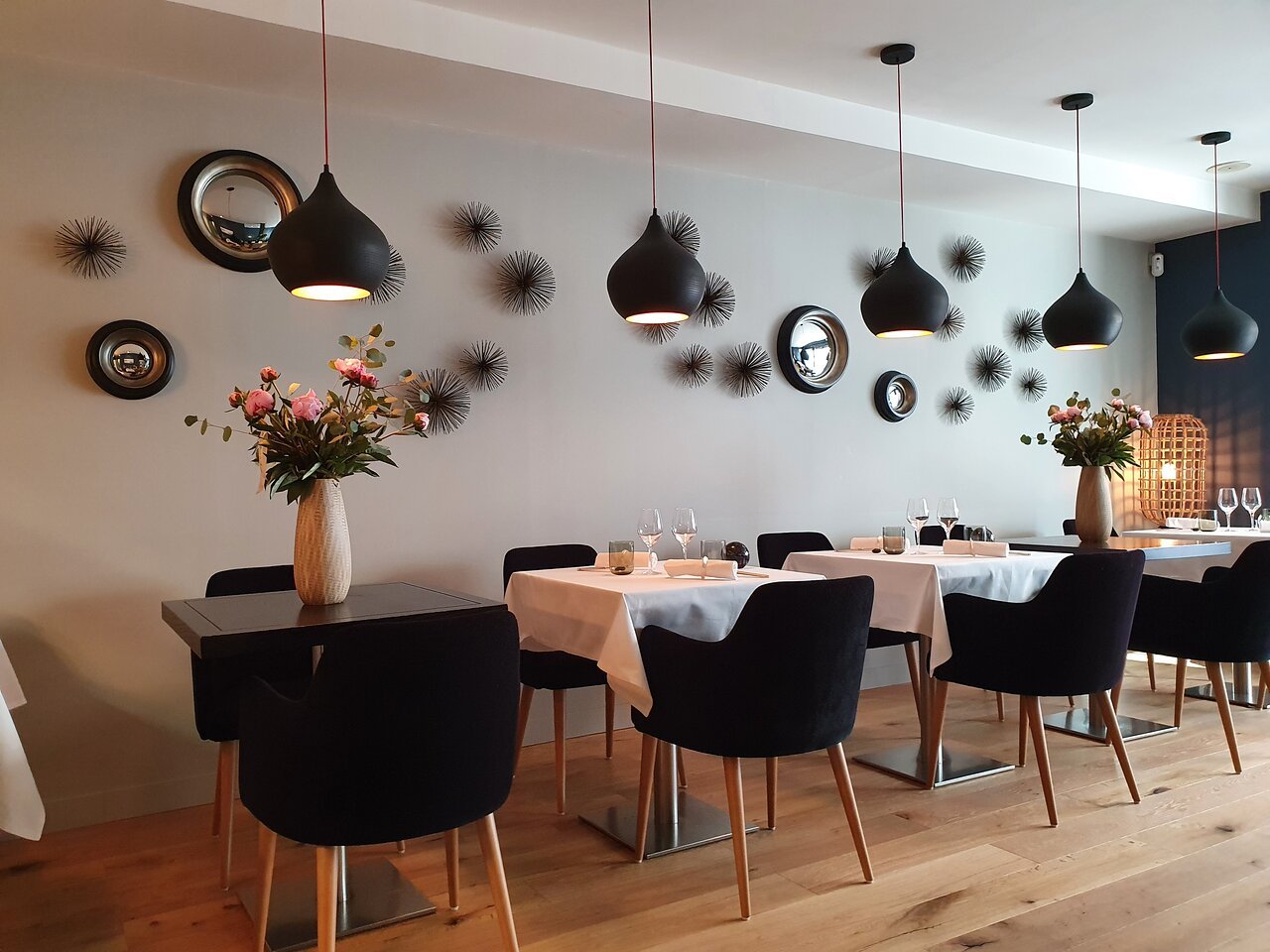
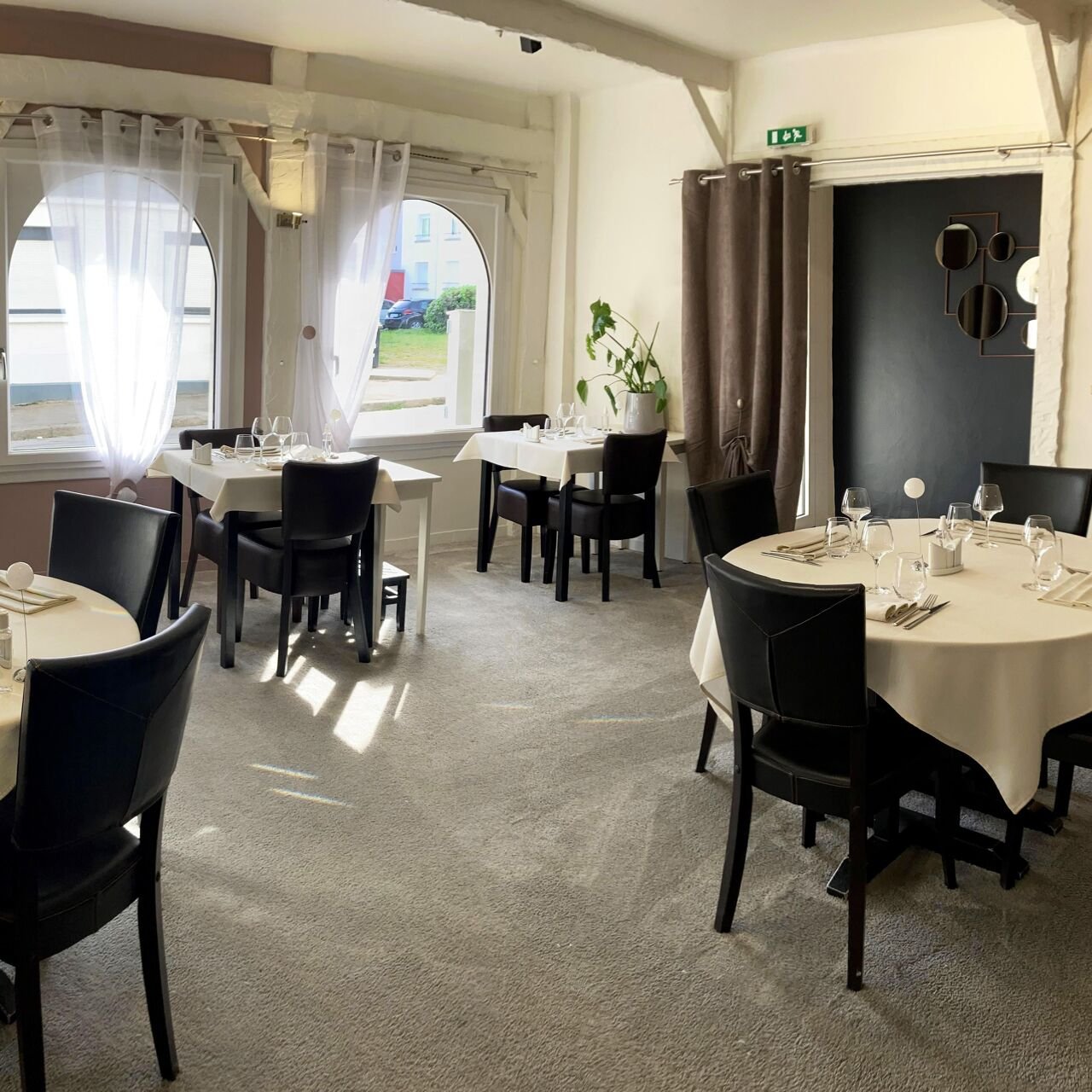
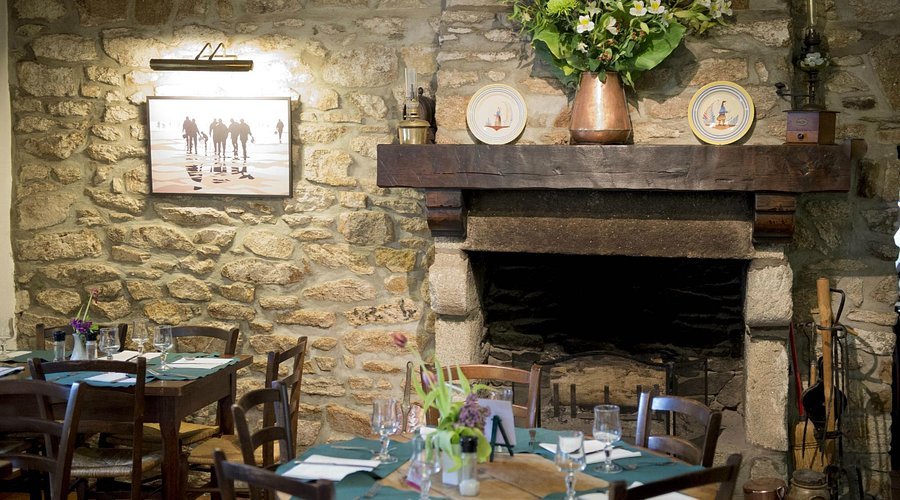
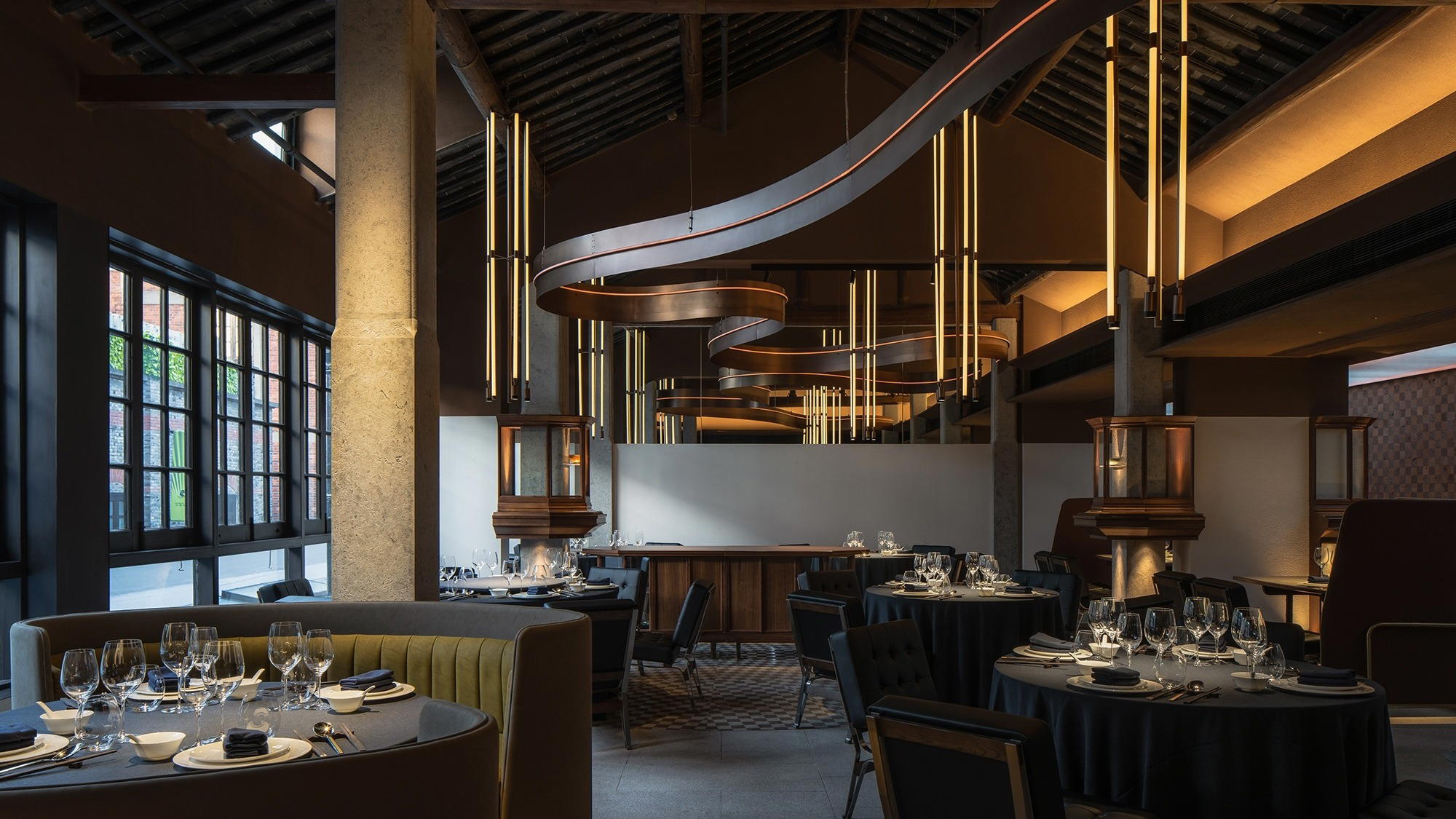
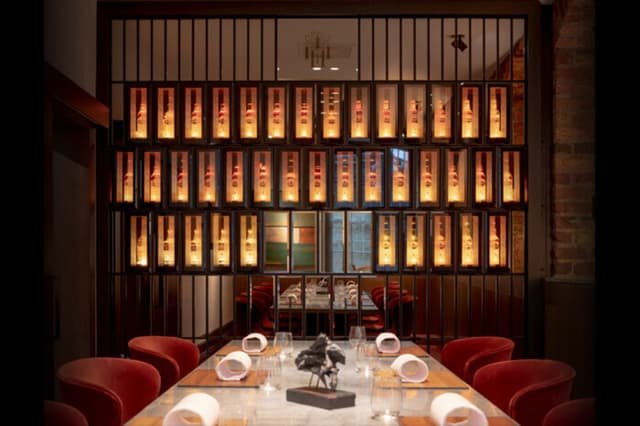
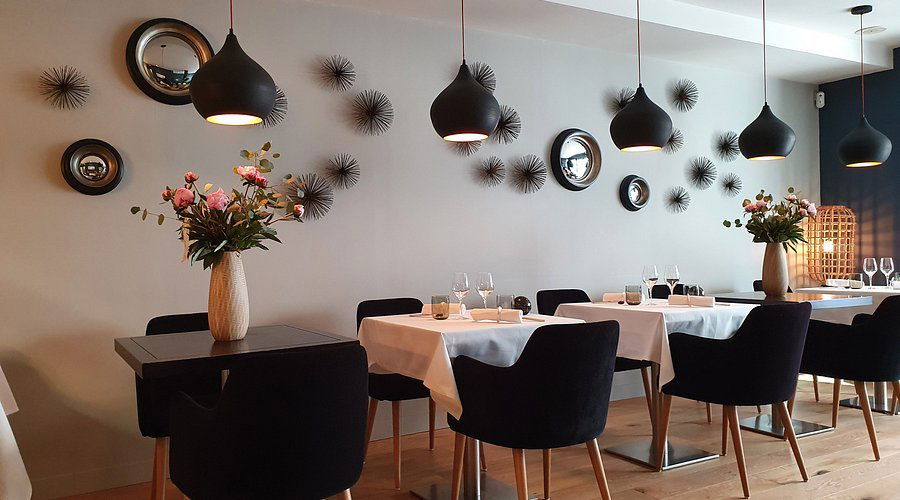
The room is the first thing that reorients you on a return visit. Where a first-time diner is scanning the space for orientation — where to sit, how formal the tone is, what the lighting says about the price point — a returning guest can simply read it. The address, a narrow streetfront on one of Lorient's central commercial corridors, is low-key from the outside, which makes the interior work harder. The visual register inside is composed and deliberate: this is not a rustic bistro running on charm, nor a glossy contemporary room performing modernity. It occupies the space between those poles, and that positioning is deliberate. For Lorient, a port city still rebuilding its cultural identity decades after wartime destruction, a restaurant that looks and feels like it belongs to a bigger city is itself a statement.
That neighbourhood significance matters more than it might first appear. Lorient's food scene is thin relative to its size. The city draws visitors through its Celtic festival and its sailing heritage, but it has historically punched below its weight on dining. Le 26-28 functions as an anchor in that context: the kind of address you give to a visiting friend when you want to prove the city can do proper modern cooking.
For a second visit, the practical question is what to do differently. The Michelin Plate designation, awarded for food quality rather than the full constellation criteria, suggests the kitchen is the reason to return rather than the occasion or the room. Modern cuisine at the €€ tier in a French regional city typically means a short, rotating menu built around seasonal produce and classical technique applied with a lighter hand than traditional Breton cooking. If your first visit followed the set menu format, a return is the moment to test the kitchen's flexibility, ask what's been updated, which dishes are new, and whether there's a shorter lunch format that lets you eat more economically without losing the cooking quality.
Timing your return well means going at lunch rather than dinner, particularly on a weekday. Lorient is a working city, not a resort, and the lunch trade at a Michelin-recognised address in this price bracket draws a different crowd than the evening service. You're more likely to have space, slightly shorter waits between courses, and a room that feels relaxed rather than occasion-charged. If you're coming for a celebratory dinner, book well in advance for a weekend evening, but know that the restaurant's relaxed booking difficulty means you're rarely locked out more than a week or two ahead. Spring and early summer are the strongest seasons for Breton produce, Atlantic seafood, early vegetables, dairy from inland farms, so a visit between April and June maps well to what modern kitchens in this region do at their leading.
The comparison that frames Le 26-28 most usefully is with Gare aux Goûts, the other contemporary option in Lorient at the same price tier. Where Gare aux Goûts reads as more casual and accessible, Le 26-28 carries the formal signal of Michelin recognition, which matters if you're entertaining clients or marking a specific occasion. For traditional Breton cooking at a comparable price, Le Tire Bouchon is the default alternative, but it's a different register entirely. And for seafood specifically, Le Yachtman occupies a distinct lane. Le 26-28 is the address for Lorient when modern French cooking, rather than regional speciality or casual contemporary, is what you're after. That's a narrower brief, but it's the right one for this kitchen.
For context on what Michelin Plate recognition means at this level: it sits below the starred tier occupied by restaurants like Arpège in Paris, Mirazur in Menton, or Maison Lameloise in Chagny, but it is a meaningful quality signal at the regional level, particularly when held across two consecutive years. In a city the size of Lorient, consistent Plate recognition places Le 26-28 in a tier that very few local addresses reach. That's the case for going back.
Know Before You Go
- Address: 26 Rue Poissonnière, 56100 Lorient, France
- Cuisine: Modern Cuisine
- Price range: €€
- Awards: Michelin Plate 2024 and 2025
- Booking difficulty: Easy, typically bookable within 1–2 weeks
- Ideal time to visit: Weekday lunch; spring to early summer for peak seasonal produce
- Dress code: Smart casual is a safe read for a Michelin Plate address at this price point
- Good for: Business meals, date nights, returning visitors wanting Lorient's most consistent modern kitchen
How It Compares
See the comparison section below for detail on Le 26-28 against its Lorient peers.
Explore More in Lorient
- Our full Lorient restaurants guide
- Our full Lorient hotels guide
- Our full Lorient bars guide
- Our full Lorient wineries guide
- Our full Lorient experiences guide
Planning details
- Location
- 26 Rue Poissonnière, 56100 Lorient, France
- Reservations
- Book on the venue's website
- Website
- le2628.com
- Phone
- +33 2 97 50 29 13
The take
The Take
The Vibe
Le 26-28 reads like a purposeful, unfussy neighborhood restaurant that lets the food lead. The writing emphasizes a pragmatic local sensibility—Lorient’s postwar rebuild and working-port context—which translates into a dining room that favors substance over spectacle. The kitchen pursues modern cooking rooted in Atlantic ingredients, and two Michelin Plate nods confirm a level of refinement without the theatrics of higher-tier fine dining. The overall feel is quietly sophisticated: intimate and considered rather than flashy, where attention to produce and technique quietly defines the restaurant’s character.
Best For
This is an ideal choice for diners who want a thoughtful, ingredient-led evening out—couples on a date night or small groups marking a special occasion will find it especially fitting. The Michelin Plate recognition signals a kitchen that takes its craft seriously, but the profile in the text stresses accessibility within Lorient’s dining scene rather than formality for formality’s sake. Guests who appreciate modern, coastal-influenced French cooking and prefer a composed, low-key atmosphere over theatrical presentation will get the most from a visit here.
Ordering Tips
Menu specifics aren’t detailed in the description, but the emphasis on Atlantic produce and modern cooking suggests ordering with seasonality and local catch in mind. Look to the server for recommendations and let the kitchen’s approach guide your choices—the restaurant’s name and ethos both point toward letting the plate do the talking. If you want to sample the house’s intent, ask for the staff’s highlights of the day and prioritize dishes that showcase regional seafood and market-driven ingredients.
Venue details
Ambiance
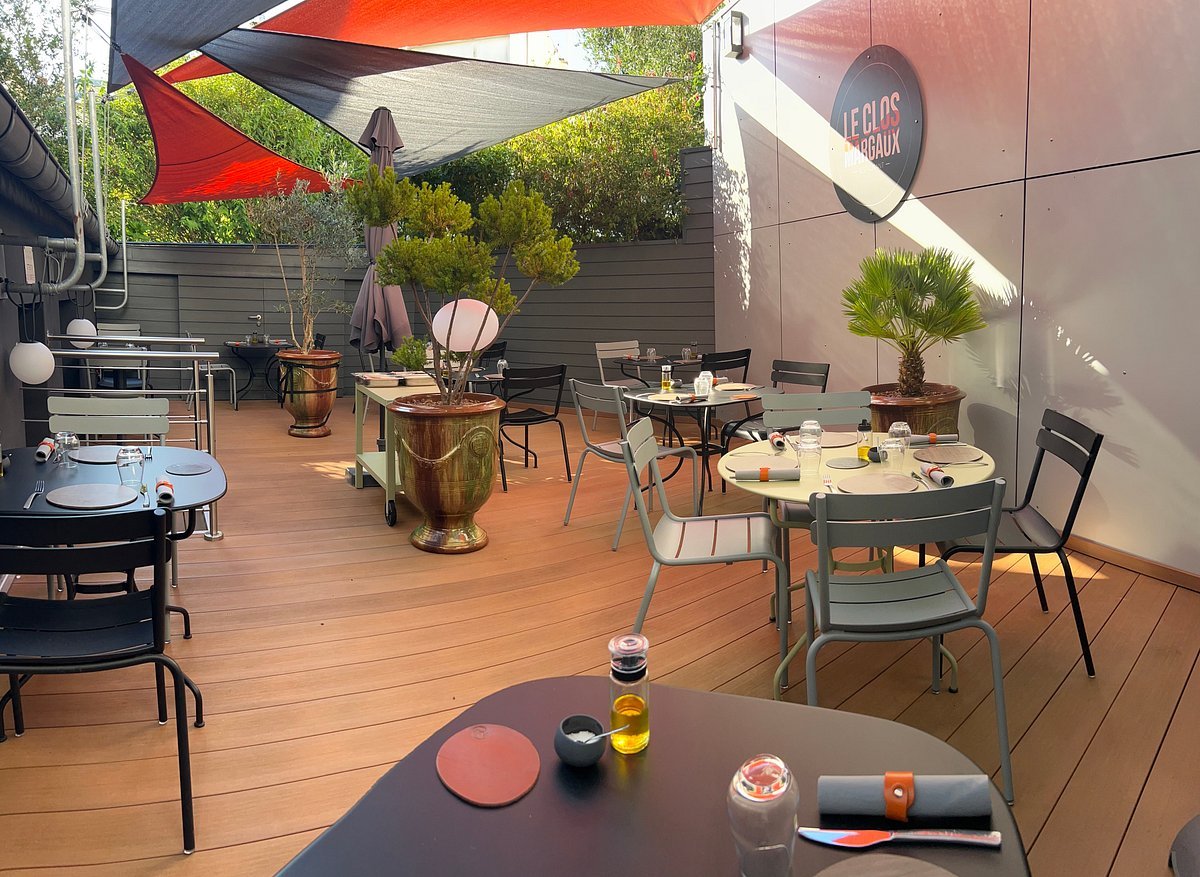
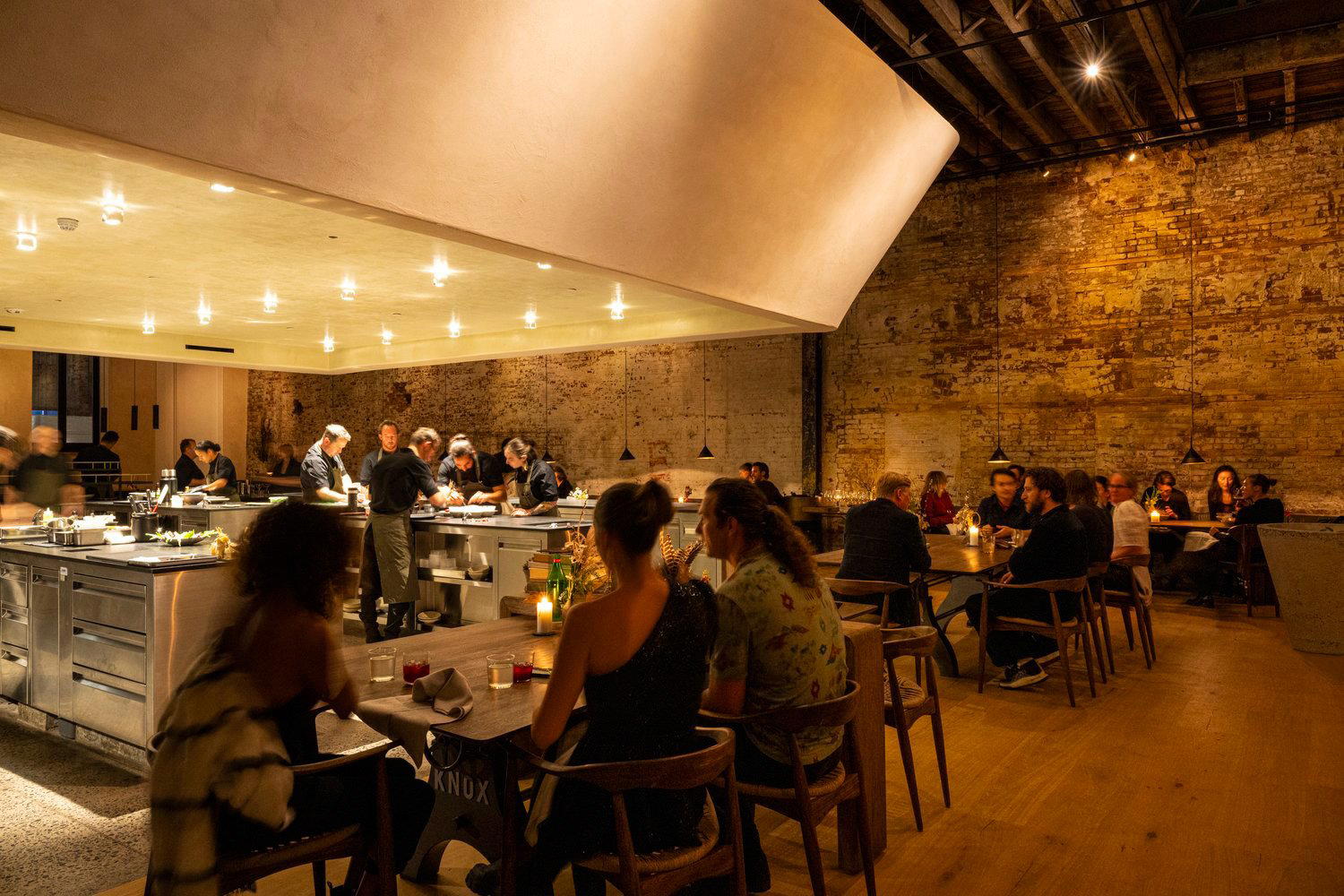
Chaleureuse et décontractée with contemporary design, open kitchen, spacious salle, and welcoming service.
Tags
Vibe
Best For
Experience
Sourcing
Accessibility
At the Table
- Dress Code
- Smart Casual
- Noise Level
- Conversational
- Service Style
- Upscale Casual
- Meal Pacing
- Leisurely
- Capacity
- Medium
- Kitchen
- Modern
- Menu Format
- A la carte
- Wine Program
- Curated
- Dietary
- Vegetarian friendly
Know before you go
Know Before You Go
- Getting there
- 26 Rue Poissonnière, 56100 Lorient, France
Planning details
Location
26 Rue Poissonnière, 56100 Lorient, France · Directions
Recognition and awards
Also consider
Also Consider
- Le Tire Bouchon, Traditional Cuisine, €€
- Gare aux Goûts, Contemporary, €€
- Le Yachtman, Seafood, €€
- Louise, Notable alternative
Restaurant context
At the €€ tier, Lorient gives you four credible options, and the right pick depends entirely on what you want the meal to do. Le 26-28 is the only address in the group with Michelin Plate recognition, held across two consecutive years, which makes it the clearest choice for a business meal, a date with some occasion behind it, or any situation where you need the kitchen to deliver without variance. Gare aux Goûts is the closest alternative in style, contemporary cooking at the same price point, more relaxed in atmosphere, and without the formal recognition signal. If the Michelin credential doesn't factor into your decision, Gare aux Goûts is a reasonable alternative and arguably easier on the atmosphere if you're eating with people who find formal dining rooms uncomfortable.
For a different register entirely, Le Tire Bouchon is the traditional Breton option, well-suited to visitors who want regional cooking rather than modern French technique, and a natural fit for a first visit to Lorient if local cuisine is the brief. Le Yachtman handles seafood specifically, which is worth knowing given Lorient's position as a major Atlantic fishing port, if the sole objective is the freshest fish, Le Yachtman is the more focused choice. Louise rounds out the set, though without comparable public data on awards or ratings, it's harder to position with confidence.
The practical recommendation: book Le 26-28 when you want Lorient's most credentialed modern kitchen and don't want to work hard to secure a table. Book Gare aux Goûts when the mood calls for something less structured. Go to Le Tire Bouchon for traditional Breton cooking, and Le Yachtman when the focus is seafood over technique. None of these venues overlap enough to make the choice difficult once you know what the meal is for.
Explore Lorient
Around this place
Discover more on Pearl
Unlock the full Le 26-28 guide in Pearl, including awards, comparisons, FAQs, planning details, and nearby places.
Compare Le 26-28
| Venue | Location | Cuisine | Awards | Price |
|---|---|---|---|---|
| Le 26-28 | Lorient | Modern Cuisine | Michelin Guide France & Monaco 20262025 Michelin Plate2024 Michelin Plate | €€ |
| Le Tire Bouchon | Lorient | Traditional Cuisine | Michelin Guide France & Monaco 20262025 Michelin Bib Gourmand2024 Michelin Bib Gourmand | €€ |
| Gare aux Goûts | Lorient | Contemporary | Michelin Guide France & Monaco 20262025 Michelin Bib Gourmand2024 Michelin Bib Gourmand | €€ |
| Le Yachtman | Lorient | Seafood | Michelin Guide France & Monaco 20262025 Michelin Plate2024 Michelin Plate | €€ |
| Louise | Lorient | 2026 OAD Top Restaurants in Asia Ranked · #148SCMP 100 Top Tables 2026 - RestaurantsMichelin Guide Hong Kong & Macau 20262025 Michelin 1 Star2024 OAD Top Restaurants in Asia Ranked · #1212024 Michelin 1 Star2023 OAD Top Restaurants in Asia Ranked · #96 | , | , |
.png?width=1200&quality=80)




How Le 26-28 Lorient compares with similar nearby venues.
FAQ
Frequently Asked Questions
How far ahead should I book Le 26-28?
Book at least one to two weeks in advance, especially for weekend evenings. Le 26-28 is a small address on Rue Poissonnière and its consecutive Michelin Plate recognition (2024 and 2025) keeps it in demand locally. If you're visiting Lorient mid-week, you may find shorter lead times, but don't count on walk-in availability at dinner.
Is the tasting menu worth it at Le 26-28?
At the €€ price point, Le 26-28 is one of the stronger cases for a set-menu format in Lorient. Two consecutive Michelin Plate awards signal consistent kitchen output, which matters when you're committing to a fixed progression. If you prefer à la carte flexibility, weigh that against the value the format typically offers at this price tier in French modern cuisine.
What should I order at Le 26-28?
Specific menu items aren't documented here, but the kitchen runs a modern French cuisine format at a mid-range price point. At €€, the best approach is to ask the front-of-house what the kitchen is currently focused on — at a Michelin Plate venue of this size, that conversation usually yields a more reliable steer than a printed menu.
What are alternatives to Le 26-28 in Lorient?
Le Tire Bouchon and Gare aux Goûts are the closest comparators in Lorient for a sit-down dinner at a similar price tier. Le Yachtman suits diners who want a waterfront setting as part of the decision. Louise is worth considering if you want a slightly different format or atmosphere. Le 26-28 has the edge on documented recognition, with two years of Michelin Plate acknowledgment behind it.
What should I wear to Le 26-28?
The venue data doesn't specify a dress code, but a Michelin Plate modern cuisine restaurant in a French provincial city at the €€ tier generally expects neat, put-together clothing rather than formal attire. Think pressed casual to smart — jeans are typically fine; trainers and sportswear less so. When in doubt, err slightly dressier.