




Kai
Chinese · Mayfair, London
Restaurant in London, United Kingdom
 Book with Pearl
The Read
Liberated Nanyang Fine Dining
Price
$100–150per person
Dress
Smart Casual
Why go
Kai has been the reference point for serious Chinese dining in London since 1993. At ££££ and hard to book, it earns the price through Nanyang-focused cooking, a wine list that runs to fine Bordeaux, and over three decades of credibility in Mayfair. Book for a celebration, a business dinner, or any occasion where the meal needs to do real work.
About Kai
Should You Book Kai?
If you are comparing Kai against Hakkasan Mayfair for a serious occasion, book Kai. Hakkasan wins on atmosphere and accessibility; Kai wins on culinary ambition, wine depth, and the kind of considered service that makes a business dinner or anniversary feel genuinely different from a night out. At ££££ across the board, neither is cheap, but Kai's Nanyang-focused cooking and a wine list that runs to a 1990 Château Pétrus at £12,200 make it a different proposition entirely. The question is not whether Kai is expensive. It is whether the occasion justifies it. For most special-occasion diners, it does.
Kai at Thirty-Two Years: Still the Standard
Kai opened on South Audley Street in 1993, which means it has spent over three decades doing something most London restaurants cannot manage for three years: maintaining a position at the top of the city's Chinese fine dining conversation. Founded by Malaysian-born Bernard Yeoh, the restaurant built its reputation on what it calls 'liberated Nanyang cooking' — a South Seas Chinese approach that draws on the culinary traditions of Malaysia, Singapore, and the broader southern Chinese diaspora rather than defaulting to the Cantonese template that dominated London for so long.
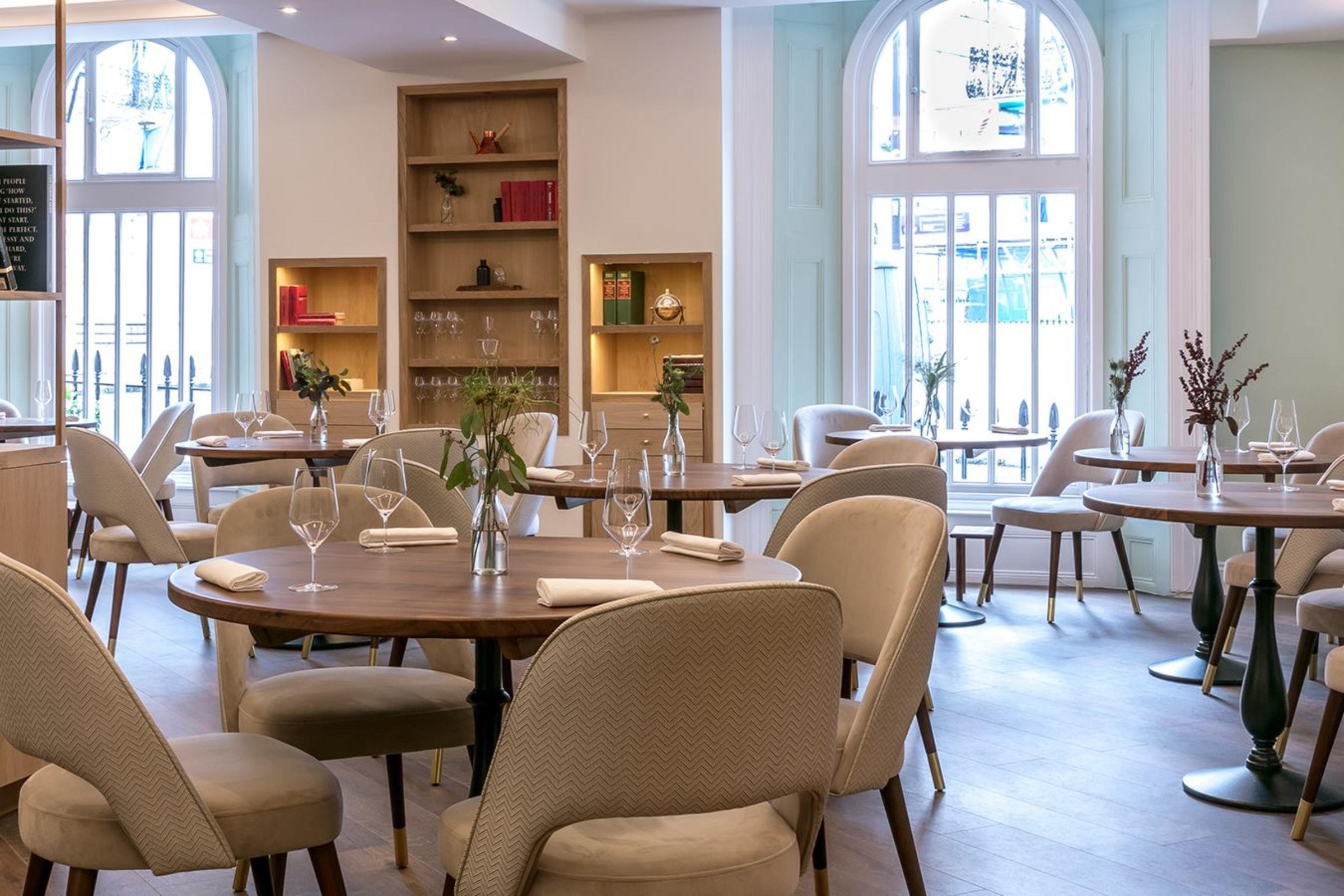
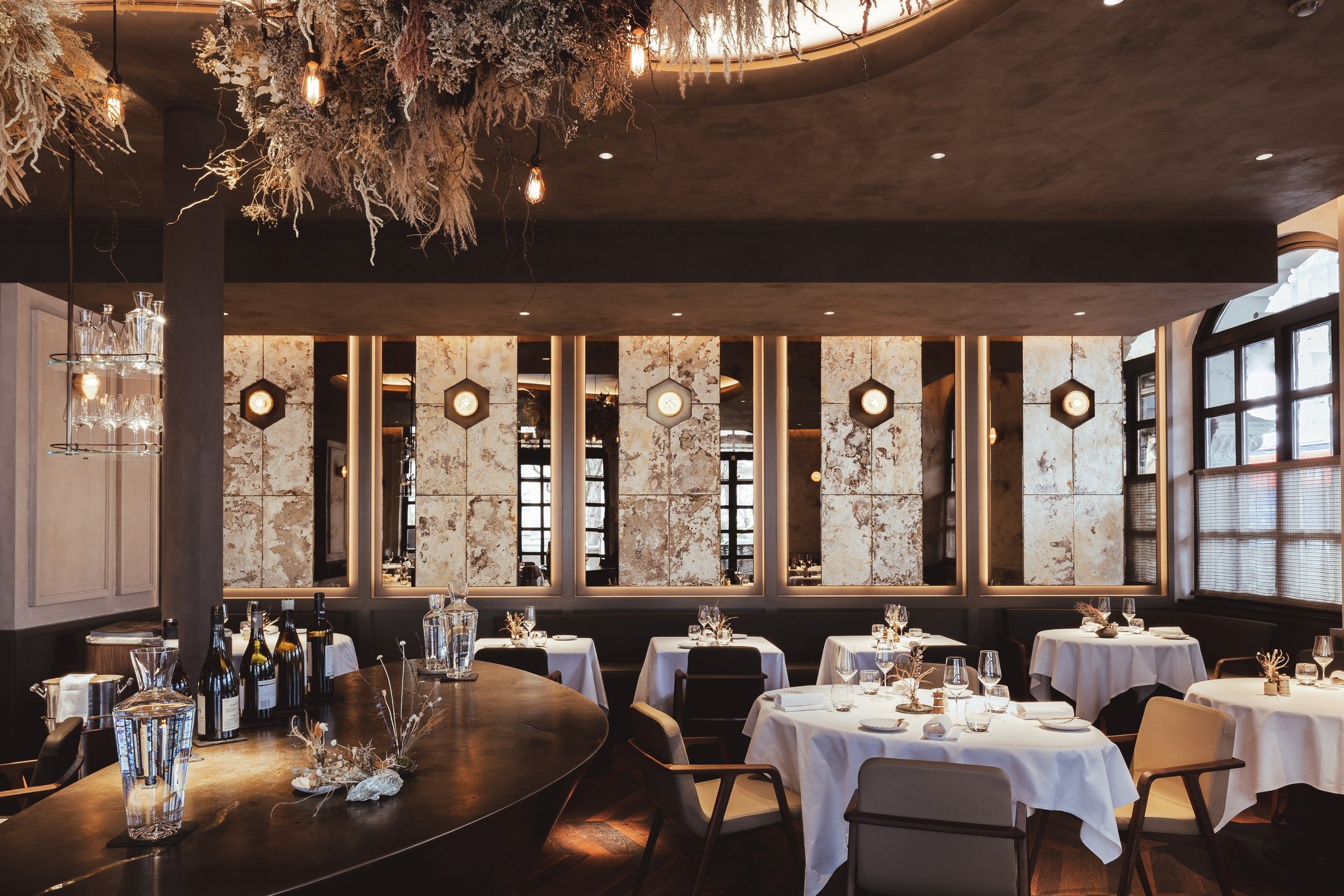
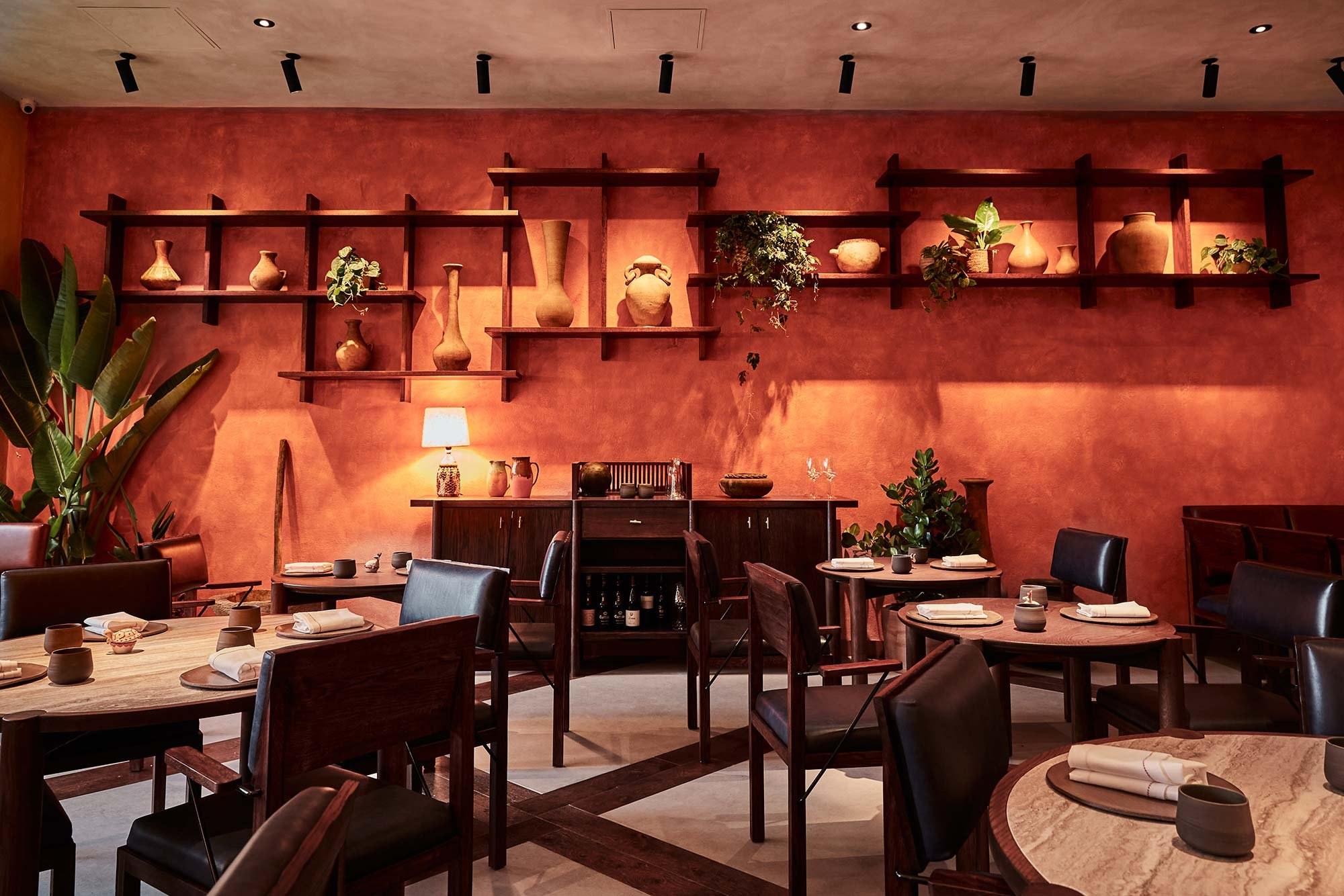
The room reflects the ambition. A glitzy interior, a tropical fish tank, and a setting in the western pocket of Mayfair signal clearly that this is not a neighbourhood Chinese. Around 20% of the menu is given over to classics — an 18-hour slow-cooked pork belly is cited consistently as a reference point, while the remaining 80% skews toward more elaborate constructions: dishes like spring chicken with Szechuan spicy crumble that sit at the intersection of technique and regional identity. The Peking Duck, served in two courses (first with pancakes and a signature chilli sambal, then as a stir fry with oyster sauce), is priced at £118 at dinner and £94 at lunch, and has become one of the most discussed single dishes in London Chinese dining.
Kai also holds a distinction no comparable restaurant in London can claim: it was the first Chinese restaurant in the city to develop a wine list of genuine depth. That list now includes serious Burgundy and Bordeaux alongside Chinese wine options that are rare at this level. If your occasion involves a wine moment as much as a food one, that matters.
In 2025, Michelin removed the star Kai had held since 2009, a decision that landed with enough confusion in the dining community to be worth naming directly. Michelin's convulsions are, as the guides themselves might admit, sometimes difficult to account for.
The Private Dining Question
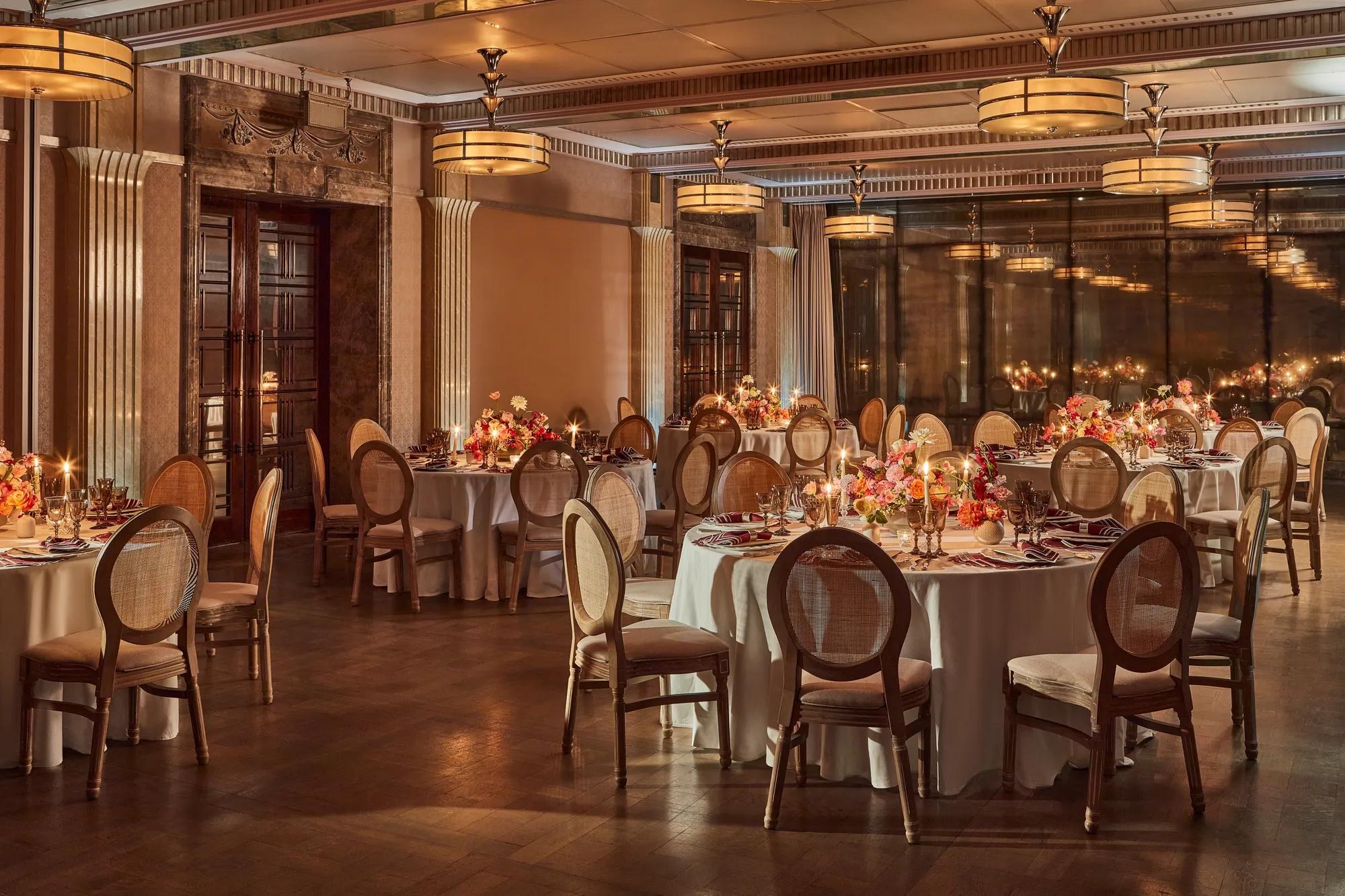
For group bookings and private events, Kai's Mayfair address and long-standing reputation give it a level of credibility that newer Chinese restaurants in the city are still building toward. The venue works well for business entertaining specifically because the wine list gives you something to discuss before the food arrives, and because the Nanyang cooking is interesting enough to give guests a reason to talk, without being so unfamiliar that it creates anxiety at the table. If you are booking a group for a corporate dinner and want a Chinese restaurant that will not require you to explain the concept to a skeptical CFO, Kai is the answer.
The afternoon tea offer (Wednesday through Sunday, 3–4:30 pm) is a different kind of occasion entirely: bao buns, fine infusions, and sweet treats in a Mayfair dining room. It is worth knowing about if you have guests in from outside London who want something that diverges from the standard hotel afternoon tea circuit. For that specific brief, it sits apart from what Imperial Treasure or Hunan offer, neither of which operates a comparable afternoon service at this address tier.
For comparison across the broader Chinese dining scene in London: Barshu is the address for focused Sichuan and significantly lower prices; Four Seasons is the Chinatown reference for roast meats without the Mayfair premium. Neither competes with Kai on occasion or wine. If you are benchmarking internationally, Restaurant Tim Raue in Berlin and Mister Jiu's in San Francisco occupy loosely comparable positions in their respective cities: Chinese cooking taken seriously, priced accordingly, with a room designed for destination dining.
The booking difficulty is real. Kai is hard to get into at short notice, particularly for dinner Thursday through Saturday. Lunch on Monday and Tuesday is your leading route in if you are flexible. The afternoon tea slots mid-week are also easier to secure than a weekend dinner table.
Booking and Access
Know Before You Go
- Address
- 65 South Audley Street, London W1K 2QU
- Nearest Tube
- Marble Arch (Central) or Green Park (Jubilee/Victoria/Piccadilly), both within walking distance of South Audley Street
- Price Range
- ££££, Peking Duck £118 at dinner, £94 at lunch
- Lunch Hours
- Monday–Sunday, 12:00–2:30 pm
- Dinner Hours
- Monday–Sunday, 6:30–10:30 pm
- Afternoon Tea
- Wednesday–Sunday, 3:00–4:30 pm
- Booking Difficulty
- Hard, book as far ahead as possible for weekend dinners; Monday/Tuesday lunch and mid-week afternoon tea are easier
- Occasion Fit
- Anniversary, birthday, business dinner, group private dining
- Wine List
- Extensive, includes fine Bordeaux, Burgundy, and Chinese wine options
More to Explore in London and Beyond
Planning more than one meal? See our full London restaurants guide for the full picture. If you are building a longer trip, our London hotels guide, bars guide, wineries guide, and experiences guide cover the rest. For serious destination dining elsewhere in the UK, The Fat Duck in Bray, L'Enclume in Cartmel, Moor Hall in Aughton, Gidleigh Park in Chagford, Hand and Flowers in Marlow, and Hide and Fox in Saltwood are the strongest current options at this price tier.
Planning details
- Hours
- Monday: 12–2:30 pm, 6:30–10:30 pm · Tuesday: 12–2:30 pm, 6:30–10:30 pm
- Location
- 65 S Audley St, London W1K 2QU, United Kingdom
- Reservations
- Book on OpenTable
- Website
- kaimayfair.co.uk
- Phone
- +44 20 7493 8988
The take
The Take
The Vibe
Kai reads as a considered, historically rooted fine-dining institution that has quietly reshaped how Chinese cooking is perceived in Mayfair. Founded in 1993 by Bernard Yeoh, the restaurant stakes a long-running argument for Chinese cuisine at a high level, and that pedigree is palpable throughout the guest experience. The writing emphasizes longevity and influence rather than flash; diners encounter a mature, classic approach that sits comfortably among the neighbourhood’s Michelin-level European kitchens. The tone is measured and authoritative, tracing a lineage of refinement and a sustained commitment to a particular regional frame for Chinese food.
Best For
This is a go-to for established special occasions—date nights, business dinners and other formal celebrations where provenance and polish matter. Kai’s placement in Mayfair and its three-decade history position it for diners who want a serious exploration of Chinese fine dining rather than a casual meal. The restaurant’s signature preparations, highlighted in the listing—Hot & Sour Soup, crispy duck and the 18-hour pork belly—give clear focal points for a dinner that emphasizes technique and regional Nanyang influences. It’s best visited in a deliberate, reservation-led way for evening dining.
Ordering Tips
Order the house highlights named in the description to get an immediate sense of Kai’s strengths: the Hot & Sour Soup, the crispy duck and the 18-hour pork belly. The menu is presented through a Nanyang framework, so choose dishes that speak to Southeast Asian Chinese lineage if you want the clearest expression of the kitchen’s intent. Because the restaurant’s reputation rests on decades of refinement, opt for the standout specialties rather than looking for a casual, à la carte grab—these signature plates crystallize what has kept Kai relevant through thirty years in Mayfair.
Venue details
Ambiance
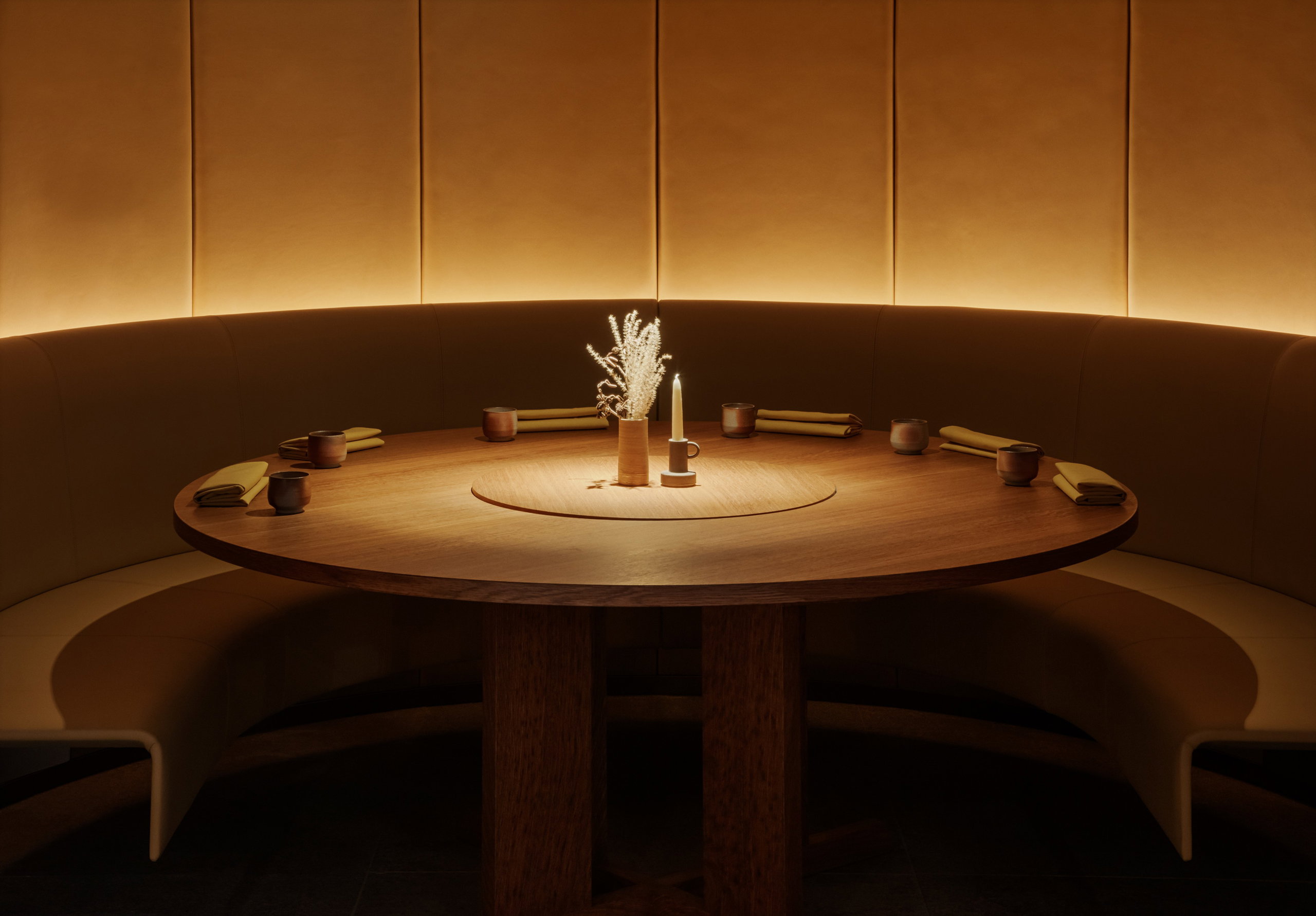
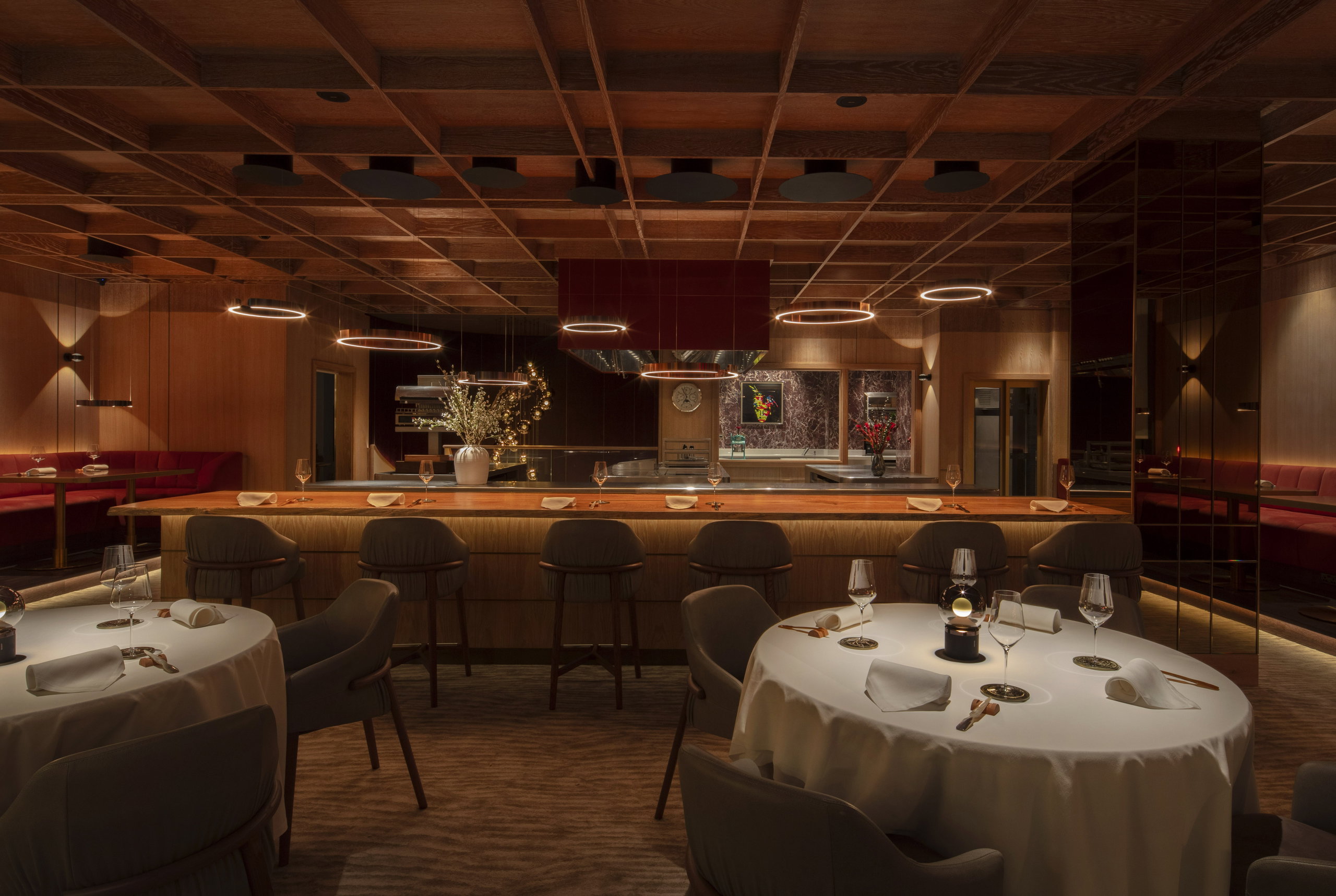
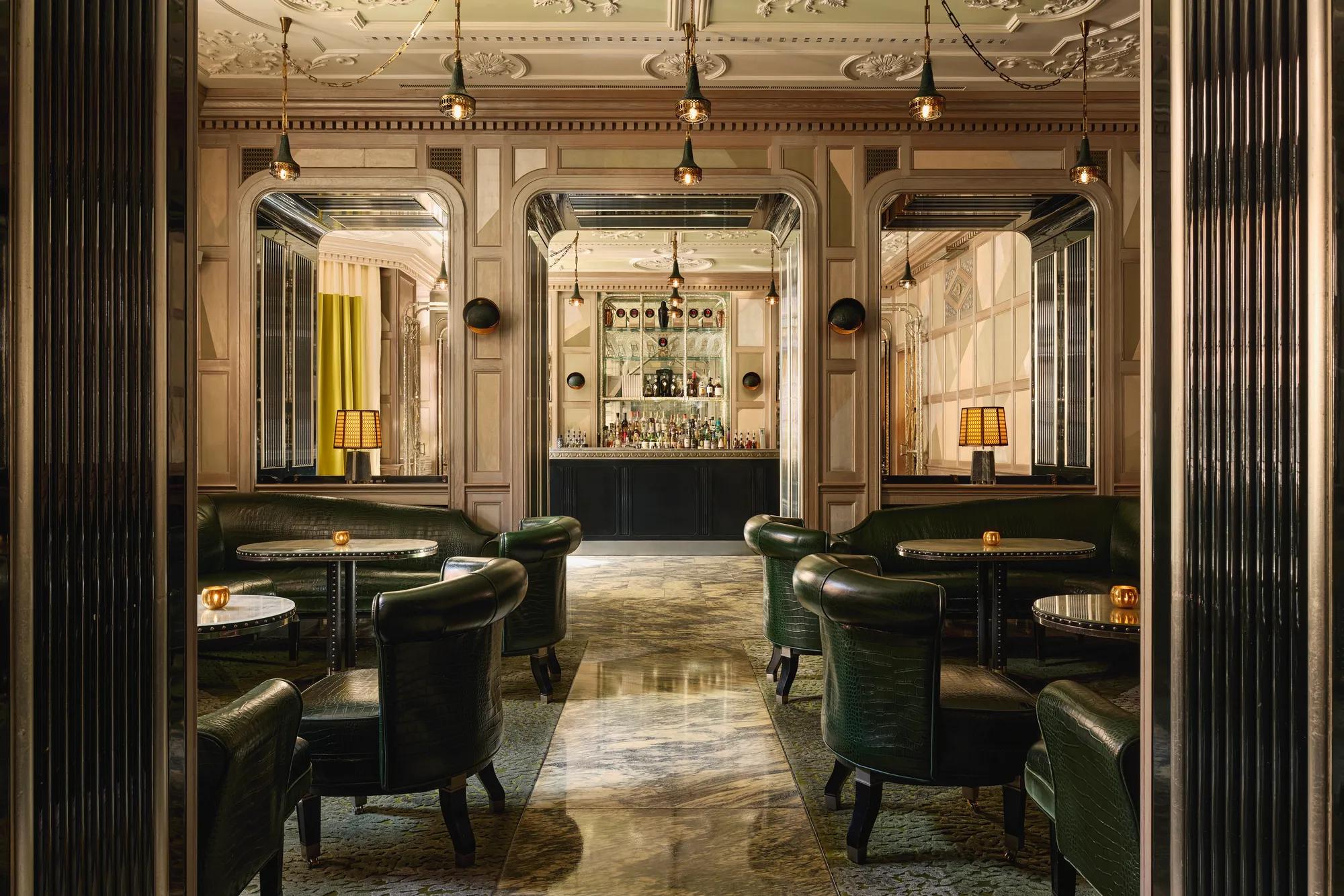
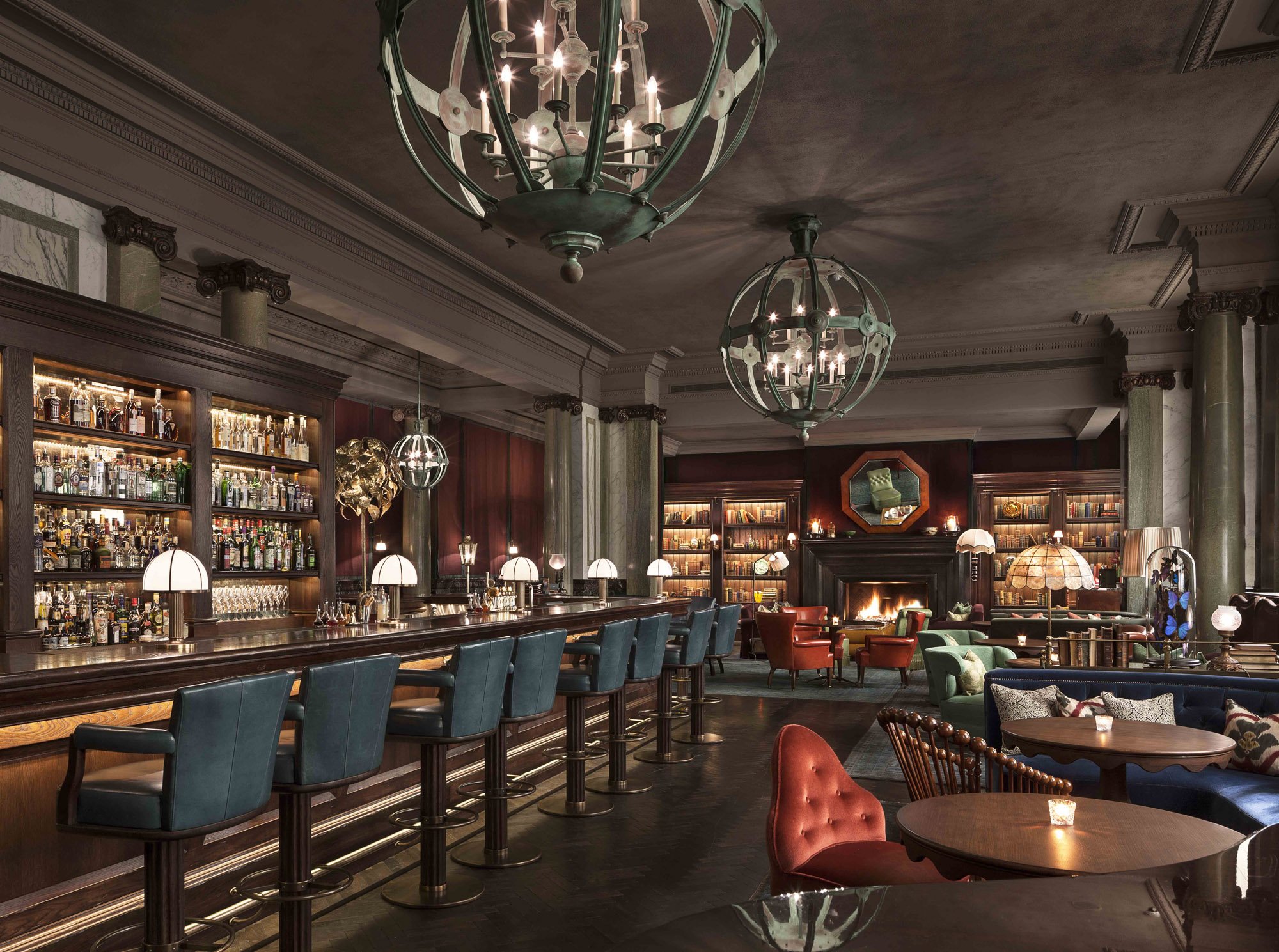
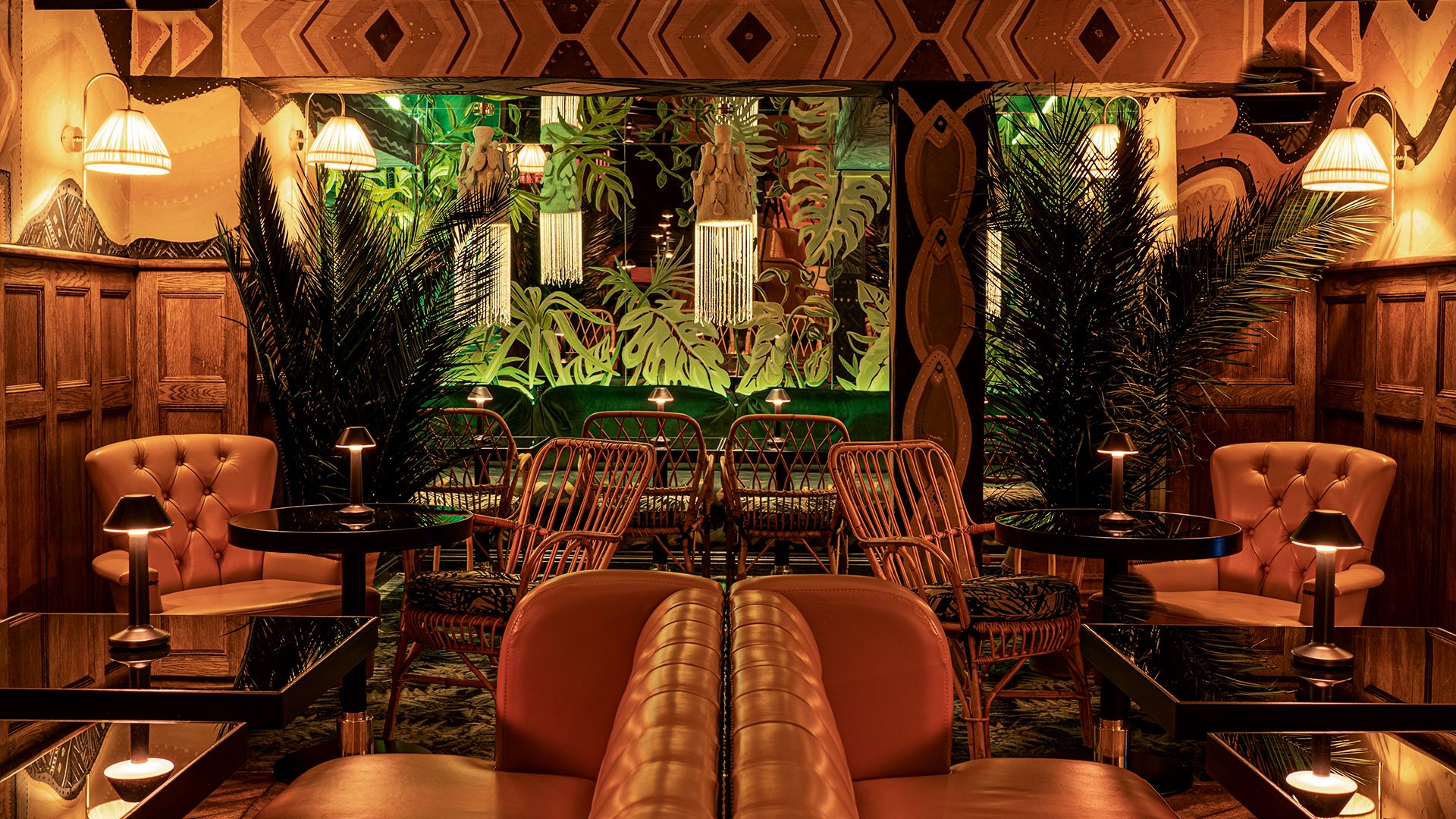
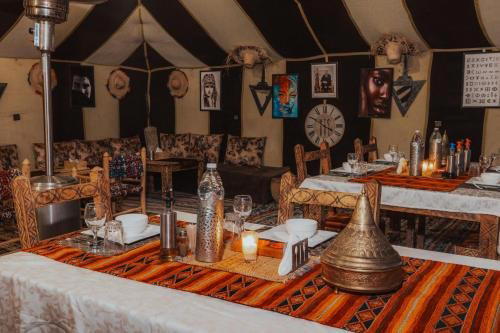
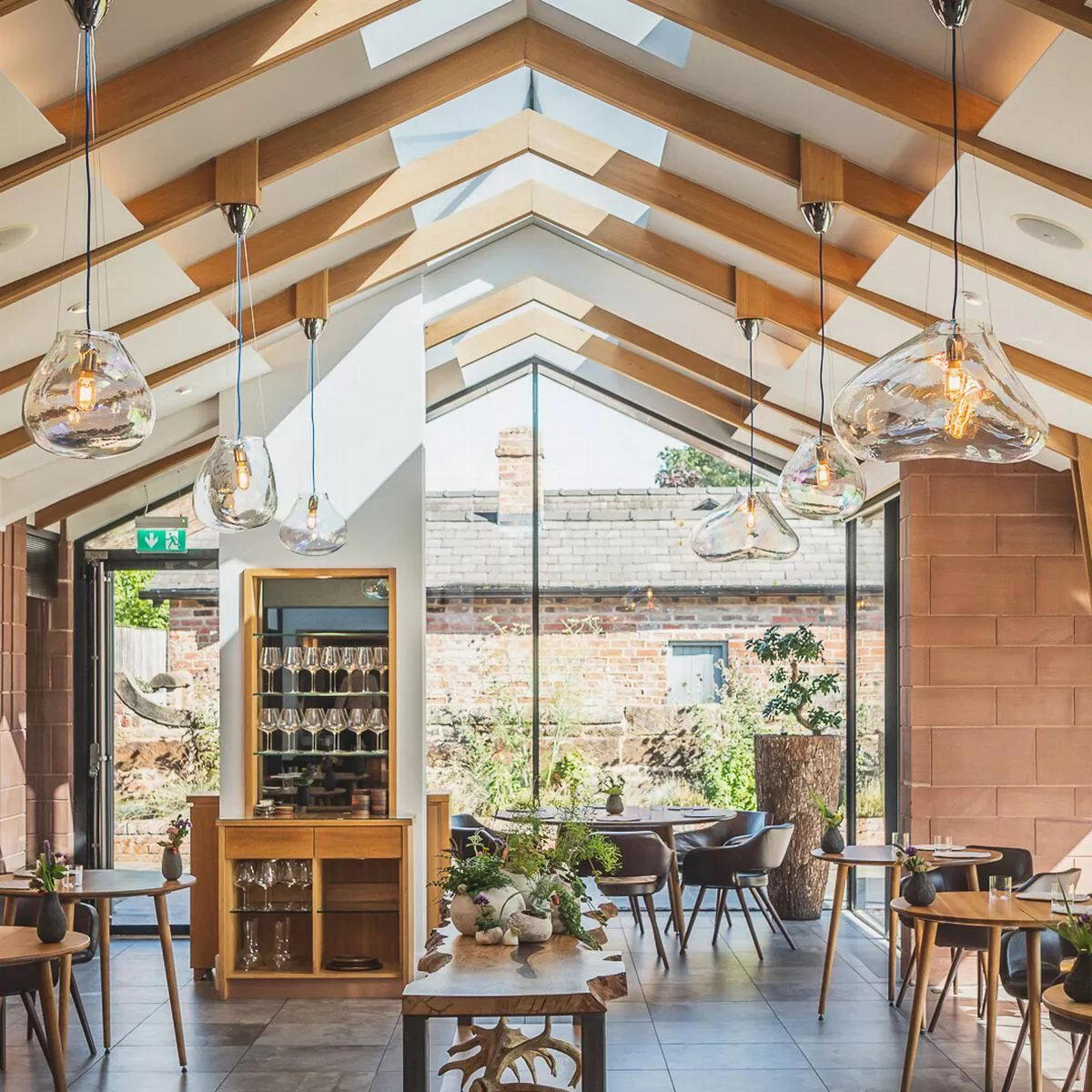
Lovely, comfortable atmosphere with plush furnishings, elegant decor, colorful interior, and tropical fish tank creating an elegant and welcoming vibe.
Tags
Vibe
Best For
Experience
View
At the Table
- Dress Code
- Smart Casual
- Noise Level
- Conversational
- Service Style
- Upscale Casual
- Meal Pacing
- Leisurely
- Capacity
- Medium
- Kitchen
- Modern
- Menu Format
- A la carte
- Wine Program
- Exceptional
- Dietary
- Vegetarian friendly
Signature Dishes
- Hot & Sour Soup
- crispy duck
- 18 hour pork belly
Know before you go
Know Before You Go
- Getting there
- 65 S Audley St, London W1K 2QU, United Kingdom
Planning details
Hours
- Monday
- 12–2:30 pm, 6:30–10:30 pm
- Tuesday
- 12–2:30 pm, 6:30–10:30 pm
- Wednesday
- 12–2:30 pm, 3–4:30 pm, 6:30–10:30 pm
- Thursday
- 12–2:30 pm, 3–4:30 pm, 6:30–10:30 pm
- Friday
- 12–2:30 pm, 3–4:30 pm, 6:30–10:30 pm
- Saturday
- 12–2:30 pm, 3–4:30 pm, 6:30–10:30 pm
- Sunday
- 12–2:30 pm, 3–4:30 pm, 6:30–10:30 pm
Location
65 S Audley St, London W1K 2QU, United Kingdom · Directions
Recognition and awards




Also consider
Also Consider
- CORE by Clare Smyth, Modern British, ££££
- Restaurant Gordon Ramsay, Contemporary European, French, ££££
- Sketch, The Lecture Room and Library, Modern French, ££££
- The Ledbury, Modern European, Modern Cuisine, ££££
- Dinner by Heston Blumenthal, Modern British, Traditional British, ££££
Restaurant context
At ££££, Kai sits in the same price tier as CORE by Clare Smyth, Restaurant Gordon Ramsay, and Sketch, The Lecture Room and Library, but it is not competing for the same diner. Those three are serious choices if Modern British or Modern French is the brief, and both CORE and Gordon Ramsay carry Michelin stars that Kai no longer holds after 2025. If the credential on the wall matters to your guests, that is a practical consideration. If the cooking and the occasion matter more, Kai's OAD ranking, La Liste placement, and AAA 5 Diamond suggest the kitchen has not changed in quality, whatever Michelin's current position.
The Ledbury and Dinner by Heston Blumenthal are the better comparisons for occasion dining where the room and the story need to land as well as the food. Dinner by Heston is the call if your group contains guests who want a conversation-starter concept and a recognisable name; The Ledbury is the call if Modern European cooking with serious technique is the brief. Neither offers what Kai offers: a wine list with genuine depth in a Chinese fine dining context, afternoon tea service, and thirty-plus years of institutional knowledge on a single cuisine category.
For the specific combination of Chinese fine dining, Mayfair address, and serious wine, Kai has no direct competitor in London at the same level. Hakkasan Mayfair is the closest alternative and is easier to book, with a livelier room that suits groups who want atmosphere over refinement. If the decision is between the two: Hakkasan for a group night out, Kai for a dinner where the meal itself needs to be the point.
Around this place
Discover more on Pearl
Unlock the full Kai guide in Pearl, including awards, comparisons, FAQs, planning details, and nearby places.
Compare Kai
| Venue | Price | Awards |
|---|---|---|
| Kai | ££££ | 2026 Harden's Top 100 UK Restaurants · #81Star Wine Lists 2026Michelin Guide Great Britain & Ireland 20262026 Michelin Plate2025 OAD Top Restaurants in North America Ranked · #3852025 AAA 5 Diamond Restaurant2025 La Liste Top Restaurants2025 Michelin Plate2024 OAD Classical in Europe Ranked · #344 |
| CORE by Clare Smyth | ££££ | Star Wine Lists 2026 · #12026 Harden's Top 100 UK Restaurants · #252026 OAD Top Restaurants in Europe Ranked · #532026 National Restaurant Awards Top 100 · #872026 AA 5-Rosette RestaurantsMichelin Guide Great Britain & Ireland 20262026 La Liste Top Restaurants2025 National Restaurant Awards Top 100 · #382025 OAD Top Restaurants in Europe Ranked · #46 |
| Restaurant Gordon Ramsay | ££££ | 2026 OAD Classical in Europe Ranked · #682026 AA 4-Rosette RestaurantsMichelin Guide Great Britain & Ireland 20262026 La Liste Top Restaurants2026 Falstaff Restaurant Guide2025 National Restaurant Awards Top 100 · #142025 OAD Classical in Europe Ranked · #96The Good Food Guide 20252025 Michelin 3 Stars |
| Sketch, The Lecture Room and Library | ££££ | 2026 Harden's Top 100 UK Restaurants · #532026 OAD Classical in Europe Ranked · #1202026 AA 5-Rosette RestaurantsMichelin Guide Great Britain & Ireland 20262026 La Liste Top Restaurants2025 OAD Classical in Europe Ranked · #105We're Smart World Top Restaurants 20252025 Michelin 3 Stars2024 OAD Classical in Europe Ranked · #117 |
| The Ledbury | ££££ | Star Wine Lists 2026 · #12026 Harden's Top 100 UK Restaurants · #42026 National Restaurant Awards Top 100 · #42026 OAD Top Restaurants in Europe Ranked · #142026 AA 4-Rosette RestaurantsMichelin Guide Great Britain & Ireland 20262026 La Liste Top Restaurants2026 Falstaff Restaurant Guide2025 National Restaurant Awards Top 100 · #3 |
| Dinner by Heston Blumenthal | ££££ | Star Wine Lists 2026 · #12026 OAD Top Restaurants in Europe Ranked · #1442026 AA 4-Rosette Restaurants2026 OAD Top Restaurants in Asia Recommended2026 La Liste Top RestaurantsMichelin Guide Great Britain & Ireland 20262026 Falstaff Restaurant Guide2025 Michelin 2 Stars2025 La Liste Top Restaurants |
.png?width=1200&quality=80)






Comparing your options in London for this tier.
FAQ
Frequently Asked Questions
Does Kai handle dietary restrictions?
The menu spans a wide range of cooking styles across the full Chinese canon, with around 20% classics and 80% more elaborate constructions, which gives the kitchen reasonable flexibility. Contact Kai directly via their South Audley Street address to confirm specific dietary requirements before booking, as none are documented in their published record. At ££££ pricing, you should expect the kitchen to accommodate in advance if notified — but do not assume without confirming.
Can I eat at the bar at Kai?
No bar dining is documented for Kai. The venue operates as a sit-down Chinese fine dining restaurant with a formal dining room and a glitzy interior including a tropical fish tank. If counter or bar-style access is a priority, Kai is not the format for you — consider somewhere with an explicit bar menu.
What should a first-timer know about Kai?
Kai has been operating on South Audley Street in Mayfair since 1993 and built its reputation on 'liberated Nanyang' cooking — Chinese food with a South Seas emphasis rather than a strictly regional Chinese template. The Peking Duck at £118 (£94 at lunch, served in two courses) is the signature spend anchor; budget accordingly. The wine list is serious enough to include a 1990 Château Pétrus at £12,200, so it skews toward occasion dining rather than a casual mid-week dinner.
Is lunch or dinner better at Kai?
Lunch is the better value entry point: the Peking Duck drops from £118 to £94, and the format runs 12–2:30 pm daily. Dinner runs later and is the right call for a full occasion booking where you want more time and are less price-sensitive. If this is your first visit and you want to test the kitchen before committing to a big dinner spend, the lunch sitting is the practical choice.
How far ahead should I book Kai?
No specific lead time is published, but Kai holds a La Liste ranking (86pts, 2025), AAA 5 Diamond recognition, and has operated as one of Mayfair's flagship Chinese restaurants for over thirty years — demand is consistent. Book at least two to three weeks out for dinner, more for weekend evenings or larger groups. Last-minute availability is unlikely for prime slots.
What should I order at Kai?
The Peking Duck is the clear anchor dish: £118 at dinner (£94 at lunch), served first with pancakes and signature chilli sambal, then as a stir fry with oyster sauce. The 18-hour slow-cooked pork belly is one of the kitchen's established classics. On Wednesday through Sunday, afternoon tea is also available (3–4:30 pm) with bao buns and sweet treats — a lower-commitment way to experience the kitchen outside full meal pricing.