.png?width=1200&quality=80)
Vibe by Mattia Stanchieri
Contemporary · Chiado, Lisbon
Restaurant in Lisbon, Portugal
 Book with Pearl
The Read
Rotating-Tradition Tasting Counter
Price
$50–100per person
Dress
Smart Casual
Why go
Vibe by Mattia Stanchieri earns its Michelin Plate with seasonally rebuilt tasting menus rooted in Portuguese produce — shaped by a chef who trained at Geranium, Da Vittorio, and Belcanto. At €€€, it sits a tier below Lisbon's starred competition and is currently easy to book. The intimate Bairro Alto room is best suited to two or three diners who want a focused, quiet dinner rather than a social night out.
About Vibe by Mattia Stanchieri
Verdict
Vibe by Mattia Stanchieri earns a confident recommendation for anyone willing to commit to a tasting menu format. The Michelin Plate recognition (2025) and Stanchieri's training lineage — Belcanto, Geranium, Da Vittorio — put this squarely in the territory of serious contemporary dining, at a price point (€€€) that sits a tier below Lisbon's two-star heavyweights. If you want technically grounded, seasonally driven cooking without spending €€€€, this is one of the stronger bets in the city right now.
Portrait
The tasting menus at Vibe change with each new season, and not just the produce. Chef Stanchieri rebuilds the culinary framework entirely each chapter, drawing on a different world food tradition as the structural lens for the menu. That means what you eat in spring may share almost no conceptual DNA with what lands on the table in autumn. For a first-timer, this is important to know before you book: you are not choosing a fixed signature experience. You are choosing into whatever the current iteration is. Check the season before you commit, because the concept rewards diners who engage with that shifting premise rather than arriving with fixed expectations.
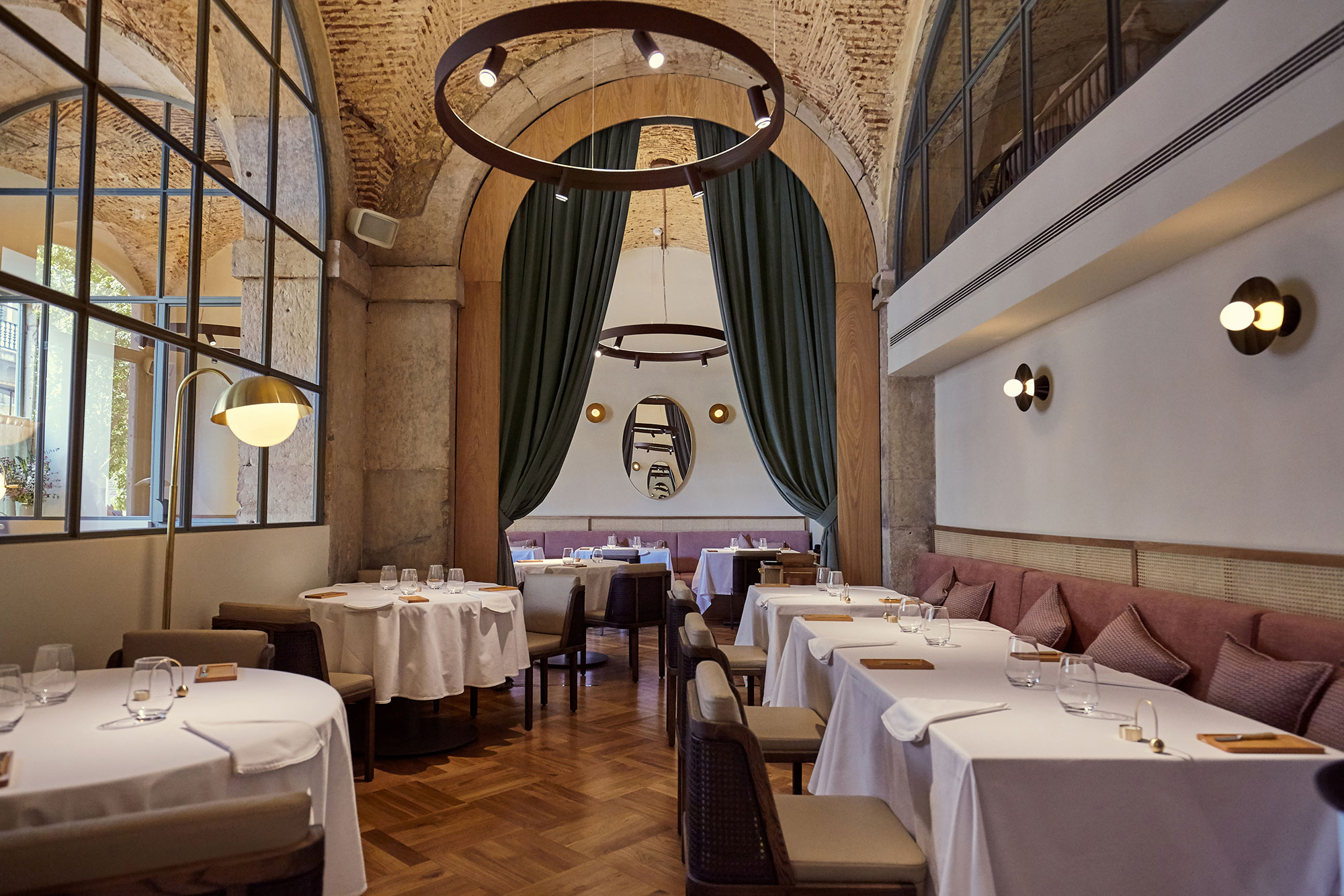
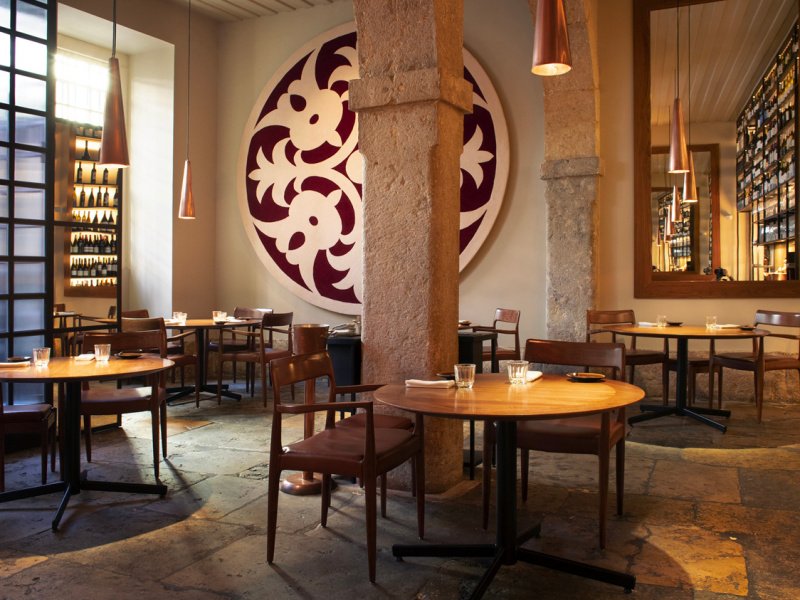
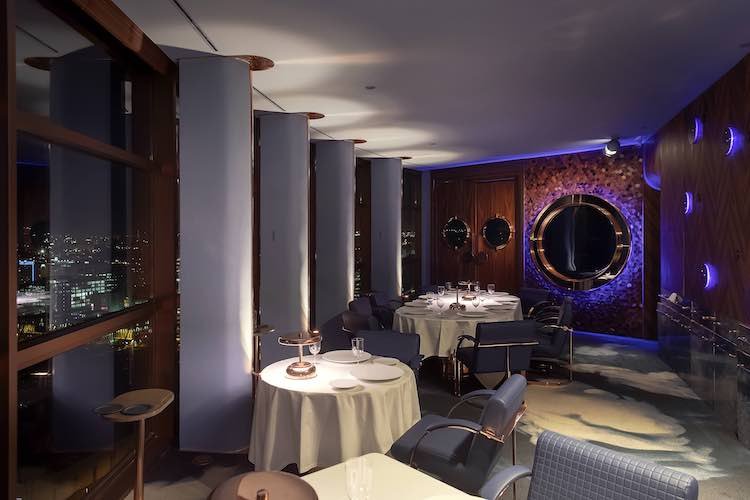
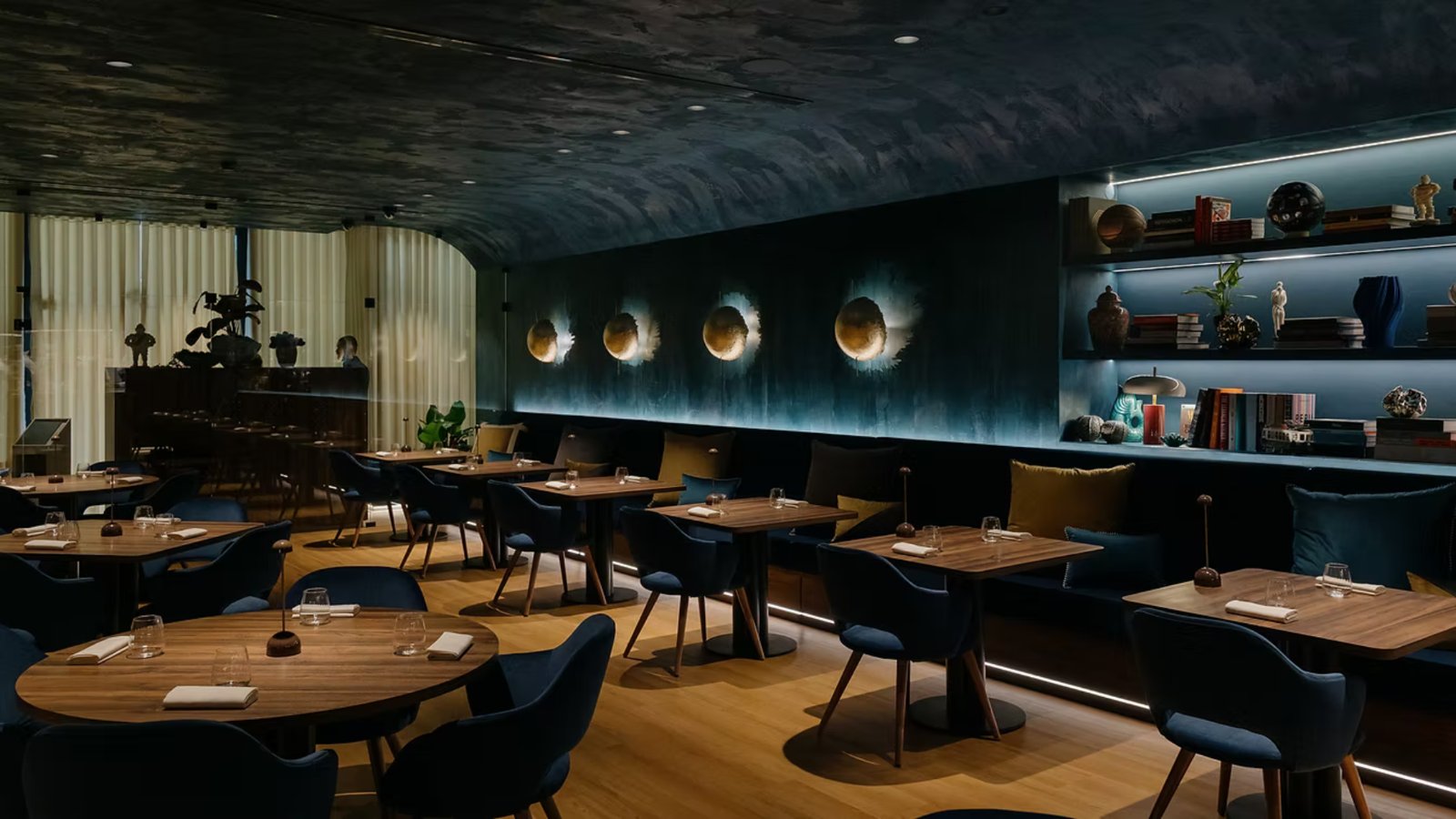
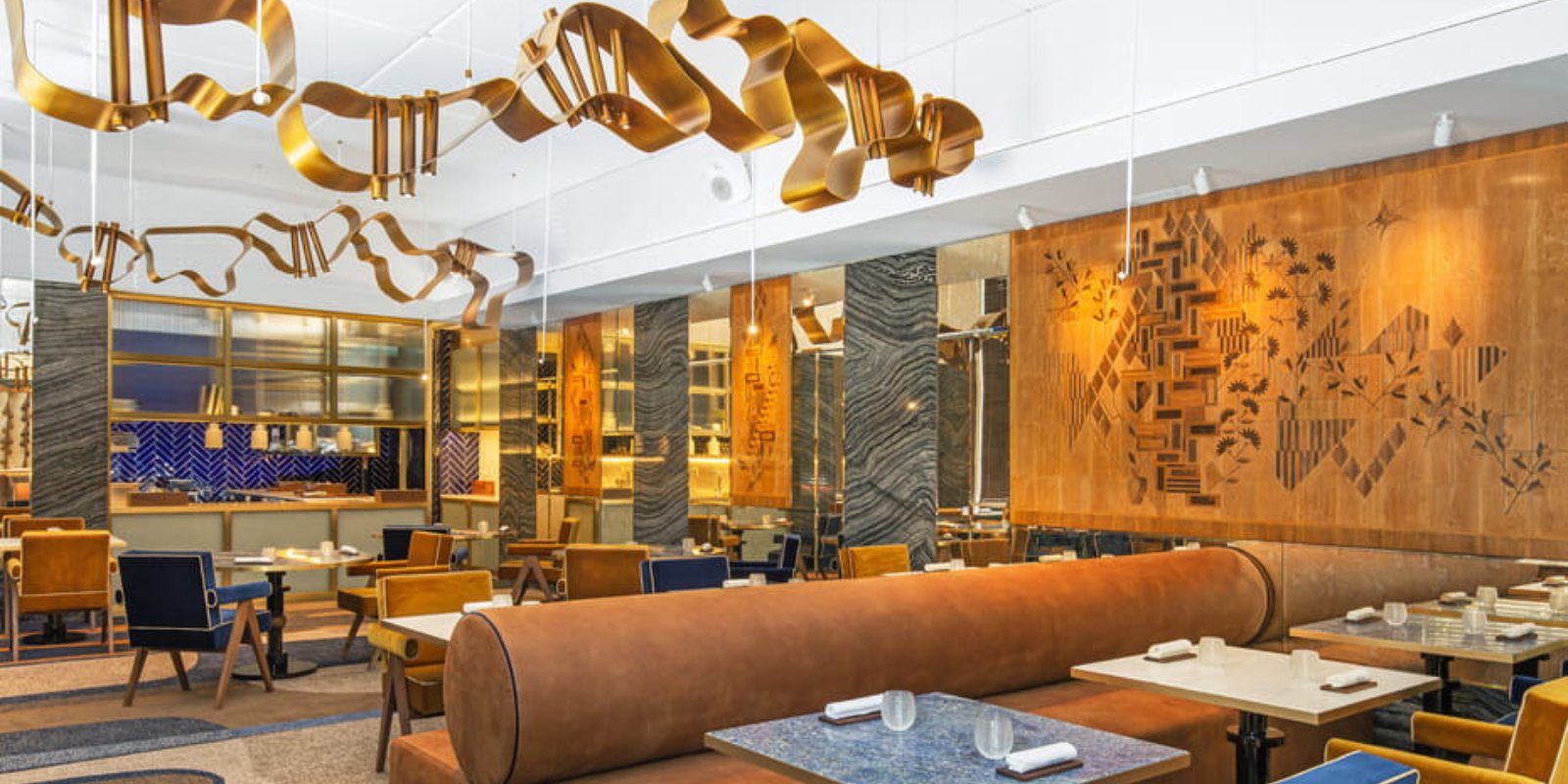
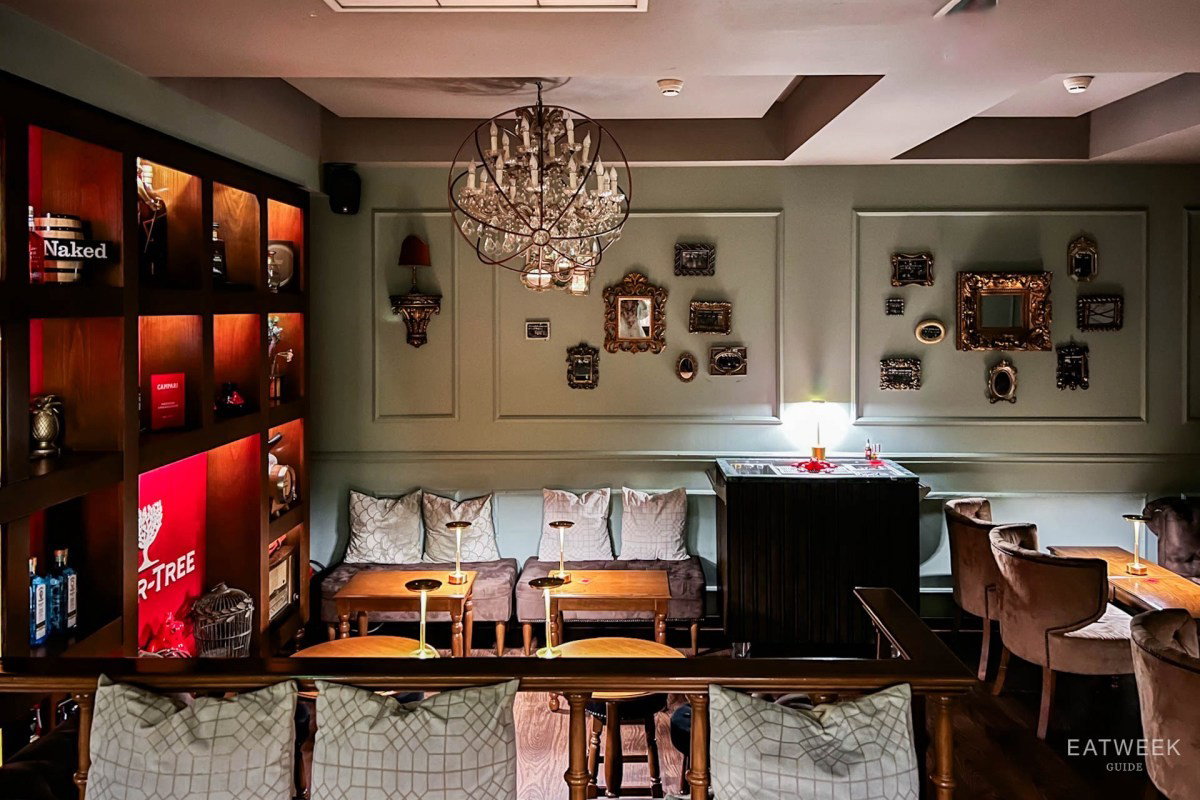
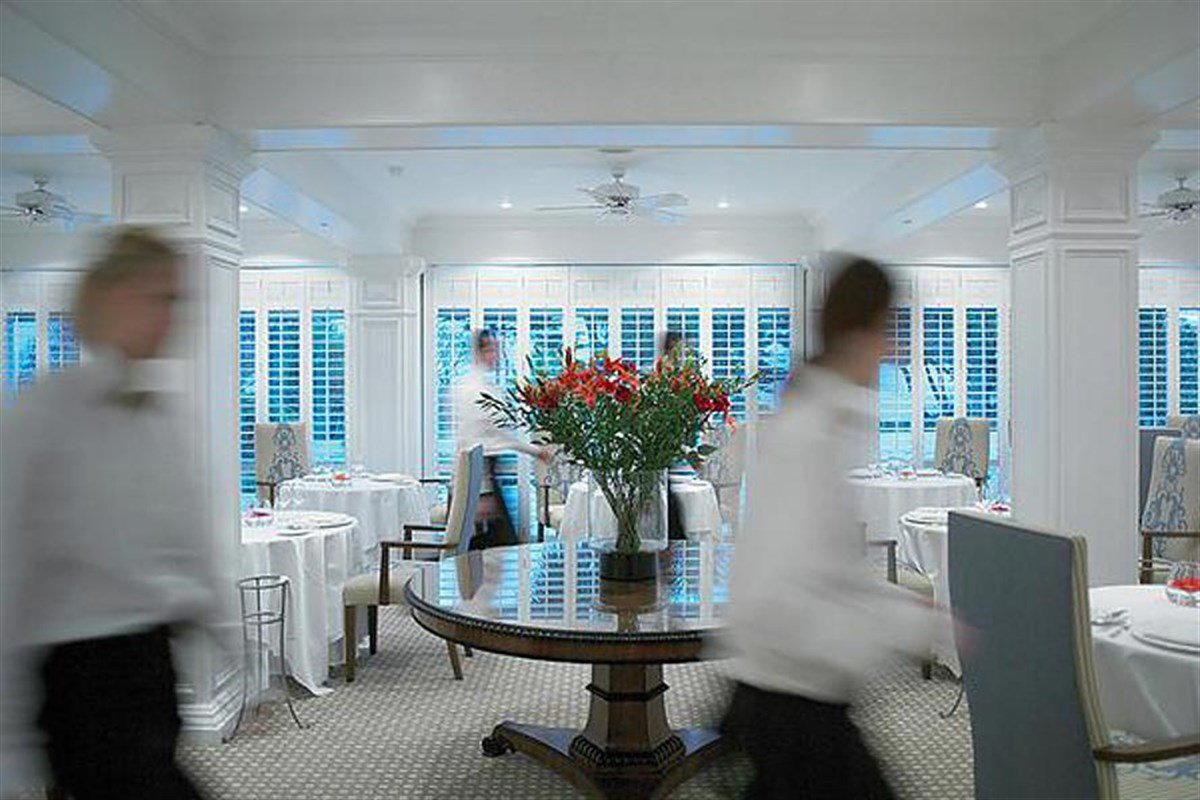
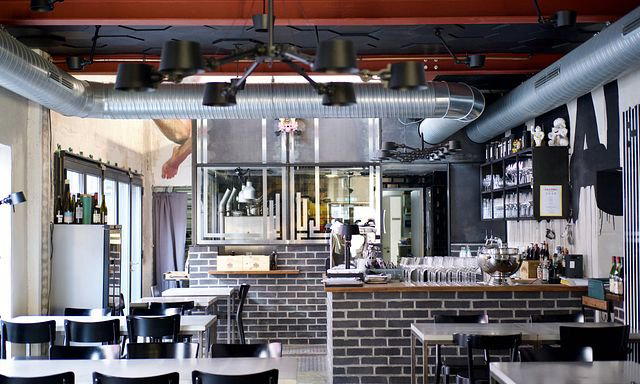
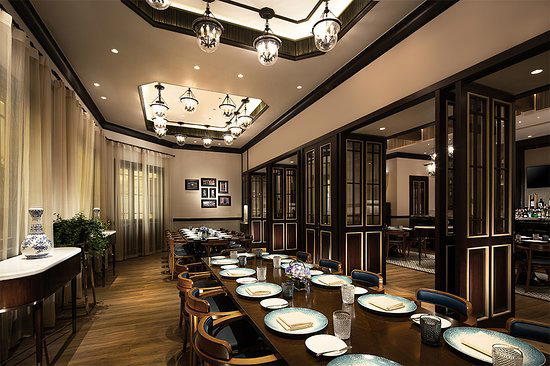
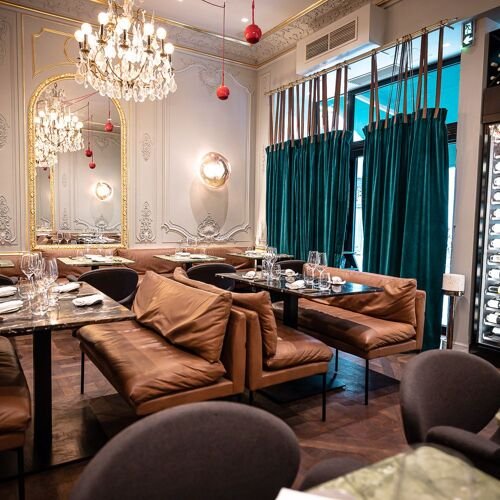
The room sits at the edge of Bairro Alto, a few steps from Praça Luís de Camões, one of Lisbon's most trafficked squares. That location matters. The neighbourhood above, Bairro Alto itself, is one of the city's most atmospheric after dark, dense with wine bars and fado houses. Vibe occupies a different register: enter via a staircase, and the street-level noise of Lisbon drops away. The interior is deliberately intimate, with an open kitchen, textured wooden walls, and a partially vaulted ceiling that compresses the space in a way that feels considered rather than cramped. The ambient mood is quiet and focused, not the kind of room where conversation competes with the kitchen. For a special dinner in central Lisbon, this atmosphere separates it from the louder, more social dining rooms nearby.
Two details signal the experience is designed to be read as well as eaten. A small wooden box on the table holds cards explaining each dish. A golden key, echoing the restaurant's keyhole logo, rests on your napkin as a cutlery stand. These touches are either charming or fussy depending on your tolerance for narrative dining, but they tell you clearly what register Vibe is operating in: this is not a drop-in casual meal.
Stanchieri trained at Geranium in Copenhagen and Da Vittorio in Bergamo before spending time at Belcanto under José Avillez. That trajectory matters for understanding the cooking style: Nordic rigour around product and season, Italian attention to ingredient quality, and Portuguese fluency with local produce. The result is contemporary tasting-menu cooking that leans Portuguese in its raw material but is formally shaped by a broader European fine-dining vocabulary. For diners coming from cities like New York or Seoul where this format is routine, Vibe will feel familiar in structure but locally rooted in a way that justifies the visit.
Booking is rated Easy, which is part of the case for going sooner rather than later: if the Michelin trajectory continues, that ease of access is unlikely to hold.
For context on Lisbon's contemporary dining scene, Vibe competes most directly with restaurants like Ceia, Plano, Suba, and Zunzum Gastrobar, all operating in the contemporary or creative register at similar or comparable price tiers. Across Portugal, the reference points for cooking at this level include Vila Joya in Albufeira, Antiqvvm in Porto, Casa de Chá da Boa Nova in Leça da Palmeira, Il Gallo d'Oro in Funchal, Ocean in Porches, and The Yeatman in Vila Nova de Gaia, all carrying Michelin recognition and providing useful benchmarks for what serious tasting-menu dining looks like at different price tiers across the country.
The address is R. da Horta Seca 5 B, 1200-221 Lisboa, easy to reach on foot from almost anywhere in central Lisbon. Plan your evening around the neighbourhood: a drink in Bairro Alto before or after dinner makes this a full night rather than just a meal. For wider planning, see our full Lisbon restaurants guide, our full Lisbon hotels guide, our full Lisbon bars guide, our full Lisbon wineries guide, and our full Lisbon experiences guide.
Ratings
- Awards: Michelin Plate 2025
- Price tier: €€€
- Booking difficulty: Easy
Practical
- Address: R. da Horta Seca 5 B, 1200-221 Lisboa, Portugal
- Format: Tasting menus (three options, seasonally rebuilt)
- Access: Entry via staircase; intimate room with open kitchen
- Neighbourhood: Edge of Bairro Alto, near Praça Luís de Camões
- Booking: Easy, reserve in advance but demand is currently manageable
Planning details
- Location
- R. da Horta Seca 5 B, 1200-221 Lisboa, Portugal
- Reservations
- Book on TheFork
- Website
- vibe-chiado.com
- Phone
- +351 965 522 749
The take
The Take
The Vibe
Vibe by Mattia Stanchieri is a deliberately composed, intimate tasting-room experience tucked below street level in Chiado. You descend a staircase and enter a compact room defined by textured wood, a partially vaulted ceiling and an open kitchen; the architecture compresses the space into something closer to a private dining room than a conventional restaurant. The design reads as contemporary Lisbon — format-led and quietly curated — and the service and menus align with that discipline. The result is a refined, cozy atmosphere where the evening is meant to unfold slowly and attentively.
Best For
This is a restaurant built for evening dining: tasting menus and a measured pace make it ideal for date nights and special occasions where the meal is the focus. Vibe sits in Lisbon’s serious contemporary tasting-menu tier, holding a 2025 Michelin Plate and operating at a more accessible €€€ price point, which positions it for diners who want technically accomplished, seasonally driven cooking without the city’s star-level premiums. The compact, intimate room rewards long dinners and close conversation rather than quick meals or casual drop-ins.
Ordering Tips
Expect a structured tasting-menu format: the write-up places Vibe squarely in Lisbon’s contemporary tasting-menu scene and describes a format-led, seasonally serious approach. The restaurant’s standing (a Michelin Plate and a €€€ bracket) signals focused, composed courses rather than à la carte variety. Plan for a dinner that unfolds over multiple courses and prioritize the tasting menu offer if you want the full experience; menus aim for technical clarity and a seasonal focus rather than casual small plates.
Venue details
Ambiance
Intimate and well-kept interior with open kitchen, textured wooden walls, partially vaulted ceiling, minimalist modern design, and lovely lighting creating a delightful atmosphere.
Tags
Vibe
Best For
Experience
Sourcing
At the Table
- Dress Code
- Smart Casual
- Noise Level
- Quiet
- Service Style
- Upscale Casual
- Meal Pacing
- Leisurely
- Capacity
- Intimate
- Kitchen
- Modern
- Menu Format
- Tasting menu
- Wine Program
- Curated
Know before you go
Know Before You Go
- Getting there
- R. da Horta Seca 5 B, 1200-221 Lisboa, Portugal
Planning details
Location
R. da Horta Seca 5 B, 1200-221 Lisboa, Portugal · Directions
Recognition and awards
Also consider
Also Consider
- Belcanto, Modern Portugese, Creative, €€€€
- 50 seconds from Martin Berasategui, Progressive Spanish, €€€€
- CURA, Modern Portugese, Modern Cuisine, €€€€
- Eleven, Portugese, Creative, €€€€
- Feitoria, Modern Cuisine, €€€€
Restaurant context
Vibe sits at €€€ in a city where most serious tasting-menu restaurants operate at €€€€. That price gap is the clearest reason to consider it over Belcanto, CURA, Feitoria, Eleven, or 50 Seconds from Martin Berasategui. If budget is a factor and you still want technically grounded fine-dining cooking in central Lisbon, Vibe is the most defensible choice at a lower spend.
For the full €€€€ experience, Belcanto (two Michelin stars, modern Portuguese) remains the benchmark in Lisbon, better for a true splurge or a landmark meal, harder to book, and more expensive. CURA and Feitoria carry strong Michelin credentials and deliver polished contemporary cooking at the higher tier; choose them if the extra spend is not a constraint and you want the additional service depth that a starred operation typically brings. 50 Seconds from Martin Berasategui offers a more international, Spanish-influenced tasting experience, worth considering if you want a contrast to Portuguese-rooted cooking rather than an expression of it.
Vibe is the easiest to book of this group and the only one currently at €€€. It is the right call for a first serious tasting-menu dinner in Lisbon without the full financial commitment of a two-star room, or for a returning visitor who has already worked through the €€€€ tier and wants a different kind of experience. The tradeoff is that Vibe's Michelin Plate sits below the starred recognition of its peers, this is a promising restaurant on a clear upward trajectory, not yet the definitive address in its category.
Around this place
Discover more on Pearl
Unlock the full Vibe by Mattia Stanchieri guide in Pearl, including awards, comparisons, FAQs, planning details, and nearby places.
Compare Vibe by Mattia Stanchieri
| Venue | Cuisine | Awards | Booking Difficulty |
|---|---|---|---|
| Vibe by Mattia Stanchieri | Contemporary | 2026 Michelin Plate2025 Michelin Plate | Easy |
| Belcanto | Modern Portugese, Creative | 2026 OAD Top Restaurants in Europe Ranked · #120Star Wine Lists 20262026 Relais Chateaux RestaurantsMichelin Guide Portugal 20262026 La Liste Top Restaurants2026 Falstaff Restaurant Guide2025 World's 50 Best Restaurants · #422025 OAD Top Restaurants in Europe Ranked · #2512025 La Liste Top Restaurants | Unknown |
| 50 seconds from Martin Berasategui | Progressive Spanish | Star Wine Lists 20262026 Falstaff Restaurant GuideMichelin Guide Portugal 20262026 OAD Top Restaurants in Europe Recommended2026 Michelin 1 Star2026 La Liste Top Restaurants2025 The Best Chef One Knife2025 Michelin 1 Star2024 OAD Top Restaurants in Europe Ranked · #458 | Unknown |
| CURA | Modern Portugese, Modern Cuisine | Michelin Guide Portugal 20262026 OAD Top Restaurants in Europe Recommended2026 La Liste Top Restaurants2026 Falstaff Restaurant Guide2025 OAD Top Restaurants in Europe Ranked · #214We're Smart World Top Restaurants 20252025 Michelin 1 Star2024 OAD Top Restaurants in Europe Ranked · #2012024 Michelin 1 Star | Unknown |
| Eleven | Portugese, Creative | Michelin Guide Portugal 20262026 Michelin 1 Star2026 Falstaff Restaurant Guide2025 OAD Classical in Europe Ranked · #1572025 Michelin 1 Star2024 OAD Classical in Europe Ranked · #952024 Michelin 1 Star2023 OAD Classical in Europe Ranked · #98 | Unknown |
| Feitoria | Modern Cuisine | 2026 OAD Top Restaurants in Europe Ranked · #142Michelin Guide Portugal 20262026 La Liste Top Restaurants2025 OAD Top Restaurants in Europe Ranked · #1292025 Michelin 1 Star2025 La Liste Top Restaurants2024 OAD Top Restaurants in Europe Ranked · #1572024 Michelin 1 Star2023 OAD Top New Restaurants in Europe Highly Recommended | Unknown |










Comparing your options in Lisbon for this tier.
FAQ
Frequently Asked Questions
What should I order at Vibe by Mattia Stanchieri?
There is no à la carte here — the format is tasting menus only, with three options available each season. Chef Stanchieri rebuilds the culinary framework each chapter around a different culinary tradition and Portuguese seasonal produce, so the menus rotate entirely. Commit to the full experience or choose a different venue.
Is Vibe by Mattia Stanchieri good for a special occasion?
Yes, confidently. The intimate interior, open kitchen, vaulted ceiling, and the storytelling detail of dish-description cards on the table make this a considered setting for a birthday, anniversary, or celebratory dinner. At €€€ and Michelin Plate level, it reads as a serious occasion restaurant without tipping into stiff formality.
Is Vibe by Mattia Stanchieri worth the price?
At €€€ with a Michelin Plate (2025) and a chef trained at Geranium, Da Vittorio, and Belcanto, the price sits at the right level for what is on offer. It is not a budget call, but it is cheaper than Belcanto or Feitoria while offering comparable creative ambition. Worth it if you are buying into a tasting menu format with genuine seasonal rotation.
Is the tasting menu worth it at Vibe by Mattia Stanchieri?
Yes, if seasonal, concept-driven cooking is your format. Three tasting menus change with each chapter — new produce, new culinary tradition as the structural lens — which means repeat visits deliver a genuinely different meal. The Michelin Plate (2025) validates the kitchen's consistency. Skip it if you prefer à la carte flexibility.
What should a first-timer know about Vibe by Mattia Stanchieri?
You enter via a staircase at R. da Horta Seca 5 B, just off Praça Luís de Camões in Bairro Alto — note that for accessibility. The format is tasting menus only, three options per season. A small wooden box on each table holds cards explaining each dish, and a golden key serves as the cutlery rest — small details that signal how much thought has gone into the overall experience.
What are alternatives to Vibe by Mattia Stanchieri in Lisbon?
Belcanto is the obvious step up — two Michelin stars, higher price, more formal. CURA and Feitoria both offer serious tasting menu formats at a comparable €€€ tier. If you want something with a Spanish-influenced perspective, 50 Seconds from Martin Berasategui brings a different creative lens. Eleven is a reliable choice if you prioritise a view alongside the food.