.png?width=1200&quality=80)


SEM
Creative · Castelo, Lisbon
Restaurant in Lisbon, Portugal
 Book with Pearl
The Read
Fermentation-Led Zero-Waste Tasting
Price
$50–100per person
Why go
SEM is a tasting menu for food-focused travellers who want Michelin-recognised cooking at the €€ price tier. Chef George McLeod and Lara Prado run a single, producer-led menu that shifts with the seasons: book late spring to autumn for the widest range, winter if fermentation-forward dishes are your preference.
About SEM
Who Should Book SEM: and When
SEM is the right call for food-focused travellers who want a tasting menu that changes with the season, costs significantly less than Lisbon's Michelin-starred heavyweights, and comes without the formality. If you are visiting Lisbon in a period when local producers have a lot to offer: late spring through autumn, when Iberian market gardens are at full output, you will eat better here than you would in most rooms at twice the price. Couples, solo diners with a curiosity for fermentation-led cooking, and anyone who finds the €€€€ dining circuit in Lisbon harder to justify will find SEM a more honest proposition.
What SEM Actually Is
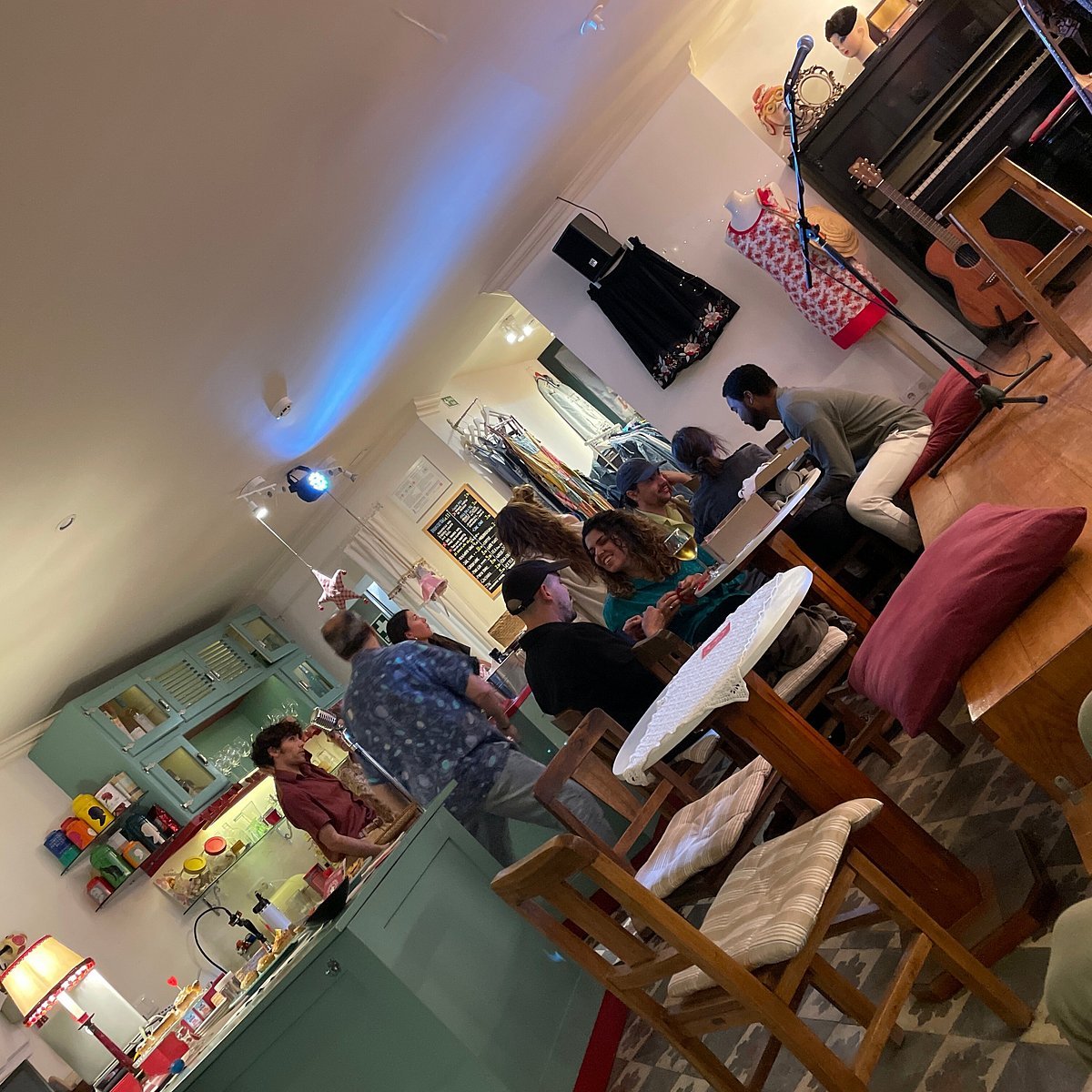
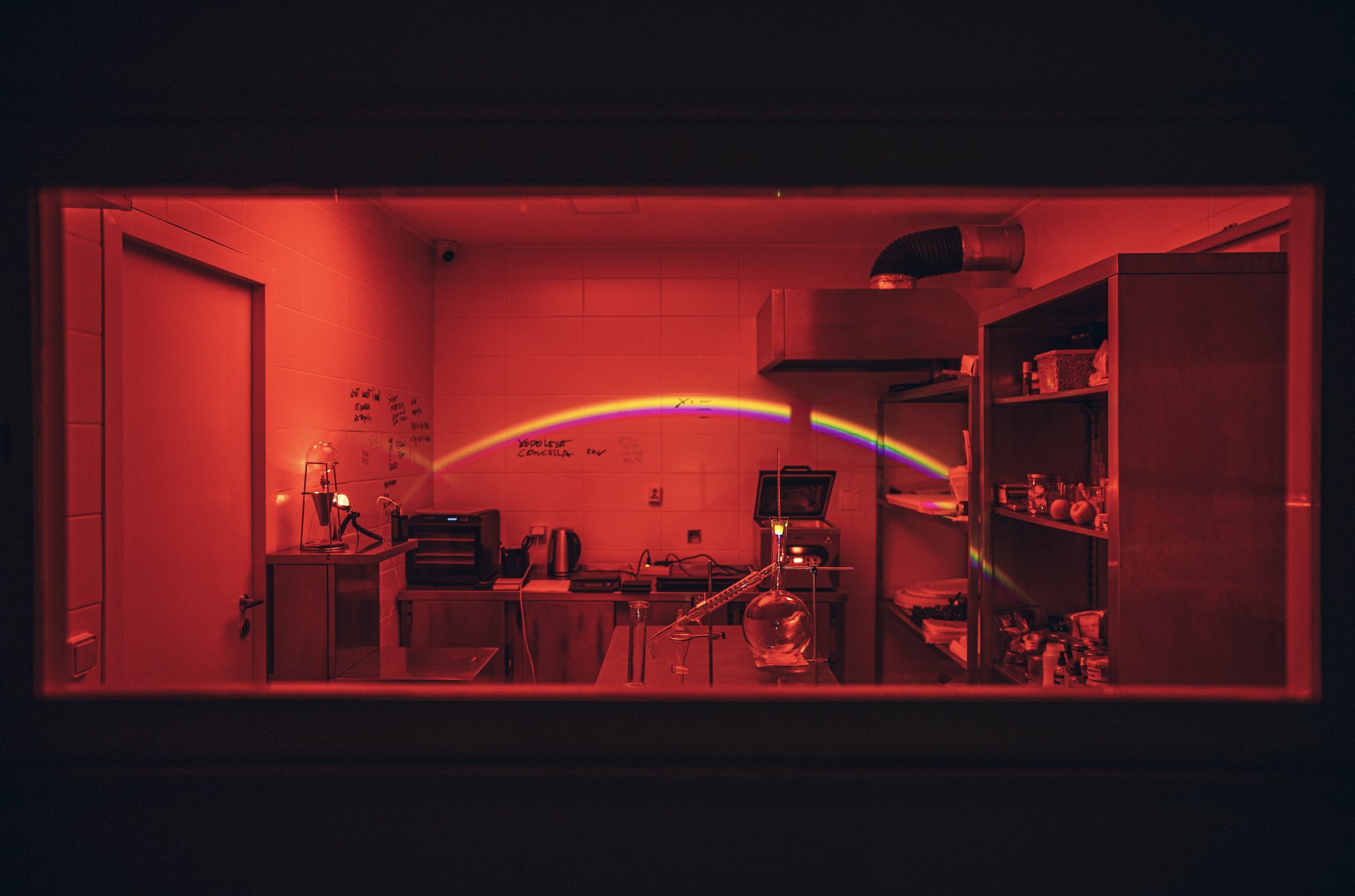
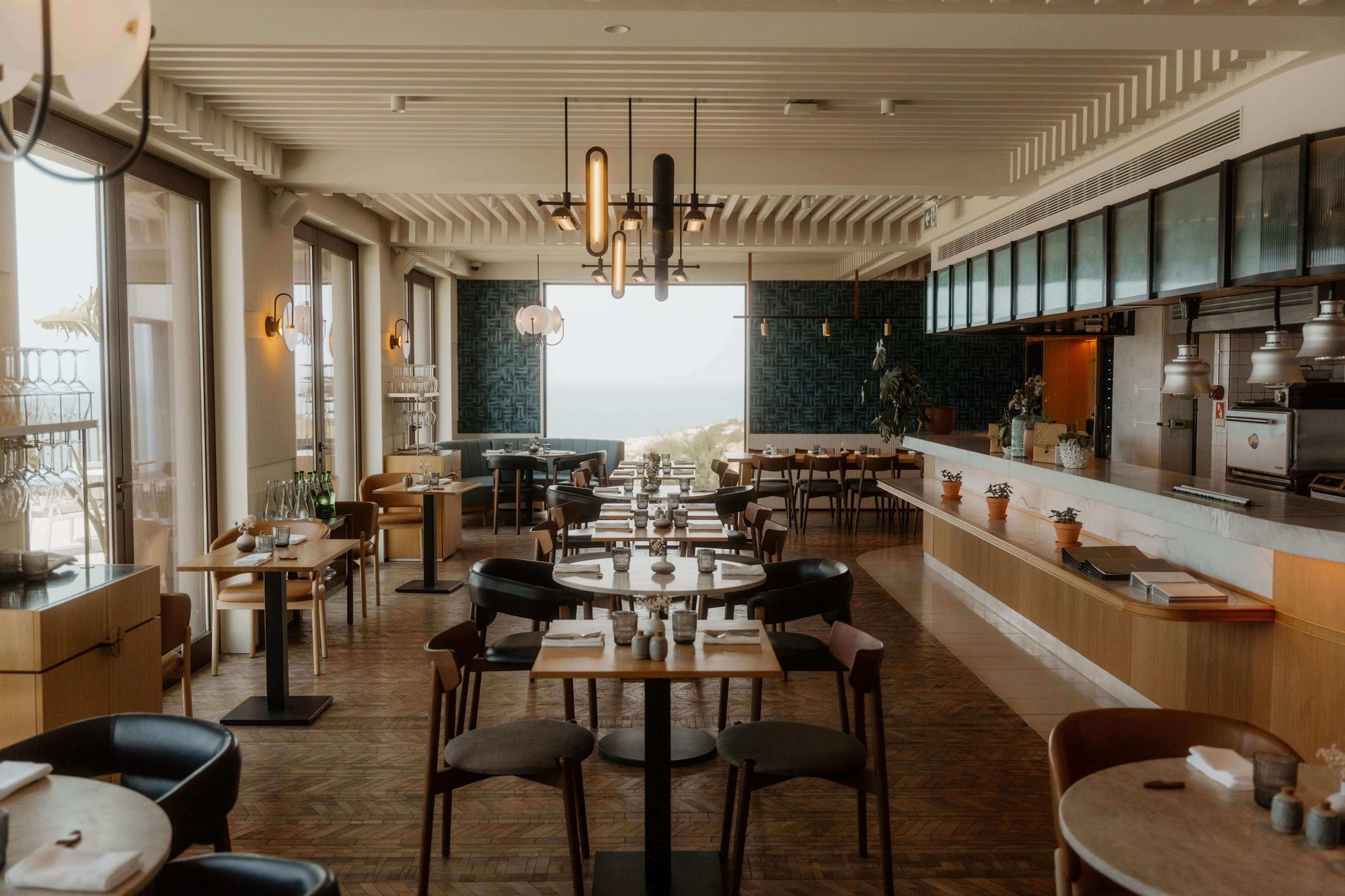
SEM sits in Alfama, one of Lisbon's oldest neighbourhoods, at R. das Escolas Gerais 120. The room is deliberately informal: shelves lined with jars of preserves and fermented products serve as both the decor and a working pantry, signalling immediately that the philosophy here is not decorative. The kitchen is run by George McLeod, originally from New Zealand, and Lara Prado, originally from Brazil, a pairing that brings an outsider's clarity to Portuguese produce without any nostalgic obligation to cook it in a particular way.
The format is a single tasting menu, and that menu is not fixed. It follows what the kitchen's local producers can supply, which means the experience you have in October is genuinely different from the one in February or May. This is not a marketing position, it is a structural feature of how SEM operates, and it has practical consequences for when you visit. The aromatic character of the food shifts with the season too: in warmer months, wild plants, flowers, and fresh ferments carry the scent of the kitchen; in cooler months, deeper preserved notes and root vegetables take their place. If you visit twice, you are not eating the same menu with minor substitutions. You are eating a different menu.
Sustainability is the operating framework, not the story SEM tells at the table. Ingredients come from regenerative agriculture sources. Plastic use is minimised. Food waste is treated as a technical problem to be solved through fermentation, preservation, and whole-plant cooking, not as a brand claim. The We're Smart Movement has recognised SEM as part of its network, and the 2025 Michelin Guide awarded the restaurant a Michelin Plate, acknowledging quality without placing SEM in the starred category. At the €€ price tier, that positioning is actually an asset: the cooking carries independent validation without the price inflation that a star typically brings.
At this price point and format, a 4.6 across that volume of diners means the kitchen is executing at a level that holds up across different visitor expectations. That is not a given for tasting menu restaurants operating at the mid-range.
The Seasonal Question: When to Go
Because the menu at SEM is entirely producer-led, the seasonal timing of your visit matters more here than it does at restaurants working from a fixed repertoire. Spring visits, roughly April through June, will typically bring lighter, more herbaceous plates as the first fresh crops come in and the kitchen deploys the preserved stocks built through winter. Summer through early autumn is arguably the most ingredient-rich window for Iberian produce: tomatoes, peppers, stone fruits, and the full range of the season give the kitchen maximum flexibility. Winter visits are not a reason to avoid SEM, but the menu will lean harder into fermented and preserved elements, which, if that style of cooking is why you are going, may actually be the optimal time. The fermentation jars on those shelves are not seasonal decoration; they are the kitchen's answer to scarcity, and winter is when they are most central to what arrives at the table.
For food-curious travellers planning a Lisbon trip around eating well, SEM belongs on the itinerary alongside rather than instead of the city's starred restaurants. A night at Belcanto or CURA and a night at SEM covers a broader range of what serious Lisbon cooking looks like in 2025 than two nights at either of those rooms alone. See also our full Lisbon restaurants guide for the wider picture.
Portugal's serious dining scene extends well beyond Lisbon: Antiqvvm in Porto, Casa de Chá da Boa Nova in Leça da Palmeira, Vila Joya in Albufeira, Ocean in Porches, Il Gallo d'Oro in Funchal, and The Yeatman in Vila Nova de Gaia are all worth building a trip around. For a European frame of reference on what plant-forward, produce-led tasting menus can look like at the highest level, Arpège in Paris and Alléno Paris au Pavillon Ledoyen are the benchmark comparisons.
If SEM is part of a wider Lisbon trip, the city's other food and drink scenes are worth planning around: use our Lisbon bars guide, hotels guide, wineries guide, and experiences guide to fill the rest of the itinerary.
Know Before You Go
- Address
- R. das Escolas Gerais 120, 1100-220 Lisboa, Portugal
- Neighbourhood
- Alfama, Lisbon
- Cuisine
- Creative / Tasting menu format
- Price tier
- €€, mid-range by Lisbon standards, significantly below the €€€€ starred circuit
- Format
- Single tasting menu, producer-led and seasonally variable
- Chef team
- George McLeod (New Zealand) and Lara Prado (Brazil)
- Recognition
- Michelin Plate 2025; We're Smart Movement member
- Booking difficulty
- Easy, book ahead to confirm your preferred date, but this is not a room that requires weeks of planning
- Dress code
- Informal, the room signals this clearly
- Ideal visit window
- Late spring through early autumn for maximum seasonal range; winter for fermentation-forward menus
- Nearby
- 2Monkeys is a local option worth noting for a pre- or post-dinner drink in the area
Planning details
- Location
- R. das Escolas Gerais 120, 1100-220 Lisboa, Portugal
- Reservations
- Book on the venue's website
- Website
- restaurantsem.com
- Phone
- +351 939 501 211
The take
The Take
The Vibe
SEM presents itself more like a cultured farmhouse kitchen than a formal dining room. Floor-to-ceiling jars of lacto-ferments, pickles and preserved fruit line the walls and double as a working larder and decorative feature, giving the room a tactile, organised feel. The space greets you with a gentle, acidic warmth of fermentation that signals process and activity rather than theatrical polish. The overall impression is informal and hands-on: creative cooking grounded in preservation and texture rather than the minimalist, highly refined aesthetic that dominates much of the city's high end.
Best For
SEM runs a single, fixed tasting menu that moves through fermented, pickled and wild-foraged elements alongside more conventional vegetables and proteins. That format demands commitment from diners and is best suited to people who want a focused, chef-directed experience rather than à la carte flexibility. The restaurant positions itself at a lighter price point (noted as “€€”), making it an accessible way to sample creative, seasonally driven cooking without the expense of the city’s Michelin counters. Expect a thoughtful, ingredient-led dinner centered on preservation techniques.
Ordering Tips
Book with the single-menu format in mind: SEM serves a fixed tasting menu, so there is no lateral movement between courses or an à la carte alternative. Note that the menu changes in line with supply from local producers rather than on a fixed seasonal schedule, so repeat visits will likely offer different dishes. SEM has a "€€" price tier and offers value relative to formal tasting-menu destinations.
Venue details
Ambiance
A relaxed, thoughtful restaurant and wine bar with approachable service and a sustainability-focused, contemporary dining atmosphere.
Tags
Vibe
Best For
Experience
Sourcing
At the Table
- Service Style
- Upscale Casual
- Meal Pacing
- Extended Experience
- Kitchen
- Seasonal
- Menu Format
- Tasting menu
- Drinks Focus
- Low-intervention wines, Cocktails made from by-products, Craft drinks, Beer
- Dietary
- Vegetarian friendly
- Private Dining
- Available
Know before you go
Know Before You Go
- Getting there
- R. das Escolas Gerais 120, 1100-220 Lisboa, Portugal
Planning details
Location
R. das Escolas Gerais 120, 1100-220 Lisboa, Portugal · Directions
Recognition and awards

Also consider
Also Consider
- Belcanto: Modern Portugese, Creative, €€€€
- 50 seconds from Martin Berasategui: Progressive Spanish, €€€€
- CURA: Modern Portugese, Modern Cuisine, €€€€
- Eleven: Portugese, Creative, €€€€
- Feitoria: Modern Cuisine, €€€€
Restaurant context
How SEM Compares in Lisbon
The most important thing to understand when positioning SEM against Lisbon's fine dining circuit is the price gap. Belcanto, CURA, Eleven, 50 Seconds from Martin Berasategui, and Feitoria all operate at €€€€. SEM operates at €€. That is not a minor difference in a city where the top-end tasting menu circuit is increasingly consolidated around a handful of starred addresses. If budget is a constraint, SEM is not a consolation option: it is the most credible alternative at a genuinely different price point, with its own Michelin recognition to back it up.
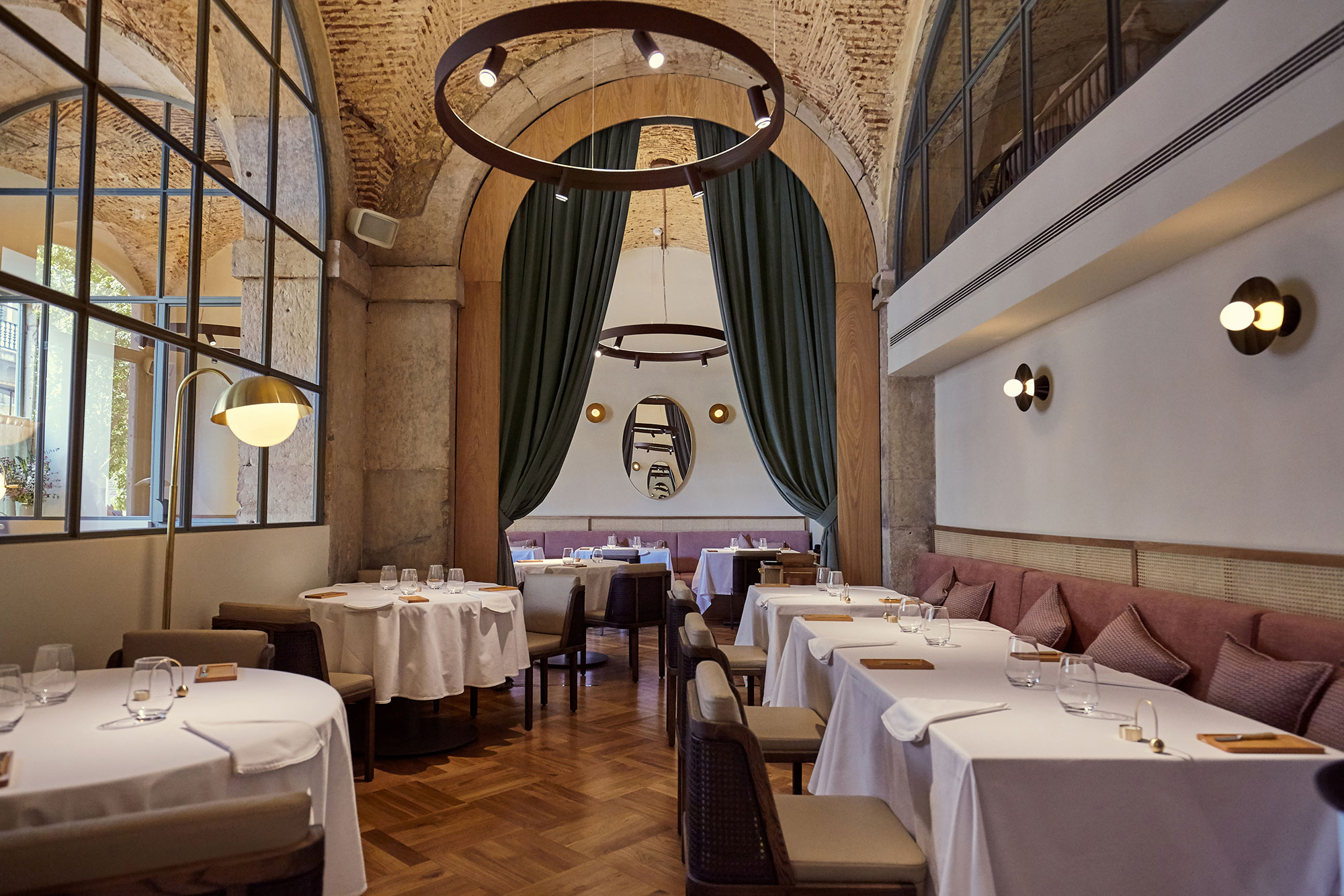
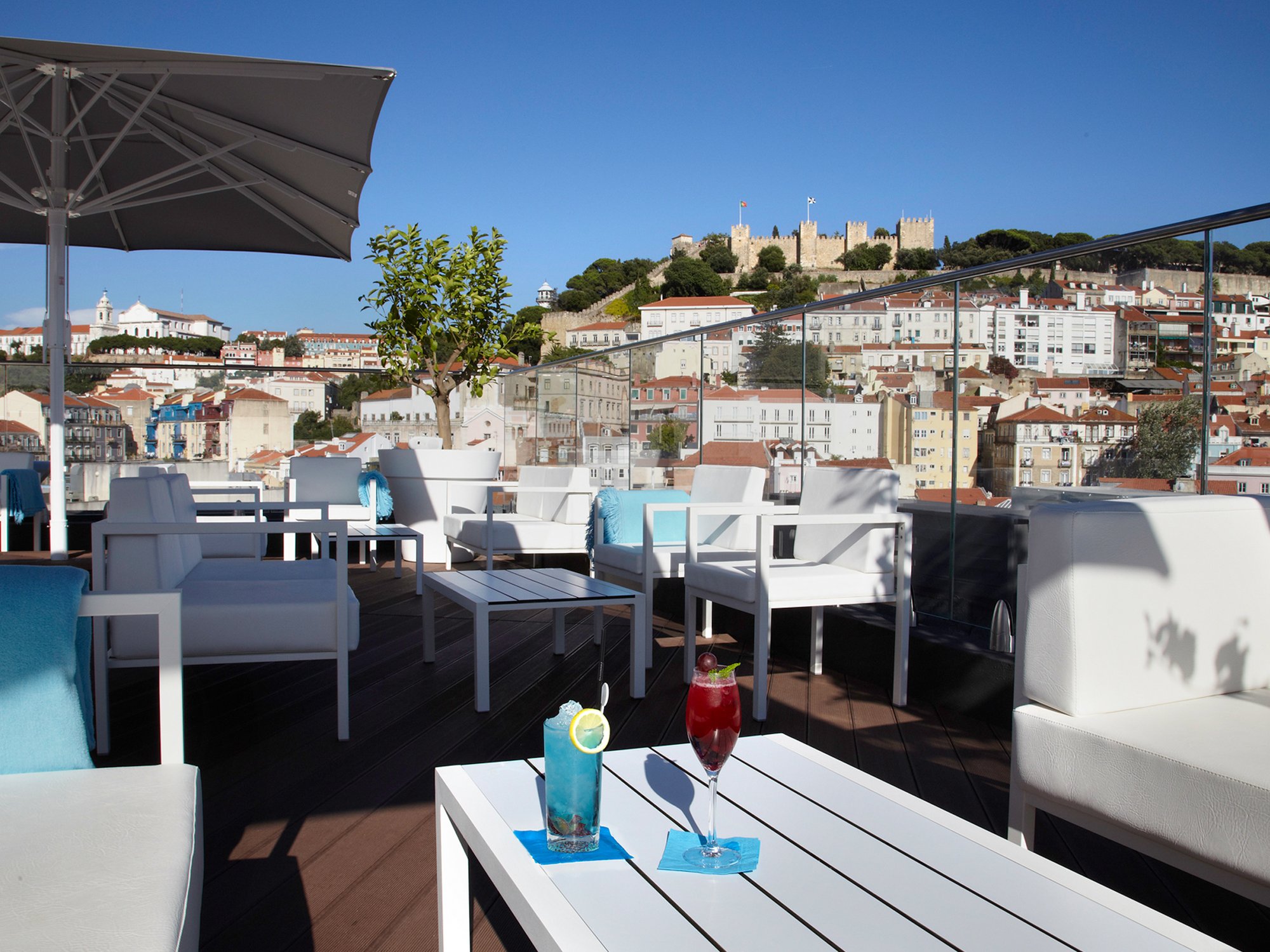
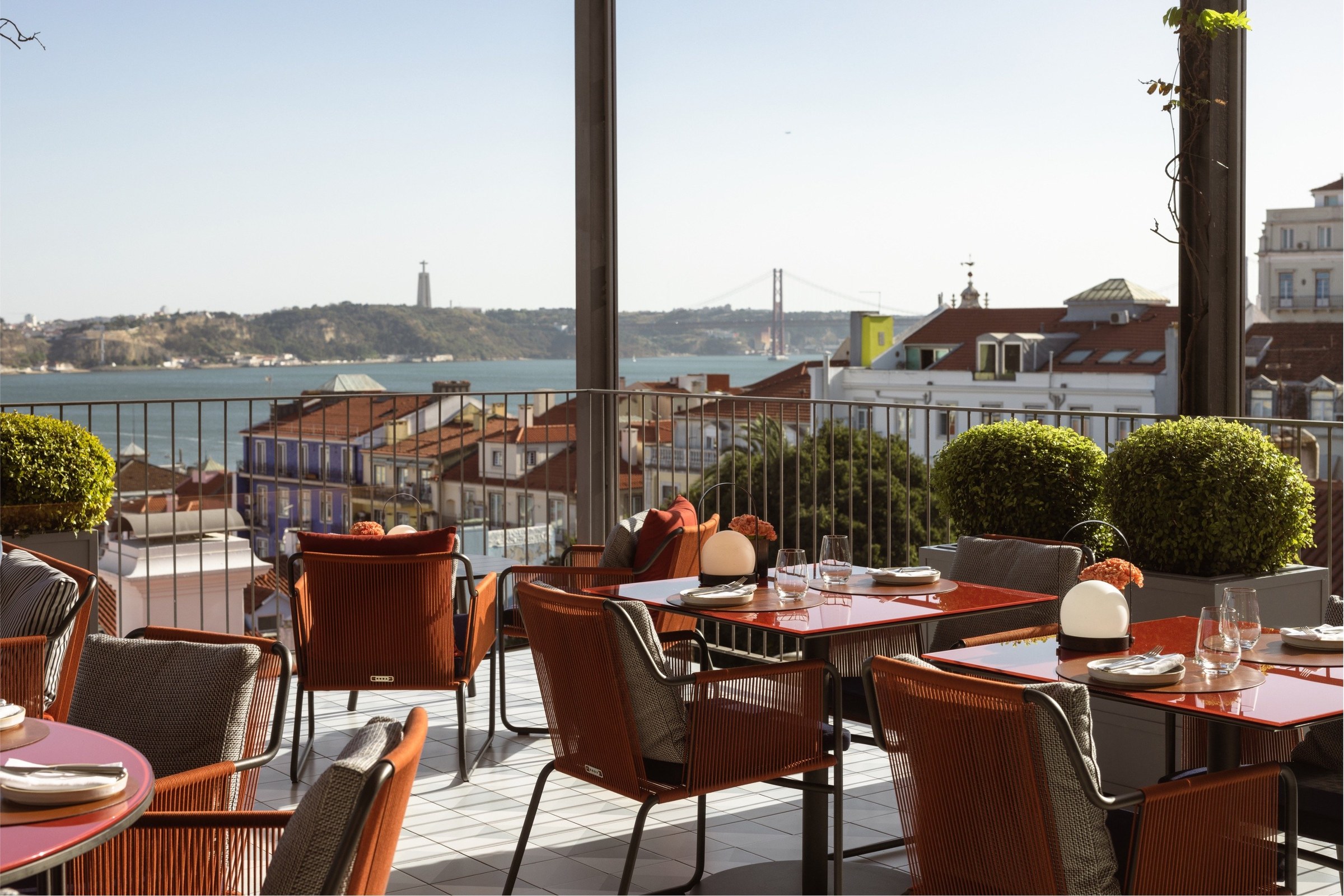
On format and ambiance, SEM sits apart from all five comparators. Belcanto and CURA deliver polished, formal tasting menu experiences with strong service architecture. 50 Seconds from Martin Berasategui brings a spectacular river-view room and the prestige of a Basque culinary lineage. Eleven offers a rooftop terrace and a more classic fine dining frame. Feitoria is serious and refined. SEM is none of those things: it is informal, producer-obsessed, and structured around a kitchen philosophy rather than a dining room experience. If you want tablecloth formality and deep wine service, book one of the €€€€ rooms. If you want a room where the food is clearly doing most of the work and the atmosphere is relaxed enough that you can focus on it, SEM is the stronger choice.
For the food-focused traveller building a Lisbon itinerary around eating well, the practical recommendation is to do both: one night at a starred address for the full formal treatment, one night at SEM for the counterpoint. The two experiences do not compete: they cover different ground. Of the €€€€ options, CURA and Belcanto currently carry the strongest credentials if you are choosing only one. But SEM's easy booking, mid-range pricing, and Michelin Plate standing make it the clearest answer when the question is where to eat serious creative food in Lisbon without committing to a high-spend evening.
Around this place
Discover more on Pearl
Unlock the full SEM guide in Pearl, including awards, comparisons, FAQs, planning details, and nearby places.
Compare SEM
| Venue | Cuisine | Awards | Booking Difficulty |
|---|---|---|---|
| SEM | Creative | 2026 Michelin PlateWe're Smart World Top Restaurants 20252025 The Best Chef One Knife2025 Michelin Plate2024 Michelin Plate | Easy |
| Belcanto | Modern Portugese, Creative | 2026 OAD Top Restaurants in Europe Ranked · #120Star Wine Lists 20262026 Relais Chateaux RestaurantsMichelin Guide Portugal 20262026 La Liste Top Restaurants2026 Falstaff Restaurant Guide2025 World's 50 Best Restaurants · #422025 OAD Top Restaurants in Europe Ranked · #2512025 La Liste Top Restaurants | Unknown |
| 50 seconds from Martin Berasategui | Progressive Spanish | Star Wine Lists 20262026 Falstaff Restaurant GuideMichelin Guide Portugal 20262026 OAD Top Restaurants in Europe Recommended2026 Michelin 1 Star2026 La Liste Top Restaurants2025 The Best Chef One Knife2025 Michelin 1 Star2024 OAD Top Restaurants in Europe Ranked · #458 | Unknown |
| CURA | Modern Portugese, Modern Cuisine | Michelin Guide Portugal 20262026 OAD Top Restaurants in Europe Recommended2026 La Liste Top Restaurants2026 Falstaff Restaurant Guide2025 OAD Top Restaurants in Europe Ranked · #214We're Smart World Top Restaurants 20252025 Michelin 1 Star2024 OAD Top Restaurants in Europe Ranked · #2012024 Michelin 1 Star | Unknown |
| Eleven | Portugese, Creative | Michelin Guide Portugal 20262026 Michelin 1 Star2026 Falstaff Restaurant Guide2025 OAD Classical in Europe Ranked · #1572025 Michelin 1 Star2024 OAD Classical in Europe Ranked · #952024 Michelin 1 Star2023 OAD Classical in Europe Ranked · #98 | Unknown |
| Feitoria | Modern Cuisine | 2026 OAD Top Restaurants in Europe Ranked · #142Michelin Guide Portugal 20262026 La Liste Top Restaurants2025 OAD Top Restaurants in Europe Ranked · #1292025 Michelin 1 Star2025 La Liste Top Restaurants2024 OAD Top Restaurants in Europe Ranked · #1572024 Michelin 1 Star2023 OAD Top New Restaurants in Europe Highly Recommended | Unknown |








Comparing your options in Lisbon for this tier.
FAQ
Frequently Asked Questions
Is SEM worth the price?
At €€ pricing, SEM is one of the better-value tasting menu propositions in Lisbon. The Michelin Plate recognition confirms the kitchen is operating at a level above its price point. If you want a fixed, high-gloss dining room, look at Belcanto or CURA instead: SEM is for diners who prioritise ingredient quality and seasonal honesty over spectacle.
How far ahead should I book SEM?
No booking policy data is available from the venue, so contact SEM directly at R. das Escolas Gerais 120 to confirm. Given the small, informal format and single tasting menu, capacity is limited: booking at least two to three weeks out is a reasonable precaution, particularly for weekend slots.
What should a first-timer know about SEM?
SEM runs a single tasting menu only: there is no à la carte option, so arrive committed to the format. The menu changes with producer availability, meaning dishes vary visit to visit. The setting is deliberately casual: shelves of fermentation jars, no white-tablecloth formality. Chefs George Mcleod (New Zealand) and Lara Prado (Brazil) are both present in the kitchen, and sustainability is structural here, not decorative.
What is SEM known for?
SEM is primarily known for Creative in Lisbon.