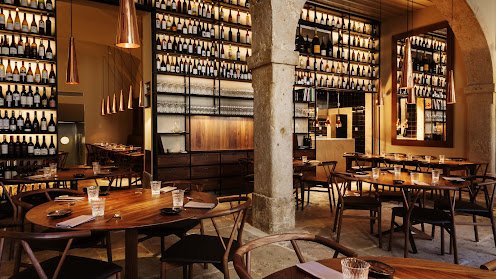

Omakase RI
Japanese · Madragoa, Lisbon
Restaurant in Lisbon, Portugal
 Book with Pearl
The Read
Tokyo Dive-Bar Omakase
Price
$100–150per person
Dress
Smart Casual
Why go
Omakase RI is Lisbon's only dedicated omakase counter with Michelin recognition: a Michelin Plate holder for 2024 and 2025, rated 4.9 from 391 reviews. Chef William Vargas runs 15 courses for just 10 guests at €€€, making it the most focused and accessible way to eat serious Japanese food in the city. Book one to two weeks ahead.
About Omakase RI
Is Omakase RI worth booking in Lisbon?
Yes: if you want a serious omakase counter experience and you're prepared for a 15-course format. At a €€€ price point, it sits a tier below the €€€€ Lisbon fine-dining circuit, which makes it one of the more accessible ways to eat at Michelin-recognised level in the city. For Japanese cuisine specifically, it's the most intimate counter option currently operating in Lisbon.
What Omakase RI actually is
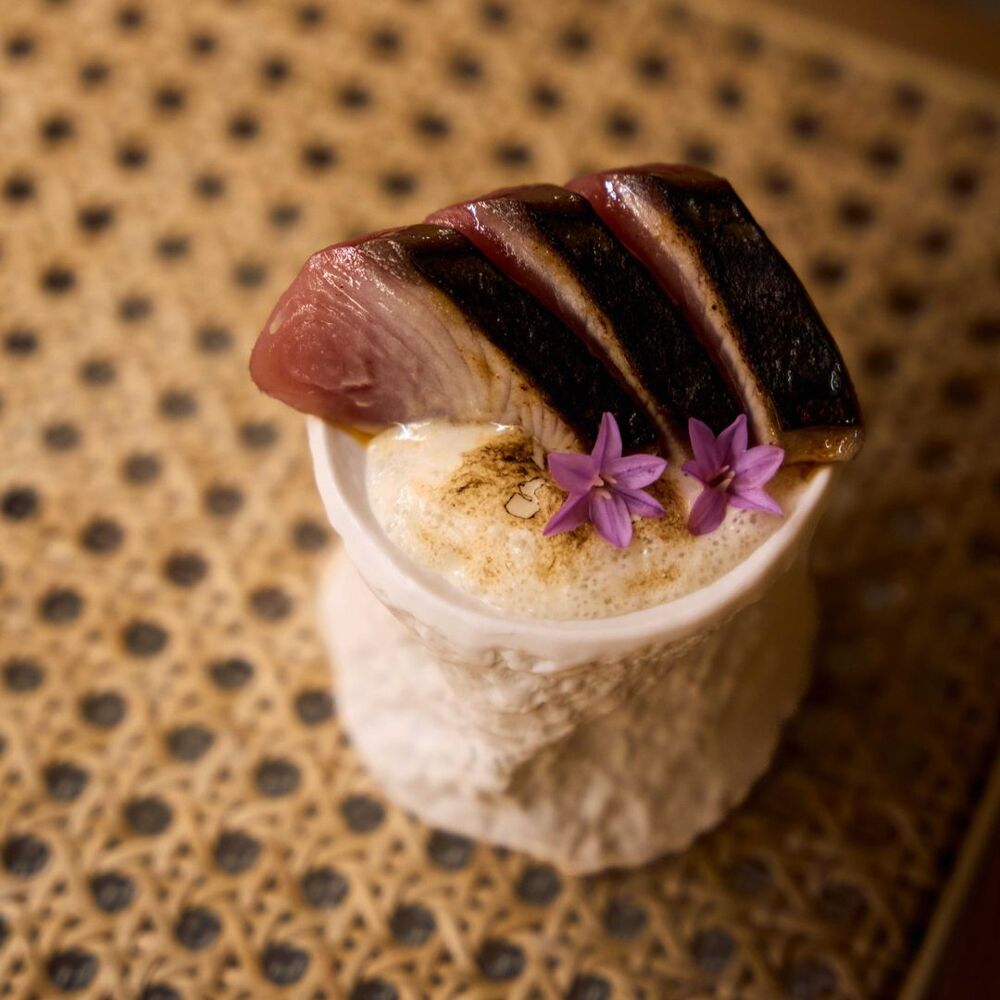
The room holds just 10 guests. The format is fixed: chef William Vargas, who brings a Japanese-Brazilian background to the kitchen, presents and names each fish before preparing it, explaining its origin as part of the service. This isn't just hospitality padding: it shifts the meal into something closer to education, and it's a deliberate part of the experience. The 15-course menu moves through a range of preparations, with standout dishes including salongo served with flambéed skin and a cold miso broth, and a tuna preparation wrapped in nori that the kitchen's Michelin notes describe as dissolving on contact. The saké list receives consistent praise and is a genuine programme rather than an afterthought.
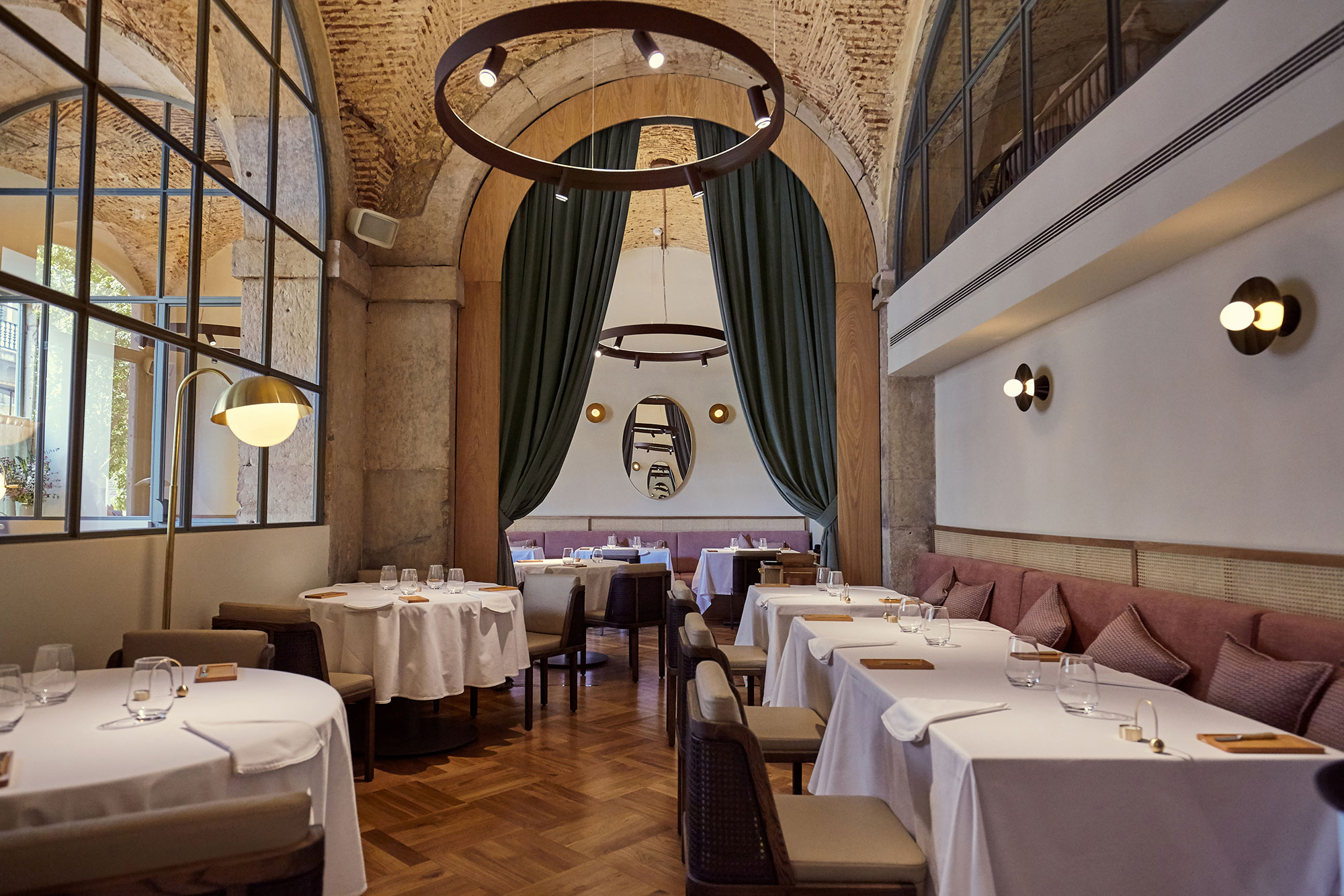
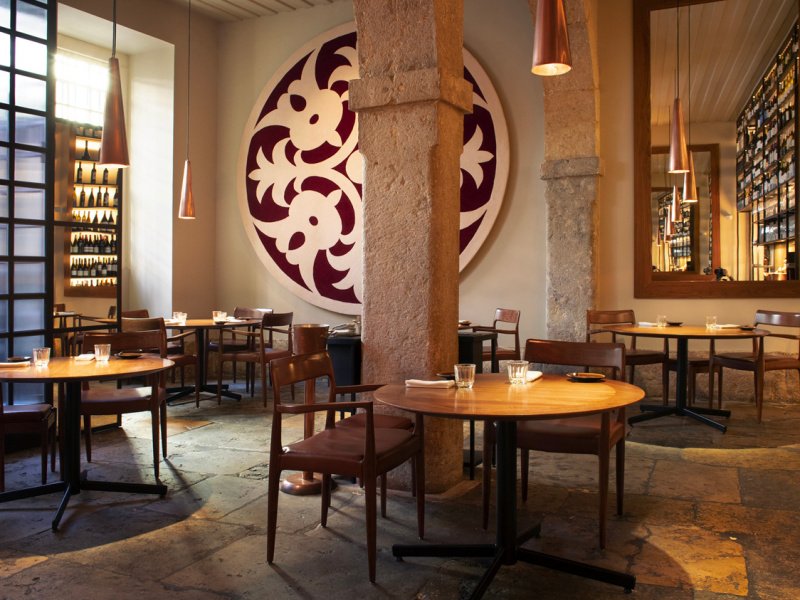
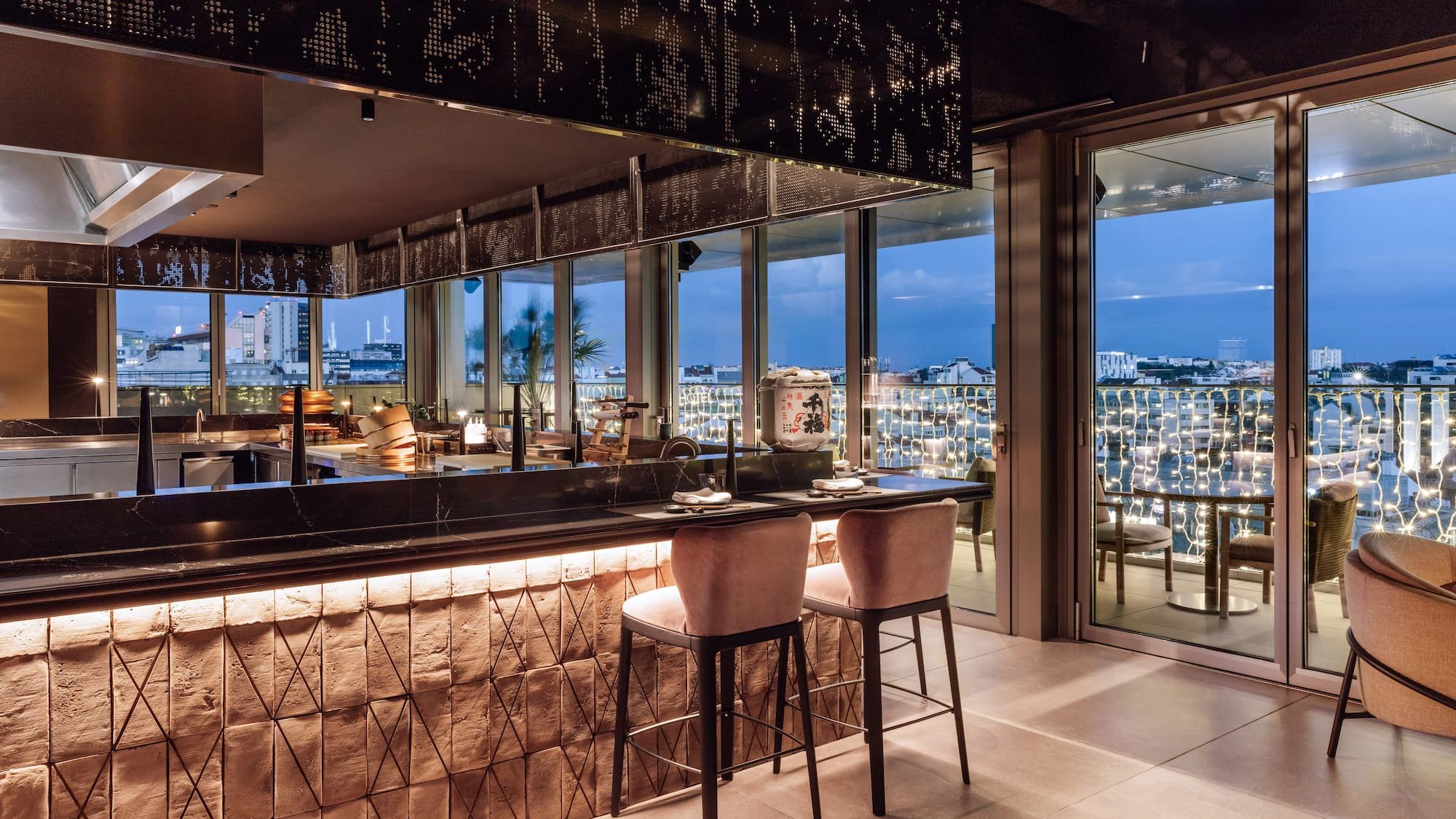
The address is R. Garcia de Orta 71c in Lisbon's Santos neighbourhood, close to the waterfront and the Museu de Arte Antiga. The deliberate aesthetic reference is the informal drinking-and-eating bars of Tokyo, low formality, high focus on what's on the plate. There's no dress code pressure and no theatrical ceremony. What you're paying for is the fish, the technique, and the chef's narration of both.
How to approach Omakase RI across visits
Given the fixed menu format, a first visit covers the full arc of the 15-course progression and gives you a clear read on the kitchen's range. The fish sourcing and seasonal rotation mean that a second visit, timed a few months apart, will differ meaningfully at the ingredient level even if the structural format stays consistent. The saké pairing is worth treating as a variable across visits: if you run through it on the first booking, come back without the pairing and focus exclusively on the food rhythm. Omakase as a format rewards repeat visits more than most, because the progression only fully lands once you know what's coming, the second time, you're tasting rather than orienting.
If you're planning two visits, consider timing the first for a weekday sitting when the room is quieter and the chef has more bandwidth for explanation, and holding the second for a Friday or Saturday when the energy in the 10-seat room shifts. This is a small-format venue where the group dynamic matters. A table of two at the counter will have a different experience from a group of eight filling the room, both are valid, but they're not the same meal.
For context on how this compares to omakase at the highest level internationally, venues like Myojaku in Tokyo and Azabu Kadowaki in Tokyo operate in a different price and credential bracket, but Omakase RI is not trying to replicate that. It's positioning itself as a neighbourhood-scale Japanese counter in a city where that format is genuinely rare.
How Omakase RI fits into Lisbon's Japanese dining scene
Lisbon's Japanese options are limited relative to its overall restaurant depth. Kabuki Lisboa operates at a larger scale with a broader à la carte offering. Kanazawa takes a more traditional Japanese-Portuguese approach. YŌSO covers the contemporary end. Omakase RI is the only dedicated counter-format omakase in the city with Michelin recognition. If you want to eat Japanese in Lisbon with any serious ambition, this is your most targeted option.
Practical details
Reservations: Booking difficulty is rated Easy, but with only 10 seats, advance planning is still advisable, aim for at least one to two weeks ahead for weekends. Budget: €€€ per head; the 15-course menu is a fixed commitment, and a saké pairing will add to the total. Dress: No formal dress requirement, the room is deliberately informal. Getting there: The venue is at R. Garcia de Orta 71c, Santos, Lisbon. Group size: Solo diners and pairs fit the counter format well; the room caps at 10 guests, making it possible to book as a group for a private-feeling dinner without a formal buyout. Contact: Phone and website are not listed, check current booking channels directly.
Worth knowing before you go
Omakase RI is not a conventional restaurant booking. You're committing to the chef's selection before you sit down, and the experience depends on your openness to that format. If you want choice at the table, this isn't the right venue, Kabuki Lisboa gives you a broader menu. If you want a fixed progression with a chef who explains what you're eating and why, Omakase RI is the strongest option in Lisbon at the €€€ level. For broader Lisbon planning, see our full Lisbon restaurants guide, our Lisbon hotels guide, our Lisbon bars guide, our Lisbon wineries guide, and our Lisbon experiences guide. If you're travelling through Portugal more widely, Michelin-starred options elsewhere in the country include Vila Joya in Albufeira, Casa de Chá da Boa Nova in Leça da Palmeira, The Yeatman in Vila Nova de Gaia, Ocean in Porches, Antiqvvm in Porto, and Il Gallo d'Oro in Funchal.
Planning details
- Location
- R. Garcia de Orta 71c, 1200-678 Lisboa, Portugal
- Reservations
- Book on Zenchef
- Website
- omakaseri.com/en
- Phone
- +351 914 094 506
The take
The Take
The Vibe
Omakase RI is a stripped-back, counter-led omakase room that channels the unpretentious side of Tokyo's neighbourhood counters. The ten-seat setup keeps the room compact and conversational: the chef speaks directly to diners, naming each fish and collapsing the distance between kitchen and guest. There's no theatrical plating or lacquered formality here; instead the focus is on precision, sourcing and the flow of courses. The result is an intimate, modern experience that feels cozy and deliberately minimal, a tiny urban spot that prioritizes serious seafood without ostentation.
Best For
This is a place for focused, intimate dining: think quiet date nights, small special occasions and attentive omakase seekers who appreciate single-seat, counter-led service. The ten-seat layout makes it ill-suited to large groups but ideal for one-on-one conversations or solo diners who want direct interaction with the chef. Because the meal is delivered course by course with narration on provenance, it also suits diners who treat dinner as an occasion to learn about fish and technique rather than a quick meal.
Ordering Tips
Booking in advance is essential for the ten-seat capacity, so seats are limited. Expect a counter-only omakase format and plan for a multi-course progression where the chef narrates each fish; guests should be prepared to follow the chef's selection rather than ordering à la carte. Arrive ready for an immersive, sequential dining experience rather than a traditional restaurant meal, and allow time for the full service.
Venue details
Ambiance
Relaxed and informal Tokyo dive bar-inspired atmosphere with great vibes, hip-hop music, and a welcoming, fun energy.
Tags
Vibe
Best For
Experience
At the Table
- Dress Code
- Smart Casual
- Noise Level
- Conversational
- Service Style
- Omakase Bar
- Meal Pacing
- Extended Experience
- Capacity
- Intimate
- Kitchen
- Traditional
- Menu Format
- Omakase, Counter dining
- Drinks Focus
- Sake
Signature Dishes
- salongo with flambéed skin and cold miso broth
- tuna in nori seaweed
Know before you go
Know Before You Go
- Getting there
- R. Garcia de Orta 71c, 1200-678 Lisboa, Portugal
Planning details
Location
R. Garcia de Orta 71c, 1200-678 Lisboa, Portugal · Directions
Recognition and awards
Also consider
Also Consider
- Belcanto: Modern Portugese, Creative, €€€€
- 50 seconds from Martin Berasategui: Progressive Spanish, €€€€
- Loco: Modern Portugese, Modern Cuisine, €€€€
- Feitoria: Modern Cuisine, €€€€
- Grenache: French Contemporary, €€€€
Restaurant context
Omakase RI sits at €€€ in a Lisbon fine-dining scene dominated by €€€€ tasting menus. Belcanto is the city's most credentialed restaurant: 2 Michelin Stars, Modern Portuguese, a longer booking window, and a higher per-head cost. If you want the definitive Lisbon fine-dining experience and price is secondary, Belcanto is the right call. Loco and Feitoria operate in the same €€€€ bracket with Modern Portuguese and Modern Cuisine formats respectively: both more formally structured than Omakase RI and both offering a different national culinary register. If your priority is Portuguese cooking at a serious level, either outranks Omakase RI for that specific purpose.
50 Seconds from Martin Berasategui and Grenache cover Progressive Spanish and French Contemporary at €€€€: both harder to book and more expensive. Omakase RI undercuts all five comparison venues on price while holding its own on credential. The trade-off is format: you're committing to a fixed Japanese progression rather than choosing within a cuisine you may know better.
The practical decision comes down to what you're optimising for. For value at Michelin-recognised level: Omakase RI. For the most decorated Portuguese cooking in Lisbon: Belcanto. For something between formal ceremony and casual dining, with a distinct culinary identity: Omakase RI's informal Tokyo-bar aesthetic fills a gap none of the €€€€ comparison venues occupy.
Around this place
Discover more on Pearl
Unlock the full Omakase RI guide in Pearl, including awards, comparisons, FAQs, planning details, and nearby places.
Compare Omakase RI
| Venue | Awards | Price |
|---|---|---|
| Omakase RI | Michelin Guide Portugal 20262026 Michelin Plate2025 Michelin Plate2024 Michelin Plate | €€€ |
| Belcanto | 2026 OAD Top Restaurants in Europe Ranked · #120Star Wine Lists 20262026 Relais Chateaux RestaurantsMichelin Guide Portugal 20262026 La Liste Top Restaurants2026 Falstaff Restaurant Guide2025 World's 50 Best Restaurants · #422025 OAD Top Restaurants in Europe Ranked · #2512025 La Liste Top Restaurants | €€€€ |
| 50 seconds from Martin Berasategui | Star Wine Lists 20262026 Falstaff Restaurant GuideMichelin Guide Portugal 20262026 OAD Top Restaurants in Europe Recommended2026 Michelin 1 Star2026 La Liste Top Restaurants2025 The Best Chef One Knife2025 Michelin 1 Star2024 OAD Top Restaurants in Europe Ranked · #458 | €€€€ |
| Loco | 2026 Falstaff Restaurant GuideMichelin Guide Portugal 20262026 OAD Top Restaurants in Europe Recommended2025 OAD Top Restaurants in Europe Ranked · #396We're Smart World Top Restaurants 20252025 The Best Chef One Knife2025 Michelin 1 Star2024 OAD Top Restaurants in Europe Ranked · #3622024 Michelin 1 Star | €€€€ |
| Feitoria | 2026 OAD Top Restaurants in Europe Ranked · #142Michelin Guide Portugal 20262026 La Liste Top Restaurants2025 OAD Top Restaurants in Europe Ranked · #1292025 Michelin 1 Star2025 La Liste Top Restaurants2024 OAD Top Restaurants in Europe Ranked · #1572024 Michelin 1 Star2023 OAD Top New Restaurants in Europe Highly Recommended | €€€€ |
| Grenache | Michelin Guide Portugal 20262025 Michelin 1 Star2024 Michelin 1 Star | €€€€ |
.png?width=1200&quality=80)









How Omakase RI stacks up against the competition.
FAQ
Frequently Asked Questions
Is Omakase RI worth the price?
Yes, for what it delivers. At €€€ per head, 15 courses with fish presented and explained by name and origin is a format that justifies the spend: Michelin agreed, awarding a Plate in both 2024 and 2025. The only caveat: this is a fixed menu, so if omakase is not your format, the price will feel harder to defend. For a broader à la carte option at a comparable price tier, Kabuki Lisboa is the closer alternative.
What should I order at Omakase RI?
There is no ordering: the menu is entirely chef-led. Chef William Vargas sets all 15 courses, which include dishes such as salongo with flambéed skin and cold miso broth, and a tuna preparation served in nori. The sake selection is worth attention; lean on the chef's guidance there as part of the experience.
What are alternatives to Omakase RI in Lisbon?
For a fixed tasting menu at a higher price tier with broader European creative range, Loco or Feitoria are the natural comparisons. If the appeal is Japanese specifically, Kabuki Lisboa offers a larger room and à la carte flexibility. Omakase RI's 10-seat counter format and Japanese-Brazilian identity sit in a distinct position: there is nothing else in Lisbon at quite the same scale and focus.
Is Omakase RI good for solo dining?
Yes: arguably the best format for it in Lisbon's Japanese category. A 10-seat counter with an interactive presentation style rewards solo diners who want to engage directly with the kitchen. You will not feel out of place dining alone here the way you might at a conventional table-service restaurant.
Can Omakase RI accommodate groups?
Only in a limited sense. The room holds 10 guests in total, so a group of 6–8 could book out most of the counter, but the format is not designed around group celebration dynamics. For a private-room experience or a larger party, Belcanto or Feitoria are better fits. Omakase RI works for groups of 2–4 who all want the same fixed menu and are comfortable with a shared counter.
Is the tasting menu worth it at Omakase RI?
Yes, if you are committed to the omakase format from the start. The 15-course progression is structured around fish provenance and chef narrative: that is the value proposition. If you want the option to skip courses or order around dietary preferences, this format will not suit you. Michelin Plate recognition two consecutive years confirms the kitchen is executing at a consistent level.
Is Omakase RI good for a special occasion?
Yes, with the right expectations. The room is deliberately relaxed and informal, inspired by Tokyo dive bars, so it reads as a special occasion through food rather than formal atmosphere. Anniversaries or birthday dinners for guests who prioritise the kitchen over ceremony will find it well-suited. For a more traditionally formal special occasion setting, Belcanto or 50 Seconds from Martín Berasategui are the alternatives to consider.