
Restaurant in Tokyo, Japan
Kyuu
290Pearl PointsLight, health-led Chinese at the counter.
.png?width=144&height=144&quality=80)
About Kyuu
A Michelin Plate Chinese restaurant in Nishiazabu built around food-therapy principles: vegetable-forward, oil-restrained, and served live from a counter kitchen. At ¥¥¥ with back-to-back Michelin Plate recognition in 2024 and 2025, it delivers a lighter, more nourishing style of Chinese cooking than most of Tokyo's Chinese dining options at this price tier. Good for solo diners, pairs, and weekday late dinners.
Who Should Book Kyuu — and When
Kyuu is the right call if you are after a late dinner in Nishiazabu that leaves you feeling nourished rather than heavy. This is Chinese cooking shaped by food therapy principles: generous with vegetables, sparing with oil, and built around a nutritional soup that draws umami from dried foods, seafood, and meat before being finished with seasonal fresh ingredients. If you are exploring Tokyo's Chinese dining scene and want something that sits apart from the standard Cantonese or Sichuan formats, Kyuu earns a closer look.
The Counter Kitchen Format
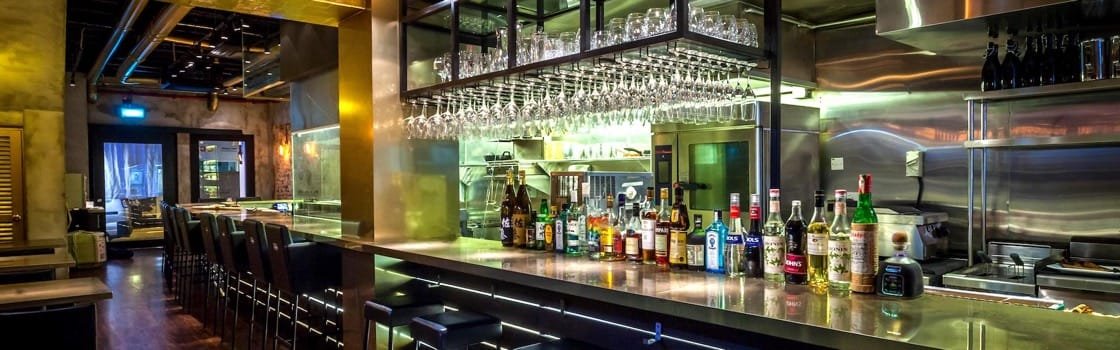
The layout here is a counter kitchen, which means you are seated close to the cooking. Dishes arrive directly from pot and grill, not assembled in a back kitchen and ferried across a dining room. For a solo diner or a pair who wants to watch the work, this format is genuinely engaging. It also makes Kyuu a reasonable late-dinner choice for people who find large, formal dining rooms alienating after a full day of travel or meetings. The counter puts you in the middle of the action rather than at a remove from it.
The culinary philosophy is rooted in Chinese medicinal cooking. The chef holds qualifications as a Chinese food therapist, and that training shapes the menu's structure: each dish is built to fortify rather than to impress on plate weight alone. The result is food that sits lighter than most Chinese restaurant meals at this price point. If you have been working through Tokyo's richer tasting menus across the week, an evening at Kyuu functions almost as a reset. Compare that experience to something like Chugoku Hanten Fureika or Chugoku Hanten Kohakukyu (Amber Palace), both of which operate in Tokyo's Chinese fine dining space but with different emphases. Kyuu's food-therapy angle is genuinely its own territory.
Late-Night and Off-Peak Timing
Nishiazabu is one of Tokyo's more reliable neighbourhoods for late dining, the area supports a strong bar and restaurant culture that runs later than many parts of the city. For the explorer who wants dinner after 9 PM without being rushed to a table turn, this neighbourhood generally accommodates. Kyuu's counter format suits that pace: the food is built around freshness and timing rather than spectacle, which means a later sitting does not compromise the experience the way it might at a restaurant dependent on elaborate plating done earlier in service.
For leading results, aim for a weekday evening. Getting in on a Tuesday or Wednesday gives you more space and probably a less rushed room. Hours are not listed in the available data, so confirm directly with the venue before planning a late arrival.
Price and Value Position
At ¥¥¥, Kyuu sits one tier below the full four-symbol venues that define Tokyo's high-end dining circuit. That is a meaningful distinction for the explorer who wants Michelin-recognised quality without committing to the spend of a RyuGin or Harutaka evening. The food-therapy orientation also means you are not paying for luxury ingredients in the conventional sense, you are paying for restraint and specificity of approach, which is a different kind of value. If that framework appeals, the price tier makes sense. If you want the full spectacle of Tokyo's top-end kaiseki, Kyuu is not the right room.
For context on Tokyo's broader Chinese dining options, Ippei Hanten, itsuka, and Koshikiryori Koki each offer different takes on the category in the city. Pearl's full Tokyo restaurants guide covers the wider field if you are still mapping your itinerary. You may also want to cross-reference our Tokyo hotels guide, Tokyo bars guide, Tokyo wineries guide, and Tokyo experiences guide for the rest of your trip.
Beyond Tokyo
If you are building a Japan itinerary around food, Kyuu's philosophy of ingredient-led, health-conscious cooking sits in an interesting position alongside Japan's broader tradition of seasonal, restorative cuisine. For Osaka, HAJIME operates in a very different register but shares a commitment to considered, philosophy-driven cooking. Gion Sasaki in Kyoto is worth the trip for anyone serious about Japanese culinary craft. akordu in Nara, Goh in Fukuoka, 1000 in Yokohama, and 6 in Okinawa round out a serious Japan dining circuit for the committed explorer.
For international comparison on the Chinese fine dining front, Restaurant Tim Raue in Berlin and Mister Jiu's in San Francisco both approach Chinese cooking through a distinct culinary lens, useful reference points if you are tracking how the category is evolving globally.
Know Before You Go
- Price tier: ¥¥¥
- Cuisine: Chinese (food-therapy focused, medicinal cooking principles)
- Awards: Michelin Plate 2024, Michelin Plate 2025
- Address: Nishiazabu 3-chome, Minato City, Tokyo, ground floor, Palais Royal building
- Booking difficulty:
- Ideal time to visit: Weekday evenings; confirm hours directly as they are not listed publicly
- Format: Counter kitchen, close to the cooking, suited to solo diners and pairs
- Dress code: Not specified; smart casual is a safe assumption for Nishiazabu at this price tier
- Phone/website: Not listed, check third-party booking platforms or contact via the venue address
Frequently Asked Questions
Is Kyuu good for a special occasion?
Yes, but with a specific qualifier: this works for occasions where the tone is intimate and health-conscious rather than celebratory and lavish. The counter kitchen format puts you close to the cooking, which makes the meal feel considered and personal. At ¥¥¥, it is a meaningful spend without tipping into Tokyo's most formal tier — a good fit for a birthday dinner between two people who want something thoughtful, not theatrical.
Can Kyuu accommodate groups?
Counter kitchen layouts are inherently small-group spaces — expect limited flexibility for parties larger than four. If you are planning a group dinner, confirm capacity directly with the venue before building around it. For larger groups in Nishiazabu, the counter format at Kyuu is not the natural starting point.
What should I wear to Kyuu?
The venue data does not specify a dress code, but a Michelin Plate counter restaurant in Nishiazabu at ¥¥¥ pricing typically calls for neat, considered clothing. Avoid overly casual dress; you are sitting directly in front of the kitchen, so the setting is attentive. Business casual or polished casual reads appropriately for this neighbourhood and price tier.
Can I eat at the bar at Kyuu?
The counter kitchen is the dining format here, not a separate bar. Guests are seated at the counter as the primary experience — dishes come directly from pot and grill in front of you. There is no conventional bar seating distinct from the main dining counter.
What are alternatives to Kyuu in Tokyo?
For health-conscious, ingredient-led cooking at a comparable price tier, L'Effervescence in Nishiazabu operates on a similar philosophy of lightness and vegetable focus, though through a French rather than Chinese lens. If you want higher-intensity Chinese cooking without the medicinal framing, the broader Nishiazabu and Hiroo neighbourhoods have options, but few apply a Chinese food therapist's qualification as the basis for the menu the way Kyuu does.
Is the tasting menu worth it at Kyuu?
The menu structure is built around Chinese medicinal cooking principles — generous vegetables, minimal oil, and a 'Nutritional Soup' that anchors the meal in umami from dried foods, seafood, and seasonal ingredients. If that format matches what you are after, the counter kitchen delivery makes the meal feel direct and unfussy. If you want richer, more indulgent Chinese cooking, this is not the right match.
Is Kyuu worth the price?
At ¥¥¥, Kyuu sits below Tokyo's most expensive tier, which makes the Michelin Plate recognition feel like a reasonable signal of quality relative to cost. The value case is strongest if you want cooking that is light and nourishing — you are paying for a specific philosophy, not for luxury trappings. If you want maximum culinary ambition per yen, RyuGin at a higher price point delivers a different order of intensity.
Location
Japan, 〒106-0031 Tokyo, Minato City, Nishiazabu, 3 Chome−23−7 パレロワイヤル 1階
Tokyo, Japan
Compare Kyuu
| Venue | Cuisine | Awards | Booking Difficulty |
|---|---|---|---|
| Kyuu | Chinese | Easy | |
| Harutaka | Sushi | Michelin 3 Star, World's 50 Best | Unknown |
| RyuGin | Kaiseki, Japanese | Michelin 3 Star, World's 50 Best | Unknown |
| L'Effervescence | French | Michelin 3 Star, World's 50 Best | Unknown |
| HOMMAGE | Innovtive French, French | Michelin 2 Star, World's 50 Best | Unknown |
| Florilège | French | Michelin 2 Star, World's 50 Best | Unknown |
Comparing your options in Tokyo for this tier.
Also Consider
- Harutaka, Sushi, ¥¥¥¥
- RyuGin, Kaiseki, Japanese, ¥¥¥¥
- L'Effervescence, French, ¥¥¥¥
- HOMMAGE, Innovtive French, French, ¥¥¥¥
- Florilège, French, ¥¥¥
Kyuu sits at ¥¥¥, one full tier below the comparison set in terms of price. Harutaka, RyuGin, L'Effervescence, and HOMMAGE all operate at ¥¥¥¥, which means committing to a significantly higher spend per head. If your priority is Michelin-starred ceremony and a long, wine-paired tasting menu, those rooms deliver that. Kyuu does not compete on spectacle, it competes on specificity. The food-therapy philosophy and counter kitchen format are genuinely its own, and the back-to-back Michelin Plates signal that the approach is credible, not gimmicky.
Against Florilège, the one ¥¥¥ peer in this set, the comparison is less about price and more about what kind of evening you want. Florilège is creative French cooking with strong environmental credentials and a harder table to get; Kyuu is Chinese food-therapy cooking in a more intimate counter format that is easier to book. If you are undecided between French and Chinese at this price tier, the question is whether you want a more formal tasting structure (Florilège) or a counter experience with lighter, more restorative food (Kyuu).
The clearest recommendation: if budget is the deciding factor and you still want Michelin-recognised cooking in Tokyo, Kyuu and Florilège are the two rooms to look at in this comparison set. If budget is not the constraint and you want RyuGin-level kaiseki or the precision sushi of Harutaka, those rooms justify their price but require more advance planning and a larger outlay. Kyuu is the right call for the diner who wants something considered and distinct without clearing the highest bar of Tokyo's fine dining spend.
Recognized By

Explore Tokyo
Save or rate Kyuu on Pearl
Keep this venue in your Pearl passport, rate it after you visit, and track it alongside every other place you collect.