
Tozentei
Japanese · Kita, Kyoto
Restaurant in Kyoto, Japan
 Book with Pearl
The Read
Neighbourhood-Root Kaiseki
Price
¥¥¥
Dress
Smart Casual
Why go
Tozentei holds a Michelin 1 Star (2024) and in Kyoto's Kita Ward, close to Kitano Tenmangu. At ¥¥¥ pricing it sits below most Kyoto fine dining rivals in cost but not in quality, making it one of the stronger value cases in the city for a serious food traveller. Book well ahead; this is a hard reservation, especially without Japanese-language support.
About Tozentei
A family restaurant in Kita Ward that earned its Michelin star the quiet way
The Michelin 1 Star (2024) confirms what regulars already knew: this is a kitchen operating at a level that rewards the effort of finding it. If you are the kind of traveller who cross-references Google averages with critical recognition before booking, this combination should settle the question.
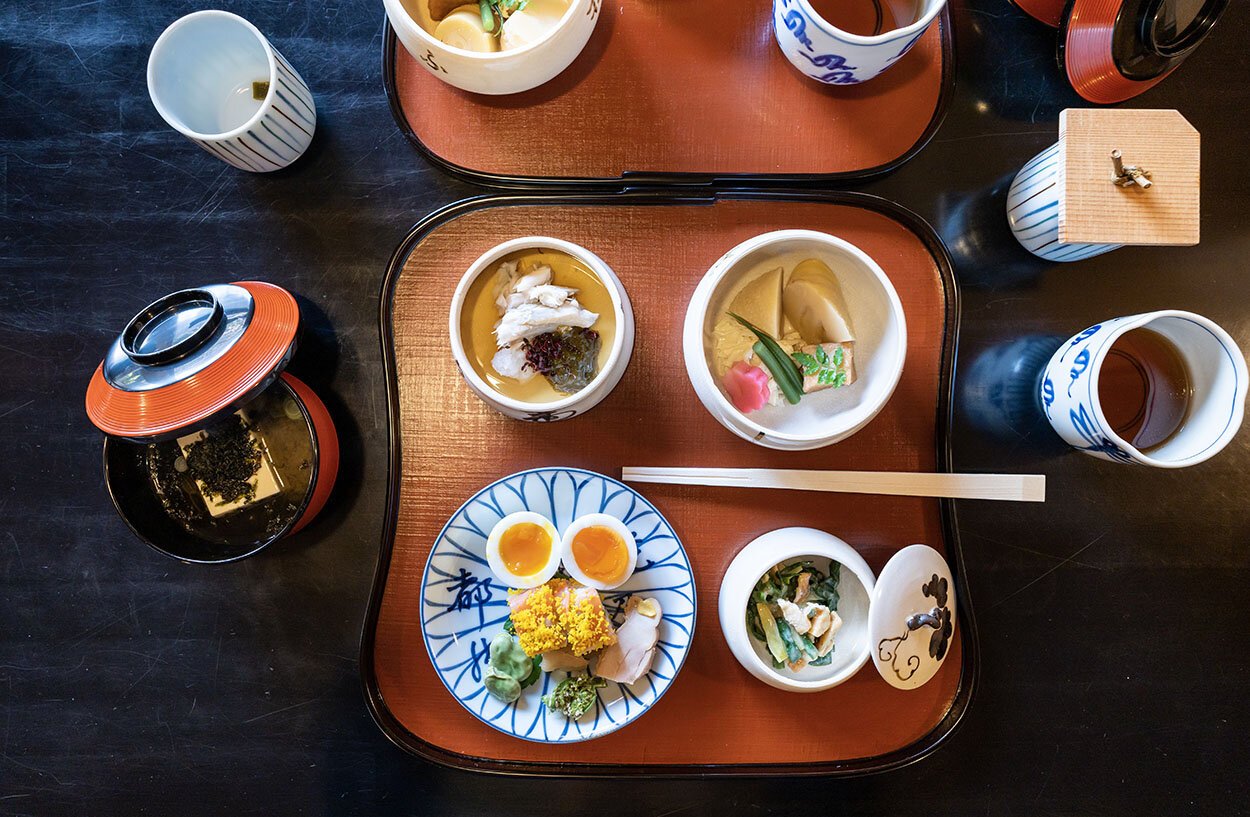
The restaurant sits close to Kitano Tenmangu, the shrine associated with Sugawara no Michizane, the poet and statesman whose devotion to plum blossoms made the trees a symbol of the site. That proximity is not incidental. Tilefish steamed with plums and kombu; one of the dishes the Michelin inspectors specifically note; draws a direct line between the kitchen's sourcing instincts and the immediate geography. The tartness of dried plums pulling against the clean flavour of the fish flesh is a pairing that makes sense the moment you understand where you are. For a food-focused traveller, that kind of embedded logic is worth seeking out.
The name Tozentei carries its own signal. Drawn from a fictitious restaurant in a novel, it takes 'tozen' from the Japanese for tipsy: a state of being pleasantly, slightly under the influence. The framing matters because it sets the register clearly. This is not a temple of kaiseki formality. The atmosphere is described as having the warmth of a cheerful TV drama, the kind of family-run intimacy that larger, more architecturally serious rooms rarely achieve. For an explorer-type diner, that distinction between technically rigorous and socially warm is often the deciding factor.
The private and group experience at Tozentei
Database record does not confirm a dedicated private dining room, Pearl's hallucination rules prevent any speculation on seat count or room configurations. What the record does establish is the family-run character of the operation and the literary, domestic warmth that defines the atmosphere. In practice, that kind of environment tends to favour smaller parties over large groups: the intimacy scales down better than it scales up. If you are booking for a special occasion with two to four people, the setting works strongly in your favour. If you are coordinating a group of eight or more expecting private room infrastructure, contact the venue directly before committing, as smaller family-run restaurants in Kita Ward are rarely configured for large group separations. For comparison, venues like Kyokaiseki Kichisen operate at a scale that more reliably accommodates formal group dining with private room options.
Booking and timing
Booking difficulty is rated Hard. For a one-Michelin-star family restaurant with a 4.9 average and no English-language website in the database, that rating reflects a combination of limited seats, no walk-in culture at this level, a language barrier that makes last-minute access difficult for international visitors. Book as far ahead as your travel dates allow. If you are visiting Kyoto in spring during plum blossom season near Kitano Tenmangu, demand around this neighbourhood rises and early reservation becomes more pressing. Consider using a concierge service or hotel reservation desk fluent in Japanese if you are not booking in Japanese. Venues like Kikunoi Roan have more established English booking infrastructure if access is a concern, but the trade-off is a busier, less personal room. For travellers who want to understand the full Kyoto dining picture before committing, our full Kyoto restaurants guide covers the options across price points and booking difficulty.
Price and value
Tozentei is priced at ¥¥¥ on Pearl's scale, which in the context of Kyoto's fine Japanese dining scene means it sits below the ¥¥¥¥ tier occupied by venues like Gion Matayoshi, Isshisoden Nakamura, and Kodaiji Jugyuan. A Michelin 1 Star at ¥¥¥ pricing is a strong value signal: you are paying below the top tier for recognised technical quality in a setting that most ¥¥¥¥ rooms cannot replicate. That trade-off, lower price for higher intimacy and comparable recognition, is the core argument for booking here over more prestigious but colder alternatives. If you are a serious food traveller who values the texture of a family-run room as much as the plate, the value case at Tozentei is clear.
Comparing Kyoto options and Japan more broadly
For travellers building a Japan itinerary around dining, Tozentei sits in a different register from high-profile city restaurants like Harutaka in Tokyo, HAJIME in Osaka, or Goh in Fukuoka. Those are destination restaurants with international recognition built over decades. Tozentei is a neighbourhood star in the truest sense: locally rooted, geographically embedded, harder to access precisely because it is not built for international traffic. That is the argument for including it on a multi-city Japan trip. For other off-the-beaten-path dining experiences in Japan, akordu in Nara, 1000 in Yokohama, and 6 in Okinawa each offer a version of the same logic: regional specificity at a level the major city circuit does not always reach. Tokyo diners seeking a comparable neighbourhood intimacy should look at Myojaku or Azabu Kadowaki as reference points for the register, even if the format differs. Travellers planning time around Kyoto should also consult our Kyoto hotels guide, our Kyoto bars guide, our Kyoto wineries guide, and our Kyoto experiences guide for a complete picture of the city.
Quick reference:
Planning details
- Location
- Japan, 〒603-8342 Kyoto, Kita Ward, Kita-ku, 小松原南町 31ー1
- Website
- kyototozentei.com
- Phone
- +81 75-461-7866
The take
The Take
The Vibe
Tozentei sits quietly in Kita Ward, drawing its character from a neighborhood of plum trees, family-run kitchens and local regulars. The dining room leans into restraint rather than spectacle: dishes reference the immediate landscape, with plum acting as a recurring flavour marker and seasonal signpost. The kitchen’s focus on place gives the restaurant a calm, considered personality—measured service, ingredient-led plates and a strong sense of local continuity. Proximity to Kitano Tenmangu and the area’s residential rhythm make the experience feel tucked away from Kyoto’s flashier kaiseki corridors.
Best For
This is a restaurant for diners who prize ingredient provenance and a quiet, focused meal. Positioned in the one-star Japanese tier at a ¥¥¥ price point, Tozentei suits those seeking formally composed, seasonally minded dishes rather than theatrical tasting menus. It works especially well for attentive diners at dinner who want a local, place-driven experience—people who appreciate subtlety, the recurring plum motif and preparations that foreground regional seafood and wagyu. The kitchen’s sourcing logic and understated setting reward repeat visits and careful tasting.
Ordering Tips
Look for preparations that underscore the restaurant’s plum-forward sourcing: the steamed horsehead tilefish in pickled plum and kombu broth and the fish soup with plum are central expressions of that theme. Other signature items to seek out include the salt-baked Isami Wagyu, silky chawanmushi and the tuna-and-uni hand roll. Because the menu emphasises local, seasonal ingredients and sourcing, ask about daily or seasonal highlights and let the kitchen’s recommendations guide your choices rather than chasing broad, global trends.
Venue details
Ambiance
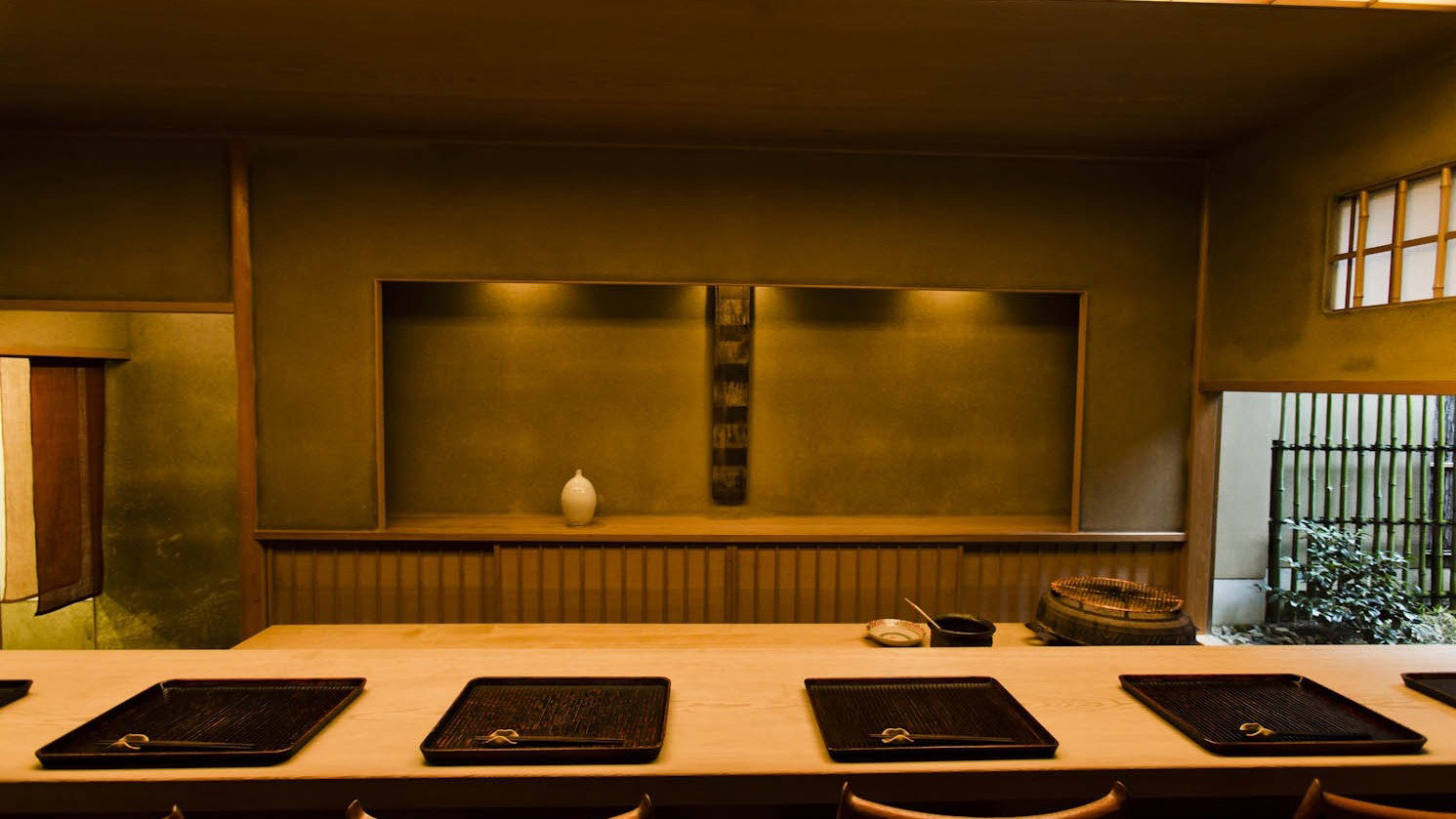
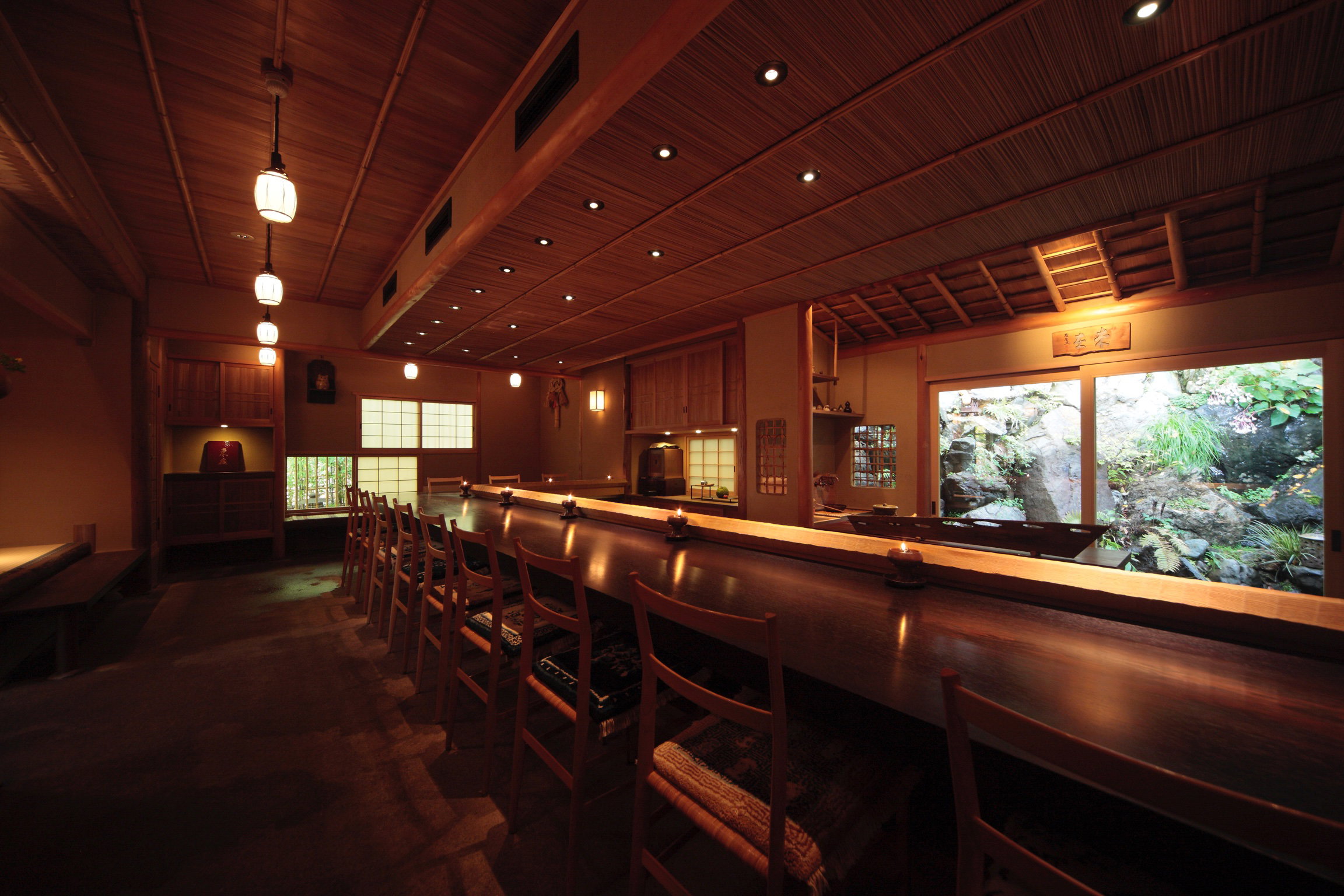
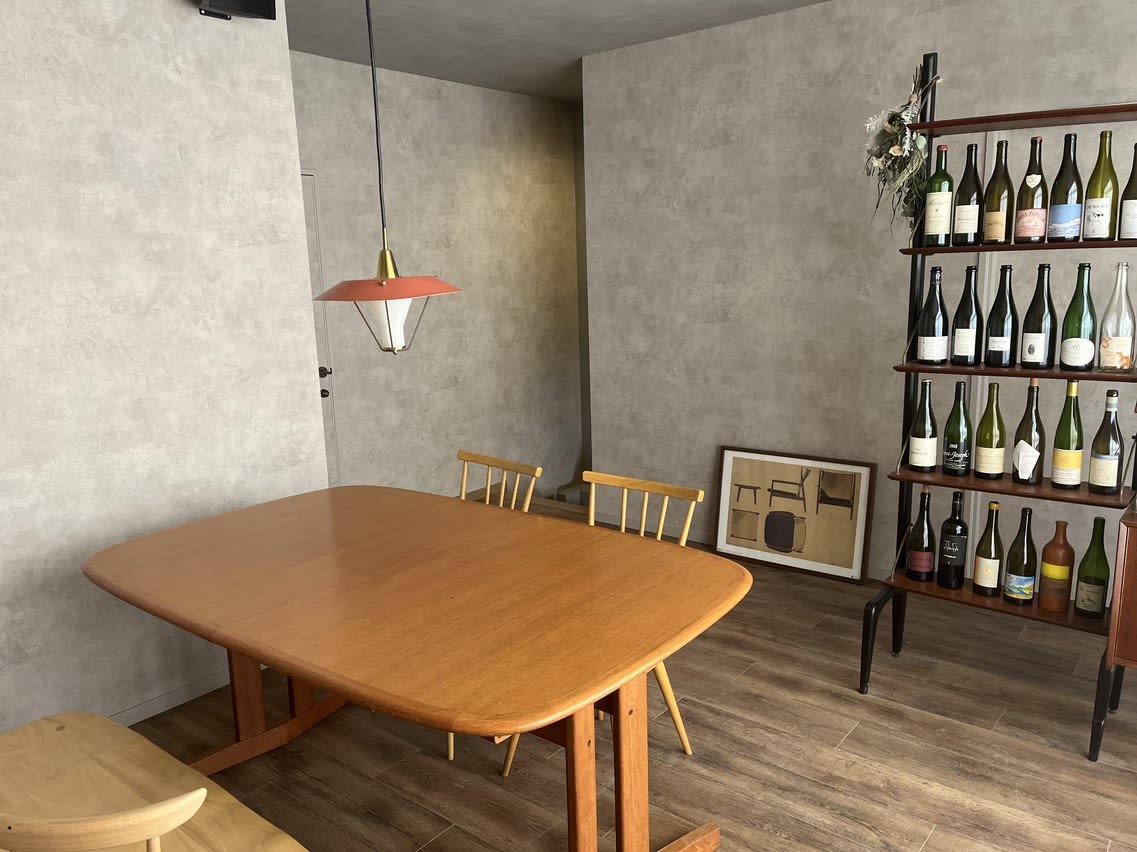
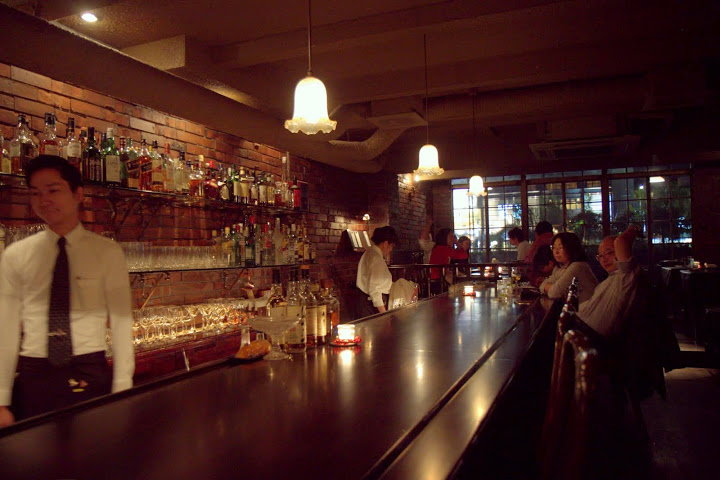
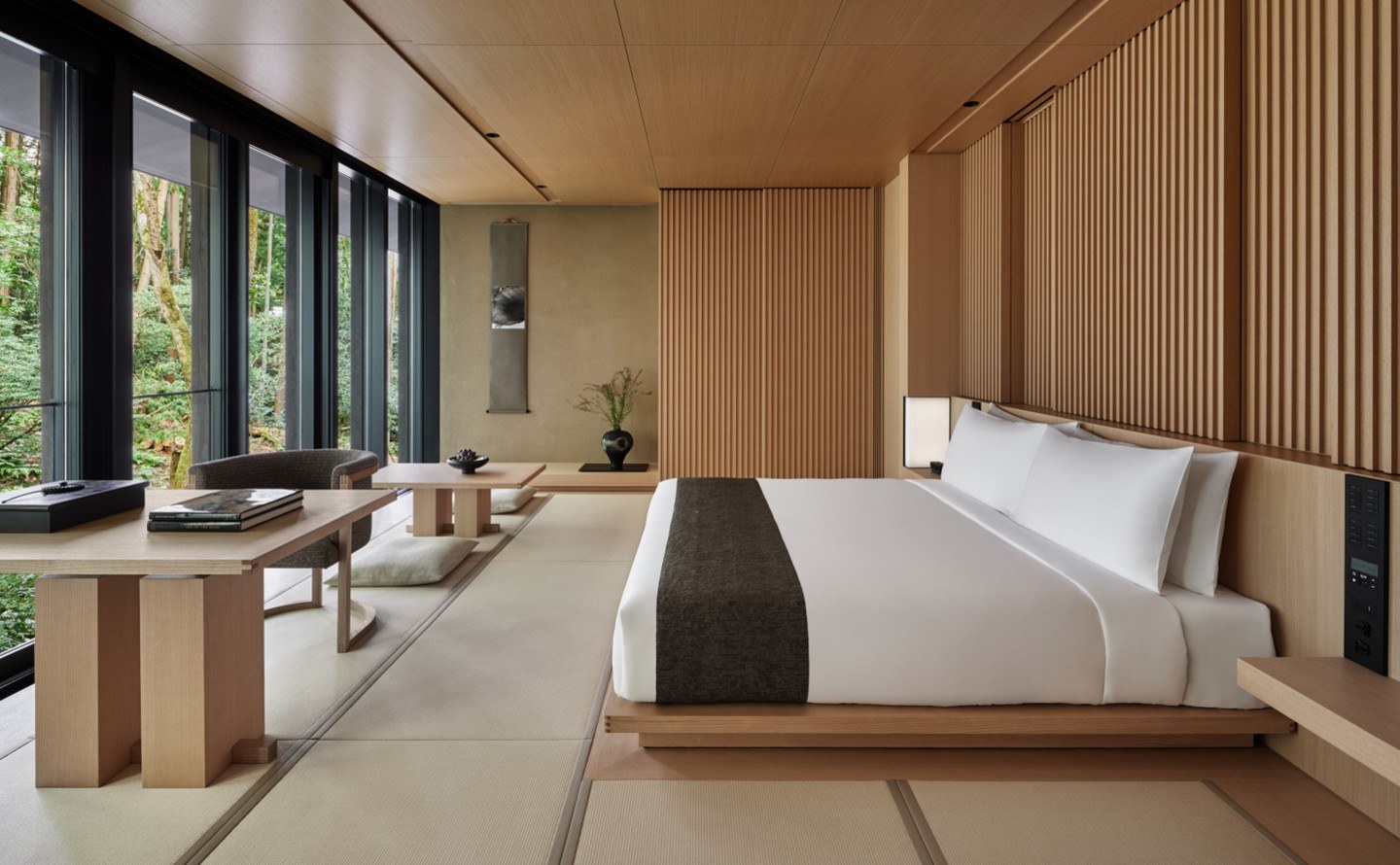
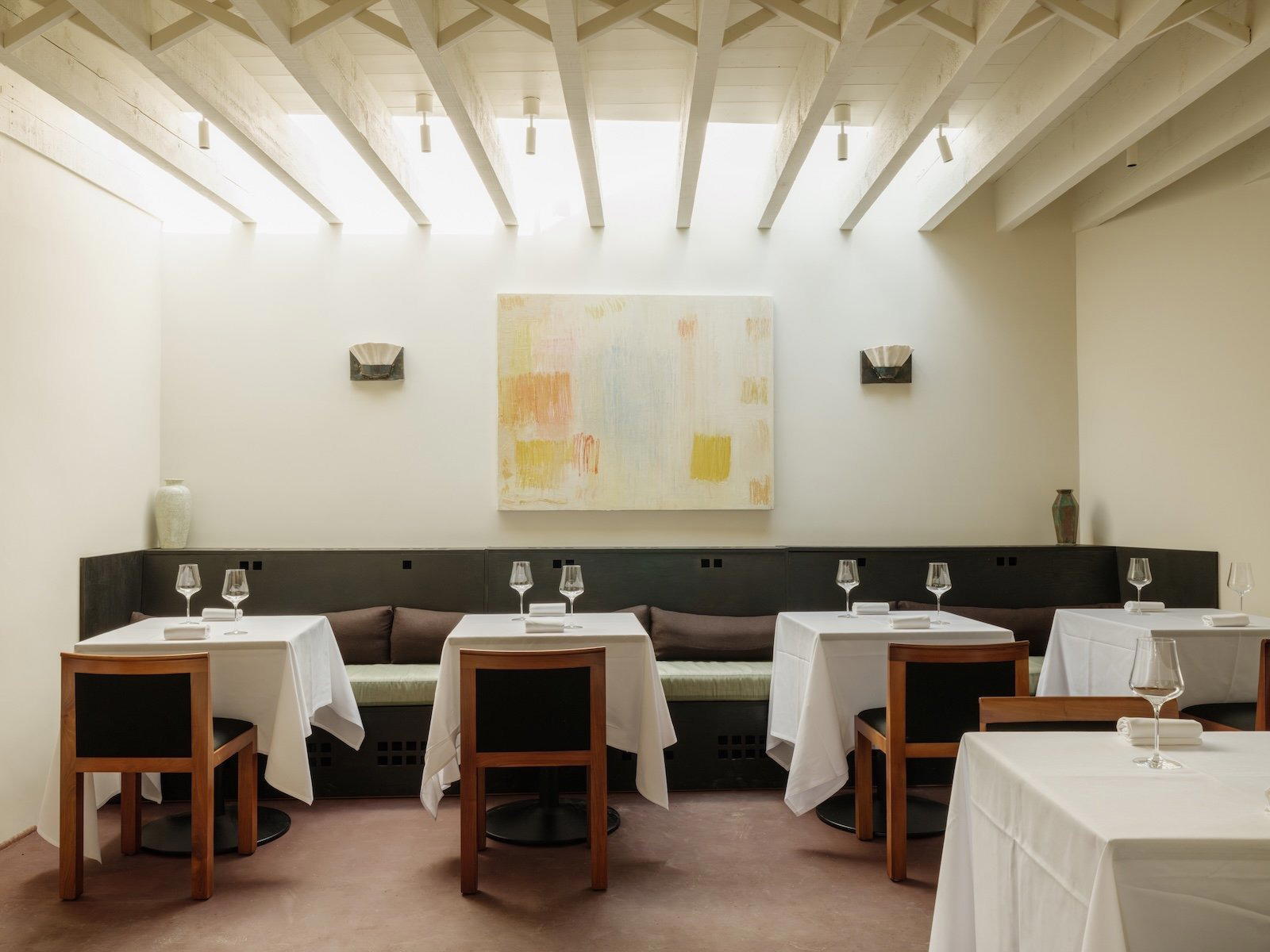
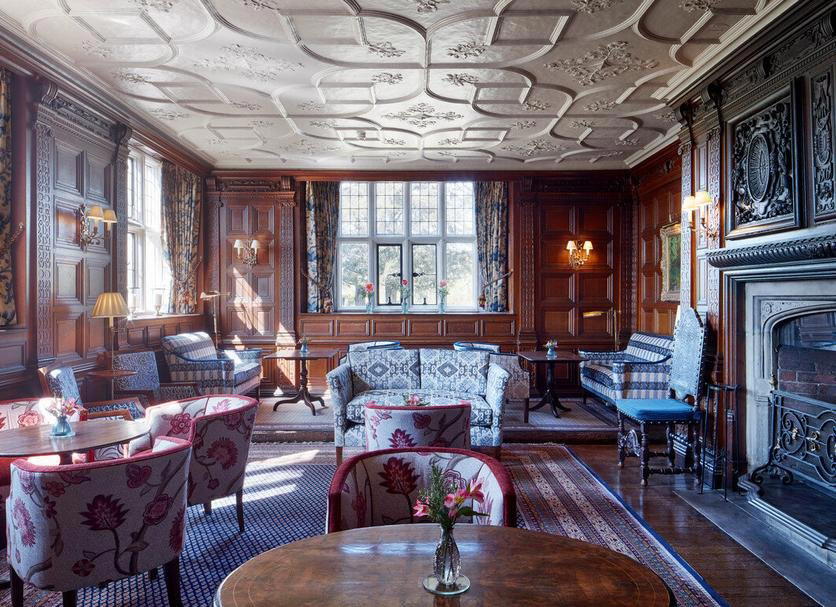
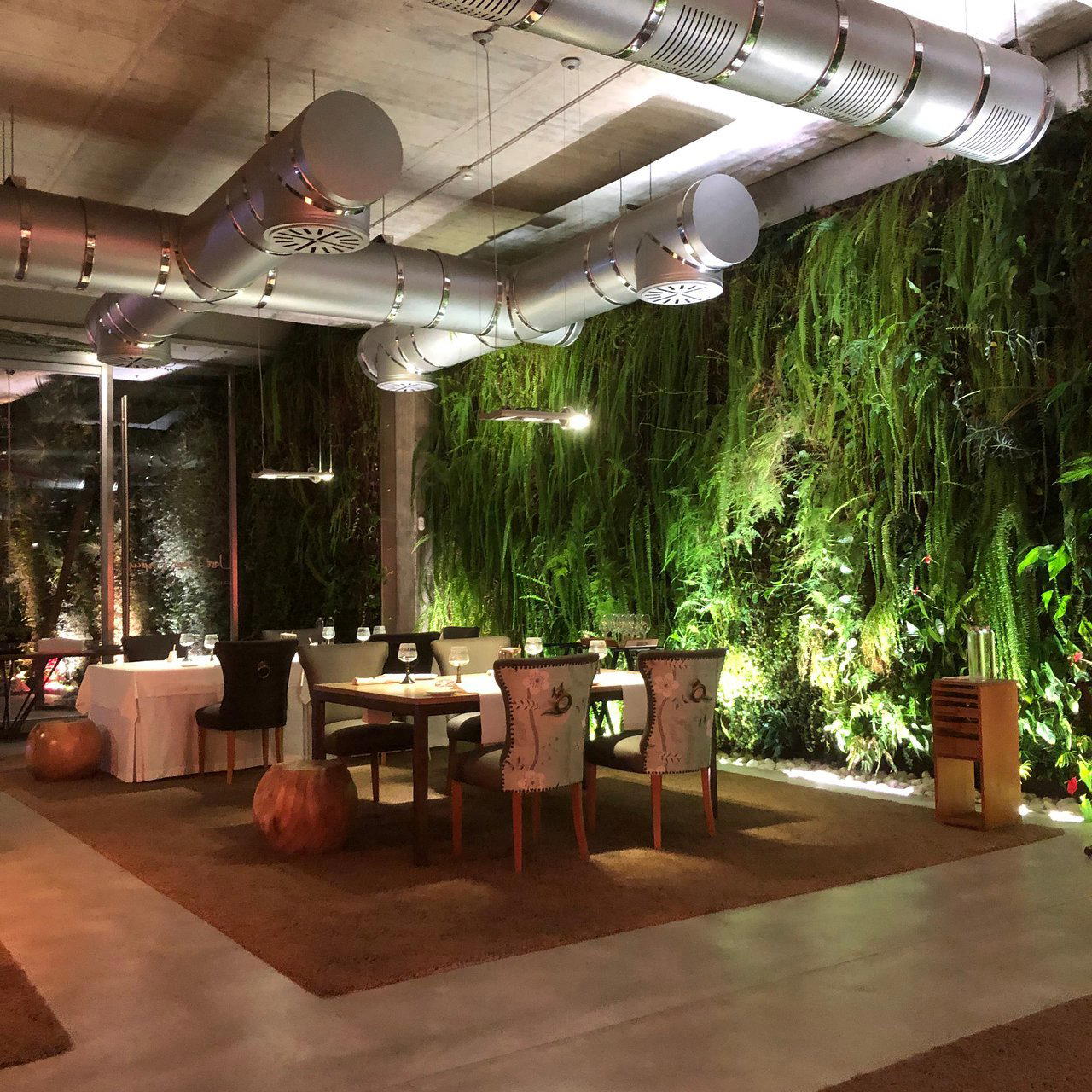
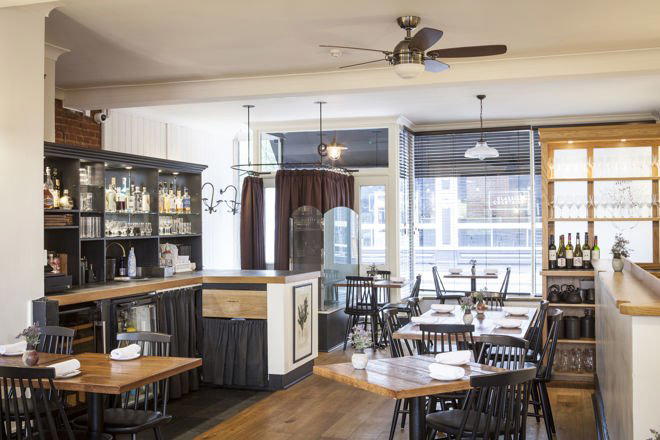
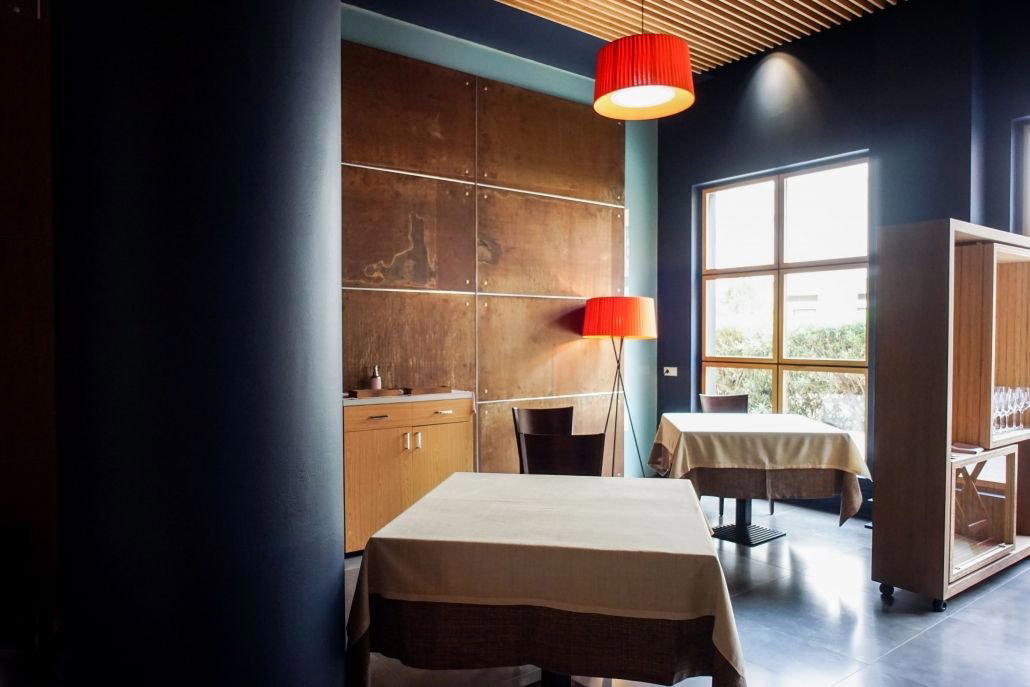
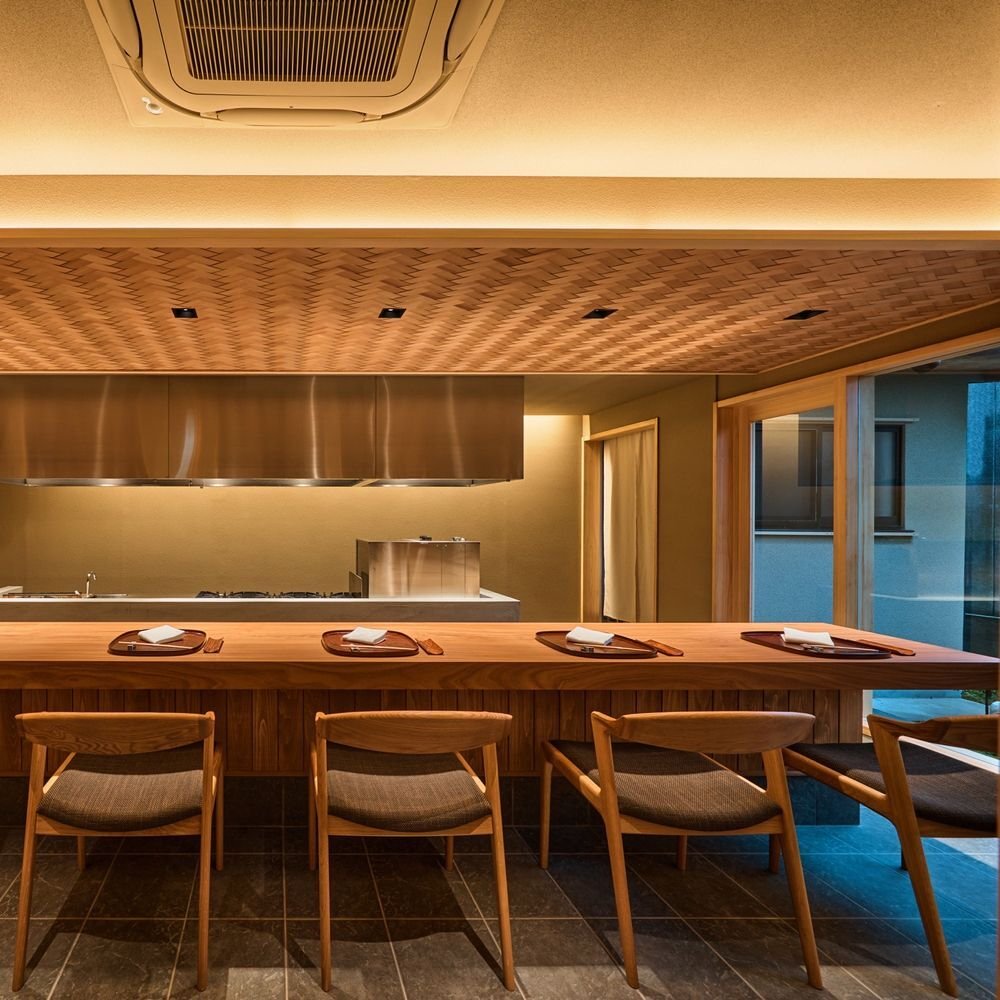
Intimate eight-seat counter in a renovated traditional Kyoto townhouse with tatami rooms, garden views, and dim lighting that creates a serene, cultural atmosphere.
Tags
Vibe
Best For
Experience
Sourcing
View
At the Table
- Dress Code
- Smart Casual
- Noise Level
- Quiet
- Service Style
- Formal
- Meal Pacing
- Extended Experience
- Capacity
- Intimate
Signature Dishes
- steamed horsehead tilefish in pickled plum and kombu broth
- salt-baked Isami Wagyu
- chawanmushi
- tuna and uni hand roll
- fish soup with plum
Planning details
Location
Recognition and awards
Also consider
Also Consider
- Gion Sasaki; Kaiseki, Japanese, ¥¥¥¥
- cenci; Italian, ¥¥¥
- Ifuki; Kaiseki, ¥¥¥¥
- Kyokaiseki Kichisen; Japanese, ¥¥¥¥
- SEN; French, Japanese, ¥¥¥¥
Restaurant context
Tozentei at ¥¥¥ is the value case in this comparison set. Every peer venue here, Gion Sasaki, Ifuki, Kyokaiseki Kichisen, and SEN, operates at ¥¥¥¥. If your priority is Michelin-recognised quality without paying the top tier, Tozentei is the clearest answer in Kyoto right now. The trade-off is access: no English website, hard booking, a neighbourhood location in Kita Ward that requires deliberate effort to reach. That friction filters the room in ways that often improve the experience for those who do make it.
For formal kaiseki at scale, Gion Sasaki and Kyokaiseki Kichisen both operate with more established infrastructure for international diners, including group dining capacity and English-friendly booking channels. If you are coordinating a group occasion or need certainty around dietary accommodation, those venues carry less operational risk. Ifuki sits in a similar formal kaiseki register and suits diners who want the ceremony of a traditional multi-course progression. cenci at ¥¥¥ is the most direct price-tier peer, but it is Italian-influenced rather than Japanese, which makes the comparison more about budget than format: book cenci if you want European technique in a Kyoto setting, book Tozentei if you want local Japanese cooking with verifiable critical recognition.
SEN at ¥¥¥¥ merges French and Japanese influences and suits diners who want a contemporary hybrid experience rather than a traditional one. If regional specificity and a sense of place matter to you, Tozentei delivers that more directly than SEN's cross-cultural format. The short verdict: Tozentei is the booking for the food traveller who wants Michelin quality, genuine neighbourhood character, a price point that the rest of this list cannot match. Book Gion Sasaki or Kyokaiseki Kichisen if you need the formal structure or group-dining certainty. Book cenci if you want ¥¥¥ pricing with Italian-influenced cooking instead.
Explore Kyoto
Around this place
Discover more on Pearl
Unlock the full Tozentei guide in Pearl, including awards, comparisons, FAQs, planning details, and nearby places.
Compare Tozentei
| Venue | Price | Awards |
|---|---|---|
| Tozentei | ¥¥¥ | Michelin Guide Kyoto Osaka 20262026 Michelin 1 Star2024 Michelin 1 Star |
| Gion Sasaki | ¥¥¥¥ | 2026 Tabelog Bronze · #3862026 OAD Top Restaurants in Japan RecommendedMichelin Guide Kyoto Osaka 20262026 La Liste Top RestaurantsTabelog 100 - Japanese cuisine - WEST - 2025 · #132025 OAD Top Restaurants in Japan Ranked · #2462025 Tabelog Silver2025 Michelin 3 Stars2025 La Liste Top Restaurants |
| cenci | ¥¥¥ | 2026 Tabelog Bronze · #442026 Asia's 50 Best Restaurants · #762026 OAD Top Restaurants in Japan Highly RecommendedMichelin Guide Kyoto Osaka 2026Tabelog 100 - Italian - WEST - 2025 · #632025 Asia's 50 Best Restaurants · #632025 OAD Top Restaurants in Japan Ranked · #1682025 Tabelog Bronze2024 OAD Top Restaurants in Japan Ranked · #135 |
| Ifuki | ¥¥¥¥ | 2026 OAD Top Restaurants in Japan Ranked · #1222026 Tabelog Bronze · #128Michelin Guide Kyoto Osaka 20262026 La Liste Top RestaurantsTabelog 100 - Japanese cuisine - WEST - 2025 · #622025 OAD Top Restaurants in Japan Ranked · #1002025 La Liste Top Restaurants2025 Tabelog Bronze2025 Michelin 2 Stars |
| Kyokaiseki Kichisen | ¥¥¥¥ | 2026 Tabelog Bronze · #1752026 OAD Top Restaurants in Japan Highly RecommendedMichelin Guide Kyoto Osaka 20262025 OAD Top Restaurants in Japan Ranked · #1862025 Michelin 2 Stars2025 La Liste Top Restaurants2024 OAD Top Restaurants in Japan Ranked · #1422024 Michelin 2 Stars2023 OAD Top Restaurants in Japan Ranked · #136 |
| SEN | ¥¥¥¥ | 2026 Tabelog Bronze · #3952026 OAD Top Restaurants in Japan RecommendedMichelin Guide Kyoto Osaka 20262026 Michelin PlateTabelog 100 - Japanese cuisine - WEST - 2025 · #652025 Michelin Plate2025 Tabelog Bronze2024 OAD Top Restaurants in Japan Ranked · #3622024 Michelin Plate |







.png?width=1200&quality=80)
Side-by-side comparison to help you decide where to book.
FAQ
Frequently Asked Questions
Is Tozentei good for solo dining?
Yes, it may suit solo diners better than groups. The family-run format and its roots as an intimate neighbourhood restaurant in Kita Ward suggest counter or small-table seating rather than large-group configurations. At ¥¥¥, the price point is manageable for a solo Michelin-starred meal in Kyoto, the warm, drama-like atmosphere the restaurant cultivates makes solo visits feel less formal than at larger tasting-menu venues.
Is the tasting menu worth it at Tozentei?
The signature preparation; tilefish steamed with plums and kombu, drawing on the plum-tree heritage of nearby Tenmangu shrine; reflects a kitchen that thinks about place and ingredient together, not just technique. For the price tier, that's a better value argument than most ¥¥¥ options in Kyoto's central corridors.
Does Tozentei handle dietary restrictions?
The database record does not include a confirmed dietary policy for Tozentei, given the absence of an English-language website, communicating restrictions in advance through a Japanese-speaking intermediary or hotel concierge is advisable. For a family-run kitchen at this level, spontaneous substitutions mid-service are unlikely to go smoothly; flag requirements at the time of booking, not on arrival.
Is Tozentei good for a special occasion?
Yes, with the right expectations. The name itself translates to a state of comfortable pleasure in food and drink, the family-run setup is described as warm and immersive rather than ceremonially stiff; closer to a meaningful dinner with context than a formal occasion restaurant. The Michelin star (2024) provides the credibility, the ¥¥¥ price range means you're not paying the ¥¥¥¥ premium of Kichisen for the occasion. Good fit for a birthday or anniversary where atmosphere matters as much as prestige.
What are alternatives to Tozentei in Kyoto?
For a step up in formality and price, Kyokaiseki Kichisen is Kyoto's three-Michelin-star kaiseki benchmark; worth it if ceremony and setting are the priority, but at a significantly higher cost. Gion Sasaki and Ifuki are strong one-star alternatives in more central Kyoto locations, which may be easier to book for visitors without a Japanese-language contact. Cenci offers a Western-inflected tasting menu for diners who want a different format entirely. SEN works if you want Kyoto-calibre cooking at a lower price point.
What should I order at Tozentei?
The tilefish steamed with plums and kombu is the one dish the Michelin documentation singles out, it has a direct connection to the neighbourhood; Tozentei sits near Tenmangu, the shrine associated with Sugawara no Michizane and its famous plum trees. Order it if it's on the menu. Beyond that, the kitchen is family-run and the menu reflects seasonal Japanese cooking, so follow the chef's direction rather than arriving with a fixed list.