
Oryori Mashita
Japanese · Higashiyama, Kyoto
Restaurant in Kyoto, Japan
 Book with Pearl
The Read
Festival-Calendar Kaiseki
Price
¥¥¥
Dress
Smart Casual
Why go
A Michelin one-star seasonal Japanese restaurant on Gion's cobblestoned Kitagawa strip, Oryori Mashita ties its menu to Japan's ceremonial calendar and changes tableware with the seasons. At ¥¥¥, it is one of the more accessible starred rooms in Kyoto; a full price tier below the kaiseki heavyweights. Book four to six weeks out for dinner; lunch is slightly easier to secure and no less considered.
About Oryori Mashita
Book the lunch sitting first; it's your leading shot at a table
If you've been to Oryori Mashita once and want to return, start with a lunch booking rather than dinner. Lunch sittings at Michelin-starred kaiseki restaurants along Gion's Kitagawa strip tend to have slightly more availability than dinner, Mashita; with its small, intimate format, is no exception to this pattern in Kyoto. For first-timers or returning guests unable to secure a dinner reservation, lunch is not a compromise: the kitchen's commitment to seasonal ingredients applies equally across both services. What changes is the pace and the price tier within the ¥¥¥ bracket.
What you're deciding
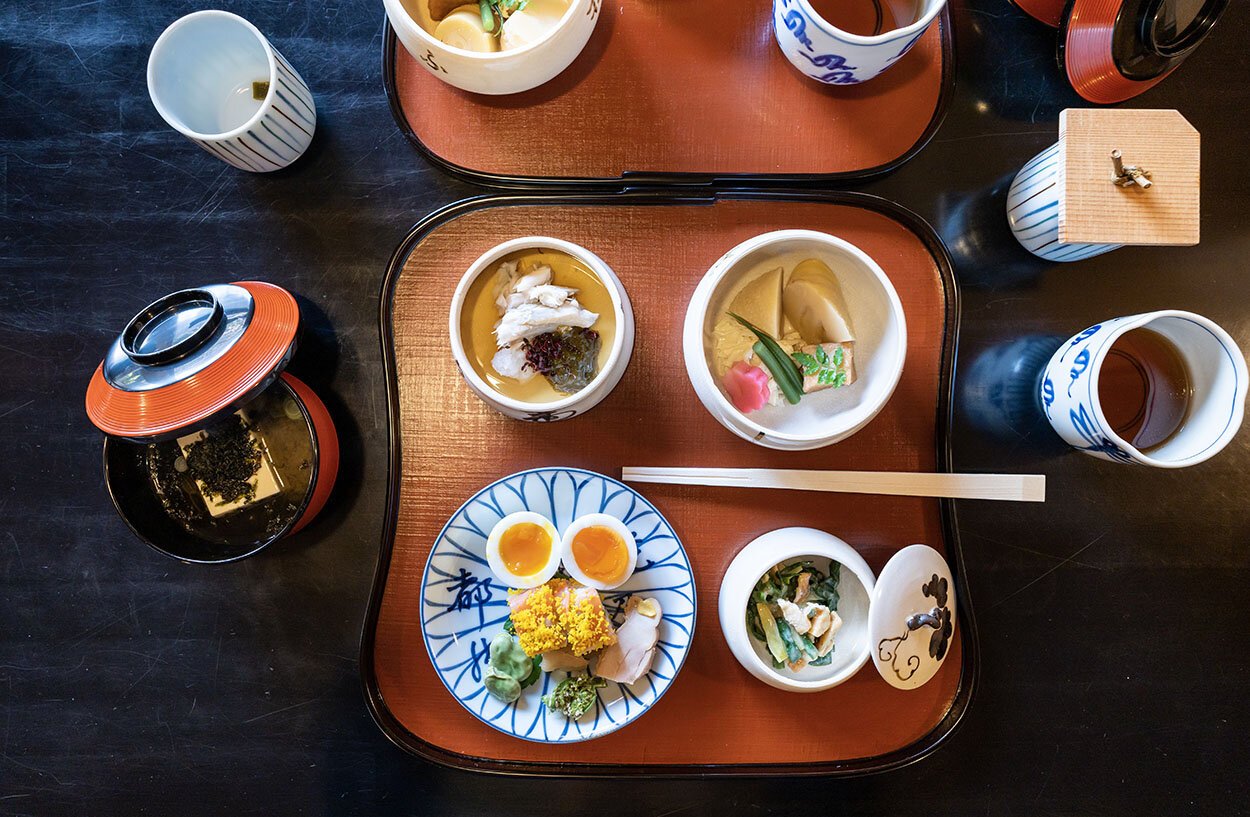
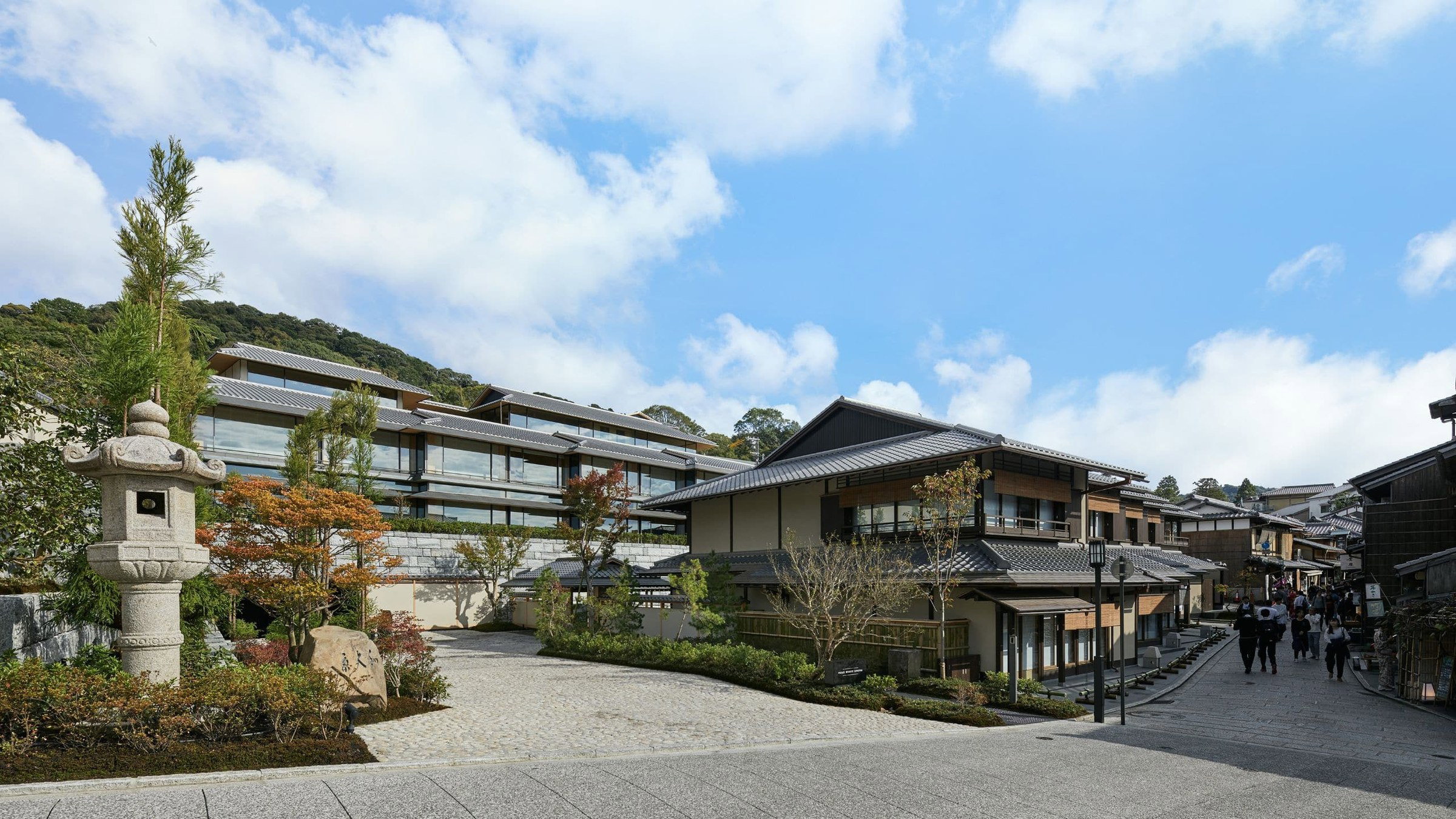
Oryori Mashita holds a Michelin one-star (2024) and sits on the cobblestoned stretch of Gionmachi Kitagawa in Higashiyama Ward, one of the most visited corridors in Kyoto. The approach is deliberate: a small shop curtain signals the entrance, the noise of the Gion shopping street drops behind you, the room's visual language is structured around seasonality. The dining-ware changes with the ingredients; both are chosen to reflect Japan's ceremonial calendar. That combination of tableware, seasonal produce, the ritual framing of each course is the thing Mashita does that a ¥¥¥ all-day restaurant does not.
At the ¥¥¥ price point, this is one of the more accessible Michelin-starred Japanese dining rooms in Kyoto, sitting a full price tier below kaiseki heavyweights like Kyokaiseki Kichisen and Kikunoi Roan.
Lunch vs dinner: where the value difference sits
The editorial angle here matters for your decision. At a venue like Mashita, where the menu is built around Japan's festivals and ceremonial seasons, both lunch and dinner draw from the same seasonal logic. Dinner is the fuller, more extended expression of that, more courses, longer pacing, a deeper arc from appetiser to tea. Lunch is condensed but not diminished: the kitchen's sourcing and presentation standards don't shift, the tableware selection remains part of the experience at both services.
The practical case for lunch: it's easier to book, fits a Gion afternoon itinerary without requiring the evening, leaves you positioned to walk the Kitagawa cobblestones before the crowds return at dusk. If you've done dinner at Mashita and want to return, consider whether a lunch visit during a different season would show you a meaningfully different menu. Given that the kitchen ties its dishes directly to Japan's ceremonial calendar, a winter lunch and an autumn dinner are not the same meal.
For returning guests specifically: come back in a different season rather than the same one. The seasonal rotation is the reason to return, not a new dish within a fixed menu.
The Gion setting and what it means practically
The address, 246 Gionmachi Kitagawa, puts Mashita in the heart of Higashiyama Ward's most photographed stretch. Visually, the arrival experience is part of the meal: the noren curtain, water-sprinkled cobblestones, the immediate quiet once you step through. This is not incidental to what Mashita is doing; the transition from street noise to stillness is intentional. For guests already exploring the Gion area, this is one of the more logical restaurant choices in terms of position: you are already here.
That said, the location also means foot traffic and competition for tables from international visitors are both high. Booking difficulty is rated hard. Do not arrive expecting a walk-in to succeed.
Booking and logistics
Reservation lead times for one-star restaurants in Gion typically run four to eight weeks for dinner, sometimes shorter for lunch. No booking method or phone number is listed in our current data; the most reliable approach for international visitors is to use a hotel concierge in Kyoto, or a reservation service that handles Japanese-language bookings directly. Do not leave this until arrival.
Where Mashita fits in your Kyoto restaurant plan
If you are building a multi-day Kyoto itinerary, Mashita fits most naturally as a mid-range splurge anchoring a Gion afternoon or evening. It is not the right venue for a quick meal between temple visits, it is not trying to be. For context on how it sits relative to the broader Kyoto scene, see our full Kyoto restaurants guide. If you are also considering accommodation, our full Kyoto hotels guide covers properties in the Higashiyama area that would pair logistically with a dinner booking here.
For other strong Japanese dining in Kyoto, Isshisoden Nakamura, Gion Matayoshi, and Kodaiji Jugyuan are all worth considering depending on your format and budget. If you're planning a wider Kansai trip, HAJIME in Osaka and akordu in Nara are natural additions to the itinerary. For a contrast from Tokyo's kaiseki-adjacent Japanese dining, Myojaku and Azabu Kadowaki are both worth knowing before you plan your Japan trip sequence.
Pearl ratings snapshot
- Overall:
- Awards: Michelin 1 Star (2024)
- Price tier: ¥¥¥
- Booking difficulty: Hard
Practical details
| Detail | Oryori Mashita | Gion Sasaki | Kikunoi Roan |
|---|---|---|---|
| Price tier | ¥¥¥ | ¥¥¥¥ | ¥¥¥ |
| Michelin stars (2024) | 1 Star | 2 Stars | 1 Star |
| Booking difficulty | Hard | Very Hard | Moderate–Hard |
| Location | Gionmachi Kitagawa | Gion | Higashiyama |
| Format | Seasonal Japanese (oryori) | Kaiseki | Kaiseki |
For bars and other experiences while in the area, see our full Kyoto bars guide and our full Kyoto experiences guide.
Pearl picks nearby
- Isshisoden Nakamura, Japanese, Kyoto
- Gion Matayoshi, Japanese, Kyoto
- Kikunoi Roan, Kaiseki, Kyoto
- Kodaiji Jugyuan, Japanese, Kyoto
- HAJIME, Osaka
- akordu, Nara
- Goh, Fukuoka
- Harutaka, Tokyo
- Myojaku, Tokyo
- Azabu Kadowaki, Tokyo
- 1000, Yokohama
- 6, Okinawa
- Kyoto wineries guide
Planning details
- Location
- 246 Gionmachi Kitagawa, Higashiyama Ward, Kyoto, 605-0073, Japan
- Website
- kyoto-mashita.com
- Phone
- +81 75-525-2160
The take
The Take
The Vibe
Oryori Mashita unfolds like a traditional Kyoto ritual. Arrival is deliberate—the noren, wetted cobbles and a narrowing path signal a shift from street bustle into a hushed, considered room. The dining experience is rooted in kaiseki conventions, where pacing and seasonal cues matter as much as flavor. That sense of formality is never austere; it registers as a focused, serene elegance that asks guests to slow down and follow the ceremony of the meal. The atmosphere reads as quietly refined and historically attuned, the kind of place where small gestures and timing shape the whole experience.
Best For
This is a restaurant for occasions that reward attention. Because the menu is built around Japan’s festival and ceremonial calendar and the progression of courses is intentional, Oryori Mashita suits date nights and special, considered meals where pacing and ritual are welcome. It’s aimed at diners who appreciate seasonal detail and the structure of kaiseki—people who treat a meal as an event rather than a quick repast. If you value tradition, formality and a quietly ceremonial setting, this is the kind of Kyoto room you seek.
Ordering Tips
The restaurant frames its menu as a ritual rather than à la carte experimentation: expect a sequenced kaiseki progression anchored to seasonal and ceremonial markers. The description stresses pacing and the meal’s logic, so embrace the set progression and resist rushing between courses. Consider the full multi-course structure as the intended experience—menus are tied to festival timing and cultural references, so letting the kitchen guide the sequence yields the most faithful presentation of the restaurant’s approach.
Venue details
Ambiance
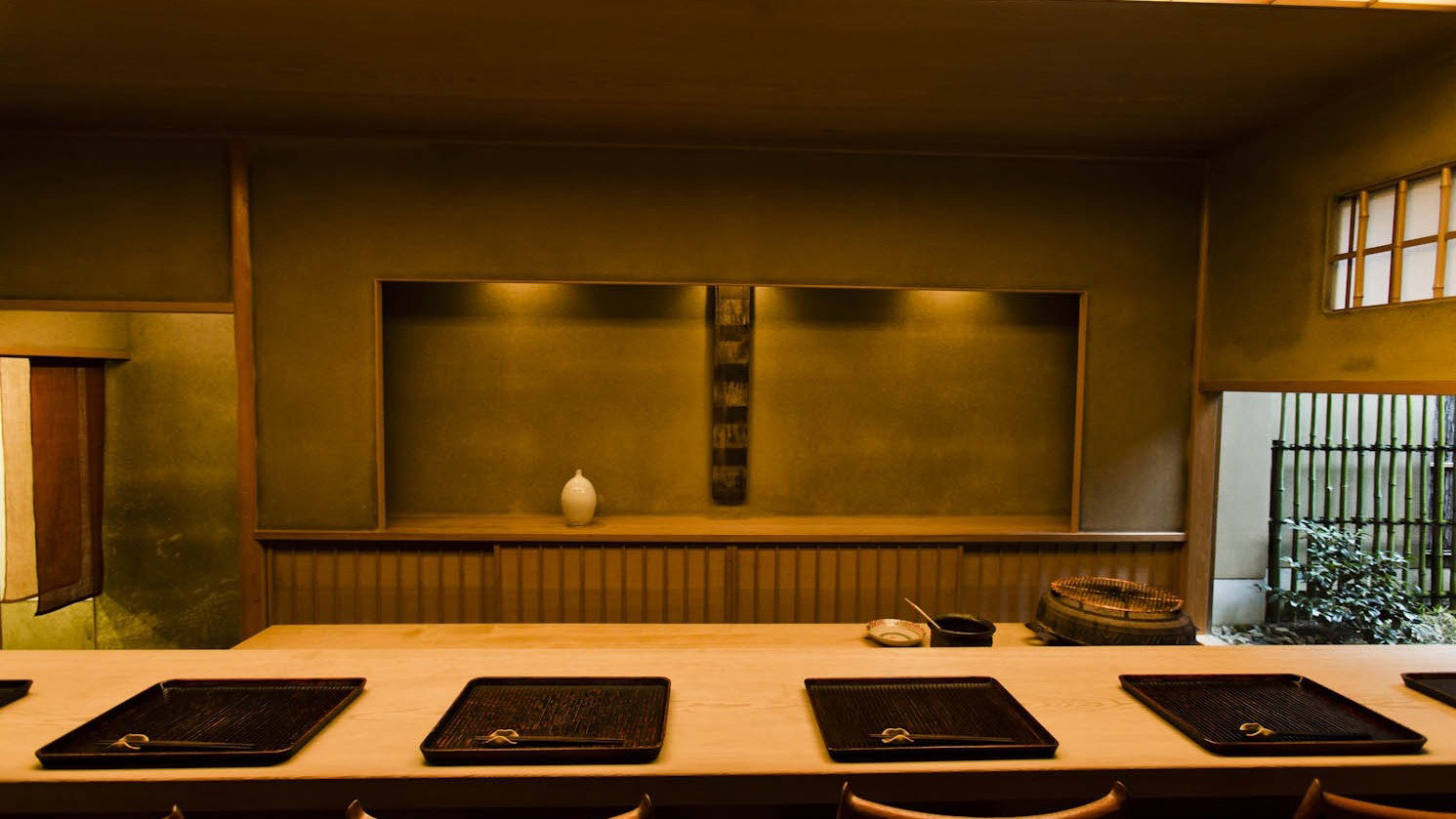
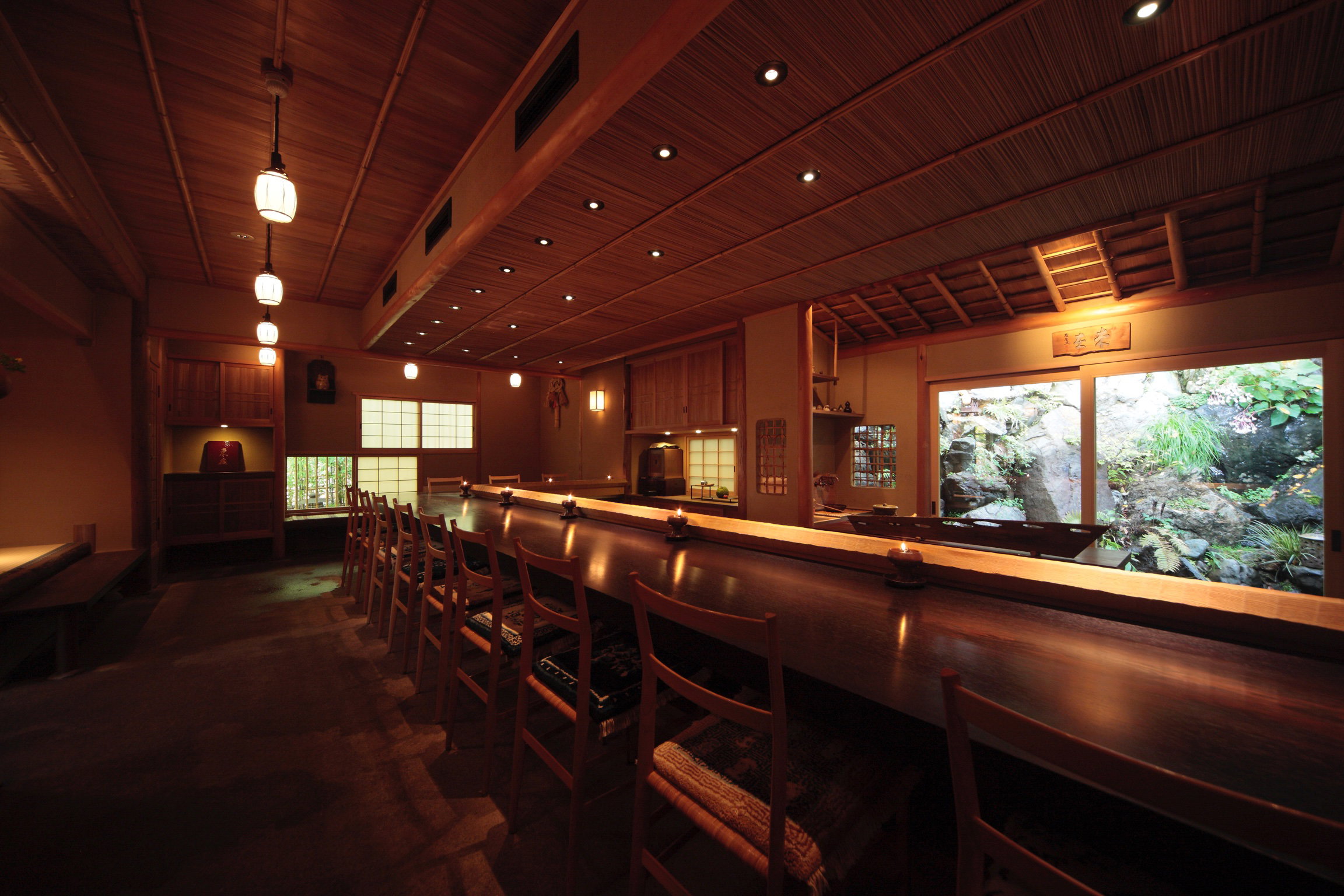
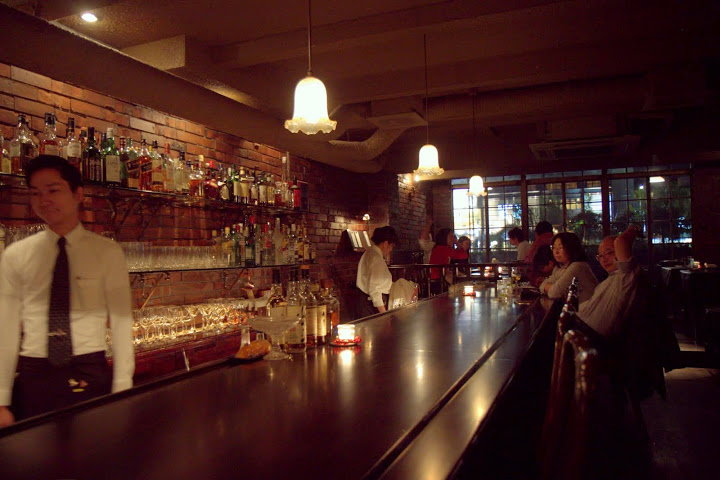
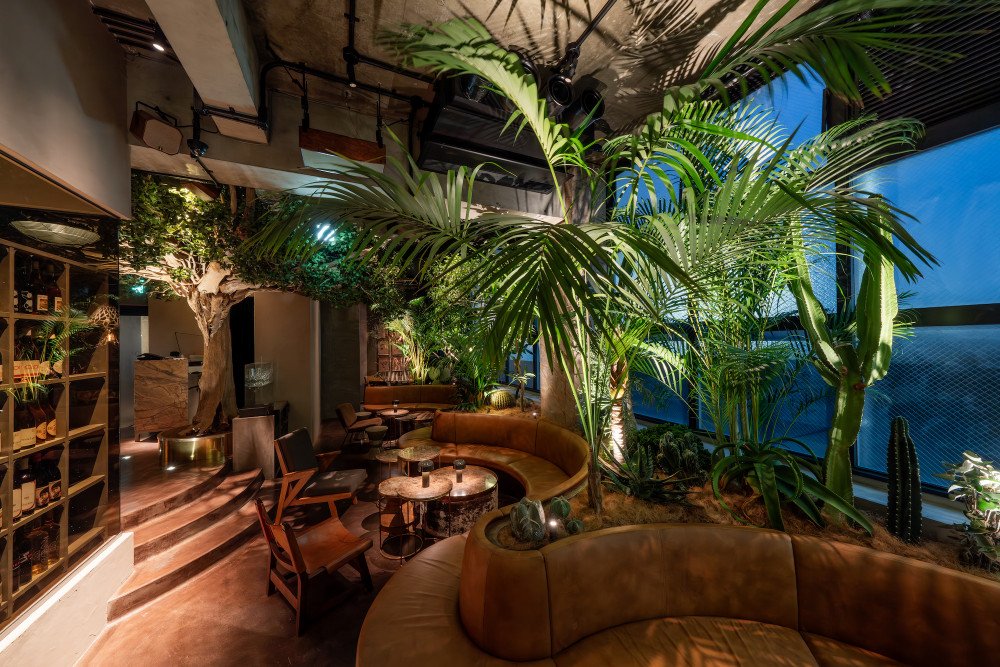
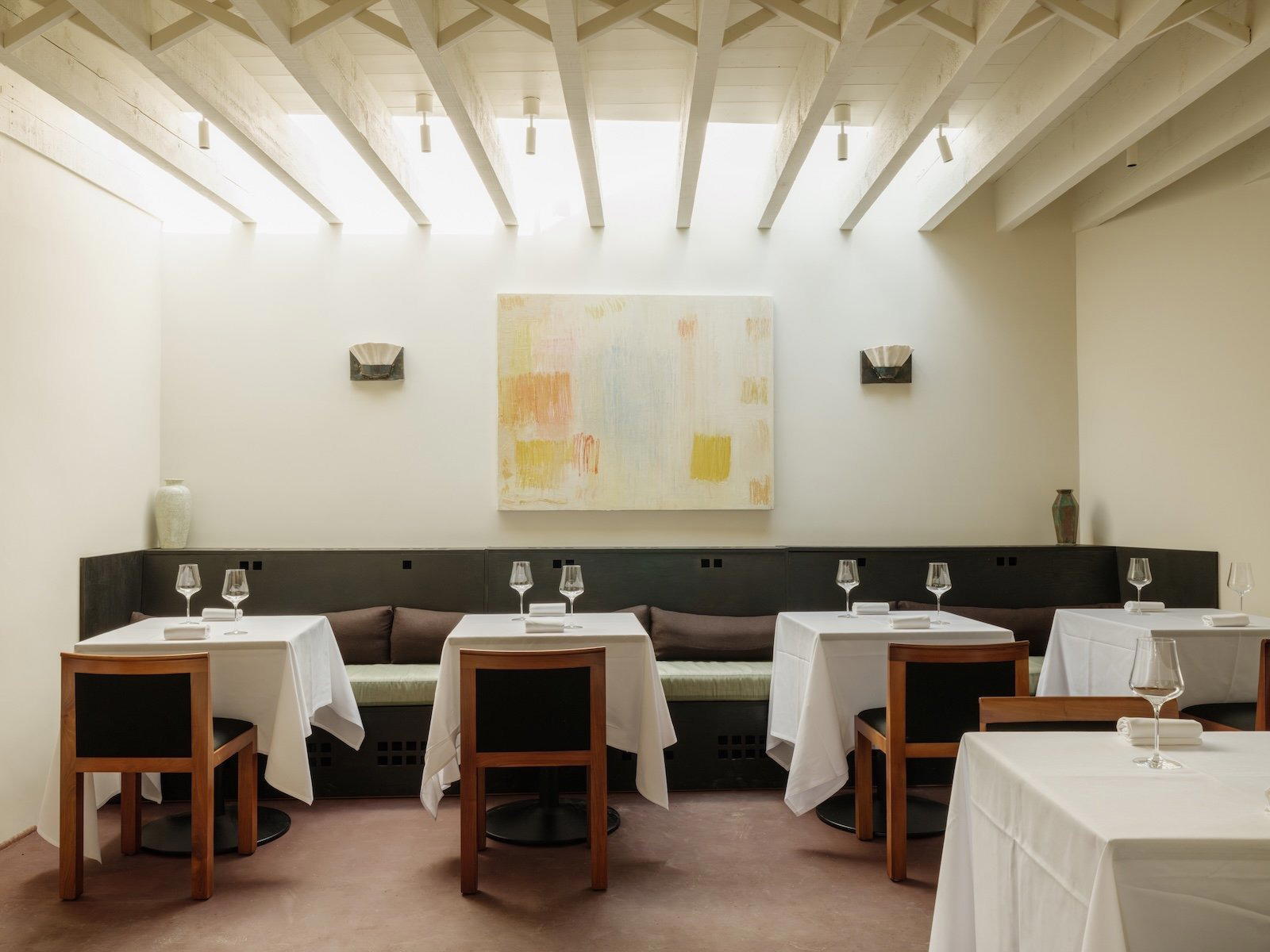
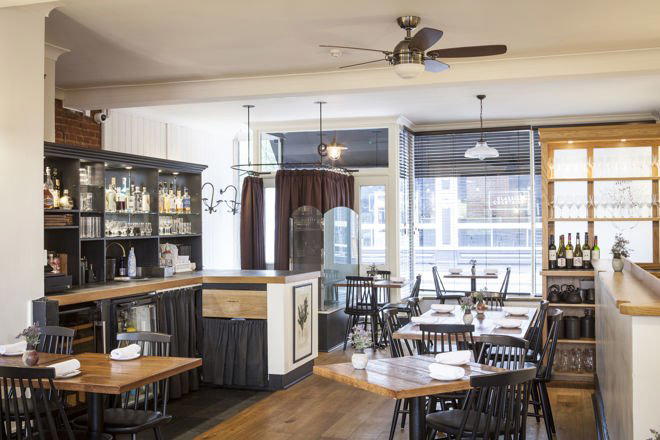
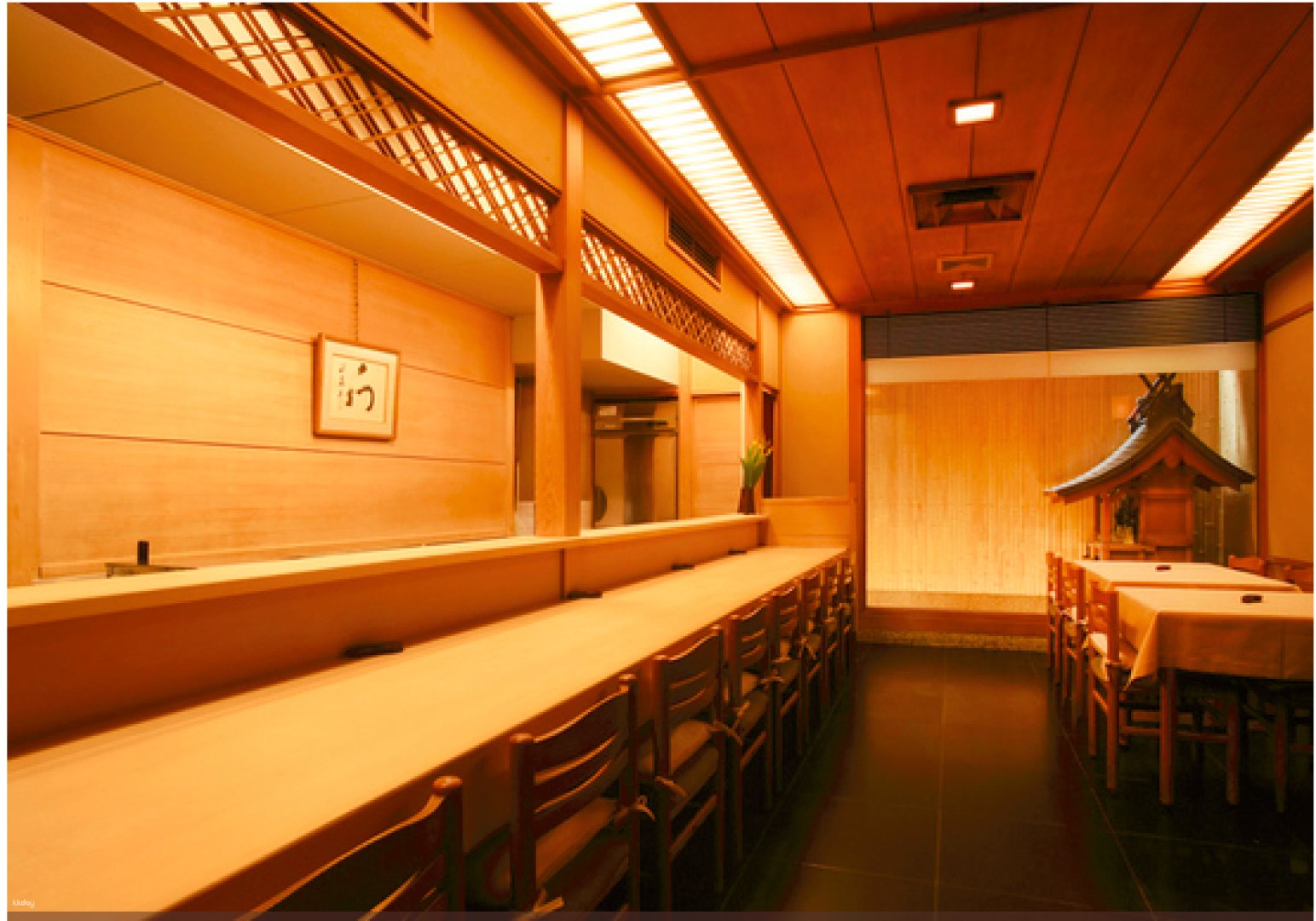
Quiet and serene counter seating with an elegant, simple atmosphere away from the bustling streets, featuring sincere service in kimonos.
Tags
Vibe
Best For
At the Table
- Dress Code
- Smart Casual
- Noise Level
- Quiet
- Service Style
- Formal
- Meal Pacing
- Leisurely
- Capacity
- Intimate
Planning details
Location
246 Gionmachi Kitagawa, Higashiyama Ward, Kyoto, 605-0073, Japan · Directions
Recognition and awards
Also consider
Also Consider
- Gion Sasaki; Kaiseki, Japanese, ¥¥¥¥
- cenci; Italian, ¥¥¥
- Ifuki; Kaiseki, ¥¥¥¥
- Kyokaiseki Kichisen; Japanese, ¥¥¥¥
- SEN; French, Japanese, ¥¥¥¥
Restaurant context
Against Kyoto's ¥¥¥¥ kaiseki tier, Oryori Mashita sits in a different value bracket entirely. Kyokaiseki Kichisen and Ifuki offer longer, more formally structured kaiseki progressions at a higher price and with significantly harder booking windows; they are the right choice if you want the full multi-course kaiseki architecture. Mashita, by contrast, is the better pick if you want Michelin-starred seasonal Japanese cooking without the full kaiseki commitment or the ¥¥¥¥ outlay. At ¥¥¥, it is meaningfully cheaper than its Gion neighbours in the starred tier, the ceremonial, festival-linked menu structure gives it a distinct identity rather than being a scaled-down version of something grander.
Gion Sasaki is the most obvious comparison for serious diners: two Michelin stars, kaiseki format, ¥¥¥¥, and one of the hardest tables to secure in Kyoto. If your priority is the highest-tier kaiseki experience in Gion and budget is secondary, Sasaki is the answer; but expect to plan months ahead. Mashita is the more realistic booking for most visitors and delivers a genuinely considered meal, not a fallback option.
cenci and SEN occupy different format territory: cenci runs an Italian menu at ¥¥¥ and SEN blends French and Japanese at ¥¥¥¥. Both are strong for diners who want something outside the kaiseki or traditional Japanese frame. If your group is split between wanting Japanese cooking and something more internationally inflected, SEN is the pragmatic middle ground; if you want straight Italian at a comparable price to Mashita, cenci is the right call. For committed Japanese dining in Gion, Mashita holds its position clearly.
Explore Kyoto
Around this place
Discover more on Pearl
Unlock the full Oryori Mashita guide in Pearl, including awards, comparisons, FAQs, planning details, and nearby places.
Compare Oryori Mashita
| Venue | Price | Booking Difficulty | Awards |
|---|---|---|---|
| Oryori Mashita | ¥¥¥ | Hard | Michelin Guide Kyoto Osaka 20262026 Michelin 1 Star2024 Michelin 1 Star |
| Gion Sasaki | ¥¥¥¥ | Unknown | 2026 Tabelog Bronze · #3862026 OAD Top Restaurants in Japan RecommendedMichelin Guide Kyoto Osaka 20262026 La Liste Top RestaurantsTabelog 100 - Japanese cuisine - WEST - 2025 · #132025 OAD Top Restaurants in Japan Ranked · #2462025 Tabelog Silver2025 Michelin 3 Stars2025 La Liste Top Restaurants |
| cenci | ¥¥¥ | Unknown | 2026 Tabelog Bronze · #442026 Asia's 50 Best Restaurants · #762026 OAD Top Restaurants in Japan Highly RecommendedMichelin Guide Kyoto Osaka 2026Tabelog 100 - Italian - WEST - 2025 · #632025 Asia's 50 Best Restaurants · #632025 OAD Top Restaurants in Japan Ranked · #1682025 Tabelog Bronze2024 OAD Top Restaurants in Japan Ranked · #135 |
| Ifuki | ¥¥¥¥ | Unknown | 2026 OAD Top Restaurants in Japan Ranked · #1222026 Tabelog Bronze · #128Michelin Guide Kyoto Osaka 20262026 La Liste Top RestaurantsTabelog 100 - Japanese cuisine - WEST - 2025 · #622025 OAD Top Restaurants in Japan Ranked · #1002025 La Liste Top Restaurants2025 Tabelog Bronze2025 Michelin 2 Stars |
| Kyokaiseki Kichisen | ¥¥¥¥ | Unknown | 2026 Tabelog Bronze · #1752026 OAD Top Restaurants in Japan Highly RecommendedMichelin Guide Kyoto Osaka 20262025 OAD Top Restaurants in Japan Ranked · #1862025 Michelin 2 Stars2025 La Liste Top Restaurants2024 OAD Top Restaurants in Japan Ranked · #1422024 Michelin 2 Stars2023 OAD Top Restaurants in Japan Ranked · #136 |
| SEN | ¥¥¥¥ | Unknown | 2026 Tabelog Bronze · #3952026 OAD Top Restaurants in Japan RecommendedMichelin Guide Kyoto Osaka 20262026 Michelin PlateTabelog 100 - Japanese cuisine - WEST - 2025 · #652025 Michelin Plate2025 Tabelog Bronze2024 OAD Top Restaurants in Japan Ranked · #3622024 Michelin Plate |







.png?width=1200&quality=80)
What to weigh when choosing between Oryori Mashita and alternatives.
FAQ
Frequently Asked Questions
What should a first-timer know about Oryori Mashita?
This is a kaiseki restaurant in the heart of Gion, with a Michelin one-star (2024) and a menu built around Japan's seasonal festivals and ceremonial calendar. The format is set-course only, so come with time and appetite rather than expecting à la carte flexibility. The Gionmachi Kitagawa address puts you in one of Kyoto's most visited corridors, but the room itself shifts the mood quickly. Lunch is your lower-pressure entry point and often easier to book than dinner.
How far ahead should I book Oryori Mashita?
Aim for four to six weeks ahead for dinner, two to four for lunch. One-star Gion restaurants at this price point (¥¥¥) fill quickly, especially on weekends and during spring and autumn foliage seasons when Kyoto demand spikes. If your dates are fixed, book the moment your travel window opens. Lunch sittings tend to move faster than dinner at comparable venues like Gion Sasaki, so prioritise those if dinner slots are gone.
What should I wear to Oryori Mashita?
The venue is a traditional Gion dining room with a formal kaiseki format and a Michelin one-star, so treat it accordingly. Smart, neat clothing is appropriate; avoid anything overly casual. There is no documented strict dress code in the available data, but the ceremonial nature of the menu and setting signals that you should dress with the experience in mind.
What is Oryori Mashita known for?
Oryori Mashita is primarily known for Japanese in Kyoto.