
Nishijin Fujiyoshi
Japanese · Kamigyō, Kyoto
Restaurant in Kyoto, Japan
 Book with Pearl
The Read
Dashi-Centred Precision
Price
¥¥¥
Dress
Smart Casual
Why go
Nishijin Fujiyoshi is the right call for returning Kyoto visitors who want serious dashi-forward Japanese cooking at ¥¥¥ — a full tier below the ceremony-heavy kaiseki houses in Gion. Chef-owner Yoshikatsu Imai sources his own cooking water and draws kombu for days. At in a residential district that doesn't trade on tourism, this counter earns its score.
About Nishijin Fujiyoshi
Who Should Book Nishijin Fujiyoshi
If you have already eaten at one of Kyoto's better-known kaiseki counters and you are now asking what else the city has to offer at a more approachable price point, Nishijin Fujiyoshi is the answer. This is a restaurant for the returning visitor who wants precision and ingredient obsession without the four-symbol price tag, and for the solo diner or travelling couple who values a chef-driven, intimate format over grand ceremony. It sits in the Nishijin district of Kamigyo Ward — a residential, working part of Kyoto that sees far fewer tourists than Gion — and that alone shapes the experience before a dish arrives.
The Portrait
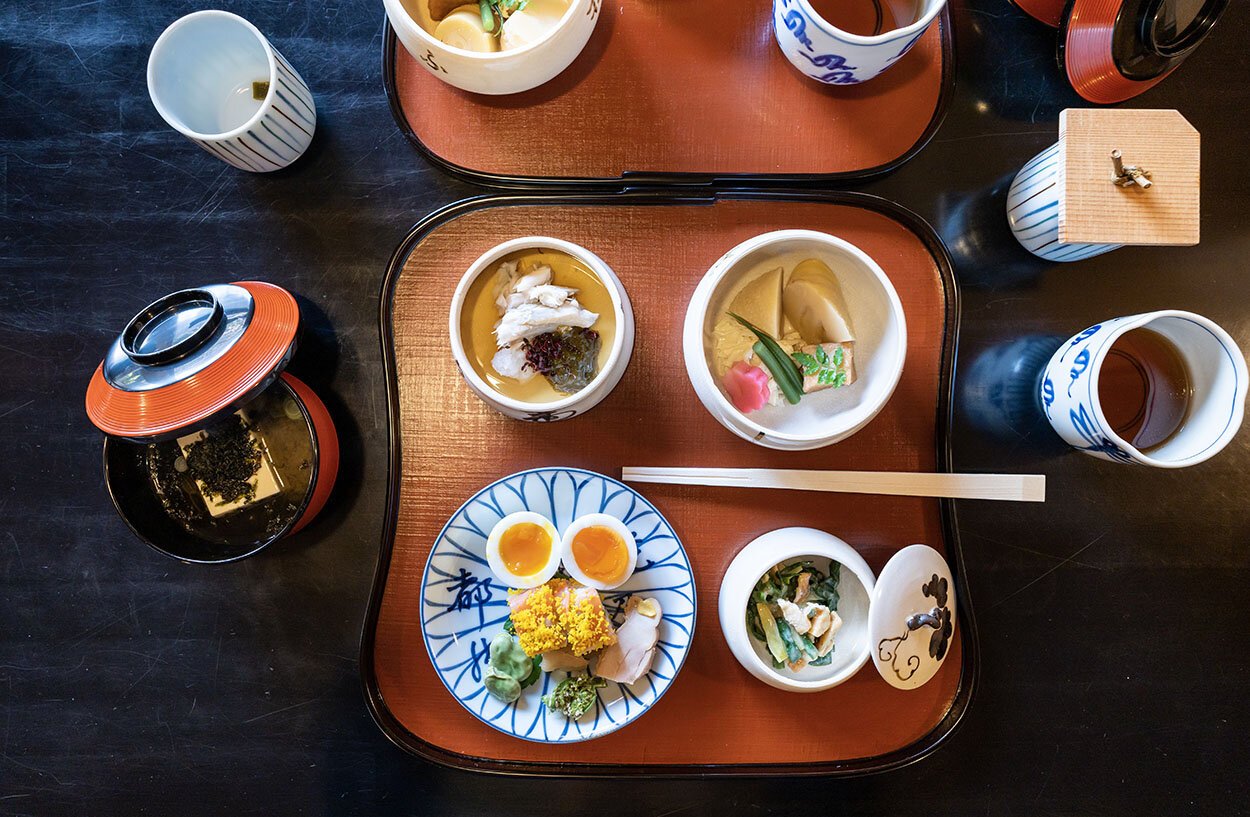
The visual story at Nishijin Fujiyoshi begins with the vessels. Small, carefully chosen plates and bowls carry fish and vegetable preparations that are designed to let the dashi do the talking. This is not a kitchen that piles technique on top of technique for effect. The restraint is the point. What you see on each piece of ceramic is a short, considered argument for why the ingredient matters, and the argument is won before you taste anything.
The ingredient sourcing here is verifiable and specific. Chef-owner Yoshikatsu Imai sources the water used in cooking personally, not a detail you will find at most restaurants in this price tier. The ma-kombu, the dried kelp that forms the backbone of the dashi, is drawn over a period of days rather than the hours that most kitchens allow. The result is a broth with a depth of umami that is earned rather than manufactured. If you have eaten at Kyoto kaiseki restaurants where the dashi felt like background noise, this will read differently.
Service posture matches the cooking. Imai-san has described attentive service as one of his genuine pleasures, which means the attention you receive does not feel like a performance of hospitality, it reads as personal investment. For a diner who has been once and is returning, this is where the experience deepens. You are not anonymous. The menu changes with effort and intention, and there is reason to believe a second visit will not simply repeat the first.
At ¥¥¥ pricing, Nishijin Fujiyoshi sits a full tier below the ¥¥¥¥ houses in Kyoto's kaiseki circuit, venues like Kyokaiseki Kichisen, Isshisoden Nakamura, and Kikunoi Roan. The ingredient quality and the precision of execution here would not embarrass those rooms, but the setting and the scale are smaller, and the ceremony is quieter. That is a reasonable trade for most diners. If what you want is a formal tatami private room and a procession of twelve courses with tableside ritual, book upward. If what you want is serious cooking from a chef who controls every variable from water source to kombu extraction time, this is where your money goes further.
In a city where tourist-facing restaurants sometimes coast on location, a 4.8 from a smaller, residential-district counter is more meaningful than the same number from a Gion flagship.
For context on how this kind of dashi-forward Japanese cooking holds up across the country, the discipline is well-represented at counters like Myojaku in Tokyo and Azabu Kadowaki in Tokyo. Outside Kyoto, if you are building a Japan itinerary around this style of cooking, HAJIME in Osaka and Goh in Fukuoka are the other serious stops. For something more experimental in the Kansai region, akordu in Nara takes Japanese ingredients in a different direction entirely.
If Nishijin Fujiyoshi is your first stop in Kyoto's restaurant scene, pair it with broader exploration. Gion Matayoshi, Kodaiji Jugyuan, and Kyokaiseki Kichisen cover different positions in the city's range. The full picture is in our Kyoto restaurants guide. For where to stay and what else to do, see our Kyoto hotels guide, bars guide, and experiences guide.
Ratings at a Glance
- Price tier: ¥¥¥
- Cuisine: Japanese
- Booking difficulty: Easy
Booking
Booking at Nishijin Fujiyoshi is rated easy by Pearl's assessment, notably more accessible than the ¥¥¥¥ counters in Gion and Higashiyama, which often require weeks of advance planning or a hotel concierge with existing relationships. No website or phone number is listed in our current data. Approaching directly through the restaurant when you arrive in Kyoto, or asking your hotel to assist, is the practical route. Given the smaller, residential nature of the venue, same-week bookings may be possible, though earlier is always the safer call.
Quick reference: ¥¥¥ | Kamigyo Ward, Kyoto | Japanese | Easy booking | No website in current data.
How It Compares
See the comparison section below for how Nishijin Fujiyoshi sits against Kyoto's other serious Japanese restaurants.
Planning details
- Location
- Japan, 〒602-0082 Kyoto, Kamigyo Ward, 堀川通寺之内上る三丁目上天神町626
- Phone
- +81 75-432-5765
The take
The Take
The Vibe
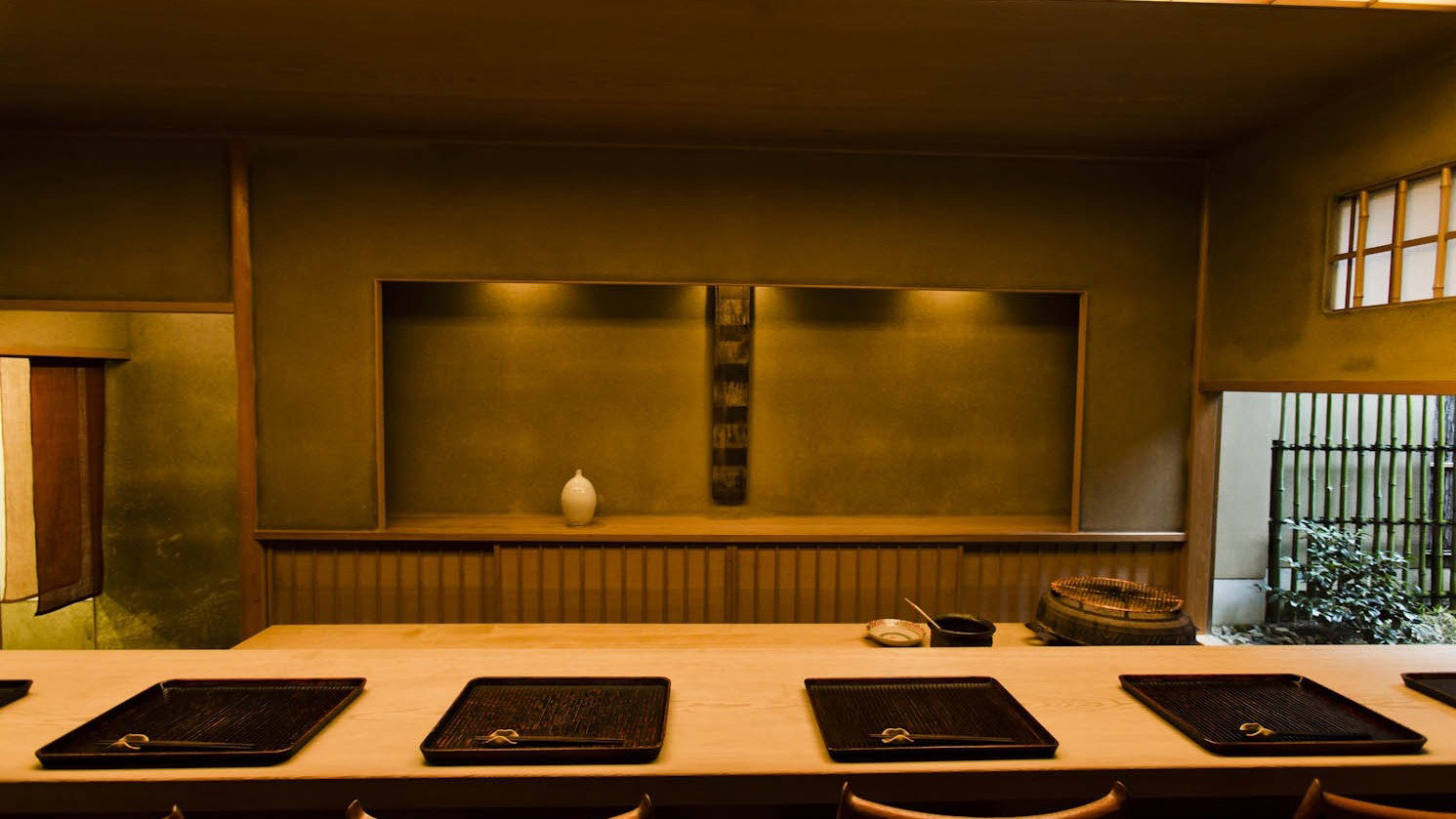
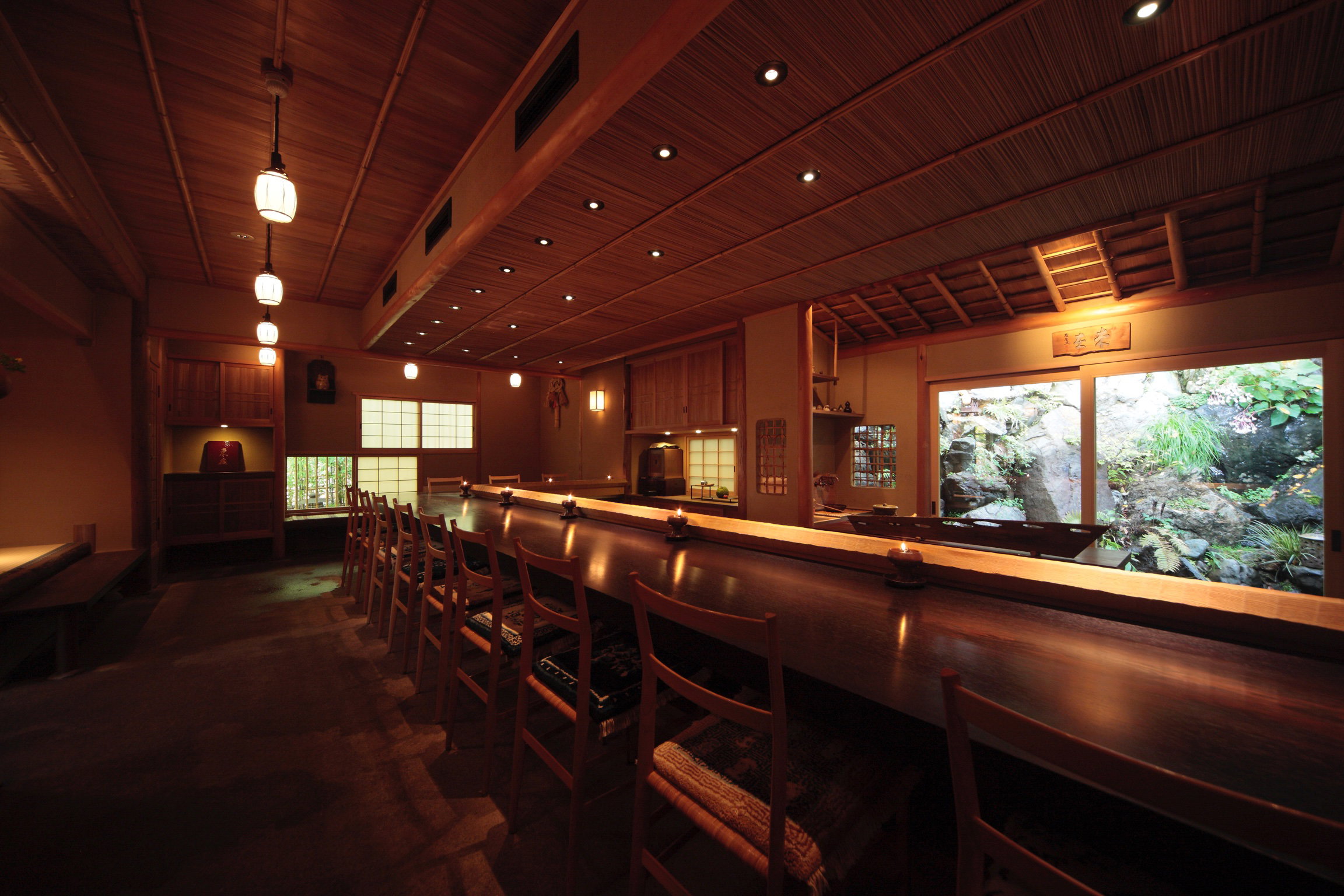
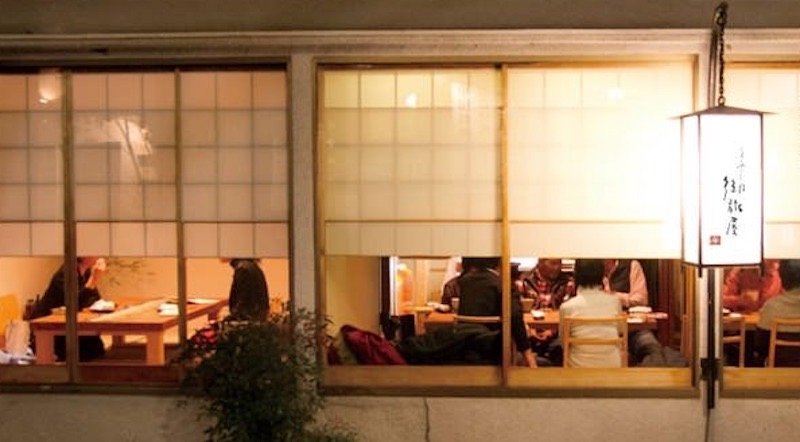
Nishijin Fujiyoshi sits quietly in Kyoto’s old textile quarter, projecting a restrained, classic elegance rooted in craft. The house favors small, owner-operated counter service rather than spectacle; the writing stresses patience and depth over scale and PR. The kitchen’s insistence on technique—most notably a ma-kombu dashi drawn over days—gives the cooking a sophisticated clarity and a deliberately measured pace. The result is an intimate, quietly refined room where everything feels considered: the neighbourhood’s low-profile character, the counter format and the culinary rigor combine to create an experience built on quiet, exacting hospitality.
Best For
This is a destination for diners who prize technical precision and slow, attentive cooking rather than showy formality. The small counter layout and the kitchen’s methodical approach attract serious visitors and local regulars alike, making it especially suited to solo exploration or intimate evenings where you want to focus on the food. It is not a venue for large groups or loud occasions—the neighbourhood and service style favor concentrated, low-key meals that reward attention to detail and appreciation of traditional technique.
Ordering Tips
Because dashi underpins every dish here, prioritize items that make that stock visible: lighter courses and clear preparations highlight the house ma-kombu drawn over days. The venue’s signature offerings—bluefin tuna with daikon, tempura and the pot rice—are natural touchstones for judging the kitchen’s restraint and seasoning. Sequence your meal so that delicate, dashi-forward bites come earlier and the richer pot rice can finish the experience; these choices let the slow, structural work the kitchen does show through in texture and balance.
Venue details
Ambiance
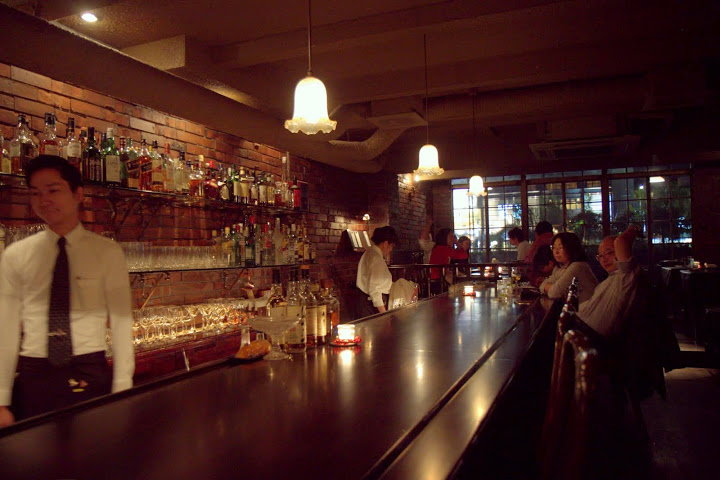
Hushed, elegant room with unhurried rhythm, cozy and relaxing atmosphere in a house-like setting.
Tags
Vibe
Best For
Sourcing
At the Table
- Dress Code
- Smart Casual
- Noise Level
- Quiet
- Service Style
- Formal
- Meal Pacing
- Leisurely
- Capacity
- Intimate
Signature Dishes
- bluefin tuna with daikon
- tempura
- pot rice
Know before you go
Know Before You Go
- Getting there
- Japan, 〒602-0082 Kyoto, Kamigyo Ward, 堀川通寺之内上る三丁目上天神町626
Planning details
Location
Japan, 〒602-0082 Kyoto, Kamigyo Ward, 堀川通寺之内上る三丁目上天神町626 · Directions
Also consider
Also Consider
- Gion Sasaki, Kaiseki, Japanese, ¥¥¥¥
- cenci, Italian, ¥¥¥
- Ifuki, Kaiseki, ¥¥¥¥
- Kyokaiseki Kichisen, Japanese, ¥¥¥¥
- SEN, French, Japanese, ¥¥¥¥
Restaurant context
How Nishijin Fujiyoshi Compares in Kyoto
For most diners choosing between Nishijin Fujiyoshi and Kyoto's ¥¥¥¥ kaiseki houses, the decision comes down to format and budget. Gion Sasaki and Kyokaiseki Kichisen offer more elaborate multi-course structures with greater ceremonial weight, if you want the full procession, the private rooms, and the tableside ritual that defines Kyoto's highest-end kaiseki tradition, book there instead. But both require significantly more budget and, in the case of Kichisen, considerably more lead time to secure a seat. Nishijin Fujiyoshi's easy booking window is a real advantage for travellers who plan late.
Ifuki occupies a similar small-counter format but operates at ¥¥¥¥ pricing, which means you are paying a premium for a comparable level of intimacy. If ingredient obsession and dashi craftsmanship are your primary criteria, Nishijin Fujiyoshi makes a stronger value case. SEN adds a French lens to Japanese ingredients at ¥¥¥¥, a different proposition entirely, and worth considering if you want to see how the two traditions intersect rather than a purist Japanese approach.
cenci sits at the same ¥¥¥ price point but moves in a completely different direction, Italian cooking with local Kyoto ingredients, which makes it the right choice if someone in your group wants something outside Japanese cuisine. For a straight comparison of Japanese cooking at ¥¥¥, Nishijin Fujiyoshi is the more technically focused option, with sourcing credentials that are harder to find at this price in the city.
Explore Kyoto
Around this place
Discover more on Pearl
Unlock the full Nishijin Fujiyoshi guide in Pearl, including awards, comparisons, FAQs, planning details, and nearby places.
Compare Nishijin Fujiyoshi
| Venue | Price | Booking Difficulty | Awards |
|---|---|---|---|
| Nishijin Fujiyoshi | ¥¥¥ | Easy | 2024 Michelin 1 Star |
| Gion Sasaki | ¥¥¥¥ | Unknown | 2026 Tabelog Bronze · #3862026 OAD Top Restaurants in Japan RecommendedMichelin Guide Kyoto Osaka 20262026 La Liste Top RestaurantsTabelog 100 - Japanese cuisine - WEST - 2025 · #132025 OAD Top Restaurants in Japan Ranked · #2462025 Tabelog Silver2025 Michelin 3 Stars2025 La Liste Top Restaurants |
| cenci | ¥¥¥ | Unknown | 2026 Tabelog Bronze · #442026 Asia's 50 Best Restaurants · #762026 OAD Top Restaurants in Japan Highly RecommendedMichelin Guide Kyoto Osaka 2026Tabelog 100 - Italian - WEST - 2025 · #632025 Asia's 50 Best Restaurants · #632025 OAD Top Restaurants in Japan Ranked · #1682025 Tabelog Bronze2024 OAD Top Restaurants in Japan Ranked · #135 |
| Ifuki | ¥¥¥¥ | Unknown | 2026 OAD Top Restaurants in Japan Ranked · #1222026 Tabelog Bronze · #128Michelin Guide Kyoto Osaka 20262026 La Liste Top RestaurantsTabelog 100 - Japanese cuisine - WEST - 2025 · #622025 OAD Top Restaurants in Japan Ranked · #1002025 La Liste Top Restaurants2025 Tabelog Bronze2025 Michelin 2 Stars |
| Kyokaiseki Kichisen | ¥¥¥¥ | Unknown | 2026 Tabelog Bronze · #1752026 OAD Top Restaurants in Japan Highly RecommendedMichelin Guide Kyoto Osaka 20262025 OAD Top Restaurants in Japan Ranked · #1862025 Michelin 2 Stars2025 La Liste Top Restaurants2024 OAD Top Restaurants in Japan Ranked · #1422024 Michelin 2 Stars2023 OAD Top Restaurants in Japan Ranked · #136 |
| SEN | ¥¥¥¥ | Unknown | 2026 Tabelog Bronze · #3952026 OAD Top Restaurants in Japan RecommendedMichelin Guide Kyoto Osaka 20262026 Michelin PlateTabelog 100 - Japanese cuisine - WEST - 2025 · #652025 Michelin Plate2025 Tabelog Bronze2024 OAD Top Restaurants in Japan Ranked · #3622024 Michelin Plate |







.png?width=1200&quality=80)
How Nishijin Fujiyoshi stacks up against the competition.
FAQ
Frequently Asked Questions
Is the tasting menu worth it at Nishijin Fujiyoshi?
Yes, at ¥¥¥ pricing this is one of the stronger value propositions in Kyoto's counter kaiseki category. Chef Imai's approach — drawing ma-kombu over several days for depth of dashi, sourcing water personally for cooking — reflects a level of craft that typically commands ¥¥¥¥ prices at the Gion and Higashiyama counters. If dashi-led, vegetable-forward kaiseki is your format, the kitchen justifies the spend.
What should a first-timer know about Nishijin Fujiyoshi?
The format is chef's-counter kaiseki, driven by dashi and seasonal fish and vegetable dishes served in small, carefully chosen vessels. Owner-chef Yoshikatsu Imai is personally involved in sourcing — including fetching the cooking water himself — so the experience is tightly controlled and intentional. First-timers should come with patience for the pace and an appetite for subtlety over showmanship.
How far ahead should I book Nishijin Fujiyoshi?
Pearl rates booking here as easier than the heavily competed counters in Gion and Higashiyama, but that does not mean last-minute. For a weekend or holiday visit to Kyoto's Kamigyo Ward, two to three weeks ahead is a reasonable target. The counter format limits covers, so availability tightens quickly once peak travel periods approach.
Can Nishijin Fujiyoshi accommodate groups?
The counter format makes larger groups a poor fit. This is a venue built around an intimate, chef-driven experience, and groups of four or more will likely find the logistics and atmosphere better suited to a restaurant with private dining. Pairs and solo diners are the natural audience here.
Is Nishijin Fujiyoshi worth the price?
At ¥¥¥ — below the ¥¥¥¥ tier that dominates Kyoto's most prestigious kaiseki addresses — Fujiyoshi delivers a level of sourcing discipline and technique that punches above its price point. Chef Imai's documented attention to dashi preparation and ingredient provenance gives the pricing a clear justification. For the quality of craft on offer, yes.
Can I eat at the bar at Nishijin Fujiyoshi?
The counter is the primary format at Nishijin Fujiyoshi, so eating at the bar is essentially the standard experience rather than an alternative option. This is a chef's-counter setting where Yoshikatsu Imai's service style and personal attention to guests are central to what you are booking.
Is Nishijin Fujiyoshi good for solo dining?
Yes — the counter format is well-suited to solo diners, and Chef Imai's stated commitment to attentive, personal service to each guest makes solo visits a comfortable proposition. If you are a solo diner working through Kyoto's kaiseki options, Fujiyoshi's accessible booking and ¥¥¥ pricing make it a practical and rewarding choice relative to the harder-to-book Gion alternatives.