
Kokyu
Japanese · Kamigyō, Kyoto
Restaurant in Kyoto, Japan
 Book with Pearl
The Read
Seasonal Hassun Precision
Price
$300–500per person
Why go
Kokyu holds a 2024 Michelin one-star and in Kyoto's Kamigyo Ward, where an intimate kaiseki menu tracks Japan's seasonal festivals with a proprietor whose fishmonger background gives the seafood sourcing real authority. At ¥¥¥¥, it delivers a more personal experience than larger kaiseki institutions: but book four to six weeks out minimum, and further ahead in spring or autumn.
About Kokyu
Kokyu, Kyoto: Pearl Verdict
At ¥¥¥¥ pricing, Kokyu earns its place in Kyoto's top tier of seasonal Japanese dining. If you are deciding between Kokyu and another ¥¥¥¥ kaiseki room in Kamigyo Ward, book Kokyu when the season is turning: the menu is built around exactly those moments. If you want a more established name with deeper institutional prestige, Kyokaiseki Kichisen is the alternative. But for a smaller, more personal room where the proprietor's market knowledge is visible in every course, Kokyu is the stronger choice.
The Kokyu Experience
Kokyu sits at 204 Seiryucho in Kamigyo Ward, the northern residential quarter of Kyoto that sits well away from the Gion tourist corridor. The address alone signals intent: this is not a venue positioning itself for first-time visitors to the city. It is a neighbourhood kaiseki room that rewards guests who understand the format and arrive with seasonal curiosity rather than a checklist.
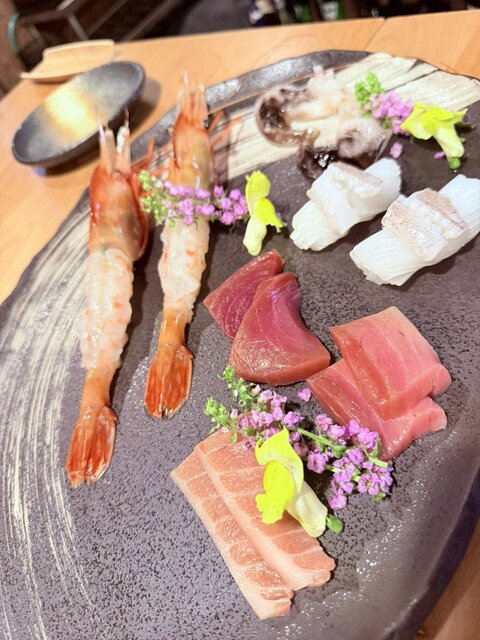
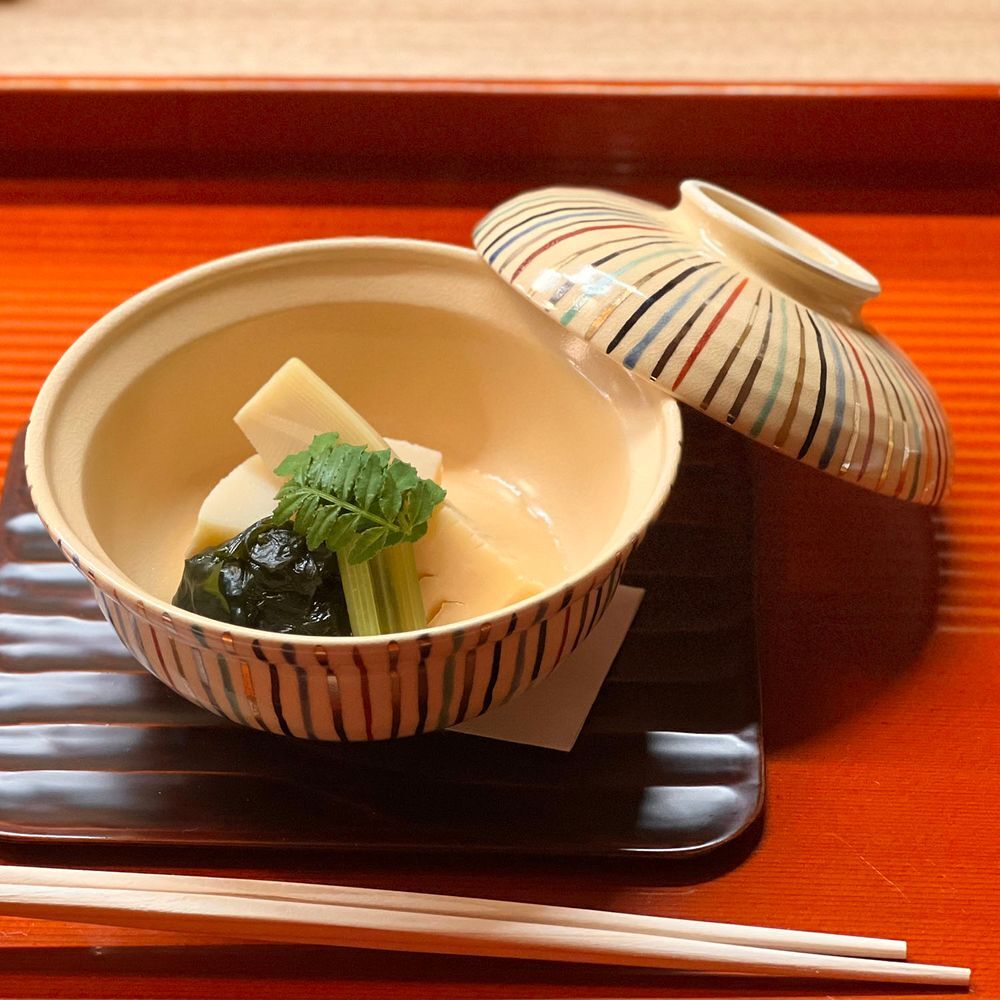
The kitchen's framing is anchored in Japan's calendar of traditional festivals. Hassun platters, the second course in a kaiseki sequence, typically served on a cedar tray, arrive garnished with flowers arranged to evoke a specific seasonal moment. This is not decorative embellishment. It is the menu's thesis: that each dish should locate the diner in a precise point in the Japanese year. For a guest returning after an initial visit, the most useful approach is to time your second booking to a different season entirely. The menu you encountered in autumn will look and taste structurally different in spring or early summer. That gap is where Kokyu's value compounds.
The proprietor's background as a fishmonger is directly relevant to what arrives on the plate. Sourcing in this style of cooking is not a marketing point, it is the mechanism by which a kaiseki kitchen at this price tier differentiates itself. Seafood courses at Kokyu carry the authority of someone who spent years at the market level, selecting product rather than receiving it. Paired with what the Michelin citation describes as attentive reading of culinary literature, the result is a kitchen that treats traditional Japanese food culture as a live reference rather than a historical exhibit.
For guests who have dined here once, the practical question is what the experience delivers on a return visit versus comparable rooms. The answer is consistency of philosophy over consistency of menu. Kokyu does not rotate dishes for novelty, it rotates them because the season demands it. That is a meaningful distinction when you are spending at ¥¥¥¥ and deciding whether a second visit justifies the cost. Compare this to Kikunoi Roan, which offers a more accessible entry point into Kyoto kaiseki, or Isshisoden Nakamura, which carries deeper historical lineage. Kokyu's edge is intimacy and the proprietor's personal investment in each meal's construction.
The Michelin citation references the living aesthetic of Japanese cuisine, a phrase that could read as boilerplate but in Kokyu's case points to something specific: the use of festival foods and seasonal garnishes as a structuring principle rather than a finishing touch. If you arrived on your first visit without that context, a return visit with that lens in place will read differently. Ask about the specific festival reference in the hassun before the meal begins. It changes how the courses land.
For special occasions, Kokyu's scale works in your favour. The room is not large, which means group bookings effectively take over the space. If you are planning a significant dinner for four or more guests in Kyoto, an anniversary, a family milestone, a business dinner requiring genuine substance, this format delivers a more contained, experience than a larger kaiseki institution. For comparison, Gion Matayoshi and Kodaiji Jugyuan are worth considering if you need a room with more documented private dining infrastructure, but Kokyu's intimate scale is itself a form of privacy.
Beyond Kyoto, if you are building a broader Japan itinerary around serious Japanese cooking, HAJIME in Osaka and Myojaku in Tokyo represent useful reference points for how different cities interpret the same tradition. Azabu Kadowaki in Tokyo and Harutaka in Tokyo show how the capital handles comparable price tiers. For a change of register, akordu in Nara and Goh in Fukuoka are worth the short rail journey if your schedule allows. See our full Kyoto restaurants guide for the broader picture, and our Kyoto hotels guide if you are building an overnight stay around the meal.
Booking Kokyu
Booking difficulty at Kokyu is rated Hard. The room is small, the proprietor's approach is personal, and this style of intimate kaiseki in Kyoto fills well in advance, particularly in spring (cherry blossom season, late March to mid-April) and autumn (foliage season, November). Reservations: Plan a minimum of four to six weeks out for most dates; eight weeks or more for peak season. Budget: ¥¥¥¥, expect to spend at a level consistent with a one-star kaiseki meal in Kyoto. Dress: No formal dress code is confirmed, but at this price tier and in this culinary context, smart-casual at minimum is appropriate; traditional or business dress is never out of place in a Kyoto kaiseki room. Group size: The intimate scale makes this well-suited to groups of two to four; larger groups should enquire directly about availability and configuration. Getting there: Kamigyo Ward is in northern Kyoto, accessible by bus or taxi from central Kyoto hotels; the address at Seiryucho is a residential street, so allow navigation time on arrival. Explore our Kyoto bars guide, Kyoto wineries guide, and Kyoto experiences guide to build out your visit.
Planning details
- Hours
- Monday: Closed · Tuesday: 11:30 AM–2:30 PM, 6–9:30 PM
- Location
- 204 Seiryucho, Kamigyo Ward, Kyoto, 602-0822, Japan
- Reservations
- Book on TableCheck
- Website
- kokyu-kyoto.com
- Phone
- +81 75-746-4375
The take
The Take
The Vibe
Kokyu settles into the quiet, residential streets of Kamigyo, where the pace of the neighbourhood shapes the meal. The restaurant favors a measured, considered atmosphere: minimal performance, close attention to season, and a focused kaiseki sensibility that reads Kyoto through Kansai traditions. The kitchen's one-star recognition signals seriousness without the institutional weight of multi-generational houses; instead, a single guiding intelligence directs a restrained program that foregrounds ritual, visual composition, and seasonal reverence. Diners encounter a calm, classic Kyoto experience: intimate in scale, attentive in execution, and quietly confident rather than showy.
Best For
Kokyu is best encountered in the evening, when its kaiseki program and the neighbourhood’s hush align. The setting and execution make it a natural choice for date nights and special occasions: the Michelin one-star status and ceremonial approach to seasonal ingredients provide a sense of gravity, while the residential location keeps the experience intimate and low-key. This is not a tourist spectacle but a thoughtful, place-specific meal for guests who want a deliberate, classical Kyoto dinner that emphasizes seasonal rhythm and careful presentation rather than ostentation or nightlife energy.
Ordering Tips
The kitchen's signature hassun is a clear place to begin: and the venue's kaiseki framework rewards a taken-for-granted deference to seasonality and progression. Expect a tightly ordered, chef-led sequence that reads local seasons through restrained plating and lacquerware; follow the menu as presented to appreciate how courses build on one another. Because Kokyu positions its cooking within Kansai kaiseki traditions, prioritize items that showcase seasonal produce and small-course ritual rather than seeking à la carte substitutions or large, standalone dishes.
Venue details
Ambiance
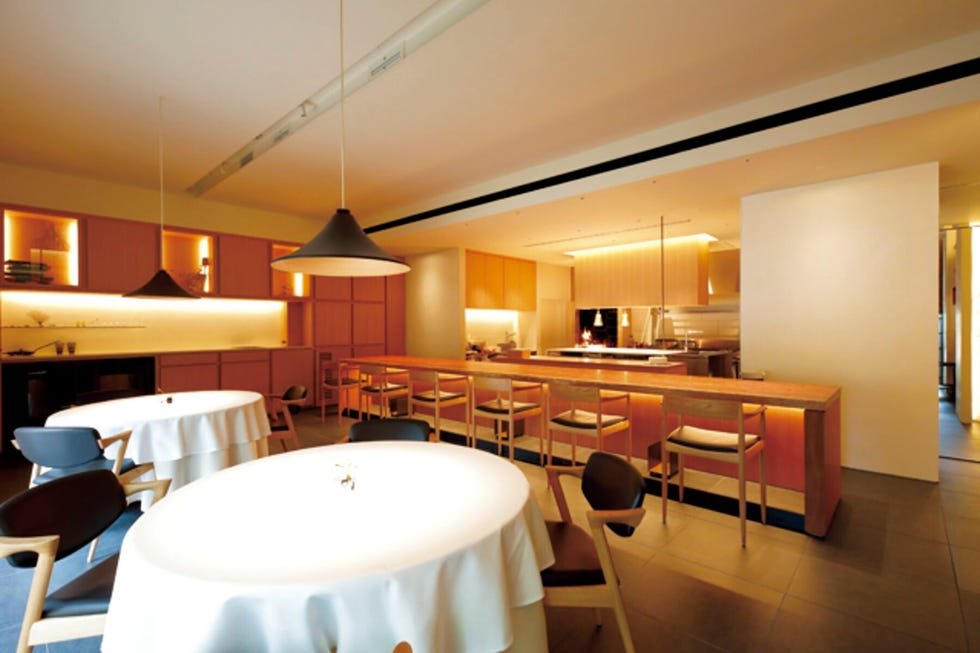
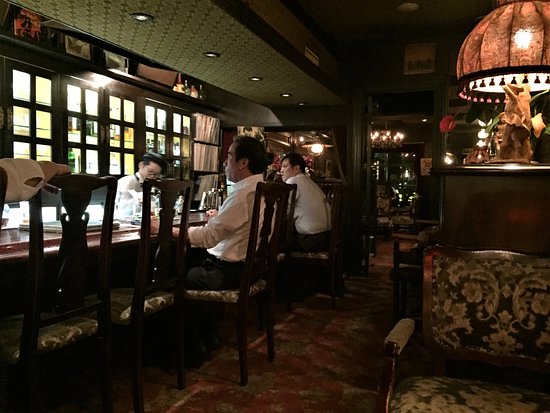
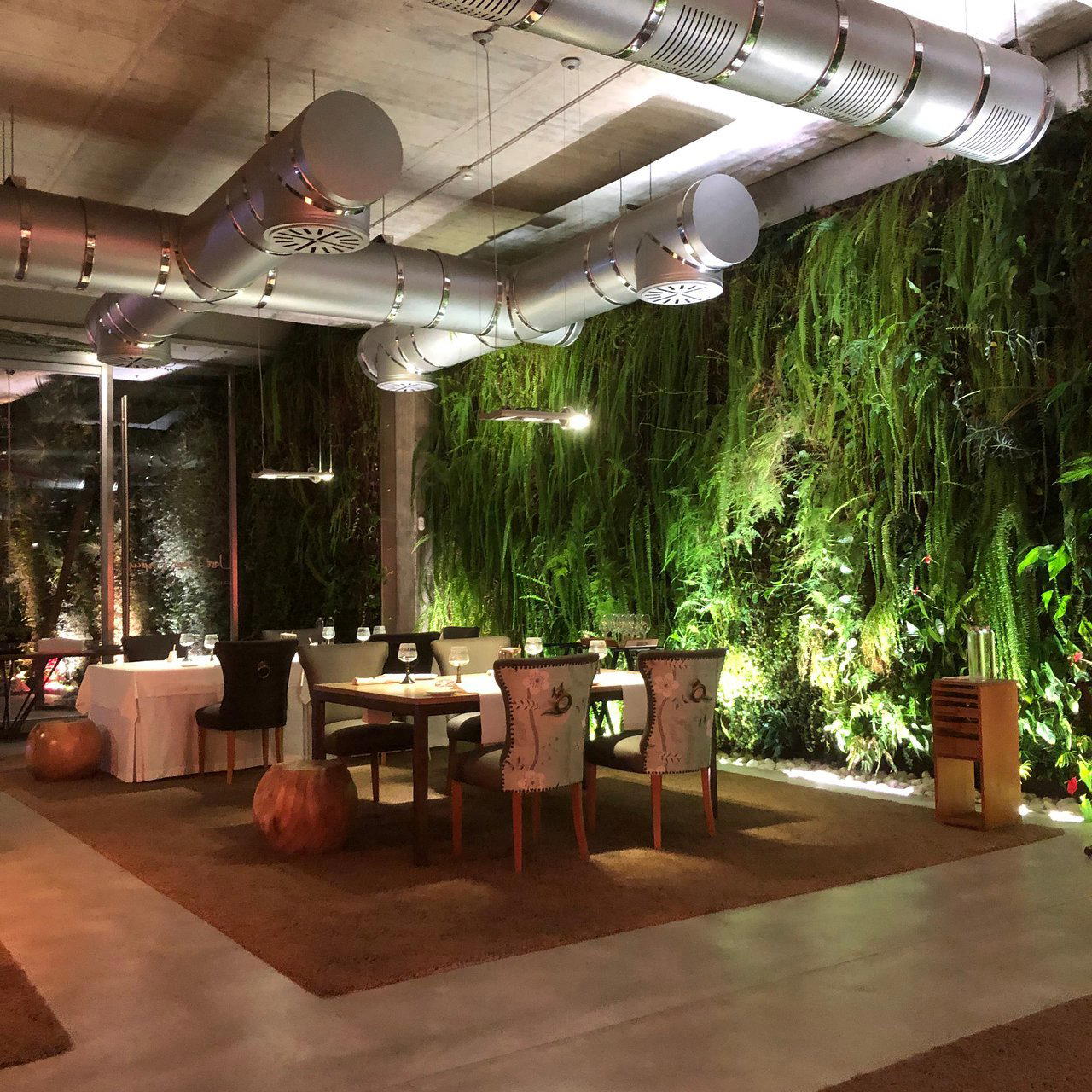
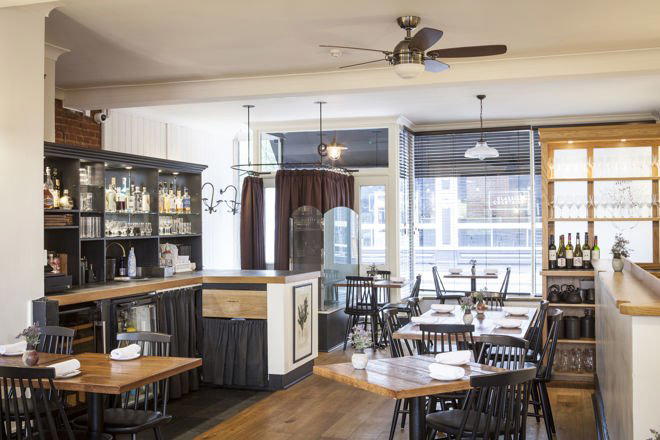
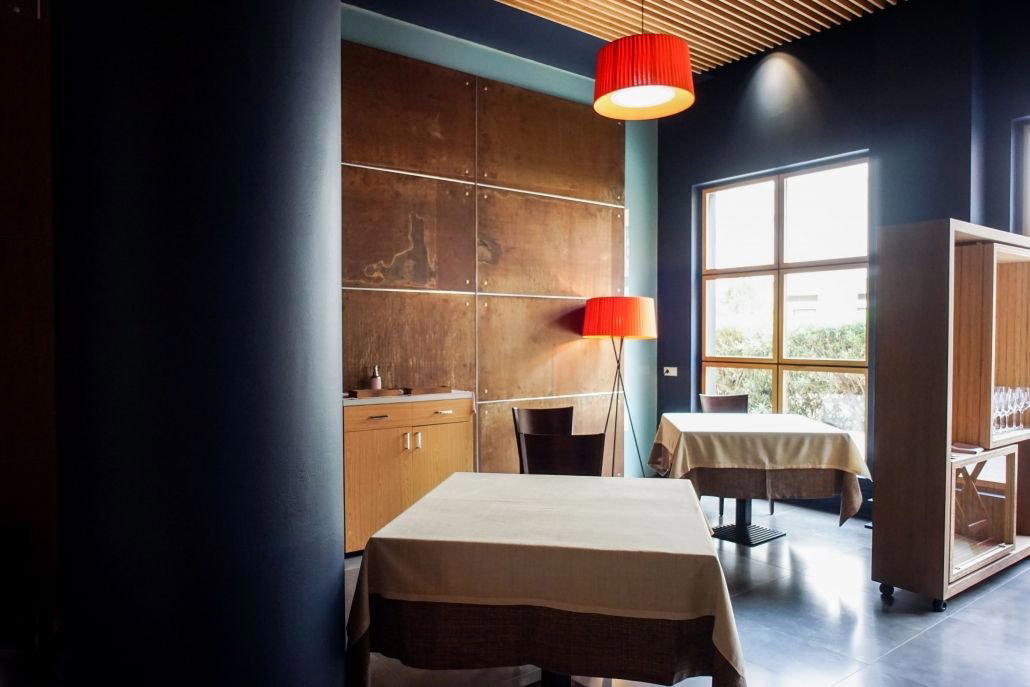
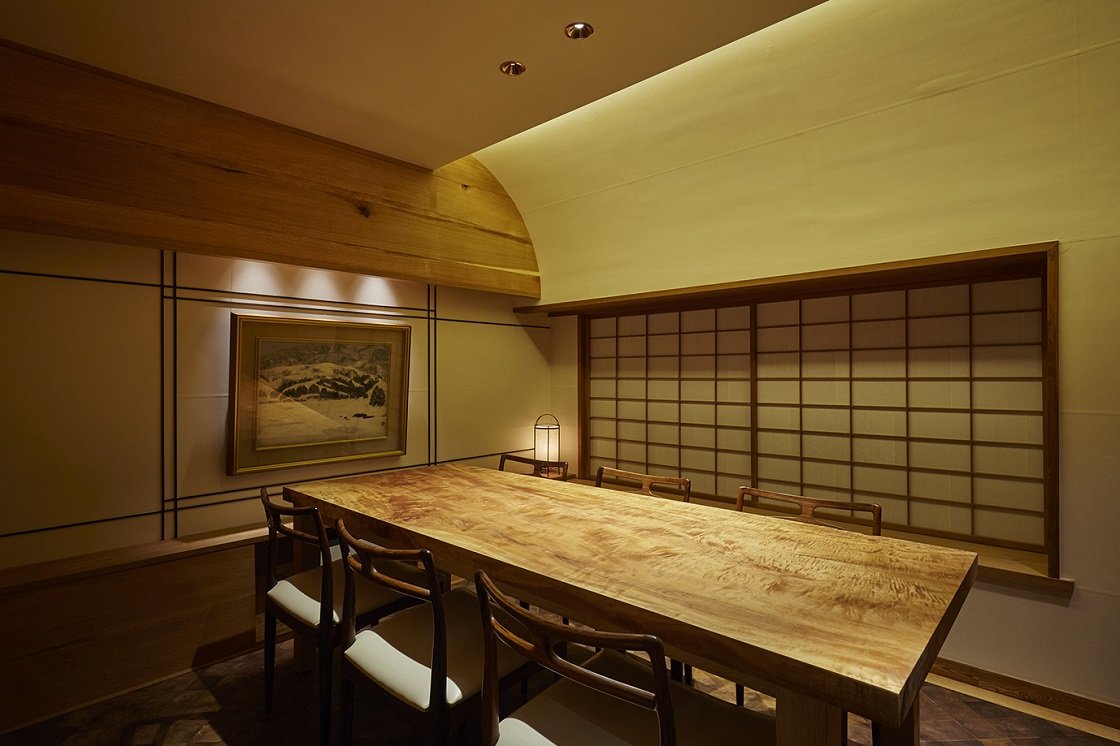
Serene, cozy counter atmosphere with warm attentive service reflecting traditional Kyoto tranquility.
Tags
Vibe
Best For
Experience
Sourcing
At the Table
- Noise Level
- Quiet
- Service Style
- Formal
- Meal Pacing
- Leisurely
- Capacity
- Intimate
- Kitchen
- Seasonal
- Menu Format
- Omakase, Counter dining
- Drinks Focus
- Sake
- Private Dining
- Available
Signature Dishes
hassun
Know before you go
Know Before You Go
- Getting there
- 204 Seiryucho, Kamigyo Ward, Kyoto, 602-0822, Japan
Planning details
Hours
- Monday
- Closed
- Tuesday
- 11:30 AM–2:30 PM, 6–9:30 PM
- Wednesday
- 11:30 AM–2:30 PM, 6–9:30 PM
- Thursday
- 11:30 AM–2:30 PM, 6–9:30 PM
- Friday
- 11:30 AM–2:30 PM, 6–9:30 PM
- Saturday
- 11:30 AM–2:30 PM, 6–9:30 PM
- Sunday
- 11:30 AM–2:30 PM, 6–9:30 PM
Location
204 Seiryucho, Kamigyo Ward, Kyoto, 602-0822, Japan · Directions
Recognition and awards
Also consider
Also Consider
- Gion Sasaki: Kaiseki, Japanese, ¥¥¥¥
- cenci: Italian, ¥¥¥
- Ifuki: Kaiseki, ¥¥¥¥
- Kyokaiseki Kichisen: Japanese, ¥¥¥¥
- SEN: French, Japanese, ¥¥¥¥
Restaurant context
Among Kyoto's ¥¥¥¥ kaiseki rooms, Kokyu stands out for its intimate scale and the proprietor's personal approach. Kyokaiseki Kichisen has greater historical prestige and suits diners drawn to lineage and ceremony; it is also harder to book and more formal. Kokyu instead centres the meal on one proprietor's knowledge rather than a multi-generation house style. Gion Sasaki shares its Michelin recognition and attention to seasonality, but its Gion location brings greater visibility and booking pressure. When Gion Sasaki's waitlist is closed, Kokyu in Kamigyo Ward is a credible alternative in its own right.
Ifuki and SEN take different approaches within the ¥¥¥¥ tier. Ifuki offers focused kaiseki for diners who value clean, precise execution without Kokyu's festival-narrative framing. SEN works at the French-Japanese intersection, making it more accommodating for a table that includes guests less comfortable with a traditional kaiseki sequence. cenci drops to ¥¥¥ and shifts to Italian cooking, a useful choice for a multi-night Kyoto itinerary that calls for variety rather than successive kaiseki meals.
Kokyu's Hard booking rating is typical of Kyoto's serious ¥¥¥¥ rooms. Fixed travel dates call for alternatives: SEN or cenci are more likely to have availability with shorter lead times. Kokyu and Gion Sasaki both demand advance planning, especially during April and November. Reserve Kokyu first when the dates work; consider the others on their own merits.
Explore Kyoto
Around this place
Discover more on Pearl
Unlock the full Kokyu guide in Pearl, including awards, comparisons, FAQs, planning details, and nearby places.
Compare Kokyu
| Venue | Awards | Price |
|---|---|---|
| Kokyu | Michelin Guide Kyoto Osaka 20262026 Michelin 1 Star2024 Michelin 1 Star | ¥¥¥¥ |
| Gion Sasaki | 2026 Tabelog Bronze · #3862026 OAD Top Restaurants in Japan RecommendedMichelin Guide Kyoto Osaka 20262026 La Liste Top RestaurantsTabelog 100 - Japanese cuisine - WEST - 2025 · #132025 OAD Top Restaurants in Japan Ranked · #2462025 Tabelog Silver2025 Michelin 3 Stars2025 La Liste Top Restaurants | ¥¥¥¥ |
| cenci | 2026 Tabelog Bronze · #442026 Asia's 50 Best Restaurants · #762026 OAD Top Restaurants in Japan Highly RecommendedMichelin Guide Kyoto Osaka 2026Tabelog 100 - Italian - WEST - 2025 · #632025 Asia's 50 Best Restaurants · #632025 OAD Top Restaurants in Japan Ranked · #1682025 Tabelog Bronze2024 OAD Top Restaurants in Japan Ranked · #135 | ¥¥¥ |
| Ifuki | 2026 OAD Top Restaurants in Japan Ranked · #1222026 Tabelog Bronze · #128Michelin Guide Kyoto Osaka 20262026 La Liste Top RestaurantsTabelog 100 - Japanese cuisine - WEST - 2025 · #622025 OAD Top Restaurants in Japan Ranked · #1002025 La Liste Top Restaurants2025 Tabelog Bronze2025 Michelin 2 Stars | ¥¥¥¥ |
| Kyokaiseki Kichisen | 2026 Tabelog Bronze · #1752026 OAD Top Restaurants in Japan Highly RecommendedMichelin Guide Kyoto Osaka 20262025 OAD Top Restaurants in Japan Ranked · #1862025 Michelin 2 Stars2025 La Liste Top Restaurants2024 OAD Top Restaurants in Japan Ranked · #1422024 Michelin 2 Stars2023 OAD Top Restaurants in Japan Ranked · #136 | ¥¥¥¥ |
| SEN | 2026 Tabelog Bronze · #3952026 OAD Top Restaurants in Japan RecommendedMichelin Guide Kyoto Osaka 20262026 Michelin PlateTabelog 100 - Japanese cuisine - WEST - 2025 · #652025 Michelin Plate2025 Tabelog Bronze2024 OAD Top Restaurants in Japan Ranked · #3622024 Michelin Plate | ¥¥¥¥ |







.png?width=1200&quality=80)
Key differences to consider before you reserve.
FAQ
Frequently Asked Questions
Can I eat at the bar at Kokyu?
Given the intimate scale of the room and the personal approach of the proprietor, this is not a venue you walk into and grab a casual seat. Contact them directly before assuming counter availability.
What should I order at Kokyu?
Kokyu runs a set kaiseki format, so ordering off a menu is not the model here. The kitchen builds around the season, with hassun platters that incorporate traditional festival foods and garnishes drawn from nature. You follow the proprietor's lead: that is the point of booking this type of restaurant.
Is Kokyu good for a special occasion?
Yes, with the right expectations. The 2024 Michelin one-star, ¥¥¥¥ pricing, and a proprietor known for deep knowledge and personally crafted dishes make it a strong fit for a milestone dinner. This is not a celebratory crowd-pleaser: it suits people who want a considered, quiet, culturally grounded meal rather than a buzzy room.
What should I wear to Kokyu?
No dress code is specified, but the setting, an intimate kaiseki in a residential Kyoto neighbourhood, Michelin-starred, at ¥¥¥¥, points toward neat, understated clothing. Avoid loud or casual attire. Err toward the conservative side; this is not the kind of room where you want to be the most casually dressed person.
Is Kokyu worth the price?
At ¥¥¥¥, Kokyu sits at the upper end of Kyoto dining, and the 2024 Michelin one-star gives you a credible benchmark. The proprietor's background as a fishmonger with deep knowledge of traditional Japanese culture is reflected in the seasonal precision of the menu. If seasonal kaiseki is your format and you want something rooted in Kyoto's culinary traditions rather than a performative tasting-menu experience, the price is justified.
What are alternatives to Kokyu in Kyoto?
Gion Sasaki and Kyokaiseki Kichisen are the reference points for high-end kaiseki in Kyoto: both carry more name recognition and are harder to book. Ifuki offers a similar seasonal Japanese approach at a slightly more accessible level. cenci and SEN sit in different registers: cenci leans into a Franco-Japanese style, while SEN suits diners who want a shorter, less ceremonial format. Kokyu sits closest to those who want traditional culture-driven kaiseki without the full ceremony of Kichisen.
Is the tasting menu worth it at Kokyu?
Yes, if you are specifically after kaiseki structured around Japanese seasonal traditions and festival food culture. The hassun platters and the proprietor's philosophy, shaped by years as a fishmonger and serious engagement with culinary literature, give the menu a coherence that goes beyond technique. If you want a more contemporary or ingredient-forward approach, cenci would be a better fit at comparable spend.