
KASHIWAI
Sushi · Kita, Kyoto
Restaurant in Kyoto, Japan
 Book with Pearl
The Read
Kyoto-Style Temarizushi
Price
$30–50per person
Dress
Smart Casual
Why go
A Michelin Bib Gourmand temarizushi restaurant in Kyoto's Kita Ward, KASHIWAI serves carefully made sushi balls rooted in Kyoto culinary technique, kombu-marinated fish, dashi-simmered vegetables, and seasonal ingredients, from inside a former antique store. At the ¥ price point, it is one of the most culturally specific and accessible sushi experiences in the city. Open from morning; dinner requires reservations.
About KASHIWAI
Verdict
If you are comparing KASHIWAI against Kyoto's more formal sushi counters, stop. This is a different proposition entirely: a Michelin Bib Gourmand-recognised temarizushi restaurant in Kita Ward, built inside a former antique store, where sushi arrives as small, carefully formed balls in thin cardboard boxes rather than across a chef's counter. At the ¥ price point, it delivers a genuinely Kyoto-specific sushi experience that the city's higher-spend options simply do not replicate. Book it for a morning or lunch visit; dinner requires a reservation.
Portrait
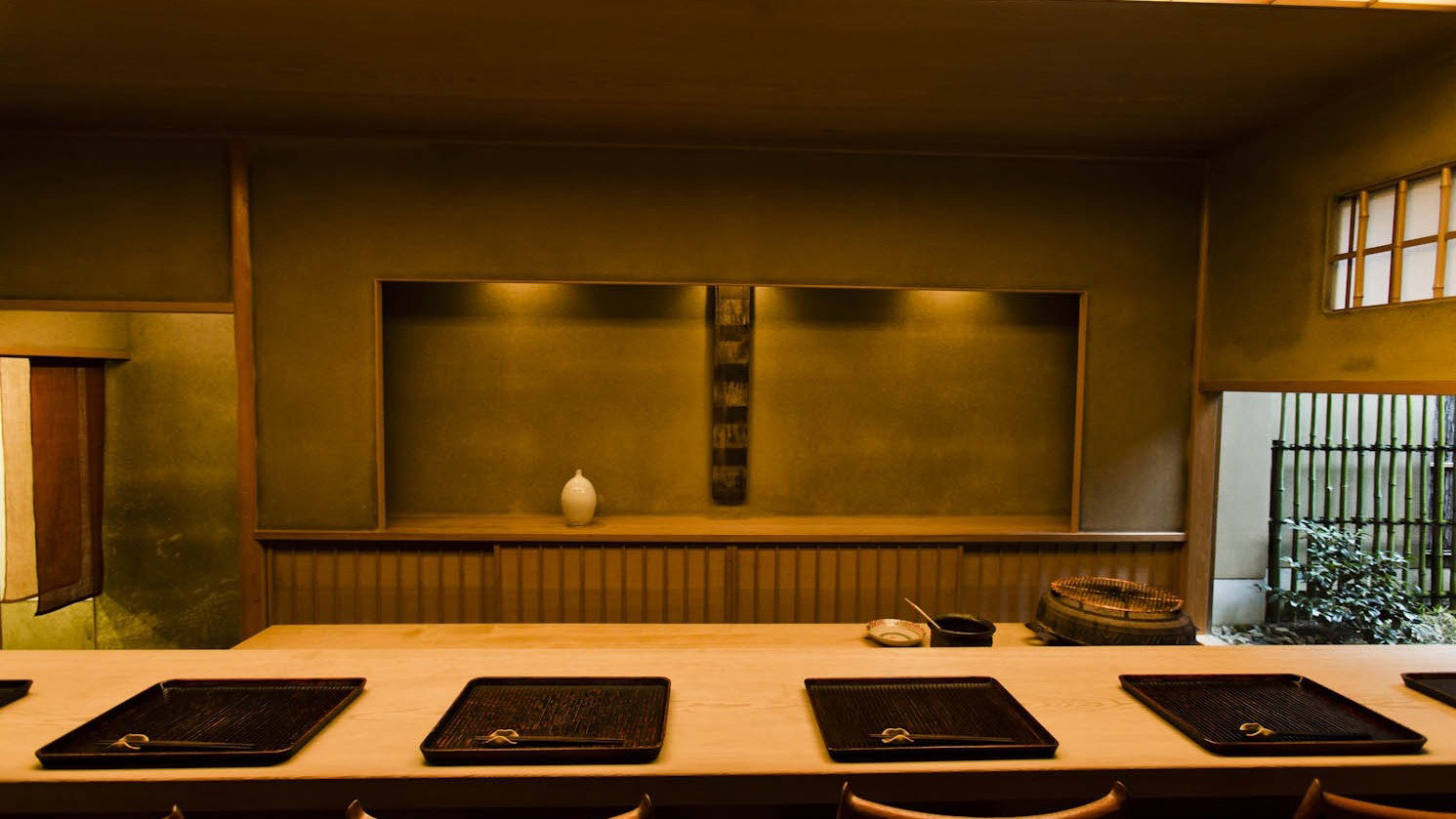
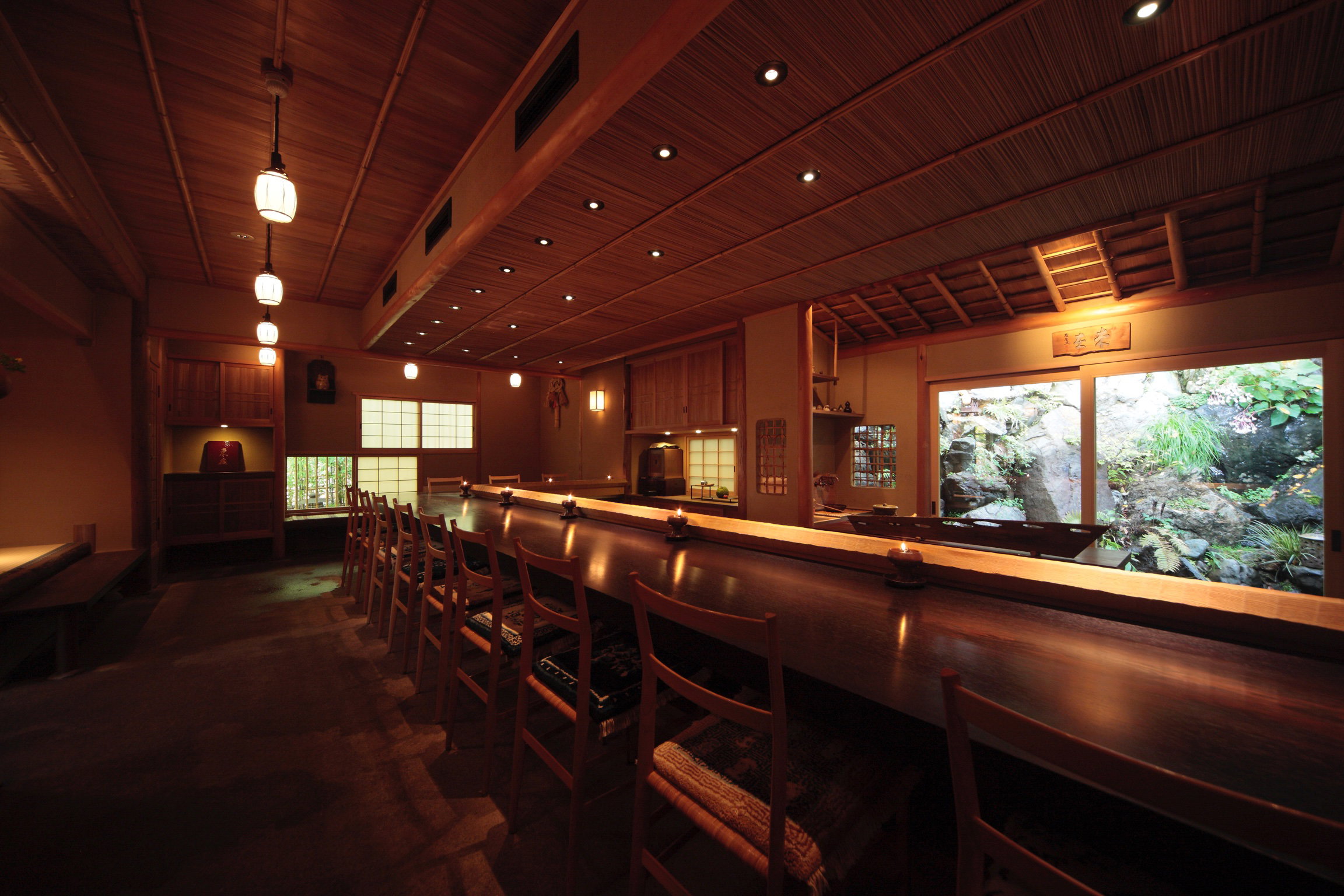
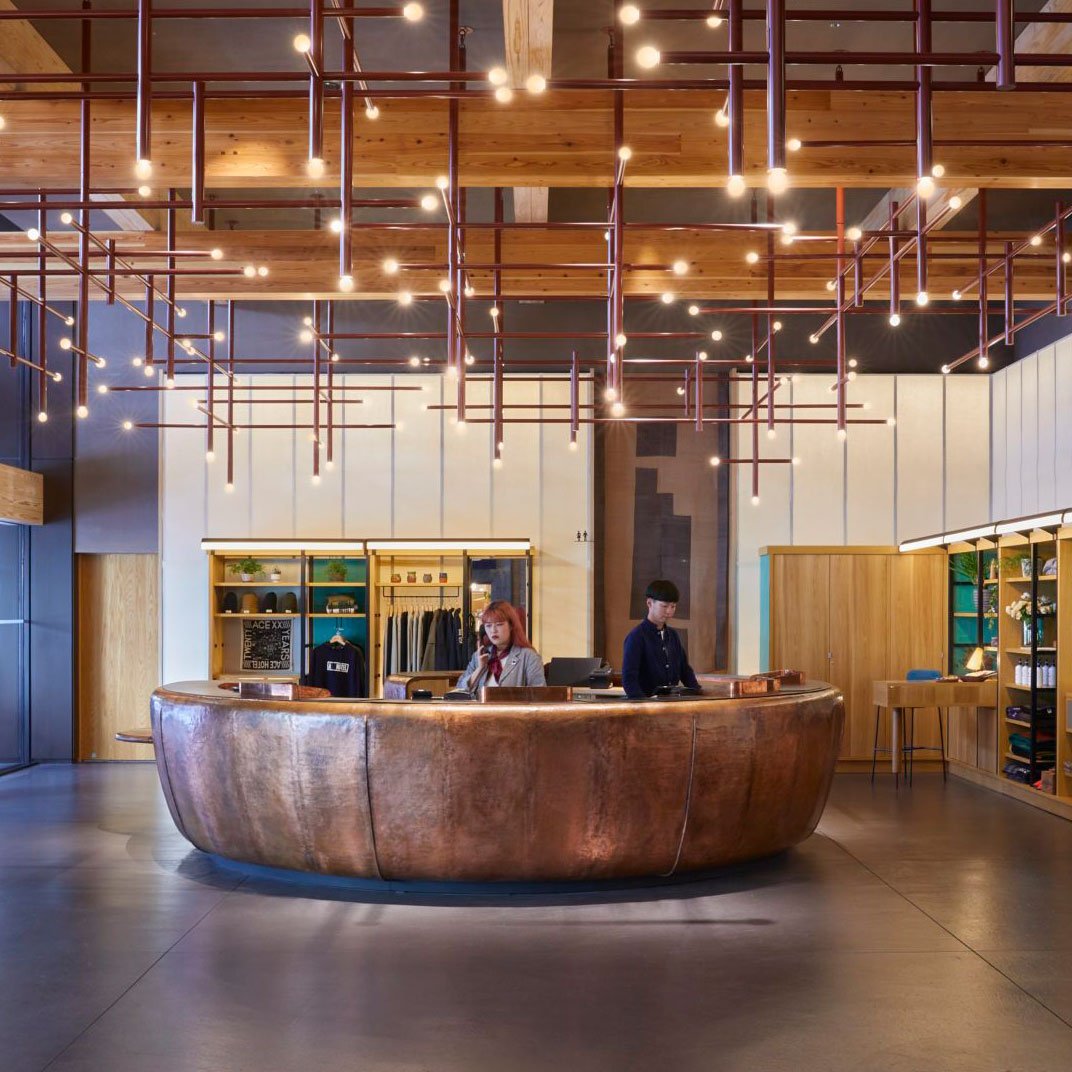
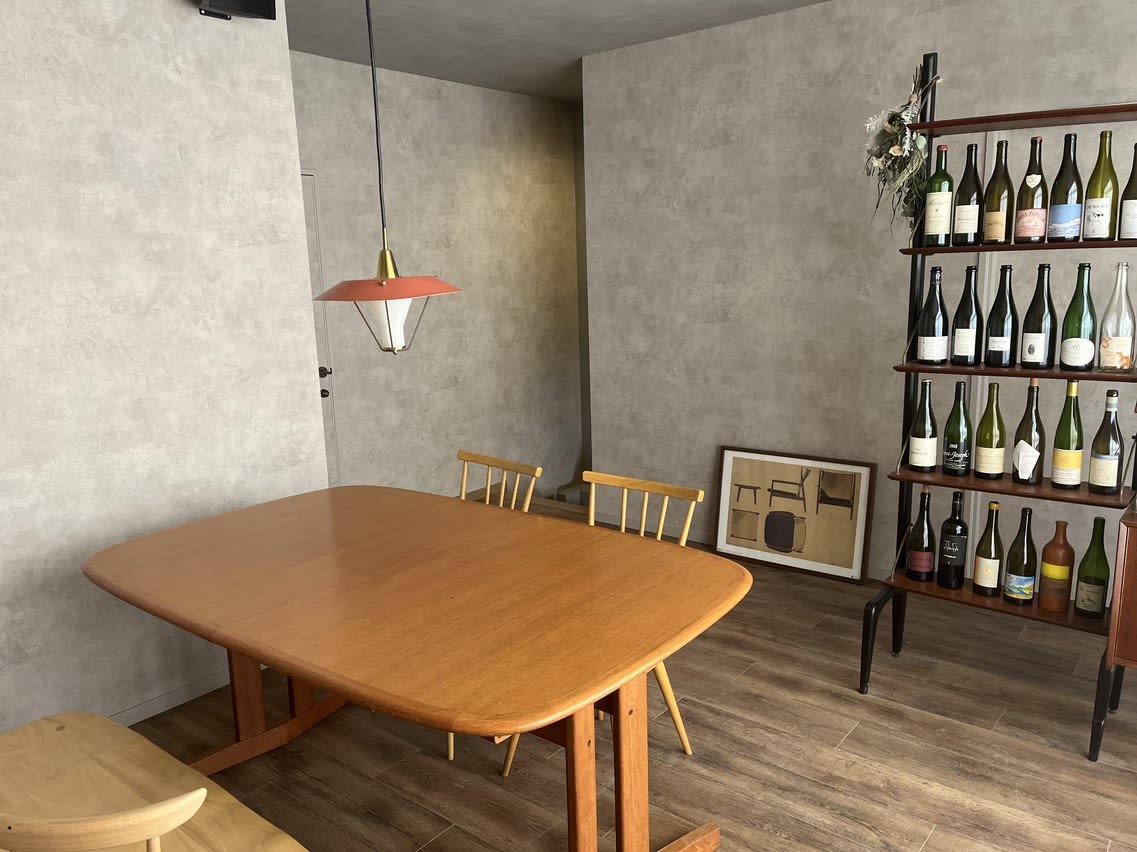
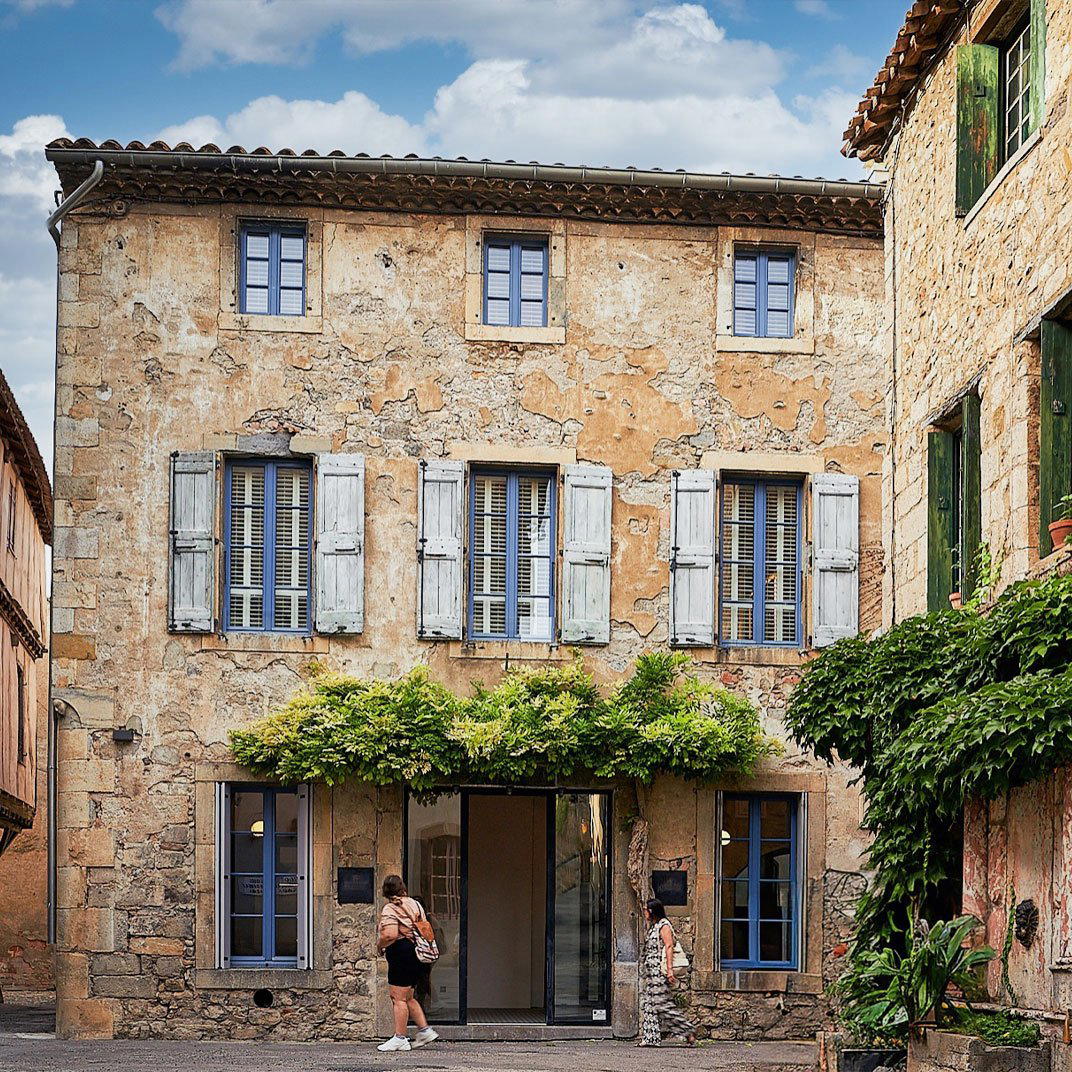
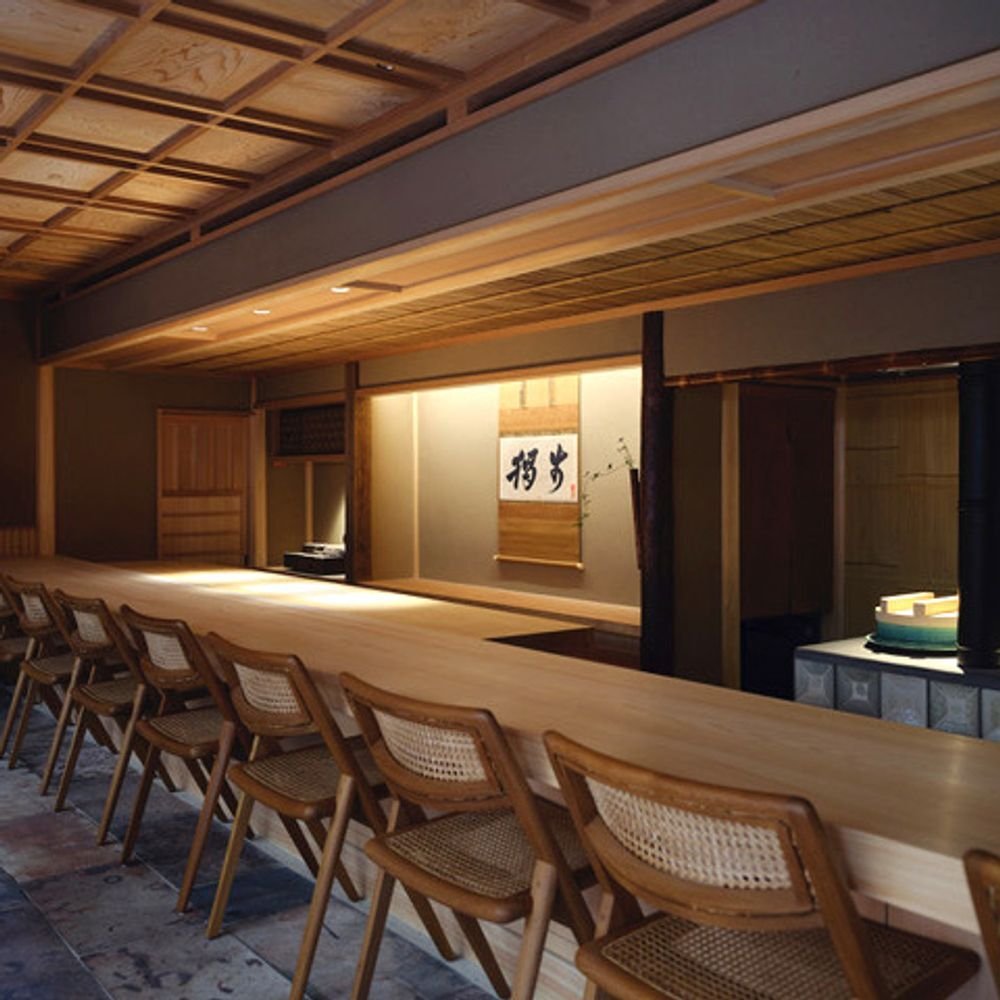
Most sushi restaurants in Japan orient themselves around the counter, the chef, and the theatre of nigiri made to order. KASHIWAI does something different, and the difference is deliberate. The room itself signals the departure: old pottery lines the shelves, a holdover from the building's original life as an antique shop. The visual atmosphere is quieter and more domestic than the clean lines of a high-end sushi counter, and that tone carries through to the food itself.
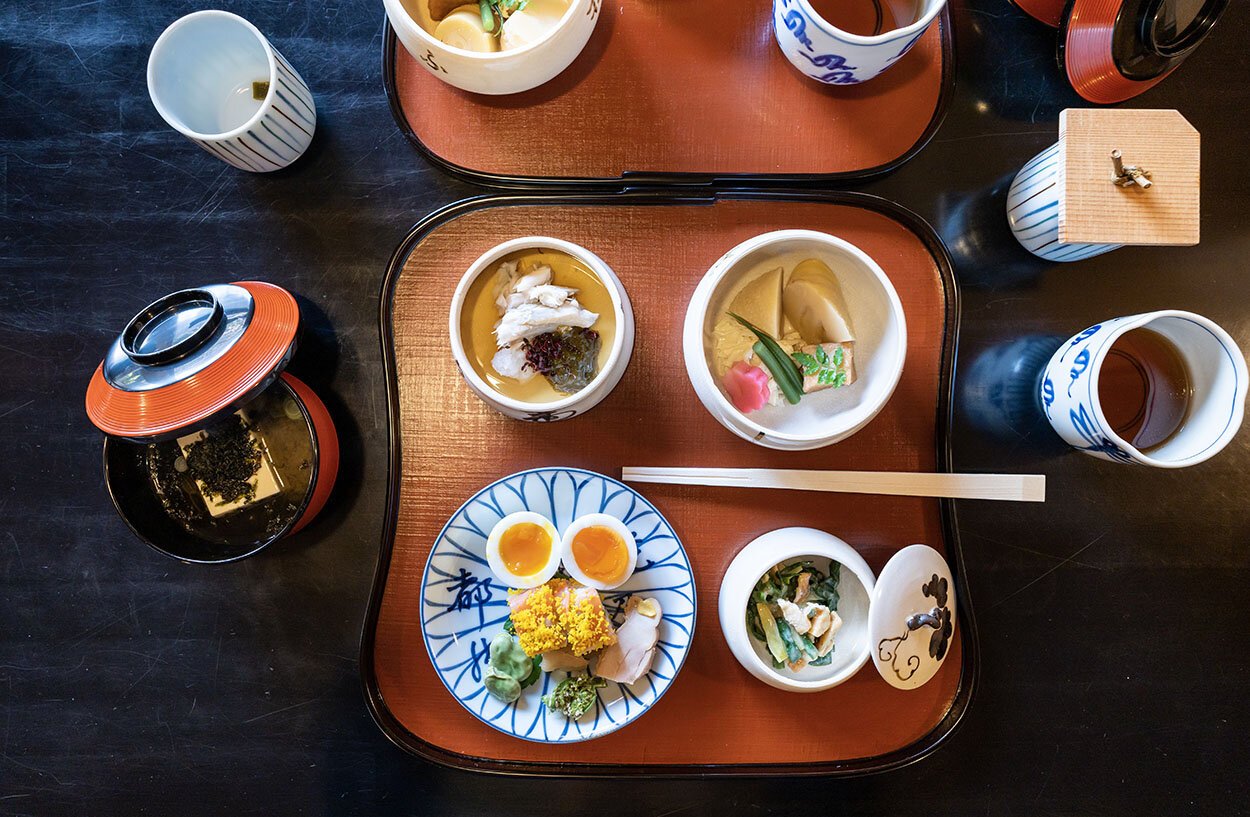
The format here is temarizushi, round, compact sushi balls that reference the temari, the decorative embroidered spheres that are a recognised craft tradition in Kyoto. They arrive in thin cardboard boxes that read more like wagashi confections than anything you would expect from a sushi restaurant. For a food enthusiast looking for depth and local context, that presentation is itself informative: KASHIWAI is not trying to compete with the omakase counters of Gion or Kawaramachi. It is doing something that belongs specifically to Kyoto's culinary tradition of craft, restraint, and visual care.
The ingredient handling reinforces that position. Sea bream is marinated in kombu rather than served raw, which is a Kyoto technique that draws on the city's inland location and its long reliance on preserved and conditioned fish over straight-from-the-market cuts. Shiitake mushrooms are simmered slowly in dashi. These are not shortcuts, they are the methods that define Kyoto's food culture, and at the ¥ price range, finding them applied this carefully is genuinely unusual. For context, Izuu, another Kyoto institution with a strong commitment to kyo-sushi traditions, operates at a higher price tier. KASHIWAI delivers comparable cultural specificity at a fraction of the spend.
Seasonality is built into the menu in a way that rewards repeat visits. Spring brings simmered bamboo shoots, one of Kyoto's most celebrated seasonal ingredients. Winter introduces senmaizuke, the thinly sliced pickled turnip that is closely associated with Kyoto and almost nowhere else in Japan. If you are visiting with a serious interest in how Japanese food culture maps onto place and season, KASHIWAI will give you more to think about than many restaurants charging three or four times as much. For more on how Kyoto's restaurant scene handles seasonality across formats, see our full Kyoto restaurants guide.
The Kita Ward address puts KASHIWAI north of the tourist core, closer to Kinkakuji than to Gion. That location is part of what makes it a genuine neighbourhood anchor rather than a destination built for visitors. The clientele is accordingly more local than at spots near the main sightseeing corridors, which affects both the atmosphere and the queue. Come with that expectation and the visit lands well.
For those building a broader Kyoto food itinerary, KASHIWAI pairs logically with a visit to Kikunoi Sushi Ao or Sushi Rakumi for a cross-section of how Kyoto approaches sushi across different formats and budgets. If you are also covering other Kansai cities, HAJIME in Osaka and akordu in Nara round out the region's range. For sushi specifically outside Japan, Sushi Shikon in Hong Kong and Shoukouwa in Singapore are the regional benchmarks worth knowing.
The restaurant is open from morning, making it one of the few serious sushi options in Kyoto that works as a breakfast or brunch stop. That accessibility at opening hours is a practical advantage in a city where good food early in the day can be hard to find. Dinner seatings require reservations.
To plan the rest of your Kyoto visit, see our full Kyoto hotels guide, our full Kyoto bars guide, and our full Kyoto experiences guide.
Know Before You Go
- Price range: ¥ (budget-friendly by Kyoto dining standards)
- Awards: Michelin Bib Gourmand 2024
- Format: Temarizushi served in cardboard boxes; not a counter omakase
- Hours: Open from morning; dinner requires reservations
- Booking difficulty: Easy for mornings and lunch; reserve ahead for dinner
- Location: Kita Ward, Kyoto, north of the main tourist corridors, near Kinkakuji
- Leading for: Solo diners, couples, food-focused travellers, anyone interested in Kyoto culinary traditions
- Seasonal highlights: Bamboo shoots in spring; senmaizuke pickled turnip in winter
Planning details
- Location
- 3-3 Koyamashimouchikawaracho, Kita Ward, Kyoto, 603-8132, Japan
- Reservations
- Book on the venue's website
- Website
- kyotojapon.co.jp/k
- Phone
- +81 75-491-7056
The take
The Take
The Vibe
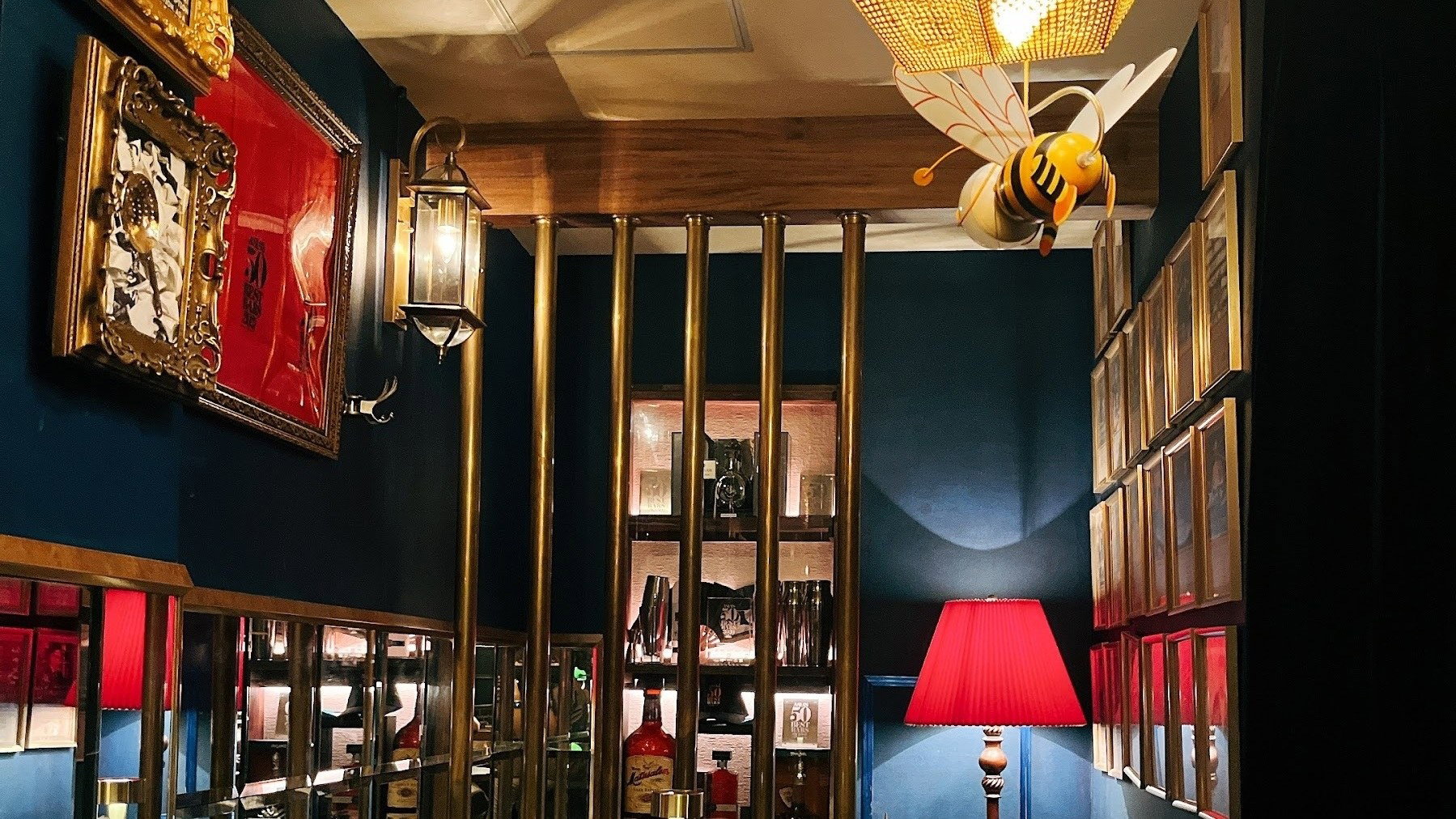
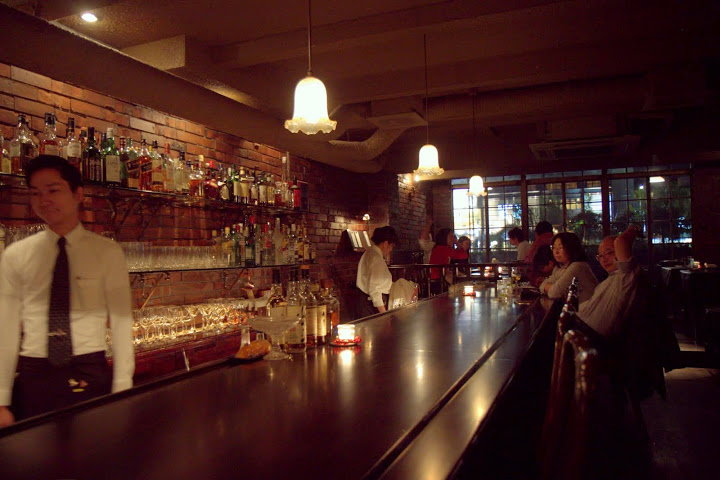
KASHIWAI feels like a small, domestic room that used to be an antique shop; collected ceramics line the shelves and the interior foregrounds accumulated time over minimalist invention. The restaurant practices a Kyoto-style approach to sushi—kombu-cured fish and slow-simmered vegetables—rather than the high-gloss, counter-driven omakase that dominates Tokyo. The result is an intimate, quietly assured atmosphere: tasteful and restrained but warmly layered, where the history of the space is part of the meal. It’s elegant in a lived-in way, prioritizing preservation and subtlety over theatrical presentation.
Best For
This is a place for intimate, contemplative dining: solo visitors who want close attention, couples seeking a low-key date, and small special occasions where quiet and craft matter more than spectacle. The room’s modest scale and antique-shop provenance create a domestic setting that rewards focused conversation and close attention to technique. Its Michelin Bib Gourmand nod signals serious cooking without ostentation, so it’s especially satisfying for diners who appreciate regional Kyoto traditions—temarizushi and preserved preparations—rather than flashy counter theatrics.
Ordering Tips
Order toward the restaurant’s strengths: temarizushi and small tsumami sushi that showcase Kyoto’s kombu-curing and preservation techniques. Expect subtle, transformed flavors—kombu-cured fish and slow-simmered vegetables—rather than the immediate, raw sweetness prized in coastal sushi traditions. The menu privileges hand-formed pieces and small plates over an omakase counter spectacle, so choose a selection of temarizushi and tsumami to taste the different preservation approaches. The Bib Gourmand suggests good value and careful execution; let the focused, seasonal preparations lead the meal.
Venue details
Ambiance
Warm and inviting traditional Japanese decor with old pottery, creating an authentic and cozy atmosphere in a compact, hidden gem space.
Tags
Vibe
Best For
Experience
Sourcing
At the Table
- Dress Code
- Smart Casual
- Noise Level
- Quiet
- Service Style
- Upscale Casual
- Meal Pacing
- Standard
- Capacity
- Intimate
- Kitchen
- Traditional
- Menu Format
- A la carte, Small plates
- Private Dining
- Available
Signature Dishes
- Tsumami Sushi
- Temarizushi
Know before you go
Know Before You Go
- Getting there
- 3-3 Koyamashimouchikawaracho, Kita Ward, Kyoto, 603-8132, Japan
Planning details
Location
3-3 Koyamashimouchikawaracho, Kita Ward, Kyoto, 603-8132, Japan · Directions
Recognition and awards
Also consider
Also Consider
- Gion Sasaki, Kaiseki, Japanese, ¥¥¥¥
- cenci, Italian, ¥¥¥
- Ifuki, Kaiseki, ¥¥¥¥
- Kyokaiseki Kichisen, Japanese, ¥¥¥¥
- Kyo Seika, Chinese, ¥¥¥
Restaurant context
KASHIWAI sits at a different price tier from most of Kyoto's well-regarded dining options, which makes direct comparison useful. If you are deciding between KASHIWAI and Gion Sasaki, Ifuki, or Kyokaiseki Kichisen, all operating at the ¥¥¥¥ level, the question is really about format and intent. Those kaiseki destinations deliver multi-course, highly choreographed meals with considerable ceremony. KASHIWAI at ¥ delivers Kyoto culinary specificity in a more casual register, without the booking difficulty or budget commitment. They are not competing for the same meal occasion.
Against mid-range peers, the picture is clearer. cenci (¥¥¥, Italian) and Kyo Seika (¥¥¥, Chinese) both offer more formal sit-down experiences at a higher price point, with different cuisine contexts. For a traveller whose priority is understanding Kyoto food culture specifically, the seasonal ingredients, the kombu techniques, the wagashi-adjacent presentation, KASHIWAI delivers that more directly than either. If ambiance, service depth, and a full dinner format matter more, step up to cenci or one of the kaiseki options.
Within Kyoto's sushi category, Izuu is the closest cultural comparator: another institution with deep roots in kyo-sushi tradition, though at a higher spend. Sushi Rakumi and Kikunoi Sushi Ao offer counter-format experiences for diners who want chef interaction built into the meal. KASHIWAI is the right call if your priority is value, seasonal Kyoto ingredients, and a format you can manage without a dinner reservation, or if you simply want to eat well in Kita Ward without committing to a long booking lead time.
Explore Kyoto
Around this place
Discover more on Pearl
Unlock the full KASHIWAI guide in Pearl, including awards, comparisons, FAQs, planning details, and nearby places.
Compare KASHIWAI
| Venue | Price | Booking Difficulty | Awards |
|---|---|---|---|
| KASHIWAI | ¥ | Easy | Michelin Guide Kyoto Osaka 20262026 Bib Gourmand2025 Michelin Bib Gourmand2024 Michelin Bib Gourmand |
| Gion Sasaki | ¥¥¥¥ | Unknown | 2026 Tabelog Bronze · #3862026 OAD Top Restaurants in Japan RecommendedMichelin Guide Kyoto Osaka 20262026 La Liste Top RestaurantsTabelog 100 - Japanese cuisine - WEST - 2025 · #132025 OAD Top Restaurants in Japan Ranked · #2462025 Tabelog Silver2025 Michelin 3 Stars2025 La Liste Top Restaurants |
| cenci | ¥¥¥ | Unknown | 2026 Tabelog Bronze · #442026 Asia's 50 Best Restaurants · #762026 OAD Top Restaurants in Japan Highly RecommendedMichelin Guide Kyoto Osaka 2026Tabelog 100 - Italian - WEST - 2025 · #632025 Asia's 50 Best Restaurants · #632025 OAD Top Restaurants in Japan Ranked · #1682025 Tabelog Bronze2024 OAD Top Restaurants in Japan Ranked · #135 |
| Ifuki | ¥¥¥¥ | Unknown | 2026 OAD Top Restaurants in Japan Ranked · #1222026 Tabelog Bronze · #128Michelin Guide Kyoto Osaka 20262026 La Liste Top RestaurantsTabelog 100 - Japanese cuisine - WEST - 2025 · #622025 OAD Top Restaurants in Japan Ranked · #1002025 La Liste Top Restaurants2025 Tabelog Bronze2025 Michelin 2 Stars |
| Kyokaiseki Kichisen | ¥¥¥¥ | Unknown | 2026 Tabelog Bronze · #1752026 OAD Top Restaurants in Japan Highly RecommendedMichelin Guide Kyoto Osaka 20262025 OAD Top Restaurants in Japan Ranked · #1862025 Michelin 2 Stars2025 La Liste Top Restaurants2024 OAD Top Restaurants in Japan Ranked · #1422024 Michelin 2 Stars2023 OAD Top Restaurants in Japan Ranked · #136 |
| Kyo Seika | ¥¥¥ | Unknown | Tabelog 100 - Chinese cuisine - WEST - 2026 · #762026 Tabelog Bronze · #2162026 OAD Top Restaurants in Japan Recommended2026 Michelin 1 Star2025 OAD Top Restaurants in Japan Ranked · #3262025 Tabelog Bronze2024 OAD Top Restaurants in Japan Ranked · #3042024 Michelin Plate2024 Michelin 1 Star |
.png?width=1200&quality=80)








.png?width=1200&quality=80)
Side-by-side comparison to help you decide where to book.
FAQ
Frequently Asked Questions
What should a first-timer know about KASHIWAI?
KASHIWAI is not a traditional omakase counter, it serves temarizushi, small ball-shaped sushi presented in thin cardboard boxes, built around Kyoto-specific ingredients like kombu-marinated sea bream and seasonal bamboo shoots. The space doubles as an antique store decorated with old pottery, so the atmosphere is informal by Kyoto sushi standards. It opens from morning onwards, which makes it a genuine option for lunch or an early meal. Dinner requires a reservation.
Is KASHIWAI good for solo dining?
Yes. The temarizushi format and casual, antique-store setting make solo visits low-pressure compared to a formal sushi counter where a chef is performing directly to you. The Michelin Bib Gourmand recognition signals strong value at a lower price point, so the financial commitment for one is easy to justify. Arriving at lunch avoids the reservation requirement for dinner.
What should I order at KASHIWAI?
The temarizushi is the core reason to visit: compact sushi balls with preparations rooted in Kyoto technique, including kombu-marinated sea bream and dashi-simmered shiitake. If you visit in spring, the simmered bamboo shoots are documented as a seasonal highlight; in winter, the senmaizuke pickled radish appears on the menu. Order according to season, the kitchen clearly prioritises what is in its Kyoto context.
Can I eat at the bar at KASHIWAI?
KASHIWAI does not operate as a counter-format sushi bar in the conventional sense. The setting is a converted antique store, not a chef's counter, and the temarizushi format does not require live preparation in front of you. Specific seating arrangements are not detailed in the venue record, but the daytime service is walk-in accessible, while dinner seating requires a reservation.